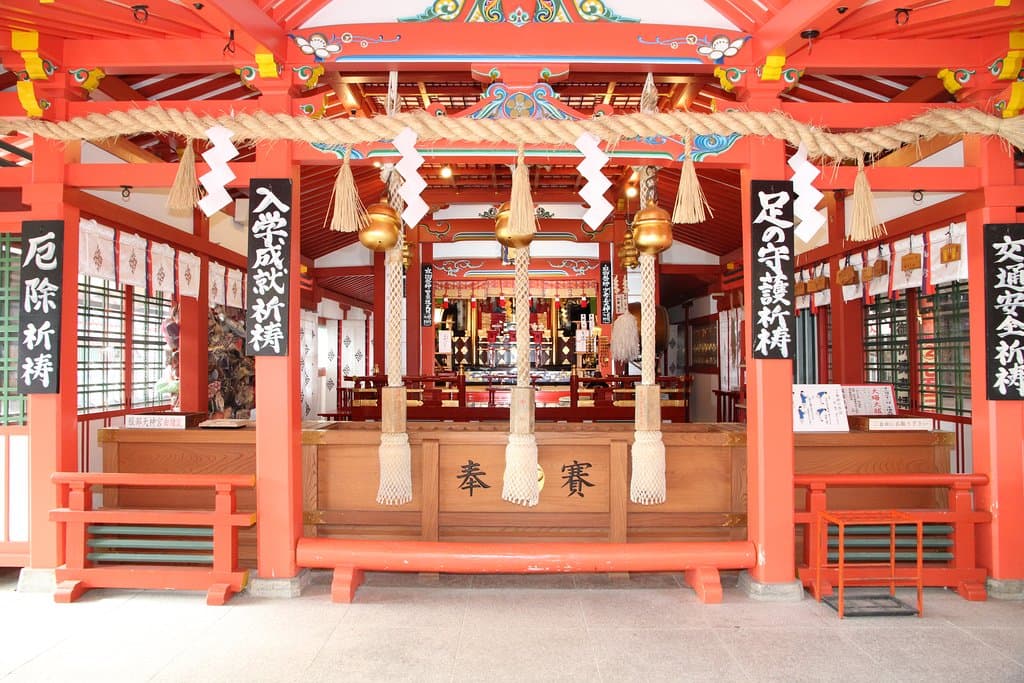
Hattori Tenjingu
Hattori Tenjingu, Osaka's 'Foot Shrine,' offers blessings for leg and foot health, attracting athletes and travelers seeking unique spiritual well-bei...
Highlights
Must-see attractions

Social
From TikTok & Reddit
Best Time
Peaceful atmosphere
Hattori Tenjingu
Best Time
Peaceful atmosphere
Highlights
Must-see attractions
Hattori Tenjingu, Osaka's 'Foot Shrine,' offers blessings for leg and foot health, attracting athletes and travelers seeking unique spiritual well-being.
"A quiet and charming atmosphere, perfect for praying for good health and receiving unique temple seals."
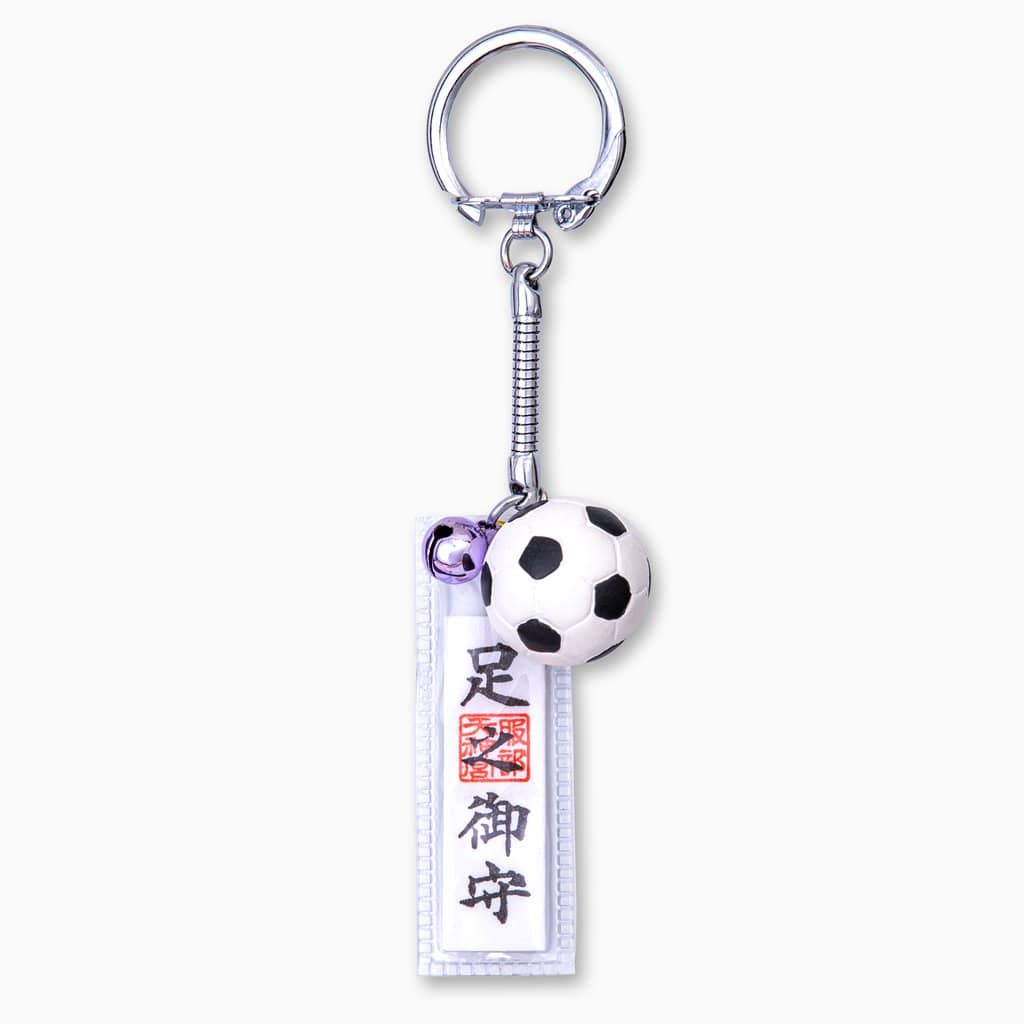
👟 Blessings for Your Feet
Visit to pray for leg and foot health, especially popular with athletes and travelers.
🗓️ Check Festival Dates
The Toyonaka Ebisu festival (Jan 9-11) is vibrant but busy.
Highlights
Discover the most iconic attractions and experiences
The God of Feet
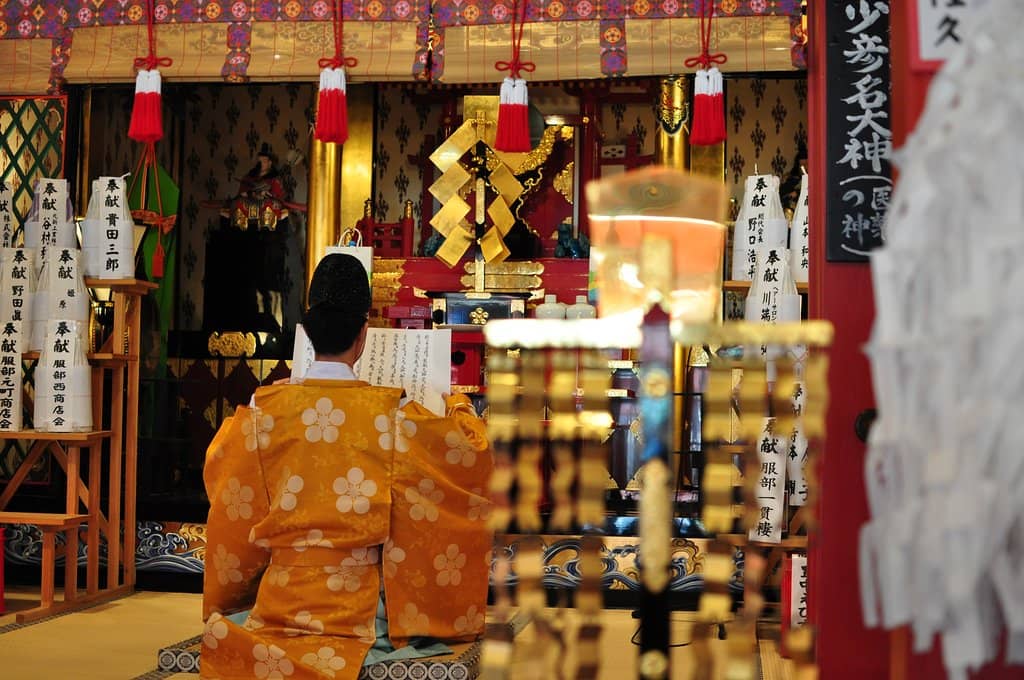
Main Hall
Pray for healthy legs and feet, a unique blessing for athletes and travelers alike.
Sugawara no Michizane
Main Hall
Learn about the scholar and poet whose leg ailment was healed here, cementing its reputation.
Toyonaka Ebisu Festival
Ebisu Shrine
Experience the lively January festival, known for its 'Lucky Girl' selection and festive atmosphere.
Plans like a pro.
Thinks like you
Planning Your Visit
The 'Foot Shrine' of Osaka
Timing Your Visit
Best Times
Insider Tips
from TikTok, Instagram & Reddit
👟 Blessings for Your Feet
Visit to pray for leg and foot health, especially popular with athletes and travelers. 
🗓️ Check Festival Dates
The Toyonaka Ebisu festival (Jan 9-11) is vibrant but busy.
🚶♀️ Easy Access
Just a short walk from Hattori Tenjin Station, making it convenient.
📜 Temple Seals
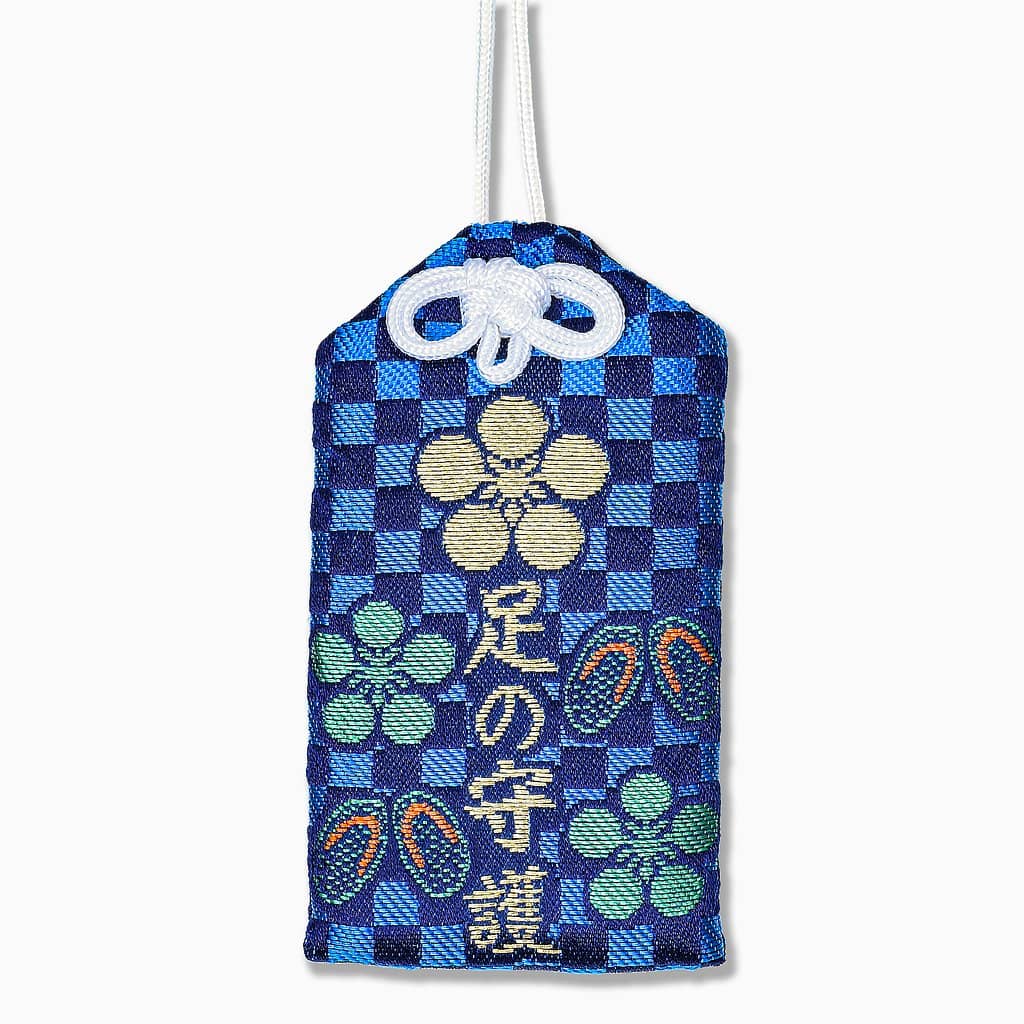
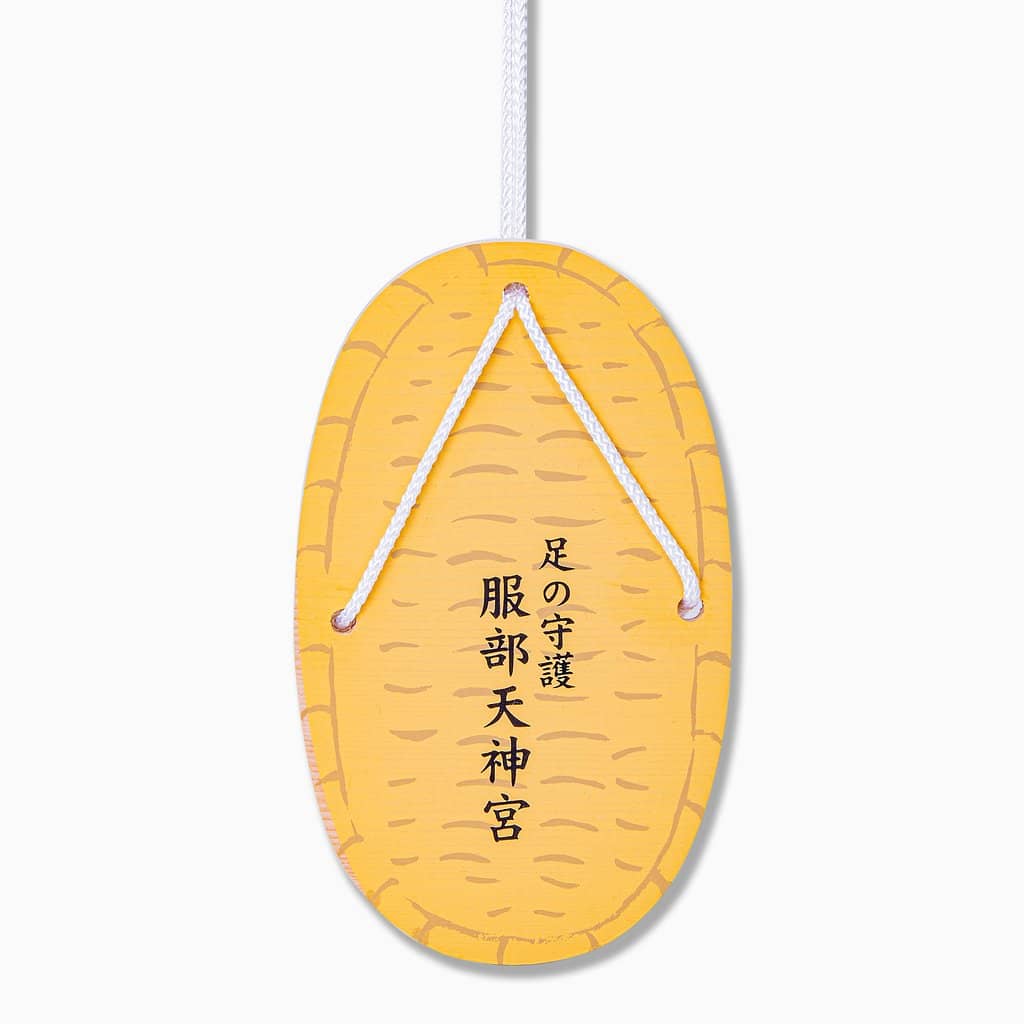
Collect a unique temple seal, perhaps one with a straw sandal pattern.
Tips
from all over the internet
👟 Blessings for Your Feet
Visit to pray for leg and foot health, especially popular with athletes and travelers.
🗓️ Check Festival Dates
The Toyonaka Ebisu festival (Jan 9-11) is vibrant but busy.
🚶♀️ Easy Access
Just a short walk from Hattori Tenjin Station, making it convenient.
📜 Temple Seals
Collect a unique temple seal, perhaps one with a straw sandal pattern.
👟 Shoe Festival
Look out for special 'Shoe Festivals' that celebrate the shrine's unique connection.
What Travellers Say
Reviews Summary
Hattori Tenjingu is praised for its quiet, charming atmosphere and its unique dedication to leg and foot health, attracting athletes and travelers. Visitors appreciate its accessibility from the station and the opportunity to receive unique temple seals. While generally peaceful, it can become lively during special festivals.
"The shire has a quiet and charming atmosphere.it is a walkable distance from Hattori Tenjin Station."
Lakshmi Venu
"Visited on October 26, 2025.
I went to pray around 2pm, and the place was lively with children carrying the mikoshi (portable shrine). I felt a bit of energy and went to pray. I also received a temple seal and prayed for good health. Although it's in front of the station, the atmosphere is very nice and relaxing. Maybe next time I'll come around New Year's! It was a great visit."
タヌキタロウ
"Tenjin Shrine has long been known as "Hattori Ebessan." Located south of the main hall, Ebisu Shrine has long been revered as "Hattori Ebisu" (now known as "Toyonaka Ebisu"). Its history is well-known among those in the know as the "birthplace of the lucky girls." Each year, a lucky girl, carefully selected from a large number of applicants, including foreigners, bestows blessings from January 9th to 11th. This festival is the busiest in the town of Hattori.
The origins of Tenjin Shrine date back to when Sugawara no Michizane was demoted to Dazaifu, his leg pain worsened due to his chronic beriberi, making it difficult for him to walk. He visited an old shrine in the area, and his leg was healed. It is said that Tenjin Shrine was built on the basis of this shrine (which is said to have been dedicated to the medicine god Sukunahikona no Mikoto). As a result, many people travel long distances to visit this shrine, a rare "god of the feet" throughout Japan. There are also foot-related events such as the "Foot Festival" and the "Shoe Festival," which contribute greatly to the liveliness of the town."
中西毅
What People Like
What People Dislike
Frequently Asked Questions
🚇 🗺️ Getting There
Hattori Tenjingu Shrine is conveniently located just 15 minutes from Osaka Station. Take the Hankyu Takarazuka Line to Hattori Tenjin Station, and the shrine is a short walk away.
Yes, it is very accessible. The nearest station is Hattori Tenjin Station on the Hankyu Takarazuka Line, making it easy to reach from central Osaka.
From Kansai International Airport (KIX), you can take a train to Osaka Station and then transfer to the Hankyu Takarazuka Line to Hattori Tenjin Station.
Limited parking is available within the shrine grounds, but it can be scarce, especially during events. It's often unavailable on January 15th.
While it's close to Hattori Tenjin Station, it's not typically within walking distance of major tourist attractions in Osaka city. Public transport is recommended.
🎫 🎫 Tickets & Entry
Hattori Tenjingu Shrine is generally free to enter. You can explore the grounds and main hall without a ticket.
The shrine is typically open from 6:00 AM to 5:00 PM on Saturdays and Sundays.
To experience a more peaceful atmosphere, aim for weekday mornings. Weekends and special festival days can be quite lively and crowded.
Yes, the shrine is known for the Toyonaka Ebisu festival held from January 9th to 11th, which is a very busy but festive period.
Yes, visitors can receive temple seals, often featuring unique designs like straw sandals, as a memento of their visit.
🎫 ⛩️ Onsite Experience
It's famously known as the 'Foot Shrine' or 'Shrine of Healthy Legs,' dedicated to blessings for leg and foot health, making it popular with athletes and travelers.
Sugawara no Michizane, a renowned scholar and politician, is said to have been healed of leg ailments after praying at this shrine, solidifying its reputation as a place for foot health. +1
Visitors can pray for leg and foot health. Some reels show a unique way of praying at the 'foot-stepping prayer seat' by removing shoes and praying towards the main hall.
Despite being near a station, the shrine offers a quiet and charming atmosphere, providing a relaxing experience for visitors.
Yes, the shrine can be lively, especially during events like the mikoshi (portable shrine) parades, which children often participate in.
📸 📸 Photography
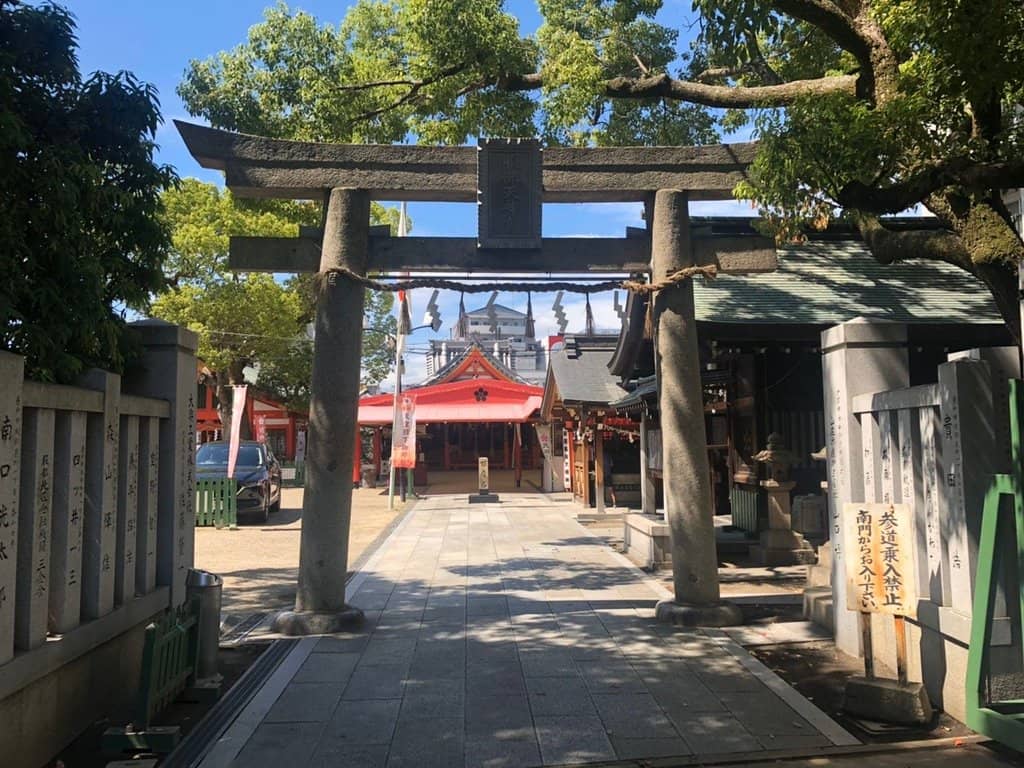
The main hall, the unique prayer seats, and the shrine's gates offer picturesque opportunities. The vibrant colors during festivals are also great for photos.
Photography rules can vary. It's always best to observe signage or ask shrine staff if you're unsure about restrictions inside sacred buildings.
Early mornings or late afternoons can offer softer light. During festivals, the energy and decorations provide unique photographic moments, though crowds will be higher.
A smartphone with good low-light capabilities is sufficient for most visitors. If you're interested in more detailed shots, a camera with a versatile lens would be ideal.
Look for details related to shoes or feet, such as offerings or decorative elements. The unique prayer method involving shoes might also be a point of interest.
For Different Travelers
Tailored advice for your travel style
🏃 Athletes and Fitness Enthusiasts
+2Consider visiting before a major competition or during your training regimen to seek blessings for peak performance. The shrine's unique focus on foot and leg health offers a specialized spiritual support system that is rare and highly valued by the athletic community.
✈️ Travelers and Hikers
+1Make a stop at this shrine to ensure your travels are comfortable and injury-free. It's a peaceful retreat that offers a moment of reflection and a chance to seek good fortune for your adventures.
🙏 Those Seeking Unique Spiritual Experiences
+1Explore the stories behind its unique blessings and perhaps participate in the prayer rituals. It's a chance to connect with a less common aspect of Japanese spiritual traditions.
Deep Dives
In-depth insights and expert knowledge
The Legend of the 'Foot Shrine'
This unique focus attracts a diverse range of visitors, from professional athletes seeking an edge to everyday individuals hoping for relief from foot and leg discomfort. The shrine's connection to health and recovery makes it a significant spiritual destination for those seeking physical well-being. The shrine also hosts special events like the 'Foot Festival' and 'Shoe Festival,' further emphasizing its distinctive patronage.
Beyond its primary blessing, the shrine is also dedicated to Sukunahikona no Mikoto, the god of medicine, and Sugawara no Michizane himself is enshrined here. This dual dedication adds layers to its spiritual significance, offering prayers for healing and scholarly success. The shrine's proximity to Hattori Tenjin Station makes it an accessible pilgrimage for many.
Experiencing the Toyonaka Ebisu Festival
The festival is a major draw for the local community and visitors alike, transforming the usually serene shrine into a hub of celebration. The selection of the 'Lucky Girl' is a highlight, symbolizing good fortune and blessings for the year ahead. This event is considered the busiest time of year for the Hattori area, showcasing the shrine's deep cultural roots and its role in community life.
Visitors attending the festival can expect a vibrant scene with various stalls, traditional performances, and a palpable sense of excitement. It's an excellent opportunity to immerse oneself in local Japanese culture and witness a unique tradition firsthand. However, due to its popularity, expect significant crowds during these dates.
Social
from TikTok, Instagram & Reddit