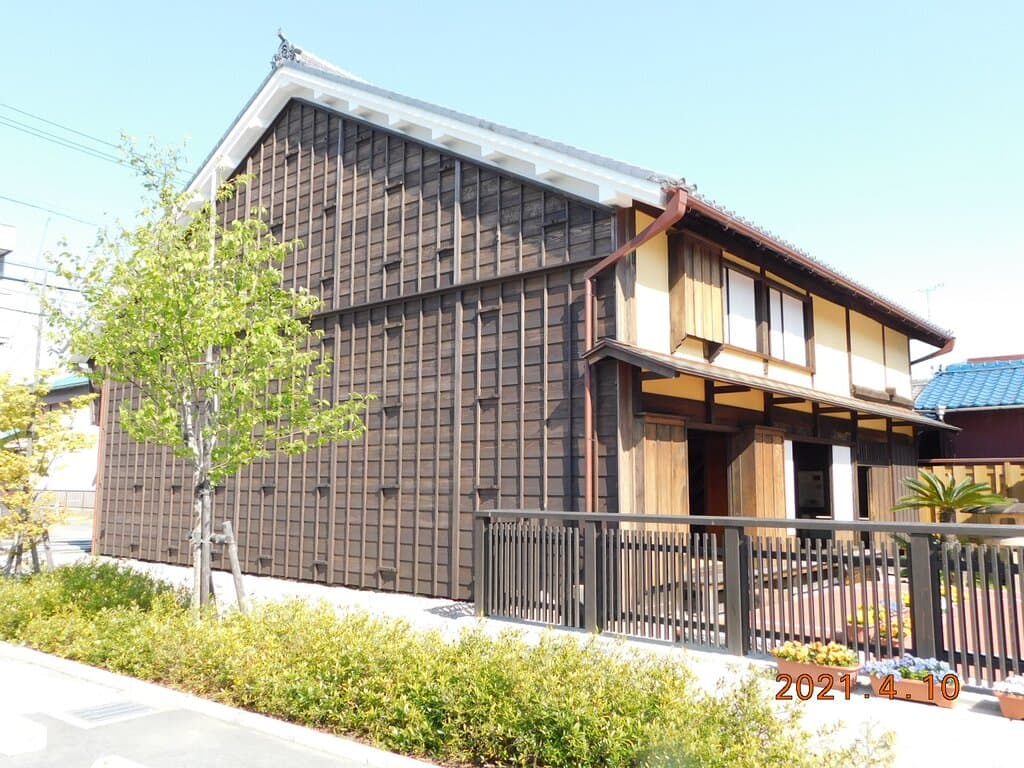
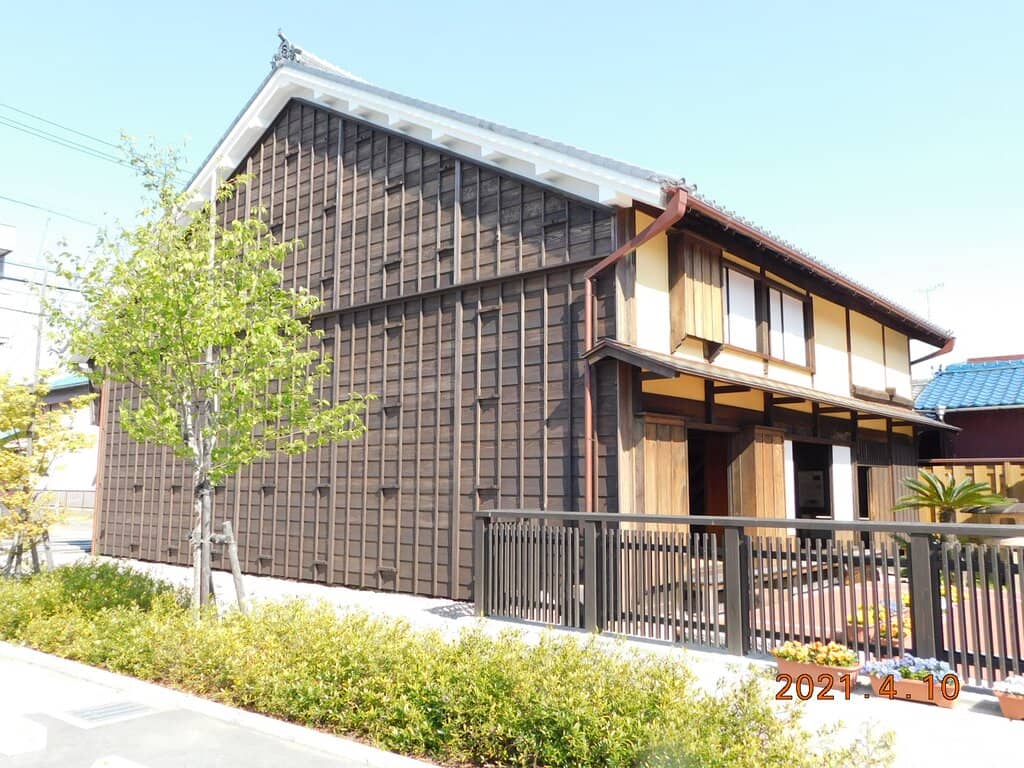
Ohashi-ya Akasaka-juku Inn Museum
Step into Edo-period Japan at this preserved inn, a free museum showcasing historical travel and Emperor Meiji's past residence.
Highlights
Must-see attractions

Social
From TikTok & Reddit
Best Time
Fewer crowds, more peaceful exploration.
Ohashi-ya Akasaka-juku Inn Museum
Best Time
Fewer crowds, more peaceful exploration.
Highlights
Must-see attractions
Step into Edo-period Japan at this preserved inn, a free museum showcasing historical travel and Emperor Meiji's past residence.
"Feel the texture of beams and walls from centuries past, experiencing the authentic ambiance of a historic Japanese inn."
Free Admission! 🎉
Entry is free, making it an accessible historical experience. Donations are welcome.
Ask the Staff! 🗣️
Volunteers offer detailed insights. Don't hesitate to ask questions for a richer visit.
Highlights
Discover the most iconic attractions and experiences
Edo Period Atmosphere
Main House
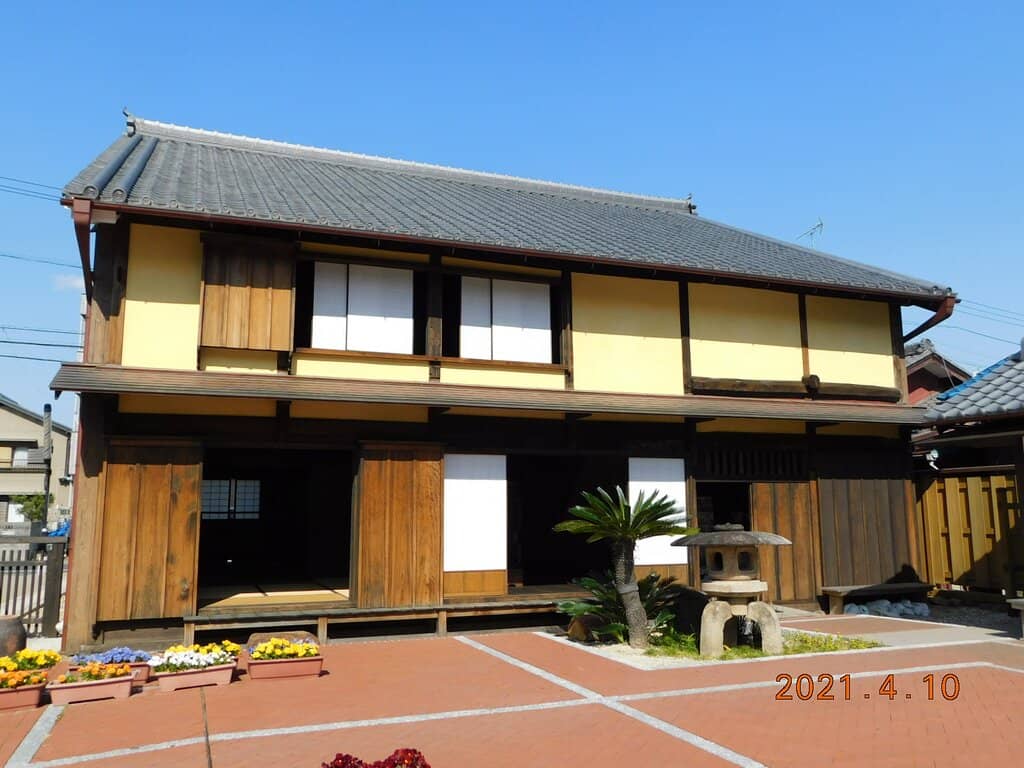
Feel the texture of beams and walls from centuries past. Experience the authentic ambiance of a historic Japanese inn.
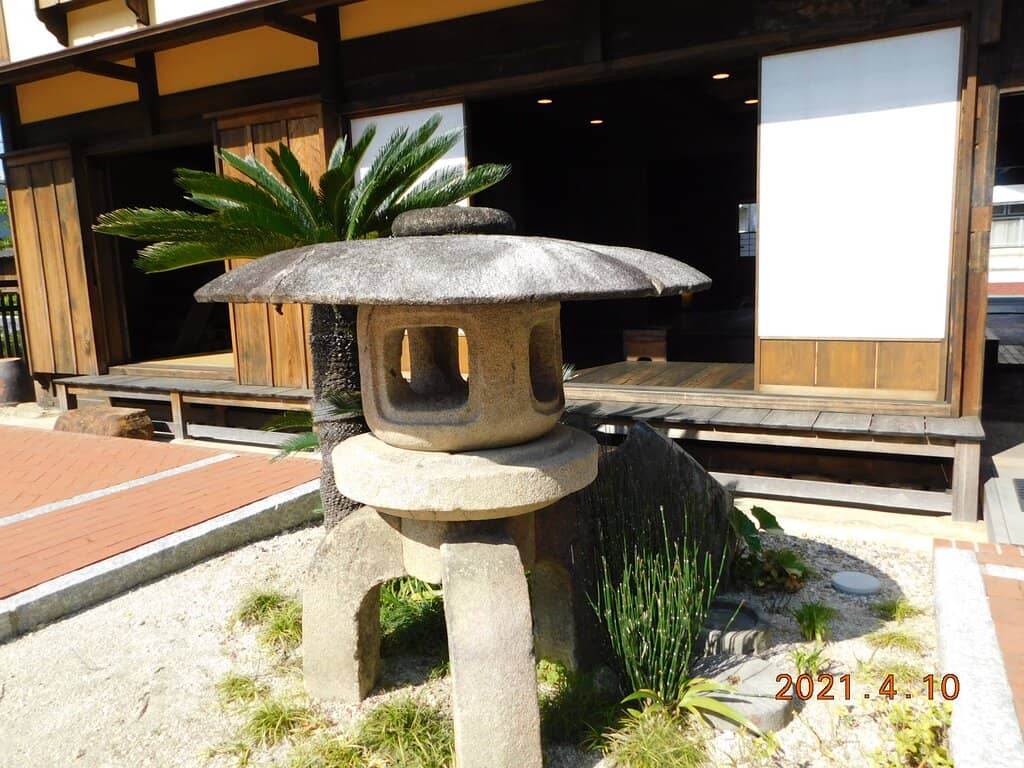
Imperial Residence
Designated Room
See where Emperor Meiji stayed in 1878 during his tour. A significant historical marker within the inn.
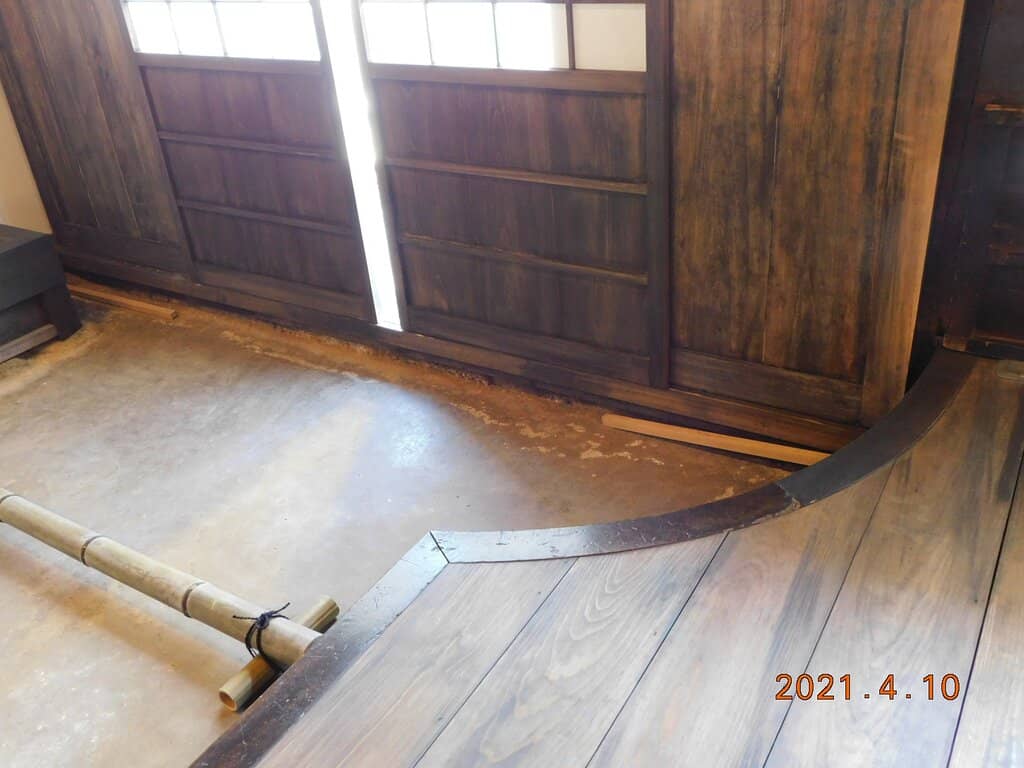
Historic Post Town Layout
Grounds
Understand the narrow, long grounds typical of post towns. Imagine travelers arriving centuries ago.
Plans like a pro.
Thinks like you
Planning Your Visit
Step Back in Time
Explore Akasakajuku
Best Times
Insider Tips
from TikTok, Instagram & Reddit
Free Admission! 🎉
Entry is free, making it an accessible historical experience. Donations are welcome.
Ask the Staff! 🗣️
Volunteers offer detailed insights. Don't hesitate to ask questions for a richer visit.
Parking Available 🚗
Plenty of parking on-site, making it easy to access by car.
Combine with Oyujuku 🚶
Explore nearby Oyujuku for a more comprehensive historical journey of the area.
Tips
from all over the internet
Free Admission! 🎉
Entry is free, making it an accessible historical experience. Donations are welcome.
Ask the Staff! 🗣️
Volunteers offer detailed insights. Don't hesitate to ask questions for a richer visit.
Parking Available 🚗
Plenty of parking on-site, making it easy to access by car.
Combine with Oyujuku 🚶
Explore nearby Oyujuku for a more comprehensive historical journey of the area.
What Travellers Say
Reviews Summary
Visitors praise Ohashi-ya for its free admission and the authentic Edo-period atmosphere it preserves. The opportunity to step back in time and imagine historical travel is a major draw. While some note the minimal garden and the fact it's no longer a functioning inn, the informative volunteer guides and the historical significance, including Emperor Meiji's visit, are highly appreciated.
"An inn that operated until March 2015
I visited this inn in early May 2024 while exploring Akasakajuku and Oyujuku.
One of the few remaining remains from Akasakajuku.
Although some parts have been relocated and are not complete, I was able to experience the atmosphere of an inn from that time.
The information board reads:
—————————————————————-
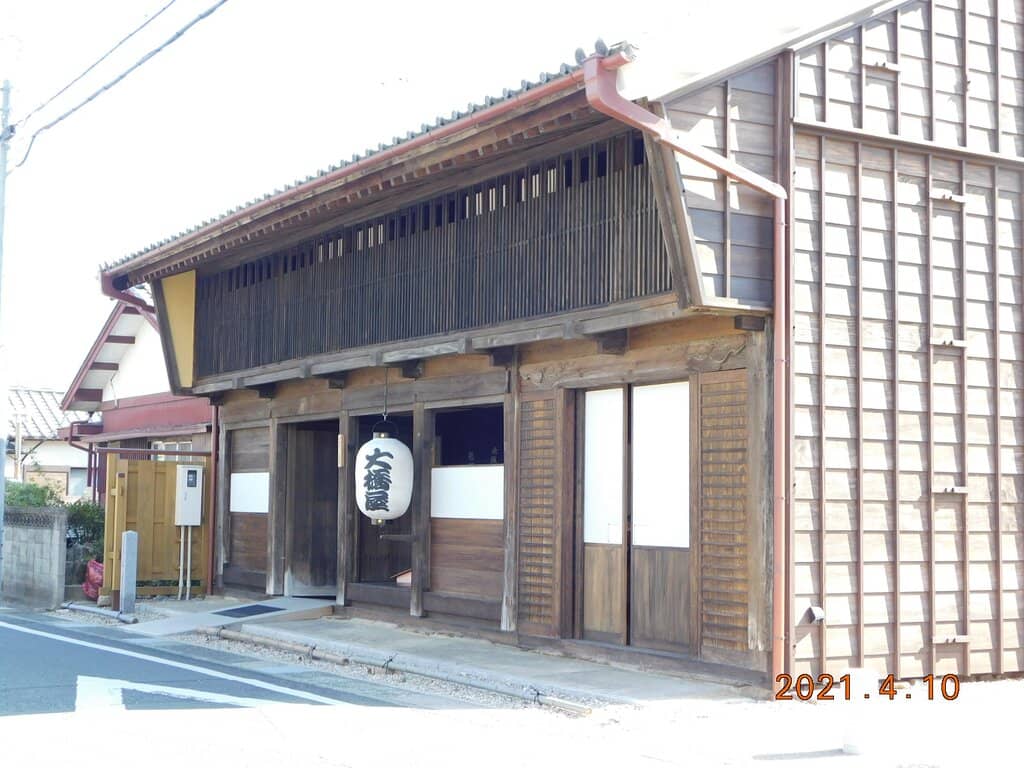
The Edo period name of Ohashiya was "Katsuoya," and it operated as an inn for ordinary travelers. The current main house is believed to have been built after the great fire of Akasakajuku in 1809. According to a floor plan left behind at Ohashiya, the main house, auxiliary rooms, inner rooms, and storehouses were built side by side on the narrow, long grounds typical of post towns. In the late Edo period, common people began to travel to shrines and temples and for sightseeing, and it is likely that many travelers stayed at Koiya. It continued to operate as an inn into the Meiji era and later, becoming a regular lodging for the Isshinko, a traveler's association offering safe lodgings. It even served as Emperor Meiji's temporary residence during his tour of the Tokai and Hokuriku regions in 1878.
————————————————————-
The staff at the time gave me lots of advice, and I was very satisfied as I headed on."
amsang04
"This inn has been standing since the Edo period.
Apparently it was actually used as a ryokan (Japanese inn) until 2014. Currently, you can tour it for free. If you're in the area, be sure to stop by. There's plenty of parking, so it's easy to park."
ton she
"The last inn of the 53 Stations of the Tokaido with a history of 210 years (until 2015) It is a historic place where Emperor Meiji stopped by during his tour of Tokai and Hokuriku in 1878, and was also depicted in Akasaka, the 53 Stations of the Tokaido by ukiyo-e artist Hiroshige Utagawa. The beams and walls are still the same as they were back then, and you can feel the texture that has passed through the years, which is wonderful! The staff will be kind and polite and explain things in an easy-to-understand manner."
石川太郎
What People Like
What People Dislike
Frequently Asked Questions
🚇 🗺️ Getting There
The museum is accessible by car with ample parking available. Public transport options might require local bus connections from nearby train stations. Check local transit schedules for the most up-to-date information.
Yes, there is plenty of parking available at the museum, making it convenient for visitors arriving by car.
Absolutely! Ohashi-ya Akasaka-juku Inn Museum is a great stop for a day trip, especially when combined with other historical sites in the Akasakajuku area like Oyujuku.
🎫 🎫 Tickets & Entry
The museum is open for tours, but specific hours can vary. It's best to check the official local tourism website or inquire locally for the most current operating times.
No, admission to the Ohashi-ya Akasaka-juku Inn Museum is free. It's a wonderful opportunity to experience history without any cost.
Since admission is free and it's a historical site rather than a ticketed attraction, advance booking is generally not required.
Photography is usually permitted inside historical buildings like this, but it's always a good idea to check for any specific signage or ask staff to confirm.
🎫 🧭 Onsite Experience
You can explore the preserved Edo-period inn, walk through its rooms, and imagine life as a traveler centuries ago. The site showcases the typical layout of a post town inn and even hosted Emperor Meiji.
Yes, volunteer guides are often present and can provide detailed explanations about the inn's history and significance. Their insights are highly valued by visitors.
As a historic building, accessibility might be limited. Some areas may have stairs or uneven flooring. It's advisable to contact the museum directly for specific accessibility information.
Ohashi-ya was a vital inn in Akasakajuku, a post town on the Tokaido road. It operated for over 200 years and even served as a temporary residence for Emperor Meiji in 1878.
The inn was originally known as 'Katsuoya' during the Edo period before becoming Ohashi-ya.
🍽️ 🍽️ Food & Dining
The museum itself is a historical site and does not typically have dining facilities. However, there are likely local restaurants and cafes in the surrounding Akasakajuku area.
In the Toyokawa and Toyohashi regions, you can find local specialties like Takoyaki and various ramen shops.
Look for traditional Japanese cuisine in nearby eateries.
📸 📸 Photography
Capture the rustic charm of the wooden beams and walls, the traditional room layouts, and the exterior of the historic building. The garden area, though minimal, also offers photo opportunities.
Tripod usage might be restricted to avoid damage to the historic structure or to allow for easier visitor flow. It's best to check with the staff on-site.
Focus on architectural details, the textures of aged wood, and the overall atmosphere of a bygone era. Capturing the historical context of the post town is also key.
For Different Travelers
Tailored advice for your travel style
👨👩👧 Families with Kids
🏛️ History Enthusiasts
🚗 Road Trippers
Deep Dives
In-depth insights and expert knowledge
A Glimpse into Edo Period Travel
The inn's history extends into the Meiji era, where it continued to operate and even served as a lodging for a traveler's association. Its most notable historical moment was hosting Emperor Meiji in 1878 during his tour, a testament to its importance and stature. The fact that it operated as a ryokan until as recently as 2015 means that much of its original structure and atmosphere has been remarkably preserved, allowing visitors to step back in time and experience the ambiance of a working inn from centuries past.
Visitors can feel the texture of the beams and walls, imagining the countless travelers who passed through. The preservation efforts, including a reported one-meter lowering of the inn during renovation, highlight a commitment to maintaining its historical integrity. While the rear garden is modest due to budget constraints, the overall experience provides a unique window into the daily life and travel conditions of the Edo period, distinct from the more mountainous Nakasendo route.
The Role of Post Towns and Inns
The economic incentives for running a successful inn were significant, as they could generate income beyond agricultural work. This allowed for a more stable life for those involved in the post town economy, including those who performed odd jobs for the inns. The historical records suggest that while there were restrictions, some post towns like Akasakajuku might have had more leniency in certain areas, possibly contributing to their prosperity. The inn's ability to operate for over two centuries and its eventual designation as a historical site underscore its importance in the fabric of Japanese travel history.
The mention of 'water drinkers' and their potential for a second income by doing odd jobs around the post town illustrates the multifaceted economy that supported these vital locations. Even after the Meiji Restoration and the emancipation edict in 1872, which aimed to reform societal structures, the legacy of these historical travel routes and the inns that served them continues to be preserved and appreciated.

Social
from TikTok, Instagram & Reddit