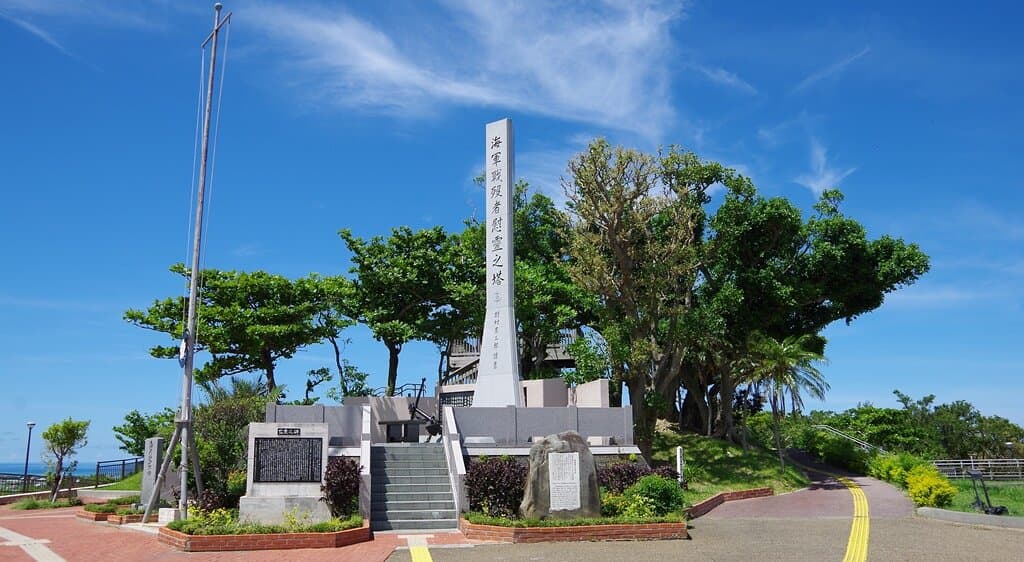
Former Japanese Navy Underground Headquarters Okinawa
Step into history at Okinawa's Former Japanese Navy Underground Headquarters, a preserved WWII bunker turned peace memorial.
Highlights
Must-see attractions

Social
From TikTok & Reddit
Best Time
Fewer crowds, peaceful exploration
Former Japanese Navy Underground Headquarters Okinawa
Best Time
Fewer crowds, peaceful exploration
Highlights
Must-see attractions
Step into history at Okinawa's Former Japanese Navy Underground Headquarters, a preserved WWII bunker turned peace memorial.
"A powerful WWII exhibit offering a testament to tranquility and a message of peace for humanity."
🚗 Parking Options
Parking is available both lower and higher on the hill, closer to the museum entrance. :car:
🚶 Self-Guided Tour
The site offers a well-designed self-guided tour through the cavernous retreat. :walking:
Highlights
Discover the most iconic attractions and experiences
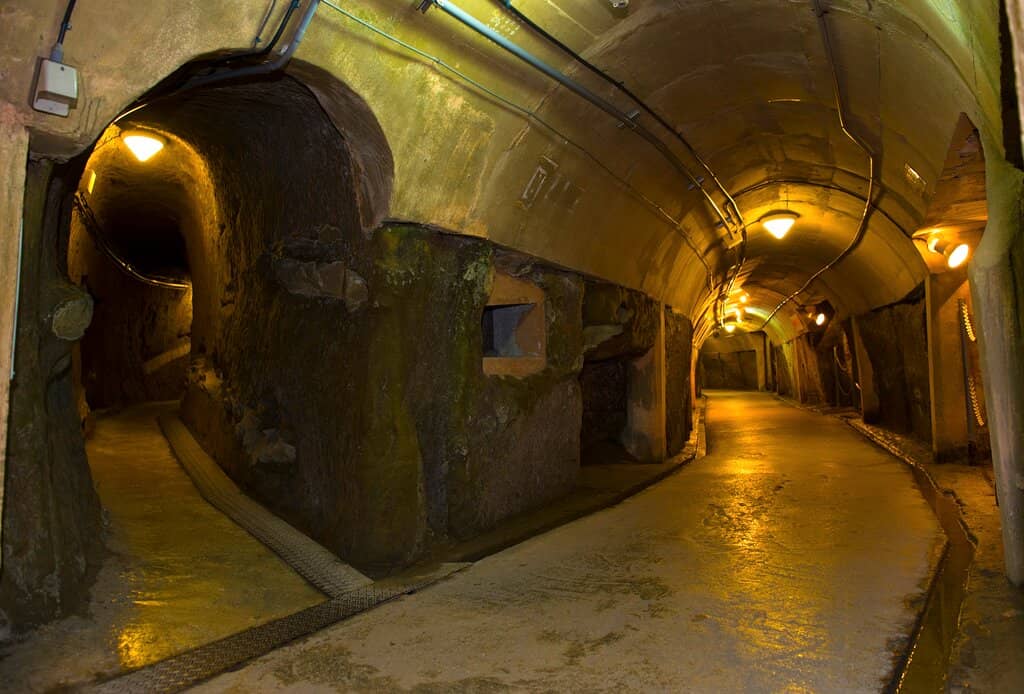
The Underground Tunnels
Underground complex
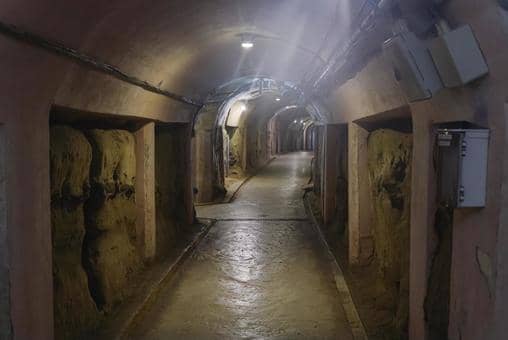
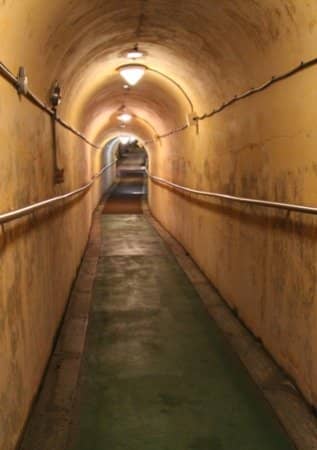
Walk through the historic tunnels where 4,000 personnel were stationed during the Battle of Okinawa.

Historical Photo Exhibits
Reception area and lower levels
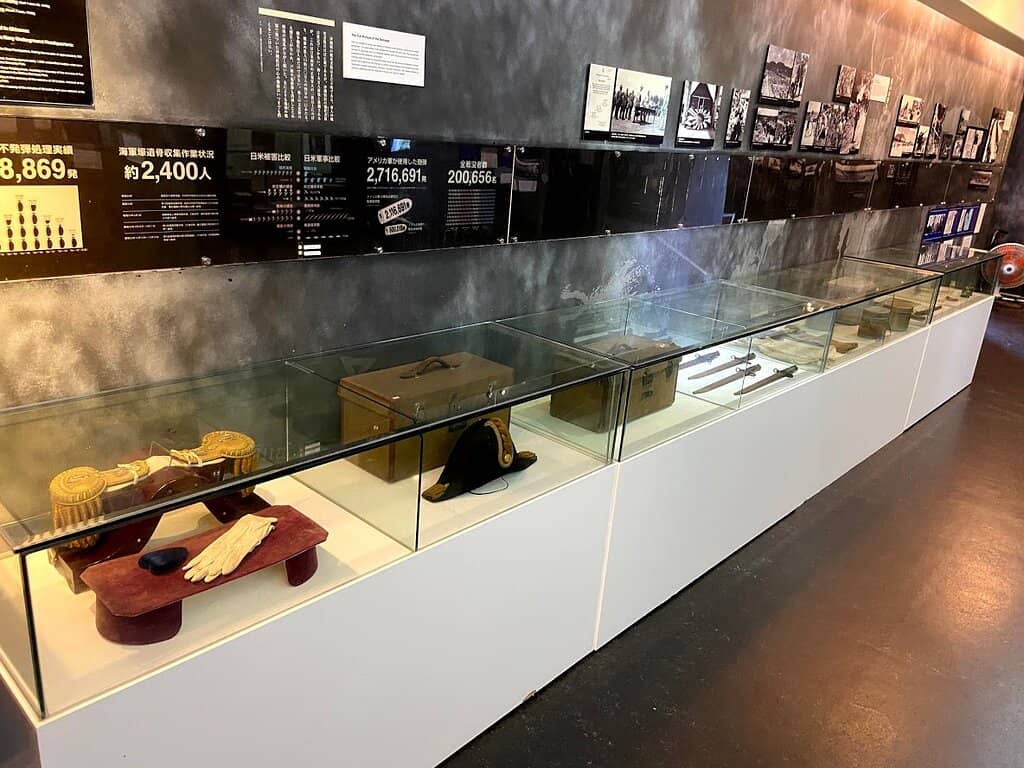
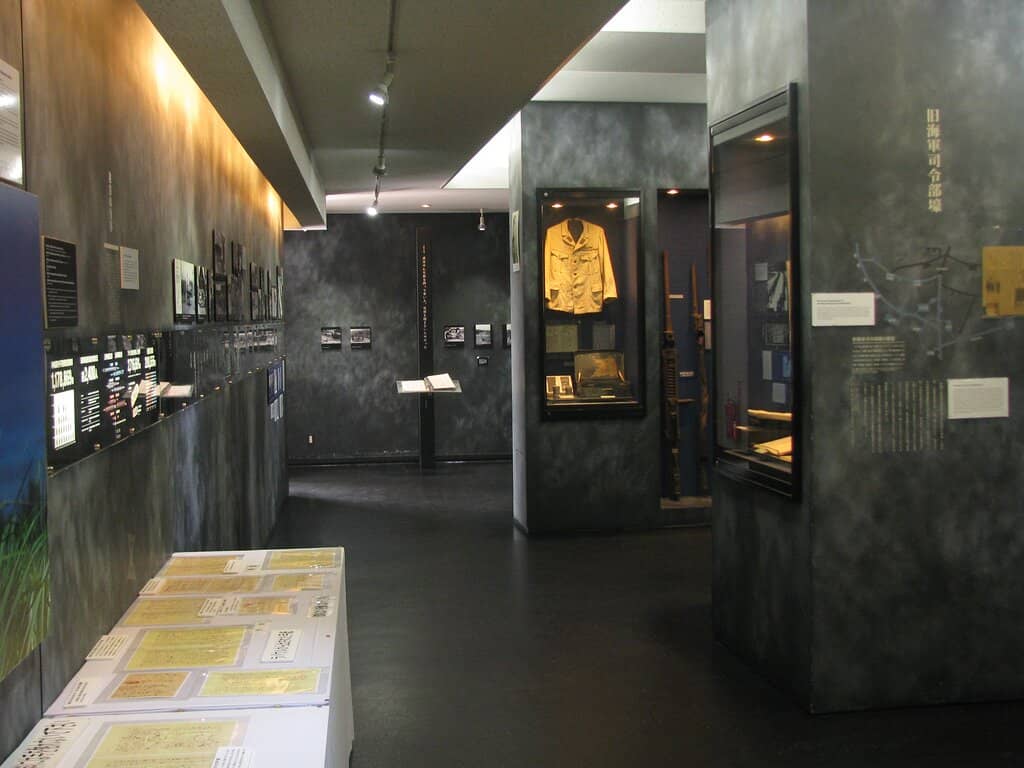
See powerful black and white photographs and artifacts detailing the Battle of Okinawa.
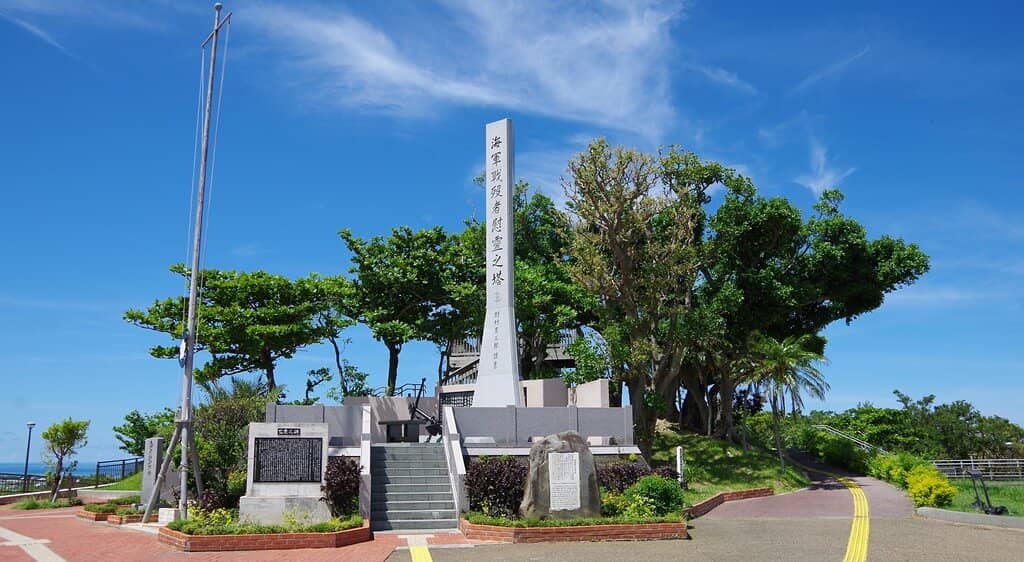
Panoramic Naha Views
Top of the hill
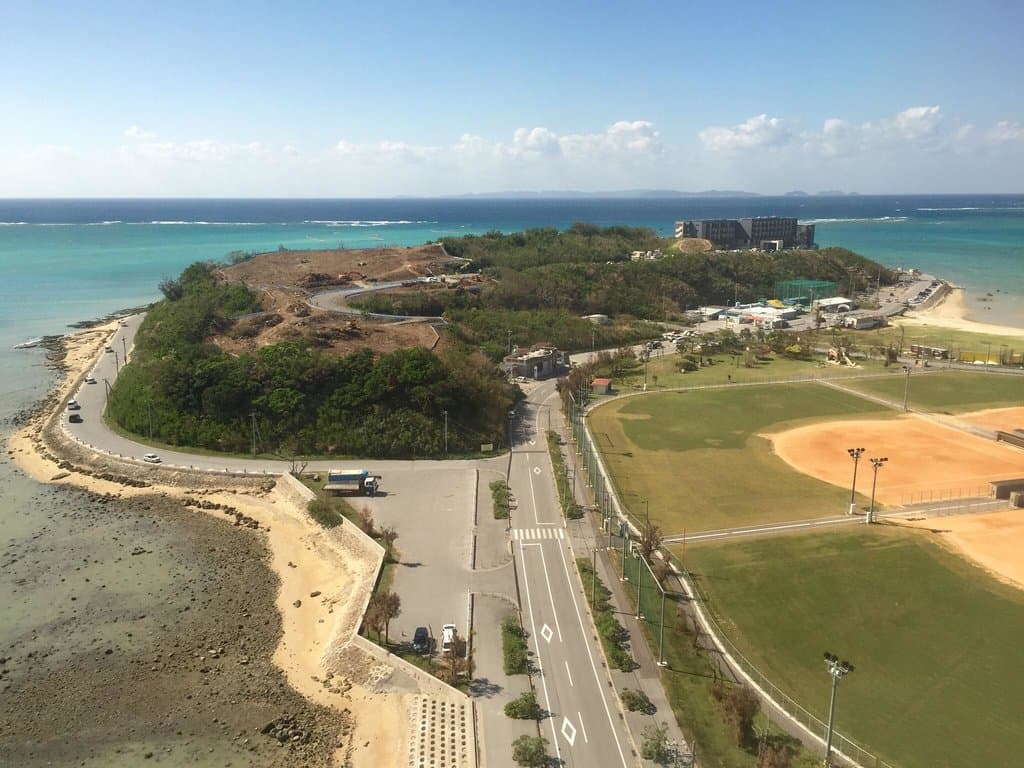
Enjoy a surprising view of Naha city from the surface, offering a different perspective.
Plans like a pro.
Thinks like you
Planning Your Visit
Timing is Key for a Peaceful Visit
Understand the Entrance Fee
Best Times
Insider Tips
from TikTok, Instagram & Reddit
🚗 Parking Options
Parking is available both lower and higher on the hill, closer to the museum entrance. :car:
🚶 Self-Guided Tour
The site offers a well-designed self-guided tour through the cavernous retreat. :walking:
🎟️ Ticket for Tunnels
Entry to the tunnels requires a ticket; the rest of the exhibits are free. :ticket:
📸 Capture the History
The exhibits offer a graphic picture of resilience and a message of peace.
Tips
from all over the internet
🚗 Parking Options
Parking is available both lower and higher on the hill, closer to the museum entrance. :car:
🚶 Self-Guided Tour
The site offers a well-designed self-guided tour through the cavernous retreat. :walking:
🎟️ Ticket for Tunnels
Entry to the tunnels requires a ticket; the rest of the exhibits are free. :ticket:
📸 Capture the History
The exhibits offer a graphic picture of resilience and a message of peace.
💡 Understand the Context
This site is a testament to tranquility and a message of peace for humanity.
What Travellers Say
Reviews Summary
Visitors praise the Former Japanese Navy Underground Headquarters as an excellent WWII exhibit, highlighting the well-designed self-guided tour through historical photos, artifacts, and the underground tunnels. While some note the somber nature of the exhibits, the reasonable ticket price and the site's message of peace are widely appreciated.
"Very sad story of how the Okinawan people suffered through the war. 94K civilians died as they were caught up in the bombing and ground attacks. This museum lays out the horrors they suffered. Their lands, houses, and culture were completely destroyed. There are many peace prayer ribbons stating the resolve of young school children not to support war. It's very sobering and sad."
Timothy Ross
"Easily one of the best WWII exhibits located in Japan as a whole. Start your journey in the western carparks and make your way to the entrance at the top of the hill. At the reception area, there is a free exhibit with a collection of historical photographs. From here, you make your way down a level where there is a further exhibit with photographs, movies and physical items inc. artefacts, weapons and interactive maps. At this point, you will need to buy a ticket to enter the underground headquarters itself. Really well designed as a whole with a self-guided tour covering all the different areas of the cavernous retreat. Upon completion, you will exit near a neat gift shop which has plenty of decent souvenirs. Recommend for any history buffs or visitors alike."
Life's Abroad
"Very interesting place to visit. Some of the prospects of Okinawans' history is saddening the heart if you don't know this part of Okinawa War History. I loved walking down those tunnels. However, the mental imagery that it brings is sometimes difficult to bear."
Bruno Gallichand
What People Like
What People Dislike
Frequently Asked Questions
🚇 🗺️ Getting There
The headquarters is located in the hills of Naha, not far from the airport. Many visitors drive and find parking available both at the lower and upper parts of the hill. It's a significant WWII site worth the journey for history buffs.
Yes, parking is available. You can find spots on the lower part of the hill or drive higher up, closer to the museum entrance.
While specific public transport routes aren't detailed in most visitor accounts, driving is a common method. It's advisable to check local bus routes in Naha if you prefer public transit.
The site is described as being 'not far from the airport,' suggesting a relatively short drive.
Some visitors mention having to walk upwards to the car after exiting, indicating some inclines. Wear comfortable shoes.
🎫 🎫 Tickets & Entry
The exhibits with photographs and maps are free to explore. However, there is a ticket fee to enter the underground headquarters itself, which is around ¥600 for adults. +1
Advance booking is generally not required. Tickets can be purchased at the reception area before entering the tunnels.
Specific opening hours are not consistently mentioned, but it's recommended to visit during daylight hours. Weekday mornings are often suggested for fewer crowds.
No, only about 250 meters of the original 450-meter tunnel complex are open for visitors.
Yes, there's a mention of a group rate for 20 people, which is ¥400 per person.
🎫 🧭 Onsite Experience
You'll find historical photographs, movies, artifacts, weapons, and interactive maps detailing the Battle of Okinawa. The tunnels themselves offer a surreal glimpse into the past. +1
The site is designed for a self-guided tour, allowing you to explore at your own pace.
While educational, the exhibits can be graphic and somber, depicting the realities of war. Parents should consider their children's sensitivity.
It's a powerful WWII site turned peace memorial, offering a testament to tranquility and a message of peace.
Most visitors spend about an hour to an hour and a half exploring the exhibits and tunnels.
📸 📸 Photography
Photography is generally allowed in most areas, but it's always good to check for any specific restrictions within the tunnels or exhibit areas.
The historical exhibits with artifacts and maps are great for detail shots. The entrance and exit points, as well as the view of Naha from the top, also offer good photographic opportunities.
The lighting inside the tunnels might be dim, so a camera with good low-light performance or a tripod might be helpful for capturing clear shots.
There are no specific mentions of drone usage, but it's generally prohibited in historical and memorial sites. Always check local regulations.
Visitors often share photos of the tunnel interiors, historical displays, and the exterior views of Naha.
For Different Travelers
Tailored advice for your travel style
👨👩👧 Families with Kids
+1To make the visit more manageable, focus on the free exhibition areas first. The interactive maps and some of the artifacts might be more engaging for younger visitors. If you decide to enter the tunnels, keep the visit concise and be prepared to answer questions about the historical context. Comfortable shoes are essential, as there can be inclines.
🏛️ History Buffs
+1The extensive collection of historical photographs, artifacts, and interactive maps offers deep insights into the strategies, challenges, and human cost of the battle.
🚶 Solo Travelers
+1Parking is generally easy to find, and the ticket prices are reasonable, making it an accessible solo excursion.
Deep Dives
In-depth insights and expert knowledge
The Historical Significance of the Underground Headquarters
+2Today, the preserved tunnels and accompanying exhibits serve as a poignant peace memorial. They offer a stark reminder of the brutal realities of war and the immense suffering endured by all sides. The site aims to convey a message of peace for humanity, urging visitors to reflect on the futility of conflict.
+2 The exhibits feature a collection of historical photographs, artifacts, weapons, and interactive maps that vividly depict the resilience of the Okinawan people during this tumultuous period. While the original intent was military defense, the site's transformation into a museum underscores Okinawa's commitment to remembering its past while advocating for a peaceful future. It's a place where history is not just observed but felt, offering a profound educational experience for anyone interested in WWII history or the broader themes of peace and remembrance.
+1Navigating Your Visit: Practical Tips from Travelers
When it comes to timing, aiming for weekday mornings or early Saturday mornings is often advised to avoid crowds and experience the solemn atmosphere more intimately.
For those interested in photography, the historical displays and the panoramic views of Naha from the surface offer excellent opportunities.
However, be prepared for potentially dim lighting inside the tunnels. Ultimately, the experience is described as 'pretty neat' and a 'great experience' for history buffs and general visitors alike, offering a tangible connection to a significant chapter of WWII history. 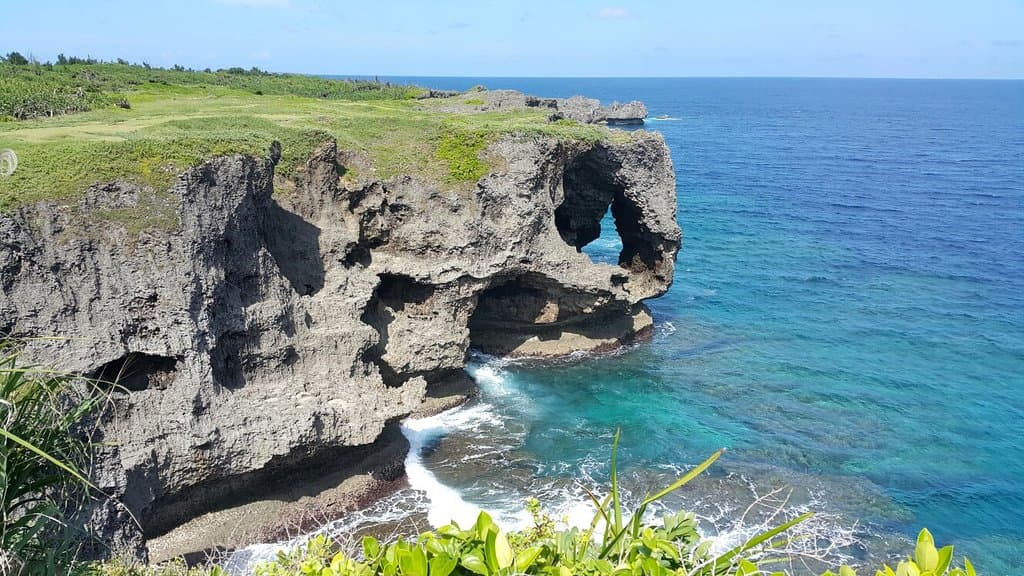
Social
from TikTok, Instagram & Reddit