Yunomine Onsen
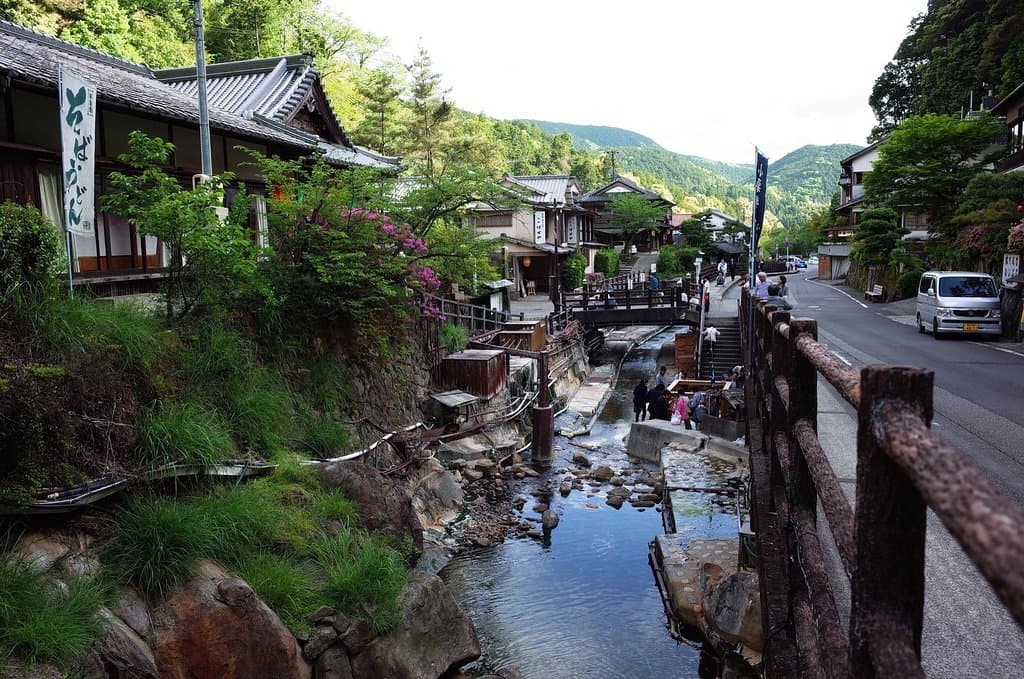
Step back in time at Yunomine Onsen, Japan's oldest hot spring village and a UNESCO site. Experience ancient bathing rituals and unique geothermal won...
Highlights
Must-see attractions

Social
From TikTok & Reddit
Best Time
Catch the traditional yumomi ritual
Yunomine Onsen
Best Time
Catch the traditional yumomi ritual
Highlights
Must-see attractions
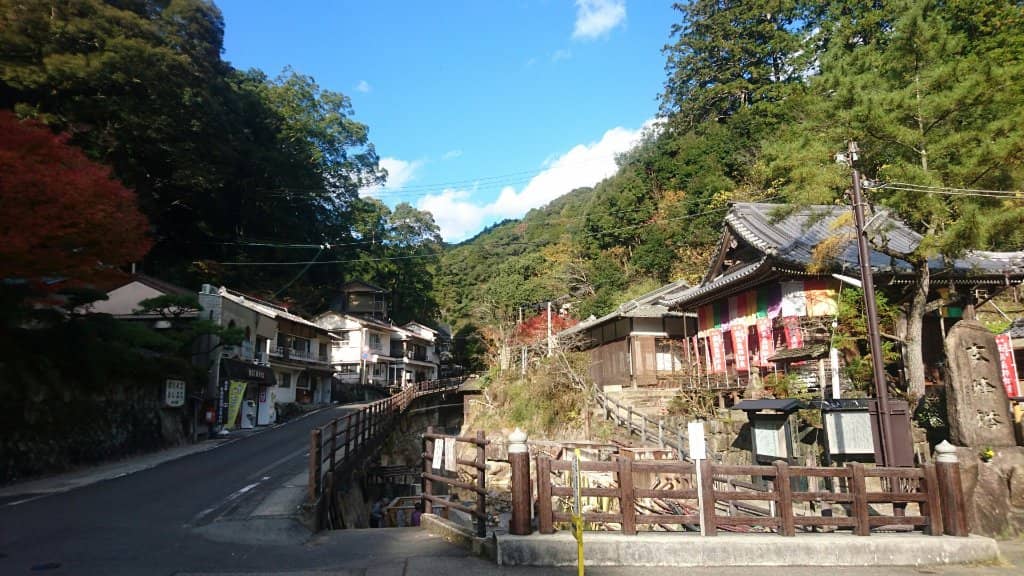
Step back in time at Yunomine Onsen, Japan's oldest hot spring village and a UNESCO site. Experience ancient bathing rituals and unique geothermal wonders.
"A truly ancient and magical onsen experience, unlike any other in Japan!"
♨️ Book Tsubo-yu Early
This historic bath is first-come, first-served for 30-min slots. Arrive early to avoid disappointment!
🍳 Cook with Onsen Water
Try boiling eggs or veggies in the communal hot water for a unique culinary experience.
Highlights
Discover the most iconic attractions and experiences
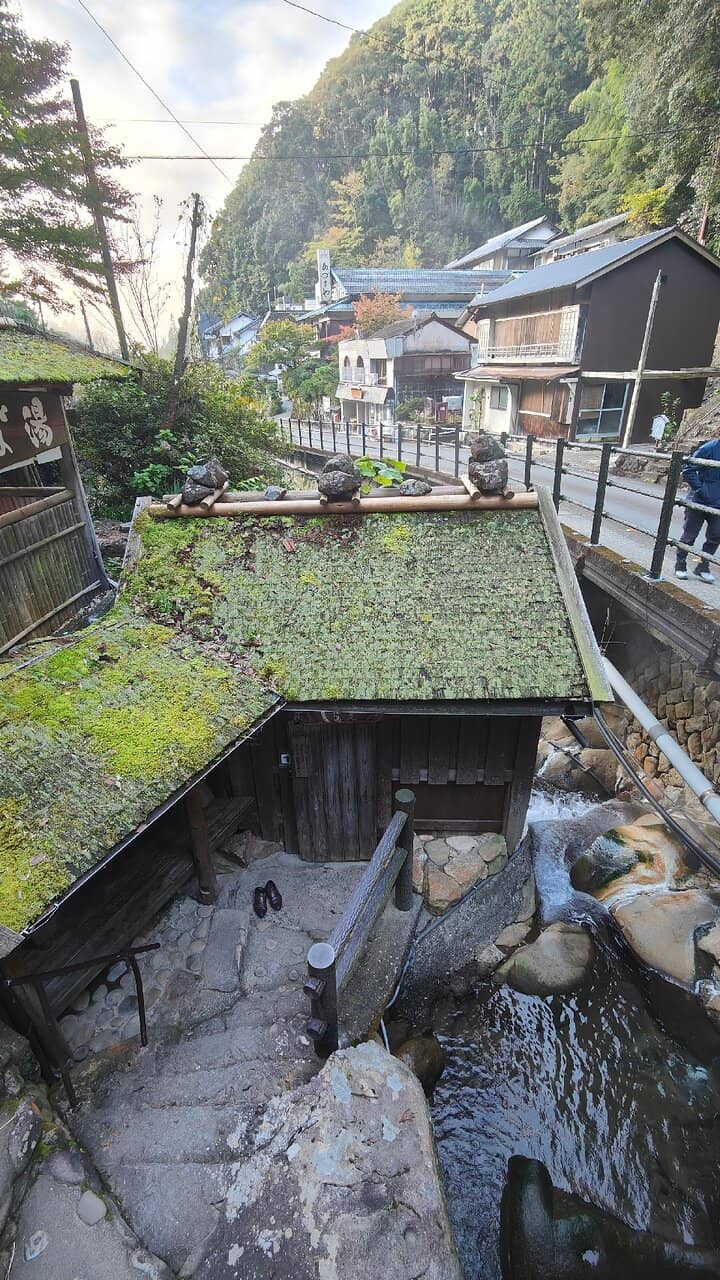
Tsubo-yu
Yunomine Onsen
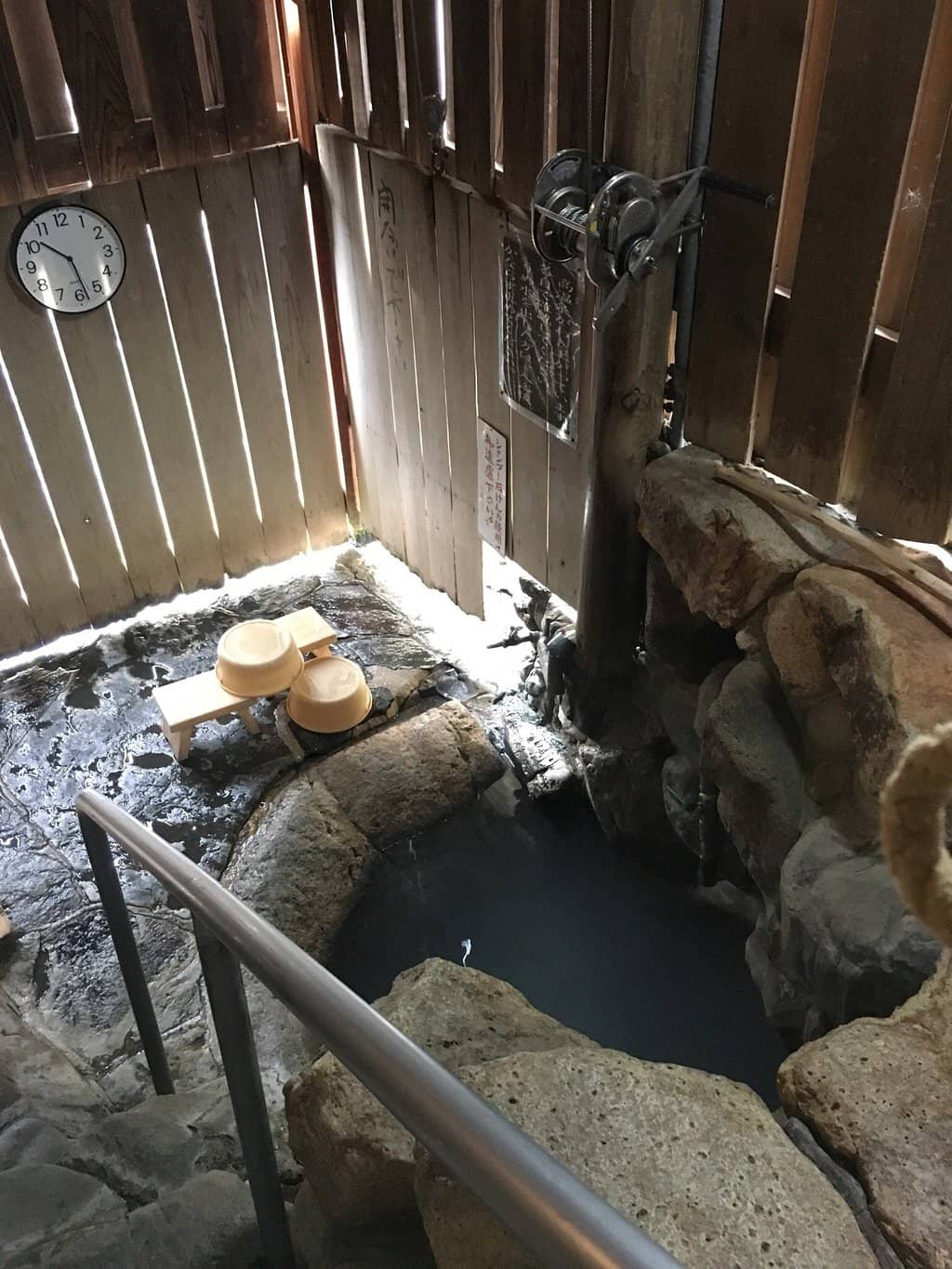
Step into Japan's oldest private onsen, a UNESCO site with 1800 years of history. A truly unique, intimate bathing experience.

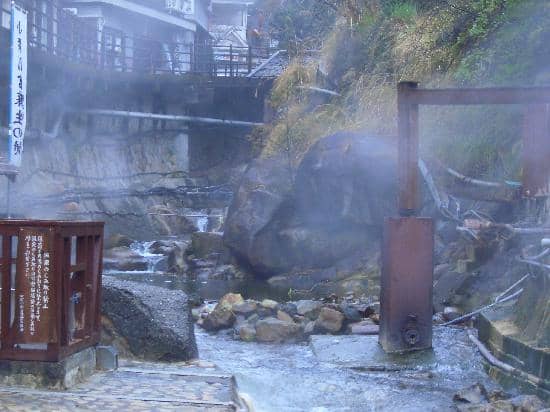
Yumomi Performance
Yunomine Onsen
Witness locals stir the steaming onsen water with large wooden paddles, often accompanied by folk songs. A fascinating cultural display.
Communal Cooking Pool
Yunomine Onsen
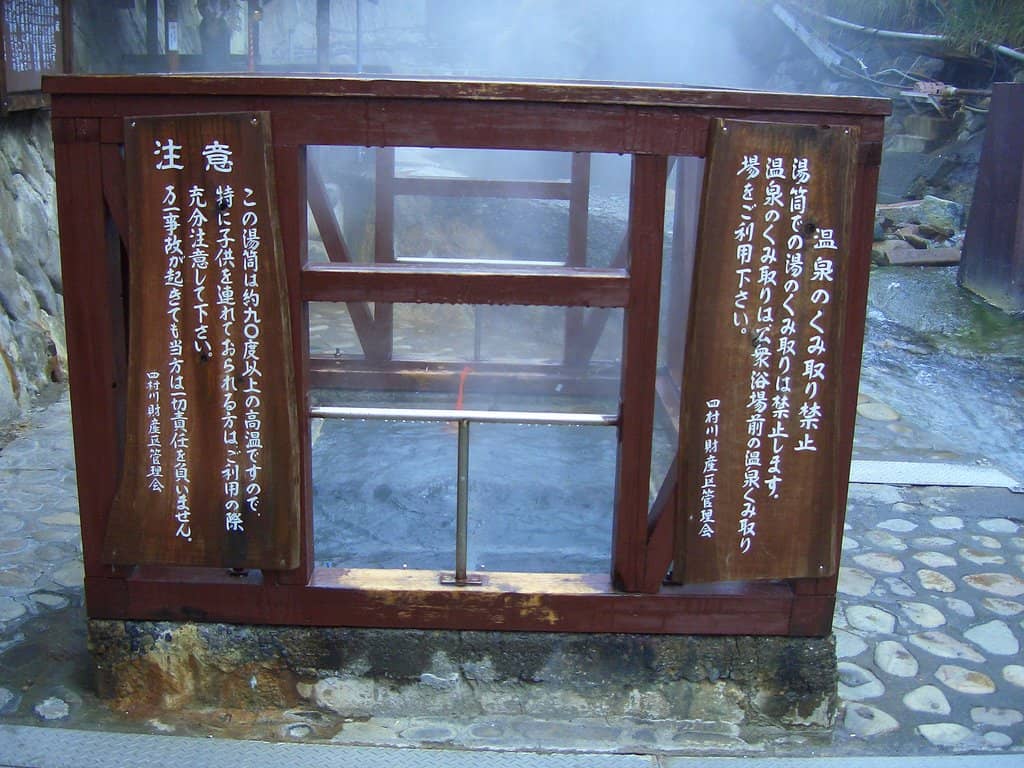
Boil eggs and vegetables in the naturally hot, mineral-rich waters. A unique and delicious way to experience the onsen's power.
Plans like a pro.
Thinks like you
Planning Your Visit
Embrace the Ancient Rituals
Book Tsubo-yu in Advance
+1Best Times
Insider Tips
from TikTok, Instagram & Reddit
♨️ Book Tsubo-yu Early
This historic bath is first-come, first-served for 30-min slots. Arrive early to avoid disappointment!
🍳 Cook with Onsen Water
Try boiling eggs or veggies in the communal hot water for a unique culinary experience.
🚶♀️ Explore Kumano Kodo
Yunomine is a great stop on the Kumano Kodo pilgrimage trail. Combine hiking with relaxation.
♨️ Embrace the 'Eggy' Scent
The sulfurous smell is strong but part of the authentic onsen experience!
Tips
from all over the internet
♨️ Book Tsubo-yu Early
This historic bath is first-come, first-served for 30-min slots. Arrive early to avoid disappointment!
🍳 Cook with Onsen Water
Try boiling eggs or veggies in the communal hot water for a unique culinary experience.
🚶♀️ Explore Kumano Kodo
Yunomine is a great stop on the Kumano Kodo pilgrimage trail. Combine hiking with relaxation.
♨️ Embrace the 'Eggy' Scent
The sulfurous smell is strong but part of the authentic onsen experience!
What Travellers Say
Reviews Summary
Visitors rave about Yunomine Onsen's ancient charm, unique Tsubo-yu bath, and the fascinating yumomi ritual. The communal cooking pool is a memorable highlight. Some find the sulfurous smell strong, and Tsubo-yu's limited capacity can lead to waits.
What People Like
What People Dislike
Frequently Asked Questions
🚇 🗺️ Getting There
Take a train from Osaka to Kii-Tanabe Station, then a bus to Hongu. From Hongu, it's a short hike or bus ride to Yunomine Onsen.
Yes, Yunomine Onsen is accessible by car, though roads can be narrow and winding in the mountainous region. Parking is available.
The two onsen towns are quite close. You can walk between them (about 30 minutes) or take a local bus.
Reaching Yunomine Onsen from Tokyo involves a Shinkansen to Shin-Osaka, then local trains and buses, making it a longer journey. Consider breaking it up.
Buses typically run from Kii-Tanabe or Hongu to Yunomine Onsen. Direct buses from major cities are uncommon.
🎫 🎫 Tickets & Entry
Tsubo-yu costs ¥800 per person for a 30-minute session. It's a private bath and operates on a first-come, first-served basis.
No, Tsubo-yu is first-come, first-served. It's recommended to go early in the day or during off-peak hours to secure a spot.
Yes, Yunomine Onsen has several public and private onsen facilities, including communal baths and ryokan baths.
Yumomi performances typically occur multiple times a day, often around 9:30 AM, 10:00 AM, 10:30 AM, and in the afternoon. Check local schedules for exact times.
There is no entrance fee to visit Yunomine Onsen town itself. Fees apply only for specific onsen baths like Tsubo-yu or for ryokan stays.
🎫 🧭 Onsite Experience
Yumomi is a traditional method where locals use large wooden paddles to stir and cool the extremely hot onsen water to a comfortable bathing temperature, often accompanied by folk songs. +1
Yes, Yunomine Onsen has a communal hot spring pool where you can boil eggs and vegetables. It's a unique local experience.
The natural hot spring water can be extremely hot, sometimes reaching 90°C. The yumomi ritual is essential for cooling it down for bathing.
Absolutely! Yunomine Onsen offers a peaceful and authentic experience, perfect for solo travelers looking to relax and immerse themselves in Japanese culture.
Typically, you'll bathe nude in onsen. Most facilities provide towels, but it's good to check. Some private baths might have different rules.
🍽️ 🍳 Food & Dining
Yes, Yunomine Onsen has a few small restaurants and eateries, often attached to ryokan, offering local Japanese cuisine.
You can enjoy local dishes, and even cook your own eggs or vegetables in the communal hot spring pool for a unique meal.
Expect traditional Japanese fare, often featuring local ingredients. Some places might offer simple, hearty meals perfect after a day of hiking or bathing.
Options might be limited in smaller, traditional establishments. It's advisable to inquire beforehand or focus on dishes like vegetable tempura or soba noodles.
There are usually small shops or convenience stores within the onsen town where you can purchase drinks and snacks.
📸 📸 Photography
Capture the charming streets, the Tsubo-yu bathhouse, the communal cooking pool, and the surrounding natural scenery. The historic atmosphere is very photogenic.
Photography is generally not allowed inside private or public onsen baths out of respect for other bathers' privacy. Focus on the town and exterior shots.
Early morning or late afternoon can offer softer light and fewer crowds, enhancing the tranquil atmosphere for photography.
Yes, you can usually photograph or video the yumomi performance from a designated area, but be mindful of not obstructing the performers or audience.
The iconic Tsubo-yu building, the steaming hot spring well, and the traditional ryokan houses are excellent subjects for photos.
For Different Travelers
Tailored advice for your travel style
👨👩👧 Families with Kids
While Tsubo-yu is small and best for couples or solo travelers, other public onsen facilities in the area may be more accommodating for families. Remember to check onsen etiquette regarding children and supervise them closely due to the hot water. Consider staying in a family-friendly ryokan that might offer larger bathing areas or private family baths. The village itself is small and walkable, making it easy to explore with children. The 'eggy' smell is a natural part of the onsen experience and can be a fun talking point for kids.
🚶 Solo Travelers
Tsubo-yu is ideal for a private, reflective bathing experience, and the communal cooking pool offers a chance to interact with locals or other travelers. Staying in a ryokan can also provide a sense of community and shared experience.
+2 The connection to the Kumano Kodo pilgrimage also adds a layer of historical and spiritual depth for those traveling alone. +1🧘♀️ Relaxation Seekers
+1 The tranquil village setting, away from bustling cities, enhances the sense of peace and rejuvenation. Immerse yourself in the historic onsen baths, particularly the unique Tsubo-yu, or simply enjoy the natural hot springs available in the area. The slow pace of life in Yunomine Onsen encourages visitors to unwind and disconnect.
+2Deep Dives
In-depth insights and expert knowledge
The Ancient Charm of Yunomine Onsen
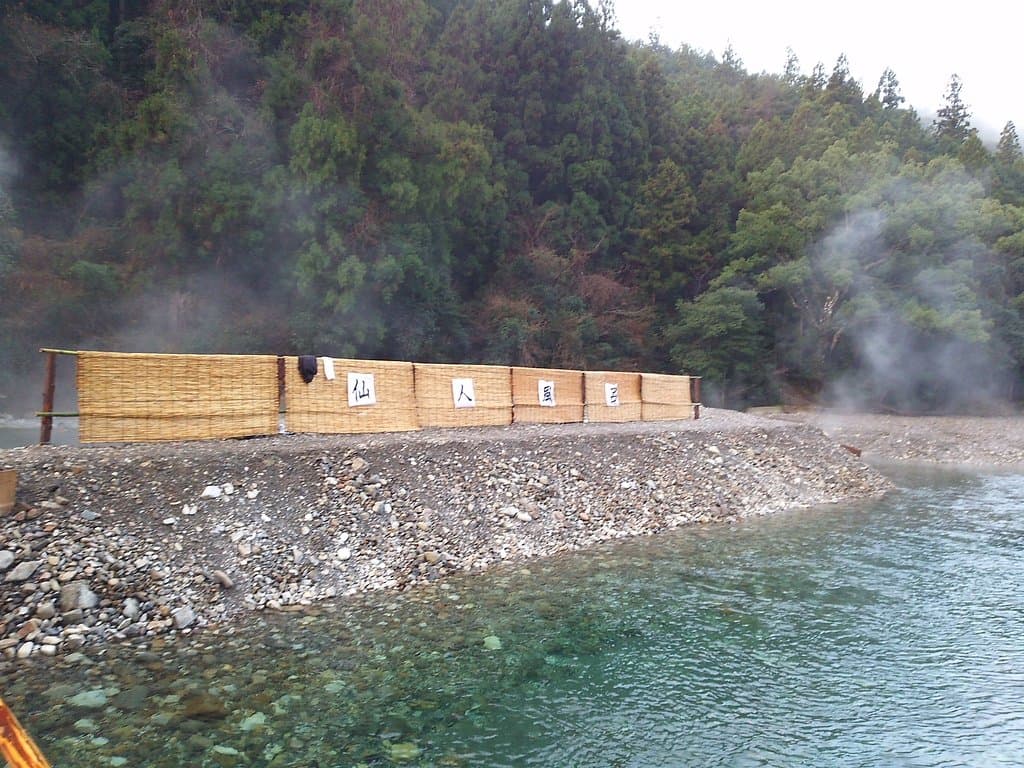
+3The most famous attraction is Tsubo-yu, considered the oldest private onsen in Japan. This tiny, rustic bathhouse can only accommodate two people at a time and operates on a first-come, first-served basis for 30-minute slots. The water here is incredibly hot, often around 90°C, making the yumomi ritual essential.
+2Beyond Tsubo-yu, Yunomine offers a unique communal experience: a hot spring pool where visitors can cook their own food, typically eggs or vegetables, in the naturally boiling water. This practice highlights the powerful geothermal activity of the area and offers a memorable culinary adventure.
The distinct, slightly sulfuric scent of the hot springs is a constant reminder of the natural forces at play. Experiencing the Yumomi Ritual
Performances are held multiple times a day, offering visitors a chance to witness this unique tradition firsthand. It’s a fascinating glimpse into the local way of life and a testament to the ingenuity of adapting to the natural environment. The rhythmic stirring and the accompanying music create a lively and engaging atmosphere, making it a highlight for many visitors.
While the primary purpose is to cool the water, the yumomi ritual also serves as a cultural demonstration, preserving a unique aspect of onsen heritage. It’s a practice that embodies the spirit of Yunomine Onsen, blending natural resources with cultural traditions.
Yunomine Onsen and the Kumano Kodo Pilgrimage
+3Many hikers on the Kumano Kodo choose to stay in Yunomine Onsen to rest and soak their weary muscles. The proximity to key trailheads and the restorative properties of the mineral-rich waters make it an ideal resting point. The experience of bathing in the same waters that pilgrims have used for over a millennium adds a profound layer to the visit.
+1Combining a hike on the Kumano Kodo with a stay in Yunomine Onsen offers a holistic experience of Japan's natural beauty and spiritual heritage. The tranquil village provides a perfect contrast to the physical exertion of the pilgrimage, allowing visitors to connect with both the land and its history.
+1
Social
from TikTok, Instagram & Reddit