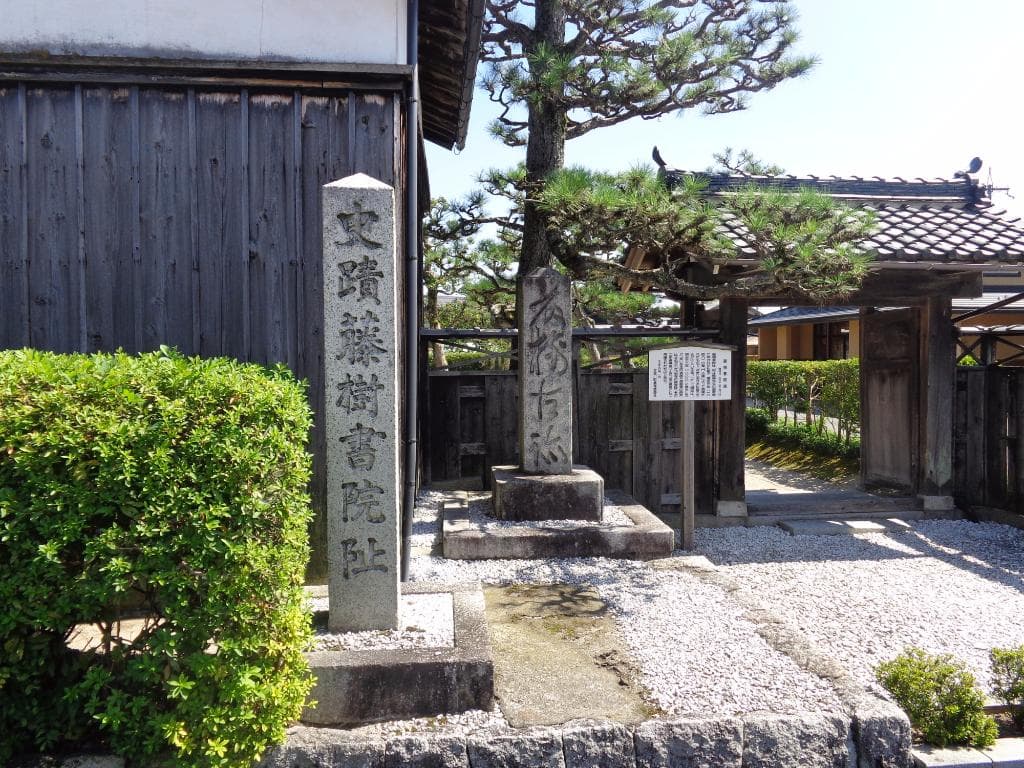
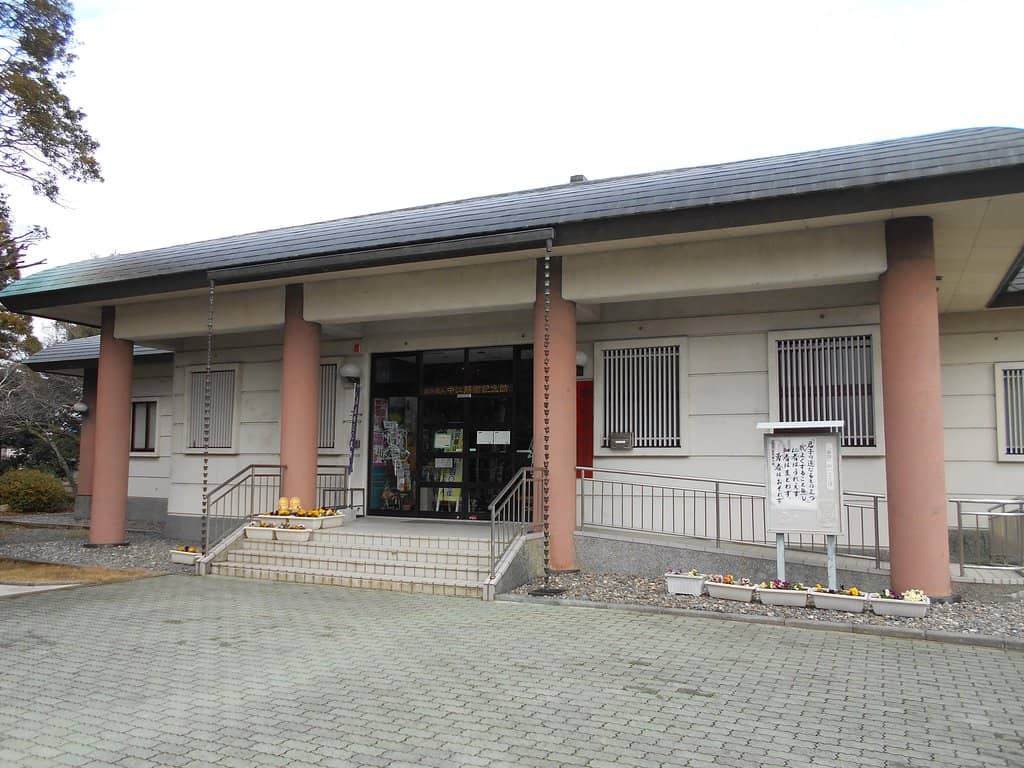
Nakae Toju Memorial Museum
Discover Japan's first Yangming scholar, Nakae Toju, and ancient imperial treasures. Explore serene gardens and a rich historical legacy.
Highlights
Must-see attractions

Social
From TikTok & Reddit
Best Time
Fewer crowds, more personal attention
Nakae Toju Memorial Museum
Best Time
Fewer crowds, more personal attention
Highlights
Must-see attractions
Discover Japan's first Yangming scholar, Nakae Toju, and ancient imperial treasures. Explore serene gardens and a rich historical legacy.
"Staff were very helpful, providing detailed explanations of the Sage of Omi's teachings."
Cash is King 💰
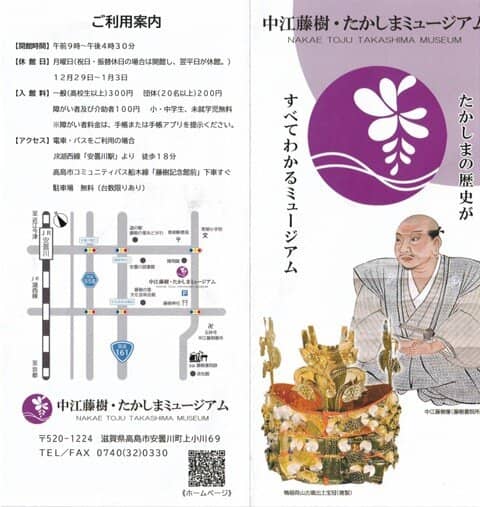
Remember to bring cash for the 300 yen admission fee, as credit cards are not accepted.
Photography Allowed! 📸
Feel free to capture memories; staff confirmed that photography is permitted inside the museum.
Highlights
Discover the most iconic attractions and experiences
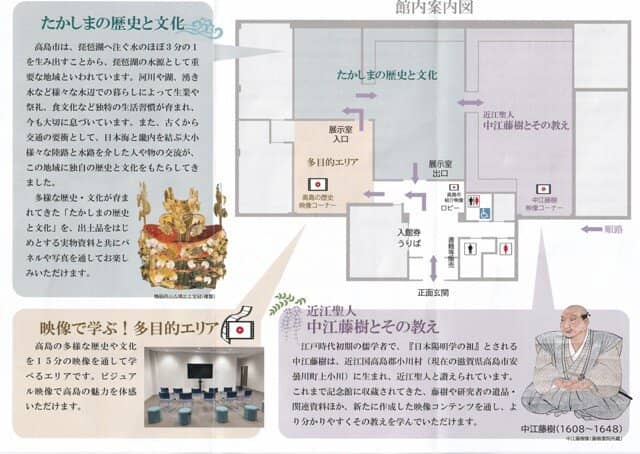
Emperor Keitai's Burial Goods
Exhibition Hall
Marvel at the sparkling crown and shoes, believed to be worn by royalty related to Emperor Keitai.
Nakae Toju's Legacy
Exhibition Hall
Learn about Japan's first Yangming scholar and his enduring teachings, still relevant today.

Mysterious Dragon Gate
Museum Garden
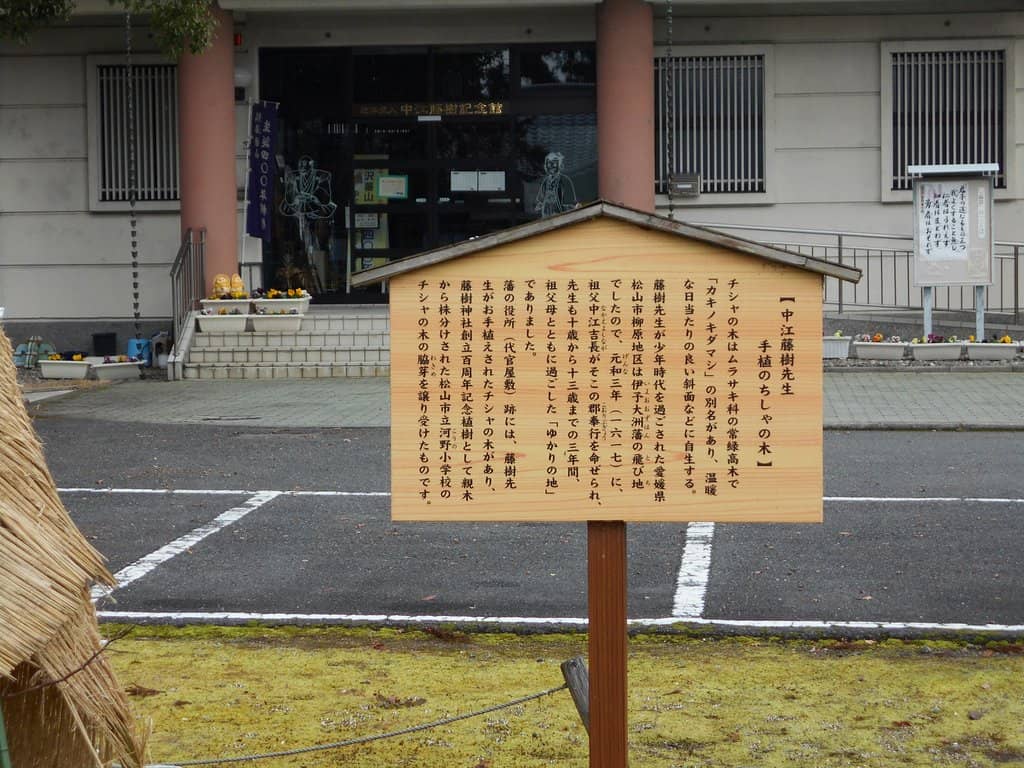
Be greeted by an impressive dragon sculpture at the entrance to the park, adding a touch of mystique.

Yomeiyuan Garden
Adjacent to Museum
Experience a tranquil garden with a distinctly Chinese atmosphere, offering a peaceful escape.
Plans like a pro.
Thinks like you
Planning Your Visit
Plan Your Visit: Opening Status
Admission & What to Expect
Best Times
Insider Tips
from TikTok, Instagram & Reddit
Cash is King 💰
Remember to bring cash for the 300 yen admission fee, as credit cards are not accepted.
Photography Allowed! 📸
Feel free to capture memories; staff confirmed that photography is permitted inside the museum.
Combine with Shrine Visit 🙏
Get your Fujiju Shrine goshuin (stamp) at the entrance; you might not need to pay admission just for this.
Garden Escape 🌳
Don't miss the adjacent Yomeiyuan Garden for a peaceful stroll with a unique Chinese ambiance.
Tips
from all over the internet
Cash is King 💰
Remember to bring cash for the 300 yen admission fee, as credit cards are not accepted.
Photography Allowed! 📸
Feel free to capture memories; staff confirmed that photography is permitted inside the museum.
Combine with Shrine Visit 🙏
Get your Fujiju Shrine goshuin (stamp) at the entrance; you might not need to pay admission just for this.
Garden Escape 🌳
Don't miss the adjacent Yomeiyuan Garden for a peaceful stroll with a unique Chinese ambiance.
Staff are Knowledgeable 😊
Engage with the helpful staff for detailed explanations; they try their best even with language barriers.
What Travellers Say
Reviews Summary
Visitors praise the Nakae Toju Memorial Museum for its helpful and dedicated staff who provide detailed explanations, even with language barriers. The museum's focus on Nakae Toju and Emperor Keitai, along with the beautiful burial artifacts and serene gardens, makes for an enriching experience. However, the museum is currently closed and scheduled to reopen in June 2025.
"We have been here in April 2023 and the staff was very helpful especially the lady that gave us a detailed explanation and walkthrough of the Sage of Omi. It was a weekday and no other visitors therefore we were the only foreigners there, despite the language barrier, we see that the lady have tried her best to explain in simple Japanese and her attitude was also very professional and kind. Would definitely recommend visitors to pay here a visit and it takes about an hour at the museum and probably another if you're willing to visist other facilities inside."
Wai Lim Chan
"It is scheduled to open in June 2025.
As well as Professor Fujiki, they also place a lot of emphasis on Emperor Keitai and ancient history.
It seems that the Folklore Museum has been closed and merged into this museum.
It has become a beautiful museum.
The highlights are the crown and shoes that were burial goods thought to have been worn by someone related to Emperor Keitai.
They are sparkling and beautiful."
ken sugi
"This time, I didn't have much time and only saw the garden, but I was surprised at the gate!
A dragon 🐲🐉 greeted me.
The park has a mysterious atmosphere.
Next time, I'll visit the memorial hall as well!
It's right next to the Fujiki Azumigawa Roadside Station."
華凜
What People Like
What People Dislike
Frequently Asked Questions
🚇 🗺️ Getting There
The museum is conveniently located right next to the Fujiki Azumigawa Roadside Station. Specific public transport details will be more relevant upon its June 2025 reopening, but it's situated in a tranquil countryside setting.
While there are facilities nearby like the roadside station, one visitor noted a lack of specific bicycle racks at the museum itself. Car parking information will be clearer closer to the reopening date.
🎫 🎫 Tickets & Entry
The admission fee is 300 yen. Please note that payment is cash only, and no discounts are currently available.
The museum is scheduled to reopen in June 2025. It's advisable to check official announcements for the exact opening date and any potential changes.
It's possible to get the Fujiju Shrine goshuin at the building's entrance without paying the museum admission fee, though it's recommended to confirm this upon arrival.
As of recent visits, no discounts were mentioned. The admission fee is a flat 300 yen, payable in cash.
🎫 🧭 Onsite Experience
A visit typically takes about an hour for the museum itself. If you plan to explore other nearby facilities like the garden, allow for an additional hour.
Yes, photography is generally allowed inside the museum. Staff have confirmed that visitors can take as many photos as they wish.
The museum focuses on Nakae Toju, Japan's first Yangming scholar, and also places significant emphasis on Emperor Keitai and ancient history, including the Folklore Museum's merged exhibits.
Upon entry, you'll watch an 11-minute video, followed by a brief explanation from a museum staff member. You can opt out of the explanation if you prefer to explore independently.
Key highlights include the burial goods thought to be worn by someone related to Emperor Keitai, such as a sparkling crown and shoes, alongside exhibits detailing Nakae Toju's life and teachings.
🍽️ 🍽️ Food & Dining
While the museum itself doesn't appear to have dining facilities, it's located next to the Fujiki Azumigawa Roadside Station, which likely offers food options.
📸 📸 Photography
The dragon sculpture at the garden entrance offers a unique shot. The sparkling crown and shoes of Emperor Keitai's related burial goods are also visually striking exhibits. The Yomeiyuan Garden provides a serene backdrop.
Yes, visitors have reported that staff are accommodating and allow photography throughout the museum exhibits.
For Different Travelers
Tailored advice for your travel style
👨👩👧 Families with Kids
Plan for a visit of about an hour for the museum itself, with the option to extend to the gardens. The nearby Fujiki Azumigawa Roadside Station might offer more kid-friendly amenities or food options. Remember to bring cash for the modest admission fee.
🏛️ History Buffs
Don't miss the integration of exhibits from the former Folklore Museum, providing a broader context of regional history and culture. The adjacent Yomeiyuan Garden, with its Chinese ambiance, also offers a unique historical and aesthetic experience. Engaging with the knowledgeable staff can provide deeper insights into the historical significance of the artifacts and teachings.
🧘♀️ Solo Travelers & Contemplatives
Beyond the exhibits, the Yomeiyuan Garden provides a serene environment for contemplation, offering a distinct Chinese aesthetic. The museum's location in a quiet countryside setting further enhances its appeal for those seeking a calm and enriching visit. Remember to bring cash for the admission fee and enjoy the opportunity for photography throughout the museum.
Deep Dives
In-depth insights and expert knowledge
Nakae Toju: The Sage of Omi
Insights from visitors highlight the helpfulness of museum staff in providing detailed explanations of Toju's philosophy, even overcoming language barriers. This personal touch enhances the understanding of his complex ideas, making the visit more enriching. The museum's focus extends beyond Toju himself, also emphasizing Emperor Keitai and ancient history, reflecting a broader interest in Japan's historical and cultural heritage.
Exploring the Museum's Treasures
The museum also houses exhibits from the former Folklore Museum, which have been merged into the current collection. This integration suggests a broader scope, encompassing not only scholarly and imperial history but also the cultural traditions and daily life of the region. The combination of historical artifacts and scholarly insights creates a comprehensive narrative of the area's rich past.
The Serene Gardens and Unique Entrance
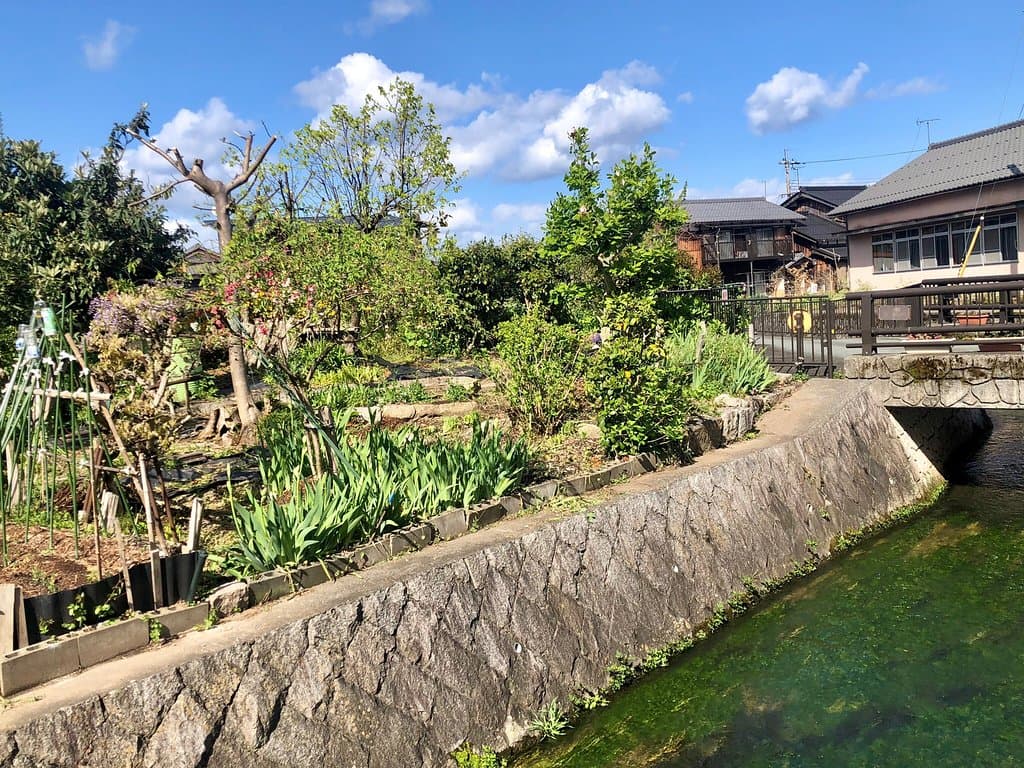
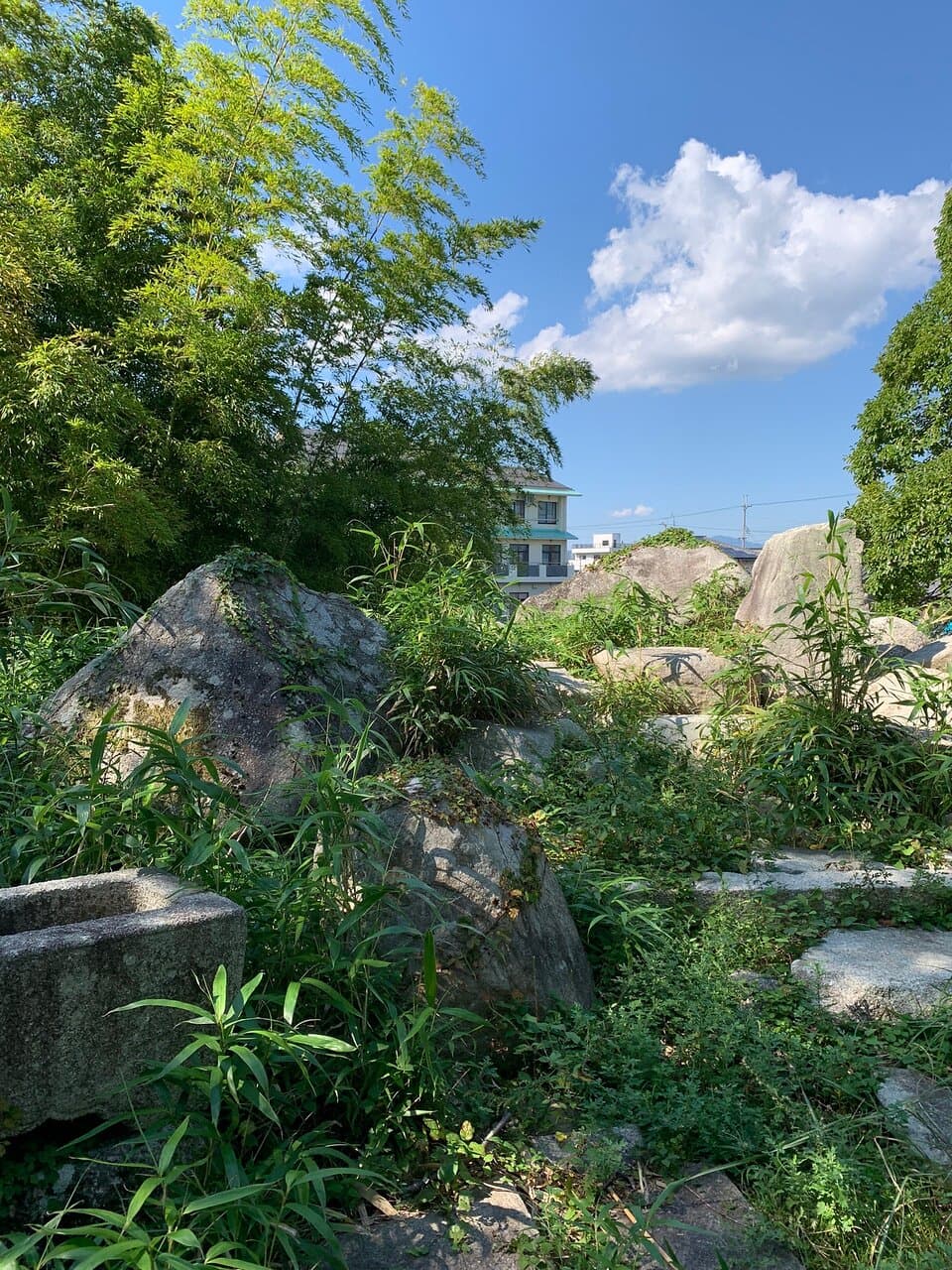
Adjacent to the memorial hall is the Yomeiyuan Garden, which provides a stark contrast with its distinctly Chinese atmosphere. This garden offers a tranquil escape, allowing visitors to immerse themselves in a different aesthetic and cultural landscape. The juxtaposition of the museum's historical focus with the distinct styles of its gardens creates a multi-faceted visitor experience.



Social
from TikTok, Instagram & Reddit