Hodota Kofun Cluster
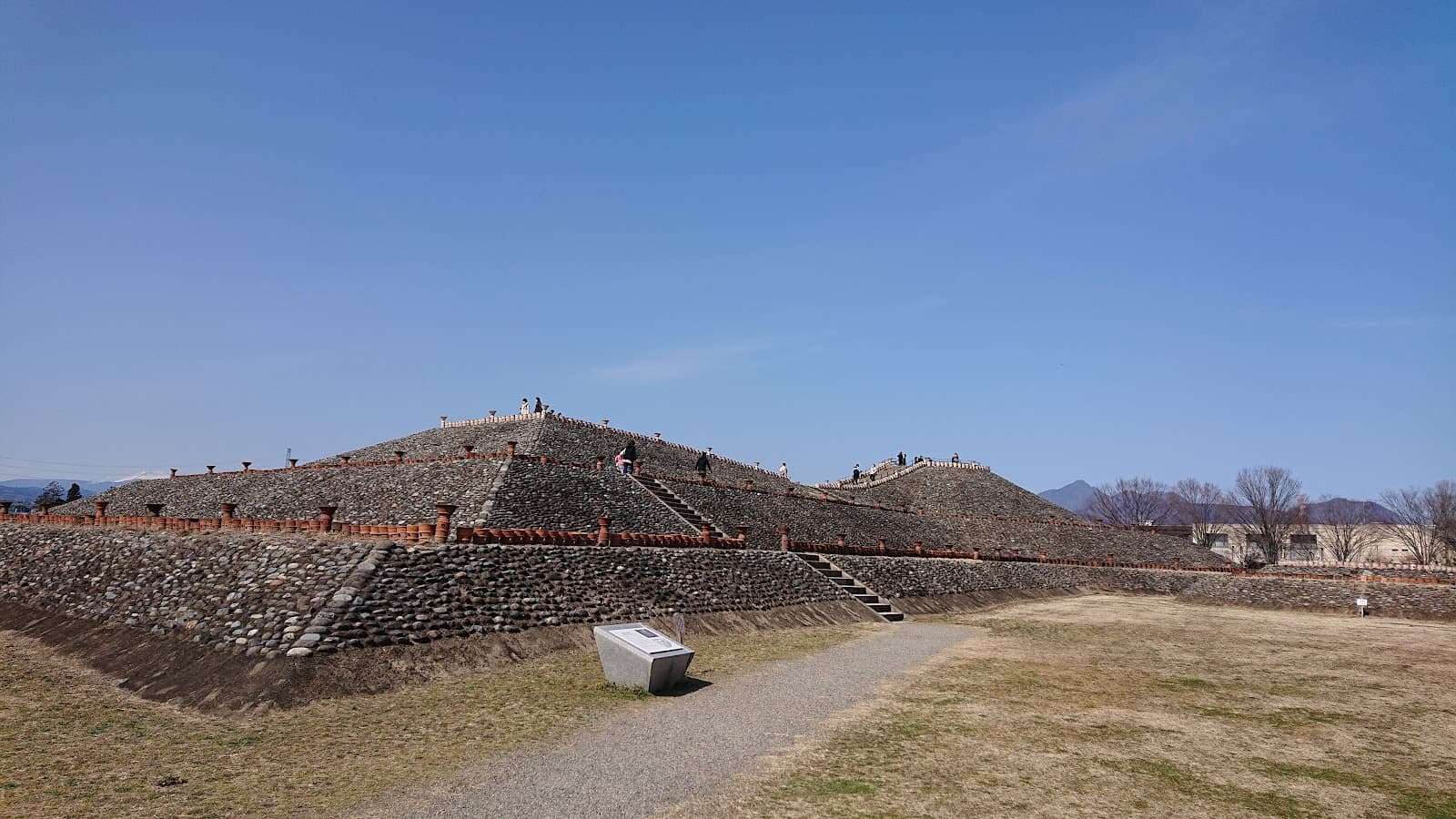
Explore a restored keyhole-shaped tumulus and discover ancient Japanese burial practices at the Hodota Kofun Cluster.
Highlights
Must-see attractions

Social
From TikTok & Reddit
Best Time
Fewer crowds, peaceful exploration
Hodota Kofun Cluster
Best Time
Fewer crowds, peaceful exploration
Highlights
Must-see attractions
Explore a restored keyhole-shaped tumulus and discover ancient Japanese burial practices at the Hodota Kofun Cluster.
"A rare spot where you can climb a restored, full-scale keyhole-shaped tumulus!"
🚶♀️ Climb the Tumulus
Don't miss the chance to ascend the restored keyhole mound for a unique perspective.
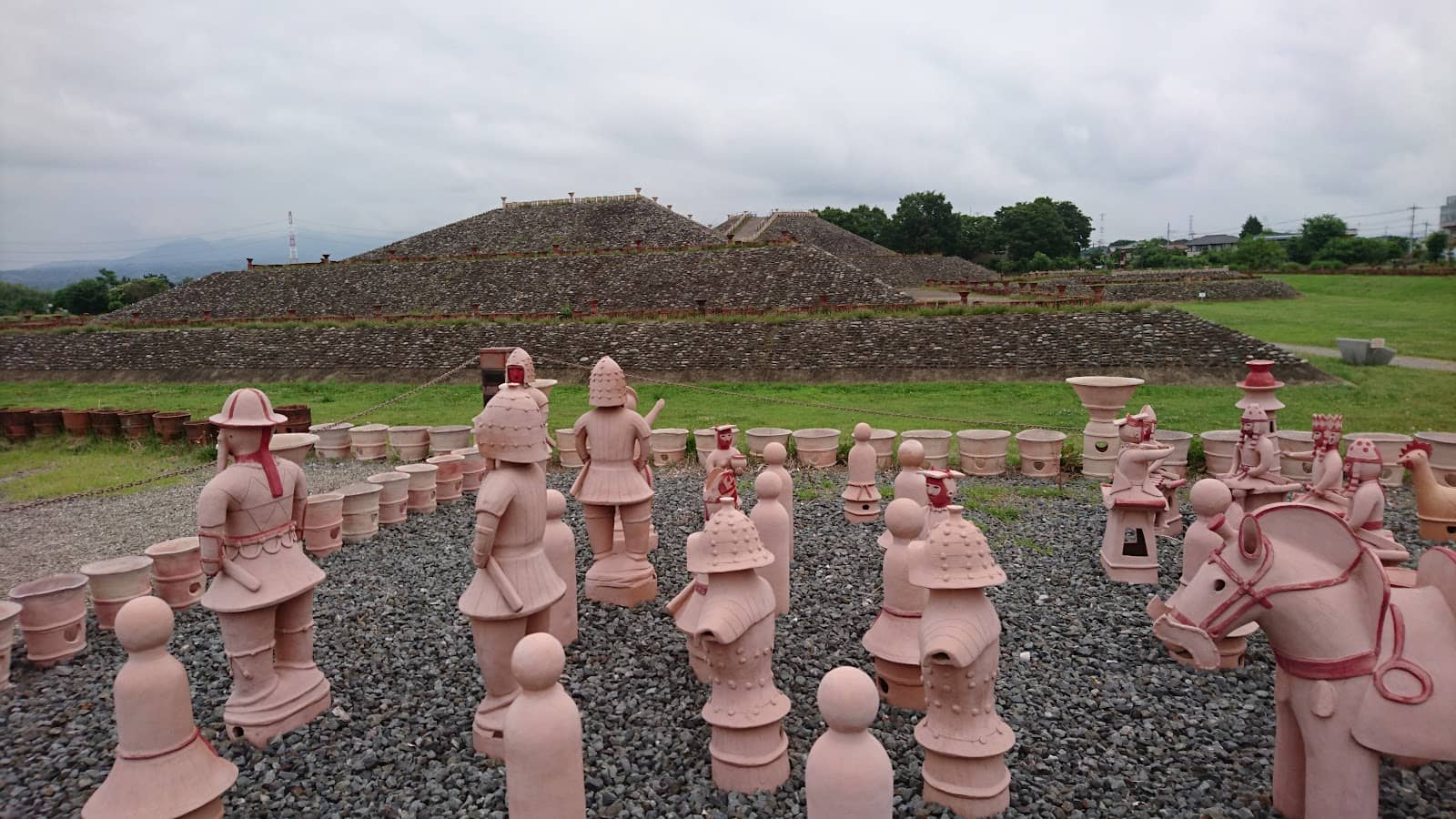
🏺 Examine Haniwa
Observe the detailed haniwa figures and their historical arrangement.

Highlights
Discover the most iconic attractions and experiences
Restored Keyhole Tumulus
Hodota Kofun Cluster
Climb inside the remarkably restored keyhole-shaped burial mound for an immersive historical journey.
Haniwa Figure Display
Onsite Museum
See haniwa figures arranged as they were historically, offering insights into Kofun period life and culture.

Funerary Pottery Exhibition
Onsite Museum
Examine various funerary pottery pieces that shed light on the burial practices and artistry of the Kofun era.
Plans like a pro.
Thinks like you
Planning Your Visit
Understand the Keyhole Shape
Explore the Museum & Pottery
Best Times
Insider Tips
from TikTok, Instagram & Reddit
Aerial view of Hodota Hachimanzuka Burial Mound. Gunma, Japan, Kofun period, 5th-6th century AD [1370x1680]
🚶♀️ Climb the Tumulus
Don't miss the chance to ascend the restored keyhole mound for a unique perspective.
🏺 Examine Haniwa
Observe the detailed haniwa figures and their historical arrangement.
🏛️ Visit the Museum
Explore the museum for deeper insights into Kofun period culture.
🌳 Enjoy the Plaza
A nice spot for a walk or for kids to run around.
Tips
from all over the internet
🚶♀️ Climb the Tumulus
Don't miss the chance to ascend the restored keyhole mound for a unique perspective.
🏺 Examine Haniwa
Observe the detailed haniwa figures and their historical arrangement.
🏛️ Visit the Museum
Explore the museum for deeper insights into Kofun period culture.
🌳 Enjoy the Plaza
A nice spot for a walk or for kids to run around.
What Travellers Say
Reviews Summary
Visitors find the Hodota Kofun Cluster a historically significant site, particularly appreciating the unique opportunity to climb inside the restored keyhole-shaped tumulus. The museum's displays of haniwa figures and pottery offer valuable insights into the Kofun period. While the historical authenticity is praised, some note minor aesthetic drawbacks in the restoration work.
"Nice if your looking on historical places."
Reyn Kun Ponce
"You can climb up into the restored keyhole-shaped tumulus.
Such structures are common in the Kinki region, but seem to be rare in the Kanto region.
There is a basement in the circular part, where the actual items are displayed.
There are also detailed explanations around the area, making it an exciting facility."
くにくに
"The various haniwa figures are arranged in roughly the same order as they were at the time, allowing you to get a glimpse into the lifestyles and values of people during the Kofun period.
The only downside is that the paving stones have been fixed in place with concrete to ensure durability, which is a bit disappointing when you get close.
(Perhaps a little more effort could have been put into the surface finish.)"
Demon Hill-Andon
What People Like
What People Dislike
Frequently Asked Questions
🚇 🗺️ Getting There
Information on public transport and driving directions to Hodota Kofun Cluster is limited in available sources. It's recommended to check local transit maps or use a navigation app for the most up-to-date routes.
While not explicitly detailed, the mention of a plaza and farm shop suggests potential parking facilities. It's advisable to confirm parking availability before your visit.
🎫 🎫 Tickets & Entry
Specific opening hours for the Hodota Kofun Cluster and its museum are not widely published. It's best to check with local tourist information or the facility directly for current operating times.
Admission details for the Hodota Kofun Cluster are not readily available. However, given its historical and educational nature, it's likely to be free or have a nominal fee.
Yes, visitors can climb into the restored keyhole-shaped tumulus, offering a unique experience of ancient burial mound architecture.
🎫 🏛️ Onsite Experience
The Hodota Kofun Cluster is notable for its restored keyhole-shaped tumulus, which visitors can enter, and its display of haniwa figures and funerary pottery, offering a rare glimpse into the Kofun period.
The museum at Hodota Kofun Cluster displays funerary pottery and haniwa figures arranged to illustrate the lifestyles and values of people during the Kofun period.
Yes, the site has a plaza where children can run around, and the historical exhibits can be educational. The ability to climb the tumulus adds an element of adventure.
The keyhole shape is a characteristic design of ancient Japanese burial mounds (kofun), particularly prominent during the Kofun period. It's believed to have symbolic or ritualistic importance.
Information on guided tours is not readily available. However, the detailed explanations around the area can provide significant historical context.
📸 📸 Photography
The restored keyhole tumulus itself, the arranged haniwa figures in the museum, and the surrounding historical landscape offer excellent photographic opportunities.
Photography rules inside the museum are not specified. It's advisable to look for signage or ask staff before taking pictures of the exhibits.
For Different Travelers
Tailored advice for your travel style
👨👩👧 Families with Kids
While the museum exhibits might be more engaging for older children or those with a specific interest in history, the visual nature of the haniwa figures and pottery can still capture younger imaginations. The overall experience is less about passive observation and more about active exploration, making it a potentially enjoyable outing for families looking for an educational yet fun activity.
🏛️ History Enthusiasts
The accompanying museum offers a deeper dive with its displays of funerary pottery and haniwa figures, meticulously arranged to reflect their historical context. This collection is invaluable for understanding the material culture, rituals, and societal structures of the era. The cluster's location in the Kanto region also adds to its significance, as such prominent kofun are less common there compared to other parts of Japan.
Deep Dives
In-depth insights and expert knowledge
The Significance of Kofun and Keyhole Mounds
The restoration of the Hodota tumulus allows visitors to not only see this unique shape from the outside but also to experience its interior. This provides a rare and tangible connection to the past, offering insights into the scale and engineering capabilities of the time. The presence of such mounds in the Kanto region, where Hodota is located, is noted as being less common than in the Kinki region, making this site particularly noteworthy.
Understanding the context of the Kofun period is crucial to appreciating sites like Hodota. This era saw the rise of powerful clans and the development of a distinct Japanese culture, heavily influenced by continental Asia. The burial mounds, along with the artifacts found within them, are primary sources for archaeologists and historians studying this formative period of Japanese history.
Exploring the Museum and Artifacts
A particularly engaging aspect highlighted by visitors is the arrangement of the haniwa figures. They are displayed in a manner that aims to replicate their original placement around the tumulus, allowing for a more authentic visualization of how these ancient sites would have appeared. This thoughtful presentation helps visitors grasp the aesthetic and ritualistic significance of these figures, providing a glimpse into the values and worldview of the people who created them.
While the museum provides valuable information, some visitors note that the use of concrete for paving stones, while ensuring durability, can detract slightly from the overall historical aesthetic when viewed up close. Despite this minor point, the collection and its presentation are considered an exciting and informative part of the Hodota Kofun Cluster experience, making it a highly recommended stop for those interested in ancient Japanese history.

Social
from TikTok, Instagram & Reddit