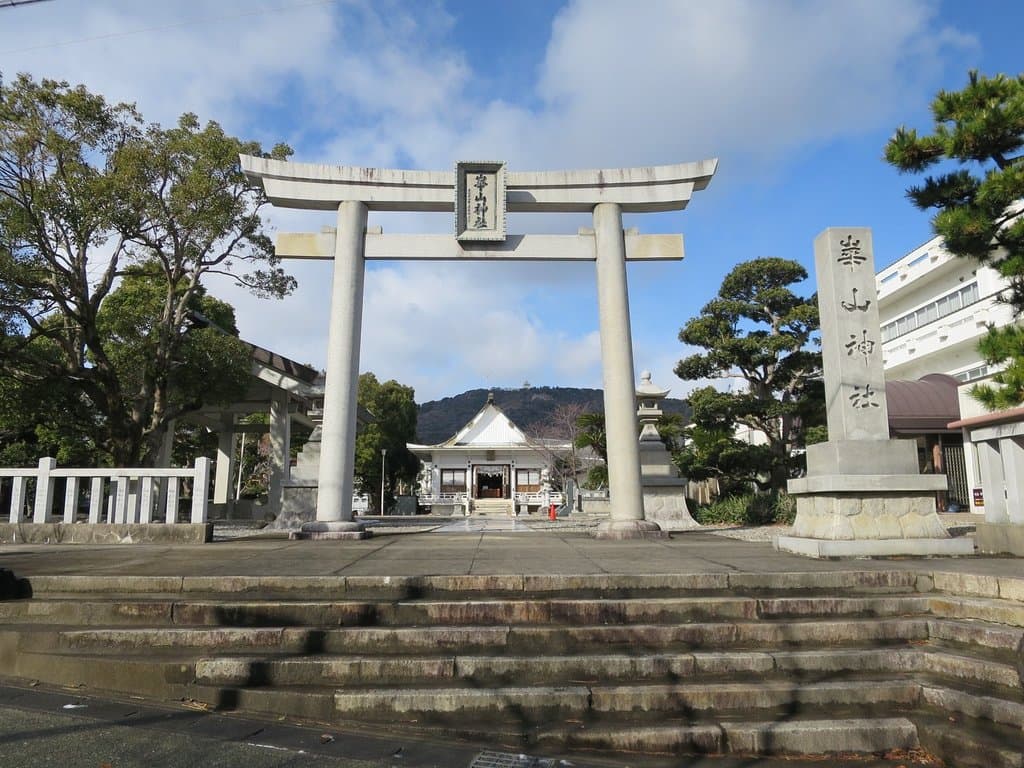
Atsumi Shrine
Atsumi Shrine honors Watanabe Kazan, a brilliant Edo-period scholar, painter, and economist who saved his domain from famine.
Highlights
Must-see attractions

Social
From TikTok & Reddit
Best Time
Fewer crowds, peaceful atmosphere
Atsumi Shrine
Best Time
Fewer crowds, peaceful atmosphere
Highlights
Must-see attractions
Atsumi Shrine honors Watanabe Kazan, a brilliant Edo-period scholar, painter, and economist who saved his domain from famine.
"A place to reflect on the wisdom and love of Lord Watanabe Kazan, a true hero of Tahara."
📜 Get Your Goshuin
Purchase a pre-written goshuin at Kazan Kaikan for a unique souvenir.
🏛️ Visit Tahara City Museum
Enhance your visit by learning about Watanabe Kazan at the nearby museum.
Quick Facts
Hours
Rating
3.9 · 38 reviews
Type
Place of Worship
Highlights
Discover the most iconic attractions and experiences
Watanabe Kazan's Memorial
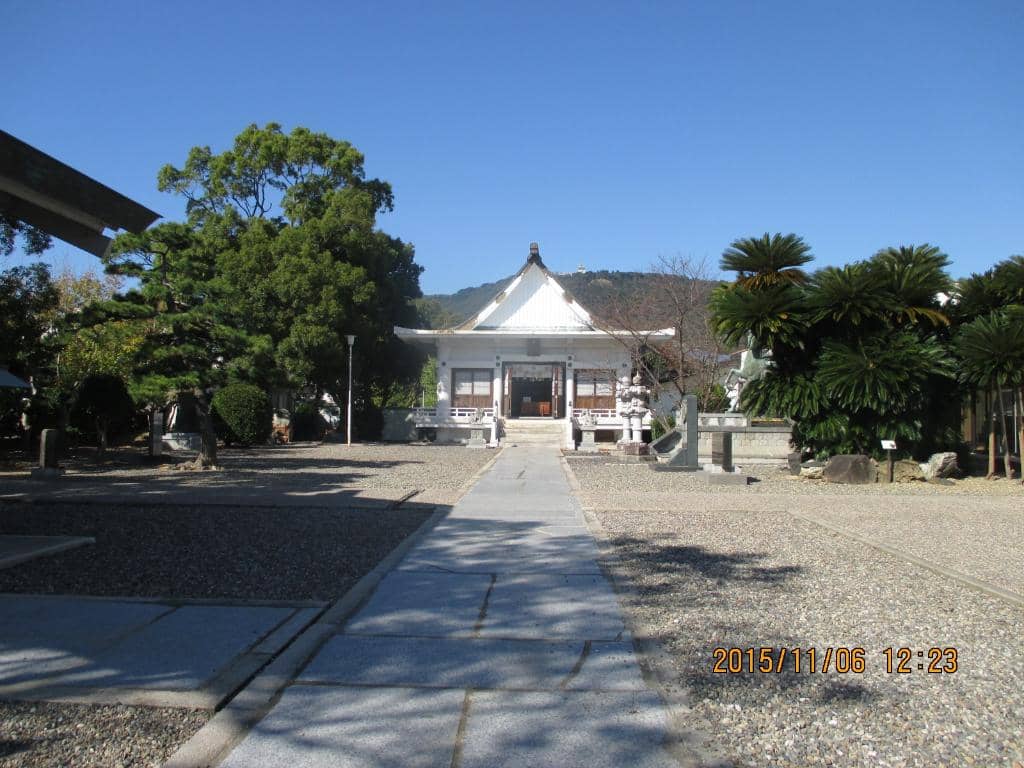
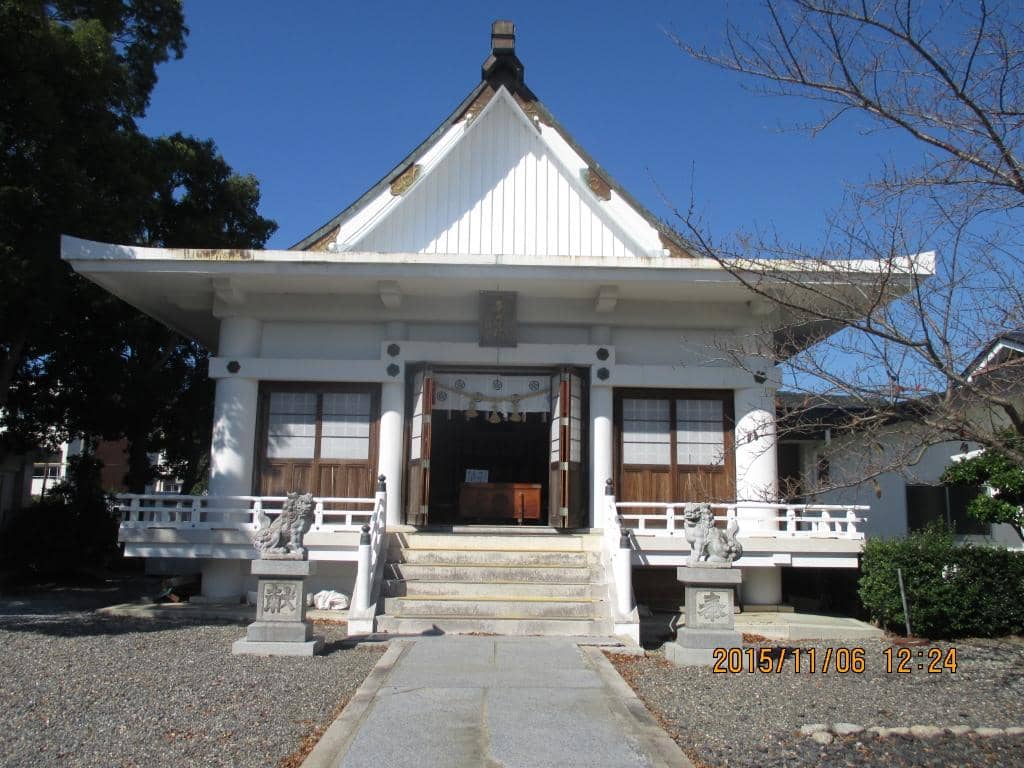
Main Hall
Pay respects to the enshrined deity, Watanabe Kazan, a brilliant warrior, writer, painter, and economist.
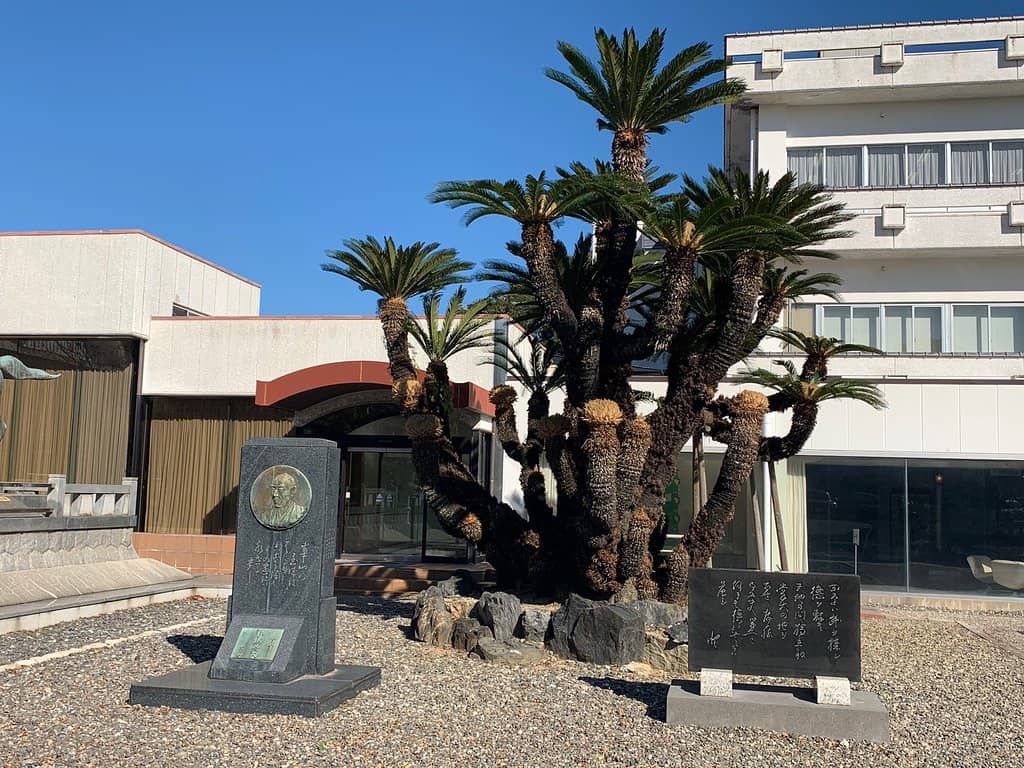
Spacious Shrine Grounds
Shrine Premises
Enjoy the ample space for easy exploration and quiet contemplation amidst the serene atmosphere.
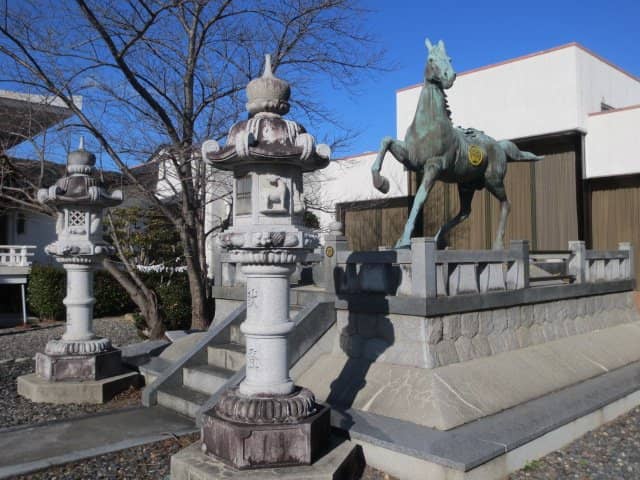
Goshuin Purchase
Kazan Kaikan (nearby)
Obtain a unique red seal (goshuin) as a memento of your visit to this historically significant site.
Plans like a pro.
Thinks like you
Planning Your Visit
Understand Watanabe Kazan's Legacy
Goshuin & Nearby Attractions
Best Times
Insider Tips
from TikTok, Instagram & Reddit
📜 Get Your Goshuin
Purchase a pre-written goshuin at Kazan Kaikan for a unique souvenir.
🏛️ Visit Tahara City Museum
Enhance your visit by learning about Watanabe Kazan at the nearby museum.
🚗 Convenient Parking
Parking is available near Kazan Kaikan, making access easy.
🙏 Respectful Visit
Understand Kazan's complex life and contributions to appreciate the shrine's meaning.
Tips
from all over the internet
📜 Get Your Goshuin
Purchase a pre-written goshuin at Kazan Kaikan for a unique souvenir.
🏛️ Visit Tahara City Museum
Enhance your visit by learning about Watanabe Kazan at the nearby museum.
🚗 Convenient Parking
Parking is available near Kazan Kaikan, making access easy.
🙏 Respectful Visit
Understand Kazan's complex life and contributions to appreciate the shrine's meaning.
What Travellers Say
Reviews Summary
Visitors appreciate Atsumi Shrine for its historical significance, honoring the remarkable Watanabe Kazan, and its serene, spacious grounds. The opportunity to purchase a goshuin at the nearby Kazan Kaikan is a popular memento. Some may find the shrine itself modest, but its connection to Kazan's impactful life and the nearby museum offer a rich historical experience.
"The enshrined deity is Kazan Watanabe no Mikoto, an outstanding warrior, writer, painter and economist.
The grounds were spacious enough to easily get around.
I purchased a pre-written goshuin (red seal) at Kazan Kaikan, located nearby.
There is also a parking lot for Kazan Kaikan nearby."
岩田侑希子
"It was mistakenly believed that he had died in Edo. He was under house arrest here and took his own life.
He studied Dutch studies intensively and was fascinated by it, but it seems he had also been infected with the Neo-Confucian brainwashing disease. As a samurai in a position of authority, he felt that he had to save those below him, and this love for Neo-Confucianism meant that not a single person died in the Tenpo famine. It was this man's wisdom and love.
He was a good man who loved Dutch studies and painting. He was also punished for criticizing the shogunate, and committed suicide because he felt he was causing trouble to the feudal lord. The Neo-Confucian disease is a double-edged sword.
I also have within me a Neo-Confucian code of conduct. It exists as a subtle current. There are some good parts to it, but I also find it frightening. First visit in 10 years"
ビャンクシイ
"When you think of today's famous people in Tahara City, Aichi Prefecture, Oasiz's Okubo and Mitsuura come to mind.
There is some truth to that, but if we change the expression once more and think of the great man and hero of Tahara city, the only one that comes to mind is probably "Lord Watanabe Kazan."
Kazan Shrine is indeed a shrine dedicated to Lord Watanabe Kazan. If you can learn even a little about Lord Watanabe Kazan at the Tahara City Museum, located at the ruins of Tahara Castle, nearby, you will naturally end up visiting this shrine.
I visited the shrine to express my gratitude for all the connections that have allowed me to learn about this place for the first time and visit."
小人閑居為不善
What People Like
What People Dislike
Frequently Asked Questions
🚇 🗺️ Getting There
Atsumi Shrine is located in Tahara City, Aichi Prefecture. While specific public transport details are scarce, it's recommended to check local bus routes from Tahara Station. Driving is also an option, with parking available near Kazan Kaikan.
Information on direct public transport to Atsumi Shrine is limited. It's advisable to consult local Aichi Prefecture transport guides or apps for the most up-to-date bus schedules from nearby stations like Tahara Station.
If you are driving, there is a parking lot available near Kazan Kaikan, which is located close to Atsumi Shrine, making it a convenient option for visitors.
The closest major station is likely Tahara Station. From there, you would typically need to take a local bus or taxi to reach Atsumi Shrine.
Atsumi Shrine is situated in Tahara City, Aichi Prefecture, Japan, on the site of the former Tahara Castle's outer basin.
🎫 🎫 Tickets & Entry
There is no entrance fee to visit the grounds of Atsumi Shrine itself. However, purchasing a goshuin (red seal) at Kazan Kaikan costs 300 yen.
The shrine grounds are generally accessible during daylight hours. The Kazan Kaikan, where you can purchase goshuin, will have its own operating hours, which are best checked locally.
You can purchase a pre-written goshuin for 300 yen at Kazan Kaikan, a facility located nearby Atsumi Shrine.
Atsumi Shrine was established in 1946, though the current building was rebuilt in 1967 after the original was destroyed by the Ise Bay Typhoon.
A goshuin is a red seal, often calligraphy and a stamp, given at Japanese shrines and temples. At Atsumi Shrine, you can get one for 300 yen at the nearby Kazan Kaikan.
🎫 🧭 Onsite Experience
The main attraction is the shrine dedicated to Watanabe Kazan. The grounds are spacious and offer a peaceful environment for reflection. You can also purchase amulets within the main hall.
The enshrined deity is Kazan Watanabe no Mikoto, a highly respected figure known for his intellect and contributions as a warrior, writer, painter, and economist.
While not a major photography hotspot, the shrine offers a serene atmosphere. The architecture and the surrounding natural elements can provide pleasant photo opportunities, especially for those interested in historical sites.
The shrine commemorates Watanabe Kazan, a prominent figure from the late Edo period who made significant contributions to his domain, including preventing famine deaths through his innovative measures.
While the shrine itself is focused on worship, the nearby Kazan Kaikan offers facilities, including the sale of goshuin and potentially other local information.
🍽️ 🍽️ Food & Dining
Information on dining directly at Atsumi Shrine is unavailable. However, being in Tahara City, you can expect to find local eateries and restaurants in the town center, offering regional Japanese cuisine.
Typically, eating is not permitted within the main worship areas of Japanese shrines. It's best to enjoy any food or drinks outside the immediate shrine precincts.
Tahara City, being a coastal area, likely offers fresh seafood. You can also find standard Japanese fare like ramen, udon, and local specialties.
📸 📸 Photography
Focus on capturing the serene atmosphere of the shrine grounds and any architectural details. The main hall and the surrounding natural landscape offer peaceful backdrops.
Photography is generally allowed on shrine grounds for personal use, but it's always respectful to avoid intrusive shots during prayer times or ceremonies.
A standard camera or smartphone is sufficient. Given the peaceful nature, a wider lens can capture the grounds, while a prime lens might be good for details.

Social
from TikTok, Instagram & Reddit