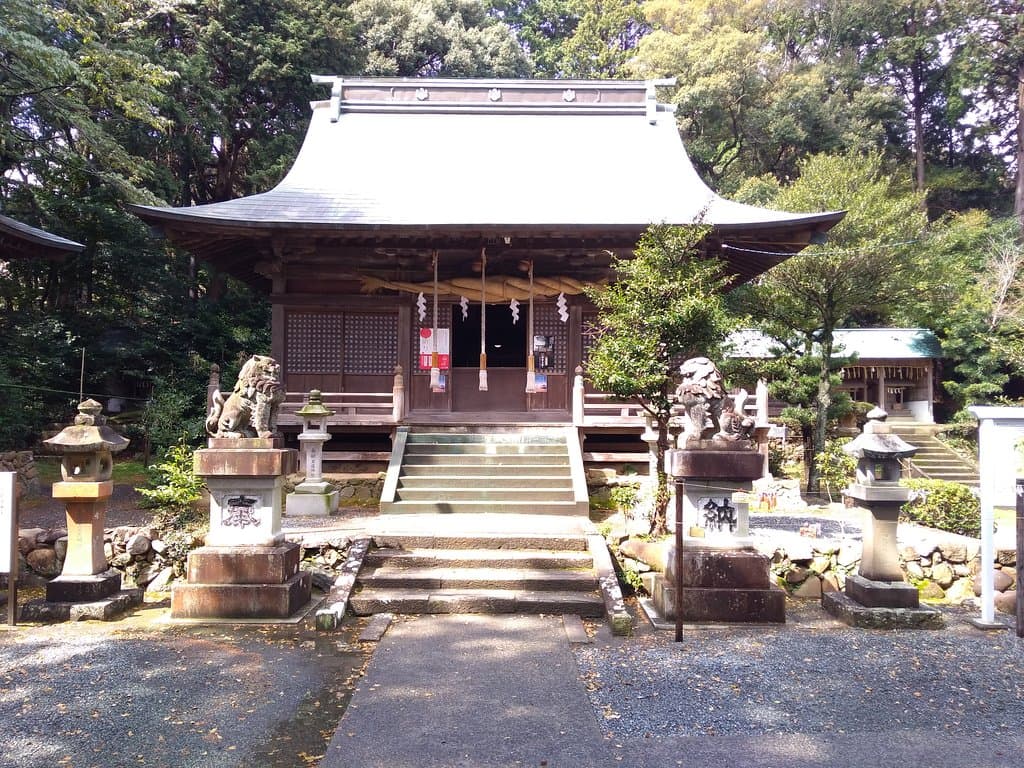
Kusanagi Shrine
A sacred Shinto shrine steeped in legend, home to the mythical Kusanagi Sword and host to the spectacular Ryusei Festival.
Highlights
Must-see attractions

Social
From TikTok & Reddit
Best Time
Ryusei Festival spectacle
Kusanagi Shrine
Best Time
Ryusei Festival spectacle
Highlights
Must-see attractions
A sacred Shinto shrine steeped in legend, home to the mythical Kusanagi Sword and host to the spectacular Ryusei Festival.
"Old and traditional temple. Great to be here once."
📞 Call Ahead for Shop Hours
Gift shop hours can be unpredictable. Call the shrine office beforehand to avoid disappointment when buying amulets or ema.
👟 Wear Comfortable Shoes
The walk from Kusanagi Station is about 20 minutes, with an uphill climb for the last part.
Highlights
Discover the most iconic attractions and experiences
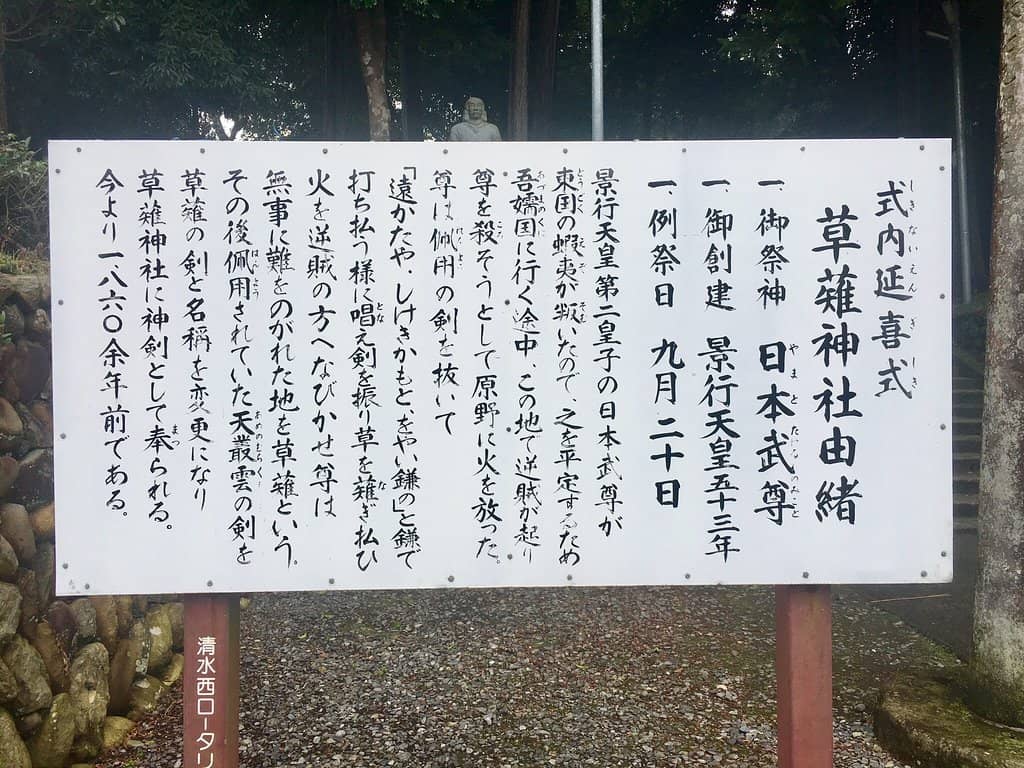
The Legend of Kusanagi-no-Tsurugi
Explore the shrine dedicated to the legendary Kusanagi Sword, one of Japan's Imperial Regalia.
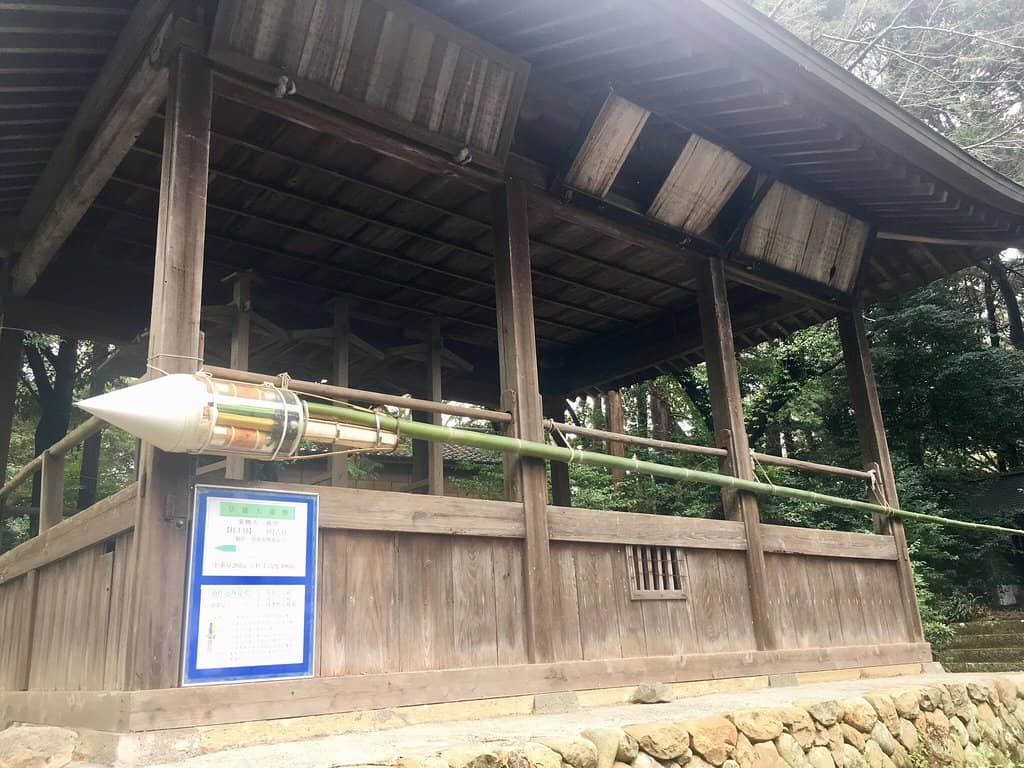
Ryusei Festival
Shrine grounds
Witness the spectacular bamboo and wood rocket launches during this unique autumn festival.
Scenic Views
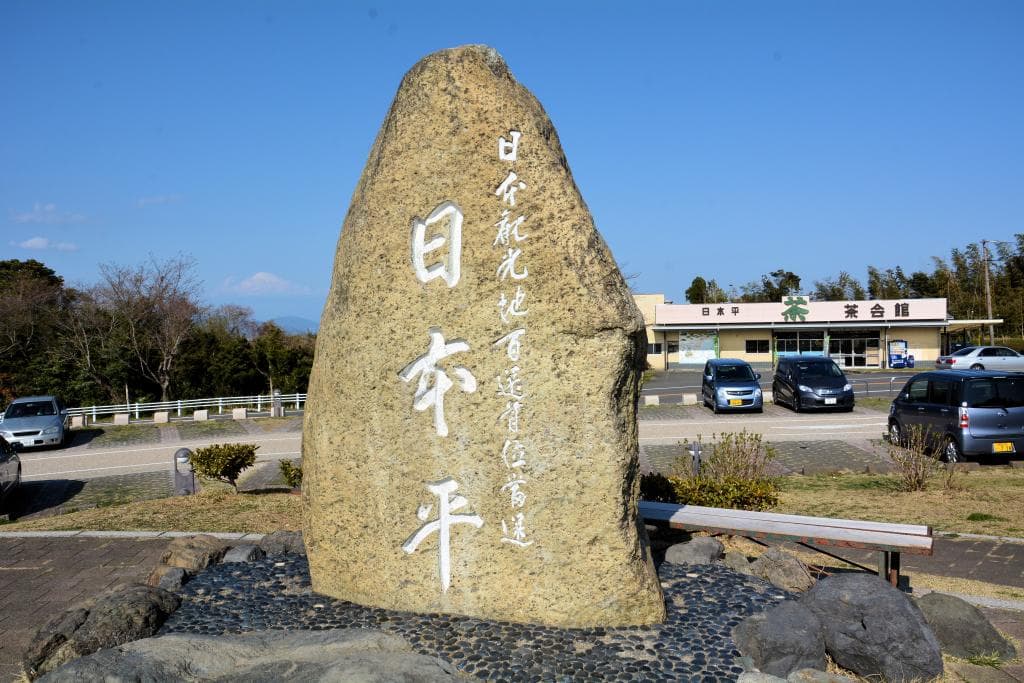
Foot of Nihon-daira mountains
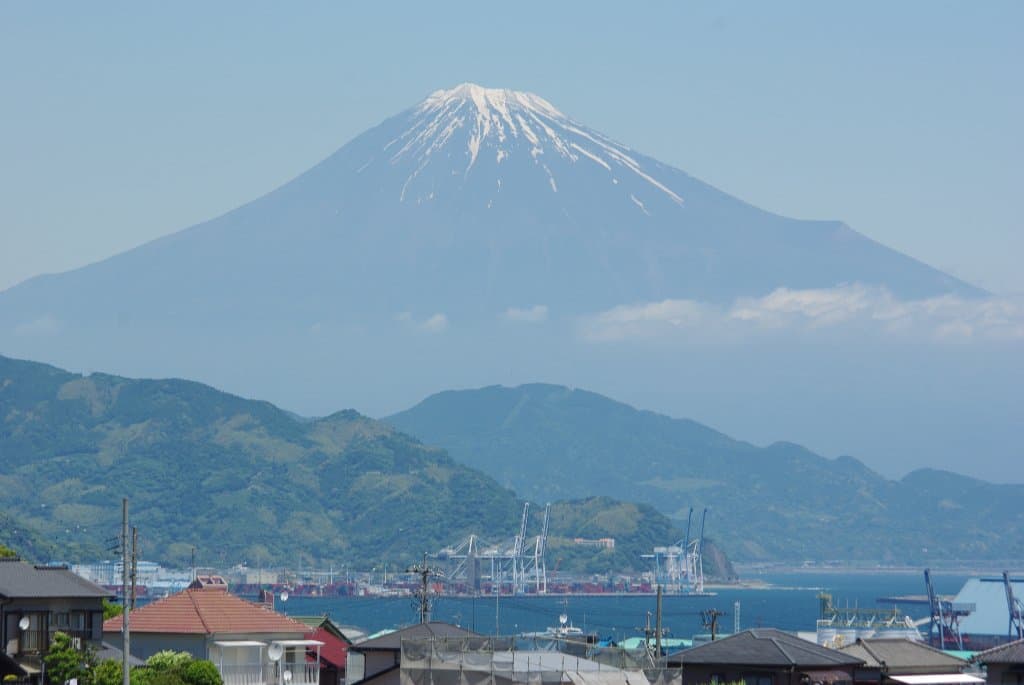
Enjoy views of Nihon-daira mountains and Suruga Bay from the shrine's elevated location.
Plans like a pro.
Thinks like you
Planning Your Visit
Timing Your Visit
Getting to Kusanagi Shrine
Best Times
Insider Tips
from TikTok, Instagram & Reddit
📞 Call Ahead for Shop Hours
Gift shop hours can be unpredictable. Call the shrine office beforehand to avoid disappointment when buying amulets or ema.
👟 Wear Comfortable Shoes
The walk from Kusanagi Station is about 20 minutes, with an uphill climb for the last part.
🚗 Driving Directions
Follow signs for Shizuoka University or look for the "Kusanagi Shrine 1200m" marker.
📜 Learn the Legend
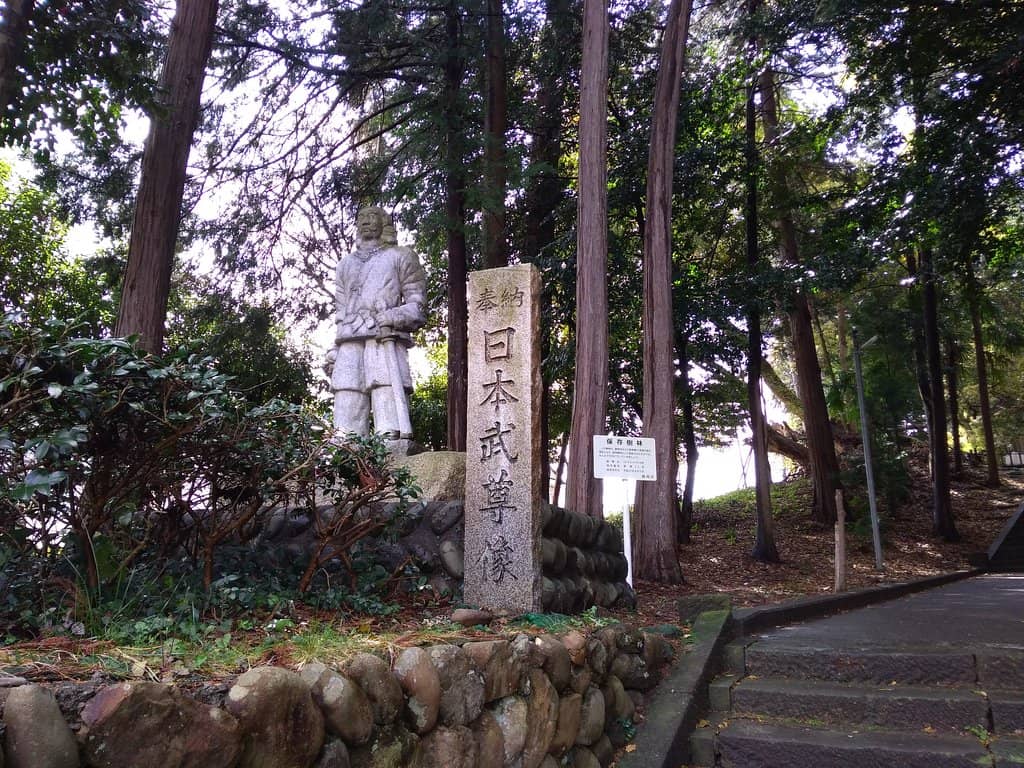
Familiarize yourself with the story of Emperor Yamato Takeru and the Kusanagi Sword for a richer visit.
Tips
from all over the internet
📞 Call Ahead for Shop Hours
Gift shop hours can be unpredictable. Call the shrine office beforehand to avoid disappointment when buying amulets or ema.
👟 Wear Comfortable Shoes
The walk from Kusanagi Station is about 20 minutes, with an uphill climb for the last part.
🚗 Driving Directions
Follow signs for Shizuoka University or look for the "Kusanagi Shrine 1200m" marker.
📜 Learn the Legend
Familiarize yourself with the story of Emperor Yamato Takeru and the Kusanagi Sword for a richer visit.
📸 Capture the Scenery
The shrine offers beautiful views of the surrounding mountains and bay.
What Travellers Say
Reviews Summary
Visitors find Kusanagi Shrine to be an old and traditional temple with a good atmosphere, deeply connected to Japanese mythology. While the historical significance and the legend of the Kusanagi Sword are highlights, some find the walk from the station challenging and the gift shop hours inconsistent.
"Old and traditional temple. Great to be here once."
Peter Nguyen
"goodatmosphere"
コウノヒロユキ
"This shrine is said to have been built on the spot where the famous story from the Kojiki and Nihon Shoki (not included in the Nihon Shoki) tells of Emperor Yamato Takeru's eastern expedition. He was tricked by the local kuni no miyatsuko (provincial governor) and attacked with fire on a grassland. He escaped the peril by wielding the sword Ame-no-Murakumo no tsurugi (a sword made of clouds of heaven). When visiting shrines in Kanagawa Prefecture, the accepted theory seems to be that this incident occurred in Sagami Province. However, some shrines claim that it occurred in Shizuoka, in Yaizu, west of Shizuoka City. In short, the name Yaizu comes from "burning it down," and the name Kusanagi comes from "cutting down the grass with the sword Ame-no-Murakumo no tsurugi" (a sword made of clouds of heaven) to stop the fire from spreading. There are also poems about the events that occurred in Ono, Sagami, Sanesashi, and other places. Therefore, this story is now a convenient anecdote that can be used to reference the history of shrines throughout the wide area from Yaizu to Kanagawa Prefecture. However, the Engishiki Shinmeicho (Book of Shinto Shrines) lists Kusanagi Shrine in Suruga Province, which explains why this shrine is called Kusanagi Shrine. There's a "Kusanagi" station on both the Tokaido Main Line and the Shizuoka Railroad, and the road name "Kusanagi Shrine Street" has long been established, making this shrine a well-known shrine in the Shizuoka-Shizuoka area. However, it's surprisingly far from the train station—about 1.5 kilometers from Kusanagi Station, with the latter half of the walk uphill, taking just over 20 minutes. The chief priest seems to be doing his best to manage the shrine, but there's a gift shop in the entrance to the shrine office, and he's often closed despite the announced opening hours. Those coming from far away to pray should call in advance to avoid wasting their time. Ema (votive plaques) depicting the story of Princess Ototachibana and related amulets are also available. Behind the shrine grounds are the Nihon-daira mountains, and beyond them is Suruga Bay. Furthermore, although it's unclear when it began, this shrine also hosts the Ryusei Festival, in which rockets made from bamboo and wood are launched. It's similar to the Ryusei Festival held every October at Muku Shrine in Chichibu, and the Farmers' Rocket launches at Maibara in Omi. While there are some minor differences, the Kusanagi festival is similar to those held in nearby Asahina, Fujieda, and takes place in early autumn, September. The Kusanagi festival is a prefectural designated intangible folk cultural asset and has established itself as a major tourist attraction.
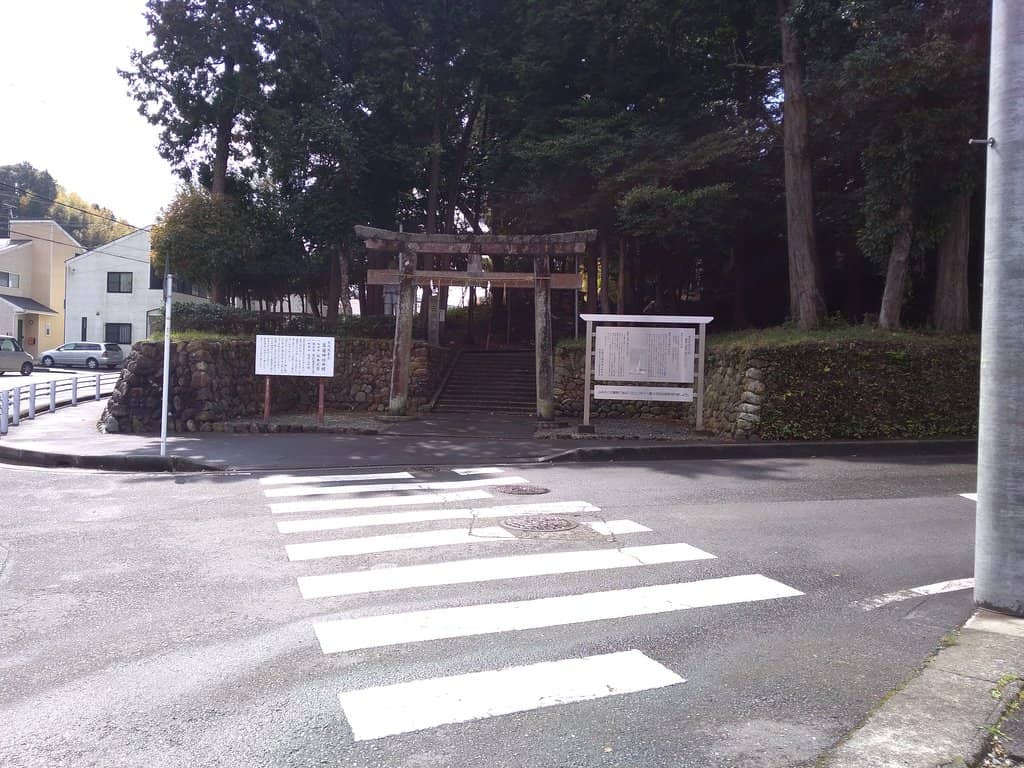
The grounds also include a kyudo (Japanese archery) range, and the shrine is located at the foot of a small hill with a magnificent shrine building. To get there, take the Shizuoka-Shizuoka Bypass to Nagasaki Interchange, turn left south at the intersection, cross the Shizutetsu Mikadodai railroad crossing, turn right west at the intersection with the old Tokaido highway, and then turn left at the intersection where the ancient large torii gate would have stood. If you can't find it, you will see a sign on your left that says "Kusanagi Shrine 1200m," so make sure you don't miss it. If you're coming from the west, look for the Shizuoka University sign."
さんさと
What People Like
What People Dislike
Frequently Asked Questions
🚇 🗺️ Getting There
From Kusanagi Station, it's approximately a 20-minute walk to Kusanagi Shrine. The latter half of the walk involves an uphill climb.
Yes, parking is available at the shrine. If driving, follow signs for Shizuoka University or look for the "Kusanagi Shrine 1200m" sign.
Yes, you can take the Shizuoka-Shizuoka Bypass to Nagasaki Interchange and follow local roads. The nearest train station is Kusanagi Station.
If approaching from the west, look for the Shizuoka University sign as a landmark.
Kusanagi Station is the closest train station, but it's still a significant walk to the shrine.
🎫 🎫 Tickets & Entry
Kusanagi Shrine is generally free to enter. However, specific areas or events might have separate charges.
The shrine grounds are typically open during daylight hours. The gift shop and office hours can be inconsistent, so it's advisable to call ahead.
Yes, there is a gift shop at the entrance to the shrine office where you can purchase ema (votive plaques) and amulets.
No, advance booking is not usually required for general visits to Kusanagi Shrine.
Yes, Kusanagi Shrine hosts the Ryusei Festival in early September, featuring bamboo and wood rocket launches.
📸 📸 Photography
Photography is generally allowed within the shrine grounds, but always be respectful of the sacred nature of the site.
The area near the torii gate and the scenic views from the foot of the mountains offer great photo opportunities.
The Kusanagi Sword itself is a sacred artifact and is not displayed publicly. Photography of the sword is not permitted.
While not explicitly stated, it's best to avoid drone photography at religious sites to ensure respect and avoid potential regulations.
A standard camera or smartphone is sufficient. Consider a wide-angle lens for capturing the scenic views and shrine architecture.
🎫 📜 History & Culture
Kusanagi Shrine is historically significant as it is believed to enshrine the Kusanagi-no-Tsurugi, one of Japan's Three Sacred Treasures, dating back over 1900 years. +1
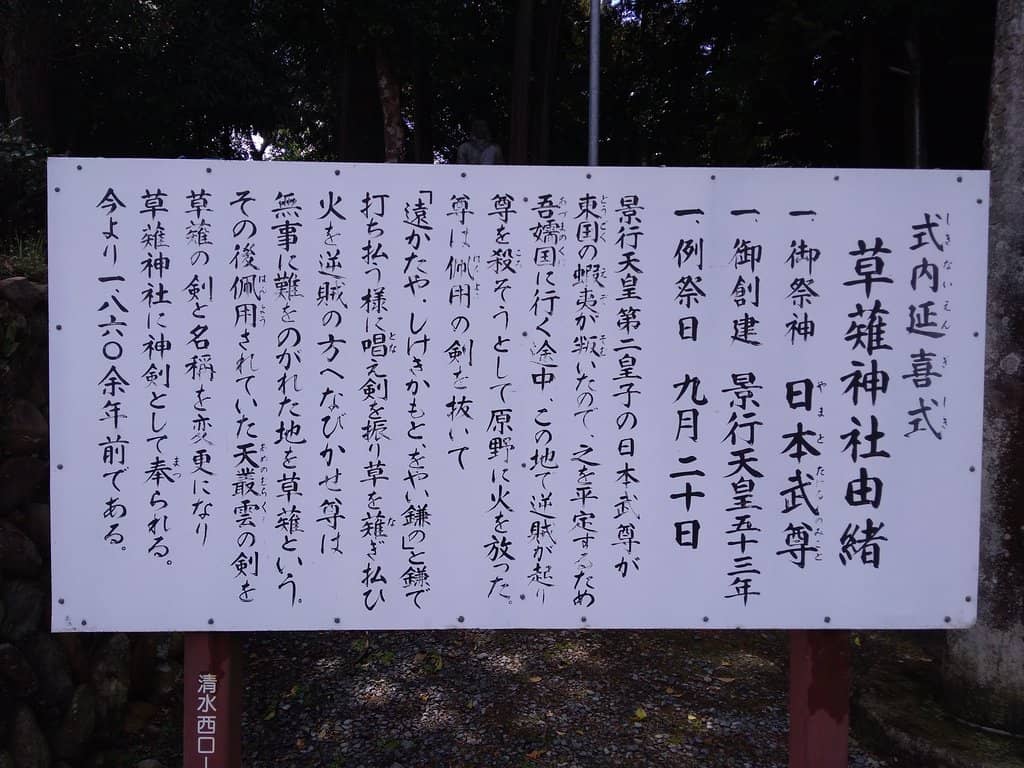
The legend involves Emperor Yamato Takeru using the sword Ame-no-Murakumo no tsurugi (later Kusanagi-no-Tsurugi) to escape a grassland fire.
The shrine primarily enshrines Emperor Yamato Takeru, who is associated with the legend of the Kusanagi Sword.
The Ryusei Festival is an annual event in early September where participants launch rockets made from bamboo and wood, a prefectural designated intangible folk cultural asset.
While not explicitly mentioned as museums, the shrine office has a gift shop that sells amulets and ema related to its history and legends.
For Different Travelers
Tailored advice for your travel style
👨👩👧 Families with Kids
Consider visiting during the Ryusei Festival for a truly exciting experience with the rocket launches. However, be mindful of crowds during festival times. The scenic views from the shrine's location can also be a pleasant distraction for kids.
🚶 Solo Travelers
Take your time exploring the grounds and learning about the legend of the Kusanagi Sword. The Ryusei Festival, if timed correctly, can be a vibrant and engaging solo experience. Remember to check shop hours if you're interested in souvenirs.
📸 Photography Enthusiasts
The elevated location provides scenic vistas of the Nihon-daira mountains and Suruga Bay, especially beautiful during sunrise or sunset. While the Kusanagi Sword itself is not visible, the historical and mythical context adds depth to your photographic narrative.

Deep Dives
In-depth insights and expert knowledge
The Legend of the Kusanagi Sword
The shrine itself is believed to have been established to enshrine this legendary sword. While the sword is a sacred artifact and not publicly displayed, its presence is central to the shrine's identity and spiritual significance. Visitors can learn more about this epic tale through the shrine's lore and the items available for purchase, such as ema (votive plaques) depicting the story.
This historical and mythological connection makes Kusanagi Shrine a place of deep cultural importance, drawing visitors interested in Japanese history, Shintoism, and ancient legends. The shrine's serene atmosphere further enhances the experience of connecting with these ancient stories.
The Ryusei Festival: A Fiery Spectacle
The festival is recognized as a prefectural designated intangible folk cultural asset, underscoring its cultural value and historical roots. It's a vibrant celebration that draws crowds and offers a glimpse into traditional Japanese festivals. The sight of these handmade rockets against the night sky is a truly memorable experience.
While the exact origins and variations of the festival are debated, its presence at Kusanagi Shrine has established it as a significant tourist attraction. If you're planning a visit in early autumn, timing your trip to coincide with the Ryusei Festival is highly recommended for an unforgettable cultural immersion.
Navigating to Kusanagi Shrine
For those driving, the shrine is accessible via the Shizuoka-Shizuoka Bypass. Look for signs directing you towards Shizuoka University, or keep an eye out for the "Kusanagi Shrine 1200m" marker. The shrine is situated at the foot of a small hill, offering a pleasant approach.
It's worth noting that the gift shop's opening hours can be inconsistent. If you have your heart set on purchasing specific amulets or ema, it's a good idea to call the shrine office in advance to confirm their availability and opening times. This small step can save you a wasted trip.

Social
from TikTok, Instagram & Reddit