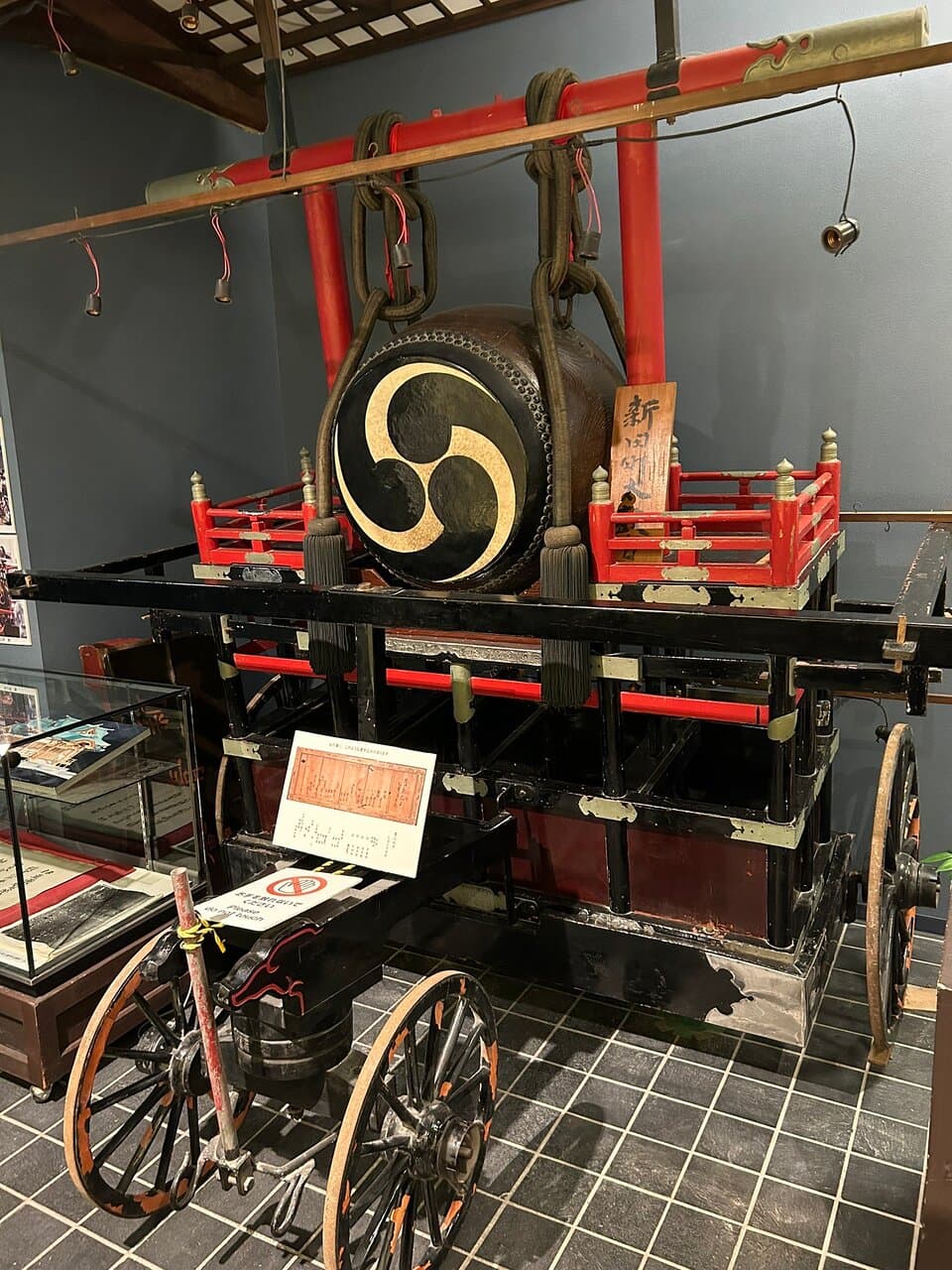
Shimoda Kaikoku Museum
Explore Shimoda's pivotal role in Japan's 19th-century opening to the West, featuring exhibits on Commodore Perry and the Bakumatsu era.
Highlights
Must-see attractions
Social
From TikTok & Reddit
Best Time
Fewer crowds, more peaceful
Shimoda Kaikoku Museum
Best Time
Fewer crowds, more peaceful
Highlights
Must-see attractions
Explore Shimoda's pivotal role in Japan's 19th-century opening to the West, featuring exhibits on Commodore Perry and the Bakumatsu era.
"Many find the ¥1200 admission steep for a small museum with limited English, but it offers niche historical insights."
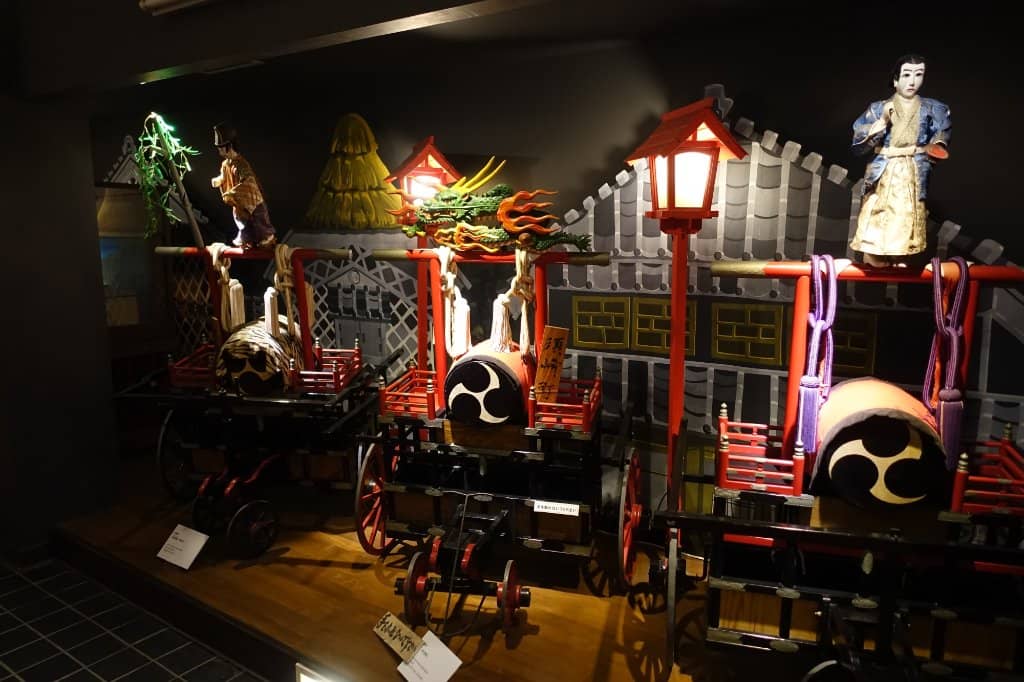
📱 Bring Your Phone
QR codes provide English translations, so have your phone ready for info!
💰 Consider the Cost
Many find ¥1200 pricey for the size. Manage expectations for value.
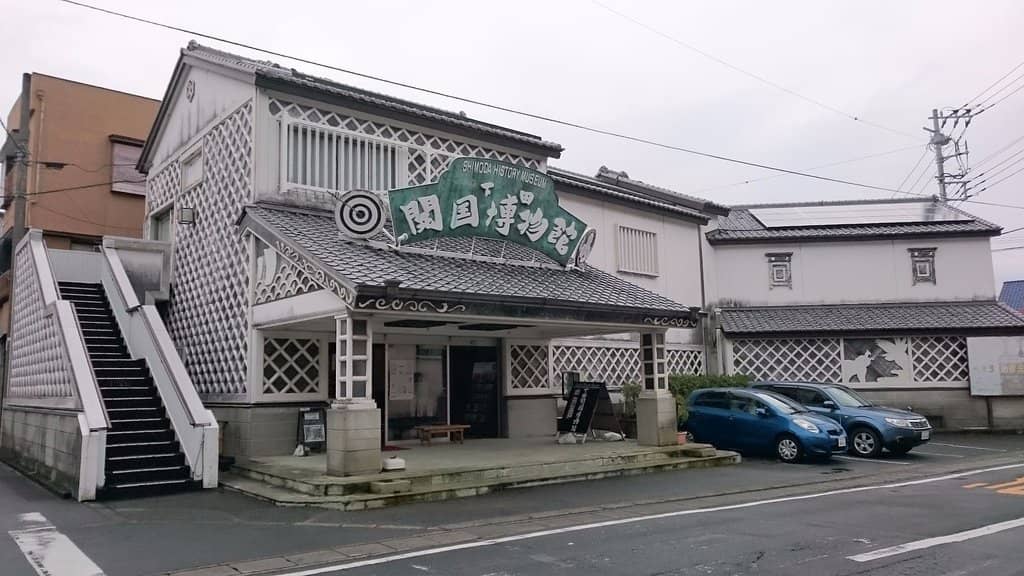
Highlights
Discover the most iconic attractions and experiences
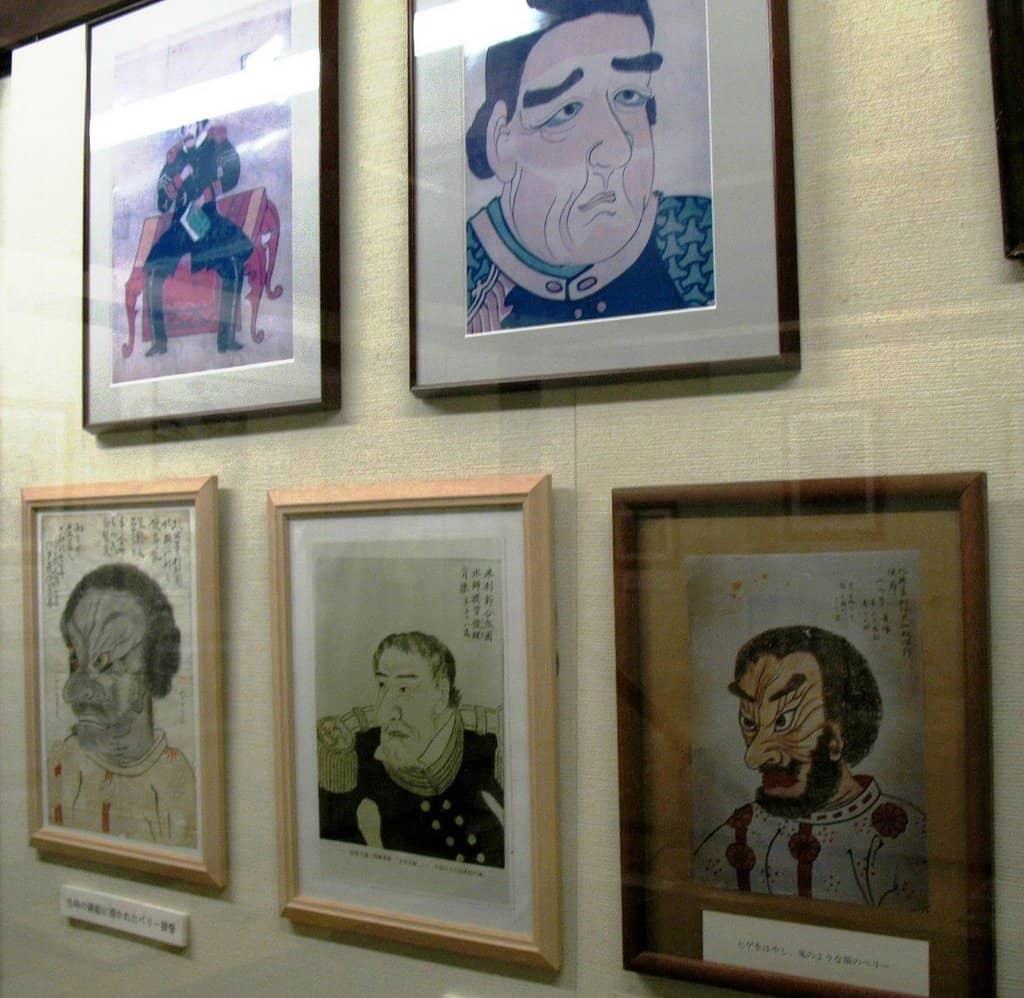
Matthew Perry's Arrival
Building 2, 2nd Floor
Discover artifacts and displays detailing the pivotal arrival of Commodore Matthew Perry and the opening of Shimoda port.
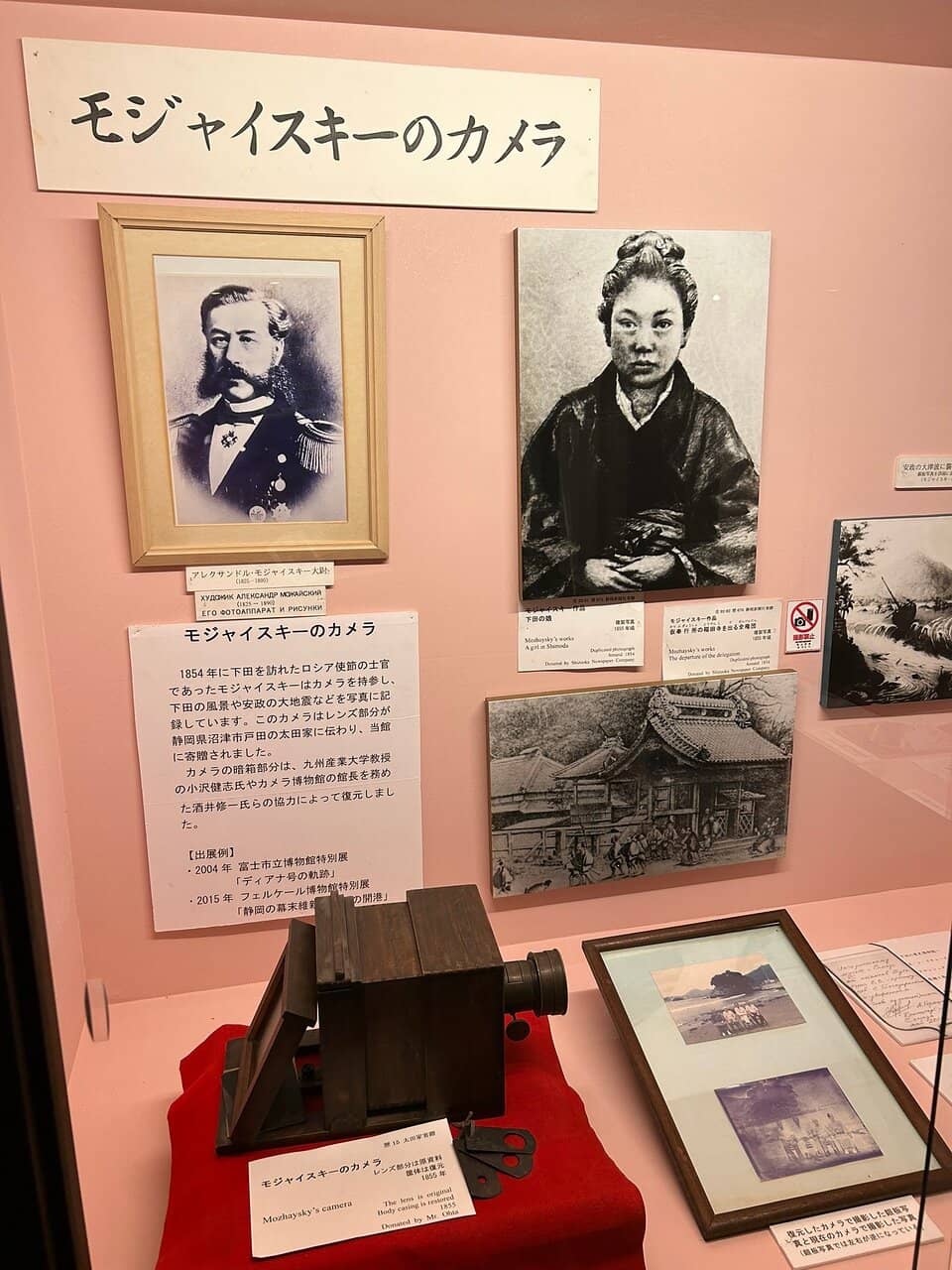
Bakumatsu Period History
Building 1 & 2
Explore exhibits focused on the tumultuous Bakumatsu period, a key era in Japan's transition from isolation.
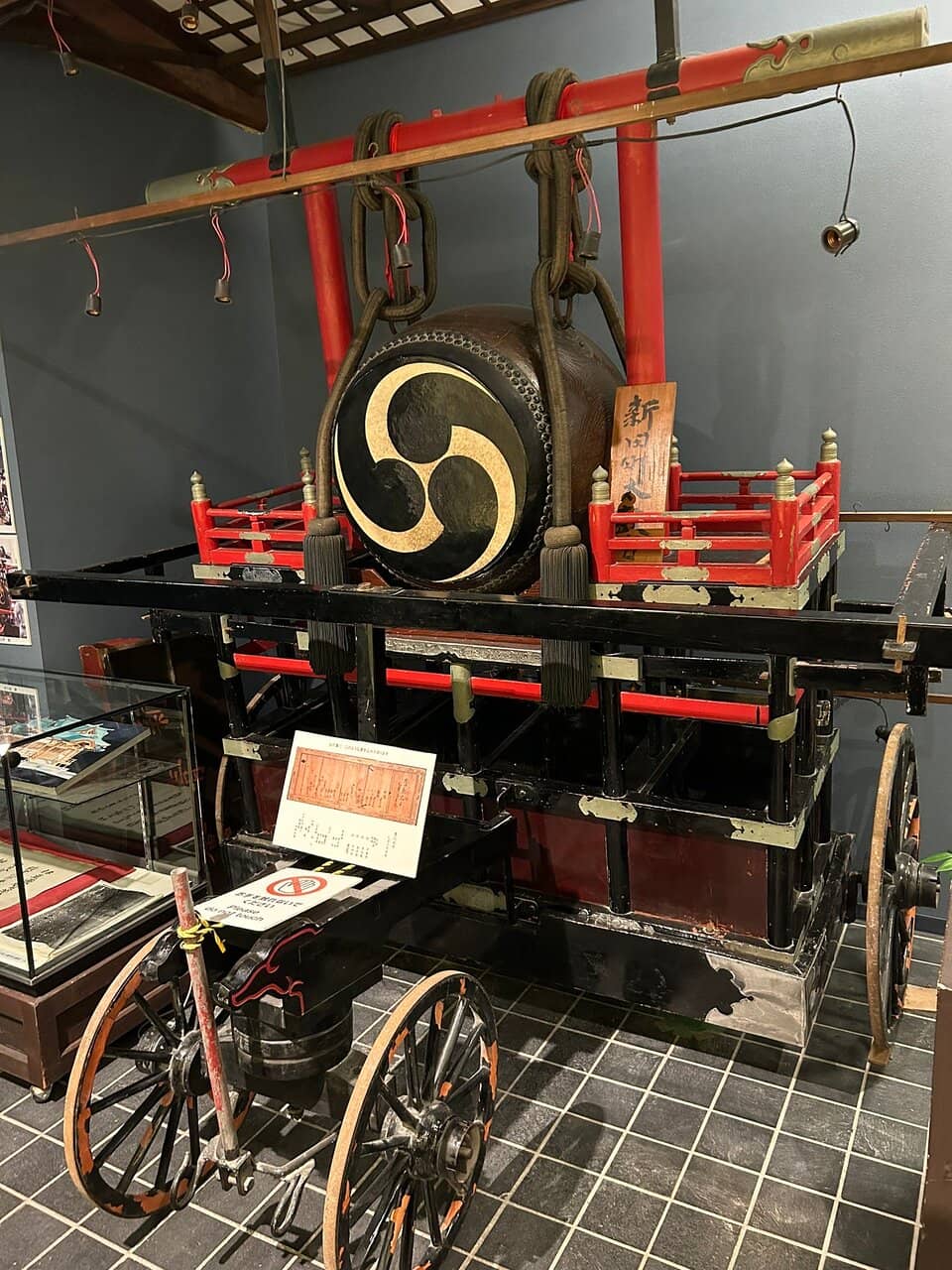
Russian Landing History
Building 2, 2nd Floor
Learn about the historical landing of Russians in Shimoda, another significant event in Japan's international relations.
Plans like a pro.
Thinks like you
Planning Your Visit
Manage Expectations on Value
Language Barrier Alert
Best Times
Insider Tips
from TikTok, Instagram & Reddit
📱 Bring Your Phone
QR codes provide English translations, so have your phone ready for info!
💰 Consider the Cost
Many find ¥1200 pricey for the size. Manage expectations for value.
🇯🇵 Japanese Language Skills
Essential for understanding most exhibits without relying on your phone.
🚶♀️ Explore Shimoda
The museum is small; combine it with other Shimoda attractions.
Tips
from all over the internet
📱 Bring Your Phone
QR codes provide English translations, so have your phone ready for info!
💰 Consider the Cost
Many find ¥1200 pricey for the size. Manage expectations for value.
🇯🇵 Japanese Language Skills
Essential for understanding most exhibits without relying on your phone.
🚶♀️ Explore Shimoda
The museum is small; combine it with other Shimoda attractions.
What Travellers Say
Reviews Summary
The Shimoda Kaikoku Museum offers a deep dive into Japan's opening to the West, particularly the Bakumatsu period and Commodore Perry's arrival. However, many visitors find the ¥1200 admission fee steep for the museum's size and dated presentation, with a significant drawback being the lack of English signage, relying heavily on QR codes.
"Exactly as other reviews have said:
- 1200 yen is too expensive.
- Very few signs in English.
There is English information available via QR, but who wants to visit a museum only to stare at their phone? With very little effort, they could print English signs. Then it would be more worth it.
That said, other reviewers have made the same points 3 years ago, so I wouldn’t hold out hope for improvement."
Rowan
"¥1,200/adult: Over priced for a small museum with run down facilities. There’s not that much on display in terms of Admiral Perry’s landing in Shimoda. The majority of signs are only in Japanese so wouldn’t recommend it at all if you don’t understand Japanese. Essentially it’s 2 small buildings with 2 floors. Building 1, 1/F is a bunch of run down/old figures of old Japan, 2/F is very small and still about Japan. Then you need to walk down a flight of stairs outdoors, cross the street to holding 2, and walk up more stairs. The 2/F of building 2 is split to 2 sections with Perry’s landing and the Russians landing. Then the 1/F of the 2’d building is the shop so it isn’t even really a display. It’s quite disappointing and I feel ripped off. Personally I’d pay maybe ¥300 and definitely not more than ¥500 for a museum of this quality. It’s not maintained well, and the information was so light. You’d learn more with a quick Google search, many wonderful articles about Shimoda which are much more informative."
Ariel Lee
"Shimoda was a city of importance when Japan opened the Shimoda port to the US and Russia in 1854, renouncing the long lasting national seclusion policy.
So this museum exhibits things mainly of the Bakumatsu period (1850s to 60s), though there are also some other things about the Shimoda's history before that.
I'm interested in the history of that time so found many interesting facts I hadn't known."
Yzh Y
What People Like
What People Dislike
Frequently Asked Questions
🚇 🗺️ Getting There
The museum is located in Shimoda city. You can reach Shimoda by train from major cities like Tokyo, though it involves transfers. Once in Shimoda, the museum is accessible by local bus or a short taxi ride from the station.
Limited parking may be available in the vicinity of Shimoda city, but it's recommended to check local parking options upon arrival as dedicated museum parking might be scarce.
Depending on your pace and the exact location of the museum within Shimoda, it might be a considerable walk. Taking a local bus or taxi is generally more convenient.
🎫 🎫 Tickets & Entry
The admission fee is ¥1200 per adult. Some visitors feel this is expensive for the museum's size and offerings.
Information on specific discounts is not widely available. It's best to inquire at the ticket counter upon arrival for any potential concessions.
Opening hours can vary seasonally. It's advisable to check the official museum website or contact them directly for the most up-to-date information before your visit.
Online ticket purchasing options are not commonly advertised. It's generally recommended to purchase tickets upon arrival at the museum.
Accessibility information is limited. Given the older nature of some buildings, there might be challenges with stairs and uneven surfaces. Inquire directly for specific needs.
🎫 🧭 Onsite Experience
It depends on your interest in the specific history of Shimoda's opening to the West. Visitors interested in the Bakumatsu period and US-Japan relations may find it informative, but others find it overpriced and lacking in English information.
The museum is relatively small, consisting of two buildings with a few floors each. Most visitors spend about 1 to 1.5 hours exploring the exhibits.
Signage is predominantly in Japanese. While QR codes offer English translations, many visitors find this inconvenient and wish for printed English signs.
The museum displays artifacts and information related to the Bakumatsu period, including the arrival of Commodore Perry and Russian envoys, as well as general Shimoda history.
Yes, there is a gift shop located on the first floor of the second building, offering souvenirs related to the museum's themes.
📸 📸 Photography
Photography policies can vary. It's best to look for signage within the museum or ask staff if photography is permitted, especially if flash is involved.
Focus on capturing the historical artifacts and displays that interest you. The exterior of the buildings and any scenic views of Shimoda from the museum grounds might also be photogenic.
While the exhibits focus on historical context, you might find opportunities to photograph displays that illustrate the ships or the historical figures involved in Perry's mission.
For Different Travelers
Tailored advice for your travel style
👨👩👧 Families with Kids
If you do decide to visit with family, consider it a brief stop to introduce older children to a specific aspect of Japanese history. Focus on the visual elements of the displays, such as figures or artifacts, and use the QR codes for simplified explanations. It might be more beneficial to pair this visit with more interactive or visually stimulating activities in Shimoda.
💰 Budget Travelers
If you're on a tight budget, you might want to prioritize other attractions in Shimoda or research if there are any local passes or discounts available. Alternatively, a quick online search for 'Shimoda history' can provide a wealth of information that rivals what's presented in the museum, often for free.
Deep Dives
In-depth insights and expert knowledge
Understanding the Historical Context
Beyond the American mission, the museum also touches upon the arrival of Russian envoys, further emphasizing Shimoda's significance as one of the first ports opened to foreign trade and diplomacy. Visitors can expect to see exhibits that explain the political climate of the time, the cultural differences encountered, and the immediate impact of these encounters on Japanese society. While the museum's presentation might be considered dated by some, its focus on this crucial historical juncture makes it a point of interest for those studying Japanese history.
Visitor Experience and Value
A significant point of contention is the lack of English signage. While QR codes are provided for English translations, this method is not ideal for a museum experience, as it requires visitors to constantly look at their phones rather than engaging with the physical displays. This linguistic barrier can make the museum less accessible and enjoyable for international tourists. Some visitors suggest that with minimal effort, the museum could significantly improve the visitor experience by adding printed English labels.
Despite these criticisms, some visitors appreciate the museum for providing a glimpse into a specific, important period of Japanese history that they might not find elsewhere. For those with a deep interest in the Bakumatsu era or the history of US-Japan relations, the museum can offer unique insights. However, for the casual tourist, the cost and language issues might outweigh the historical revelations.


Social
from TikTok, Instagram & Reddit