Mount Unzen Disaster Memorial Hall Gamadasu Dome
A powerful memorial hall recreating the devastating Mount Unzen volcanic eruptions with immersive exhibits and simulations.
Highlights
Must-see attractions

Social
From TikTok & Reddit
Best Time
Fewer crowds, more immersive
Mount Unzen Disaster Memorial Hall Gamadasu Dome
Best Time
Fewer crowds, more immersive
Highlights
Must-see attractions
A powerful memorial hall recreating the devastating Mount Unzen volcanic eruptions with immersive exhibits and simulations.
"This museum is built around the concept of reviving the disaster for the visitors and it does so VERY good."
🎧 Grab an Audio Guide
Essential for English speakers! It translates Japanese text and enhances your understanding of exhibits.
⏳ Allow Ample Time
Don't rush! 4 hours lets you fully experience the simulations and historical context.
Highlights
Discover the most iconic attractions and experiences
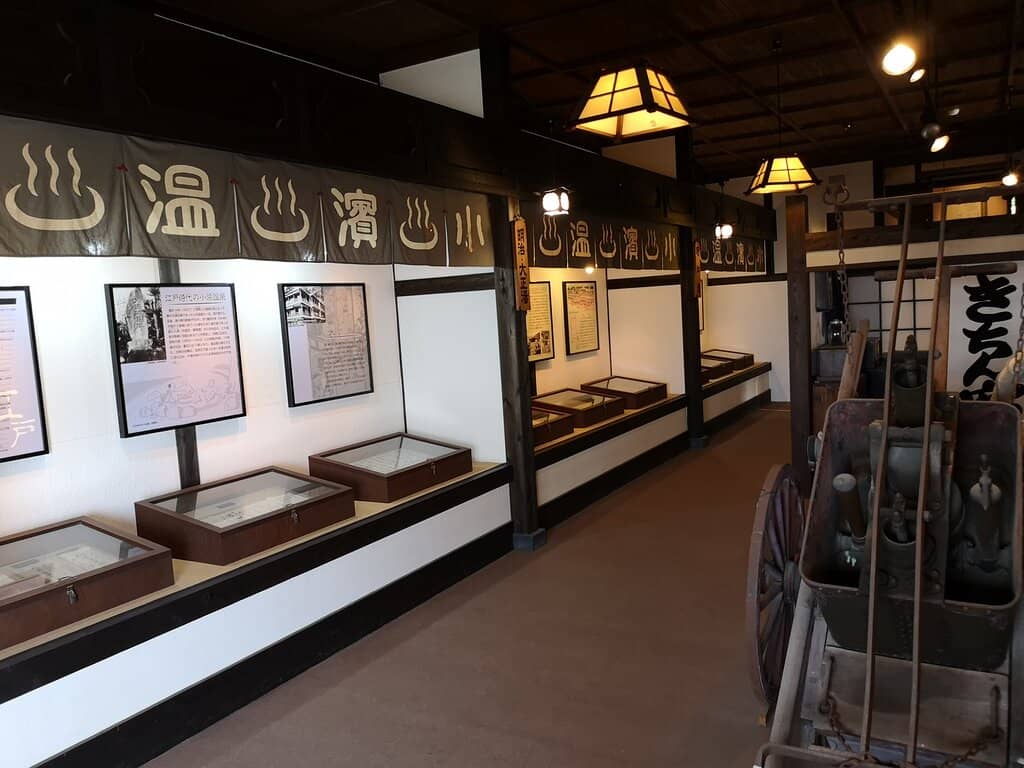
Gamadasu Dome
Main exhibition hall
Witness the path of destruction and the resilience of nature in this powerful dome structure.
Volcanic Outbreak Simulation
Glass floor exhibit
Experience the terrifying speed of a pyroclastic flow on a simulated glass floor.
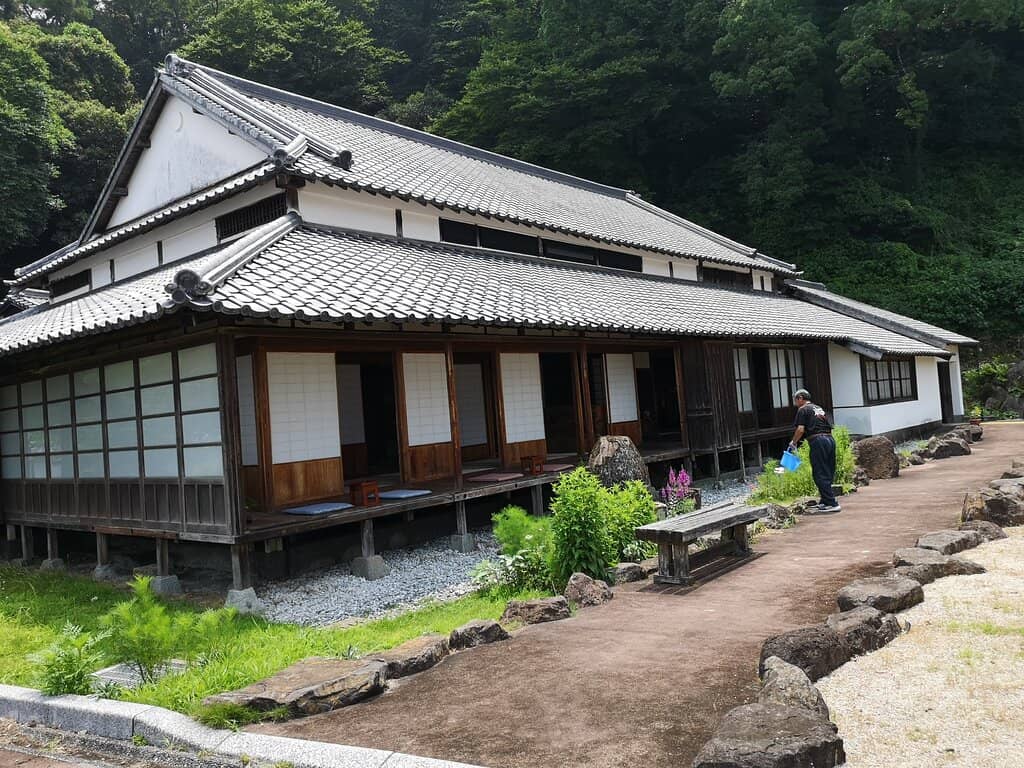
1792 Eruption Theater
Small theater
A captivating reenactment of an earlier eruption using moving scenery, sound, and light.
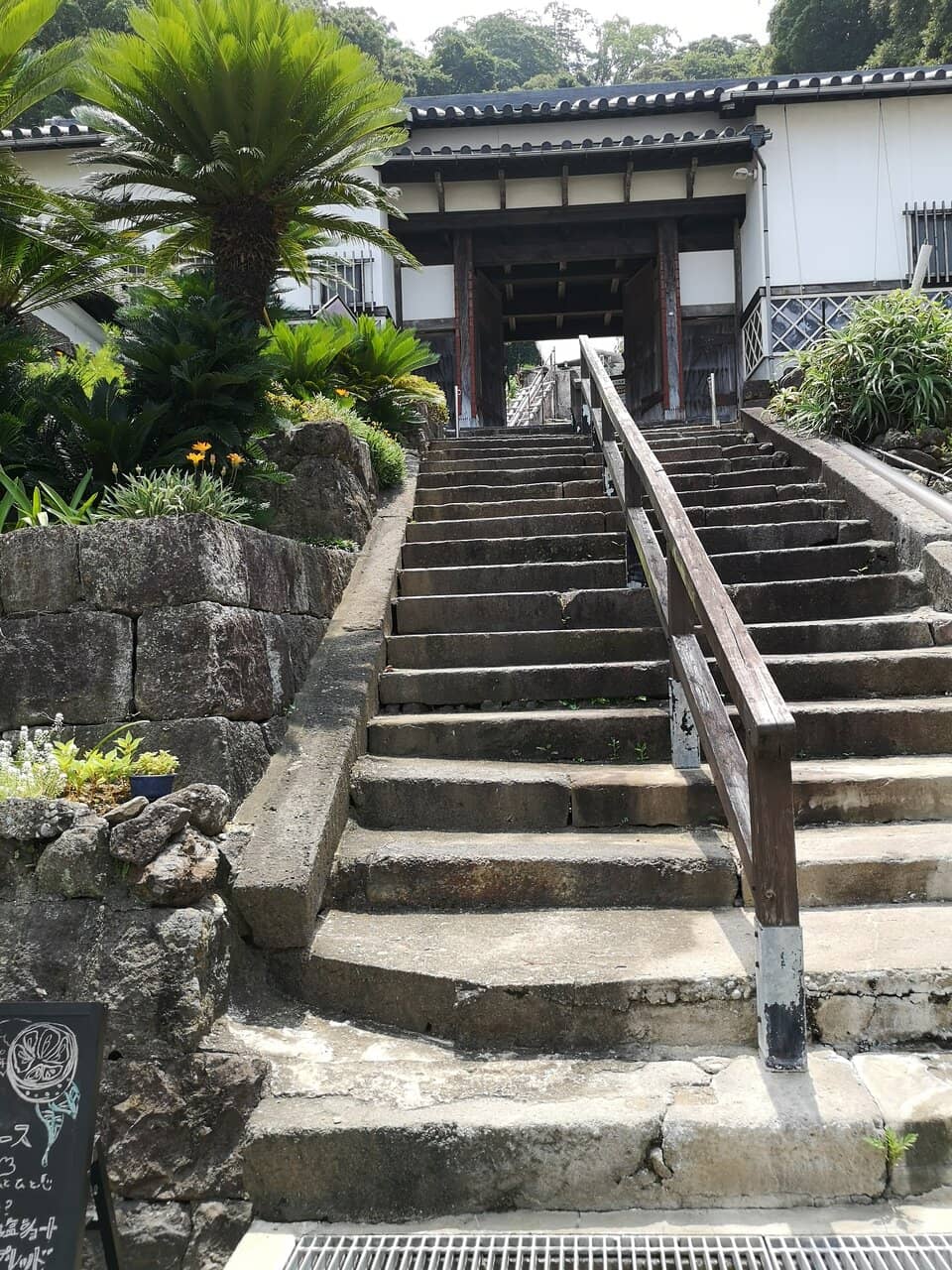
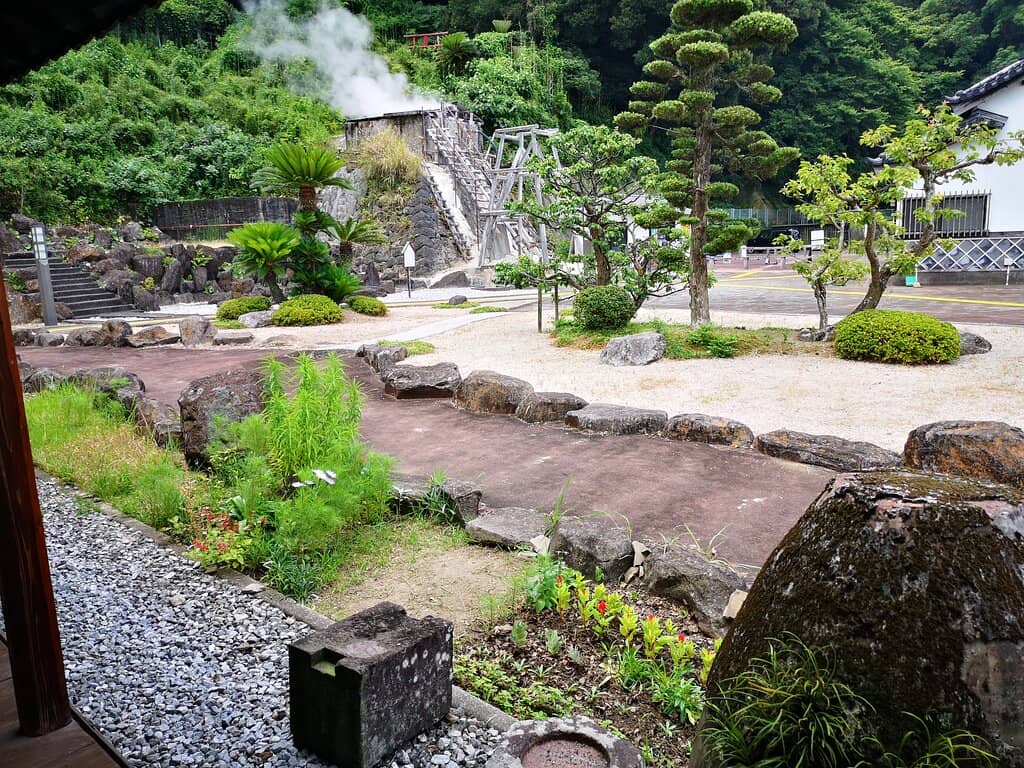
Preserved Destroyed Houses
Outdoor exhibit near the hall
See houses frozen in time, showcasing the immense force of the volcanic disaster.
Plans like a pro.
Thinks like you
Planning Your Visit
Understand the Impact
Allocate Your Time Wisely
Best Times
Insider Tips
from TikTok, Instagram & Reddit
🎧 Grab an Audio Guide
Essential for English speakers! It translates Japanese text and enhances your understanding of exhibits.
⏳ Allow Ample Time
Don't rush! 4 hours lets you fully experience the simulations and historical context.
🎟️ Ticket Machines
They're in Japanese, but friendly staff will assist you with purchasing tickets.
👨👩👧 Kid-Friendly Fun
Interactive stations and the 1792 eruption theater are great for younger visitors.
Tips
from all over the internet
🎧 Grab an Audio Guide
Essential for English speakers! It translates Japanese text and enhances your understanding of exhibits.
⏳ Allow Ample Time
Don't rush! 4 hours lets you fully experience the simulations and historical context.
🎟️ Ticket Machines
They're in Japanese, but friendly staff will assist you with purchasing tickets.
👨👩👧 Kid-Friendly Fun
Interactive stations and the 1792 eruption theater are great for younger visitors.
🚶♀️ Explore Nearby
Visit the preserved destroyed houses nearby for an even deeper understanding. Free entry!
What Travellers Say
Reviews Summary
Visitors consistently praise the Mount Unzen Disaster Memorial Hall for its incredibly immersive and impactful recreation of the volcanic eruptions. The availability of English audio guides is a significant plus for international visitors, making the complex exhibits accessible. While the ticket machines are in Japanese, the helpful staff ensure a smooth entry. The preserved houses nearby add another layer of understanding to the disaster's devastation.
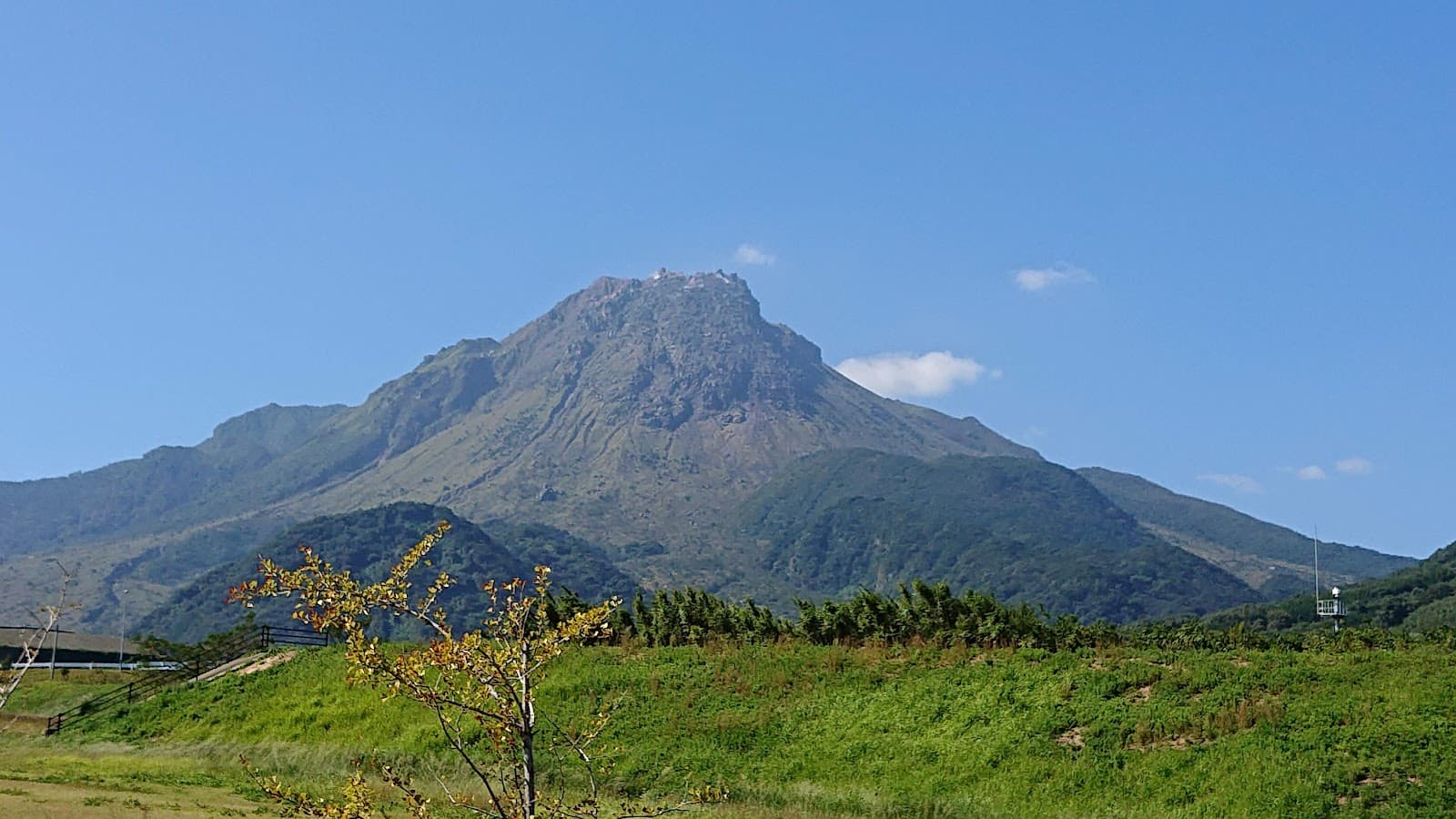
"Main message: the museum is built around the concept of reviving the disaster for the visitors and it does so VERY good with the volcano directly in sight and the museum built in the path of destruction. Texts are all in Japanese, but the audio guides are good and allow to dive into the exhibition.
Details:
We came in a little less than 2h before closing time on that day and basically had the whole museum to ourselves. The whole staff greeted us and we felt like on an official state visit. ☺️
The ticket machines are in Japanese only but the staff will help you if needed. At the entrance another staff member held a sign with English information on playing times for a cinema and a little theater (later more on that).
You get an audio guide in several languages. German an English are covered. I think Spanish and French as well. The guide is very helpful because texts at the exhibits are nearly all in Japanese. Just choose the number visible at your spot and press play.
There is little cinema playing a movie that replays the events of the disaster. It is in Japanese, but the audio guide plays translations and explanations in parallel. Worked for me.
Even better is the little theater! It replays the events of the earlier outbreak in 1792 with moving wooden scenery, sound, light and video clips. Made for kids I found myself leaning in totally consumed by the story. Absolutely lovely!
The do it yourself stations for kids are not fully usable if you don't speak the language. But this is just a minor glitch.
A highlight is the glass floor with a post disaster scenery. Every few minutes it simulates the outbreak and gives you an idea how fast a pyroclastic wave at 100kph really is. Frightening. 😬
There is also a volcanic stone walking path and a viewing platform. You could easily spend 4h there, I think. Cafe and vending machines are (of course) available and very affordable.
Very close to the museum is also a set of houses destroyed in the disaster and persevered in their state which gives you an even better understanding of the horrible force that came done back then. No fees charged there.
If some extra texts in English are added, the place is worth more than 5 stars.
I can only say: VISIT!"
Alexander Grossert
"Didn't even know this existed. Happened here by accident on our through Shimabara to Nagasaki by the ferry. Saw the ad for the museum and stopped by. Very interesting and informative. They have free English audio guide."
R Dykes
"This is a must-see if you are ever in the area. The story of the Mt Uzen disaster can really be felt here. It's completely amazing to experience. If you are an English speaker grab the headphones so you can listen to the story as you walk through each of the visual displays, it makes for a great experience."
Wilbur Smith
What People Like
What People Dislike
Frequently Asked Questions
🚇 🗺️ Getting There
The memorial hall is accessible by car or public transport. From Nagasaki, you can take a bus to Shimabara and then transfer to a local bus heading towards Unzen. It's recommended to check local bus schedules in advance as they can be infrequent.
Yes, there is parking available for visitors. It's generally ample, especially if you arrive earlier in the day.
Yes, from Shimabara Port, you can take a local bus or taxi to reach the memorial hall. The journey is relatively short.
While buses connect major points, renting a car offers the most flexibility for exploring the Unzen area and its various attractions, including the memorial hall and surrounding natural sites.
The closest train station is in Shimabara. From there, you will need to take a bus to reach the memorial hall.
🎫 🎫 Tickets & Entry
The memorial hall typically opens around 9:00 AM and closes around 5:00 PM, with the last entry usually an hour before closing. It's always best to check the official website for the most up-to-date hours, as they can vary seasonally.
Admission fees are very affordable. While specific prices can change, expect them to be reasonable, with discounts often available for children and seniors.
Currently, ticket purchases are primarily done at the venue. The ticket machines are in Japanese, but staff are available to assist visitors.
No, the preserved houses located near the memorial hall are accessible free of charge, offering a poignant look at the disaster's impact.
It's advisable to check the official website or contact the memorial hall directly for information on any upcoming events, temporary closures, or special exhibitions.
🎫 🧭 Onsite Experience
The hall's main attraction is its immersive recreation of the 1990-1995 volcanic eruptions, featuring the Gamadasu Dome, a glass floor simulation of pyroclastic flows, and a theater reenacting past eruptions.
Yes, free English audio guides are provided and are highly recommended, as most exhibit text is in Japanese. They significantly enhance the visitor experience.
Yes, the memorial hall is considered great for kids. It features interactive displays and a captivating theater presentation that can engage younger audiences.
While a quick visit can be done in under 2 hours, many visitors recommend allocating around 4 hours to fully appreciate all the exhibits, including the cinema and theater shows.
The glass floor exhibit simulates the terrifying speed and force of a pyroclastic wave, giving visitors a visceral understanding of the disaster's power. It's a truly impactful experience.
🍽️ 🍽️ Food & Dining
Yes, the memorial hall has a cafe and vending machines available, offering affordable refreshments for visitors.
The cafe typically offers simple snacks, drinks, and light meals. It's a convenient place to take a break during your visit.
There are dining options available in the broader Unzen area, particularly in Shimabara. You might find local eateries offering regional specialties.
While not explicitly stated, it's generally advisable to consume outside food and drinks in designated areas or before entering the main exhibition spaces.
Information on specific dietary options at the cafe is limited. It's best to inquire directly upon arrival or opt for snacks from vending machines if specific dietary needs are a concern.
📸 📸 Photography
Photography is generally permitted in most areas of the memorial hall, but it's always a good idea to look for specific signage indicating 'no photography' zones, especially near sensitive exhibits.
The Gamadasu Dome itself offers striking architectural shots. The preserved houses outside also provide powerful, albeit somber, photographic opportunities. The glass floor simulation can be visually dramatic.
Yes, photography is allowed at the preserved houses. These offer a unique and impactful visual record of the disaster's destruction.
While not explicitly stated, it's common practice in museums and memorial sites to avoid using flash photography to protect exhibits and avoid disturbing other visitors.
A camera with good low-light performance would be beneficial for some indoor exhibits. However, a smartphone camera is generally sufficient for capturing the impactful visuals.
For Different Travelers
Tailored advice for your travel style
👨👩👧 Families with Kids
Parents will appreciate the availability of English audio guides, which are crucial for understanding the exhibits and can be used to explain concepts to children. The preserved houses outside also offer a tangible, albeit somber, visual for older children to grasp the scale of the disaster. It's a place where families can learn together about the power of nature and the importance of disaster preparedness.
🌍 Solo Travelers & History Buffs
Allocate ample time, ideally 4 hours, to fully absorb the exhibits, including the cinema and theater presentations. The nearby preserved destroyed houses offer an additional, poignant layer to the historical narrative. This is a destination that rewards thoughtful exploration and a desire to understand the impact of natural disasters.
📸 Photographers
While indoor exhibits may have lighting challenges, the glass floor simulation can create dramatic visual effects. Remember to check for any 'no photography' signs, though generally, it's permitted. The surrounding natural landscape of Unzen also offers scenic beauty, providing a contrast to the memorial's somber themes.
Deep Dives
In-depth insights and expert knowledge
The Unzen Volcanic Eruptions: A Historical Context
The 1792 eruption, also a significant event in the region's history, is distinct from the modern eruptions but equally catastrophic. This eruption triggered a massive landslide and tsunami, leading to thousands of deaths. The memorial hall dedicates a section to this earlier disaster, using a captivating theater presentation with moving scenery to bring the historical event to life. This dual focus highlights the long and often tragic relationship between the people of this region and their volcanic landscape.
Understanding the geological context is key to appreciating the memorial hall's exhibits. Mount Unzen is part of the Shimabara Peninsula, an area shaped by volcanic activity over millennia. The memorial hall effectively translates complex geological phenomena into accessible narratives, using interactive displays and simulations to convey the scale and speed of volcanic events like pyroclastic flows, which can travel at speeds of up to 100 km/h.
Experiencing the Disaster: Immersive Exhibits
Beyond the simulations, the hall employs various media to tell its story. A cinema screens a film detailing the events of the 1990-1995 eruptions, with audio guides providing crucial translations for non-Japanese speakers. The small theater offers a more dramatic reenactment of the 1792 eruption, using a combination of moving wooden scenery, sound, light, and video clips. This presentation is described as captivating, even for adults, highlighting its effectiveness in storytelling.
Complementing the indoor exhibits are the preserved destroyed houses located just outside the memorial hall. These structures remain in the state they were left after the disaster, offering a stark and tangible reminder of the volcanic forces. Visiting these houses provides an additional layer of understanding and emotional impact, reinforcing the lessons learned from the memorial hall's displays.
Practicalities for Visitors
Navigating ticket purchases can be a minor hurdle as the ticket machines are in Japanese. However, the staff are consistently described as helpful and will readily assist visitors in completing their transactions. This friendly assistance ensures that the language barrier doesn't prevent access to the exhibits.
While the memorial hall offers a profound educational experience, it also caters to families. The interactive stations for children, though potentially challenging without language proficiency, are designed to engage younger minds. Combined with the captivating theater presentation, the hall offers a valuable learning opportunity for all ages, making it a worthwhile stop for anyone interested in natural disasters and local history.

Social
from TikTok, Instagram & Reddit