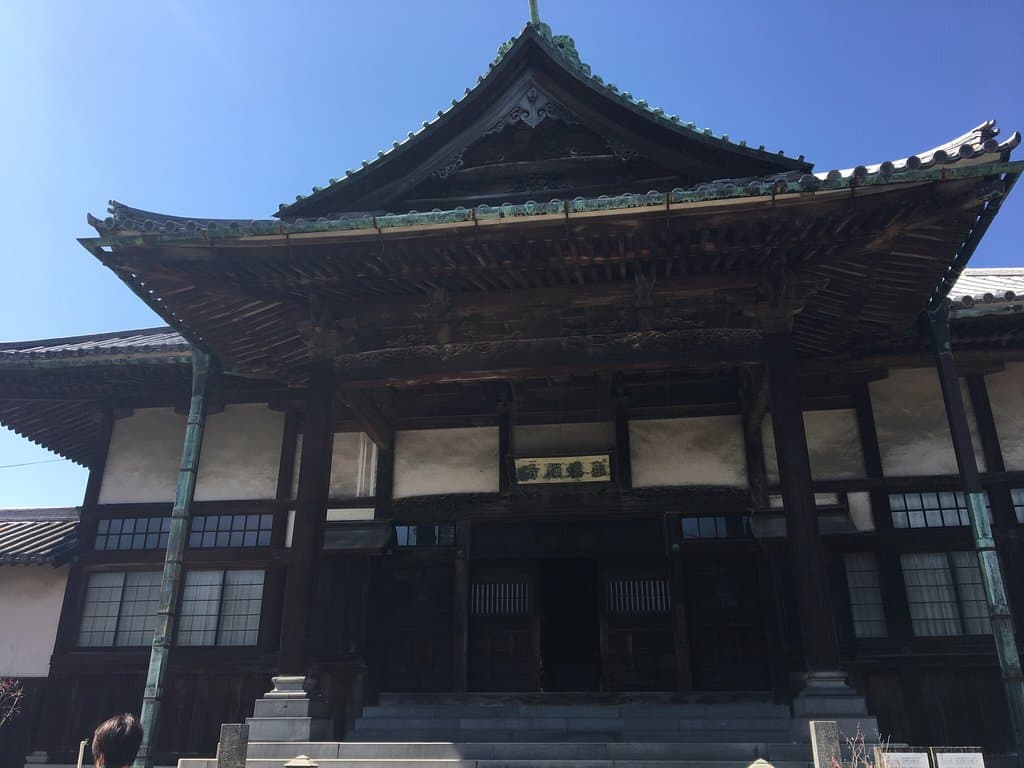
Kodenji Temple Nabeshima Cemetery
Historic temple and cemetery, final resting place of the Nabeshima clan, featuring a large reclining Buddha scroll.
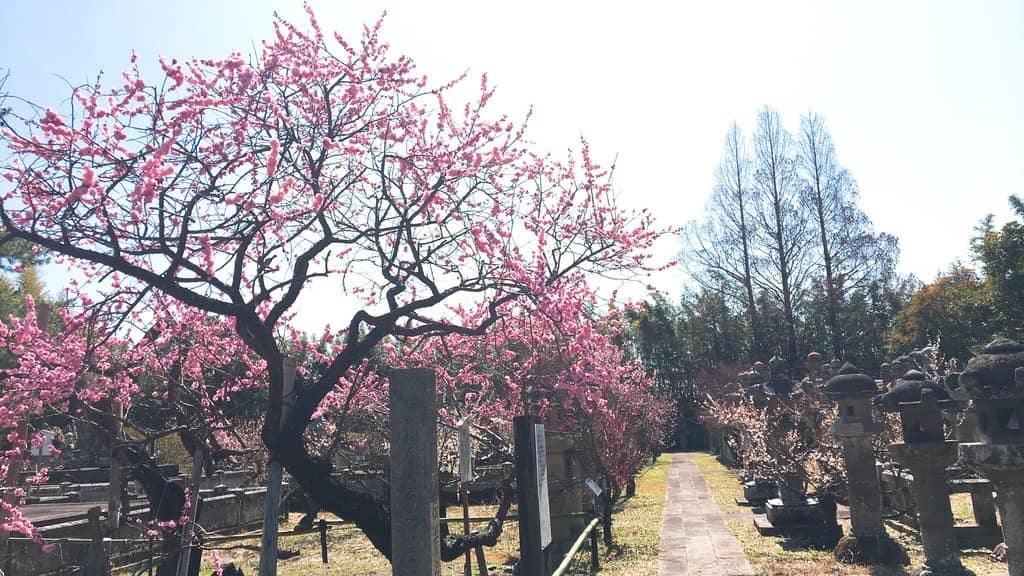
Highlights
Must-see attractions

Social
From TikTok & Reddit
Best Time
Best for viewing
Kodenji Temple Nabeshima Cemetery
Best Time
Best for viewing
Highlights
Must-see attractions
Historic temple and cemetery, final resting place of the Nabeshima clan, featuring a large reclining Buddha scroll.
"A must-visit for Sengoku period fans, with historical graves and a large Buddha scroll."
💰 Admission Fee
Entry is ¥400 per person. Consider purchasing a temple seal for ¥300.
🚗 Parking Available
Convenient parking is provided on-site for visitors.
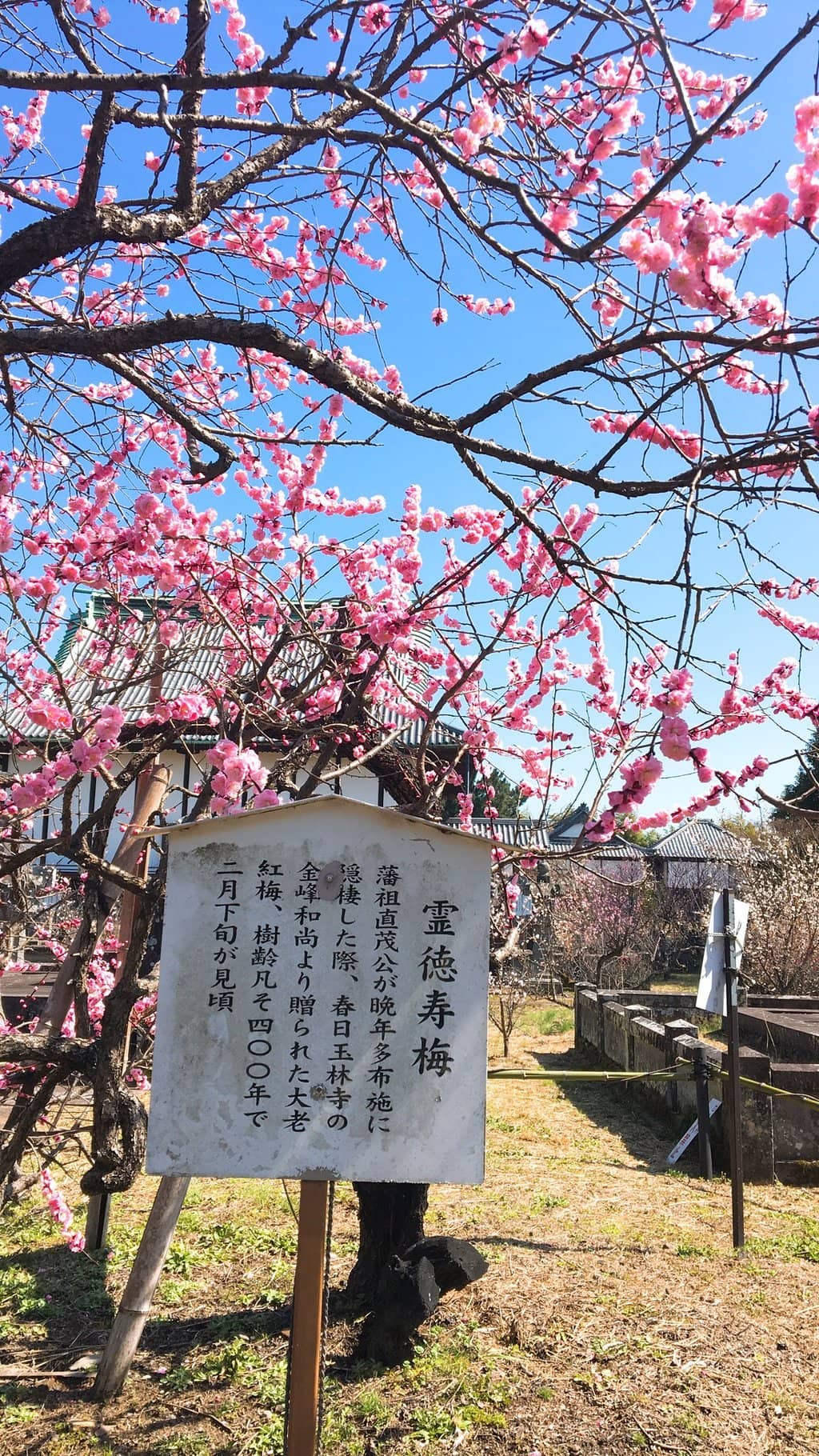
Highlights
Discover the most iconic attractions and experiences
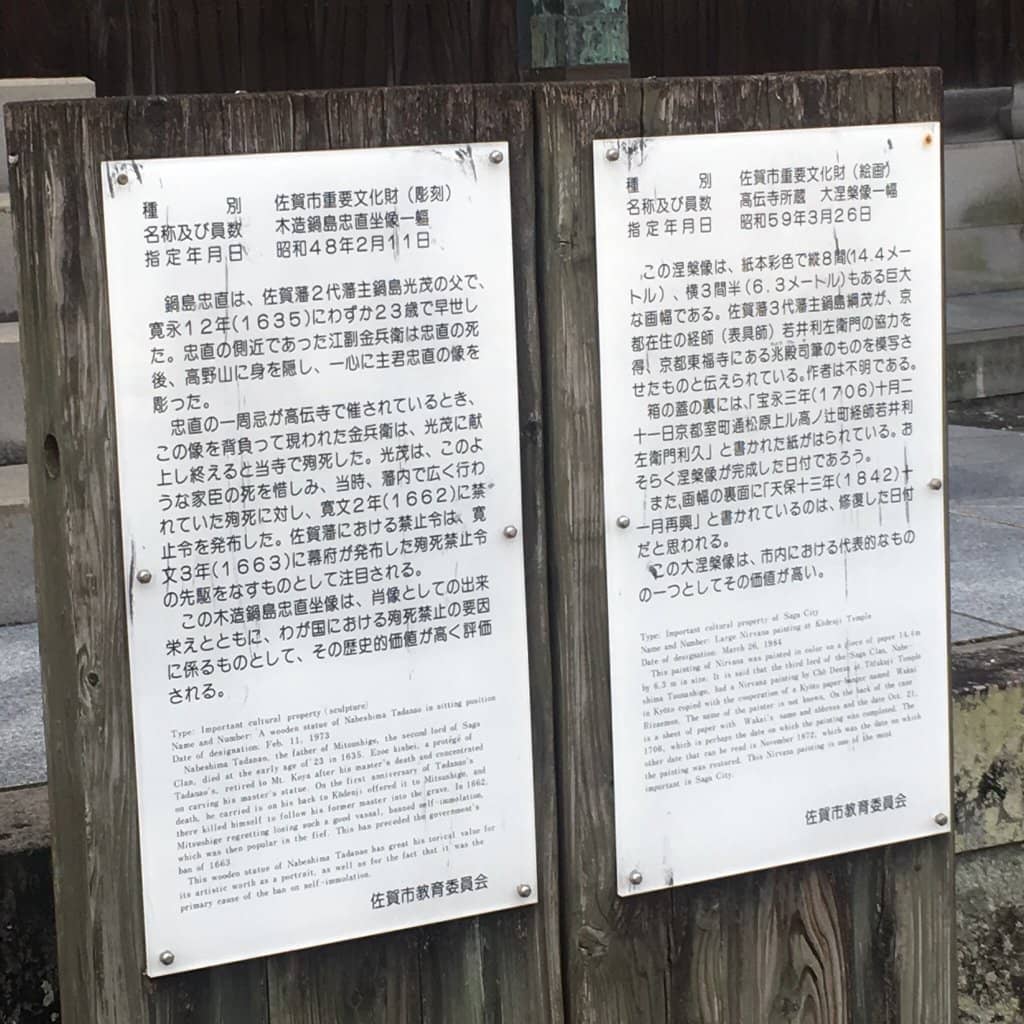
Reclining Buddha Scroll
Main Hall
Marvel at the impressive 16-meter long scroll depicting a reclining Buddha, a significant cultural artifact.
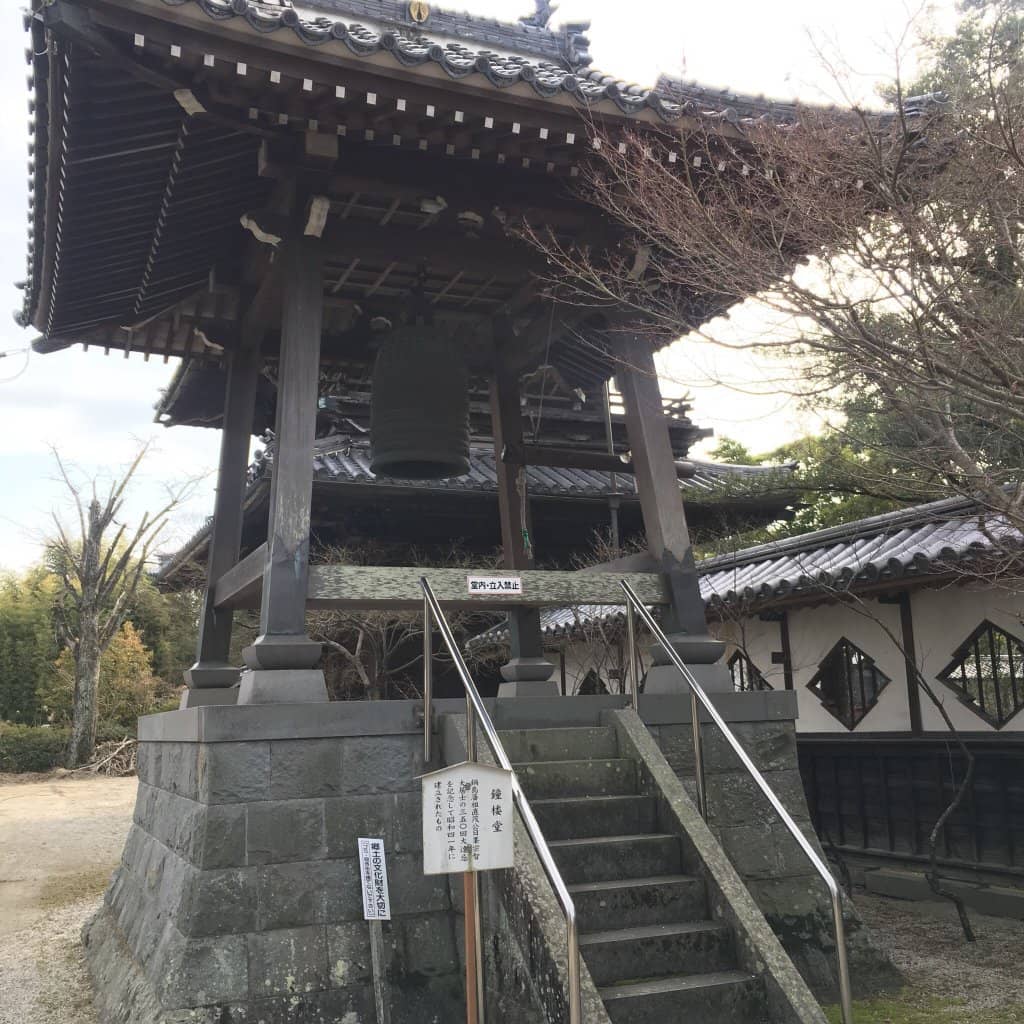
Nabeshima Family Graves
Cemetery Grounds
Visit the solemn burial site of the successive feudal lords of the Nabeshima and Ryuzoji clans.
Yakushi Nyorai Statue
Main Hall
See the principal image of this Soto Zen temple, the healing Buddha, Yakushi Nyorai.
Plans like a pro.
Thinks like you
Planning Your Visit
Nabeshima Family History
Entrance Fees & Hours
Best Times
Insider Tips
from TikTok, Instagram & Reddit
💰 Admission Fee
Entry is ¥400 per person. Consider purchasing a temple seal for ¥300.
🚗 Parking Available
Convenient parking is provided on-site for visitors.
📜 Guided Talks
Arrange in advance for Japanese talks by the head priest.
🤔 Not a Lot to See
Manage expectations; some visitors find there isn't extensive sightseeing.
Tips
from all over the internet
💰 Admission Fee
Entry is ¥400 per person. Consider purchasing a temple seal for ¥300.
🚗 Parking Available
Convenient parking is provided on-site for visitors.
📜 Guided Talks
Arrange in advance for Japanese talks by the head priest.
🤔 Not a Lot to See
Manage expectations; some visitors find there isn't extensive sightseeing.
What Travellers Say
Reviews Summary
Visitors find Kodenji Temple Nabeshima Cemetery to be a historically significant site, particularly for its connection to the Nabeshima clan and the impressive reclining Buddha scroll. While some note it's not an extensive attraction, its modest entrance fee and historical context make it a worthwhile stop for those interested in feudal Japan and Buddhist art.
"Kodenji Buddha statue came from China and Traditional Chinese culture is influenced. Entrance fee is 300 ¥ per person."
Kyaw Zin Htoo
"Beautiful old temple and burial place of the Nabeshima family. Currently you can see a large 16 metre long scroll featuring a reclining buddha. Entrance costs ¥400 and parking is available. Talks in Japanese about the temple are given by the head priest by prior arrangement."
Judy OBrien
"onlyONE"
night kit
What People Like
What People Dislike
Frequently Asked Questions
🚇 🗺️ Getting There
Information on public transport or driving directions to Kodenji Temple Nabeshima Cemetery is limited in online discussions. It's recommended to use a navigation app or local transport guides. Parking is available on-site.
Details on specific bus routes or train stations near Kodenji Temple Nabeshima Cemetery are scarce. Travelers often rely on personal vehicles or local taxi services for convenience.
While specific routes aren't detailed, driving is a common method. If using public transport, research local bus lines that may service the area around Kodenji Temple.
🎫 🎫 Tickets & Entry
The admission fee is ¥400 per person.
Yes, a temple seal is available for purchase at ¥300.
Specific opening hours are not consistently provided. It's advisable to visit during daylight hours to best experience the site.
Yes, you can arrange for talks in Japanese about the temple by the head priest by prior arrangement.
As it is a temple and a cemetery, respectful attire is recommended. Avoid overly casual or revealing clothing.
🎫 🧭 Onsite Experience
Key attractions include the large 16-meter reclining Buddha scroll, the graves of the Nabeshima and Ryuzoji clans, and the principal image, Yakushi Nyorai.
Most visitors find that a short visit, perhaps an hour, is sufficient, as some reviews suggest there isn't a vast amount to see.
Photography is generally permitted, but always be respectful of the sacred nature of the temple and cemetery grounds.
It is the burial site of the successive feudal lords of the Nabeshima and Ryuzoji clans, offering a glimpse into the region's history.
Basic facilities like parking are available. Information on restrooms or other amenities is limited.
🍽️ 🍽️ Food & Dining
There are no dining facilities mentioned within the temple or cemetery grounds. Visitors typically eat before or after their visit.
Dining options would likely be found in the nearby city or town. It's advisable to research local restaurants in Saga or surrounding areas.
📸 📸 Photography
The large reclining Buddha scroll and the historical gravestones of the Nabeshima family are prime subjects for photography.
While not explicitly stated, always be mindful and respectful when taking photos in a religious and burial site. Avoid intrusive photography.
For Different Travelers
Tailored advice for your travel style
👨👩👧 Families with Kids
Consider it as part of a larger itinerary in the Saga area. Ensure children understand the respectful nature of visiting a temple and cemetery. The entrance fee is modest, making it an accessible addition if historical sites are of interest to your family.
🏛️ History Enthusiasts
Don't miss the opportunity to learn about the temple's connection to traditional Chinese culture and admire the large reclining Buddha scroll. If possible, arrange for the head priest's talk to gain deeper insights into the temple's history and the clans it honors.
🚶 Solo Travelers
Be aware that some visitors note there isn't a vast amount to see, so manage expectations for a shorter visit. It's a good spot for a peaceful walk and a moment of historical contemplation.
Deep Dives
In-depth insights and expert knowledge
The Nabeshima Clan and Their Legacy
This historical connection is a key draw for visitors interested in Japanese history, particularly the era of samurai and feudal lords. The temple itself, being a Soto Zen temple, adds a layer of spiritual and cultural context to the historical narrative. The principal image, Yakushi Nyorai, the healing Buddha, underscores the temple's religious importance.
Artistic and Cultural Influences
Beyond the scroll, the temple's principal image, Yakushi Nyorai, also reflects broader Buddhist artistic traditions. The mention of traditional Chinese culture influencing the temple suggests a rich history of cultural exchange. For those interested in religious art and the cross-pollination of cultural styles, Kodenji Temple offers a fascinating glimpse.
Social
from TikTok, Instagram & Reddit