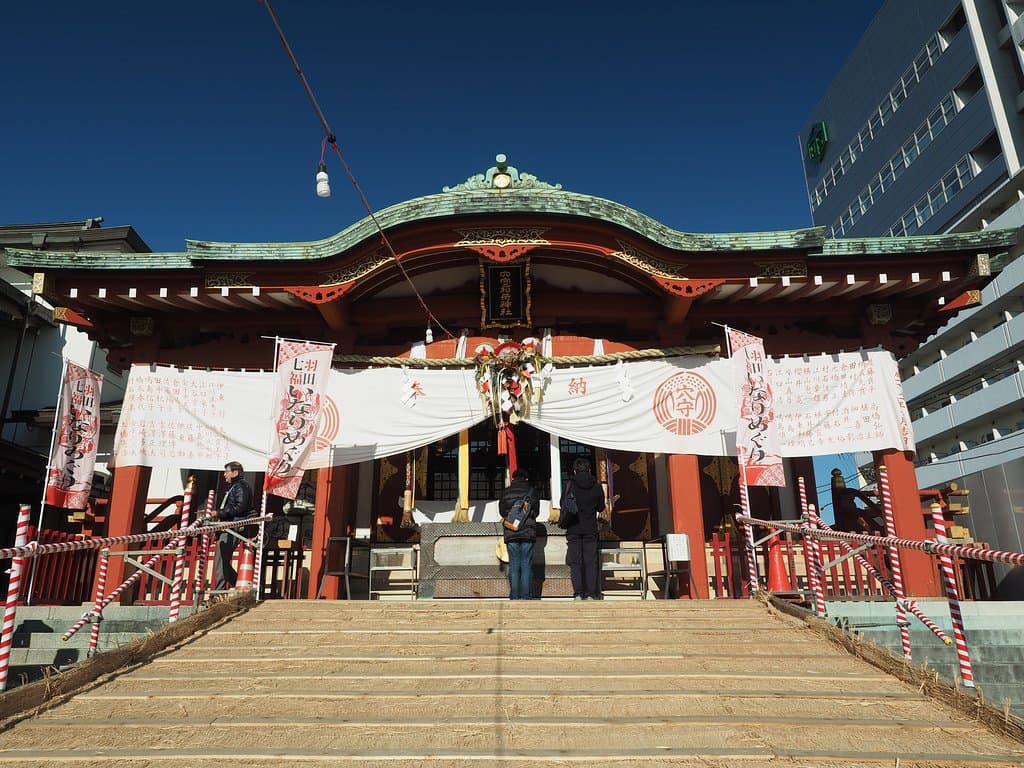
Anamori Inari Shrine
A serene Shinto shrine near Haneda Airport, famous for its captivating tunnel of red torii gates and numerous fox statues.
Highlights
Must-see attractions

Social
From TikTok & Reddit
Best Time
Peaceful and magical atmosphere
Anamori Inari Shrine
Best Time
Peaceful and magical atmosphere
Highlights
Must-see attractions
A serene Shinto shrine near Haneda Airport, famous for its captivating tunnel of red torii gates and numerous fox statues.
"One of the coolest Shinto Shrines I’ve visited in the Tokyo area, a true hidden gem."
🎯 Evening Visit for Serenity
Visit in the evening for a quiet, crowd-free experience and stunning atmosphere.
⛩️ Embrace the Torii Path
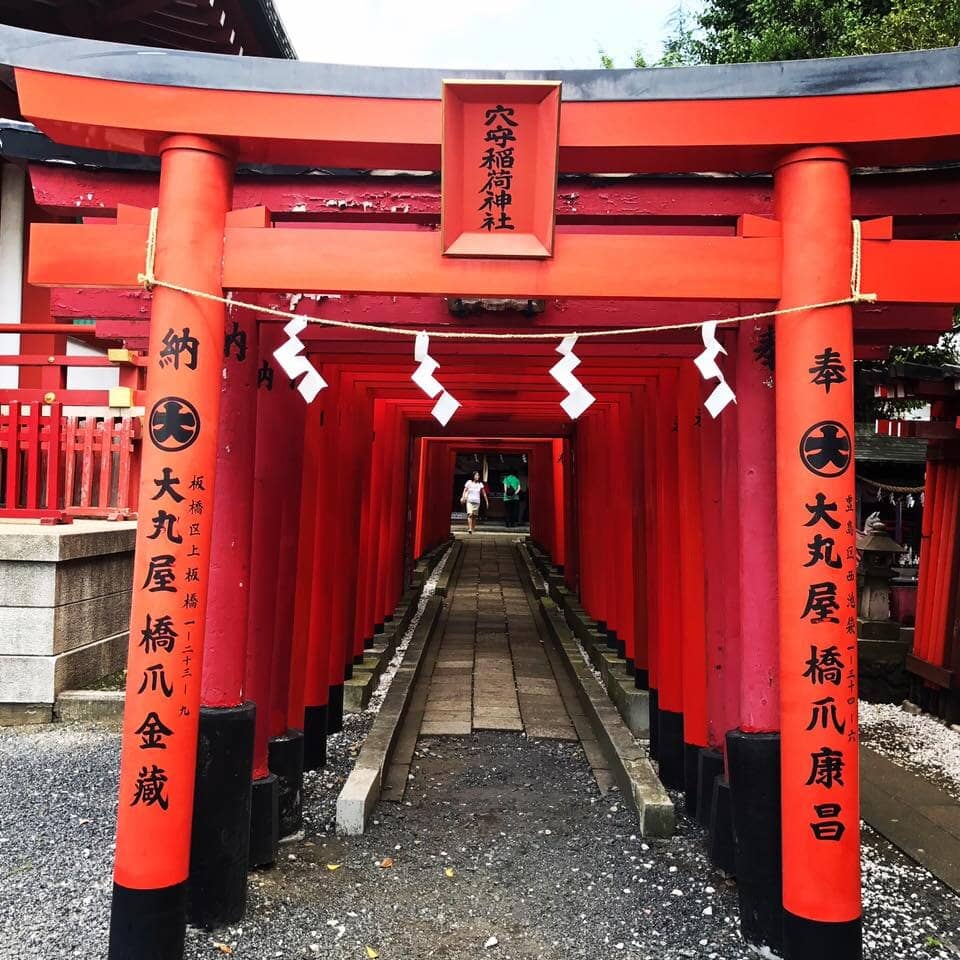
Wander through the iconic red torii gate tunnel for incredible photos and a unique spiritual feel.
Highlights
Discover the most iconic attractions and experiences
Tunnel of Torii Gates
Main path
Walk through a mesmerizing corridor of vibrant red torii gates, creating a magical and photogenic pathway.
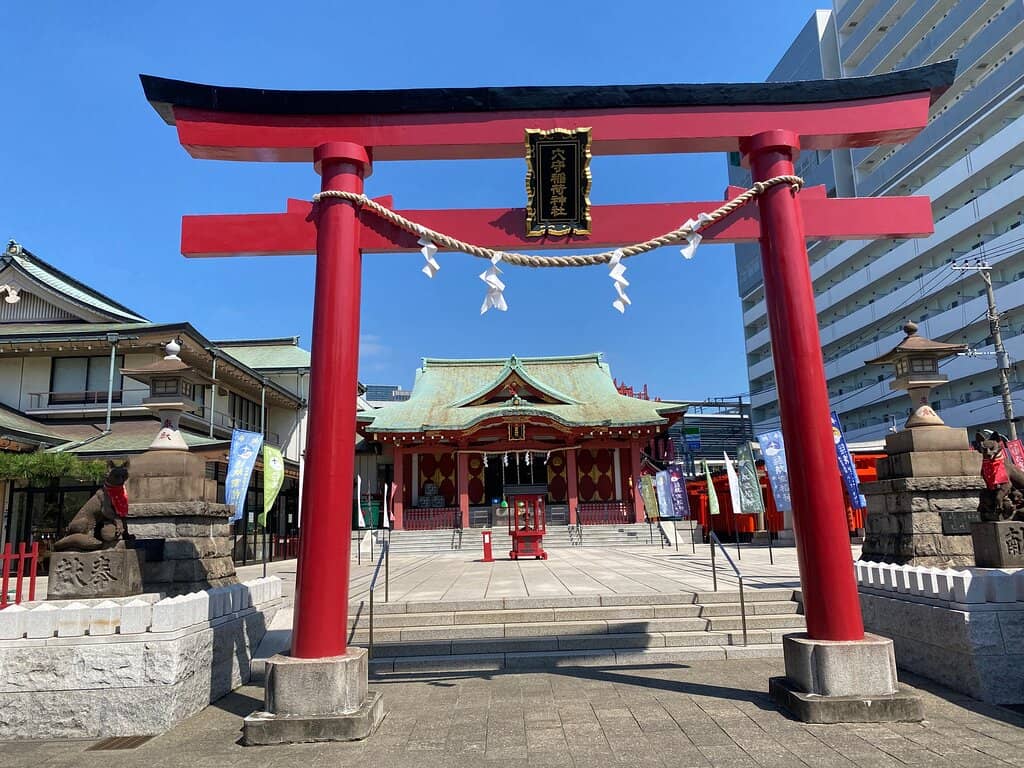
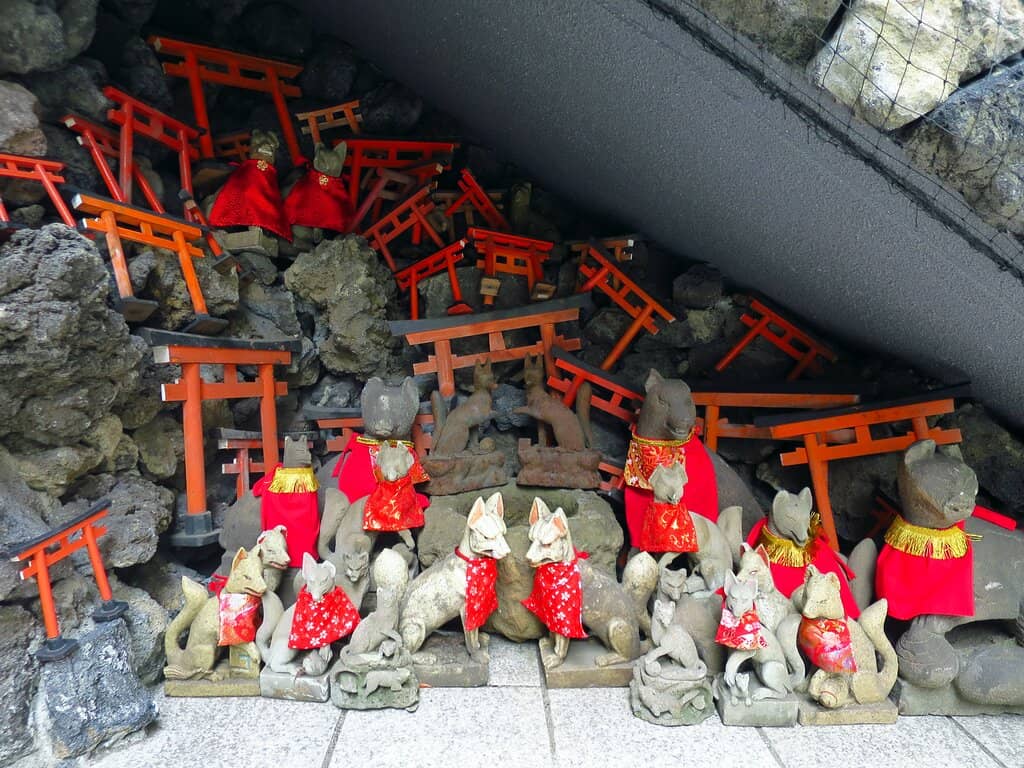
Fox Statues (Kitsune)
Shrine grounds
Discover dozens of stone fox statues, messengers of the Inari deity, each with unique expressions and offerings.
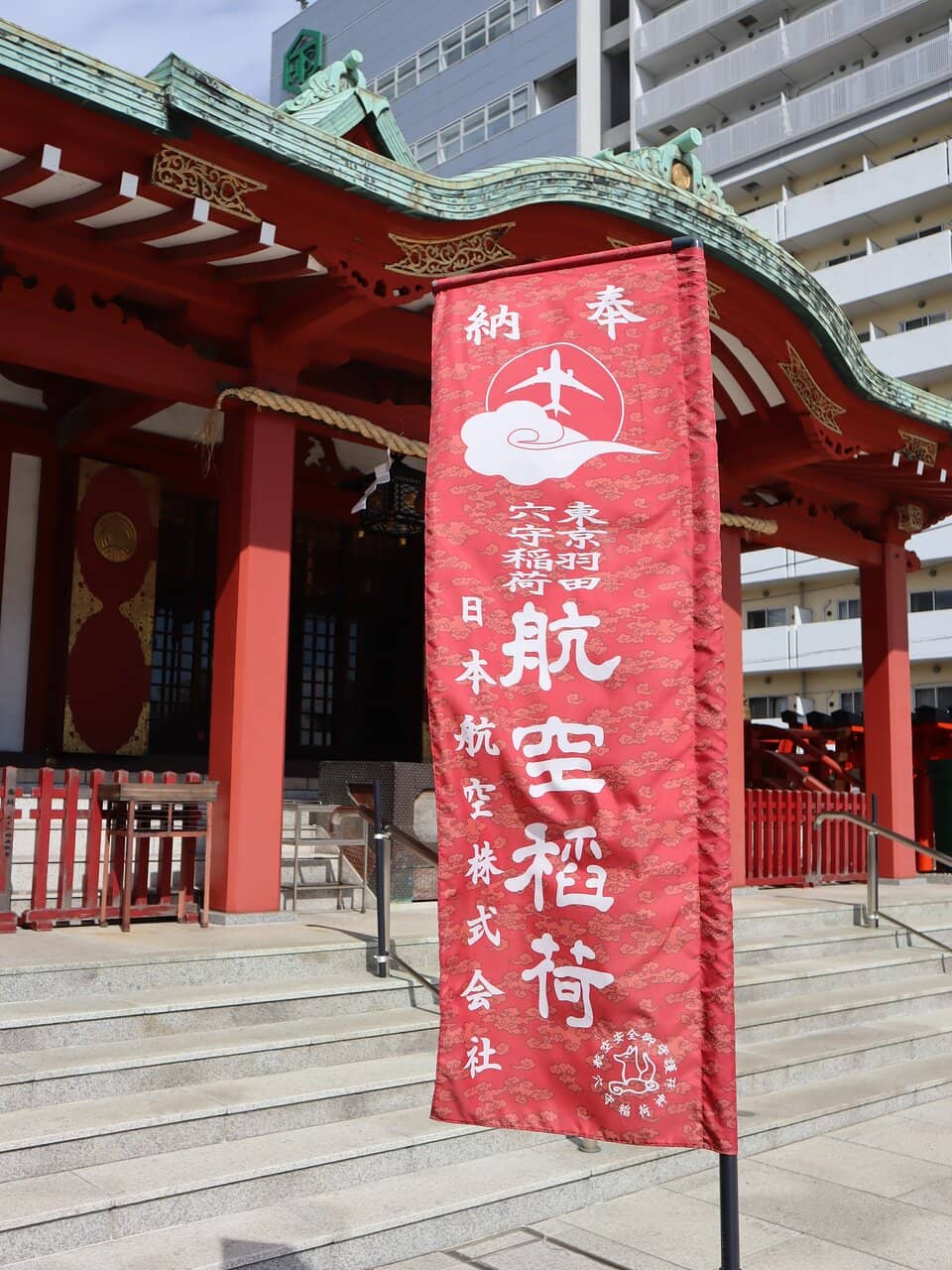
Air Safety Prayers
Main shrine building
This shrine is uniquely associated with air safety, making it a special spot for travelers to offer prayers.
Plans like a pro.
Thinks like you
Planning Your Visit
Proximity to Haneda Airport
Best Time for Serenity
Best Times
Insider Tips
from TikTok, Instagram & Reddit
🎯 Evening Visit for Serenity
Visit in the evening for a quiet, crowd-free experience and stunning atmosphere.
⛩️ Embrace the Torii Path
Wander through the iconic red torii gate tunnel for incredible photos and a unique spiritual feel.
🦊 Admire the Fox Idols
Take time to appreciate the numerous stone fox statues, messengers of the deity.
✈️ Pray for Safe Travels
This shrine is known for air safety prayers, perfect for those flying in or out of Haneda.
Tips
from all over the internet
🎯 Evening Visit for Serenity
Visit in the evening for a quiet, crowd-free experience and stunning atmosphere.
⛩️ Embrace the Torii Path
Wander through the iconic red torii gate tunnel for incredible photos and a unique spiritual feel.
🦊 Admire the Fox Idols
Take time to appreciate the numerous stone fox statues, messengers of the deity.
✈️ Pray for Safe Travels
This shrine is known for air safety prayers, perfect for those flying in or out of Haneda.
📖 Get the Pamphlet
Consider getting the storefront pamphlet to understand each prayer spot and its significance.
📜 Collect Red Seals
If collecting red seals, purchase all three types at once to ensure you get the complete set.
What Travellers Say
Reviews Summary
Visitors praise Anamori Inari Shrine for its charming atmosphere, especially its mesmerizing tunnel of red torii gates and numerous fox statues, offering a unique spiritual experience. Many appreciate its serene ambiance, particularly during evening visits, and its convenient location near Haneda Airport.
"Charming temple that is much larger than it seems at first. As we were staying at a hotel near the airport (we arrived VERY late the night before), I'd done a little scouting on Google Maps beforehand, and knew I wanted to see this place.
The history of the temple is long, and not particularly relevant to your enjoyment of it, so I'll let others expand on that. I just wanted to visit because I like Babymetal, and there are tons of fox god idols here, so that was all the motivation I needed.
There's nothing else like it in the immediate area: everything else is modern, either a business or a neighborhood, so Anamori Inari temple stands out as a result. It's an island of serenity floating in the sea of madness that is the greater Tokyo area, and absolutely worth a visit."
Jason Van Camp
"A very nice little shrine with Toros just like Fushimi inari in Kyoto. If you take Keikyu line to Haneda and have plenty of time, then consider a stop here!"
Martin Gren
"WoW! One of the coolest Shinto Shrines I’ve visited in the Tokyo area. Reminds me of Fushimi Inari in Kyoto. Super well kept and the red Tori gates were very nice. There is a small mountain up the stairs. Easy walk from the station."
Daniel Scott
What People Like
What People Dislike
Frequently Asked Questions
🚇 🗺️ Getting There
Anamori Inari Shrine is very close to Haneda Airport. You can take a short train ride on the Keikyu Line from Haneda Airport to Keikyu Kamata Station, and then transfer to the Toei Asakusa Line to Anamori-Inari Station. The shrine is a short walk from the station.
Yes, the shrine is easily accessible by public transport. It's located near Anamori-Inari Station on the Keikyu Line, making it convenient for visitors using Tokyo's extensive train network.
While it's close, walking directly from Haneda Airport to Anamori Inari Shrine might be a bit far depending on your terminal and luggage. Taking a short train ride is generally more convenient.
If you're staying near Haneda Airport, taking the Keikyu Line to Anamori-Inari Station is the most straightforward and efficient method.
Information on dedicated parking facilities is limited. It's generally recommended to use public transportation due to the shrine's urban location and proximity to the airport.
🎫 🎫 Tickets & Entry
Anamori Inari Shrine is free to enter. You can explore the grounds and admire the torii gates and fox statues without any admission charge.
The shrine grounds are generally accessible during daylight hours. While specific closing times can vary, it's often recommended to visit before dusk for the best experience.
Visiting in the evening is highly recommended for a serene experience, as the shrine is often quiet and beautifully atmospheric. However, ensure you are aware of any official closing times if applicable.
No, tickets are not required, and advance booking is not necessary as there is no admission fee. You can visit spontaneously.
While not always advertised widely, shrines often have seasonal events or ceremonies. It's best to check local listings or inquire on-site if you're interested in specific cultural happenings.
📸 📸 Photography
The tunnel of red torii gates is the most iconic photo spot. The numerous stone fox statues also offer unique photographic opportunities. 
Yes, photography is generally allowed within the shrine grounds. However, always be respectful and avoid disrupting any ongoing rituals or prayers.
Early mornings or late evenings are ideal for photography to avoid crowds and capture the serene atmosphere. Golden hour light can also create beautiful shots.
Drone usage is typically restricted at most shrines and temples in Japan to ensure the peace and safety of visitors. It's best to assume drones are not permitted.
You can photograph the red seals, but it's more about the experience of acquiring them. Remember to purchase them together if you want all three types.
🎫 ⛩️ Onsite Experience
Established in the early 19th century, Anamori Inari Shrine has a long history and is particularly associated with air safety due to its proximity to Haneda Airport. It's dedicated to Ukanomitama, the deity of rice, sake, and prosperity.
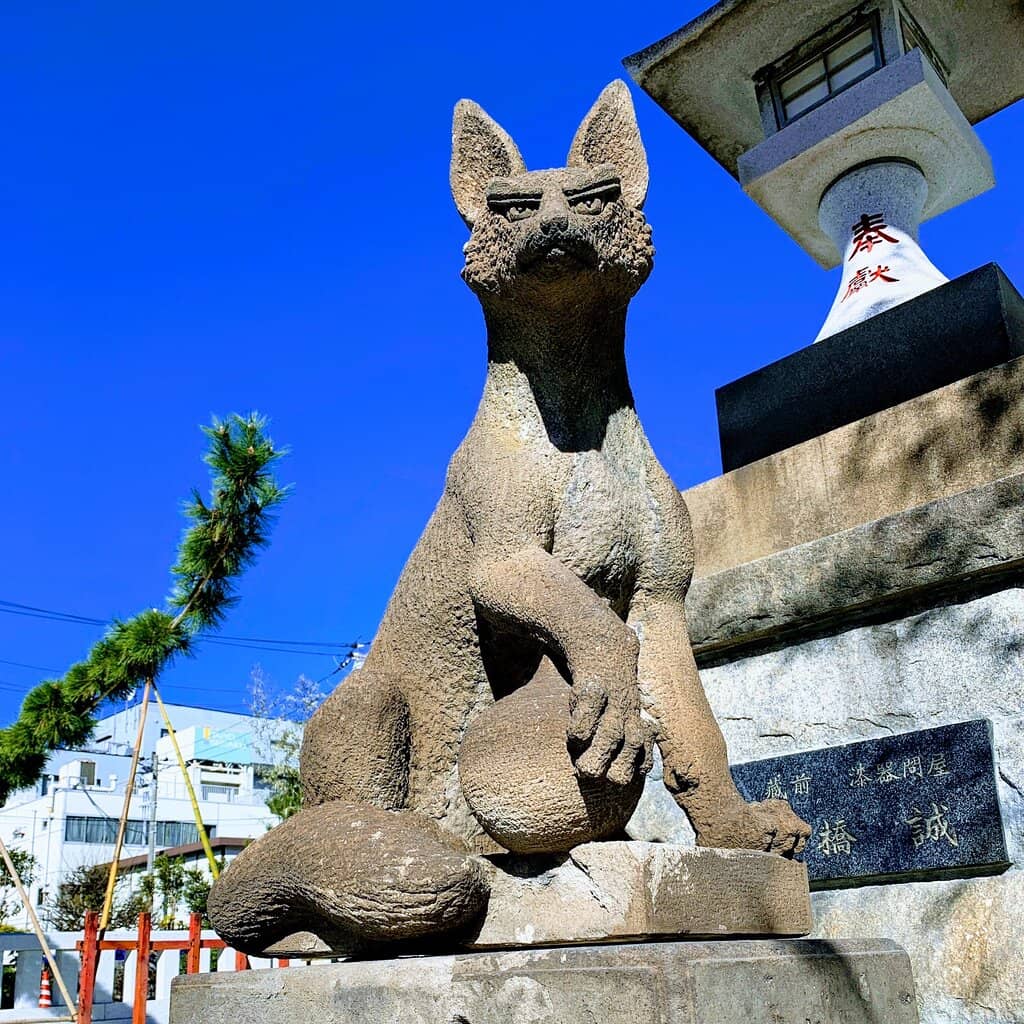
The fox (kitsune) is considered the messenger of Inari, the Shinto deity of rice, fertility, and prosperity. The numerous fox statues represent these divine messengers.
Yes, there is a small hill or mound within the shrine grounds that you can walk up, offering a slightly elevated perspective of the area.
Red seals (Goshuin) are calligraphy and stamps given by shrines and temples as proof of a visit. They are often collected in a special book and are a popular souvenir for travelers.
Yes, the shrine is generally suitable for children. It's not overly large, and the unique torii gates and fox statues can be engaging for younger visitors.
🚇 ✈️ Travel & Air Safety
Anamori Inari Shrine has a historical connection to air safety, especially with the development of Haneda Airport. It's considered a place to pray for safe flights and travel.
Absolutely! The shrine's proximity to Haneda Airport makes it a perfect destination for a short excursion during a long layover. Just ensure you allow ample time to return to the airport.
Visitors often pray for safe journeys, smooth flights, and protection while traveling, especially by air.
Many visitors find it a good omen to visit the shrine before a flight to seek blessings for a safe and pleasant journey.
Allow at least 1-2 hours for the visit itself, plus travel time to and from the airport and time needed for airport procedures. Plan accordingly to avoid missing your flight.
For Different Travelers
Tailored advice for your travel style
👨👩👧 Families with Kids
Beyond the gates, the numerous fox statues offer a fun element for kids to discover and count. It's a chance to introduce them to Japanese culture and Shinto traditions in an accessible and engaging way. Consider picking up a pamphlet to explain the significance of different spots, which can add an educational layer to the visit.
✈️ Travelers with Flights
This shrine is particularly known for its prayers for air safety, making it a fitting place to seek blessings for your journey. The serene atmosphere offers a peaceful respite before or after the often-hectic experience of air travel. Just be sure to plan your time carefully to ensure you don't miss your flight.
📸 Photography Enthusiasts
+1Beyond the gates, the multitude of fox statues offers unique subjects. Visiting during the quieter hours, like early morning or evening, will allow you to capture the shrine's atmosphere without crowds, leading to more impactful and personal photographs.
Deep Dives
In-depth insights and expert knowledge
The Mystique of the Torii Gates
+1The significance of torii gates in Shintoism is profound; they mark the transition from the mundane to the sacred. At Anamori Inari, this transition is amplified by the sheer number of gates, creating a powerful visual representation of devotion and prayer. Each gate represents a wish or a thank you, contributing to the shrine's spiritual energy.
While the gates are a major draw, remember to also explore the areas beyond the main tunnel. The shrine grounds are dotted with smaller paths and hidden corners, each offering its own unique charm and photographic opportunities. The interplay of light and shadow through the gates can create dramatic effects, especially during different times of the day.
Guardians of the Shrine: The Fox Statues
Visitors often notice that many of these fox statues are depicted holding a key (to the rice granary) or a jewel in their mouths, further symbolizing their connection to Inari's blessings. The sheer number and variety of these fox figures contribute to the shrine's unique and somewhat mystical atmosphere. Some visitors even find them to be quite charming and expressive.
Taking the time to observe the different fox statues can be a rewarding part of your visit. Each one has its own character, and their presence adds a layer of depth to the shrine's spiritual significance. They are a constant reminder of the divine presence and the ancient traditions that Anamori Inari Shrine upholds.
A Shrine for the Modern Traveler: Air Safety and Haneda
The shrine's history is intertwined with the development of aviation in the area. It's a place where both locals and tourists seek blessings for protection in the skies. This modern relevance, combined with its ancient traditions, gives Anamori Inari a distinctive appeal. Many visitors find comfort in offering a prayer here before a flight, hoping for a smooth and safe experience.
For travelers with layovers or early/late flights at Haneda, Anamori Inari Shrine offers a convenient and meaningful way to connect with Japanese culture and seek good fortune for their travels. It provides a peaceful interlude before the hustle and bustle of air travel.
Social
from TikTok, Instagram & Reddit