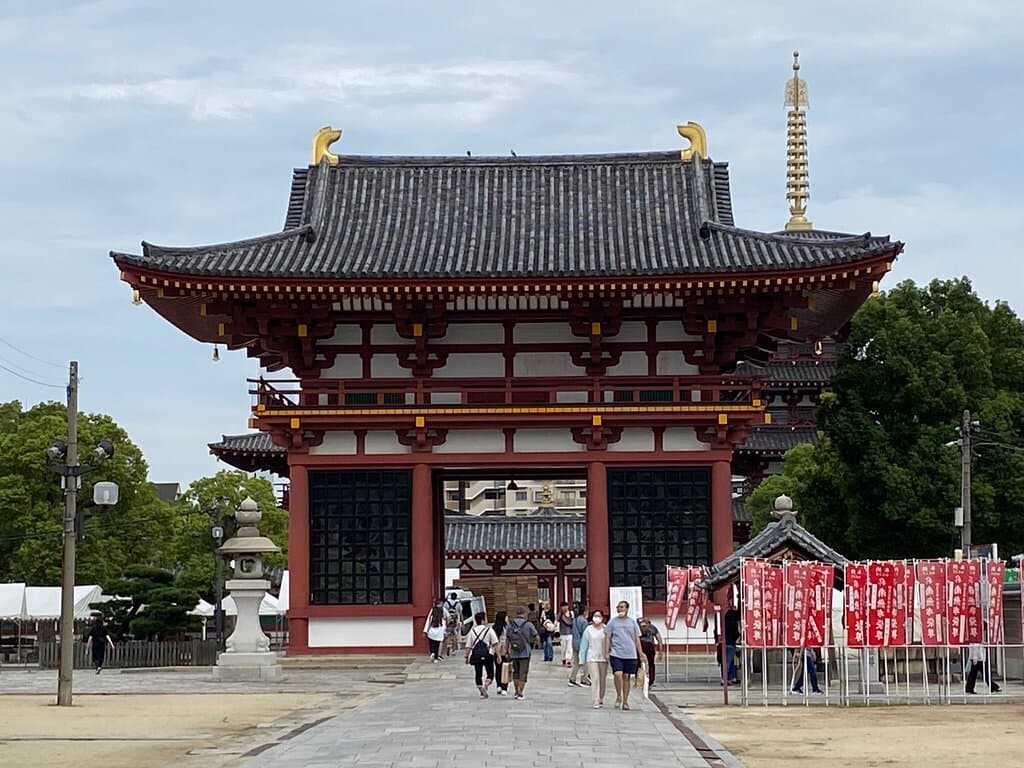
Shitenno-ji Osaka
Japan's oldest temple, founded in 593 AD, offering a serene escape with a five-story pagoda and tranquil gardens.

Highlights
Must-see attractions
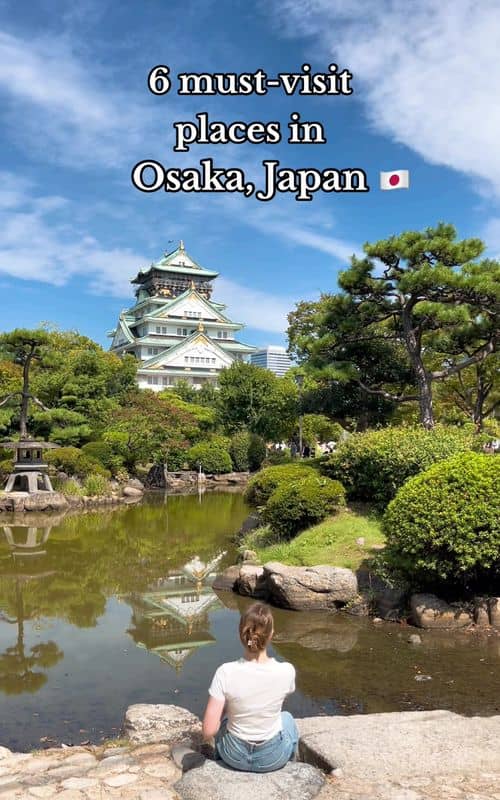
Social
From TikTok & Reddit
Best Time
Fewer crowds, peaceful atmosphere
Shitenno-ji Osaka
Best Time
Fewer crowds, peaceful atmosphere
Highlights
Must-see attractions
Japan's oldest temple, founded in 593 AD, offering a serene escape with a five-story pagoda and tranquil gardens.
"Explore the grounds at night for a peaceful, atmospheric experience unlike any other. "
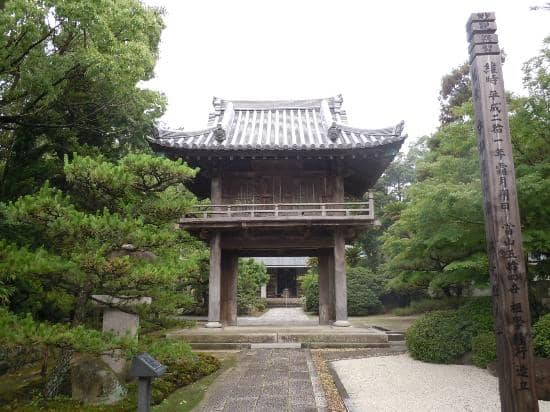
🌙 Explore Grounds at Night
Temple facilities close early, but the grounds are reportedly open all night for a peaceful, atmospheric stroll.
📅 Check Flea Market Dates
The antique/flea market at Shitennoji can be a fun experience if you catch it on the right day.
Highlights
Discover the most iconic attractions and experiences
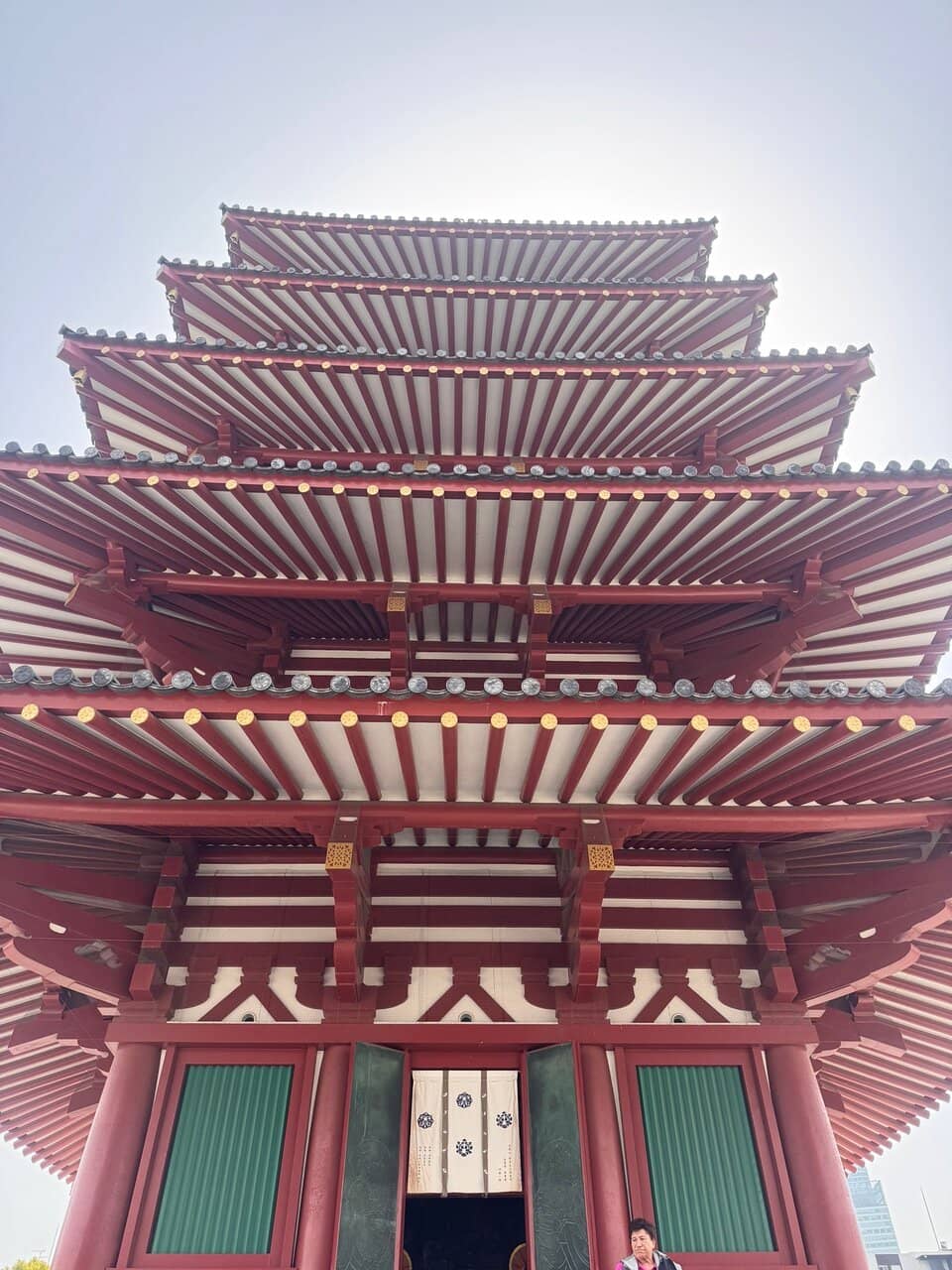
Five-Story Pagoda
Central Courtyard
A striking symbol of Buddhist architecture, offering a glimpse into ancient Japanese design and spirituality.

Tranquil Ponds
Temple Grounds
Serene water features with turtles, providing peaceful spots for reflection amidst the temple's historic ambiance.
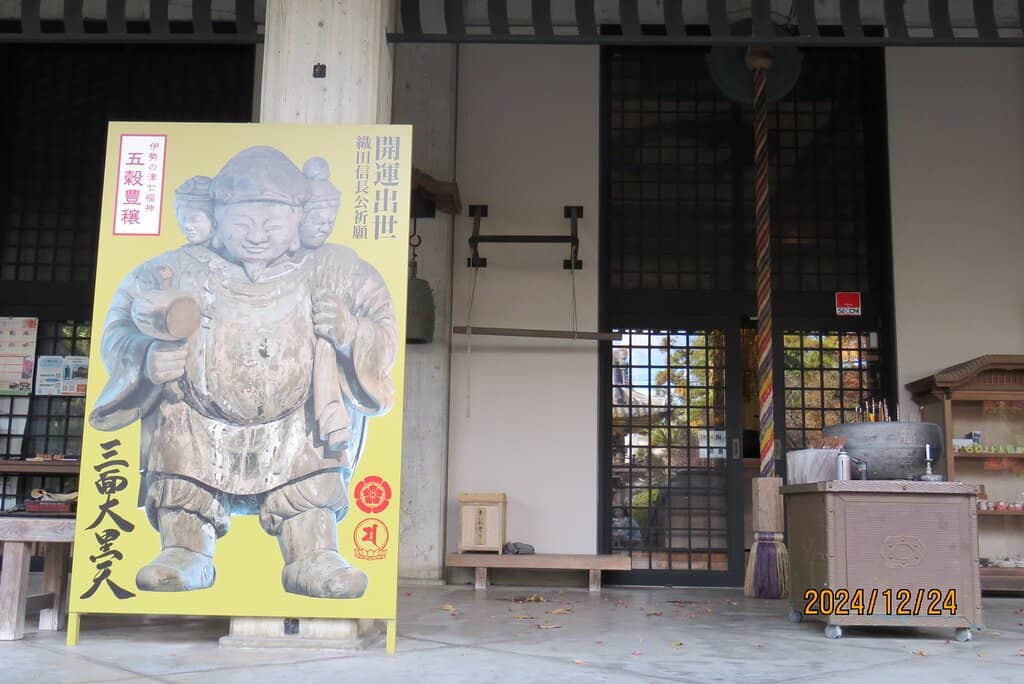
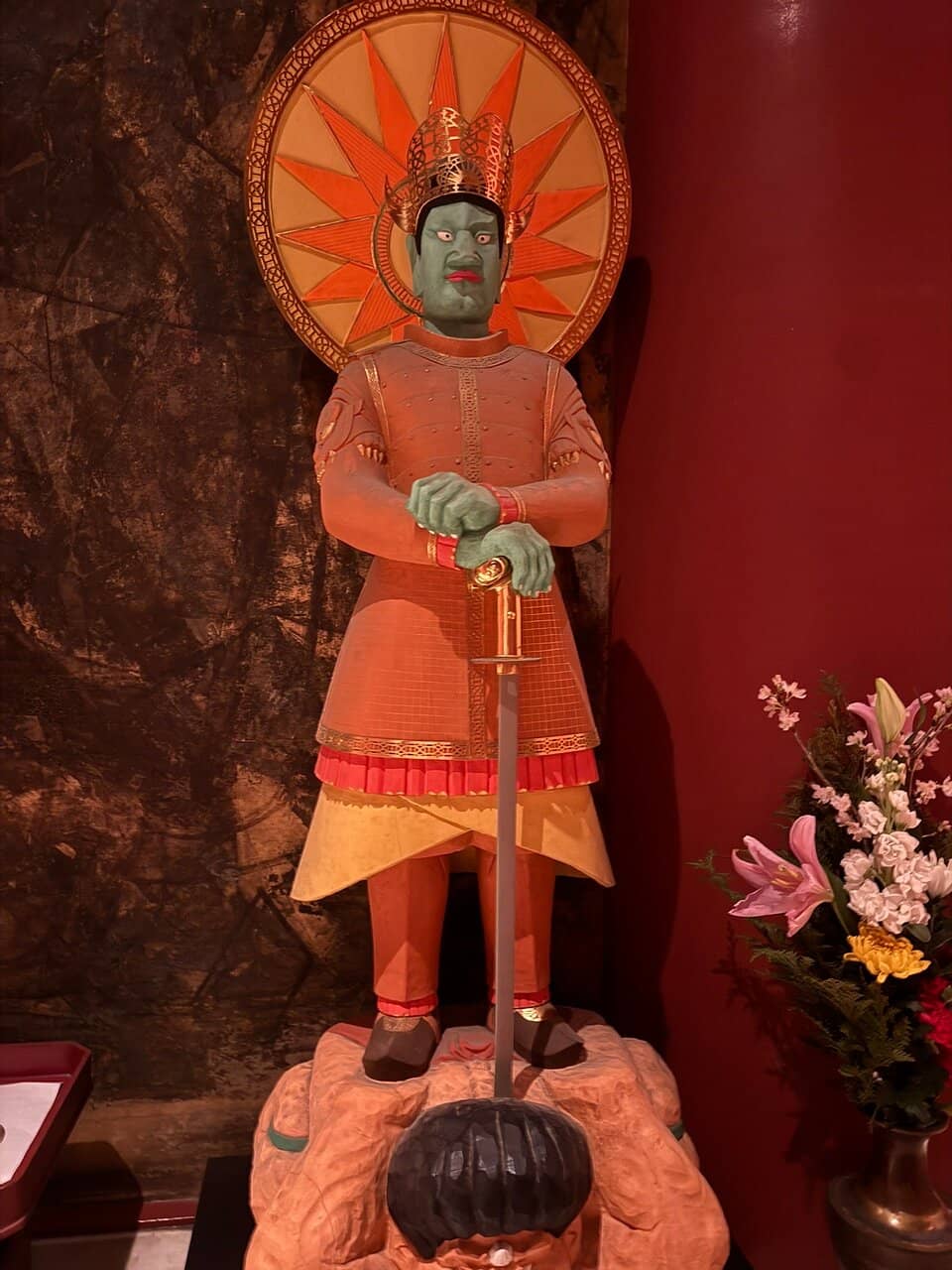
Ancient Statues
Various Halls
Discover intricate Buddhist sculptures that tell stories of faith and history, showcasing masterful craftsmanship.
Plans like a pro.
Thinks like you
Planning Your Visit
Timing Your Visit to Shitenno-ji
Navigating Osaka's Must-Sees

Best Times
Insider Tips
from TikTok, Instagram & Reddit
🌙 Explore Grounds at Night
Temple facilities close early, but the grounds are reportedly open all night for a peaceful, atmospheric stroll.
📅 Check Flea Market Dates
The antique/flea market at Shitennoji can be a fun experience if you catch it on the right day.
🚶♀️ Combine with Nearby Sights
Shitennoji is often visited with other Osaka highlights like Namba Yasaka Shrine.
📸 Capture the Pagoda
The iconic five-story pagoda is a must-see and a great photo opportunity.
Tips
from all over the internet
🌙 Explore Grounds at Night
Temple facilities close early, but the grounds are reportedly open all night for a peaceful, atmospheric stroll.
📅 Check Flea Market Dates
The antique/flea market at Shitennoji can be a fun experience if you catch it on the right day.
🚶♀️ Combine with Nearby Sights
Shitennoji is often visited with other Osaka highlights like Namba Yasaka Shrine.
📸 Capture the Pagoda
The iconic five-story pagoda is a must-see and a great photo opportunity.
What Travellers Say
Reviews Summary
Shitennoji Temple is praised for its historical significance and peaceful atmosphere, with many appreciating the ability to explore the grounds at night. Some visitors note that key facilities close early, so planning around these hours is essential for a full experience.
"Visiting Shitennō-ji 四天王寺 was a very good experience. As one of the oldest temples in Japan, it has a strong spiritual atmosphere, and it is known as a place related to Kōbō Daishi. Walking through the temple grounds feels peaceful, and you can really sense the history and religious importance of the site.
One of the nice things about Shitennō-ji is that the surrounding area is quite calm and not crowded with tourists. This makes it easier to enjoy the space, take your time, and appreciate the architecture and the quiet environment. The layout of the temple buildings, pagoda, and gardens creates a pleasant space to walk around and reflect.
Overall, it’s a lovely place for worship and a gentle escape from the busy parts of Osaka. The calm surroundings and spiritual atmosphere make Shitennō-ji a meaningful and relaxing visit. 🌿✨"
Min Min
"Shitennō-ji greets visitors with a calm, expansive presence—neither cloistered like Kyoto’s temples nor grand in the way of Nara’s ancient shrines. Instead, it embodies a uniquely Kansai kind of serenity, a quiet confidence shaped by centuries of history. Passing through the weathered wooden gate and stepping onto the stone pathway, you feel as if each step draws you deeper into a living timeline.
The temple’s layout is dignified and symmetrical. From the lecture hall to the central gate, and finally to the five-story pagoda, the red-and-white structures stand out beautifully beneath the wide blue sky. The pagoda in particular shines with subtle touches of gold, its lines graceful and composed—solemn, yet approachable. It does not overwhelm with grandeur; rather, it invites you to slow down and appreciate its quiet harmony.
The pond at the front adds a soft rhythm to the space. Walking along the water’s edge, you see the reflections of the pagoda and drifting clouds ripple gently across the surface, as if time itself is breathing in slow motion. The warm tones of the autumn leaves along the stone railing echo the temple’s deep red beams, creating a tranquil and cohesive scene.
What makes Shitennō-ji truly captivating is its balance between the sacred and the urban. Despite being surrounded by modern buildings and steady foot traffic, once you step onto the main axis of the temple grounds, a peaceful clarity settles in. This is not a place where you must sit still to find calm; simply walking, pausing, and observing naturally brings your mind into a quieter rhythm.
Whether you’re drawn to historical architecture, searching for a pocket of tranquility within the city, or simply wishing to stroll through a space where past and present coexist gracefully, Shitennō-ji is one of Osaka’s most worthwhile destinations. It is a temple that has endured for over a millennium, yet continues to offer the same gentle, unadorned beauty to everyone who visits."
I CarryU
"I had not done any prior research and arrived at the temple in the late afternoon, when it was already closed. What a pity! I was unable to access the main hall, but the exterior is already remarkably beautiful - striking architecture, small ponds, and lovely trees. Everything was very clean and well maintained. The outer grounds are free to visit, while entrance to the interior requires a paid ticket. The site is large, with several access points, and I ended up getting lost and entering through an adjacent cemetery. Upon arrival, I noticed a few local vendors packing up their stalls into their vehicles, suggesting there may be a small local market nearby. I imagine it is connected to the temple and to the historical heritage of Tokyo and Japan. If I return to Osaka, I will definitely plan to visit the interior area as well!"
Pedro Moreira
What People Like
What People Dislike
Frequently Asked Questions
🚇 🗺️ Getting There
Shitennoji Temple is easily accessible via public transport. Take the JR Tennoji Station or the Osaka Metro Tanimachi Line to Shitennoji-mae Yuhigaoka Station. From there, it's a short walk to the temple grounds.
Yes, Shitennoji Temple is often visited alongside other popular Osaka spots like Namba Yasaka Shrine and the bustling Dotonbori area.
The Osaka Metro is very efficient for getting between major attractions. Consider purchasing a day pass if you plan on visiting multiple sites.
Yes, it's a pleasant walk from Tennoji Station, taking about 10-15 minutes. The area around the station offers many dining and shopping options.
The Osaka Metro Tanimachi Line's Shitennoji-mae Yuhigaoka Station is the closest to the temple, offering direct access.
🎫 🎫 Tickets & Entry
While the temple facilities typically close in the early afternoon, the temple grounds themselves are often accessible throughout the night, offering a unique experience.
Entry to the main temple grounds is generally free. However, there may be separate admission fees for specific buildings like the Treasure House or the Gokuraku-jodo Garden.
Access to the five-story pagoda usually requires a separate ticket. It's best to check on-site for current pricing and availability.
Shitennoji Temple is usually open on public holidays, but it's advisable to check their official website for any special closures or altered hours. Expect larger crowds.
Information on discounts is not widely publicized. It's recommended to inquire at the ticket counter for any potential group or student rates.
🎫 🧭 Onsite Experience
Don't miss the iconic five-story pagoda, the serene ponds with turtles, and the various ancient Buddhist statues housed within the temple halls.
Absolutely! The five-story pagoda, the traditional architecture, and the tranquil gardens offer numerous picturesque opportunities. The golden hour light can be particularly beautiful.
Visitors often describe the atmosphere as peaceful and serene, offering a welcome respite from the city's hustle and bustle. The nighttime grounds can be especially atmospheric.
Yes, Shitennoji Temple occasionally hosts an antique/flea market, which can be a unique cultural experience if your visit coincides.
To fully appreciate the temple grounds and its key features, allocate at least 1-2 hours. If you plan to visit specific buildings with entry fees, allow more time.
🍽️ 🍽️ Food & Dining
While the temple itself focuses on its spiritual significance, there are usually vending machines for drinks. For a wider selection of food, explore the areas around Tennoji Station or nearby Tennoji Park.
The vicinity of Tennoji Station offers a variety of dining options, from casual eateries to more formal restaurants. You can find Japanese staples like ramen, udon, and tempura.
Picnicking is generally not permitted within the main temple areas to maintain the sanctity of the site. However, you might find designated areas in nearby parks like Tennoji Park.
For iconic Osaka street food like takoyaki and okonomiyaki, head towards the Dotonbori area, which is a short train ride away.
While traditional Japanese cuisine can be meat-heavy, many restaurants in Osaka are becoming more accommodating. Look for restaurants offering vegetable-based dishes or inquire about vegetarian options.
📸 📸 Photography
The five-story pagoda is a prime subject, especially when framed by the temple's traditional architecture. The tranquil ponds and garden areas also offer beautiful compositions.
Photography rules can vary for different buildings within the temple complex. It's essential to look for signage indicating where photos are permitted or prohibited.
Early mornings offer soft light and fewer people, ideal for capturing the serene atmosphere. Late afternoons provide a warm, golden hour glow, particularly beautiful on the pagoda.
Drone usage is typically prohibited at religious sites and historical landmarks to ensure the safety and tranquility of visitors and the preservation of the site.
For commercial photography or filming, it's advisable to contact the temple administration in advance to obtain necessary permissions and understand any associated fees or guidelines.
For Different Travelers
Tailored advice for your travel style
👨👩👧 Families with Kids
While the temple is a place of worship, the spacious grounds allow for some movement. Consider visiting during the day when facilities are open, but be aware that many buildings have limited access. The nearby Tennoji Park offers playgrounds and open spaces for children to run around, making it a good complement to a temple visit.
🚶 Budget Travelers
To save further, pack your own snacks or enjoy affordable local eateries around Tennoji Station. Utilize Osaka's efficient public transport, and consider a day pass if you plan to visit multiple attractions. The ability to explore the grounds at night for free is also a major plus.
🧘 Solo Travelers
It's also a great spot to practice photography or simply soak in the historical ambiance without the pressure of group tours. The temple's accessibility via public transport makes it easy to incorporate into a solo itinerary, and it's often mentioned alongside other key Osaka sights.
Deep Dives
In-depth insights and expert knowledge
The History and Significance of Shitenno-ji
Prince Shotoku was a regent who championed Buddhism and introduced many Chinese cultural elements to Japan. His patronage of Shitenno-ji cemented its status as a center of religious and cultural activity. The temple's design, including its central axis layout, influenced the construction of many other temples across Japan. Visiting Shitennoji offers a unique opportunity to connect with this foundational period of Japanese history and spirituality.
Today, Shitennoji continues to be an active place of worship and a significant cultural heritage site. Visitors can explore its various halls, pagodas, and gardens, gaining insight into the enduring legacy of Prince Shotoku and the profound impact of Buddhism on Japanese society. The temple's resilience through centuries of change makes it a powerful symbol of continuity and faith.
Exploring the Temple Grounds and Architecture
The five-story pagoda is a central icon, standing tall and offering a glimpse into traditional Japanese architectural styles. While climbing to the top might not always be possible, its exterior is a magnificent sight. The temple grounds are also dotted with smaller shrines and statues, each with its own story and significance. Keep an eye out for the Great Gate (Chushomon) and the Central Gate (Chumon), which mark the progression through the sacred space.
Many visitors appreciate the peaceful atmosphere of the temple, especially outside of peak hours. The ponds, often inhabited by turtles, add to the tranquil ambiance. Even though many buildings are reconstructions, the overall experience evokes a sense of history and spiritual calm. Remember to check for any specific rules regarding photography within certain halls.
Experiencing Shitennoji's Nighttime Charm
Visiting at night can provide a profoundly peaceful and atmospheric experience, free from the daytime crowds. Imagine walking through the ancient pathways, with the silhouette of the pagoda against the night sky. It's a chance to connect with the temple's spiritual essence in a more intimate way.
This nighttime access is a tip often shared by locals and seasoned travelers looking for a quieter, more reflective visit. It’s a perfect option for those who enjoy exploring after sunset or want to avoid the typical tourist rush. Just be mindful of your surroundings and maintain a respectful demeanor.
Social
from TikTok, Instagram & Reddit