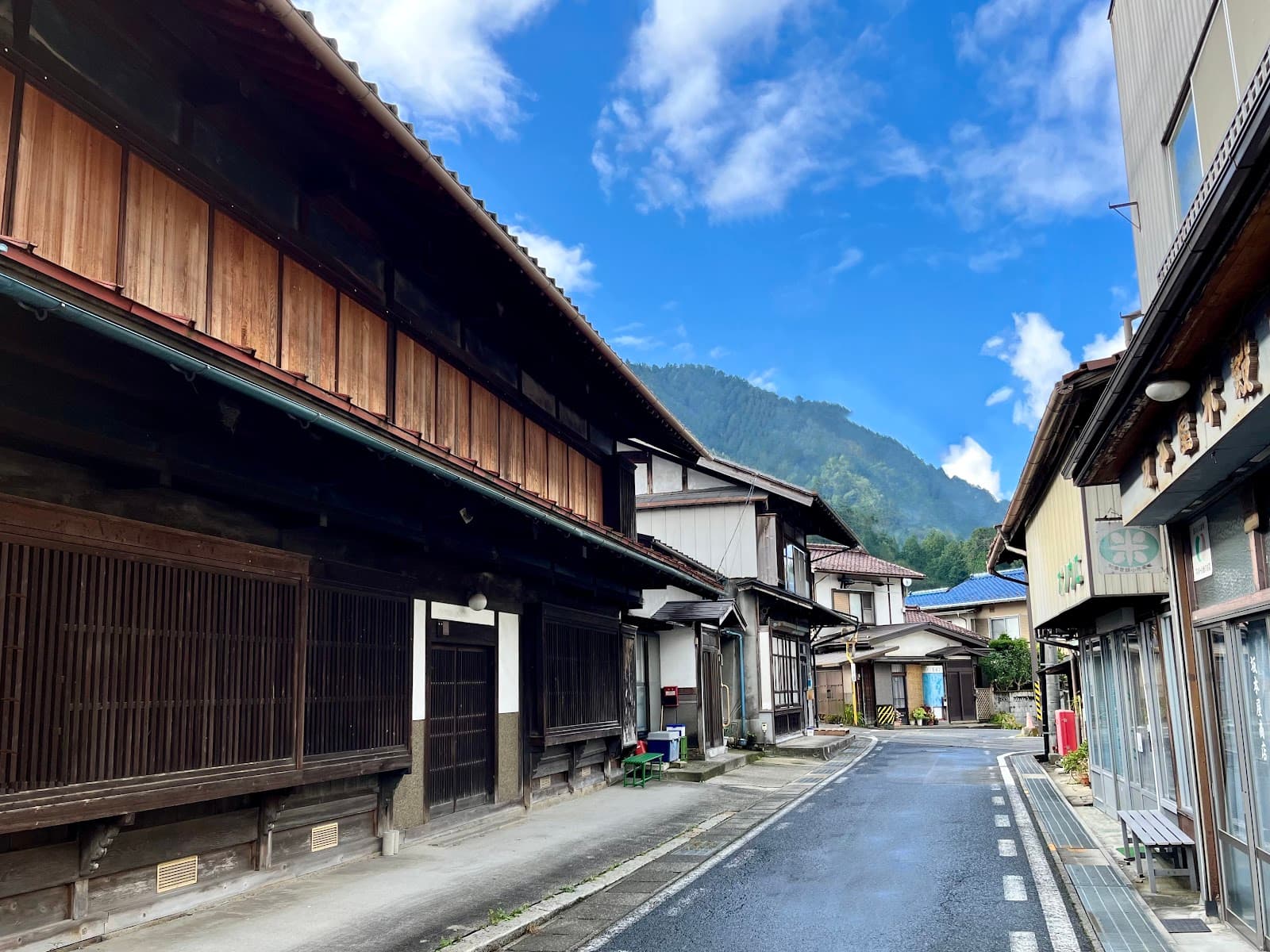
Nojiri-juku
A quiet Edo-period post town on the Nakasendo, known for its historic 'Nanamagari' roads and stunning mountain views.
Highlights
Must-see attractions

Social
From TikTok & Reddit
Best Time
Fewer crowds, peaceful atmosphere
Nojiri-juku
Best Time
Fewer crowds, peaceful atmosphere
Highlights
Must-see attractions
A quiet Edo-period post town on the Nakasendo, known for its historic 'Nanamagari' roads and stunning mountain views.
"The view of Mt. Kisokoma is outstanding; it's worth a visit for the Atera River and Nozokido."
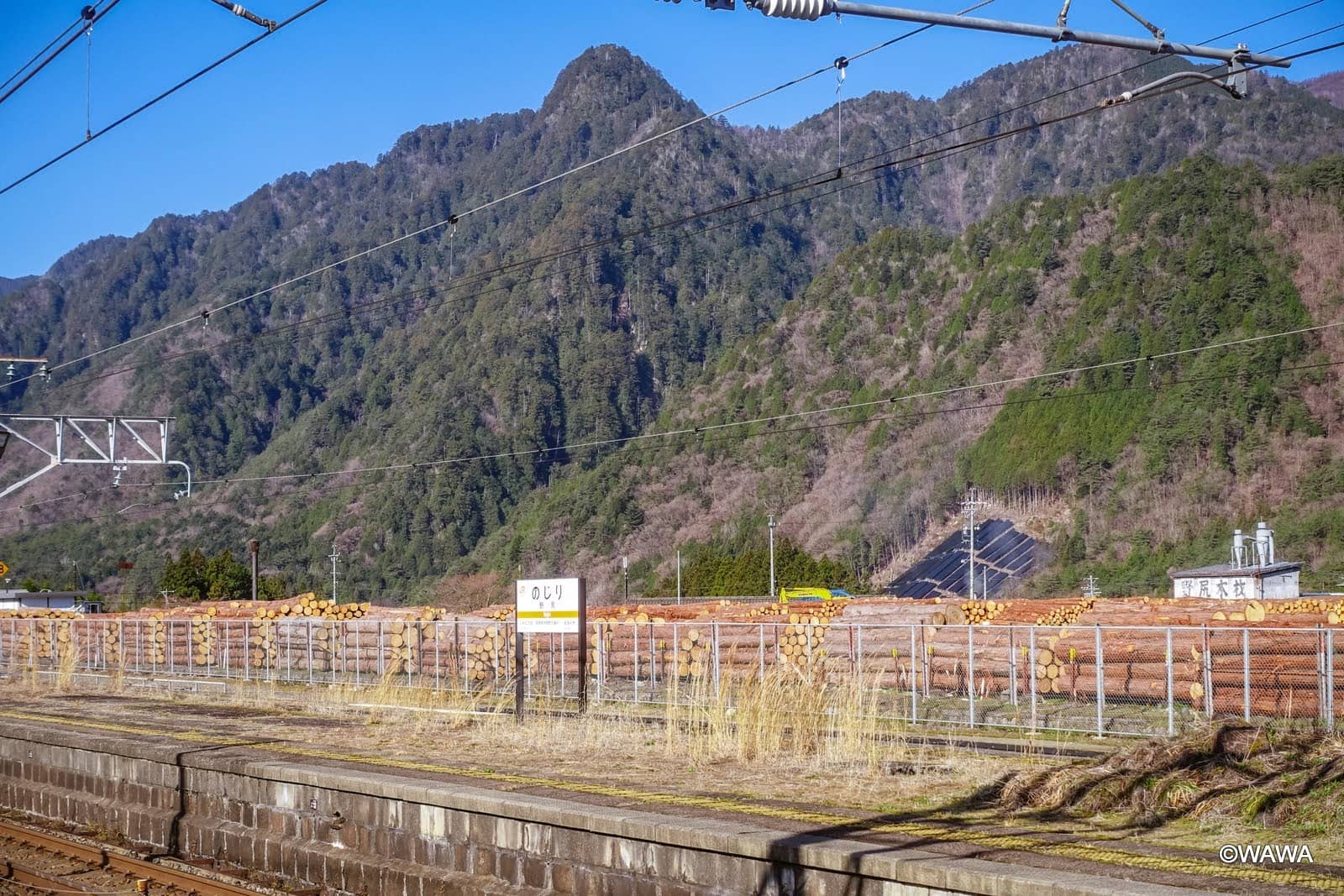
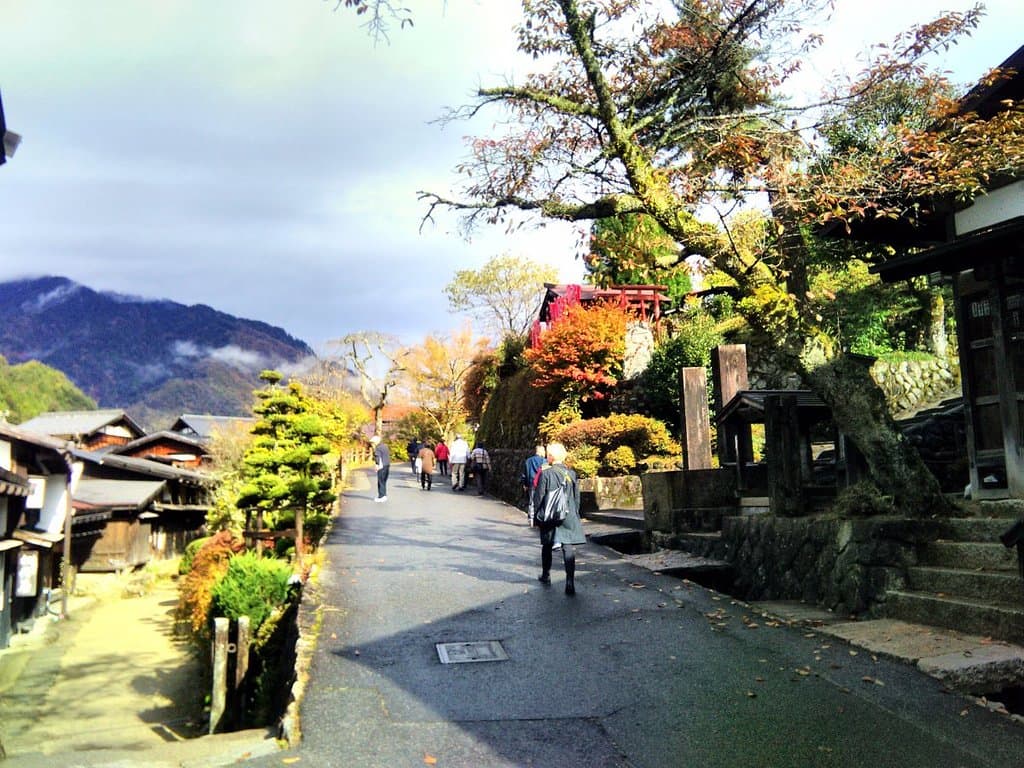
🚶♀️ Walk the Nanamagari
Don't miss the 'seven bends' – these historic, winding roads offer a unique glimpse into the past.
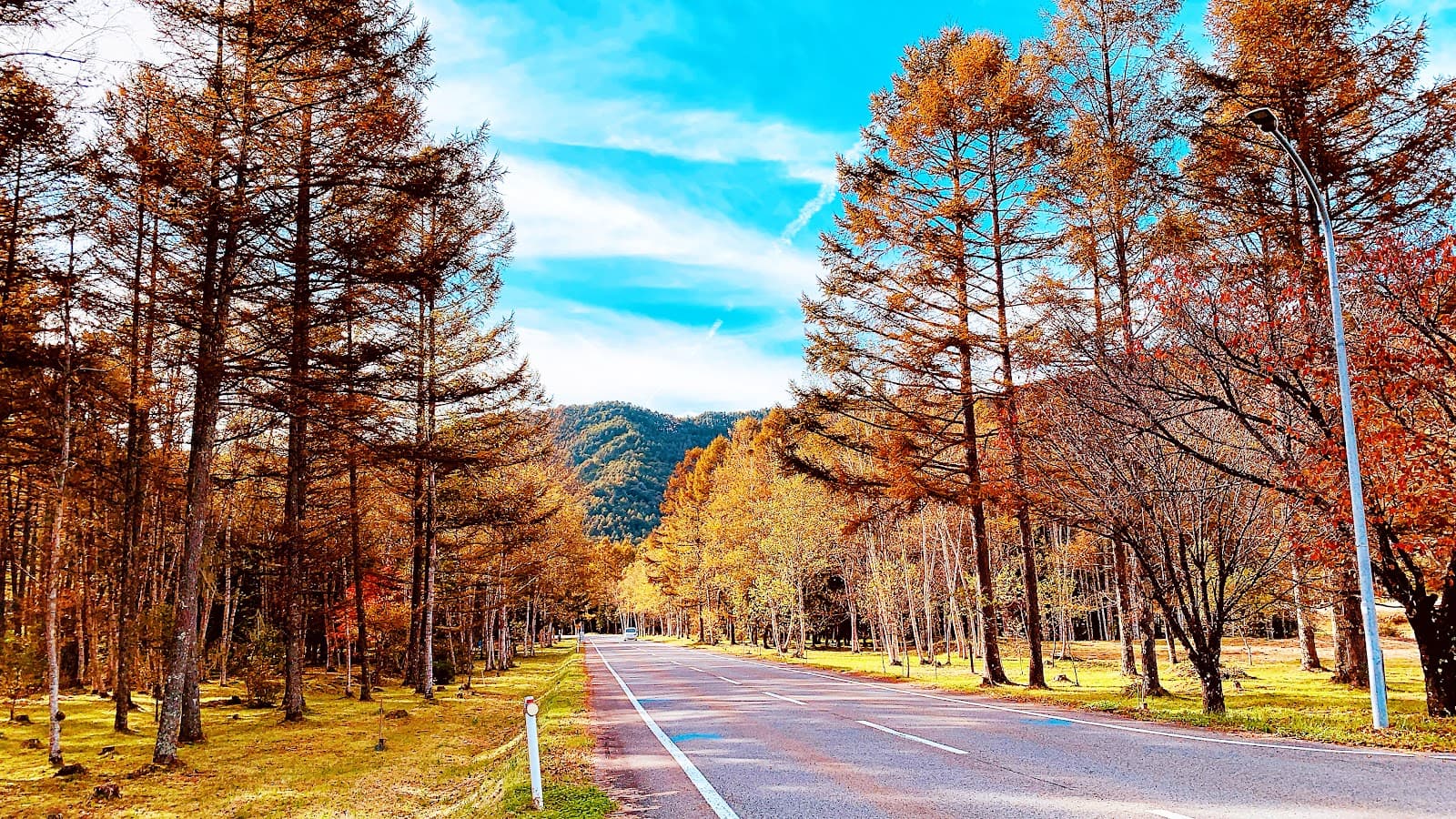
⛰️ Enjoy Mountain Views
The views of Mt. Kisokoma are outstanding and a major highlight for many visitors.
Quick Facts
Rating
3.8 · 9 reviews
Type
Historical Landmark
Highlights
Discover the most iconic attractions and experiences
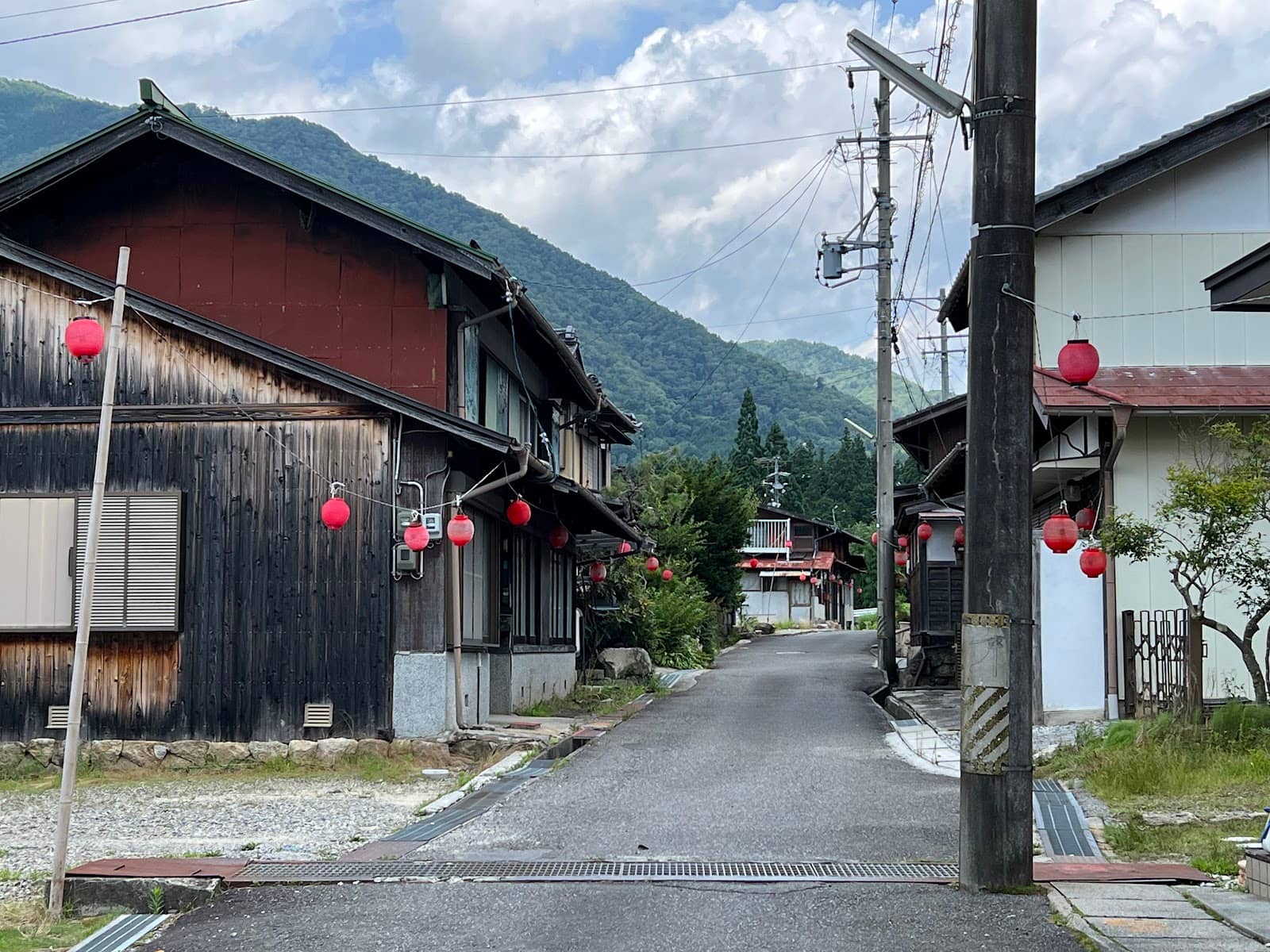
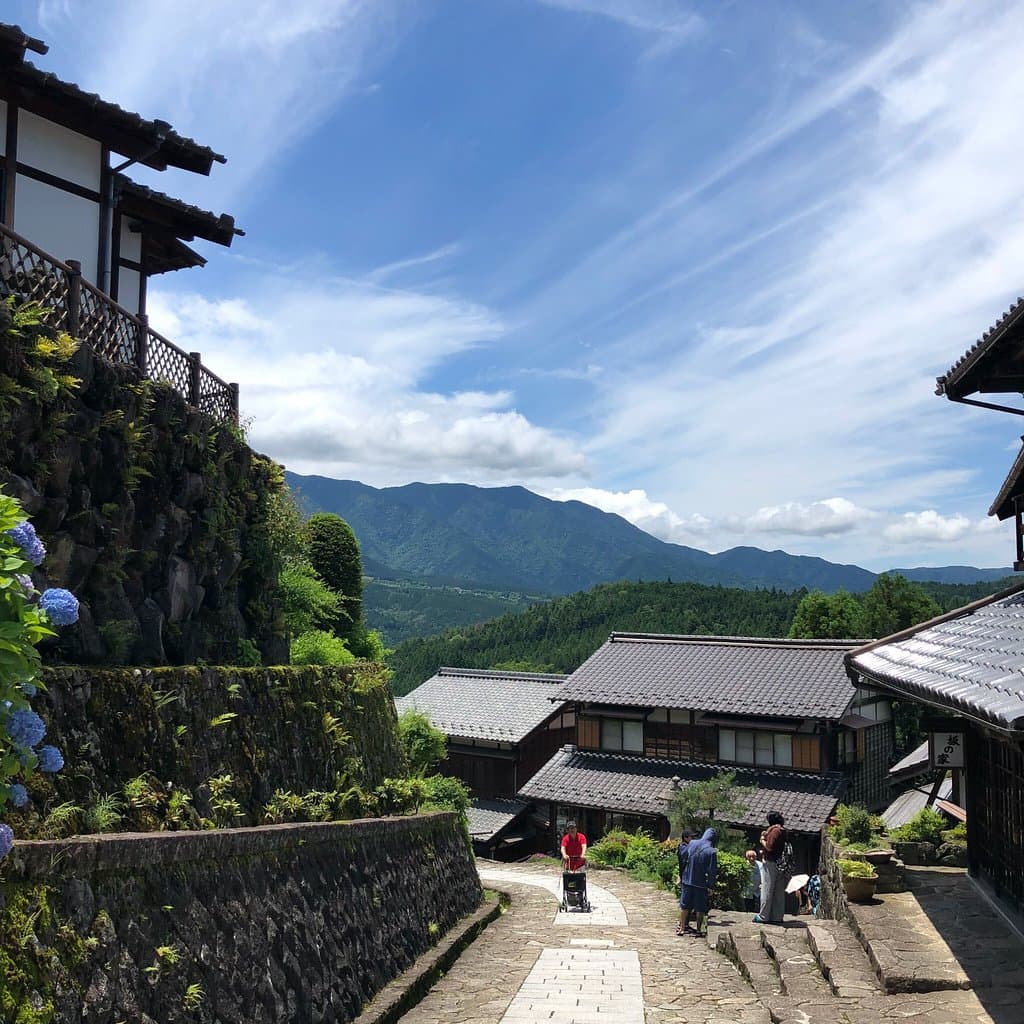
Nanamagari (Seven Bends)
The winding, historic roads
Experience the strategic, narrow, and winding paths designed for defense, offering a unique historical perspective.
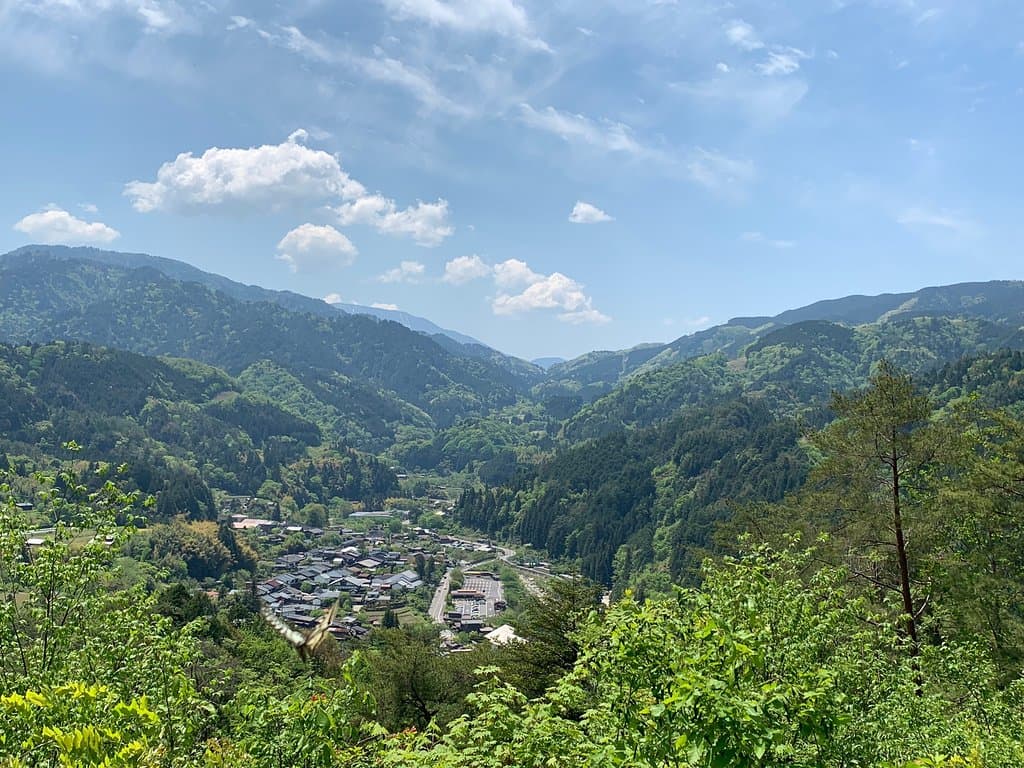
Mt. Kisokoma Views
Overlooking the valley
Breathtaking panoramic views of Mt. Kisokoma provide a stunning natural backdrop to the historic post town.
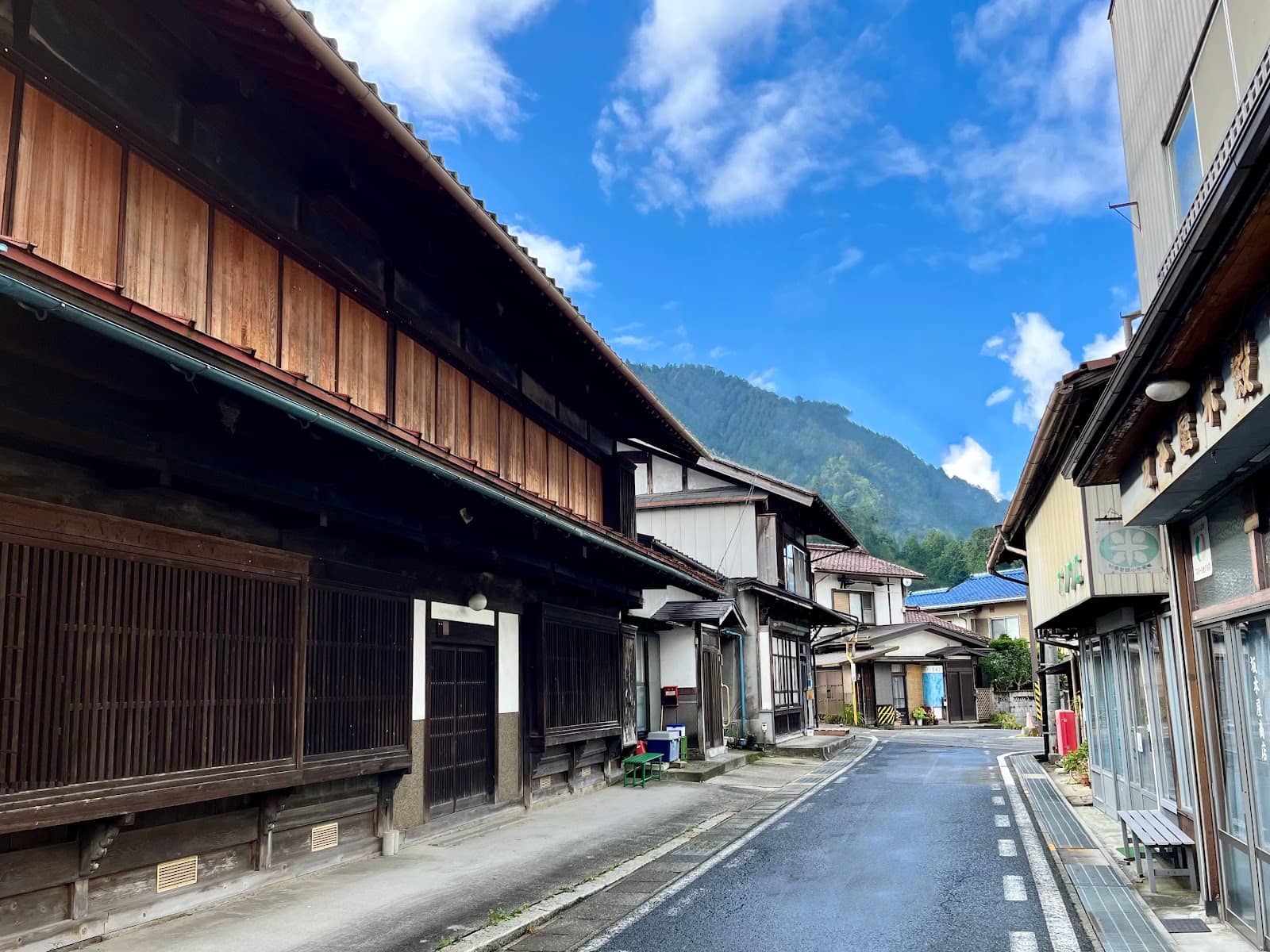
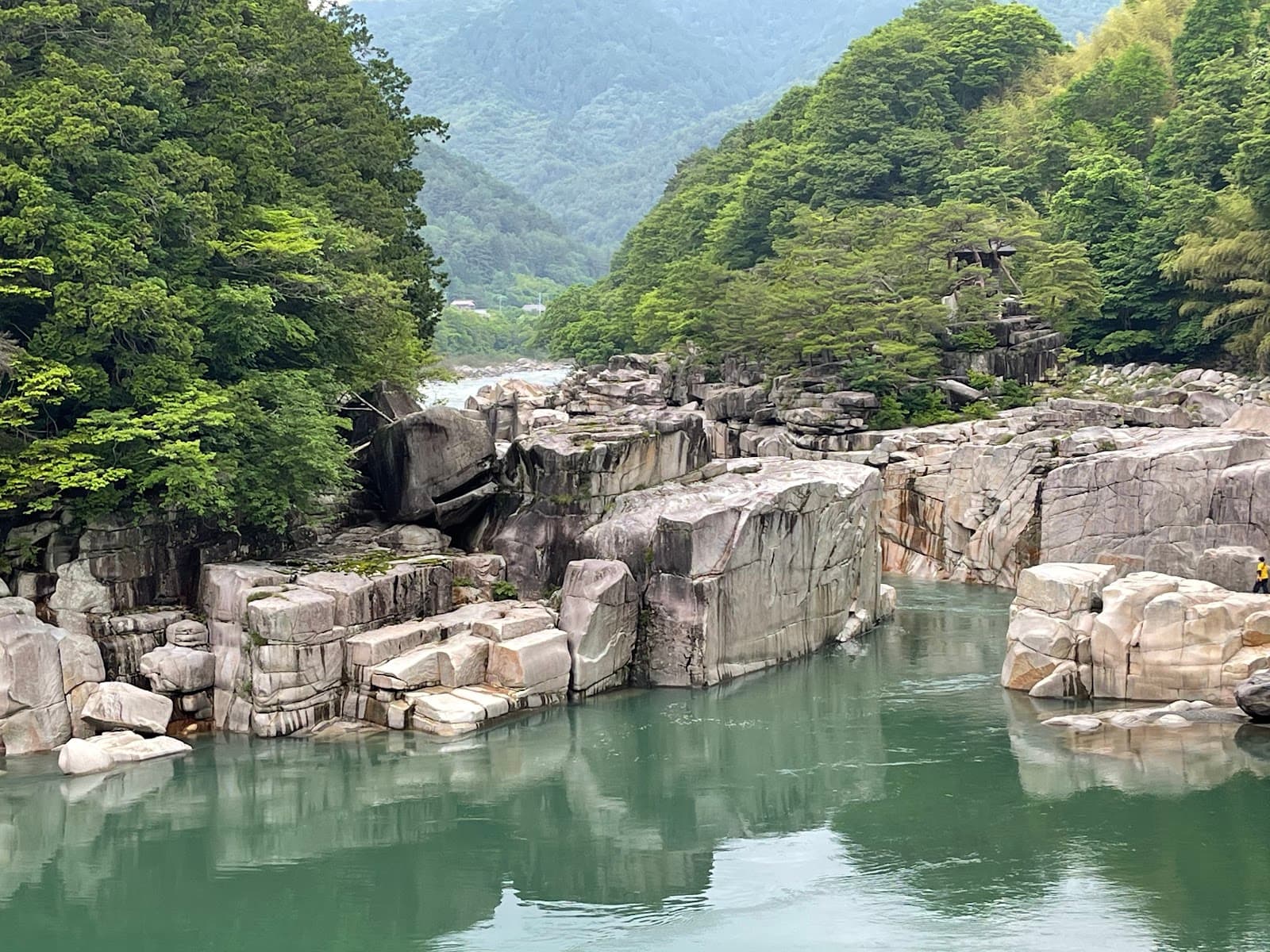
Atera River and Nozokido
Along the post town
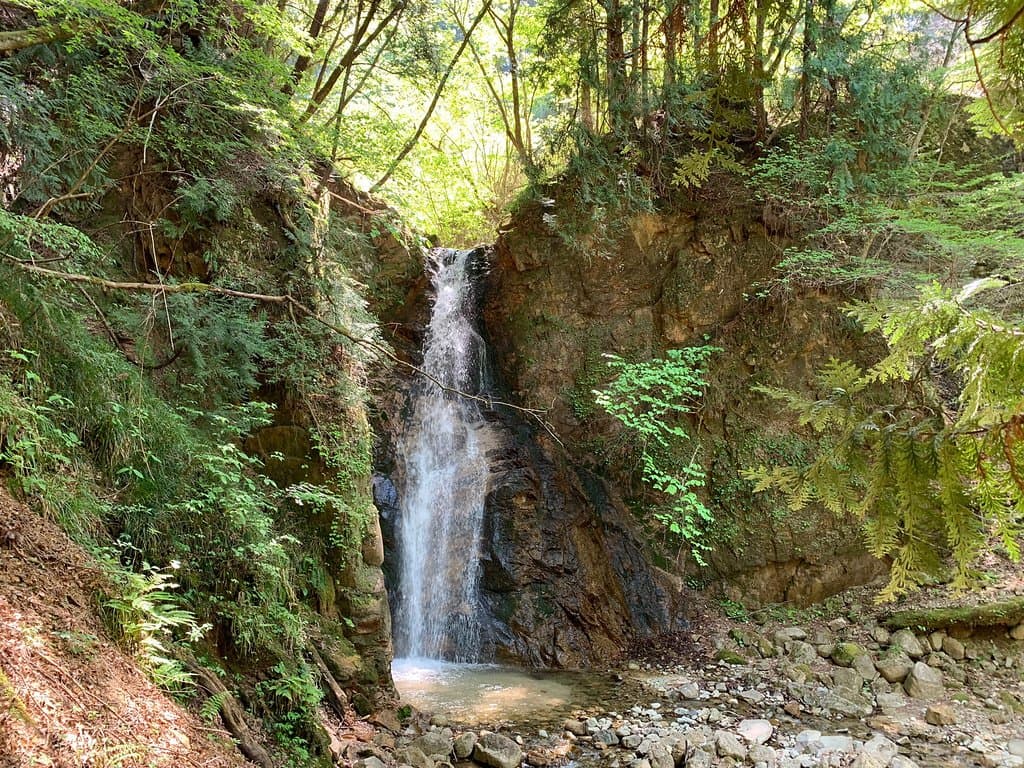
Discover the scenic Atera River and the intriguing Nozokido, adding natural beauty and local lore to your visit.
Plans like a pro.
Thinks like you
Planning Your Visit
Embrace the Past on the Nakasendo
Timing is Key for Tranquility
Best Times
Insider Tips
from TikTok, Instagram & Reddit
🚶♀️ Walk the Nanamagari
Don't miss the 'seven bends' – these historic, winding roads offer a unique glimpse into the past.
⛰️ Enjoy Mountain Views
The views of Mt. Kisokoma are outstanding and a major highlight for many visitors.
🌧️ Embrace Mystical Vibes
Rainy days can add a mystical, atmospheric feel to your walk along the Nakasendo.
🏡 Consider Local Stays
Experience authentic hospitality, like irori preparation for yakiniku, by staying locally.
Tips
from all over the internet
🚶♀️ Walk the Nanamagari
Don't miss the 'seven bends' – these historic, winding roads offer a unique glimpse into the past.
⛰️ Enjoy Mountain Views
The views of Mt. Kisokoma are outstanding and a major highlight for many visitors.
🌧️ Embrace Mystical Vibes
Rainy days can add a mystical, atmospheric feel to your walk along the Nakasendo.
🏡 Consider Local Stays
Experience authentic hospitality, like irori preparation for yakiniku, by staying locally.
What Travellers Say
Reviews Summary
Visitors find Nojiri-juku to be a historically significant yet understated post town, offering beautiful mountain views and the unique 'Nanamagari' roads. While it lacks the extensive preservation of Tsumago or Magome due to a past fire, its tranquil atmosphere and natural beauty make it a worthwhile stop, especially for those seeking a quieter historical experience.
"2025/5/4
I passed by this while driving towards Nagano, and it reminded me a little of the past. The mountains in the distance were beautiful."
樽谷英樹
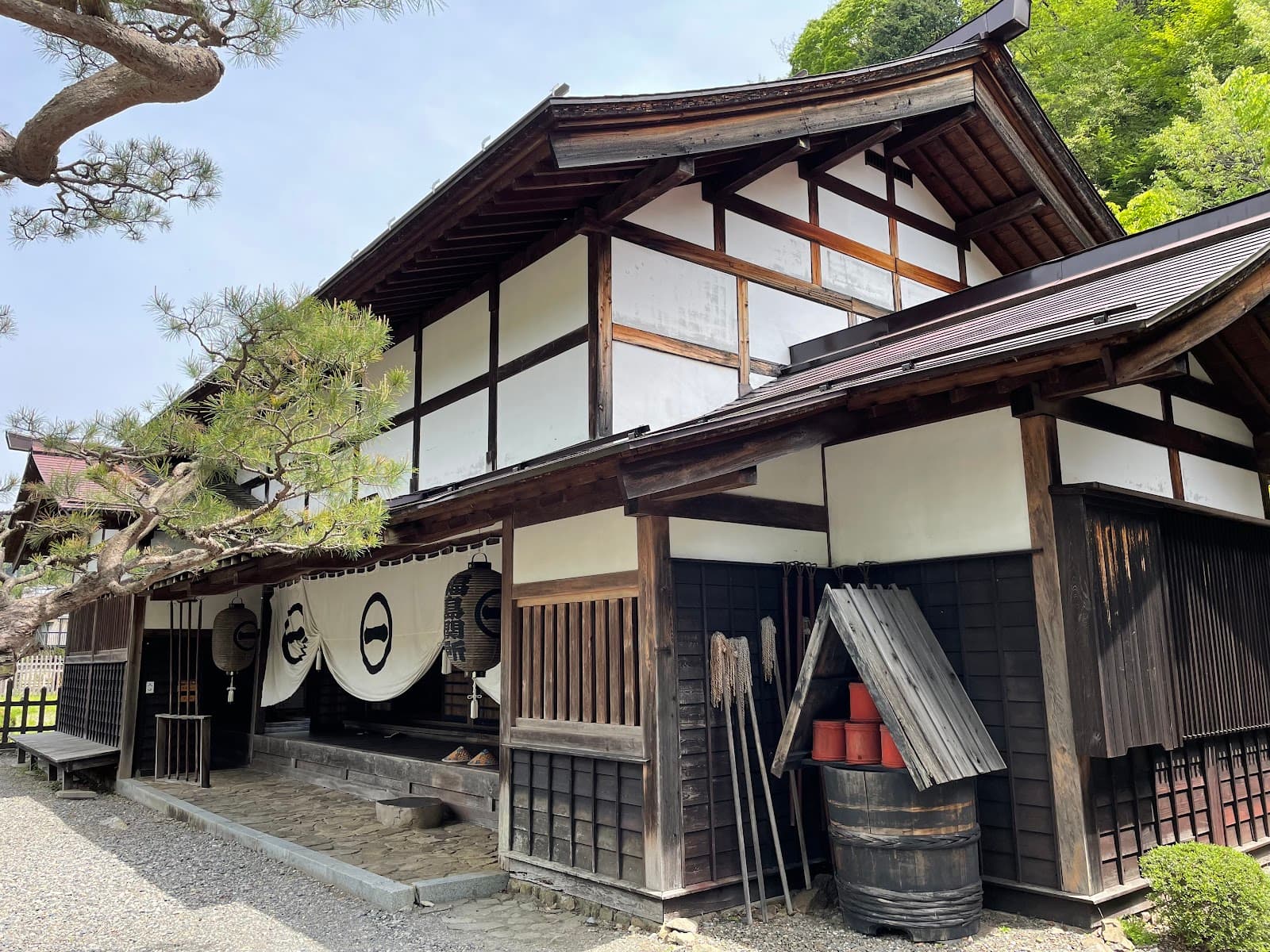
"Nojiri-juku was designated as an inn when the Nakasendo post stations were established in 1601.
Not much remains as it was almost completely destroyed in a fire in 1943, but the "Nanamagari" (seven bends), narrow and winding roads that were used to protect against enemies, still remain."
TAKU NAN
"The view of Mt. Kisokoma is outstanding. The road is less impressive than Tsumago, but it's worth a visit to see the Atera River and Nozokido."
吉朗山本
What People Like
What People Dislike
Frequently Asked Questions
🚇 🗺️ Getting There
Nojiri-juku is accessible by car, offering scenic drives through Nagano. While not as developed for public transport as Tsumago or Magome, it's part of the Nakasendo trail, often reached by hiking from nearby post towns. Consider local buses or taxis from larger stations if not hiking.
Yes, Nojiri-juku is very walkable. The main attractions are the historic roads, including the 'Nanamagari' (seven bends), and the surrounding natural scenery. It's a great place for a leisurely stroll.
The Tsumago-Nojiri section of the Nakasendo trail is approximately 18.4 km. While maps are available, some hikers find it beneficial to use GPX tracks for navigation on this less-trafficked route.
Parking is available for visitors, especially if you are driving. It allows for easy access to explore the historic remnants and enjoy the surrounding natural beauty.
Absolutely! Nojiri-juku can be visited as a day trip, especially if you're driving. You can explore the key historical sites and enjoy the views within a few hours.
🎫 🎫 Tickets & Entry
Nojiri-juku itself does not typically have an entrance fee, as it's a historic area rather than a contained attraction. You can wander freely through the remaining historical elements.
As an open historical area, Nojiri-juku doesn't have set opening hours. You can visit at any time, though daylight hours are best for exploring and enjoying the scenery.
No advance booking is necessary for Nojiri-juku. It's a place to explore at your own pace, making it a flexible stop on your journey.
While not as common as in Tsumago or Magome, local guides or information centers might offer insights. It's best to check locally upon arrival for any available guided experiences.
To truly appreciate Nojiri-juku, focus on the remaining 'Nanamagari' and imagine life during the Edo period. Reading up on its history beforehand can also enhance the experience.
🎫 🏞️ Onsite Experience
The 'Nanamagari' (seven bends) are a key historical feature. Also, don't miss the beautiful views of Mt. Kisokoma, the Atera River, and the Nozokido.
Yes, Nojiri-juku offers great photographic opportunities, especially the winding 'Nanamagari' roads and the scenic mountain vistas. Rainy days can add a mystical quality to your shots.
Expect a more tranquil and less developed atmosphere compared to Tsumago or Magome. It offers a peaceful, historical experience with beautiful natural surroundings.
Restroom facilities are generally available in historical post towns like Nojiri-juku, often near parking areas or small shops. It's advisable to use them when you see them.
Comfortable walking shoes are essential, especially if you plan to hike the Nakasendo trail. Layers are recommended as weather can change, and rain gear is wise, as rain can enhance the atmosphere. 
🍽️ 🍽️ Food & Dining
Dining options in Nojiri-juku are limited compared to larger post towns. You might find small local eateries or cafes, especially if you stay overnight.
While specific specialties might be scarce, you can often find regional Japanese dishes. If you stay locally, you might experience traditional meals like yakiniku prepared with an 'irori' (sunken hearth).
If hiking the Tsumago-Nojiri section, plan your meals. You might find limited options in Nojiri-juku itself, so carrying snacks or planning a meal in Tsumago or your next stop is advisable.
Yes, enjoying a picnic amidst the historical scenery and natural beauty of Nojiri-juku is a pleasant option. Find a scenic spot and savor your meal.
For a wider selection of dining, consider visiting nearby towns like Tsumago or Magome, which are more developed tourist destinations with more restaurants and cafes.
📸 📸 Photography
The 'Nanamagari' (seven bends) offer unique perspectives. The panoramic views of Mt. Kisokoma and the Atera River are also highly photogenic.
Absolutely. The combination of historic architecture, winding roads, and the majestic Mt. Kisokoma provides excellent opportunities for landscape photography.
Early mornings or late afternoons often provide the best light for photography, creating softer shadows and a more atmospheric feel. However, even a rainy day can offer a unique, mystical mood.
Drone usage regulations can vary. It's crucial to check local rules and obtain any necessary permissions before flying a drone to avoid issues.
A versatile lens (like a 24-70mm equivalent) is useful for capturing both landscapes and details. A wide-angle lens can be great for the winding roads, and a tripod can help in low light or for capturing long exposures of the river.
Social
from TikTok, Instagram & Reddit