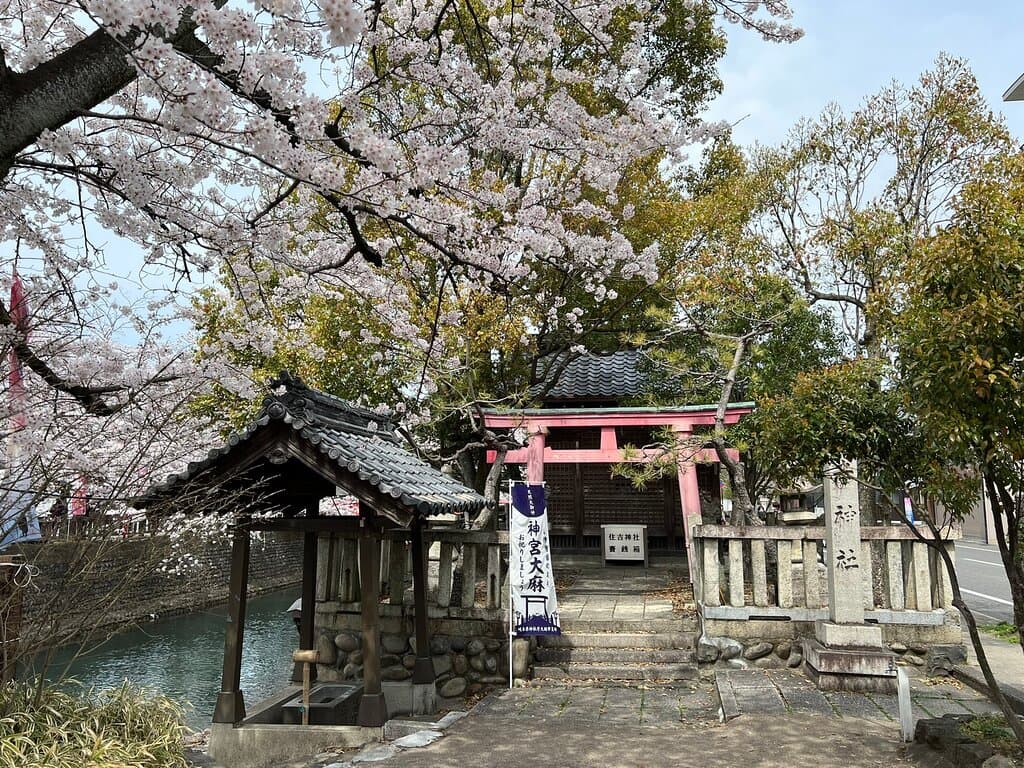
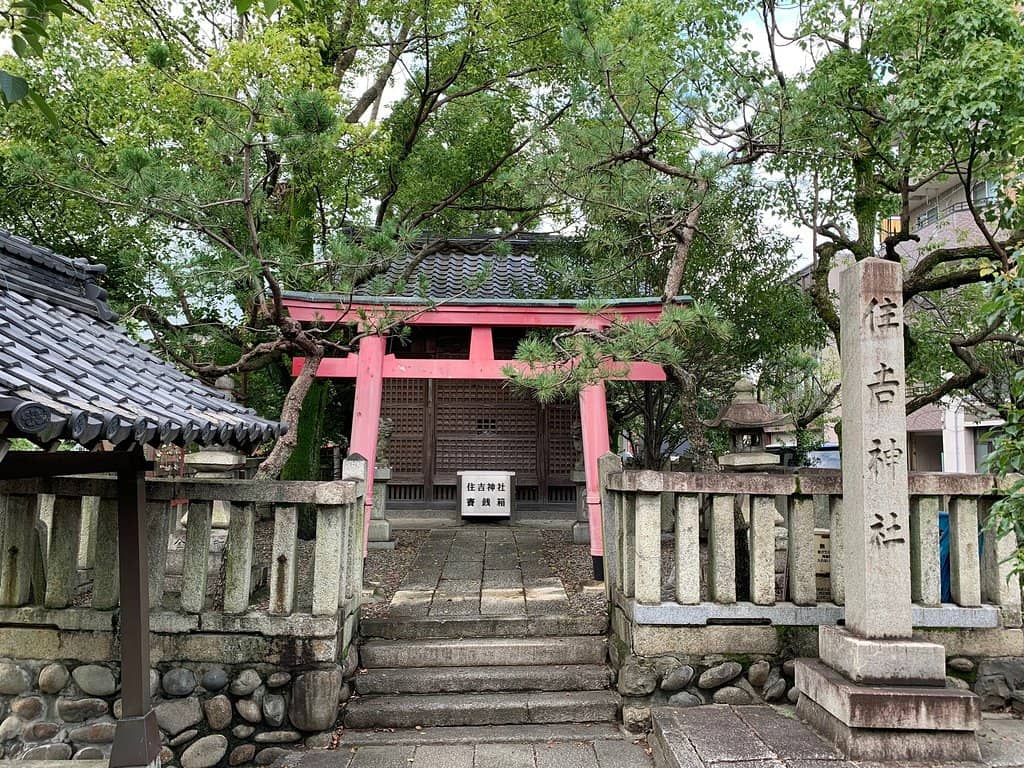
Sumiyoshi Shrine Ogaki
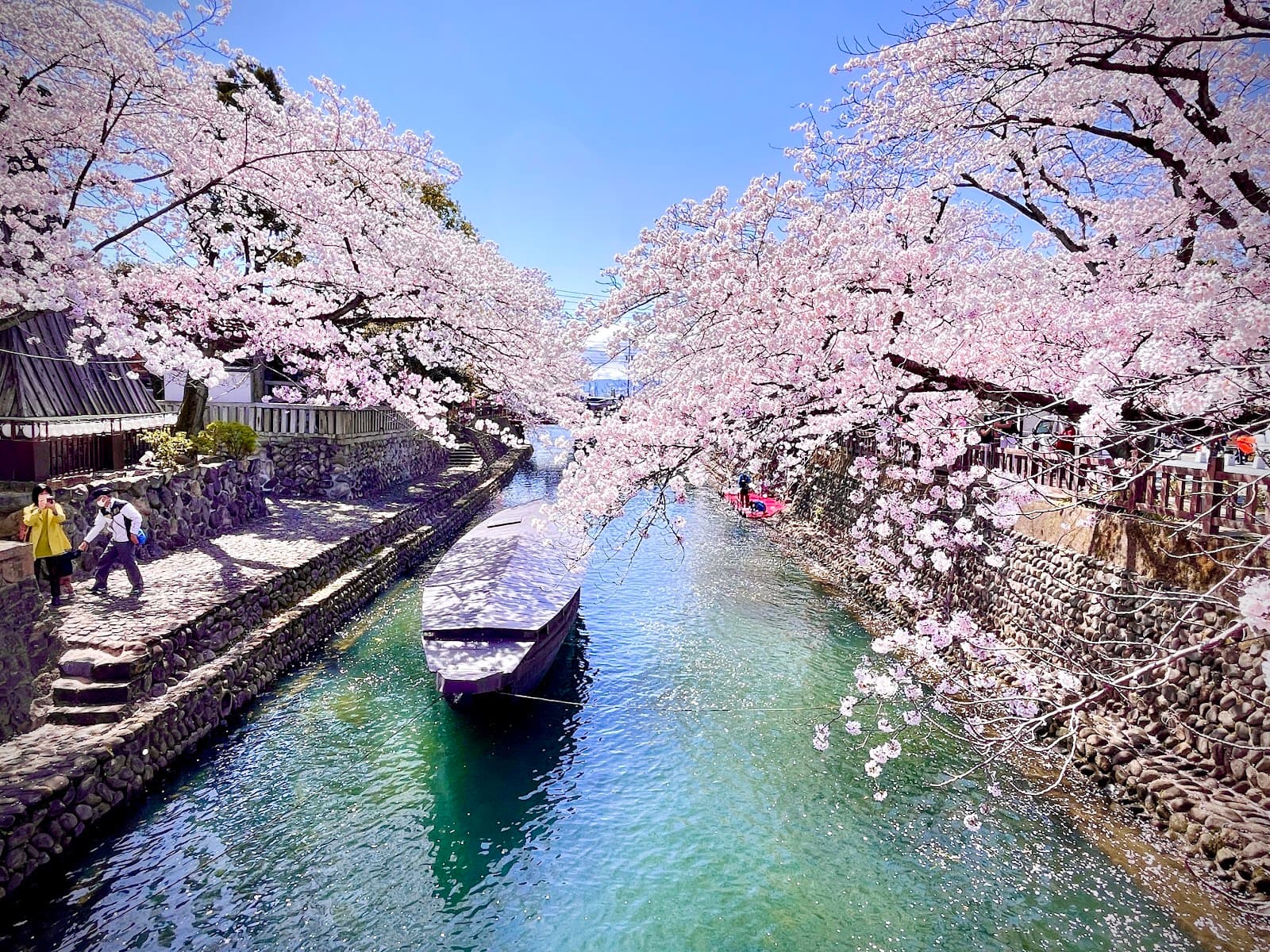
A serene shrine by the Mizumon River, steeped in history as a former port town, featuring poetic haiku and unique clam prayers.
Highlights
Must-see attractions

Social
From TikTok & Reddit
Best Time
Peaceful atmosphere
Sumiyoshi Shrine Ogaki
Best Time
Peaceful atmosphere
Highlights
Must-see attractions
A serene shrine by the Mizumon River, steeped in history as a former port town, featuring poetic haiku and unique clam prayers.
"A small shrine nestled on the banks of the Mizumon River, a remnant of a bustling port."
🚶♀️ Stroll the River Path
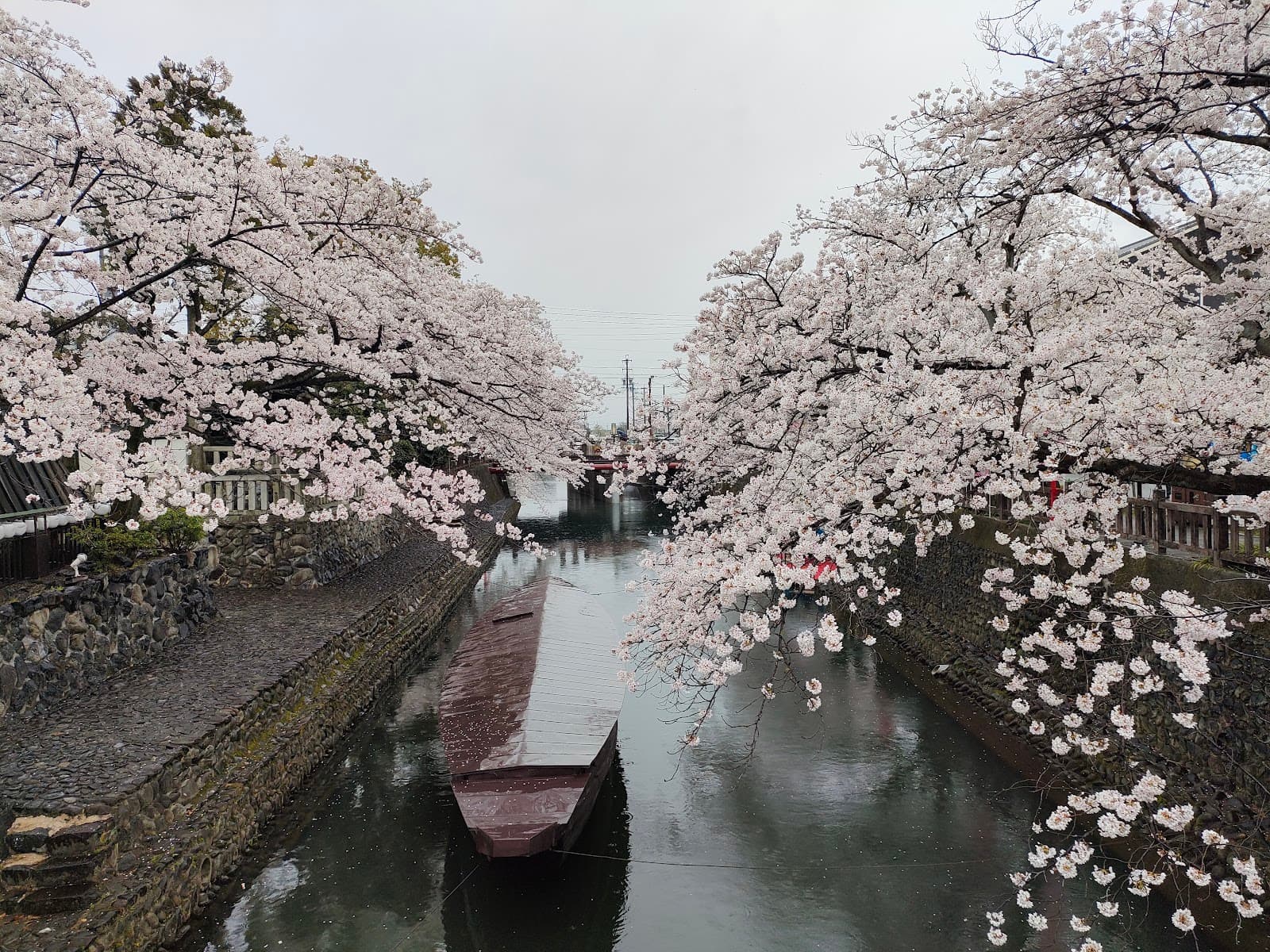
Enjoy a peaceful walk along the Mizumon River, taking in the historical port atmosphere. :walking:
📜 Read the Haiku
Pause at the Suimon River bridge to appreciate the beautiful haiku poems inscribed on plaques. :scroll:
Highlights
Discover the most iconic attractions and experiences
Suimon River Bridge Haiku
Suimon River Bridge
Admire haiku poems by Basho and others, adding a poetic layer to the riverside scenery.
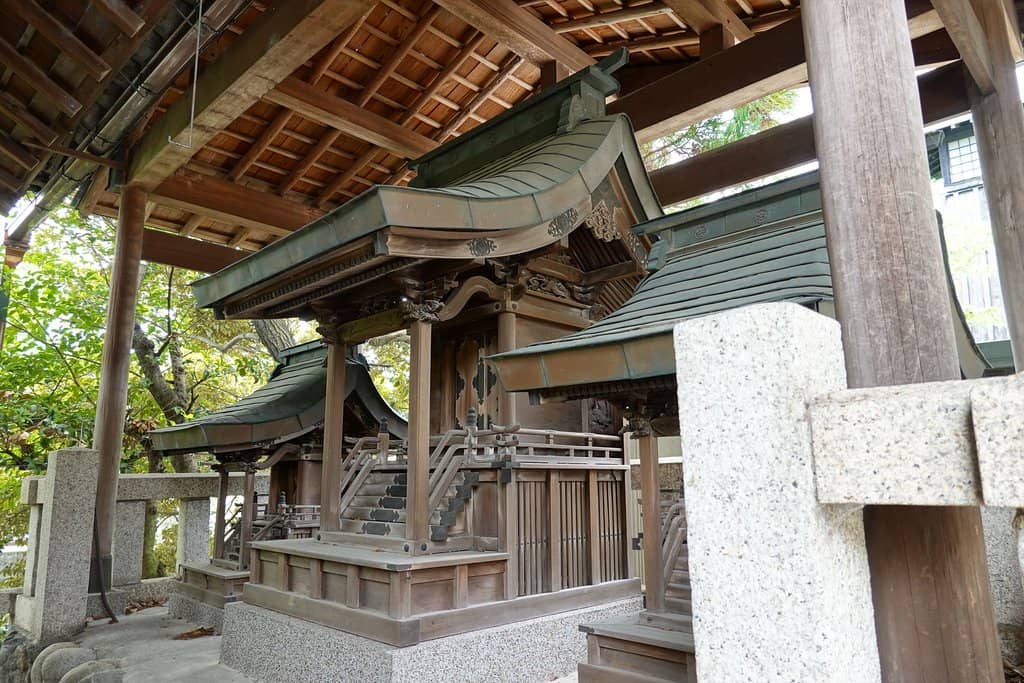
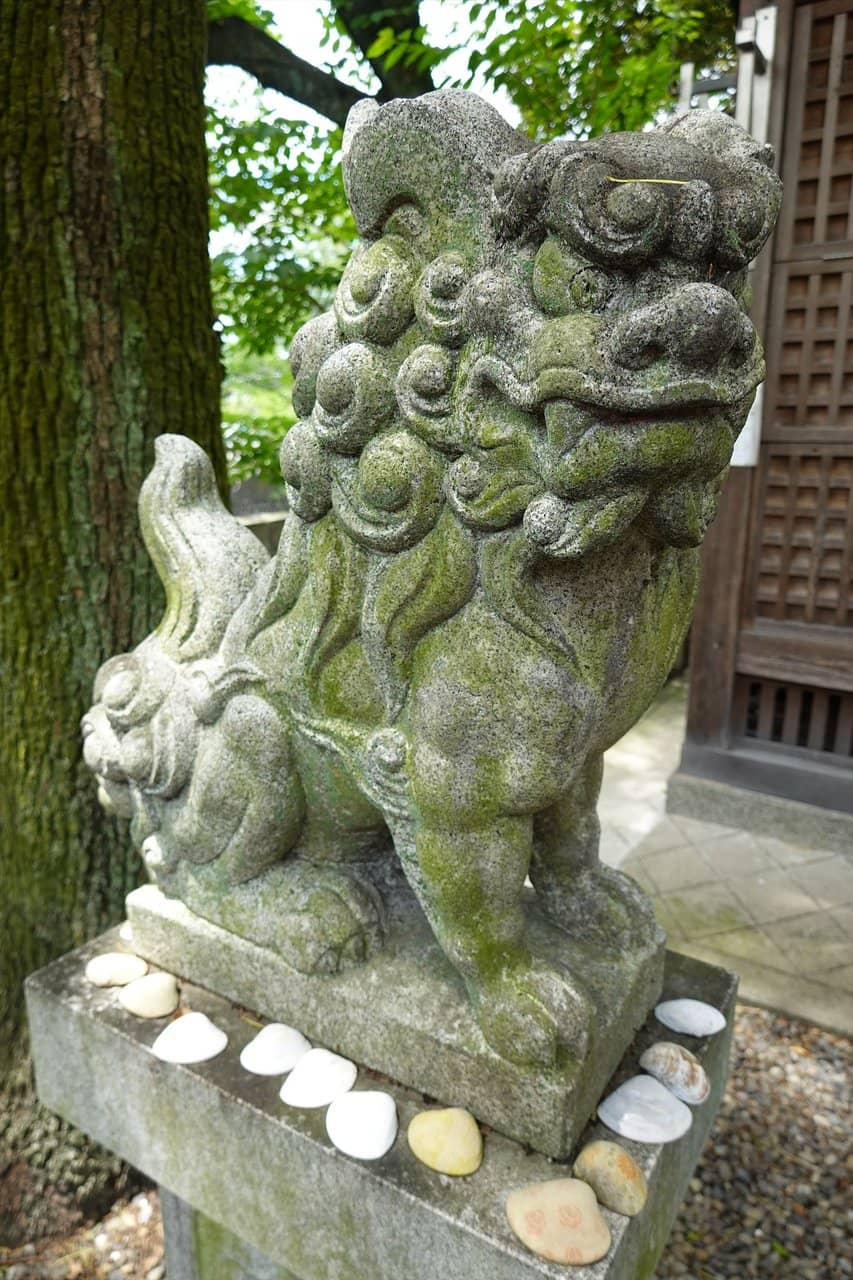
Clams as Prayers
Shrine Grounds
Observe the unique tradition of tying clams as prayers, inspired by Matsuo Basho's verses.

Riverside Serenity
Mizumon River Bank
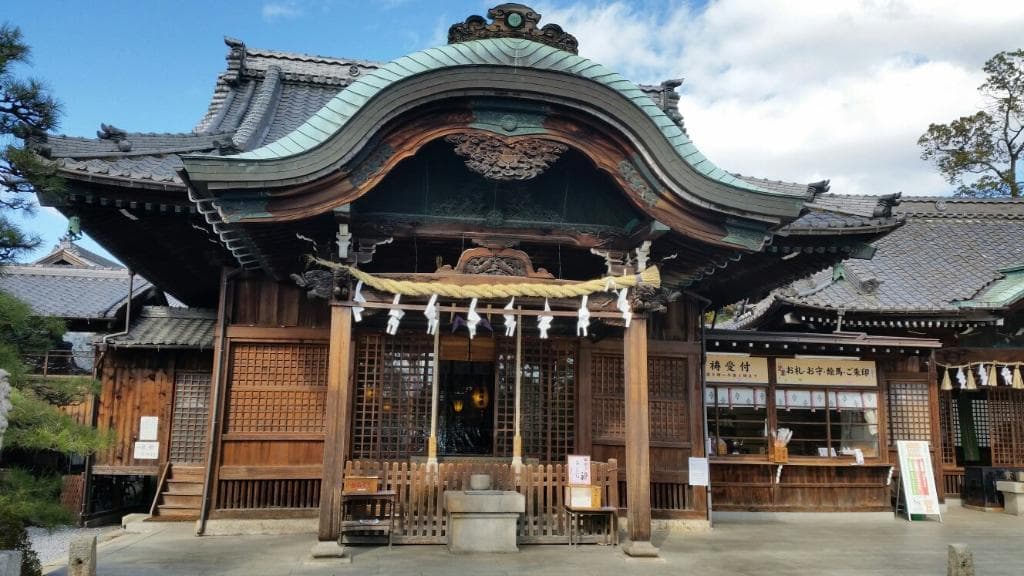
Experience the peaceful ambiance of this small shrine nestled by the water, a remnant of a bustling port.
Plans like a pro.
Thinks like you
Planning Your Visit
Timing Your Visit
Understanding the Significance
Best Times
Insider Tips
from TikTok, Instagram & Reddit
🚶♀️ Stroll the River Path
Enjoy a peaceful walk along the Mizumon River, taking in the historical port atmosphere. :walking:
📜 Read the Haiku
Pause at the Suimon River bridge to appreciate the beautiful haiku poems inscribed on plaques. :scroll:
🐚 Unique Prayer Tradition
Observe or participate in the tradition of tying clams as prayers for blessings. :shell:
📸 Capture the Tranquility
This small shrine offers a quiet, picturesque setting for photography. :camera:
Tips
from all over the internet
🚶♀️ Stroll the River Path
Enjoy a peaceful walk along the Mizumon River, taking in the historical port atmosphere. :walking:
📜 Read the Haiku
Pause at the Suimon River bridge to appreciate the beautiful haiku poems inscribed on plaques. :scroll:
🐚 Unique Prayer Tradition
Observe or participate in the tradition of tying clams as prayers for blessings. :shell:
📸 Capture the Tranquility
This small shrine offers a quiet, picturesque setting for photography. :camera:
What Travellers Say
Reviews Summary
Visitors find Sumiyoshi Shrine to be a small, serene, and historically significant spot, particularly noted for its riverside location and the unique haiku on the nearby bridge. While some appreciate its quiet charm and connection to the former port, others might find its size to be less impactful than larger, more prominent shrines.
"Founded in 1840!
I visited in mid-September 2023.
It is located in the area of the former Funamachi Port, which flourished as a base for water transportation connecting Ogaki and Kuwana.
I thought it must be Sumiyoshi Shrine because it enshrines the god of the sea.
→There is also a Sumiyoshi Shrine near the Shichiri-no-Watashi Ferry in Kuwana, so"
amsang04
"The bridge over the Suimon River features plaques with haiku poems. On the north side are haiku poems by Basho and Mokino: "Come, I see a lion and a peony dwelling here" (Basho); "Call me again, for here the wind blows through the Ibuki River" (Mokino); and on the south side are haiku poems by Sora and Nyokyo: "The tatami mats are like the traces of my hands on the paper futon" (Sora); "The fog has not cleared, so please stand on the bank for a while" (Nyokyo)."
西谷廣
"I visited this shrine on a pilgrimage with Takahashi-kun, the bicycle shop owner.
It's a surprisingly small shrine."
ほしいも
What People Like
What People Dislike
Frequently Asked Questions
🚇 🗺️ Getting There
Sumiyoshi Shrine is located near the former Funamachi Port in Ogaki. While specific public transport details are scarce, it's accessible by car or a moderate walk from the city center. Consider using local bus routes that serve the Funamachi area.
Information on dedicated parking is limited. It's advisable to check for nearby public parking lots or consider public transport if driving is not feasible.
🎫 🎫 Tickets & Entry
Sumiyoshi Shrine is a small, local shrine, and typically there is no entrance fee. Donations are usually welcome.
As a shrine, it is generally accessible during daylight hours. It's best to visit during the day to fully appreciate the surroundings and any inscriptions.
🎫 🧭 Onsite Experience
The shrine's charm lies in its historical connection to the former Funamachi Port, its serene riverside location, and the unique haiku poems on the nearby bridge.
Clams are tied as prayers, inspired by a verse by Matsuo Basho. This tradition adds a unique cultural element to the shrine visit.
Yes, photography is generally permitted. The tranquil setting offers lovely opportunities for capturing the shrine and its surroundings.
🍽️ 🍽️ Food & Dining
Being a smaller shrine, dining options directly at the shrine are unlikely. However, the surrounding Ogaki city area offers various restaurants and cafes.
📸 📸 Photography
The riverside setting, the haiku bridge, and the shrine itself offer picturesque views. Early morning light can enhance the serene atmosphere.
For Different Travelers
Tailored advice for your travel style
👨👩👧 Families with Kids
Keep in mind that it's a quiet shrine, so it's best suited for families who appreciate a more serene experience rather than high-energy activities. Pack some snacks and drinks, as amenities are limited directly at the shrine.
🚶♀️ Solo Travelers & Peace Seekers
This shrine is a place to slow down, reflect, and appreciate the subtle beauty and historical echoes of a former port town. It's a perfect spot for a moment of quiet contemplation.
Deep Dives
In-depth insights and expert knowledge
Historical Context: A Port of Significance
The shrine's dedication to the god of the sea, Kamitsutsuno-no-Mikoto, Nakatsutsuno-no-Mikoto, and Sokotsutsuno-no-Mikoto, reflects this maritime heritage. It was a place of prayer for safe voyages and prosperous trade, a common practice for coastal and riverine communities.
Visiting Sumiyoshi Shrine offers a glimpse into Ogaki's past as a bustling waterside town, a stark contrast to its current tranquil state. The shrine stands as a quiet testament to this vibrant history.
The Poetic Charm of the Suimon River Bridge
These haiku capture the essence of the local landscape and evoke a sense of place. For instance, Basho's verse, "Come, I see a lion and a peony dwelling here," offers a vivid image, while Mokino's "Call me again, for here the wind blows through the Ibuki River" speaks to the natural beauty of the area. The inclusion of Sora and Nyokyo's poems further enriches the bridge's poetic tapestry.
Strolling across the Suimon River Bridge and contemplating these verses provides a unique connection to Japanese poetry and the historical atmosphere of Ogaki. It's a moment of quiet reflection amidst the shrine's peaceful surroundings.
Unique Traditions: Clams as Prayers
The act of tying clams is believed to be a way to seek blessings, with one review humorously questioning if it's for love fulfillment. This unique custom sets Sumiyoshi Shrine apart and offers a memorable cultural experience for visitors.
Observing these tied clams, often found within the shrine grounds, provides a tangible connection to the shrine's traditions and the local folklore. It's a small but significant detail that adds to the shrine's charm and mystique.
Social
from TikTok, Instagram & Reddit