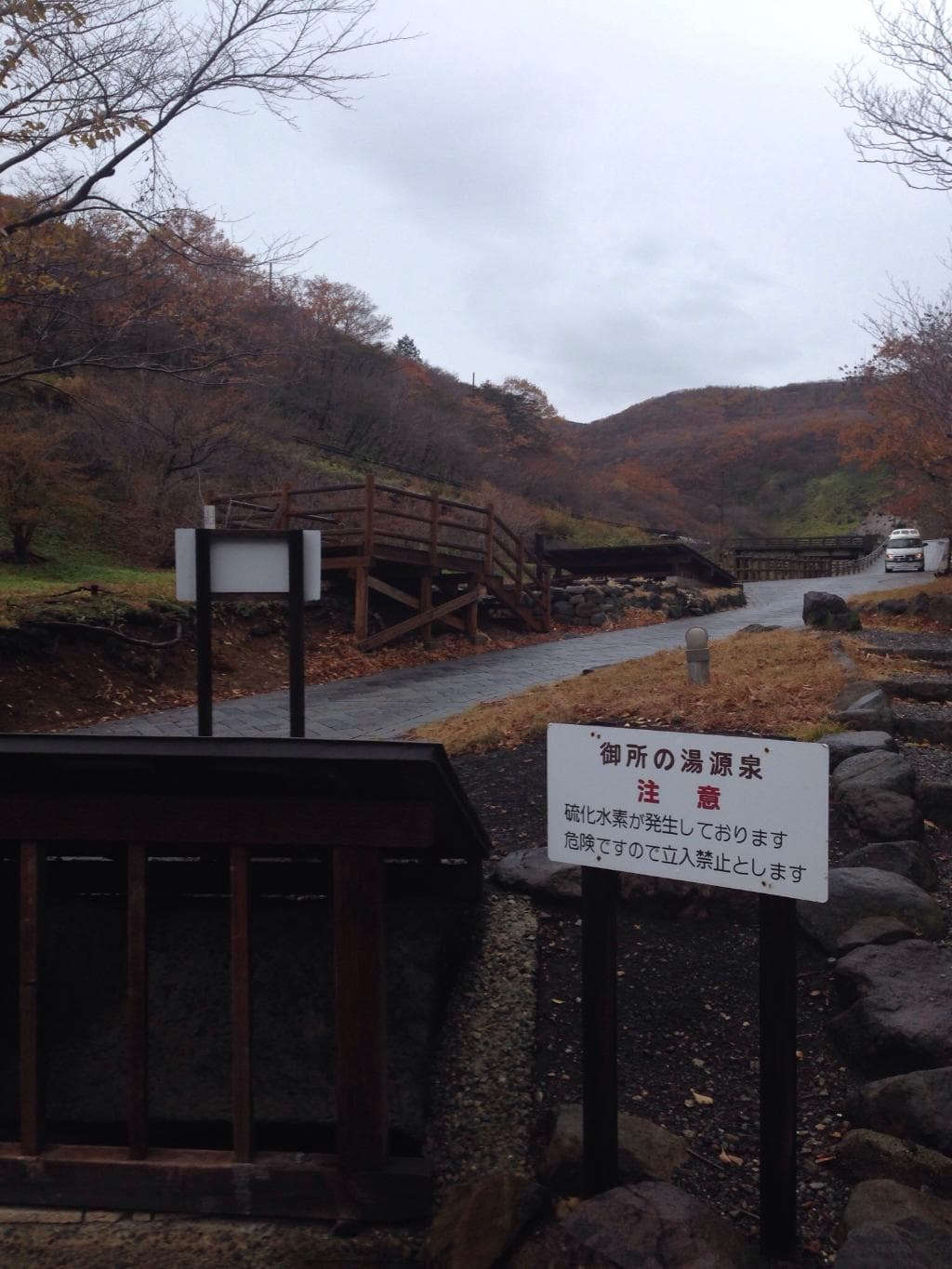
Nasu Yumoto Onsen
Nasu Yumoto Onsen: Japan's ancient hot spring resort, famed for its therapeutic sulfur waters and the mystical legend of the Killing Stone.
Highlights
Must-see attractions

Social
From TikTok & Reddit
Best Time
Stunning autumn leaves
Nasu Yumoto Onsen
Best Time
Stunning autumn leaves
Highlights
Must-see attractions
Nasu Yumoto Onsen: Japan's ancient hot spring resort, famed for its therapeutic sulfur waters and the mystical legend of the Killing Stone.
"Experience the potent, healing sulfur springs and ancient legends in this charming traditional Japanese onsen town."
♨️ Embrace the Sulfur Smell
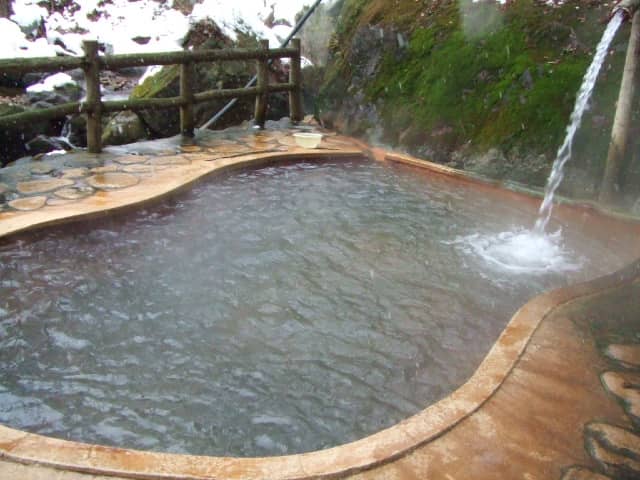
The strong sulfur scent is normal! It's a sign of natural, healing hot springs .
🧳 Pack Light for Day Trips
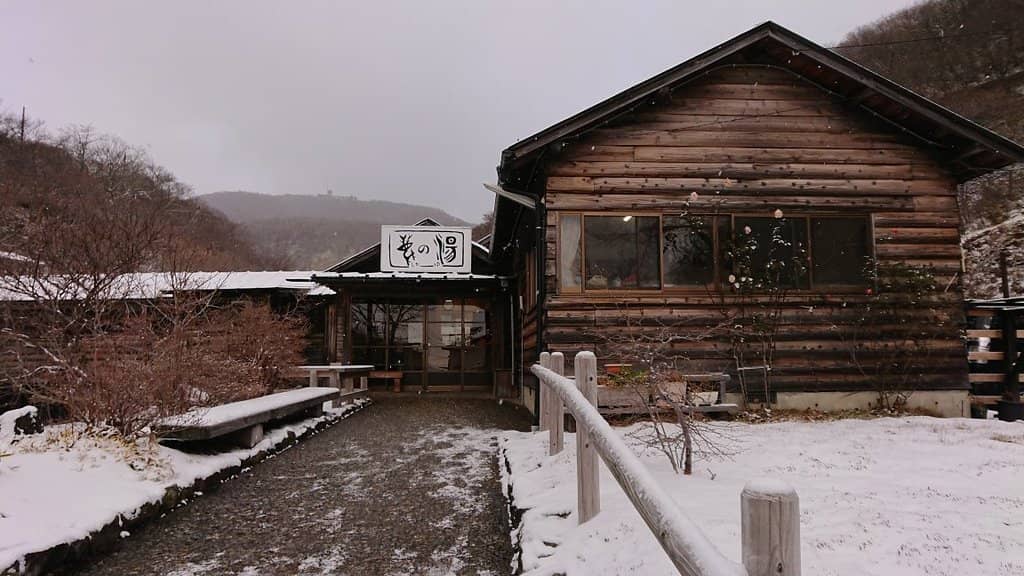
If exploring the wider Nasu area, consider a day bag for essentials. Snow views are common in cooler months .
Highlights
Discover the most iconic attractions and experiences
Sesshoseki (Killing Stone)
Near Nasu Yumoto Onsen
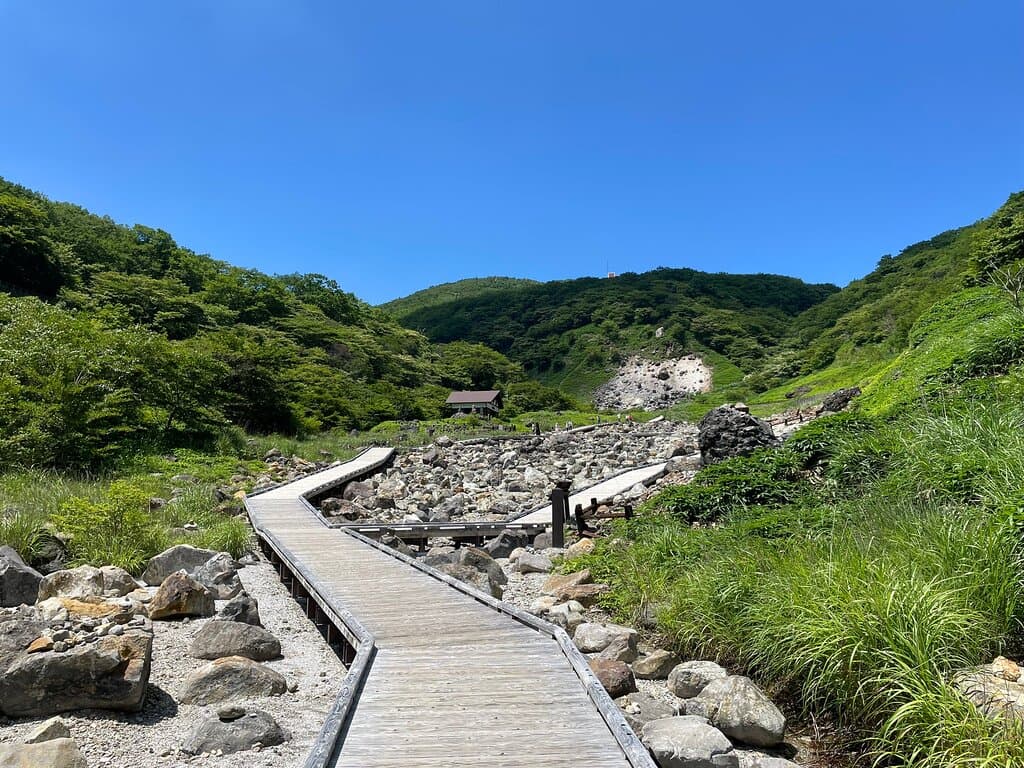
A legendary lava rock emitting volcanic gas, steeped in folklore of a nine-tailed fox. A unique, slightly eerie natural wonder.
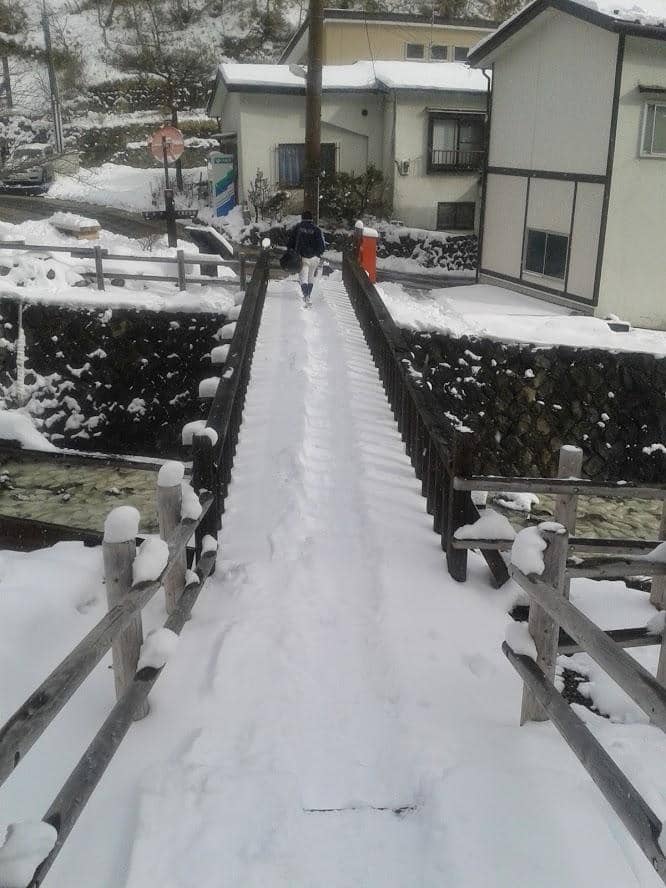
Nasu Yumoto Onsen Town
Nasu Town, Tochigi Prefecture
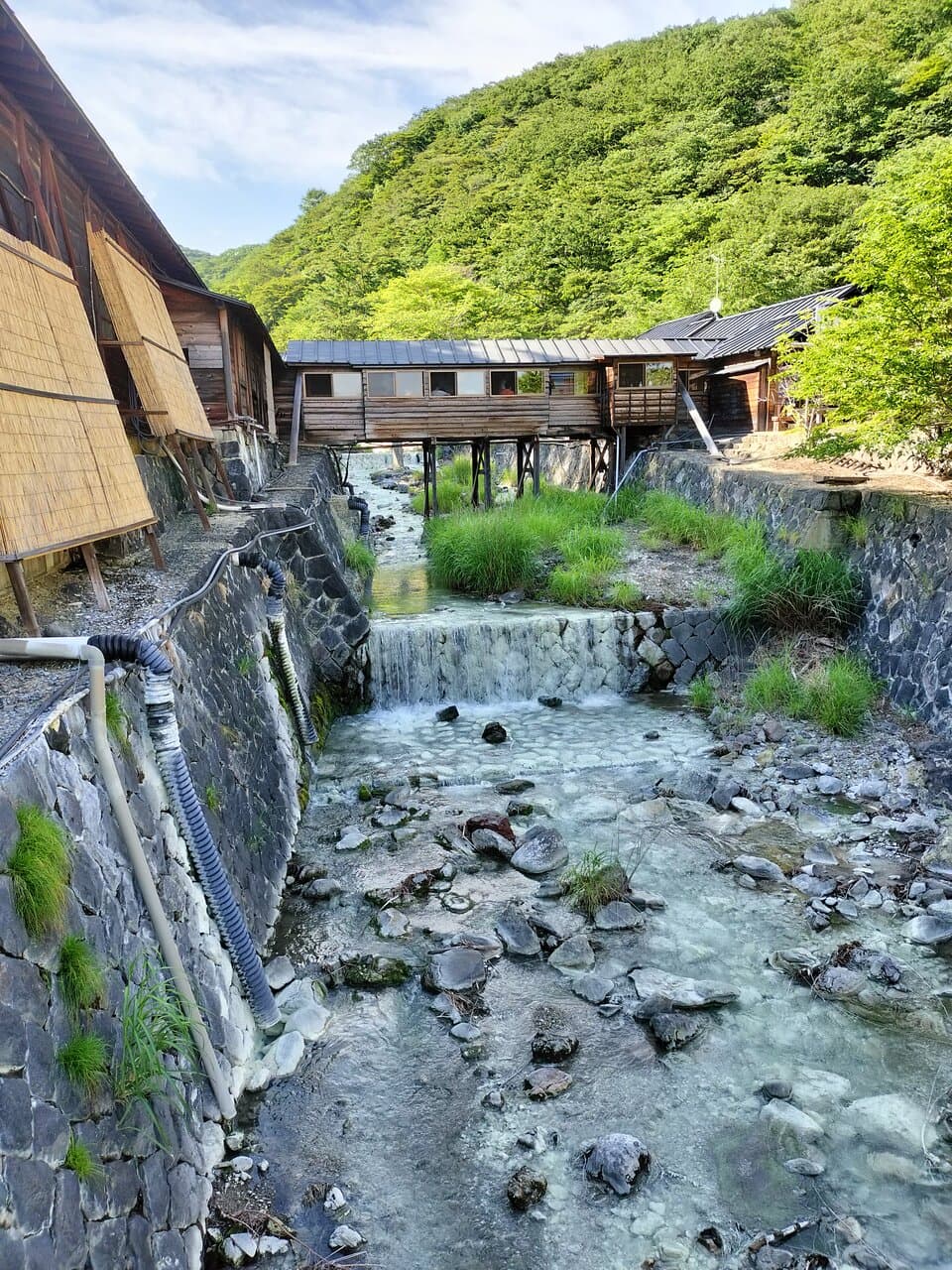
The heart of the hot spring area, offering a charming atmosphere with traditional ryokans and public baths. Perfect for a relaxing stroll.
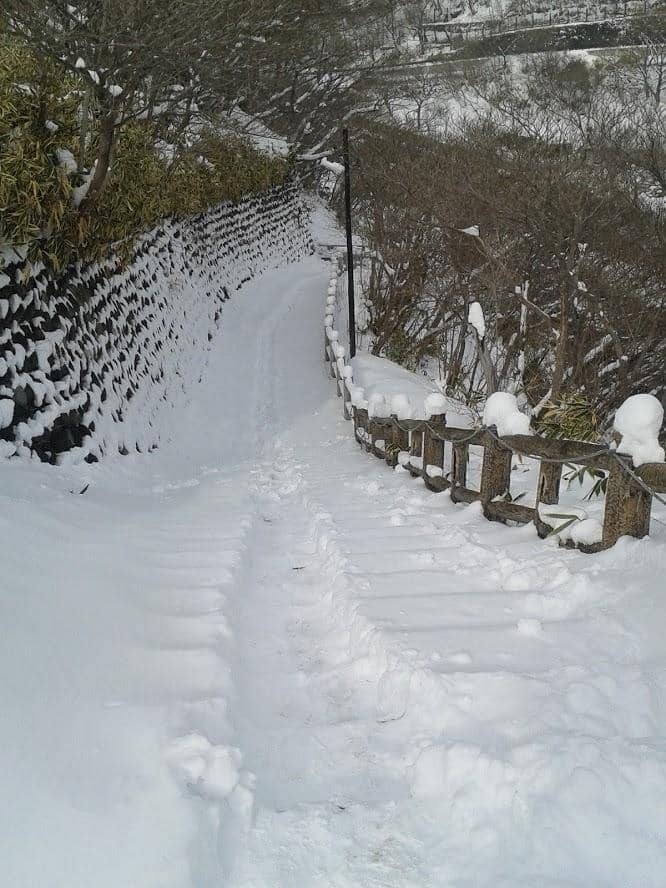
Public Foot Bath (Konbairo no Yu)
Yumoto, Nasu
A free, accessible public foot bath offering a taste of the therapeutic sulfur waters. Ideal for a quick, rejuvenating break.
Plans like a pro.
Thinks like you
Planning Your Visit
Embrace the Sulfur Scents

Tattoo-Friendly Options Exist
Always check with your chosen ryokan or bathhouse beforehand.Best Times
Insider Tips
from TikTok, Instagram & Reddit
♨️ Embrace the Sulfur Smell
The strong sulfur scent is normal! It's a sign of natural, healing hot springs.
🧳 Pack Light for Day Trips
If exploring the wider Nasu area, consider a day bag for essentials. Snow views are common in cooler months.
🤝 Tattoo-Friendly Options
Some onsen here welcome tattoos, unlike many in Japan. Always confirm beforehand.
🚶♀️ Stroll the Onsen Town
Wander through Yumoto for traditional ryokans and local charm. Enjoy the atmosphere.
Tips
from all over the internet
♨️ Embrace the Sulfur Smell
The strong sulfur scent is normal! It's a sign of natural, healing hot springs.
🧳 Pack Light for Day Trips
If exploring the wider Nasu area, consider a day bag for essentials. Snow views are common in cooler months.
🤝 Tattoo-Friendly Options
Some onsen here welcome tattoos, unlike many in Japan. Always confirm beforehand.
🚶♀️ Stroll the Onsen Town
Wander through Yumoto for traditional ryokans and local charm. Enjoy the atmosphere.
🦶 Free Foot Bath Access
Try the public foot bath in Yumoto for a free, therapeutic soak. Open daily.
What Travellers Say
Reviews Summary
Nasu Yumoto Onsen is praised for its authentic, traditional hot spring experience and the unique, mineral-rich sulfur waters. Visitors appreciate the natural beauty, especially during autumn, and the availability of tattoo-friendly onsen. Some find the sulfur smell intense, and accessibility to certain attractions can be challenging in winter.
What People Like
What People Dislike
Frequently Asked Questions
🚇 🗺️ Getting There
The most common way is to take the Shinkansen (bullet train) from Tokyo Station to Utsunomiya Station, then transfer to the JR Tohoku Line to Nasushiobara Station. From Nasushiobara, you can take a bus directly to Nasu Yumoto Onsen. The journey takes approximately 2-3 hours. Some travelers opt for direct highway buses from Tokyo to Nasu, which can be more economical.
The main onsen town area is quite walkable. For exploring further afield, like to Sesshoseki or other attractions, local buses are available. Renting a car can offer more flexibility, especially if you plan to visit multiple spots in the Nasu region.
Yes, driving is an option. There are parking facilities available in the Yumoto area. Be aware that roads can be snowy and icy during winter months, so ensure your vehicle is equipped for such conditions.
From Nikko, you can take a bus or train to Utsunomiya or Nasushiobara, and then connect to a bus heading to Nasu Yumoto Onsen. This route is often considered for its potential autumn views.
Highway buses often run directly from major cities like Tokyo to the Nasu area, offering a convenient and sometimes cheaper alternative to train travel. Check schedules for routes to Nasu Yumoto Onsen.
🎫 🎫 Tickets & Entry
For public onsen facilities and day-use baths, you'll typically pay an entrance fee. Many ryokans include onsen access for their guests. The public foot bath (Konbairo no Yu) is free to use.
Opening hours vary significantly between facilities. Public baths and ryokan baths usually have set hours, often from morning until late evening. The free foot bath is open from 9:30 AM to 5 PM daily.
Generally, there are no strict age restrictions for onsen, but very young children may need supervision. Some onsen may have specific policies, so it's always best to check.
Historically, many Japanese onsen prohibit tattoos due to associations with organized crime. However, Nasu Yumoto Onsen has some tattoo-friendly establishments, so inquire directly with your chosen onsen.
Day-use fees for public onsen typically range from ¥500 to ¥1500, depending on the facility and its amenities. Ryokan stays will include onsen access in the room rate.
🎫 🧭 Onsite Experience
The distinct smell is due to sulfur, a natural component of the hot spring water. It's a sign of the mineral-rich, therapeutic waters that Nasu Yumoto Onsen is known for.
Sesshoseki is a large lava rock on the slopes of Mount Nasu, known for emitting poisonous volcanic gases. Legend says it's the petrified body of a nine-tailed fox that killed Emperor Genmei's concubine.
The sulfurous hot springs are believed to aid in recovery from fatigue, improve skin conditions, and promote overall well-being. The mineral content varies, offering different therapeutic effects.
Typically, you will be nude in the onsen. Swimsuits are generally not allowed in traditional Japanese hot springs. You'll be provided with a small towel for washing and a larger one for drying.
Yes, the area around Mount Nasu offers several hiking opportunities, especially during the autumn leaf season. Trails range from easy walks to more challenging climbs, offering scenic views of the volcanic landscape.
🍽️ 🍽️ Food & Dining
Nasu is known for its fresh produce, particularly dairy products like cheese and milk. You can also find local soba noodles and dishes featuring mountain vegetables. Many ryokans offer exquisite multi-course kaiseki meals.
Yes, the Yumoto area has several restaurants and cafes offering a range of Japanese cuisine, from casual noodle shops to more formal dining experiences. You can also find local snacks and sweets.
While traditional Japanese cuisine can be meat and fish-heavy, many restaurants are becoming more accommodating. It's advisable to inform your accommodation or restaurant in advance about any dietary restrictions.
Most ryokans offer dinner and breakfast as part of their package. These meals are often elaborate kaiseki dinners featuring seasonal ingredients, providing a true taste of local hospitality.
Yes, you'll find charming cafes in Nasu Yumoto Onsen town, perfect for enjoying coffee or tea and a sweet treat, especially during colder weather.
📸 📸 Photography
The Sesshoseki (Killing Stone) area offers dramatic, otherworldly landscapes. The town itself, with its traditional ryokans and steaming onsen vents, is also very picturesque. Autumn foliage provides stunning backdrops.
Photography is generally not allowed inside the bathing areas of onsen for privacy reasons. However, you can take photos of the surrounding town, natural landscapes, and exterior of the facilities.
A versatile lens like a 28-70mm is useful for capturing both landscapes and town scenes.
Sunrise and sunset can offer beautiful light for the natural landscapes. During the day, the steam rising from the onsen vents creates a unique atmosphere. Autumn colors are best in the late afternoon light.
The Sesshoseki area is directly tied to the legend of the nine-tailed fox, offering unique photographic storytelling opportunities. The mystical atmosphere of the volcanic area is a key visual element.
For Different Travelers
Tailored advice for your travel style
👨👩👧 Families with Kids
Many ryokans offer family-friendly rooms and can accommodate children. While the sulfur smell might be strong, it's generally harmless. Consider visiting during warmer months for easier exploration of the town and surrounding nature.💖 Couples Retreat
🚶 Solo Travelers
Enjoy the peace and quiet, explore the local legends like Sesshoseki, and indulge in the rejuvenating hot springs at your own pace. The free foot bath is a convenient way to experience the onsen without a large commitment.Deep Dives
In-depth insights and expert knowledge
The Legend of Sesshoseki
+2Visiting Sesshoseki offers a glimpse into this ancient myth and the powerful geothermal activity of the region. The area around the stone is often barren due to the volcanic gases, creating a stark and memorable landscape. While the legend adds a layer of mystique, it's also a reminder of the volcanic nature of Mount Nasu. Travelers often find the site both fascinating and a little eerie, making it a unique stop on any itinerary.
It's important to note that while the gases are present, the area is generally safe for visitors to explore, with designated paths. The visual impact of the stone against the volcanic terrain, especially with the backdrop of Mount Nasu, makes it a compelling subject for photography and a point of interest for those fascinated by Japanese legends and natural wonders.
Experiencing Nasu's Onsen Culture
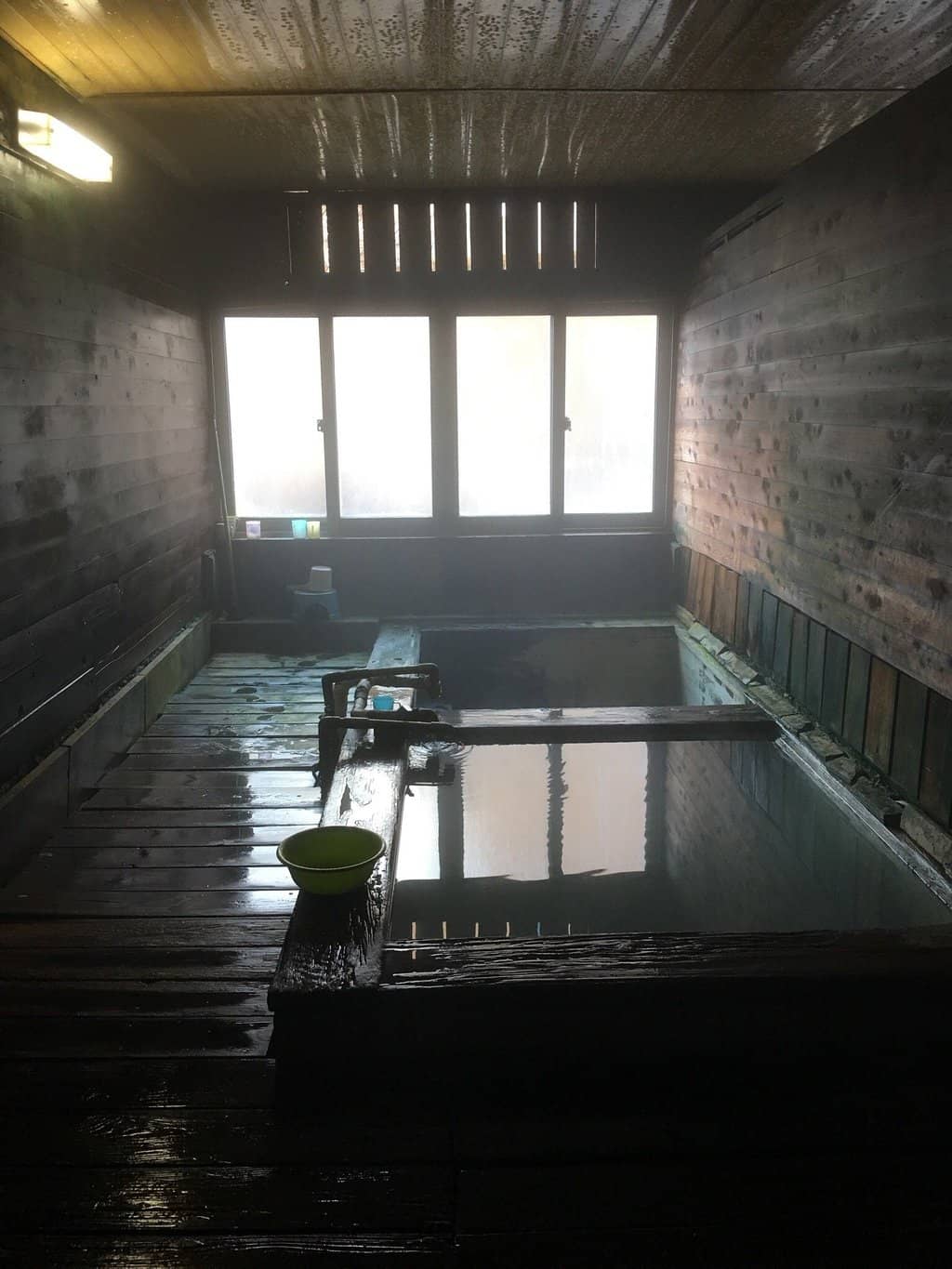
+1 Visitors can choose from a variety of accommodations, from luxurious ryokans with private baths to more rustic inns.Beyond private accommodations, Nasu Yumoto Onsen boasts several public bathhouses and a popular free foot bath (Konbairo no Yu).
This accessibility allows everyone to experience the healing waters. While many onsen in Japan have strict no-tattoo policies, Nasu Yumoto Onsen is known for having some establishments that are more welcoming to tattooed guests, making it a more inclusive destination.When visiting, be prepared for the distinct sulfurous smell, which is a hallmark of these natural springs. It's advisable to bring a small towel for washing and a larger one for drying. For those seeking a more immersive experience, consider staying at a traditional ryokan, where you can enjoy kaiseki dinners and relax in the onsen as part of your stay. The charming town atmosphere, combined with the rejuvenating hot springs, makes Nasu Yumoto Onsen a perfect retreat.
Seasonal Beauty of Nasu
The crisp air and colorful landscapes create a breathtaking backdrop for enjoying the hot springs.Winter brings a serene, snow-covered landscape to Nasu. The contrast of the steaming onsen waters against the white snow is a quintessential Japanese winter experience. Roads can be snowy, so driving requires caution, but the tranquil atmosphere and the warmth of the onsen make it a magical time to visit.
+1Spring and summer offer milder weather, perfect for exploring the natural beauty of the region, including hiking trails and the volcanic landscapes. While not as visually dramatic as autumn or winter, these seasons provide pleasant conditions for outdoor activities and enjoying the onsen without the extreme temperatures. Regardless of the season, Nasu Yumoto Onsen provides a refreshing escape into nature and relaxation.
Social
from TikTok, Instagram & Reddit