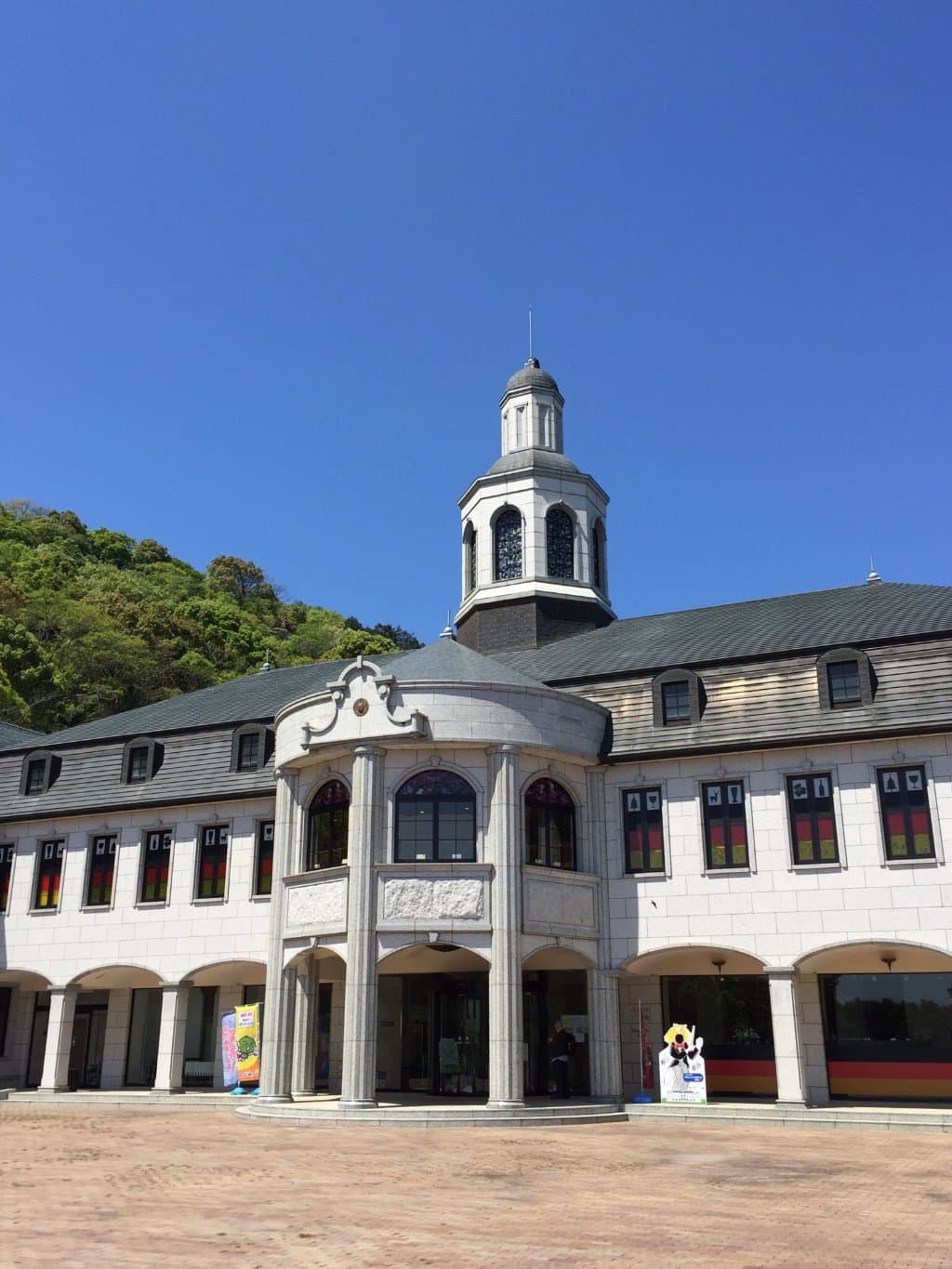
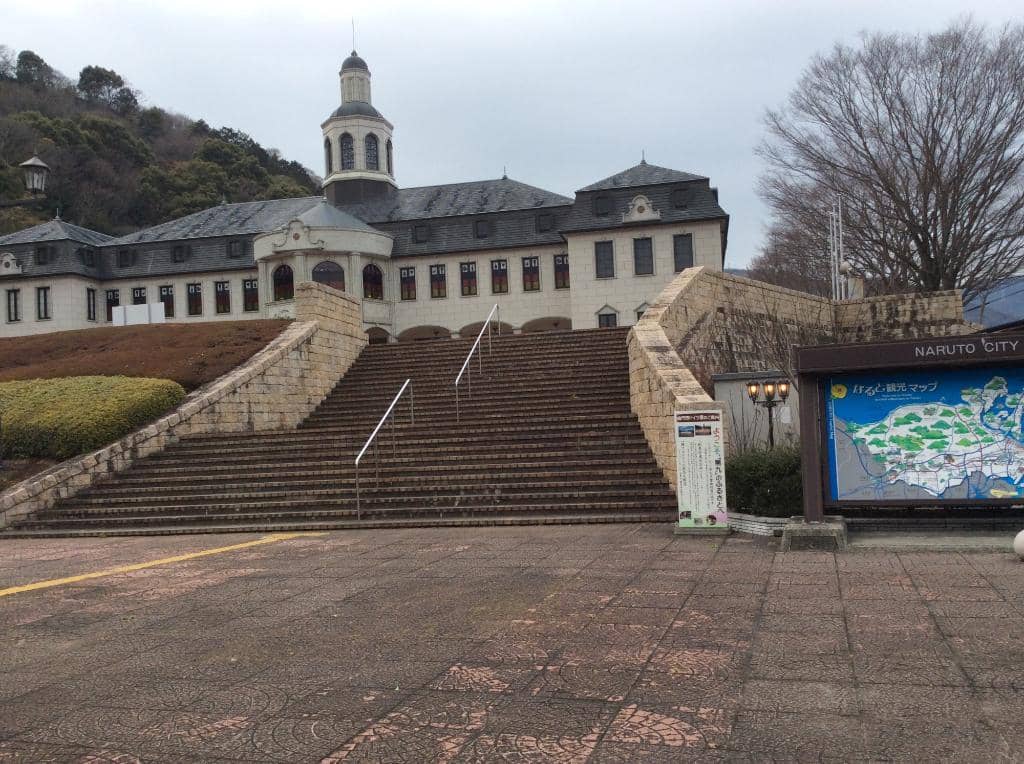
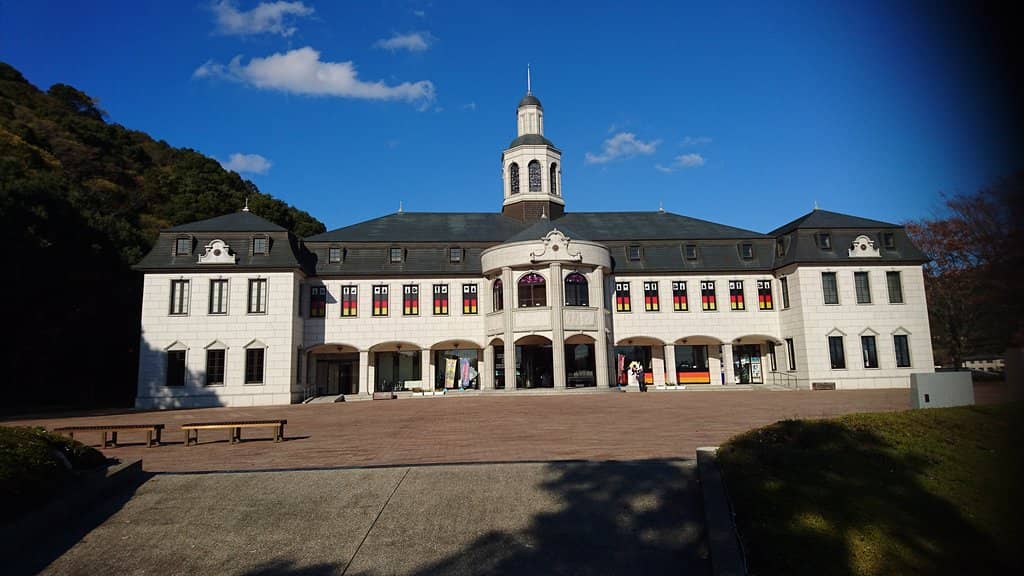
Naruto German House
Discover the unique WWI German POW experience in Japan, highlighting humane treatment and cultural exchange at the Bando Camp.
Highlights
Must-see attractions

Social
From TikTok & Reddit
Best Time
Fewer crowds, more peaceful exploration.
Naruto German House
Best Time
Fewer crowds, more peaceful exploration.
Highlights
Must-see attractions
Discover the unique WWI German POW experience in Japan, highlighting humane treatment and cultural exchange at the Bando Camp.
"An interesting piece of local history, truly worthy to come here and have a look. "
Translate Exhibits
Use a translation app for exhibits not in English. Many have Japanese & German text. :iphone:
No Photos Inside
Remember, photography is prohibited within the museum. Enjoy the exhibits visually. :camerawithflash:
Highlights
Discover the most iconic attractions and experiences
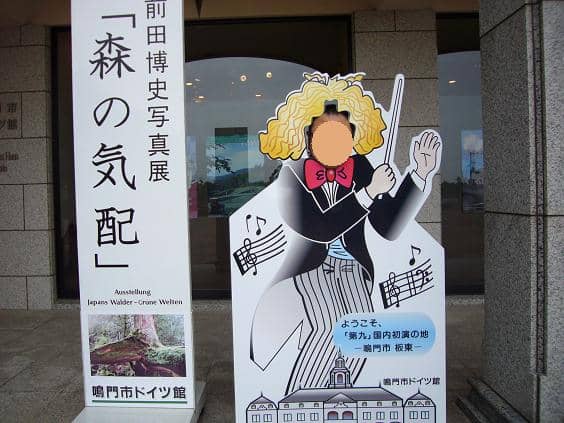
Animatronic Musical Performance
Main Exhibition Hall
A unique, albeit kitschy, performance featuring an all-male choir singing Beethoven's 9th Symphony for the first time in Japan.
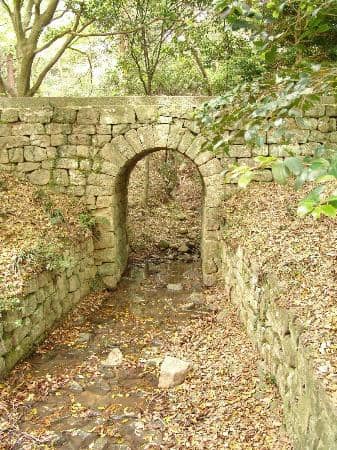
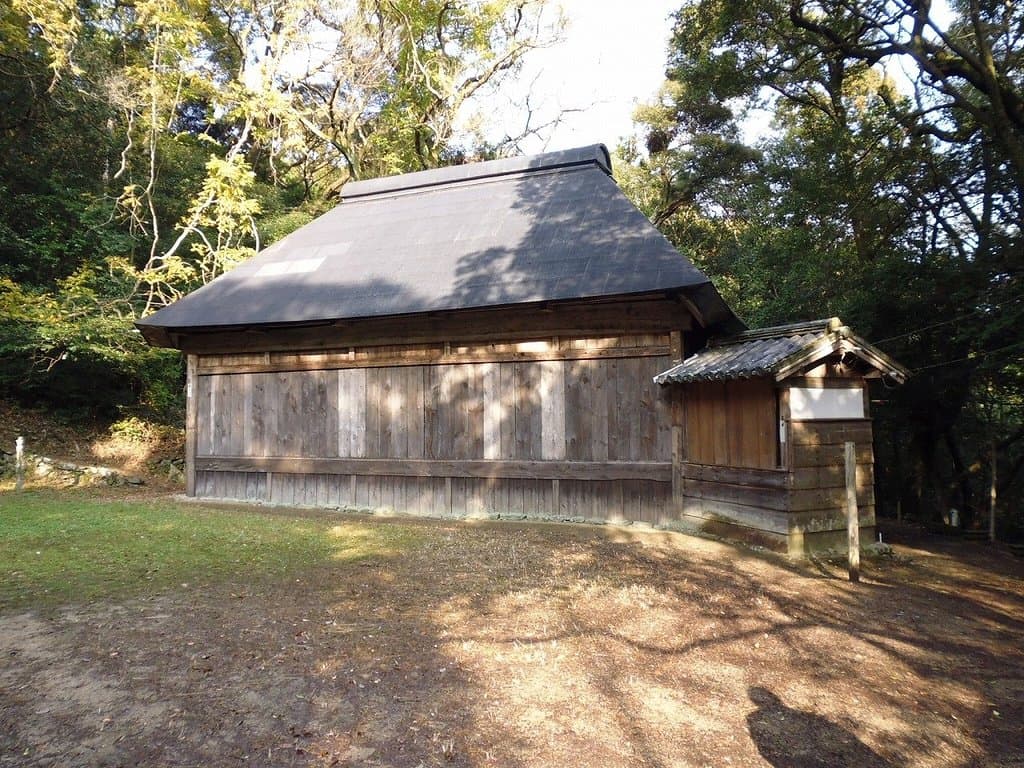
Bando Camp Site
Adjacent to the museum
Explore the actual grounds of the former WWI German POW camp, offering a tangible connection to the past.
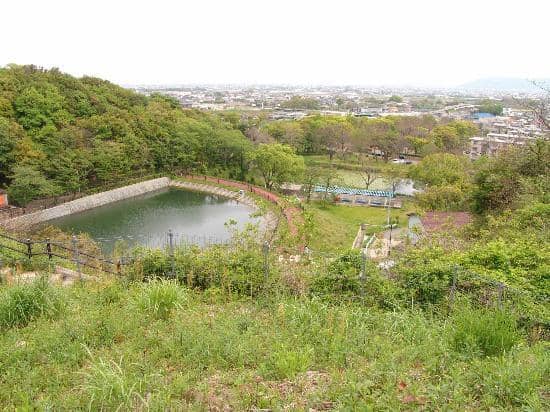
German Imports Gift Shop
Museum Entrance
Discover a selection of German treats like chocolates, pickles, and beer, perfect for a unique souvenir.
Plans like a pro.
Thinks like you
Planning Your Visit
Understand the History
Photography Restrictions
Best Times
Insider Tips
from TikTok, Instagram & Reddit
Translate Exhibits
Use a translation app for exhibits not in English. Many have Japanese & German text. :iphone:
No Photos Inside
Remember, photography is prohibited within the museum. Enjoy the exhibits visually. :camerawithflash:
Visit the Camp Site
Don't miss the adjacent Bando Camp grounds for a deeper historical connection. :world_map:
Try the Cafe
The cafe outside offers Japanese-German fusion dishes. Worth a taste! :coffee:
Tips
from all over the internet
Translate Exhibits
Use a translation app for exhibits not in English. Many have Japanese & German text. :iphone:
No Photos Inside
Remember, photography is prohibited within the museum. Enjoy the exhibits visually. :camerawithflash:
Visit the Camp Site
Don't miss the adjacent Bando Camp grounds for a deeper historical connection. :world_map:
Try the Cafe
The cafe outside offers Japanese-German fusion dishes. Worth a taste! :coffee:
What Travellers Say
Reviews Summary
Visitors find the Naruto German House to be an interesting and unique historical site, particularly for its focus on the humane treatment of WWI German POWs and cultural exchange. The adjacent camp grounds and the German import gift shop are often highlighted as positives. However, the limited English descriptions in many exhibits and the somewhat kitschy animatronic performance are noted drawbacks for some.
"The lack of an acutal testimony from a then-prisoner-of-war, excessive uses of words like "wonderful", exaggerated and comical acting in the holograms depicting daily lives at the prison as well as a in a supposed dialogue between the chief manging offcer and his subordinate etc, bring questions about its authenticy and the level of seriousness of the museum. They fail to provide visitors with a proof of objectivity, neither with explanation about how and how many prisoners died during the period that lasted longer than 4 years. (There is a monument nearby for those soldiers)"
Air Sair
"If you are interested in learning about German POW experience in Japan during WW I this is the place. Just a few minutes walk from the museum is the actual location of the Bando camp."
Mark Korver
"A lesser-known tourist spot (I assume) - this museum showed the history of how the German prisoners in WWI stayed in Japan - and were able to live harmoniously with the locals. Interesting piece of local history and really worthy to come here and have a look. There were parking lots just next to the museum."
Roy Chan
What People Like
What People Dislike
Frequently Asked Questions
🚇 🗺️ Getting There
The Naruto German House is accessible by car, with parking available nearby. Public transport options might require transfers, so checking local bus routes is recommended.
Yes, there are parking lots available just next to the museum, making it convenient for visitors arriving by car.
While specific station details can vary, it's generally recommended to check local transit maps for the closest station and then plan your onward journey via bus or taxi.
🎫 🎫 Tickets & Entry
Opening hours can vary, so it's best to check the official website or local listings before your visit to avoid disappointment.
Admission fees are typically reasonable for this historical site. Check official sources for the most current pricing information.
Advance ticket purchase might be an option, especially during peak seasons. It's advisable to check the museum's official website for booking details.
The museum offers historical insights that might be more engaging for older children and adults. Younger children might find some exhibits less captivating.
🎫 🧭 Onsite Experience
Some exhibits have English descriptions, but many are primarily in Japanese and German. A translation app can be very helpful.
It's a unique, if somewhat kitschy, performance featuring an all-male choir singing Beethoven's 9th Symphony. It was the first time this symphony was performed in Japan.
No, photography is strictly prohibited inside the museum exhibits. Please respect the rules. :camerawithflash:
It commemorates the humane treatment of German prisoners of war during WWI in Japan, highlighting cultural exchange and skills sharing.
The actual grounds of the Bando Camp are located just a few minutes' walk from the museum and are generally accessible for exploration.
🍽️ 🍽️ Food & Dining
Yes, there is a cafe located just outside the museum grounds that serves a mix of Japanese-German and Japanese dishes.
The cafe offers a fusion of Japanese and German flavors, with recommendations to try their unique offerings.
While the onsite cafe is convenient, exploring the surrounding Naruto area might reveal other local eateries and restaurants.
🎫 🛍️ Shopping
The gift shop features a variety of German imports, including chocolates, snacks, pickles, sauerkraut, salad dressing, and beer.
Yes, the German imports offer a unique souvenir experience, allowing you to take a taste of Germany home with you.
For Different Travelers
Tailored advice for your travel style
👨👩👧 Families with Kids
Tip for families: Prepare your children beforehand by explaining the historical context of WWI and POW camps. Bringing along a tablet with translation apps can help bridge the language gap for any curious young minds. The adjacent camp site also offers space for children to move around and imagine the past.
🏛️ History Buffs & Culture Enthusiasts
Key takeaway: This museum provides a nuanced look at how prisoners of war were treated and integrated into local society, showcasing a remarkable instance of harmony and mutual learning. The performance of Beethoven's 9th Symphony by the prisoners is a particularly noteworthy historical event to learn about.
✈️ Day-Trippers & Casual Visitors
Quick tip: Even if you don't delve deeply into every exhibit, appreciating the architecture and the story of cultural exchange can make for a worthwhile visit. Don't forget to check out the nearby Bando Camp grounds for a quick historical context.
Deep Dives
In-depth insights and expert knowledge
The Unique History of the Bando Camp
This period saw the prisoners contributing significantly to local culture. Notably, they performed Beethoven's 9th Symphony for the first time in Japan, a groundbreaking event that resonated deeply. Many prisoners also possessed trades and crafts, which they taught to the local residents, leading to a unique cultural exchange. The museum aims to preserve and showcase these experiences, offering a nuanced perspective on wartime interactions.
Visitors can explore exhibits detailing daily life, cultural contributions, and the overall atmosphere of the camp. The adjacent Bando Camp site allows for a more direct connection to the historical location, providing a tangible link to the past. While some exhibits may have limited English descriptions, the overall narrative of peaceful coexistence and cultural enrichment is palpable.
Navigating the Exhibits and Language
A common point of feedback is the language barrier. While some displays are translated into English, the majority are in Japanese and German. This can make it challenging for non-German or non-Japanese speakers to fully grasp the depth of information presented. Bringing a translation app or a knowledgeable companion can significantly enhance the visitor experience.
Despite the language limitations, the museum provides a fascinating glimpse into a lesser-known aspect of history. The focus on humane treatment and cultural exchange sets it apart, offering a more positive and constructive narrative than typically associated with POW camps.
Social
from TikTok, Instagram & Reddit