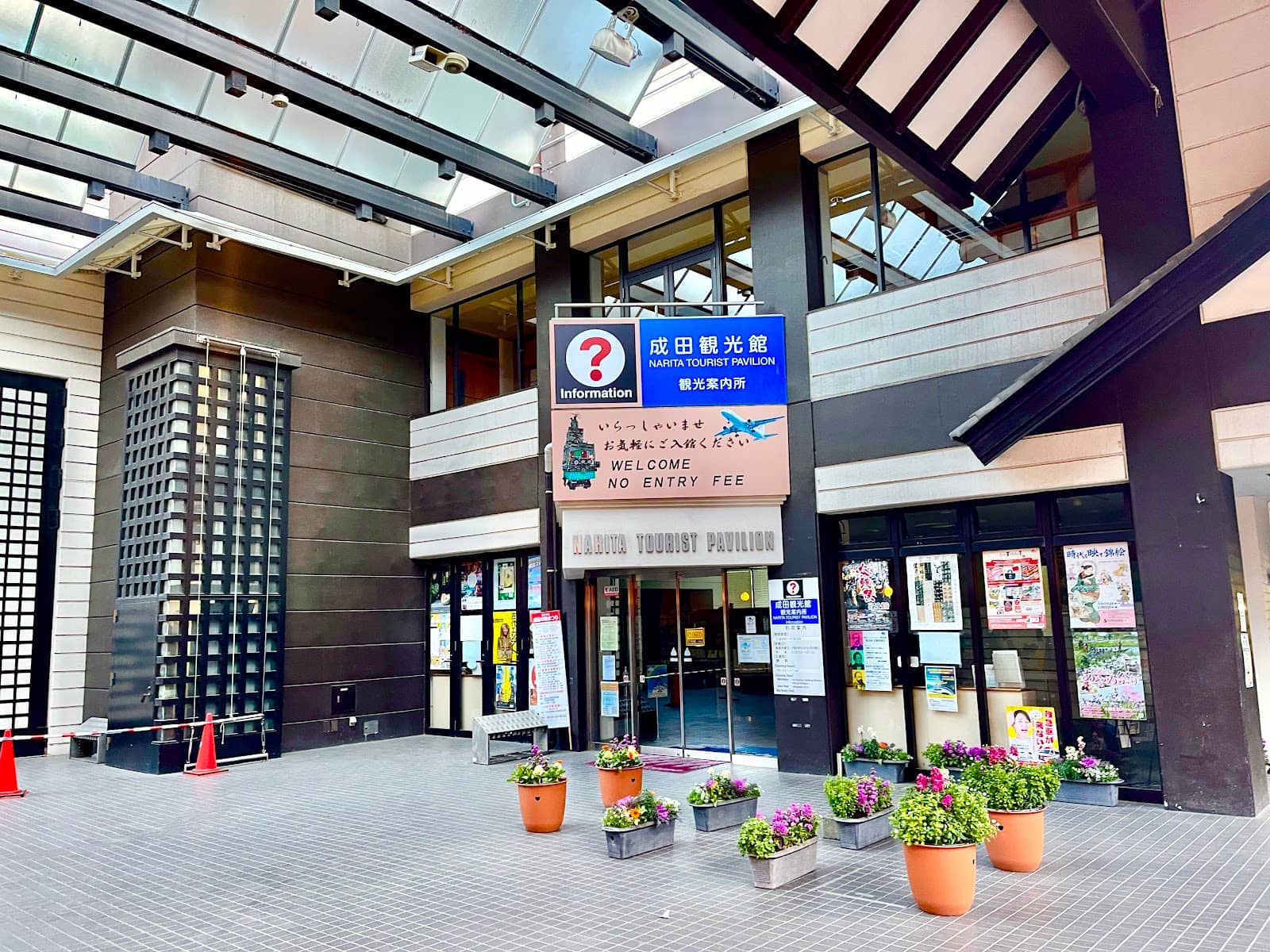
Narita Kankokan Tourist Pavilion
Discover free Japanese cultural workshops, historical exhibits, and festival float displays in this charming pavilion near Narita Airport.
Highlights
Must-see attractions

Social
From TikTok & Reddit
Best Time
Free cultural activities start
Narita Kankokan Tourist Pavilion
Best Time
Free cultural activities start
Highlights
Must-see attractions
Discover free Japanese cultural workshops, historical exhibits, and festival float displays in this charming pavilion near Narita Airport.
"It's all free, I couldn't believe that with the quality of the activities!"
🎯 Free Cultural Fun!
Participate in free calligraphy, kimono dressing, and tea ceremonies. Staff are helpful and speak English! :performing_arts:
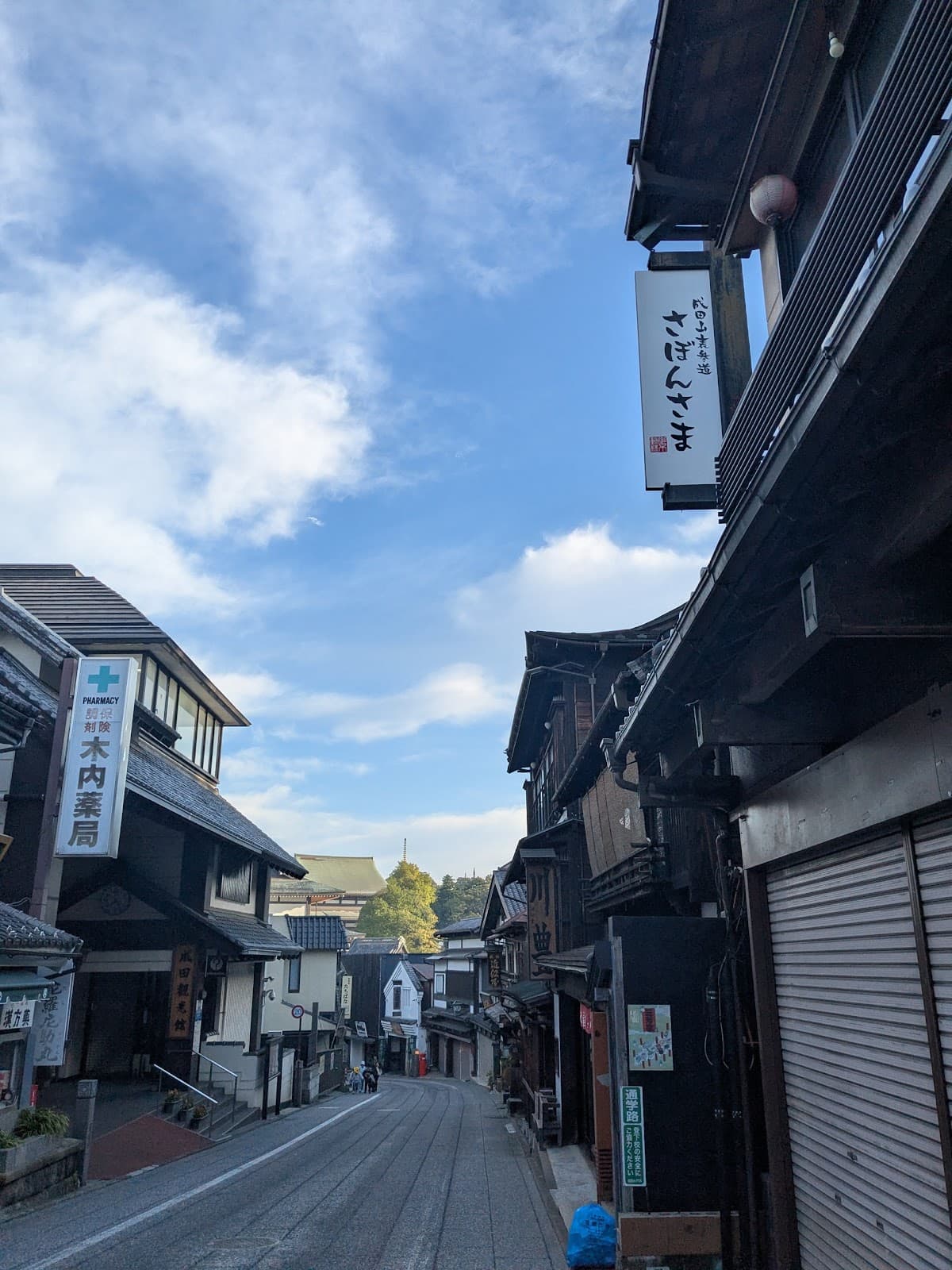
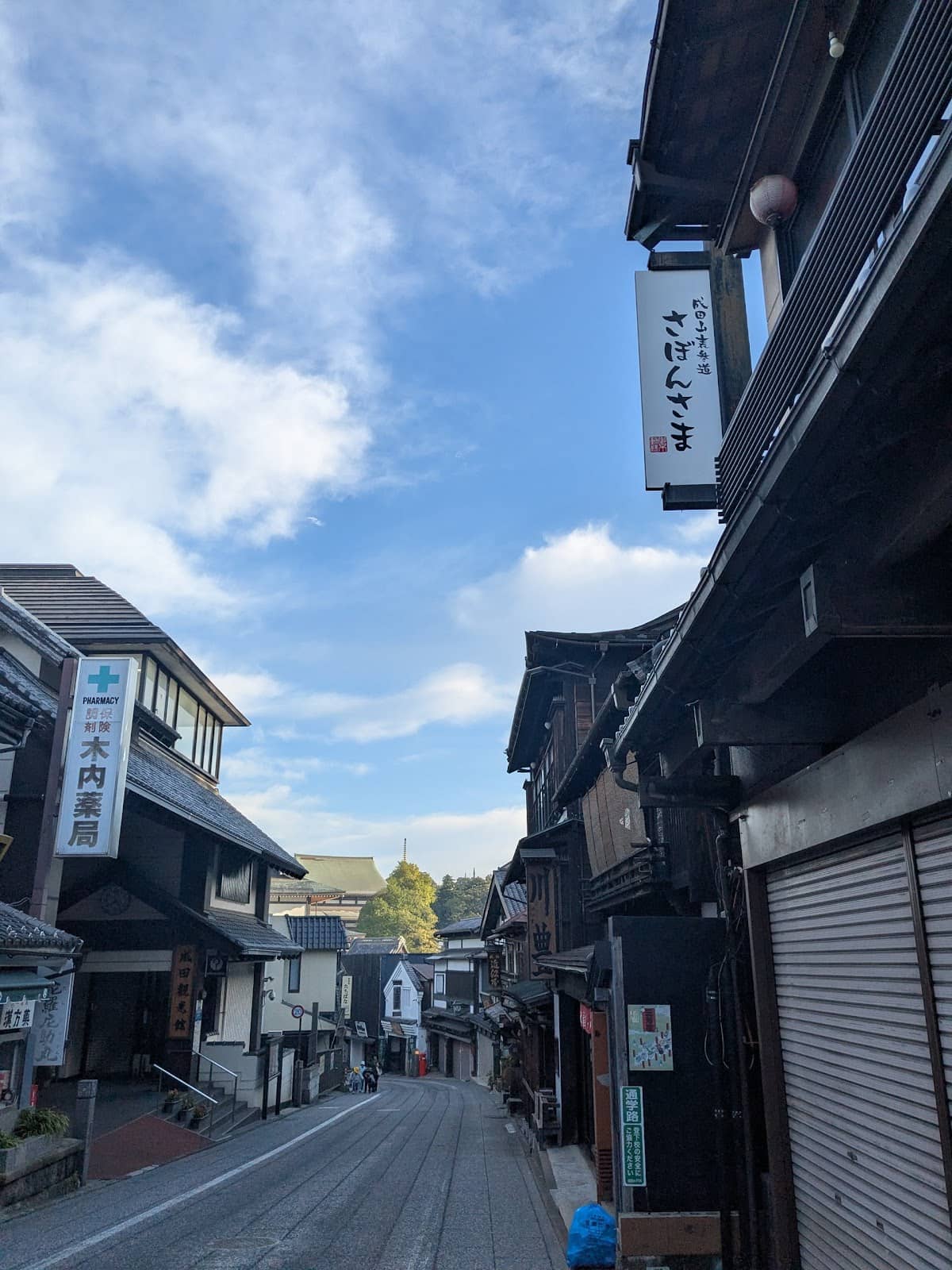
🚶♂️ Explore the Old Road
After your visit, stroll down the charming Naritasan Omotesando for a taste of Edo-period atmosphere. :walking:
Highlights
Discover the most iconic attractions and experiences
Cultural Workshops
Upper Floors
Engage in free, hands-on activities like calligraphy, kimono dressing, and tea ceremonies. A truly immersive experience!
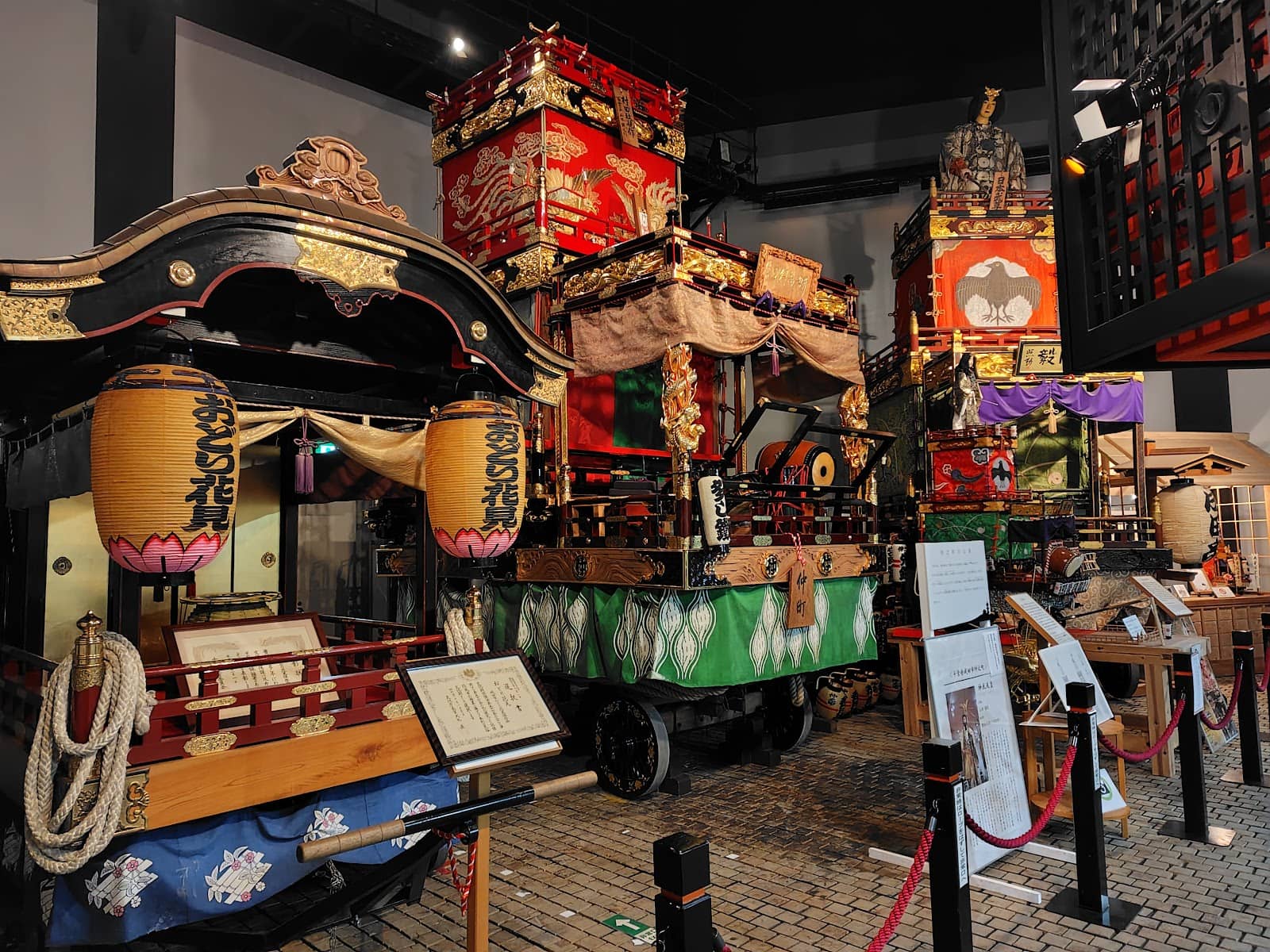
Festival Floats & Old City Exhibits
Exhibition Halls
Marvel at impressive displays of floats from Narita's major festival and explore exhibits showcasing the old city's history.
Traditional Wedding Kimono
Exhibition Halls
See a stunning traditional wedding kimono, offering a glimpse into historical Japanese matrimonial customs.
Plans like a pro.
Thinks like you
Planning Your Visit
Free Cultural Activities
Timing is Key
Best Times
Insider Tips
from TikTok, Instagram & Reddit
🎯 Free Cultural Fun!
Participate in free calligraphy, kimono dressing, and tea ceremonies. Staff are helpful and speak English! :performing_arts:
🚶♂️ Explore the Old Road
After your visit, stroll down the charming Naritasan Omotesando for a taste of Edo-period atmosphere. :walking:
🍜 Nearby Eats
Don't miss trying Unagi (eel) at Kawatoyo restaurant, a popular spot just across the street. :ramen:
📜 Take Home a Souvenir
You can often leave with your calligraphy attempt or a handmade paper doll! :gift:
Tips
from all over the internet
🎯 Free Cultural Fun!
Participate in free calligraphy, kimono dressing, and tea ceremonies. Staff are helpful and speak English! :performing_arts:
🚶♂️ Explore the Old Road
After your visit, stroll down the charming Naritasan Omotesando for a taste of Edo-period atmosphere. :walking:
🍜 Nearby Eats
Don't miss trying Unagi (eel) at Kawatoyo restaurant, a popular spot just across the street. :ramen:
📜 Take Home a Souvenir
You can often leave with your calligraphy attempt or a handmade paper doll! :gift:
What Travellers Say
Reviews Summary
Visitors rave about the free, high-quality cultural activities like calligraphy and tea ceremonies, praising the helpful, English-speaking staff. The historical exhibits and proximity to Naritasan Omotesando are also highlights, making it a worthwhile stop for an authentic Japanese experience.
"We went there on a rainy day and it was awesome!
At 1pm, the Narita World Heritage UNESCO branch organize activities on the upper floors :
- making kimono-clad paper dolls
- trying you hand at japanese calligraphy
- ikebana : flower arrangement with fresh seasonal flowers and plants
- traditional tea ceremony
- listening to and trying to play Koto (traditional japanese harp kind of instrument)
The ladies and gentlemen organizing, teaching and helping you with the activities are really nice, patient and overall a joy to be around. They speak English as well! I can't thank them enough for a great afternoon! So thank you again!!!
And guess what? It's all free, I couldn't believe that with the quality of the activities, the fact that you leave with your doll, calligraphy attempt, calligraphy by one of the gentlemen there and that you had tea and sweets, it was free. I would have happily paid for the whole package!
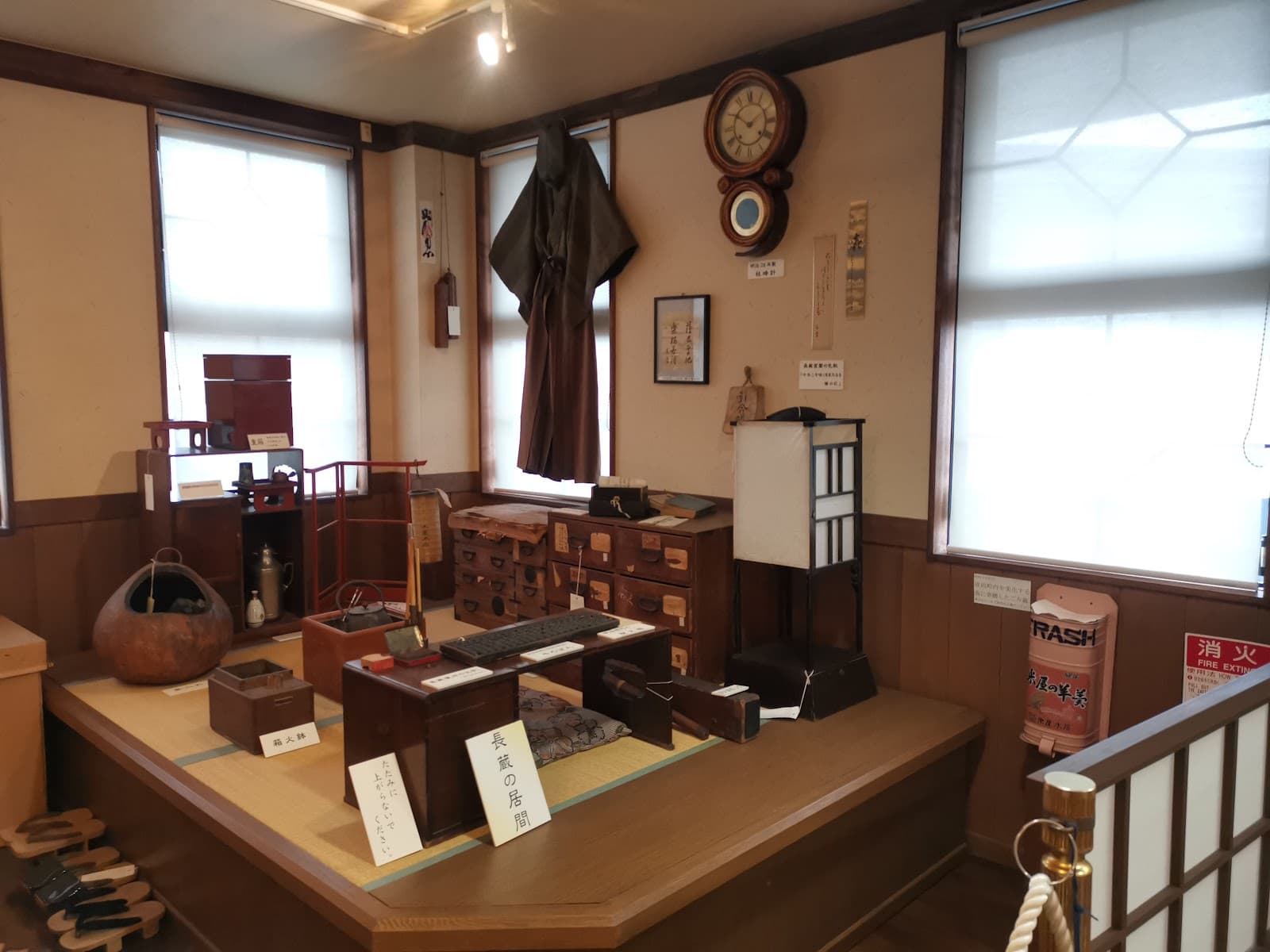
You can also see a traditional wedding kimono and the Pavillon exhibition halls if you like history."
Maeva Eprinchard
"Staff is extremely helpful and speak very good English. We had the opportunity to take part in various cultural activities for free as well, such as calligraphy and kimono dressing."
Kurt Daninger
"Only pass through it, if u have time after then go for a walk after 川豐Eel (opposite side)"
張飛
What People Like
What People Dislike
Frequently Asked Questions
🚇 🗺️ Getting There
The Tourist Pavilion is conveniently located near Narita Airport. You can take a short 15-minute train ride to Naritasan Omotesando, which is a short walk from the pavilion. Some travelers also mention transit tours that include visits to Naritasan and the temple area.
Yes, it's quite accessible. It's a 15-minute train ride from Narita Airport to the Naritasan Omotesando area, making it a convenient stop before or after your flight.
Several options exist, including the Narita Express (N'EX) for major city hubs, Keisei Skyliner, and budget-friendly buses that can cost around 1,300 yen and take about an hour to Tokyo Station. +3 Pre-booking transfers is often recommended.
+1
Yes, public transport is the primary way to reach the pavilion. Trains from Narita Airport to Naritasan Omotesando are frequent and efficient.
Some transit tours from Narita Airport include visits to Naritasan and the temple area, which is in close proximity to the pavilion. These tours are often described as delightful and provide a wonderful experience.
🎫 🎫 Tickets & Entry
Entry to the pavilion itself and its exhibition halls is generally free. The real draw are the free cultural activities offered in the afternoons.
Yes, all the cultural activities, such as making paper dolls, calligraphy, ikebana, tea ceremony, and trying the Koto, are completely free of charge.
While specific hours for the pavilion aren't always detailed, the free cultural activities typically start around 1 PM. It's best to check locally or on arrival for the exact schedule.
The exhibition halls, featuring historical displays and festival floats, are usually accessible without an additional admission fee.
The cultural activities are usually on a first-come, first-served basis, so arriving earlier in the afternoon is recommended to secure a spot.
🎫 🏛️ Onsite Experience
You can participate in making kimono-clad paper dolls, trying Japanese calligraphy, ikebana (flower arrangement), traditional tea ceremonies, and even playing the Koto.
The staff are consistently praised for being extremely helpful, nice, patient, and a joy to be around. They also speak very good English.
The pavilion features exhibition halls showcasing the history of the old city and impressive displays of floats from Narita's major festival.
Yes, one of the popular free activities is trying on a traditional wedding kimono, offering a unique photo opportunity.
Naritasan Omotesando is a charming street that retains its Edo-period atmosphere, lined with restaurants and stores, offering a pleasant walk after visiting the pavilion.
🍽️ 🍜 Food & Dining
A highly recommended spot is Kawatoyo, located directly opposite the pavilion, famous for its delicious Unagi (eel) dishes.
While the pavilion focuses on cultural activities and exhibits, the adjacent Naritasan Omotesando street offers numerous restaurants and eateries.
Unagi (eel) is a local specialty, with restaurants like Kawatoyo being very popular. You can also find various traditional Japanese dishes along Omotesando.
During the tea ceremony activity, you'll typically be served tea and sweets as part of the experience.
While some restaurants on Omotesando can be mid-range, exploring the side streets might reveal more budget-friendly options. The free activities at the pavilion help save money.
📸 📸 Photography
Photography is generally allowed in the exhibition halls, but it's always good practice to check for any specific signage or ask staff if you're unsure, especially during cultural activities.
Key photo spots include the impressive festival floats, the traditional wedding kimono, and during the cultural activities like calligraphy or kimono dressing.
Yes, the charming street with its traditional architecture and shops offers many picturesque opportunities, especially if you enjoy street photography.
While you can likely capture the ambiance, it's respectful to be discreet during the tea ceremony itself. Focus on capturing the setup and your experience rather than intrusive shots of others.
Naritasan Shinshoji Temple, a short walk from the pavilion, is a very photogenic location with its impressive pagoda and main halls.
For Different Travelers
Tailored advice for your travel style
👨👩👧 Families with Kids
While the pavilion itself is engaging, consider extending your visit to Naritasan Omotesando for a pleasant stroll and perhaps some local snacks. The nearby Naritasan Shinshoji Temple also offers impressive sights that can capture a child's imagination with its grand structures. It's a great way to break up travel time and offer a memorable cultural experience before or after a flight.
✈️ Travelers with Layovers
Many travelers find this area ideal for a few hours of exploration. You can enjoy a traditional meal on Omotesando, perhaps some delicious Unagi, and then immerse yourself in the historical displays or participate in a quick calligraphy session.
💰 Budget Travelers
Beyond the pavilion, exploring Naritasan Omotesando can also be budget-friendly. While some restaurants might be mid-range, you can find more affordable eateries or simply enjoy the atmosphere.
Deep Dives
In-depth insights and expert knowledge
Immersive Cultural Activities
What makes these activities so special is the quality of instruction and the welcoming nature of the staff. They are described as incredibly nice, patient, and fluent in English, ensuring everyone feels comfortable and can fully participate. The fact that these enriching experiences are entirely free is astonishing, with many visitors expressing their willingness to pay for such a high-caliber cultural immersion.
Beyond the workshops, the pavilion also houses exhibition halls that delve into the history of Narita. You can admire displays of festival floats that are central to local celebrations and explore exhibits detailing the old city layout and its evolution. A particularly striking exhibit is the traditional wedding kimono, offering a glimpse into historical matrimonial customs. These exhibits provide valuable context and a deeper understanding of Narita's cultural significance.
Exploring Naritasan Omotesando
One of the most celebrated culinary experiences on Omotesando is Kawatoyo, a restaurant renowned for its exquisite Unagi (eel) dishes. Many visitors highly recommend it, making it a must-try for food enthusiasts.
Adjacent to Omotesando is the magnificent Naritasan Shinshoji Temple, one of Japan's most famous and historically significant temples.



Social
from TikTok, Instagram & Reddit