
Ensho-no-Yakata Nitrate Museum
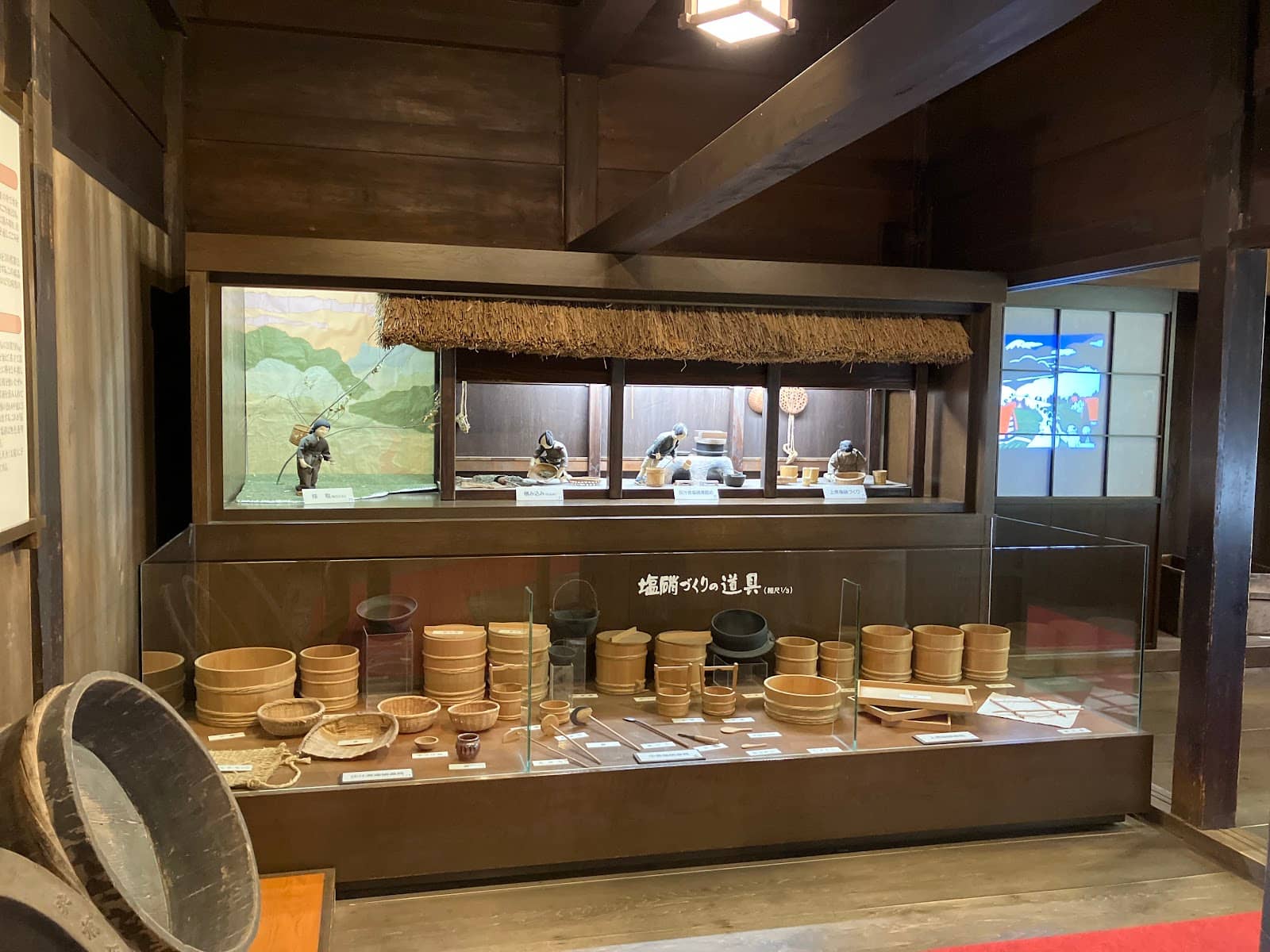
Discover Gokayama's hidden history at the Nitrate Museum, showcasing saltpeter production tools and matchlock guns.
Highlights
Must-see attractions

Social
From TikTok & Reddit
Best Time
Fewer crowds, more personal attention
Ensho-no-Yakata Nitrate Museum
Best Time
Fewer crowds, more personal attention
Highlights
Must-see attractions
Discover Gokayama's hidden history at the Nitrate Museum, showcasing saltpeter production tools and matchlock guns.
"Staff give detailed explanations of saltpeter making, making this small museum very satisfying."

🎟️ Combo Ticket Value
Opt for the combination ticket with the folk museum for a more comprehensive experience at ¥300.
👟 Shoe Removal
Be prepared to remove shoes. It might be tricky in winter with boots, as there's limited seating.
Highlights
Discover the most iconic attractions and experiences
Saltpeter Production Tools
See the actual tools used in the intricate process of making saltpeter, the essential ingredient for gunpowder.
Matchlock Guns
Discover historical matchlock guns, showcasing the end product of the saltpeter industry.

Historical Explanations
Engage with detailed explanations from staff about saltpeter and glass making, enriching your understanding.
Plans like a pro.
Thinks like you
Planning Your Visit
Understand the Focus
Timing Your Visit
Best Times
Insider Tips
from TikTok, Instagram & Reddit
🎟️ Combo Ticket Value
Opt for the combination ticket with the folk museum for a more comprehensive experience at ¥300.
👟 Shoe Removal
Be prepared to remove shoes. It might be tricky in winter with boots, as there's limited seating.
⏱️ Quick Visit
This is a small museum; a quick look around takes about 10 minutes.
💡 Staff Insights
Don't hesitate to ask staff for detailed explanations; they are very informative.
Tips
from all over the internet
🎟️ Combo Ticket Value
Opt for the combination ticket with the folk museum for a more comprehensive experience at ¥300.
👟 Shoe Removal
Be prepared to remove shoes. It might be tricky in winter with boots, as there's limited seating.
⏱️ Quick Visit
This is a small museum; a quick look around takes about 10 minutes.
💡 Staff Insights
Don't hesitate to ask staff for detailed explanations; they are very informative.
What Travellers Say
Reviews Summary
Visitors find the Ensho-no-Yakata Nitrate Museum to be a small but informative stop, particularly valuable for understanding Gokayama's historical saltpeter industry. The detailed explanations from staff are a highlight, though some find the interiors of multiple traditional houses can feel repetitive if visited consecutively.
"October 7, 2025 - I traveled from Shirakawa-go to Gokayama and looked at the interiors of several buildings, but they all looked the same so I got a little bored of looking around.
This area seems to have been a sericulture and nitrate production area.
I didn't go inside, but if you're interested in nitrate, it might be worth stopping by."
初老ドライバー
"I never thought it would take so much time and effort to make saltpeter.
You take off your shoes when you go into the house, but there is only one chair, so it might be a bit difficult to take off and put on shoes in winter (boots, etc.)..."
ミツバみつば
"You can see tools used to make saltpeter and matchlock guns,
and learn about the production of saltpeter, the raw material for gunpowder.
The staff gave us a detailed explanation of how saltpeter is made, which was very satisfying."
流離旅人
What People Like
What People Dislike
Frequently Asked Questions
🚇 🗺️ Getting There
The museum is located in the Gokayama region. It's often visited as part of a tour of the traditional Gassho-zukuri villages. Public transport options might be limited, so consider local buses or taxis from nearby towns like Takaoka or Kanazawa.
Information on specific parking availability directly at the museum is scarce. It's advisable to check for public parking areas within the Gokayama village complex, especially if arriving by car.
🎫 🎫 Tickets & Entry
The admission fee is ¥210. A combination ticket with the folk museum is available for ¥300, which is highly recommended for a more complete understanding of the area's history.
The primary value is the combination ticket with the folk museum. Check with local tourist information centers for any regional passes that might include entry.
Specific opening hours can vary seasonally. It's best to check the official Gokayama tourism website or contact local information centers for the most up-to-date hours before your visit.
🎫 🧭 Onsite Experience
You can learn about Gokayama's historical industry of saltpeter production, the raw material for gunpowder. The museum displays tools used in this process and historical matchlock guns.
The museum offers a historical perspective that might be interesting for older children. The displays of tools and guns could capture their attention, but the focus is on historical industry.
The museum is quite small. A quick visit typically takes around 10 minutes to see the exhibits and read the information.
Yes, you need to remove your shoes before entering the building. Be mindful that seating for putting on/taking off shoes might be limited, especially in colder weather.
🍽️ 🍽️ Food & Dining
The museum itself is a historical building focused on exhibits and does not typically have food or dining facilities. You'll need to find dining options in the surrounding Gokayama village area.
Gokayama village offers traditional Japanese restaurants and minshuku (guesthouses) that often serve local cuisine. Look for places serving regional specialties like soba noodles.
📸 📸 Photography
Photography policies can vary. It's generally recommended to check for signage at the entrance or ask staff if photos are permitted, especially without flash, to protect the historical artifacts.
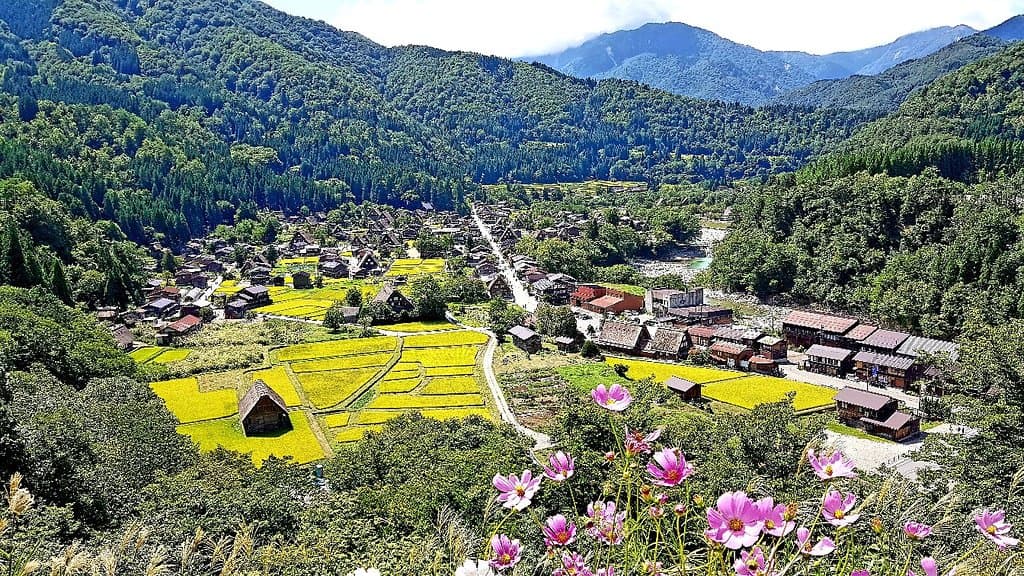
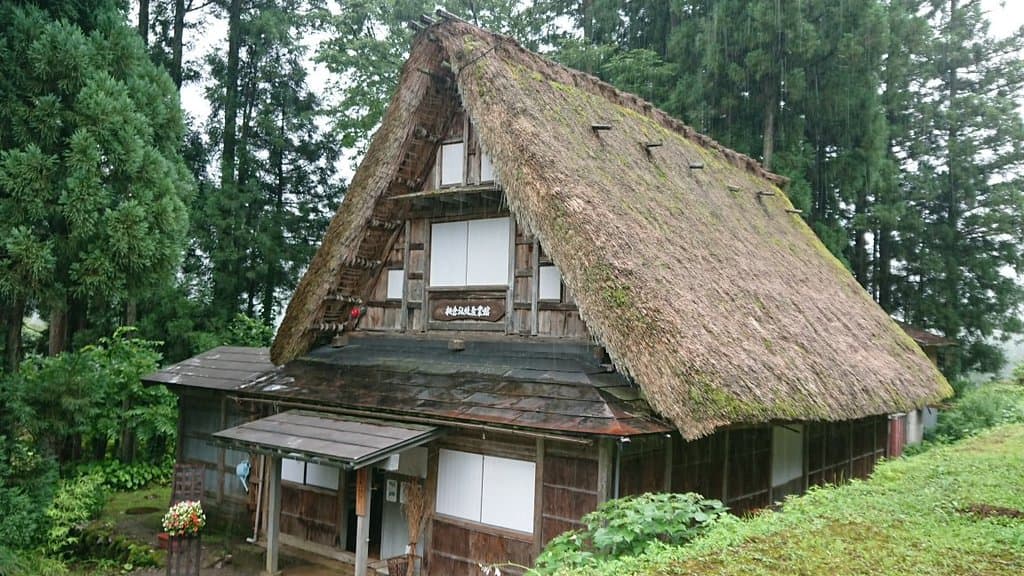
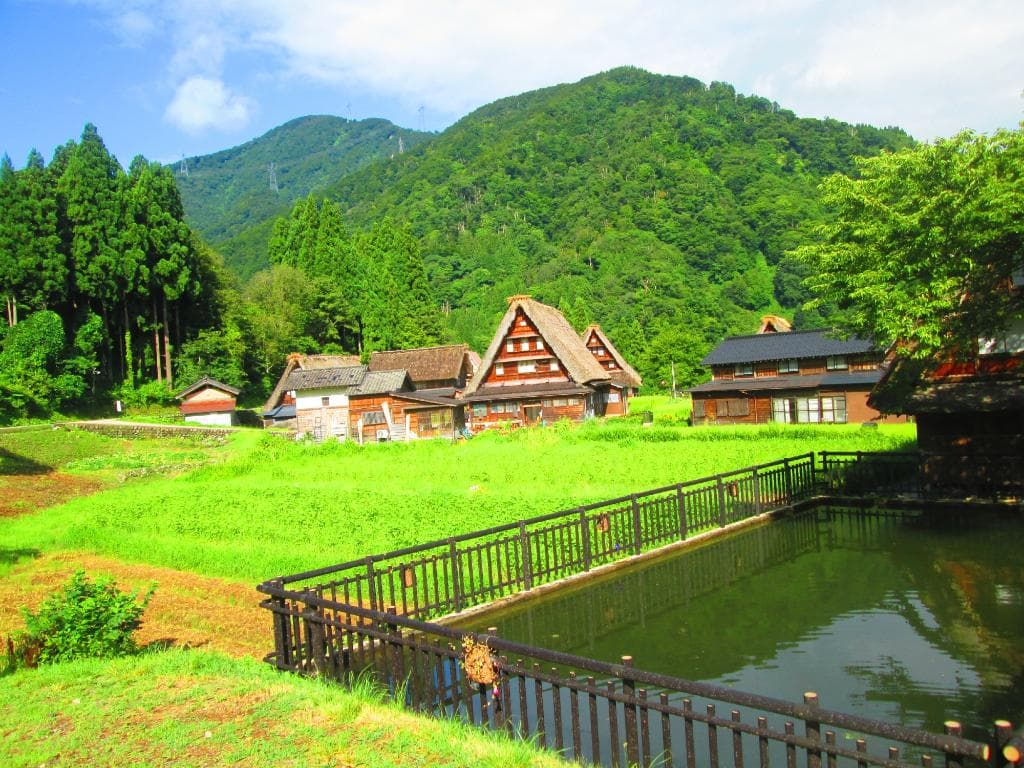
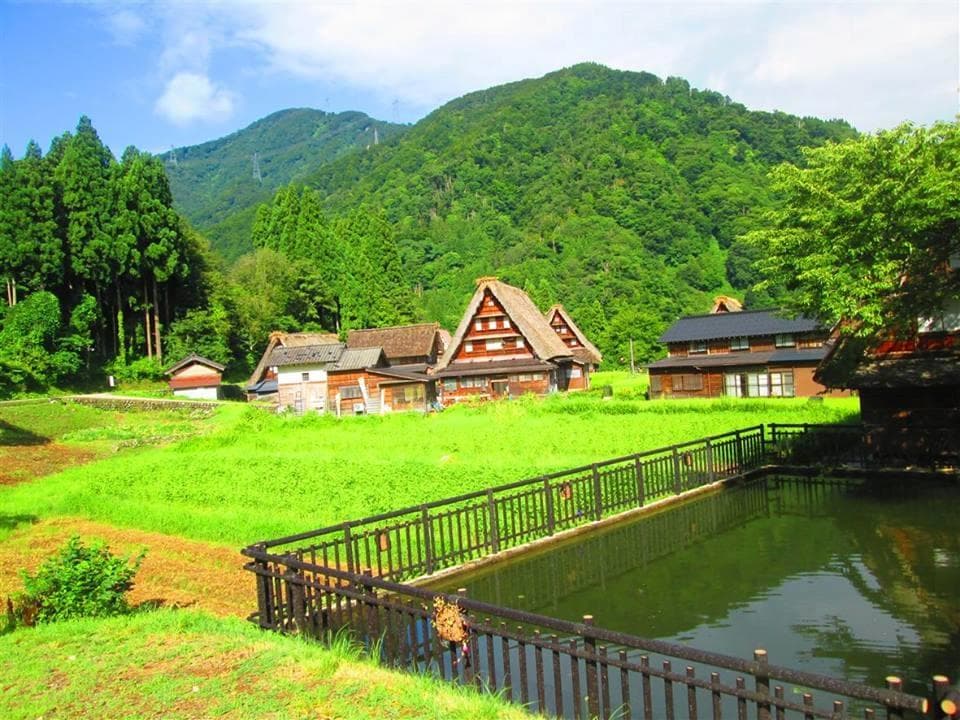
The surrounding Gokayama village, with its traditional Gassho-zukuri houses, offers excellent photographic opportunities. The museum itself is part of this historic landscape.
For Different Travelers
Tailored advice for your travel style
👨👩👧 Families with Kids
🚶 Budget Travelers
Deep Dives
In-depth insights and expert knowledge
The History of Saltpeter in Gokayama
The process of extracting saltpeter from soil and animal waste was labor-intensive and required specific knowledge. The museum showcases the tools and techniques employed by local artisans, offering a tangible connection to the hard work involved. Understanding this industry provides a deeper appreciation for the resourcefulness and ingenuity of the people who lived in this remote mountain region. It highlights how even seemingly simple villages contributed to broader historical developments.
Visitors often express surprise at the complexity and effort required for saltpeter production. The museum's detailed explanations, often provided by knowledgeable staff, bring this history to life. It's a reminder that historical sites are not just about architecture but also about the industries and livelihoods that shaped them. The inclusion of historical matchlock guns further illustrates the direct application of the saltpeter produced in Gokayama.
Visiting the Ensho-no-Yakata Nitrate Museum: Practicalities
A practical consideration for visitors is the requirement to remove shoes before entering the building. While common in Japanese traditional houses, the museum has limited seating, which can make this process a bit more challenging, especially during colder months when wearing boots. Planning for this, perhaps by wearing easily removable footwear, can make the transition smoother.
Despite its small scale, the museum is highly regarded for the quality of information provided. Staff members are often praised for their detailed explanations of saltpeter production and other historical aspects, such as glassmaking. This personal touch significantly enhances the visitor experience, turning a brief stop into an educational and satisfying encounter with local history.
Social
from TikTok, Instagram & Reddit