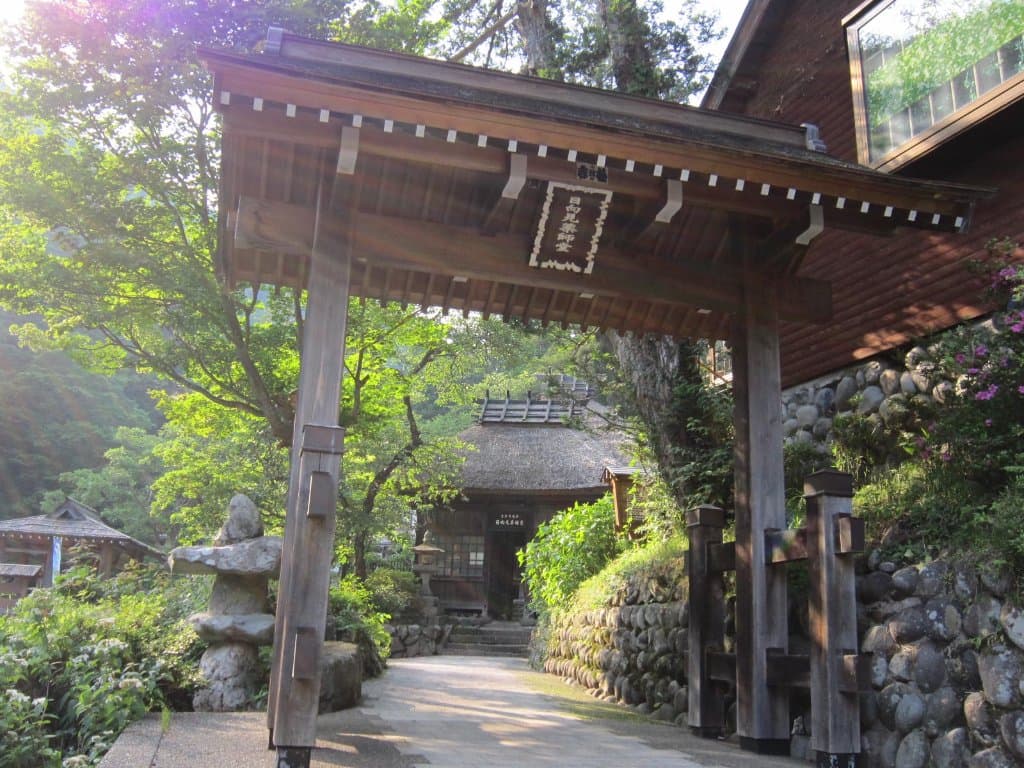
Hinatami Yakushido
An Important Cultural Property with a moss-covered thatched roof, linked to Shima Onsen's legendary healing hot springs.
Highlights
Must-see attractions

Social
From TikTok & Reddit
Best Time
Fewer crowds, peaceful atmosphere
Hinatami Yakushido
Best Time
Fewer crowds, peaceful atmosphere
Highlights
Must-see attractions
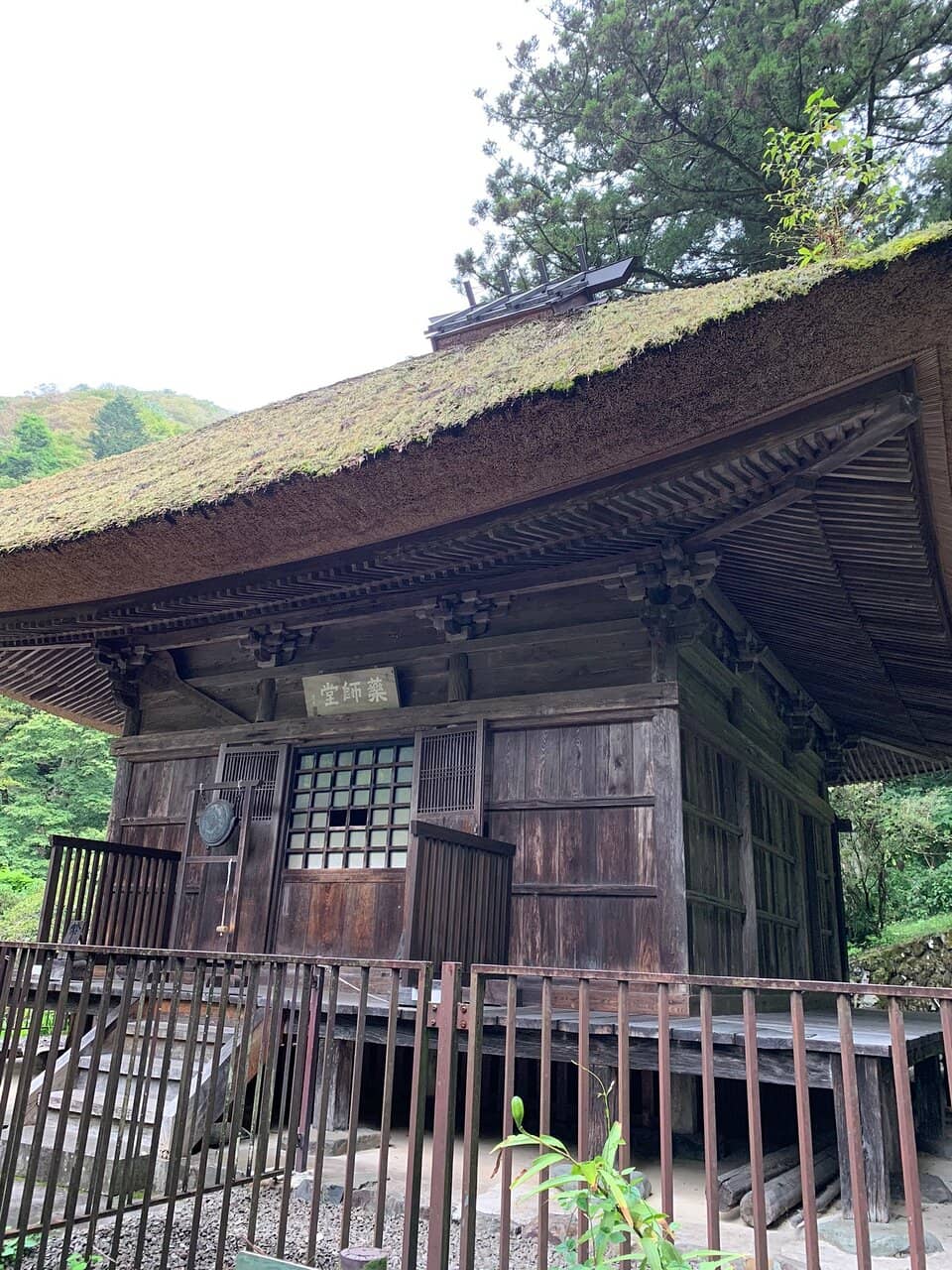
An Important Cultural Property with a moss-covered thatched roof, linked to Shima Onsen's legendary healing hot springs.
"The moss-covered roof evokes deep history, and the adjacent hot spring is legendary!"
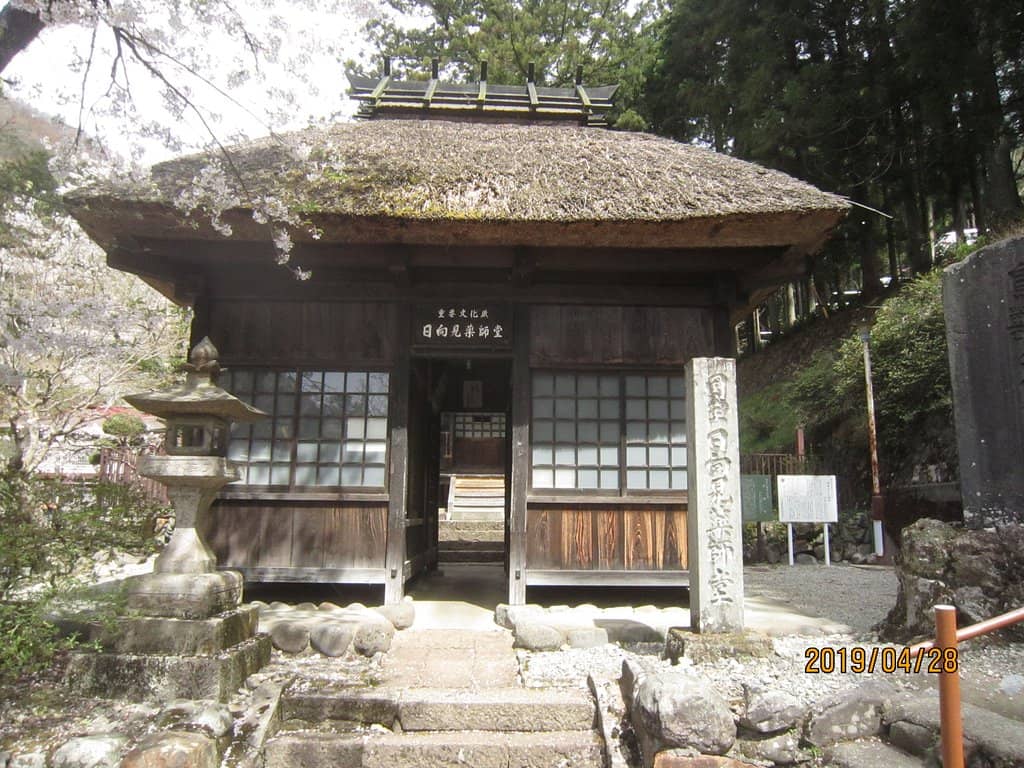
♨️ Test the Footbath First
The Omusou-no-Yu footbath is famously hot! Dip a toe first to gauge the temperature before fully immersing.
🚶♀️ Walk from Shima Onsen
It's a scenic 30-minute walk from the Shima Onsen bus stop, offering lovely views.
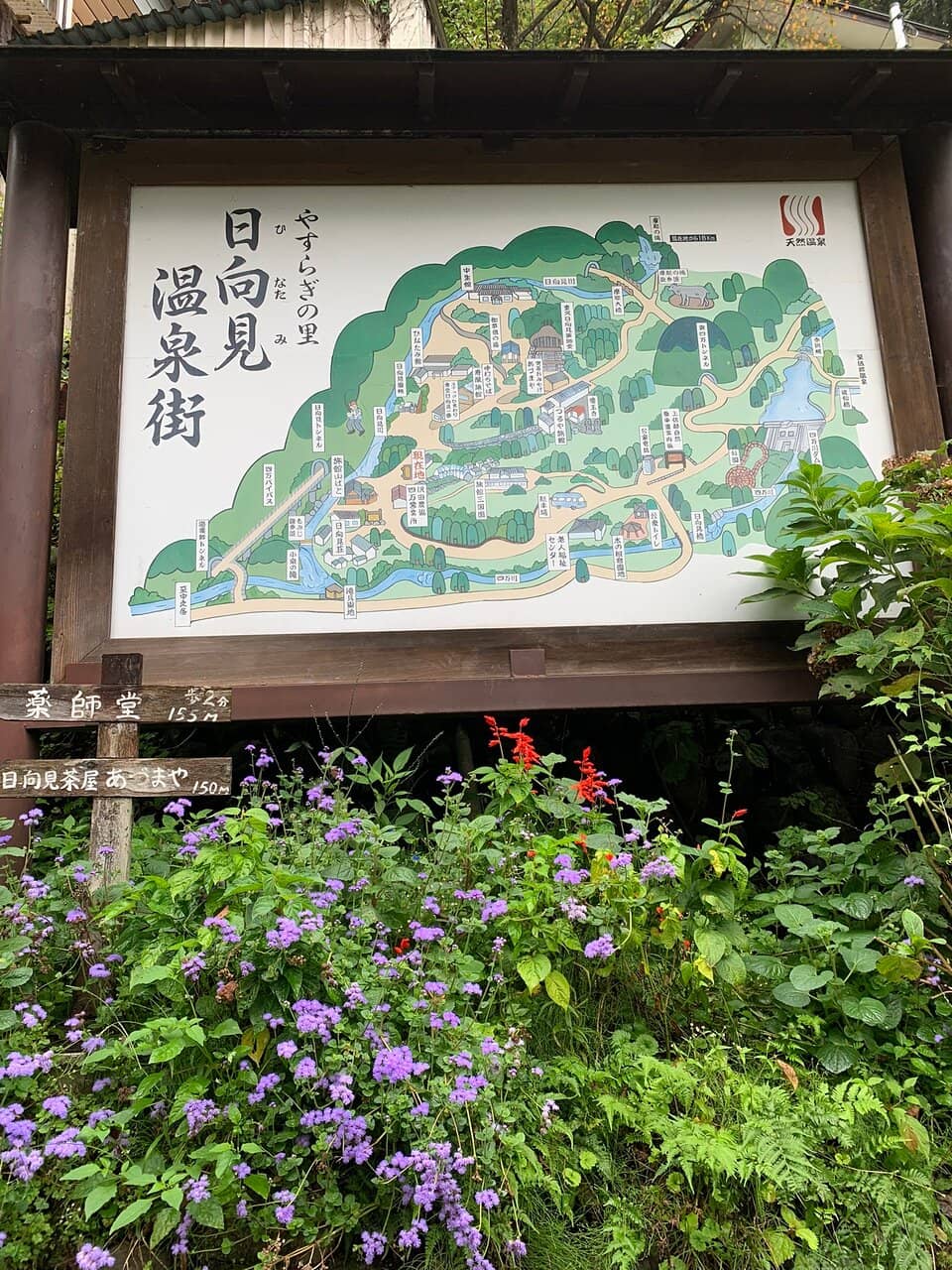
Highlights
Discover the most iconic attractions and experiences
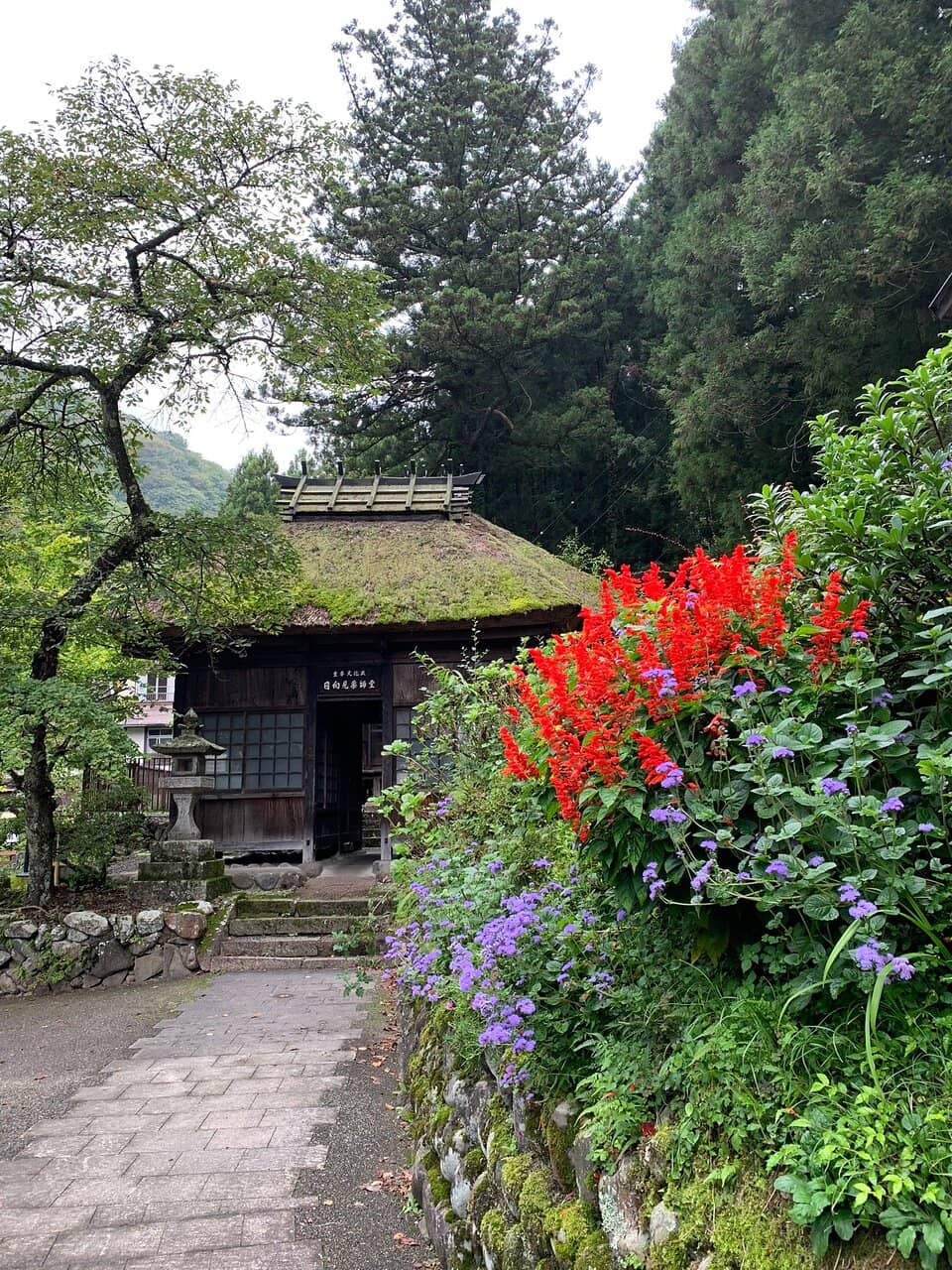
The Magnificent Thatched Roof
Hinatami Yakushido Hall
A stunning, moss-covered thatched roof evoking deep history and a sense of timelessness.
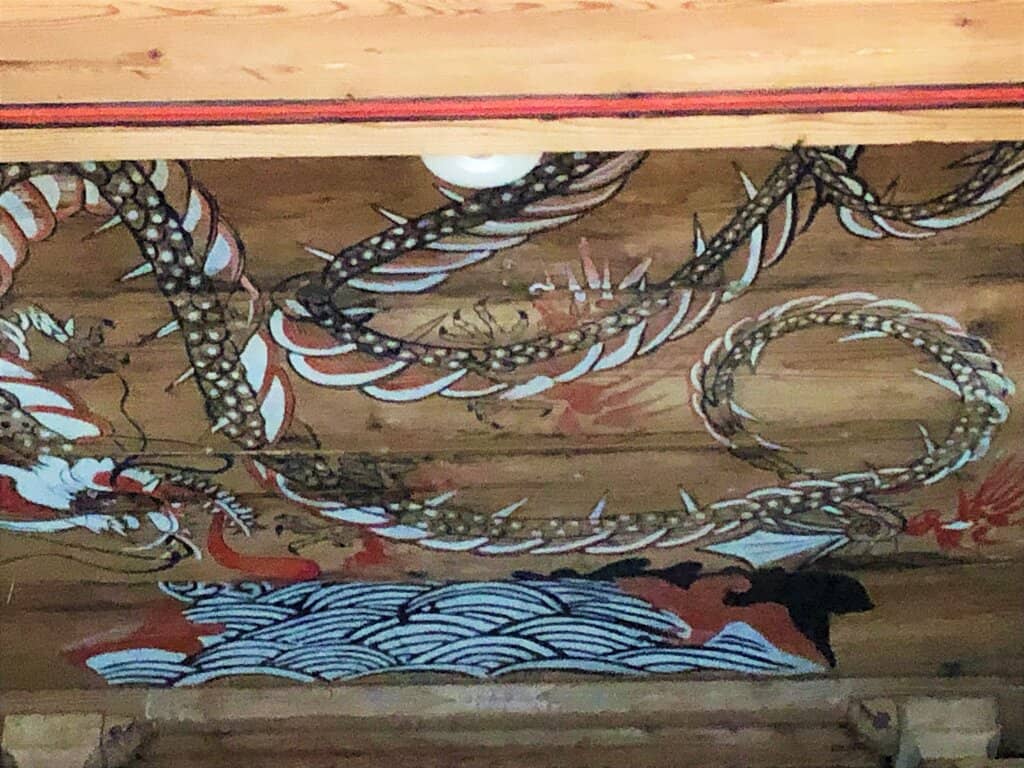
Dragon Ceiling Art
Hinatami Yakushido Hall
Intricate dragon painting on the ceiling, possibly inspired by centipedes, a symbol of Bishamonten.
Omusou-no-Yu Footbath
Next to Hinatami Yakushido
Soothe your feet in legendary hot spring waters, said to cure many ailments.
Plans like a pro.
Thinks like you
Planning Your Visit
Timing Your Visit for Tranquility
Embrace the Healing Waters
Best Times
Insider Tips
from TikTok, Instagram & Reddit
♨️ Test the Footbath First
The Omusou-no-Yu footbath is famously hot! Dip a toe first to gauge the temperature before fully immersing.
🚶♀️ Walk from Shima Onsen
It's a scenic 30-minute walk from the Shima Onsen bus stop, offering lovely views.
🕰️ Respect the History
This is a nationally designated Important Cultural Property. Please be respectful of the site.
🚗 Ample Parking Available
Despite the narrow approach, there's a surprisingly large parking lot for visitors.
Tips
from all over the internet
♨️ Test the Footbath First
The Omusou-no-Yu footbath is famously hot! Dip a toe first to gauge the temperature before fully immersing.
🚶♀️ Walk from Shima Onsen
It's a scenic 30-minute walk from the Shima Onsen bus stop, offering lovely views.
🕰️ Respect the History
This is a nationally designated Important Cultural Property. Please be respectful of the site.
🚗 Ample Parking Available
Despite the narrow approach, there's a surprisingly large parking lot for visitors.
What Travellers Say
Reviews Summary
Visitors are captivated by Hinatami Yakushido's historical significance, particularly its ancient, moss-covered thatched roof and the legendary Omusou-no-Yu hot spring. The dragon ceiling art adds a unique artistic touch. However, many note the extreme heat of the footbath, requiring caution.
"2.nov.2022"
PAIRUCH HANKITIWAT
"Apparently, the hot springs that originated in Shima bubble up beneath the hall. ♨️
The hall, built in the late Muromachi period, was designated a specially protected building (National Treasure) by the national government in 1912.
After the war, a legal change meant it became a nationally designated Important Cultural Property. ✨
The magnificent thatched roof is covered in lush moss, evoking a sense of history and nostalgia.
In the footbath next door, you can soothe your feet while immersing yourself in the history of Shima Onsen. 👣♪"
MAR!N
"The current hall is a nationally designated Important Cultural Property, built in 1598 (Keicho 3) to pray for the continued military success of the then lord, Sanada Nobuyuki (Nobuyuki). Since it was built in 1598, it seems more appropriate to date it to the Sengoku period rather than the Warring States period.
The dragon painted on the ceiling has multiple small legs, and one theory is that it was inspired by a centipede. Centipedes are messengers of Bishamonten, the war god, and were apparently favored by warlords as they are known for their unyielding devotion to only moving forward."
いいかもね
What People Like
What People Dislike
Frequently Asked Questions
🚇 🗺️ Getting There
Hinatami Yakushido is located in Shima Onsen. You can reach it by car, with a large parking lot available. Alternatively, it's about a 30-minute walk from the Shima Onsen bus stop, offering a pleasant stroll through the area.
Yes, you can take a bus to Shima Onsen and then enjoy a walk to the Yakushido. The walk is considered scenic by many visitors.
The most common way to reach Shima Onsen is by car or by taking a bus from major cities like Tokyo or Nagano. The journey offers scenic views as you approach the onsen town.
🎫 🎫 Tickets & Entry
Hinatami Yakushido is a historical site and generally accessible without an entrance fee. However, it's always a good idea to check for any specific event or maintenance closures.
As a historical building, there are typically no strict opening hours for viewing the exterior. However, for any interior access or specific prayer times, it's best to inquire locally or check official tourism websites.
The Omusou-no-Yu footbath is usually free to use for visitors, allowing you to experience the famous Shima Onsen waters.
While the exterior is always visible, interior access to the hall might be limited or only available during specific times or for special occasions. It's best to confirm locally.
🎫 🏞️ Onsite Experience
Hinatami Yakushido is an Important Cultural Property, famous for its magnificent moss-covered thatched roof and its historical connection to Shima Onsen's legendary hot springs. The dragon ceiling painting is also a notable feature.
Omusou-no-Yu is the legendary hot spring that gave birth to Shima Onsen. It's located next to Hinatami Yakushido and is known for its therapeutic properties, with a popular footbath available for visitors.
Yes, visitors frequently mention that the Omusou-no-Yu footbath is extremely hot, often too hot to comfortably immerse in immediately. It's advised to test the temperature carefully.
Built in 1598, the hall was originally constructed to pray for the military success of Sanada Nobuyuki. It's a testament to the Sengoku period and its connection to local legends about healing springs.
Yes, the Omusou-no-Yu footbath offers a place to relax and enjoy the hot spring waters after exploring the historical site.
📸 📸 Photography
The iconic moss-covered thatched roof is a must-capture. The surrounding natural beauty and the dragon ceiling inside (if accessible) also make for great shots. The footbath area offers a unique perspective too.
Photography rules can vary. While exterior shots are generally fine, it's best to check for any signage or ask locally about permission for interior photography.
Early mornings or late afternoons can offer softer light and fewer people, enhancing the serene atmosphere for photography. The golden hour can create beautiful lighting on the thatched roof.
For Different Travelers
Tailored advice for your travel style
👨👩👧 Families with Kids
While the walk from the bus stop is manageable, consider driving or parking nearby if younger children might tire easily. The site itself is not overly large, making it suitable for a shorter visit. The historical context can be simplified for younger audiences, focusing on the 'healing waters' and the 'dragon protector' to make the experience more relatable and exciting.
🧘♀️ Wellness Seekers
Beyond the physical benefits of the hot springs, the serene atmosphere of the historical site offers a spiritual and mental respite. The tranquil surroundings and the palpable sense of history contribute to a deeply calming experience. It's an ideal spot to disconnect from daily stresses and reconnect with nature and ancient traditions.
Deep Dives
In-depth insights and expert knowledge
The Legend of Shima Onsen and Hinatami Yakushido
The current hall, a nationally designated Important Cultural Property, was built in 1598 during the Keicho era. Its purpose was to pray for the continued military success of the feudal lord Sanada Nobuyuki. This historical context places the structure firmly within the Sengoku period, a time of significant conflict and strategic importance in Japanese history. The hall's simple yet beautiful architecture, combined with its legendary origins, makes it a compelling historical and spiritual destination.
Visitors can experience a tangible connection to this history at the adjacent Omusou-no-Yu footbath. While the temple itself is a marvel of architecture, the opportunity to soak in the very waters that inspired its creation adds a unique dimension to the visit. The moss-covered thatched roof, a striking visual element, further enhances the sense of age and natural integration, evoking a deep sense of nostalgia and tranquility.
Architectural Marvels and Symbolism
Inside the hall, a notable artistic element is the dragon painted on the ceiling. This dragon is unique in that it has multiple small legs, leading to a theory that it was inspired by a centipede. Centipedes are considered messengers of Bishamonten, the god of war, and were favored by warlords for their relentless forward momentum. This symbolism likely resonated with the hall's original purpose of praying for military success.
Social
from TikTok, Instagram & Reddit