Tsuboya Yachimun Street
Discover authentic Okinawan pottery on Tsuboya Yachimun Street, a charming lane filled with traditional workshops and unique ceramic art.
Highlights
Must-see attractions

Social
From TikTok & Reddit
Best Time
Most shops open
Tsuboya Yachimun Street
Best Time
Most shops open
Highlights
Must-see attractions
Discover authentic Okinawan pottery on Tsuboya Yachimun Street, a charming lane filled with traditional workshops and unique ceramic art.
"A charming street lined with pottery workshops and shops, offering a glimpse into traditional Okinawan culture."
🎯 Discover Unique Souvenirs
Find beautiful, handmade Yachimun pottery that's distinct from mass-produced souvenirs.
🚶♀️ Stroll and Soak in the Vibe
Enjoy a leisurely walk down the charming street, appreciating the traditional Okinawan atmosphere.
Highlights
Discover the most iconic attractions and experiences
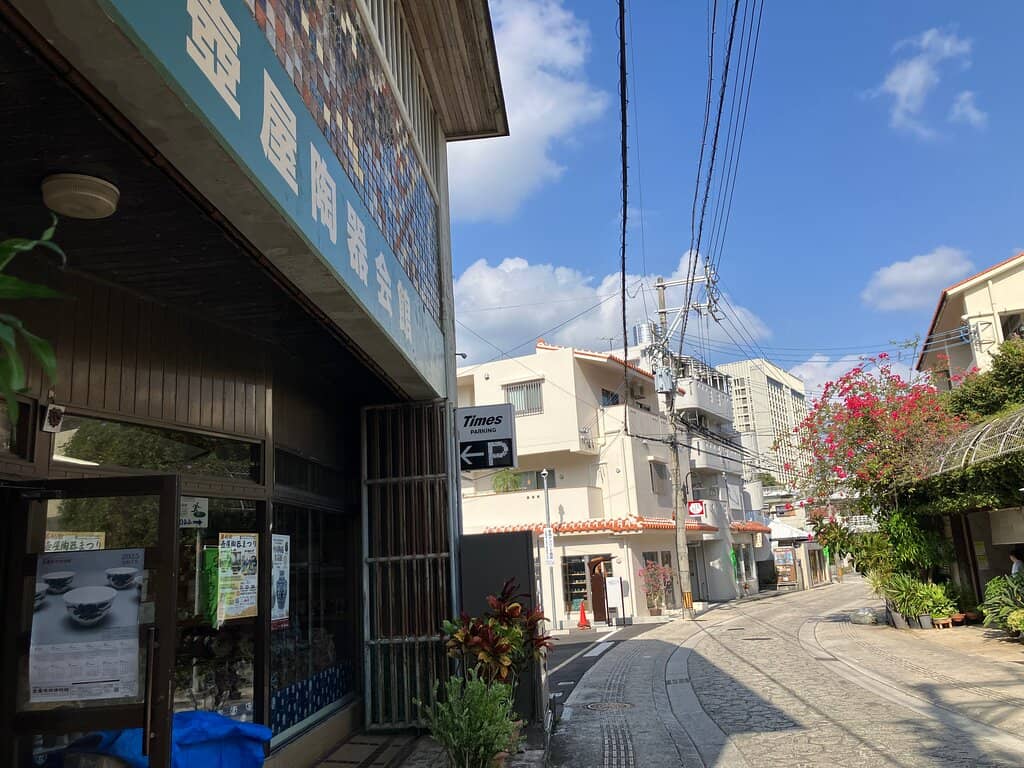
Traditional Yachimun Pottery Shops
Along the street
Wander through charming shops filled with unique, handmade Okinawan pottery, from everyday items to intricate art pieces.
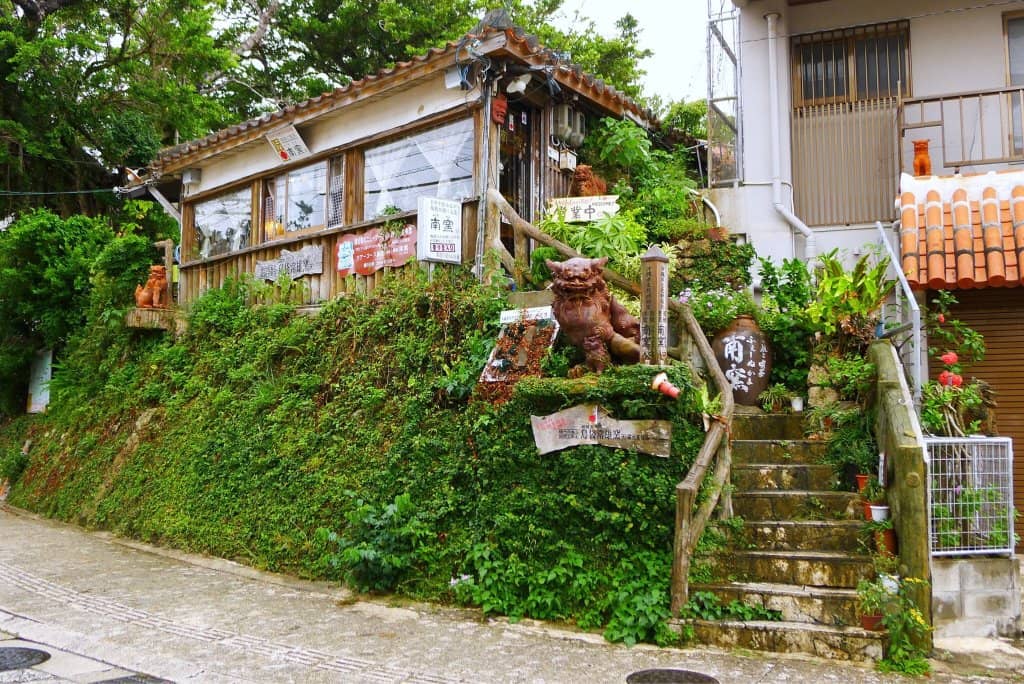
Ryukyu Limestone Paved Street
The entire street
Experience the authentic atmosphere of old Okinawa on this picturesque street, perfect for a leisurely stroll.
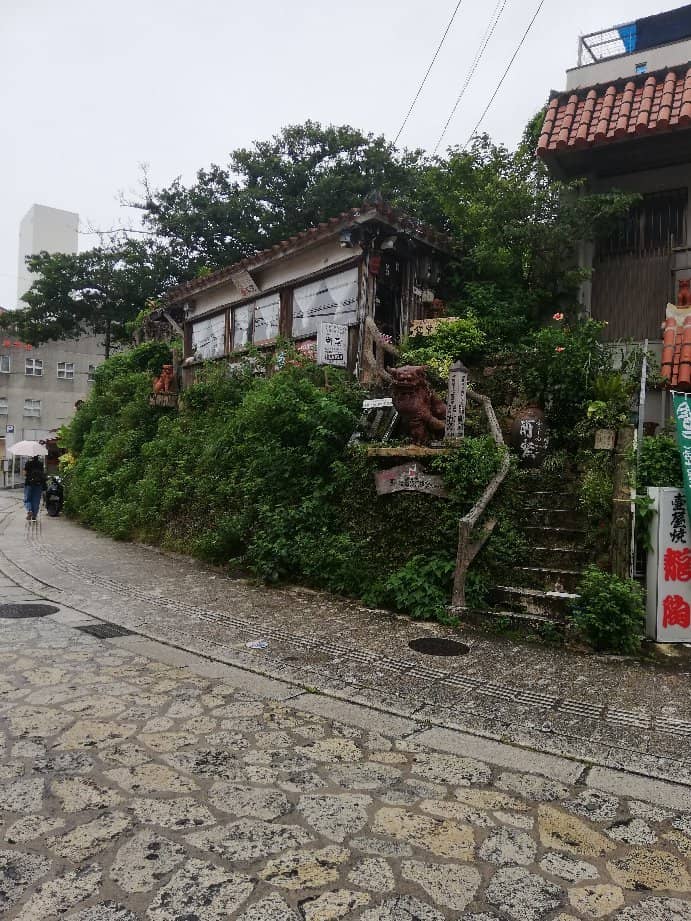
Local Artisan Workshops
Various locations
Witness skilled craftspeople at work and discover the passion behind Okinawan ceramic art.
Plans like a pro.
Thinks like you
Planning Your Visit
Embrace the Local Craftsmanship

Timing is Key for Discovery
Best Times
Insider Tips
from TikTok, Instagram & Reddit
🎯 Discover Unique Souvenirs
Find beautiful, handmade Yachimun pottery that's distinct from mass-produced souvenirs.
🚶♀️ Stroll and Soak in the Vibe
Enjoy a leisurely walk down the charming street, appreciating the traditional Okinawan atmosphere.
⏰ Check Shop Hours
Many shops close by 4-5 PM, so plan your visit accordingly to avoid disappointment.
💰 Consider Your Budget
While many beautiful pieces are available, some can be quite pricey.
Tips
from all over the internet
🎯 Discover Unique Souvenirs
Find beautiful, handmade Yachimun pottery that's distinct from mass-produced souvenirs.
🚶♀️ Stroll and Soak in the Vibe
Enjoy a leisurely walk down the charming street, appreciating the traditional Okinawan atmosphere.
⏰ Check Shop Hours
Many shops close by 4-5 PM, so plan your visit accordingly to avoid disappointment.
💰 Consider Your Budget
While many beautiful pieces are available, some can be quite pricey.
🎉 Visit During Festivals
The Tsuboya Street Festival offers discounts and special performances.
What Travellers Say
Reviews Summary
Visitors find Tsuboya Yachimun Street a charming and authentic experience, praising the unique Okinawan pottery and the traditional atmosphere. While some note that shops can be similar and close early, many appreciate the opportunity to find beautiful, handmade souvenirs and enjoy a peaceful stroll through a piece of old Okinawa.
"Thoroughly enjoyed the street. If you are looking for pottery ideas or just want to see the different styles of pottery culture, this is a great place to visit right off the busy bustling Street of Kokusi Street."
LAUS DEO
"Good place to walk around early morning.
Shops open at 10am, many nice and fancy pottery if you have the budget.
We bought a pair of shisa at one of the shop ( thinking it’s handmade and unique ) but turns out all the souvenir shops also carry this shisa ."
CM Choi
"Quiet street lined with pottery workshops and shops. Pleasant place to wander and browse, if not shop. Leads into the covered market (and fish market close by)."
Karen Alldridge
What People Like
What People Dislike
Frequently Asked Questions
🚇 🗺️ Getting There
Tsuboya Yachimun Street is easily accessible in Naha, Okinawa. Many visitors arrive by taxi or public transport. It's a pleasant walk from Kokusai Dori (International Street) and not too far from Shuri Castle area.
Yes, Tsuboya Yachimun Street is within walking distance of Kokusai Dori, making it convenient to combine visits. It's a great way to experience more of Naha's charm.
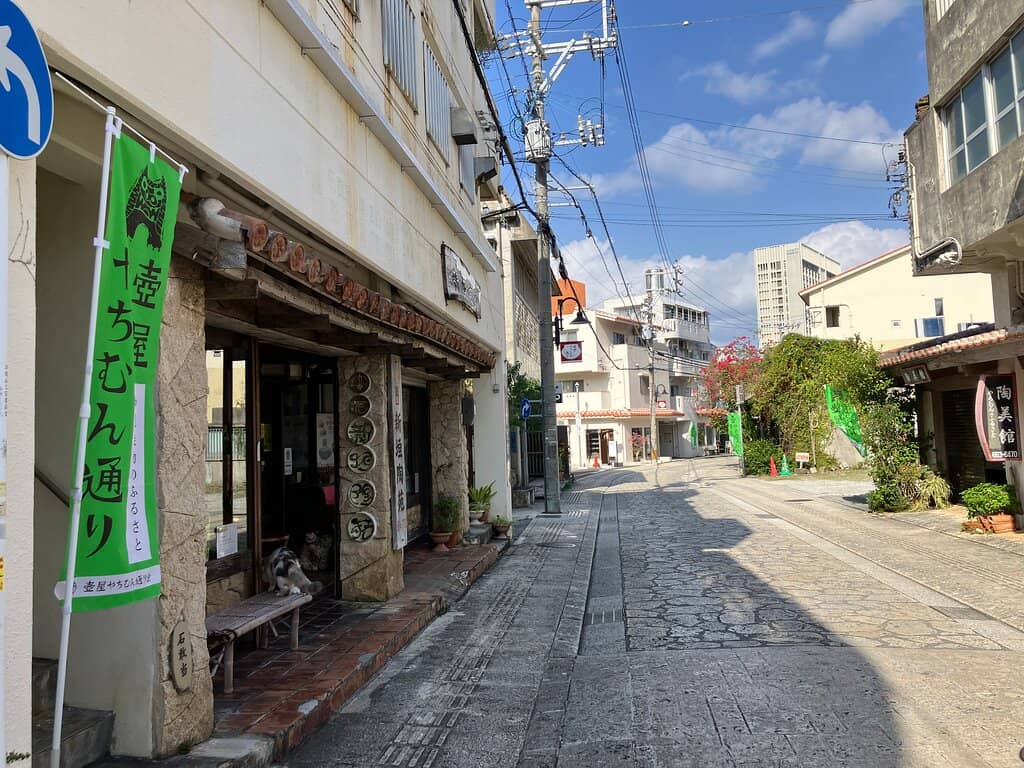
The best way to explore is on foot. The street is about 400 meters long and lined with shops, studios, and cafes, perfect for a leisurely stroll.
While street parking might be limited, there are usually parking lots available in the vicinity of Naha city. It's often easier to use public transport or walk if you're already in the city center.
Yes, several bus routes stop near Kokusai Dori or the Tsuboya area, making it accessible by bus from various parts of Naha. Check local bus schedules for the most convenient route.
🎫 🎫 Tickets & Entry
No, Tsuboya Yachimun Street is a public street and does not require an entrance ticket. You can wander freely and browse the shops.
Shop hours can vary, but many open around 10 AM and some may close by 4 PM or 5 PM. It's best to visit during the day to ensure most shops are open.
Generally, browsing the shops and walking the street is free. Some workshops might offer demonstrations or classes for a fee, but this is not mandatory for visiting the street.
The Tsuboya Street Festival, held on November 2nd and 3rd, is a special time with many shops offering discounts and performances.
Yes, you can visit on weekends. However, be aware that weekends might be busier with tourists.
🎫 🏺 Onsite Experience
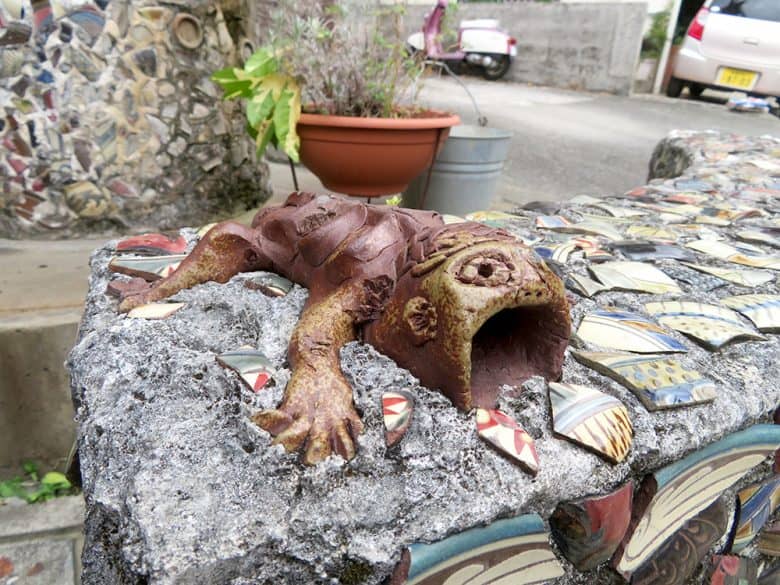
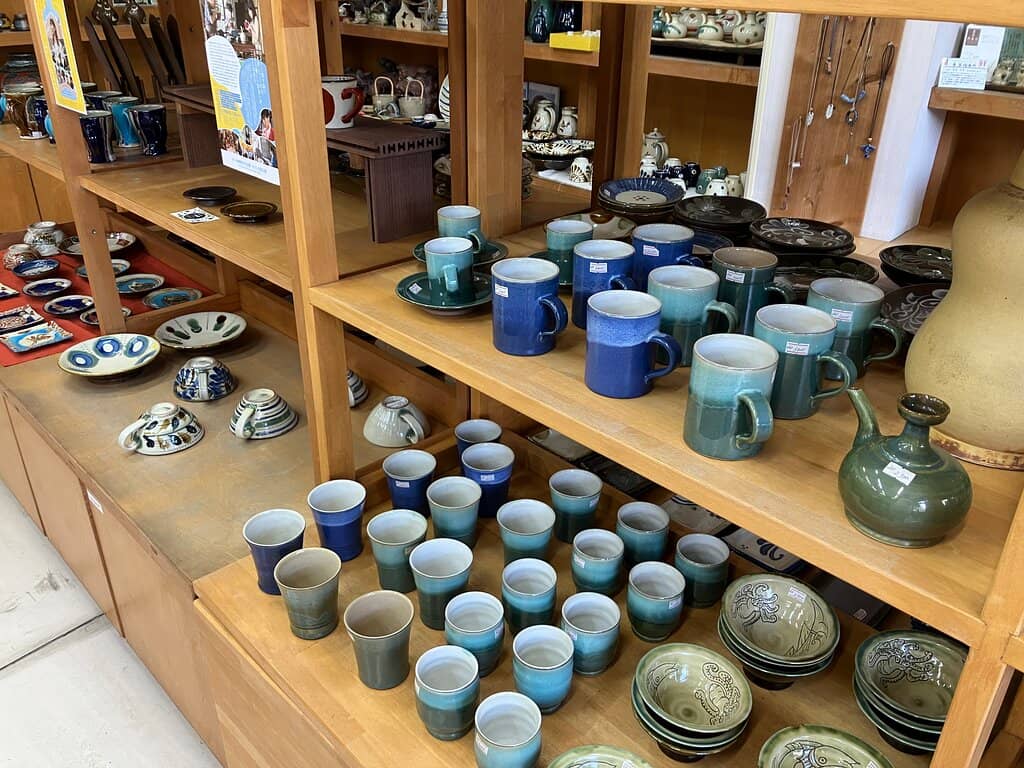
You'll find 'Yachimun,' traditional Okinawan pottery known for its rustic charm and unique glazes. Pieces range from functional tableware to decorative items like Shisa dog statues.
While many shops feature authentic Okinawan Yachimun, some souvenir shops might carry items from elsewhere. It's advisable to ask shopkeepers about the origin of the pottery if authenticity is important to you.
'Yachimun' is the Okinawan word for pottery. It's deeply rooted in the island's culture and history, characterized by its earthy tones and robust forms.
Yes, there is a Tsuboya Pottery Museum that showcases the history and artistry of Okinawan ceramics, offering deeper insights into the craft.
The street leads towards a covered market, and the fish market is also nearby. Kokusai Dori is also a short walk away, offering more shopping and dining options.
📸 📸 Photography
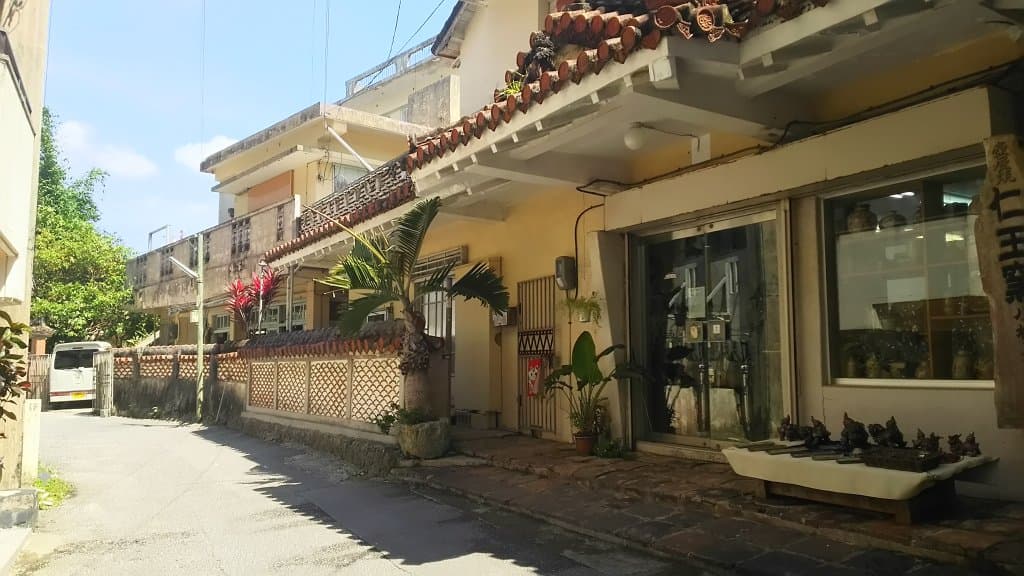
The entire street is photogenic, with its traditional architecture, colorful pottery displays, and charming shop fronts. Look for unique details on the pottery and the textures of the limestone street.
Generally, it's acceptable to take photos of the pottery on display, but it's always polite to ask the shop owner first, especially if you are photographing specific items or the interior of the shop.
Early morning or late afternoon can offer softer light and fewer crowds, creating a more atmospheric setting for your photos.
Keep an eye out for the distinctive Shisa statues often displayed outside shops, and the unique textures of the Ryukyu limestone paving stones.
Drone usage is generally restricted in urban areas and near residential properties. It's best to avoid using drones to respect privacy and local regulations.
For Different Travelers
Tailored advice for your travel style
👨👩👧 Families with Kids
While the focus is on pottery, some cafes along the street offer a place to rest and refuel. Encourage children to look for different animal shapes or patterns on the ceramics. It's a good opportunity to introduce them to traditional crafts in a relaxed setting. Remember to keep an eye on little ones as they explore, as some pottery pieces might be delicate.
🛍️ Souvenir Hunters
Be prepared to browse and compare. While many shops offer similar items, each artisan has their own style. If you're looking for something truly special, consider asking shopkeepers about the origin and craftsmanship of the pieces. Keep an eye out for the street festival in November for potential discounts.
🚶♀️ Leisurely Explorers
+1Take your time to peek into each shop, admire the craftsmanship, and perhaps enjoy a coffee at one of the charming cafes. It's a place to appreciate the artistry and the slower pace of traditional Okinawan life, away from the more commercial areas.
Deep Dives
In-depth insights and expert knowledge
The Art of Yachimun: Okinawan Pottery
Visitors can explore numerous workshops and galleries where artisans meticulously craft these pieces. From everyday tableware like bowls and plates to decorative items such as Shisa (guardian lion-dog statues), the variety is impressive. Many creators emphasize the handmade nature and the soul poured into each piece, making them highly sought-after souvenirs.
While Tsuboya Yachimun Street is a primary hub, it's worth noting that Yomitan Pottery Village is another significant area for Yachimun, sometimes considered to have even more beautiful finds by some visitors. However, Tsuboya offers a more accessible and concentrated experience within Naha city.
Navigating Tsuboya Yachimun Street
+1When planning your visit, keep in mind that shop hours can be inconsistent. Many shops open around 10 AM, but some may close as early as 4 PM or 5 PM, especially outside of peak tourist seasons. Visiting in the late morning or early afternoon is often recommended to ensure you can explore most of the establishments.
For those interested in experiencing the street during a special event, the Tsuboya Street Festival, held annually on November 2nd and 3rd, is a highlight. During this festival, many shops offer discounts, and there are often performances, creating a lively and festive atmosphere.

Social
from TikTok, Instagram & Reddit