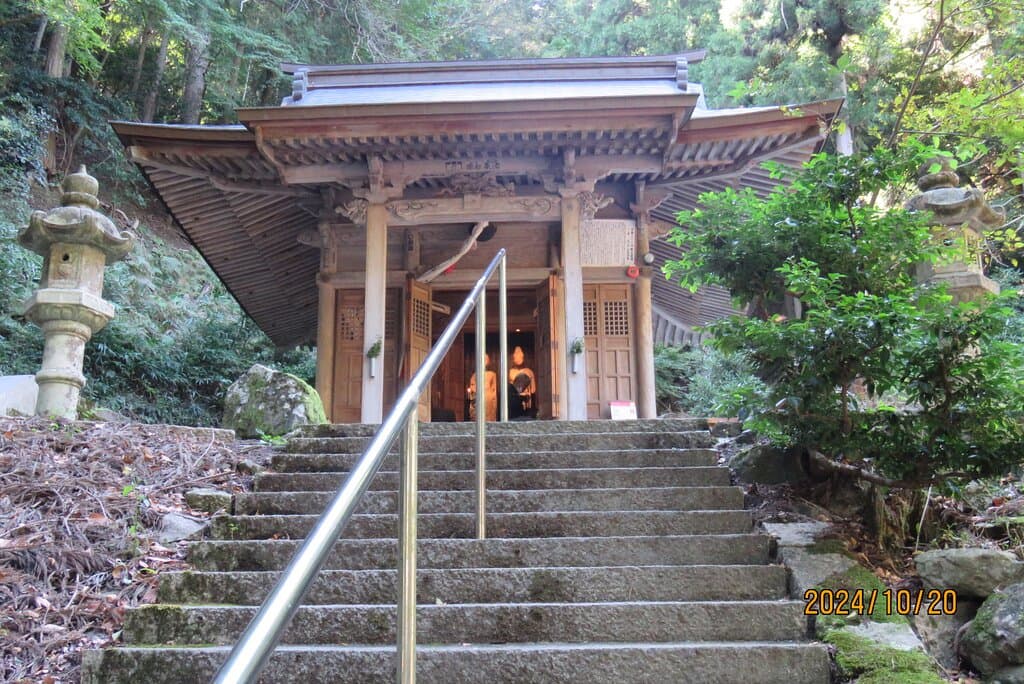
Kegon-ji Temple Torahime Kannon
Home to a national treasure, the Eleven-Headed Kannon statue, Kegon-ji Temple offers a glimpse into centuries of devotion and historical resilience.
Highlights
Must-see attractions

Social
From TikTok & Reddit
Best Time
Fewer crowds, peaceful atmosphere
Kegon-ji Temple Torahime Kannon
Best Time
Fewer crowds, peaceful atmosphere
Highlights
Must-see attractions
Home to a national treasure, the Eleven-Headed Kannon statue, Kegon-ji Temple offers a glimpse into centuries of devotion and historical resilience.
"The Eleven-Headed Kannon statue is the most impressive I have seen, a national treasure worth the visit."
Bring a Translator
Explanations are in Japanese. A translator can enhance your understanding of the Kannon statue's history.
Check Train Schedules
Local trains to the area can be infrequent, often running only hourly. Plan your travel accordingly.
Highlights
Discover the most iconic attractions and experiences
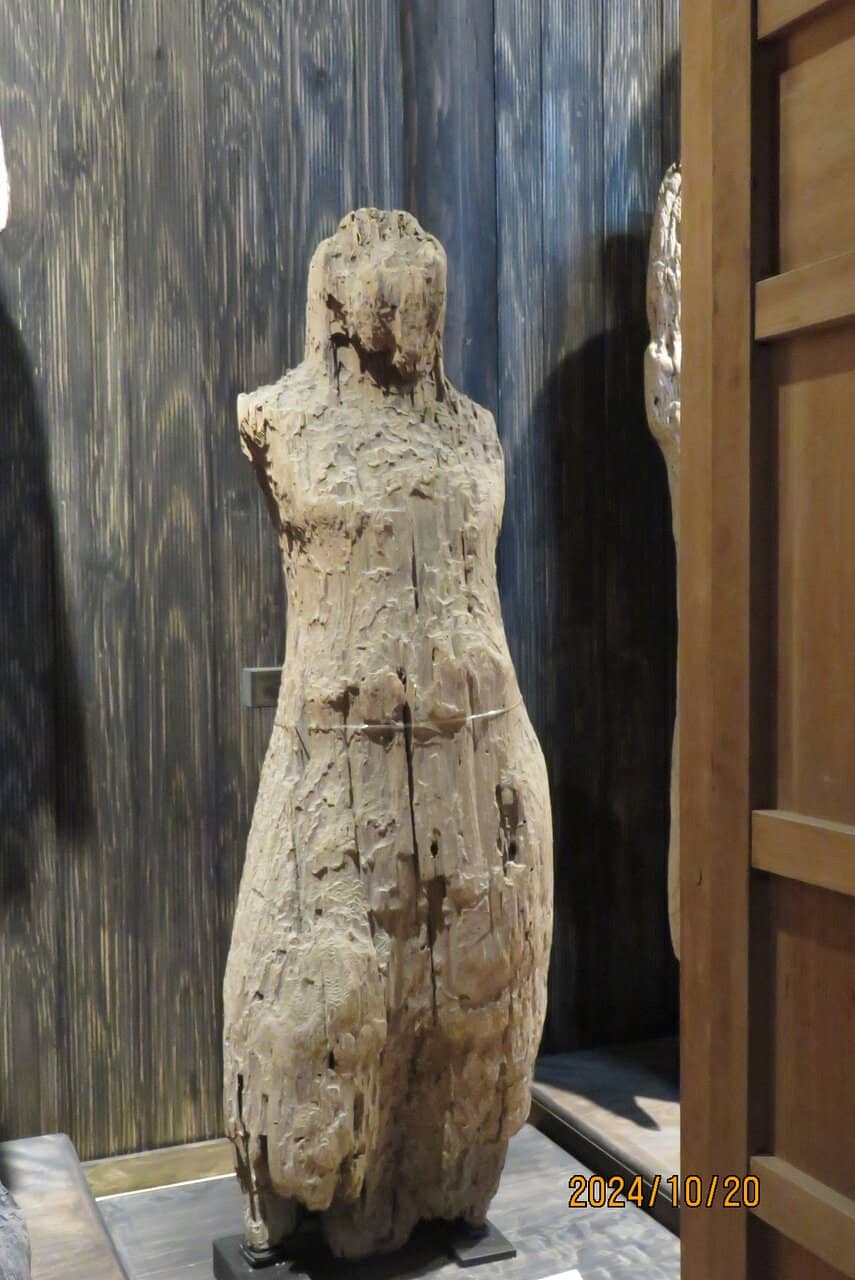
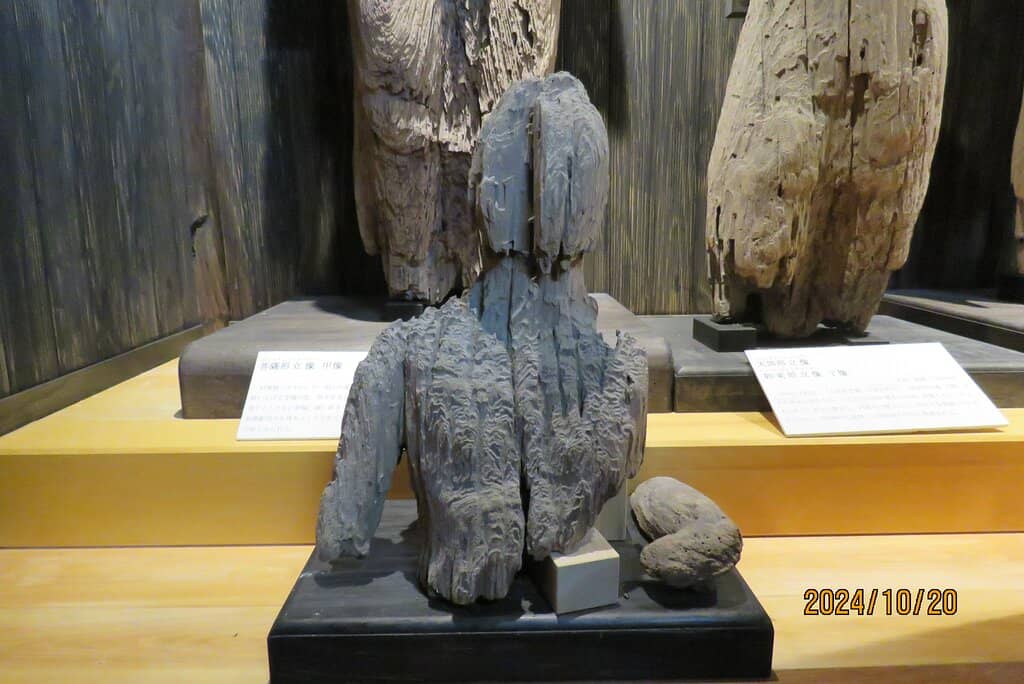
Eleven-Headed Kannon Statue
Main Hall
A national treasure, this Ekadasamukha statue is remarkably preserved and deeply impressive, a testament to centuries of devotion.
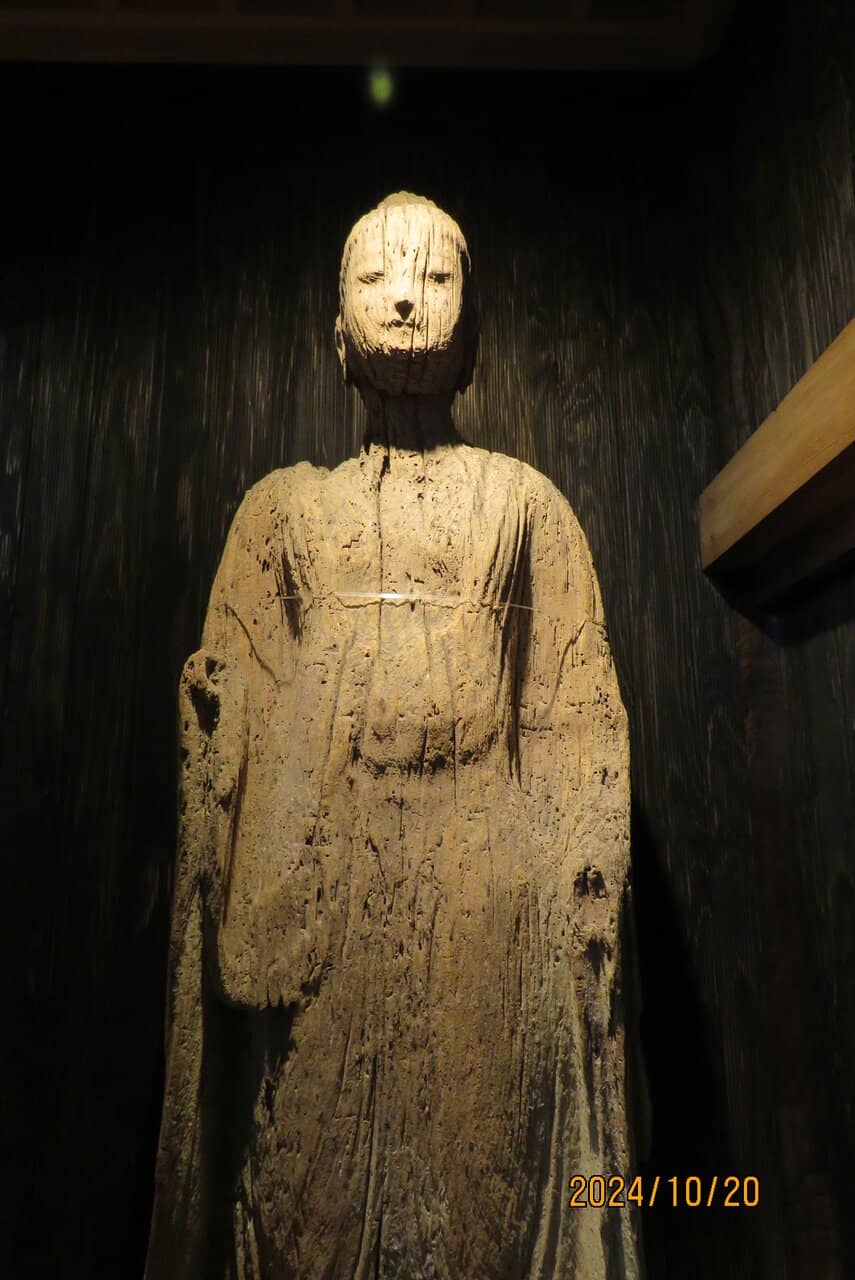
Dogan-ji Kannondo
Temple Grounds
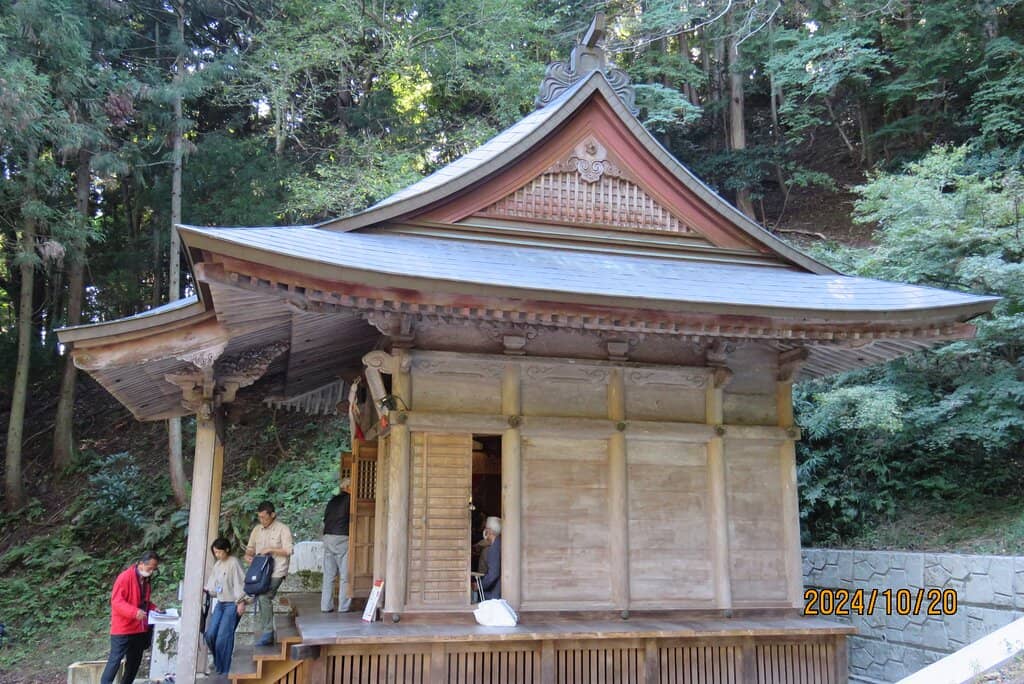
This shrine, part of the Ika 33 Kannon Pilgrimage, holds historical significance and offers a glimpse into local Buddhist traditions.
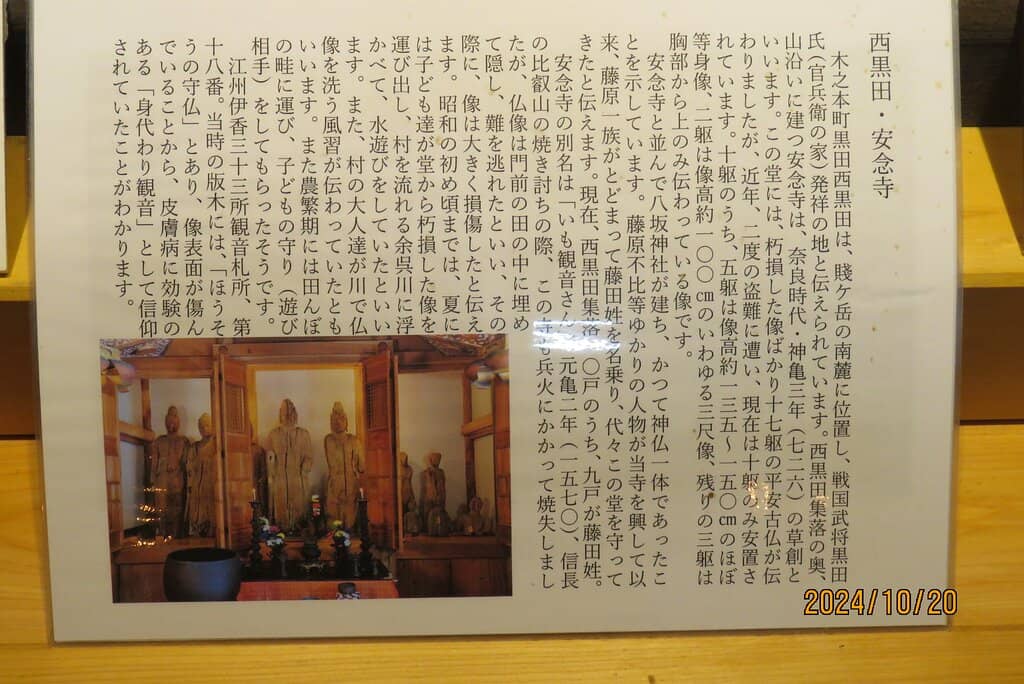
Temple Architecture and Grounds
Entire Temple
Experience the serene atmosphere of this historic temple, which has endured fires and wars, reflecting a resilient spiritual heritage.
Plans like a pro.
Thinks like you
Planning Your Visit
Understanding the Kannon Pilgrimage
Statue Preservation and Access
Best Times
Insider Tips
from TikTok, Instagram & Reddit
Bring a Translator
Explanations are in Japanese. A translator can enhance your understanding of the Kannon statue's history.
Check Train Schedules
Local trains to the area can be infrequent, often running only hourly. Plan your travel accordingly.
Admission Fee
A 500 yen fee grants access to view the statues. Some find it steep, but it supports preservation.
Combine with Hikone Castle
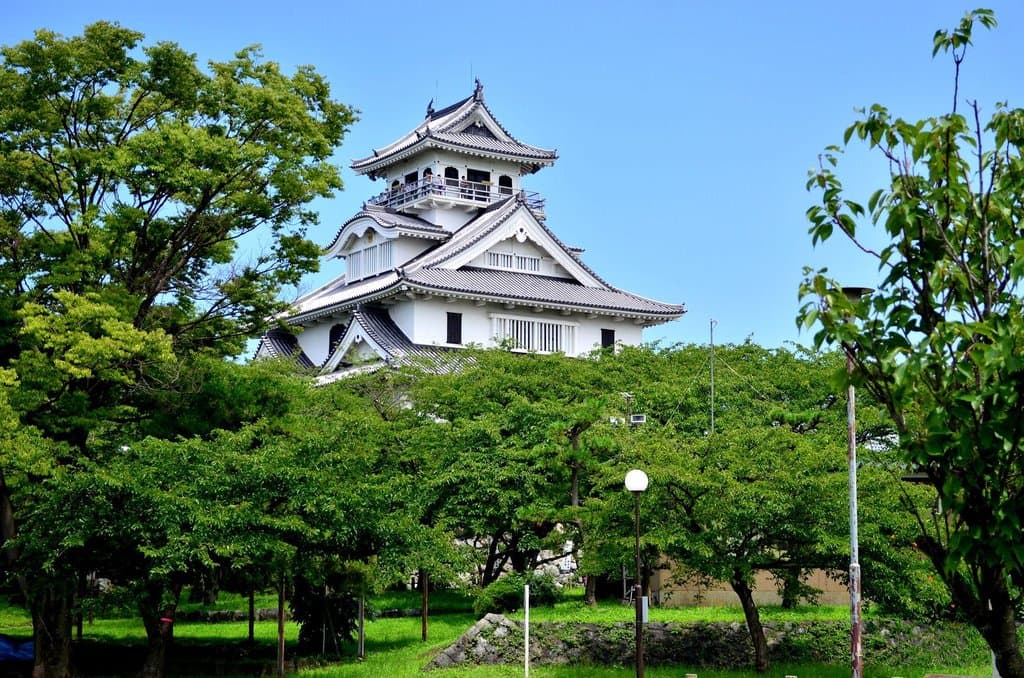
If short on time, consider prioritizing Hikone Castle, as it offers more to see and do.
Tips
from all over the internet
Bring a Translator
Explanations are in Japanese. A translator can enhance your understanding of the Kannon statue's history.
Check Train Schedules
Local trains to the area can be infrequent, often running only hourly. Plan your travel accordingly.
Admission Fee
A 500 yen fee grants access to view the statues. Some find it steep, but it supports preservation.
Combine with Hikone Castle
If short on time, consider prioritizing Hikone Castle, as it offers more to see and do.
What Travellers Say
Reviews Summary
Visitors praise Kegon-ji Temple for its exceptionally impressive and well-preserved Eleven-Headed Kannon statue, a national treasure that leaves a lasting impact. The temple's historical resilience and serene atmosphere are also highlighted. However, some find the admission fee steep for the overall experience, and the limited Japanese explanations can be a barrier for international visitors.
"The isthmus between Wakasa Bay and Ise Bay is the narrowest and, accordingly, the lowest part of Honshu Island. The Fukasaka Pass between Wakasa Bay and Lake Biwa has only an altitude of 370 meters when Lake Biwa is 86 meters above sea level. The area around the pass lets the northern winds from the Sea of Japan blow into the Kohoku area. The winds make the air moist and have the snow fall a lot in winter. In winter, Kohoku is, in the weather forecast, sorted into the regions along the Japan Sea coast, while it is grouped into Central Kinki (or Central Kansai) in the other seasons. As the Japan Sea coast has good sake breweries, so does Kohoku.
While it is the geography and climate that brews the culture as well as good Japanese sake there, it is Mt. Ibuki that governs the spirit of the culture. People in the Kohoku area care much more about the downdrafts from Mt. Ibuki, which is 1,377 high, than about the northern winds through the Fukasaka Pass. The climate and the attention to Mt. Ibuki nurtured their unique belief in Avalokitesvara.
Some believe in Arya Avalokitesvara. Arya Avalokitesvara can metamorphose into 6 forms according to those who are to be relieved: Ekadasamukha, who has 11 faces; Sahasrabhuja, who has 1,000 arms; Cintamanicakra, who usually has 6 arms and holds chintamani (a wish-fulfilling jewel) in one of the six; Hayagriva , who has the head of a horse; Cundi, who has 16 arms and appears to be female; and Amoghapasa, who usually has 3 eyes and 8 arms. It is those metamorphoses that have been believed in around the Kohoku area. Some even argue Avalokitesvara can transform the figure into 33 types. It is the argument that the Saigoku Kannon Pilgrimage, which has 33 Avalkitesvara temples, has been based on for more than a millennium.
Ika 33 Kannon Pilgrimage #5 Dogan-ji Kannon-do Temple
My wife asked me to take her to Kannon-no-sato in Kohoku, in the northern part of Shiga Prefecture. I found the Ekadasamukha statue in Doganji Kannondo in Kogen-ji Temple very impressive. What impressed me most?
In 736, smallpox broke out. Emperor Shomu (701-756) ordered Priest Taicho (682-767) to exorcize the illness. The priest carved a statue of Ekadasamukha, who has 11 faces, and established Kogen-ji Temple. In 790, Saicho (767-822), the founder of Tendai Sect of Buddhism in Japan, erected full-scale temple buildings. In 1570, the temple was burnt down in the battle between the Asai and Oda Clans. Priest Koen and the villagers buried the statue under the ground to save it from flames and robbery. Later, Koen changed his sect to True Pure Land Buddhism and converted Kogen-ji Temple to Kogen-ji Temple, in other Chinese-character notation with the same pronunciation. In the late 16th century, Japan was where inferiors overpowered superiors. That was not only among samurais. But those engaged in commerce and industry were challenging the conservative privileged classes. In Omi Province, the former usually believed in True Pure Land Buddhism, while the latter in Tendai Sect. True Pure Land Buddhism forbade member temples to enshrine other Buddhist images than that of Amitabha. That might have been where the name Doganji, which obviously sounds like a temple name, came from. In 1828, Ika County 33 Kannon Pilgrimage was organized, and Kannondo became its member. By the time, its go-eika, temple's tanka poem chant, had been composed:
"The sea of illusion is deep for everyone.
"A boat of teachings
"Will ferry them to the shore temple.”
Some go-eika have their temple names in them. So, it was by the time that the area came to be called Doganji (literally Ferry Shore Temple).
Even in 1897, it was just Kannondo (Avalokitesvara shrine) that had the title to the Ekadasamukha statue. In 1942 during World War II, it came to belong to Kogen-ji Temple under the Religious Organizations Act. Whatever political or legal status the statue has had, it is villagers that have maintained the statue for centuries."
Haruo Kakuta
"A small temple with a beautiful and important Eleven-Headed Kannon statue that has survived in remarkable condition even after multiple fires and being buried for protection during wars. I have seen a number of the others that are designated national treasures and this one is the most impressive by a good margin. 500 yen may seem a lot but it has left the temple for display in Tokyo only once and here you can admire it at leisure and get an in-depth explanation, though only in Japanese so try to bring someone to translate if you need it because it is worth it."
aaron meldahl
"This is the place for 11 faced kannon. Today's and former emperor visited this place. You need to pay 500 yen to see 3 statues. If you don't have much time, better to visit Hikone castle.
(You can spend half day easily at the castle, plus Hikonyan)
Please note that local train comes every hour!! 2 Buddha statue got demoted from national treasure to prefecture treasure 40 years ago. 11 faced kannon stayed national treasure!!"
Yoko Yano
What People Like
What People Dislike
Frequently Asked Questions
🚇 🗺️ Getting There
Accessing Kegon-ji Temple can involve local trains, which are noted to run infrequently, sometimes only hourly. It's advisable to check train schedules in advance. The temple is located in the Kohoku area of Shiga Prefecture.
Public transport access can be challenging due to infrequent train services. Planning your journey carefully and checking timetables is crucial for a smooth visit.
From major cities, you'll likely need to take a train to a station closer to the temple and then potentially a local bus or taxi. Researching specific routes from your starting point is recommended.
Information on parking is not widely available, but it's common for temples in rural areas to have some parking. It's best to inquire locally or check the temple's official website if available.
The walkability from the nearest train station will depend on its proximity. Given the infrequent train service, it's possible the station might be a considerable distance from the temple itself.
🎫 🎫 Tickets & Entry
There is an admission fee of 500 yen to view the temple's statues, including the national treasure Eleven-Headed Kannon.
Information on discounts is not readily available. It's advisable to check with the temple directly or look for any posted signs upon arrival.
Specific opening hours are not consistently detailed online. It's recommended to visit during daylight hours and confirm locally if possible, especially considering the infrequent train services.
Advance booking is generally not required for Kegon-ji Temple. Tickets can typically be purchased upon arrival.
The 500 yen fee is for viewing the main statues, which are a significant draw. Access to the temple grounds might be possible, but viewing the primary artifacts requires payment.
🎫 🏛️ Onsite Experience
The primary attraction is the highly impressive Eleven-Headed Kannon statue, designated as a national treasure, which has been remarkably preserved.
Explanations are primarily in Japanese. Visitors who require detailed understanding may benefit from bringing someone who can translate.
A visit can be relatively short if you are focused on the main statue, but allow extra time for travel and appreciating the temple's serene atmosphere. Some suggest it's a quicker visit compared to larger attractions like Hikone Castle.
Photography rules can vary, especially inside halls with valuable artifacts. It's best to observe any posted signs or ask temple staff about photography permissions.
Founded in 736 and later expanded by Saicho, the temple has a rich history, including surviving fires and being buried for protection during wars. It's also part of the Ika 33 Kannon Pilgrimage.
🍽️ 🍽️ Food & Dining
It is unlikely that Kegon-ji Temple itself has dining facilities. Visitors should plan to eat before or after their visit in nearby towns or cities.
The Kohoku area is known for its sake breweries, suggesting local culinary traditions might include regional specialties and, of course, sake. Expect traditional Japanese cuisine.
Dining options may be limited directly around the temple due to its location. Larger towns like Hikone will offer a wider selection of restaurants.
Picnicking might be possible in designated outdoor areas, but it's always respectful to check temple guidelines regarding outside food and drinks.
The region is known for its sake. Exploring local eateries might reveal other regional dishes influenced by its geography and climate.
📸 📸 Photography
Photography inside halls housing important cultural assets like the Kannon statue is often restricted to protect the artifacts. Always check for signage or ask staff.
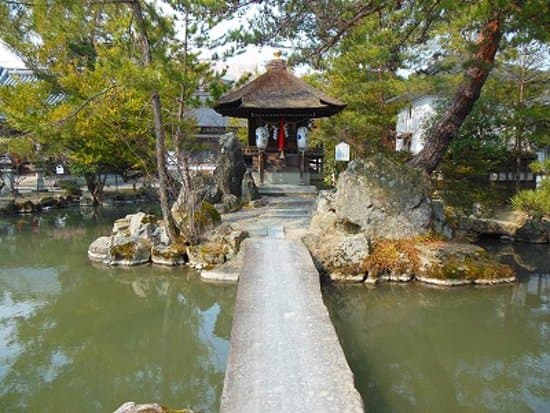
The temple grounds, including the exterior architecture and any gardens, can offer beautiful photographic opportunities. The serene atmosphere itself is also worth capturing.
Drone usage is typically prohibited at religious sites and historical landmarks to ensure safety and respect. It's best to assume drones are not permitted.
Morning light can be soft and beautiful for temple photography. Consider visiting during the 'golden hour' before sunset for warm, atmospheric shots of the exterior.
Photography of the Eleven-Headed Kannon statue inside the hall is likely prohibited to preserve its condition and prevent unauthorized reproduction.
For Different Travelers
Tailored advice for your travel style
👨👩👧 Families with Kids
If visiting with children, consider framing the trip as a journey to see an ancient, important statue that has been protected for centuries. The temple grounds offer a peaceful environment for a brief exploration. However, be mindful of the infrequent train schedules, which could be challenging with restless children. For families seeking more interactive or broadly appealing experiences, attractions like Hikone Castle might be a better fit.
🚶 Solo Travelers
Be prepared for the travel logistics, particularly the infrequent train services, which require careful planning. Bringing a translation app or a phrasebook can enhance the experience, as explanations are primarily in Japanese. The 500 yen admission fee is noted, but for a solo visitor seeking a unique cultural encounter, it's often considered worthwhile for the chance to see such a significant artifact up close.
🏛️ History Buffs
Key points of interest include the statue's origin in 736, its burial for protection during conflict, and its later inclusion in the Ika 33 Kannon Pilgrimage. The temple's conversion in sect and the community's role in its preservation provide insights into the socio-religious dynamics of different eras in Japan.
Deep Dives
In-depth insights and expert knowledge
The Significance of the Eleven-Headed Kannon
This particular statue is noted for its impressive detail and spiritual aura, with some visitors finding it more impactful than other national treasures they have seen. The temple's history is deeply intertwined with this statue, dating back to its carving in 736 by Priest Taicho to ward off smallpox. The fact that it has remained a focal point of worship and veneration for centuries underscores its cultural and religious value.
While the temple offers an in-depth explanation of the statue, it is primarily in Japanese. This highlights the importance of the local community in preserving not only the artifact but also the knowledge surrounding it. For those who can access translation, a deeper appreciation of the statue's iconography and historical context is possible, making the visit even more rewarding.
Kegon-ji Temple's Historical Resilience
Later, the temple underwent a change in Buddhist sect, converting from Tendai to True Pure Land Buddhism, which also involved a change in its name notation. This period reflects the dynamic religious landscape of Japan in the late 16th century. Despite these shifts and the challenges of war and natural disasters, the temple and its treasures have endured, becoming a symbol of continuity and faith.
The temple's inclusion in the Ika 33 Kannon Pilgrimage further solidifies its historical and spiritual importance. This pilgrimage route has been active for over a millennium, and Kannondo became a member in 1828. The temple's survival and continued veneration demonstrate a deep-rooted connection between the local people and their religious sites, a bond that has allowed Kegon-ji Temple to persevere through centuries of change.
Navigating Travel to Kegon-ji Temple
While specific details on bus services are scarce, it's common in rural Japan for local buses to supplement train lines, though these too can have limited schedules. Visitors may need to combine train travel with a bus or taxi from the nearest station. The temple's location in the Kohoku area of Shiga Prefecture means it's not as directly accessible as major tourist hubs, requiring a bit more effort to reach.
For those prioritizing efficiency, especially if time is limited, comparing the travel time to Kegon-ji Temple with other nearby attractions like Hikone Castle is recommended. Some visitors suggest that if time is a constraint, Hikone Castle might be a more practical choice due to its potentially easier accessibility and broader range of activities.

Social
from TikTok, Instagram & Reddit