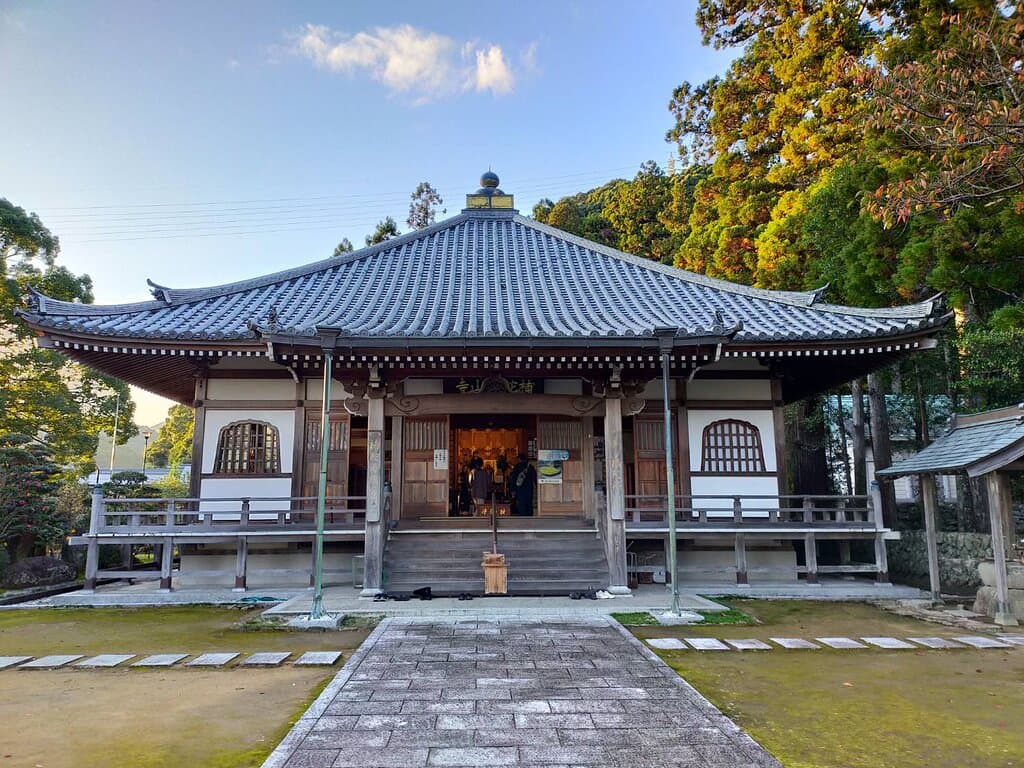
Fudarakusan-ji
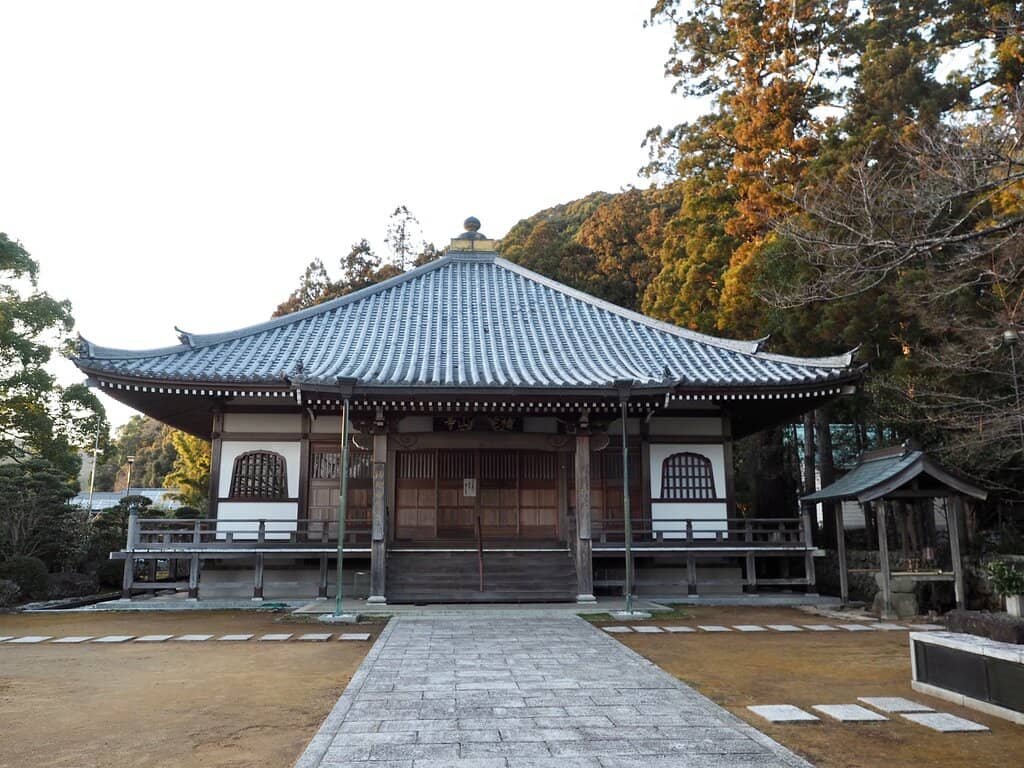
A UNESCO World Heritage temple near Nachi Station, rich with the legend of the 'passing boat' and connected to the Kumano Kodo pilgrimage.
Highlights
Must-see attractions

Social
From TikTok & Reddit
Best Time
Free entrance, always accessible
Fudarakusan-ji
Best Time
Free entrance, always accessible
Highlights
Must-see attractions
A UNESCO World Heritage temple near Nachi Station, rich with the legend of the 'passing boat' and connected to the Kumano Kodo pilgrimage.
"This temple complex is amazing and beautiful, with wonderful priests who explain the history and symbols."
👂 Listen to the Priests
Priests are incredibly helpful and share fascinating stories about the temple's history and symbols. :pray:
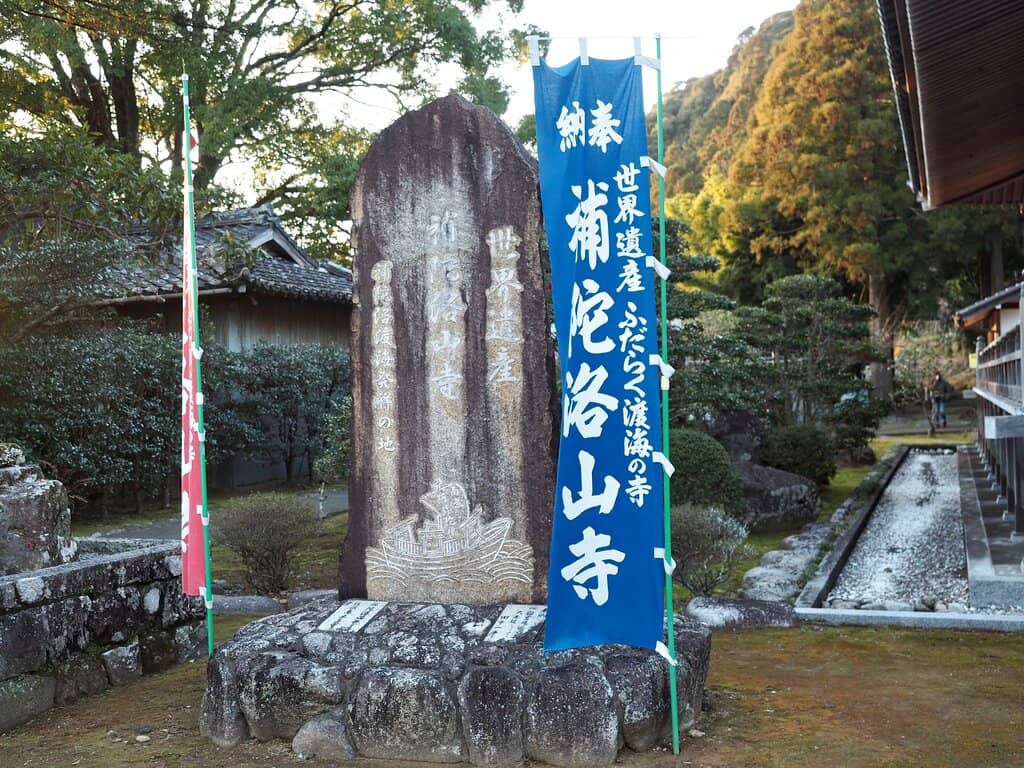
🚢 Learn the Boat Legend
The 'passing boat' story is central to Fudarakusan-ji's history. Ask about it to understand its significance. :boat:
Highlights
Discover the most iconic attractions and experiences
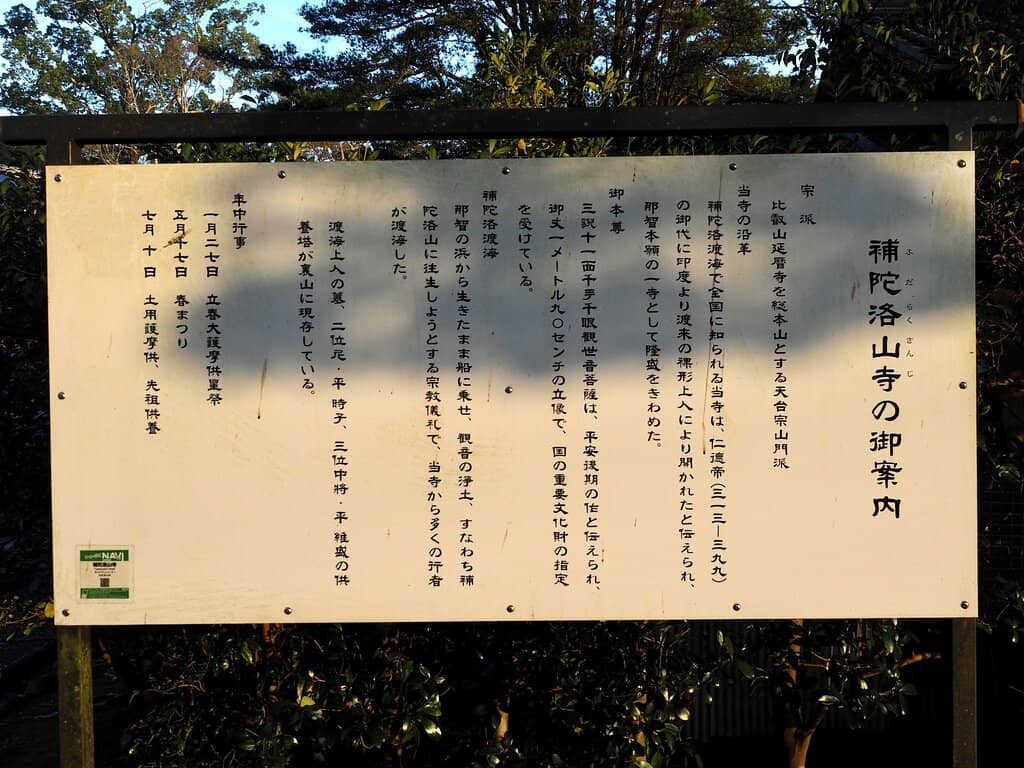
The Passing Boat Legend
Temple grounds
Discover the poignant story of the 'passing boat,' a symbol of pilgrimage and sacrifice from the Heian era.
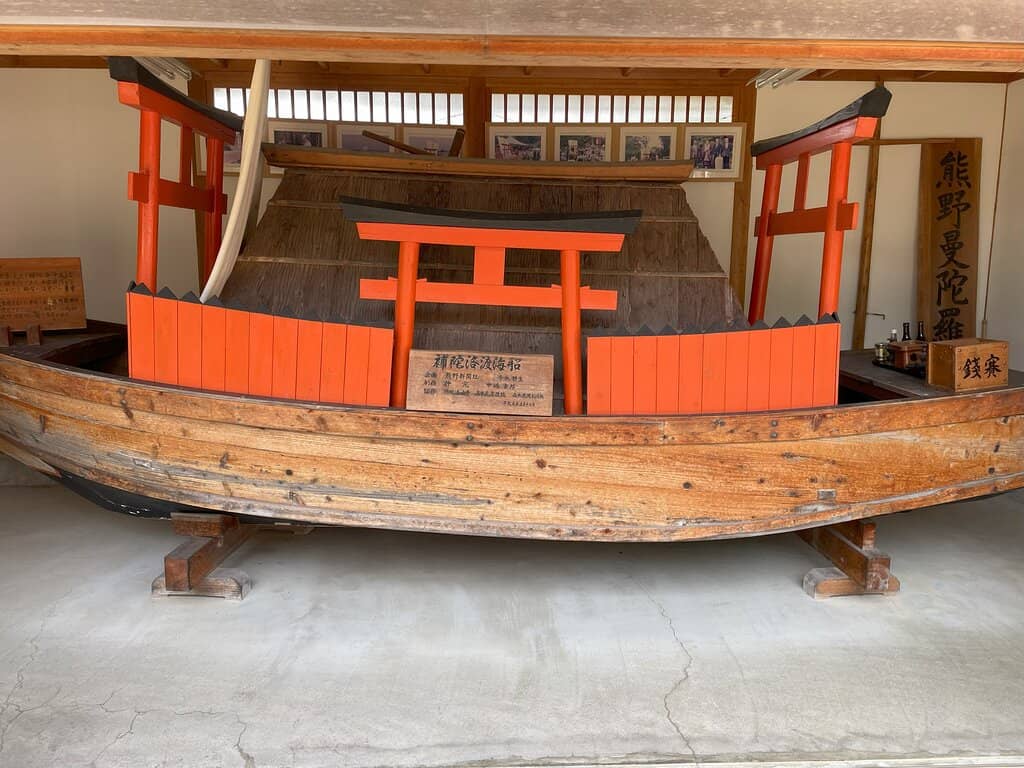
Kumano Kodo Trail Access
Behind the temple
Step onto a section of the ancient Kumano Kodo pilgrimage route, a UNESCO World Heritage site.
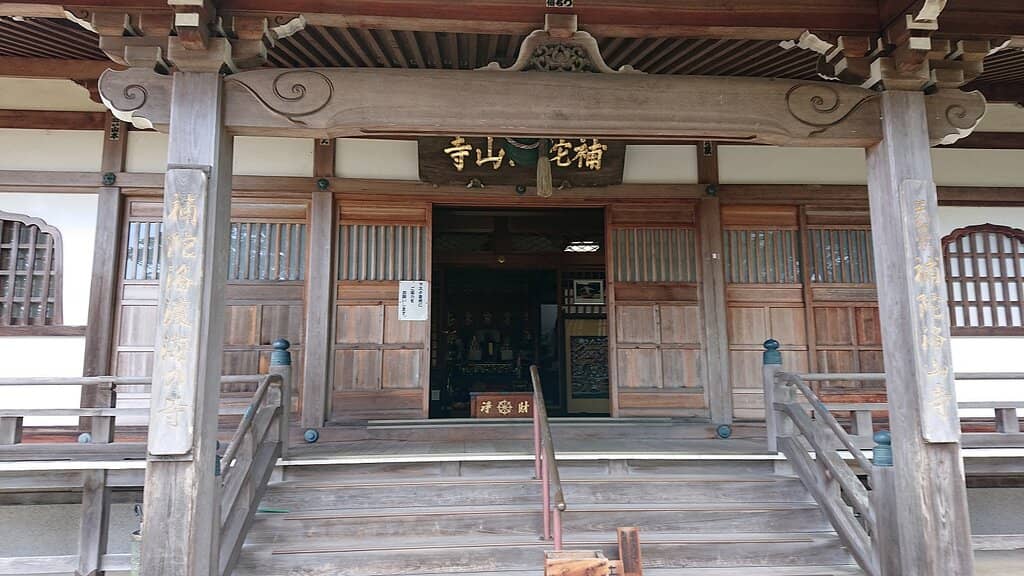
Helpful Priests and History
Temple entrance
Engage with knowledgeable priests who share insights into the temple's history, symbols, and rituals.
Plans like a pro.
Thinks like you
Planning Your Visit
Embrace the Sacred Journey
Proximity to Nachi Station
Best Times
Insider Tips
from TikTok, Instagram & Reddit
👂 Listen to the Priests
Priests are incredibly helpful and share fascinating stories about the temple's history and symbols. :pray:
🚢 Learn the Boat Legend
The 'passing boat' story is central to Fudarakusan-ji's history. Ask about it to understand its significance. :boat:
🚶♀️ Explore Kumano Kodo
The temple is a gateway to the Kumano Kodo pilgrimage route. Take time to walk a portion of it. :hiking_boot:
📸 Capture the Serenity
The atmosphere is serene, with magnificent trees like the 800-year-old camphor tree. :camerawithflash:
Tips
from all over the internet
👂 Listen to the Priests
Priests are incredibly helpful and share fascinating stories about the temple's history and symbols. :pray:
🚢 Learn the Boat Legend
The 'passing boat' story is central to Fudarakusan-ji's history. Ask about it to understand its significance. :boat:
🚶♀️ Explore Kumano Kodo
The temple is a gateway to the Kumano Kodo pilgrimage route. Take time to walk a portion of it. :hiking_boot:
📸 Capture the Serenity
The atmosphere is serene, with magnificent trees like the 800-year-old camphor tree. :camerawithflash:
📍 Near Nachi Station
Easily accessible right in front of Nachi Station. Perfect for a quick yet meaningful stop. :station:
What Travellers Say
Reviews Summary
Visitors praise Fudarakusan-ji for its free entrance, serene atmosphere, and the helpfulness of its priests who share rich historical insights. Its convenient location near Nachi Station and connection to the Kumano Kodo are also highlighted as major positives. Some reviews mention the temple isn't 'well-managed,' but this is often balanced by the unique historical narratives and spiritual significance.
"Closer to the coast. Near Nachi station. Car park next door. Easy access. Collect your Kumano Kodo stamp here."
Philip LUTTON
"This temple complex in Nachi is located very close to the Nachi railway station and it features a nice shrine with just wonderful priests, that are very helpful and explaining the symbols and the history of this place.
I felt very welcome there and took all the time to stroll around. Make sure when you discover the boat to learn the story behind, it is pretty impressive."
Tee F Kay
"Old temple, world culture heritage.
Not so well managed. Free entrance.
In front of Nachi Station only.
Behind the temple is the route Kumano Kodo."
Silvi Ou MichiGo
What People Like
What People Dislike
Frequently Asked Questions
🚇 🗺️ Getting There
Fudarakusan-ji is conveniently located directly in front of Nachi Station, making it very accessible by train. It's a short walk from the station platform.
Yes, Fudarakusan-ji is situated near the Kumano Kodo pilgrimage route, with access to a section of the trail directly behind the temple.
You can reach Nachi Station via the JR Kii Line. It's a common stop for those exploring the Kumano region.
Information on dedicated parking is limited, but its proximity to Nachi Station suggests public transport is the primary mode of access.
Absolutely! Its location near Nachi Station makes it an ideal stop for a day trip, especially if you're exploring the Kumano region.
🎫 🎫 Tickets & Entry
No, Fudarakusan-ji has free entrance, making it an accessible cultural experience for all visitors.
As an open temple complex, Fudarakusan-ji is generally accessible at all times, though specific building access might vary.
While official guided tours might not be widely advertised, the priests are very welcoming and can provide historical context.
The temple hosts events like the Reitaisai (great festival) for warding off evil and praying for world peace. Check their official channels for dates.
The 'passing boat' is a significant symbol representing a pilgrimage from the Heian era, often associated with self-martyrdom and a journey to paradise.
🎫 🧭 Onsite Experience
You can explore the temple grounds, learn about the 'passing boat' legend, see ancient trees like an 800-year-old camphor, and access the Kumano Kodo trail.
Yes, Fudarakusan-ji is part of the UNESCO World Heritage site 'Sacred Sites and Pilgrimage Routes in the Kii Mountain Range.'
The temple is linked to the Kumano Kodo and has a history involving sacred sacrifices and the concept of 'self-martyrdom' during the Heian era.
The temple holds ceremonies like the Reitaisai, which includes fire offerings for peace. You might also witness monks practicing Taiko drumming. 
Visitors describe the atmosphere as serene and beautiful, with magnificent trees contributing to a peaceful spiritual ambiance.
📸 📸 Photography
Capture the ancient camphor tree, the 'passing boat' replica, and the serene temple grounds. The connection to the Kumano Kodo also offers scenic shots.
Photography is generally permitted in outdoor areas. Be mindful of any specific restrictions within temple buildings or during ceremonies.
Many visitors capture the spiritual essence, the natural beauty of the ancient trees, and the historical artifacts like the 'passing boat.'
Drone usage is typically restricted at religious sites and World Heritage locations. It's best to check local regulations before flying.
Early morning or late afternoon can offer softer light and fewer crowds, enhancing the serene atmosphere for photography.
For Different Travelers
Tailored advice for your travel style
👨👩👧 Families with Kids
Kids might enjoy seeing the replica of the passing boat and the ancient camphor tree. The proximity to Nachi Station means less travel hassle, and the priests are known to be friendly and engaging, potentially making the visit more interactive for younger visitors. It's a good opportunity to introduce them to Japanese history and spirituality in a serene setting.
🚶♂️ Pilgrims and Spiritual Seekers
+1Engaging with the knowledgeable priests can provide profound insights into the temple's spiritual practices, including ceremonies and the meaning behind the rituals. The serene atmosphere and the access to the Kumano Kodo trail allow for personal reflection and a deeper connection to the sacred landscape.
📸 Photographers and Culture Enthusiasts
+1Beyond the visual, the historical narratives shared by the priests offer a deep dive into Heian-era beliefs and practices. The serene ambiance of the temple grounds, especially during quieter times, allows for unhurried exploration and capturing the spiritual essence of this UNESCO World Heritage site.
Deep Dives
In-depth insights and expert knowledge
The Legend of the Passing Boat
+1This concept is a significant aspect of the temple's historical and spiritual identity. Visitors can often see a replica of this boat on the temple grounds, serving as a tangible reminder of this profound legend. Understanding this story adds a layer of depth to the visit, transforming it from a simple temple visit into an exploration of ancient beliefs and spiritual aspirations.
Fudarakusan-ji and the Kumano Kodo
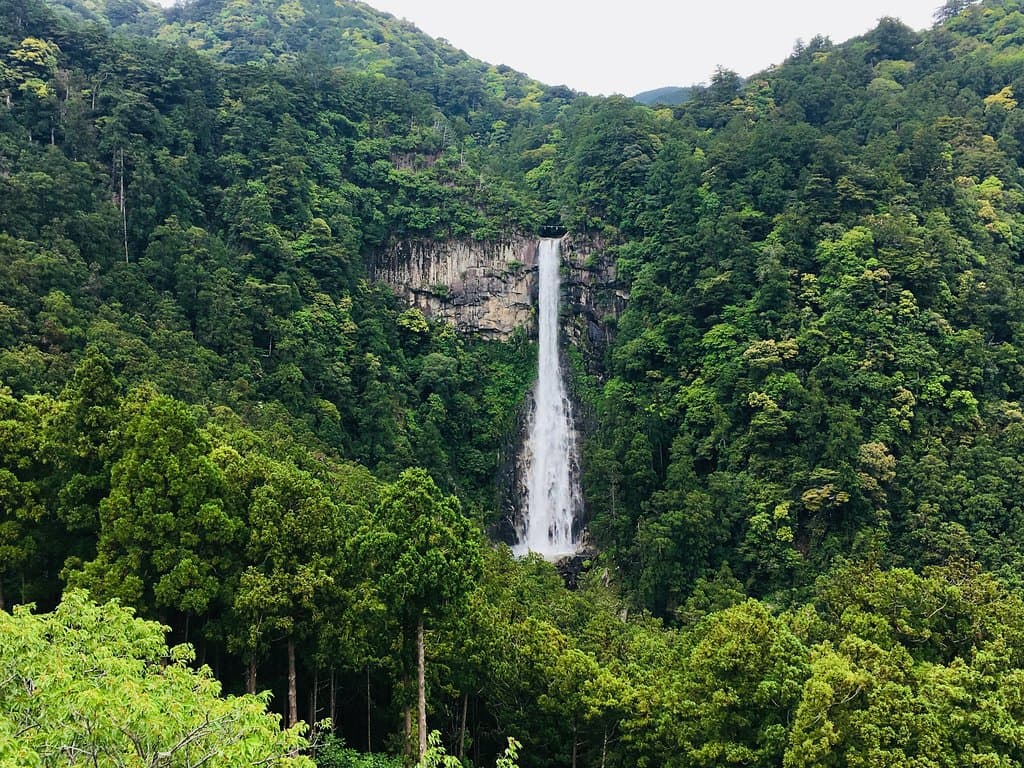
+1Walking even a small portion of the Kumano Kodo from Fudarakusan-ji offers a glimpse into the arduous yet rewarding journey undertaken by countless devotees. The trails wind through ancient forests, past smaller shrines, and offer breathtaking natural scenery. It's an opportunity to experience the same spiritual atmosphere that has drawn people to this region for centuries, making Fudarakusan-ji more than just a temple, but a starting point for a profound spiritual exploration.
Spiritual Practices and Ceremonies
The temple also hosts significant ceremonies, such as the Reitaisai (great festival), which includes fire offerings aimed at dispelling evil and praying for world peace. These events highlight the temple's role in spiritual well-being and its connection to broader aspirations for harmony. The priests are often involved in these rituals and are known for their welcoming nature, ready to explain the significance of the practices to interested visitors.
Social
from TikTok, Instagram & Reddit