Sekiyama Shrine
A historically significant shrine, Sekiyama Shrine offers serene beauty and a deep spiritual connection to mountain worship and Shugendo traditions.
Highlights
Must-see attractions

Social
From TikTok & Reddit
Best Time
Peaceful atmosphere
Sekiyama Shrine
Best Time
Peaceful atmosphere
Highlights
Must-see attractions
A historically significant shrine, Sekiyama Shrine offers serene beauty and a deep spiritual connection to mountain worship and Shugendo traditions.
"The silence and quiet power of the stately worship hall made me feel like 'Gods must be here.'"
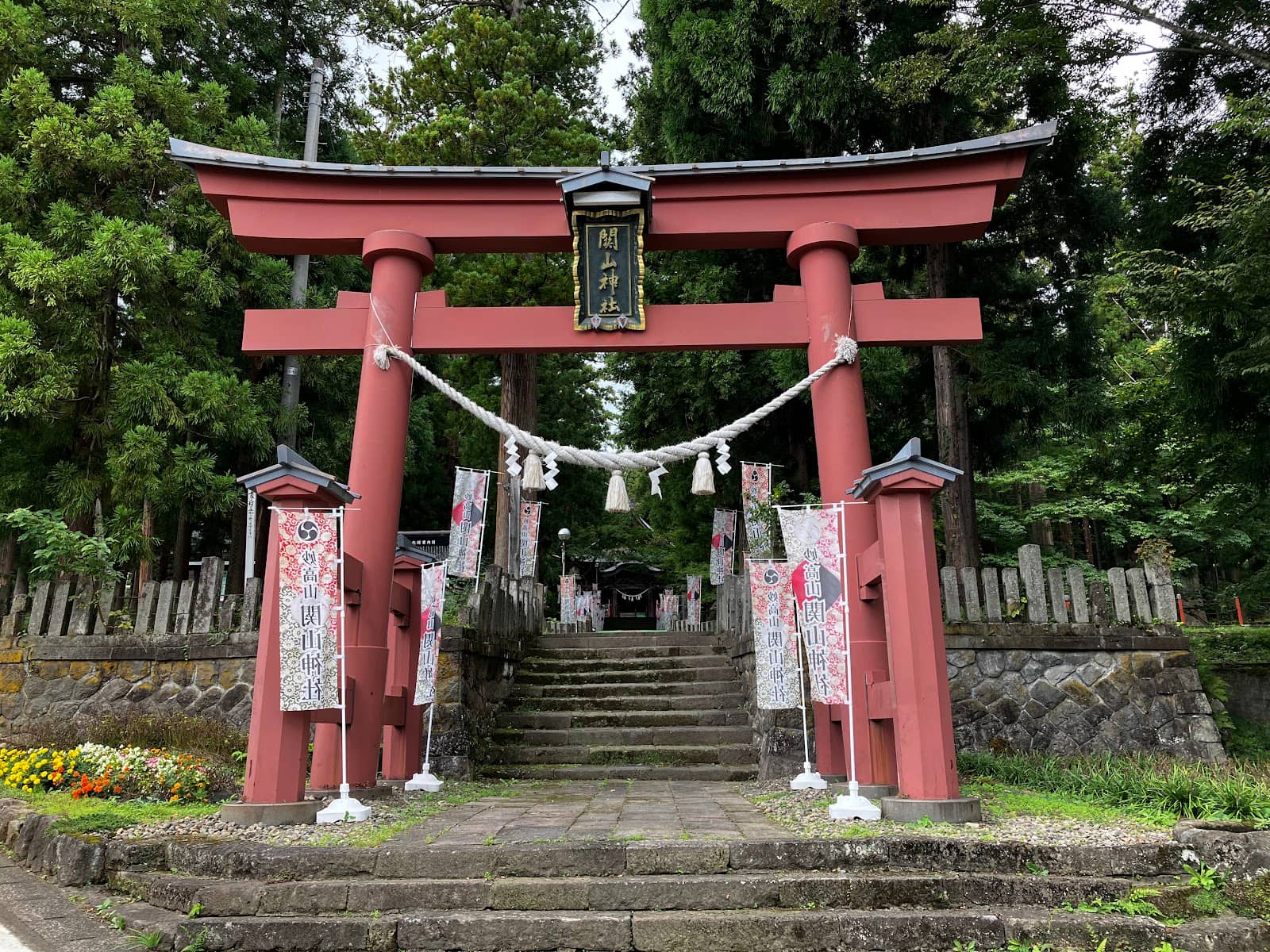
🚶♀️ Easy Access from Station
A short 10-minute walk from Sekiyama Station makes it easily accessible. :train2:
🚗 Spacious Parking Available
Plenty of parking space is available, making it convenient for those arriving by car. 🚗
Quick Facts
Rating
4.3 · 86 reviews
Type
Place of Worship
Highlights
Discover the most iconic attractions and experiences
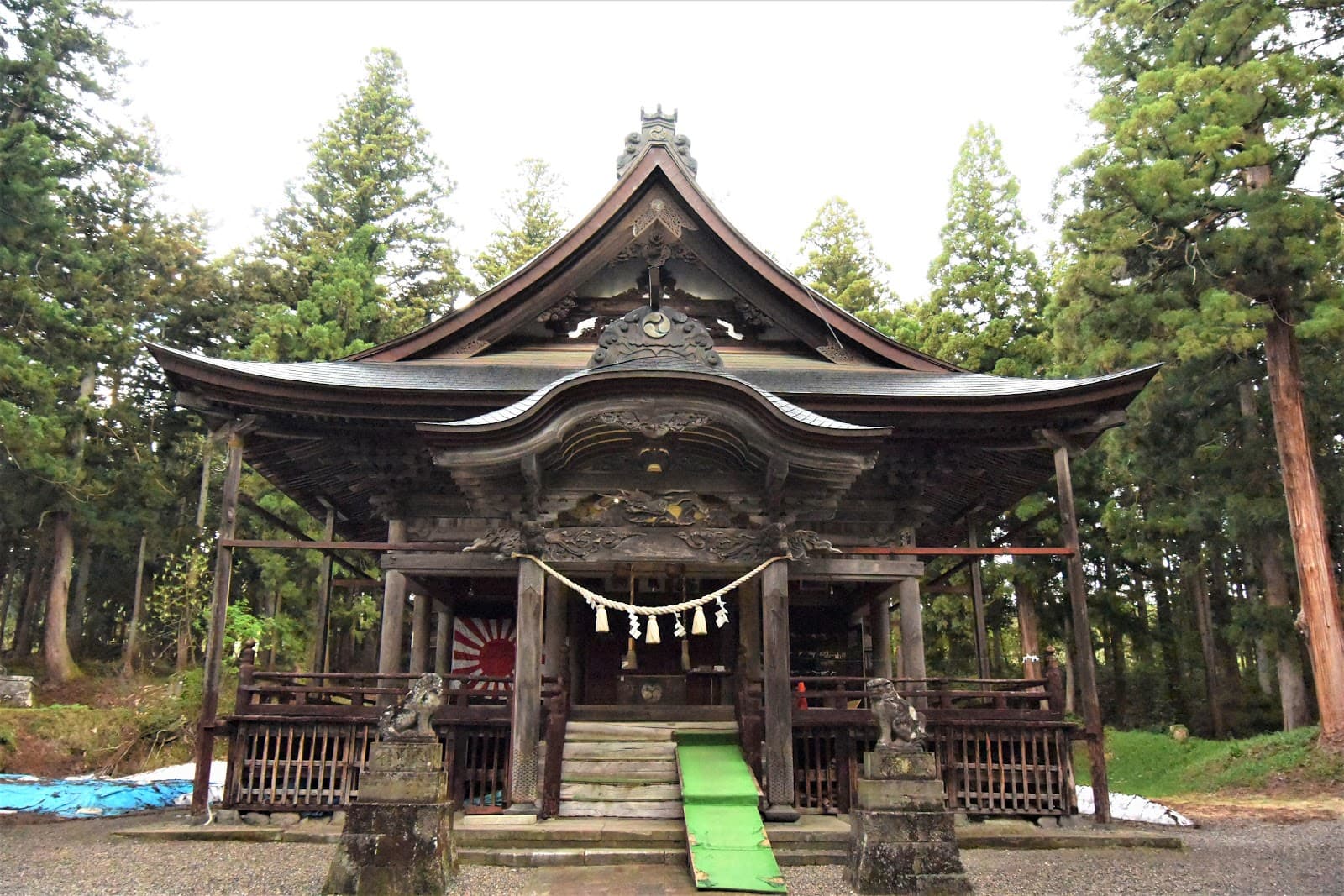
Main Hall and Worship Hall
Shrine Grounds
Experience the grandeur of this integrated structure, a nationally registered tangible cultural property with intricate carvings.
Sekiyama Shrine Palace
Innermost part of the shrine
Admire the Gokansha Nagare-zukuri style palace, built in 1790, with its striking red and white painted eaves.
Imori Pond
Near the shrine
A serene pond offering a moment of reflection, sometimes featuring unique activities like dog foot baths.

Plans like a pro.
Thinks like you
Planning Your Visit
Timing Your Visit for Serenity
Understanding the Shrine's Rich History
Best Times
Insider Tips
from TikTok, Instagram & Reddit
🚶♀️ Easy Access from Station
A short 10-minute walk from Sekiyama Station makes it easily accessible. :train2:
🚗 Spacious Parking Available
Plenty of parking space is available, making it convenient for those arriving by car. 🚗
🌳 Shaded and Cool Grounds
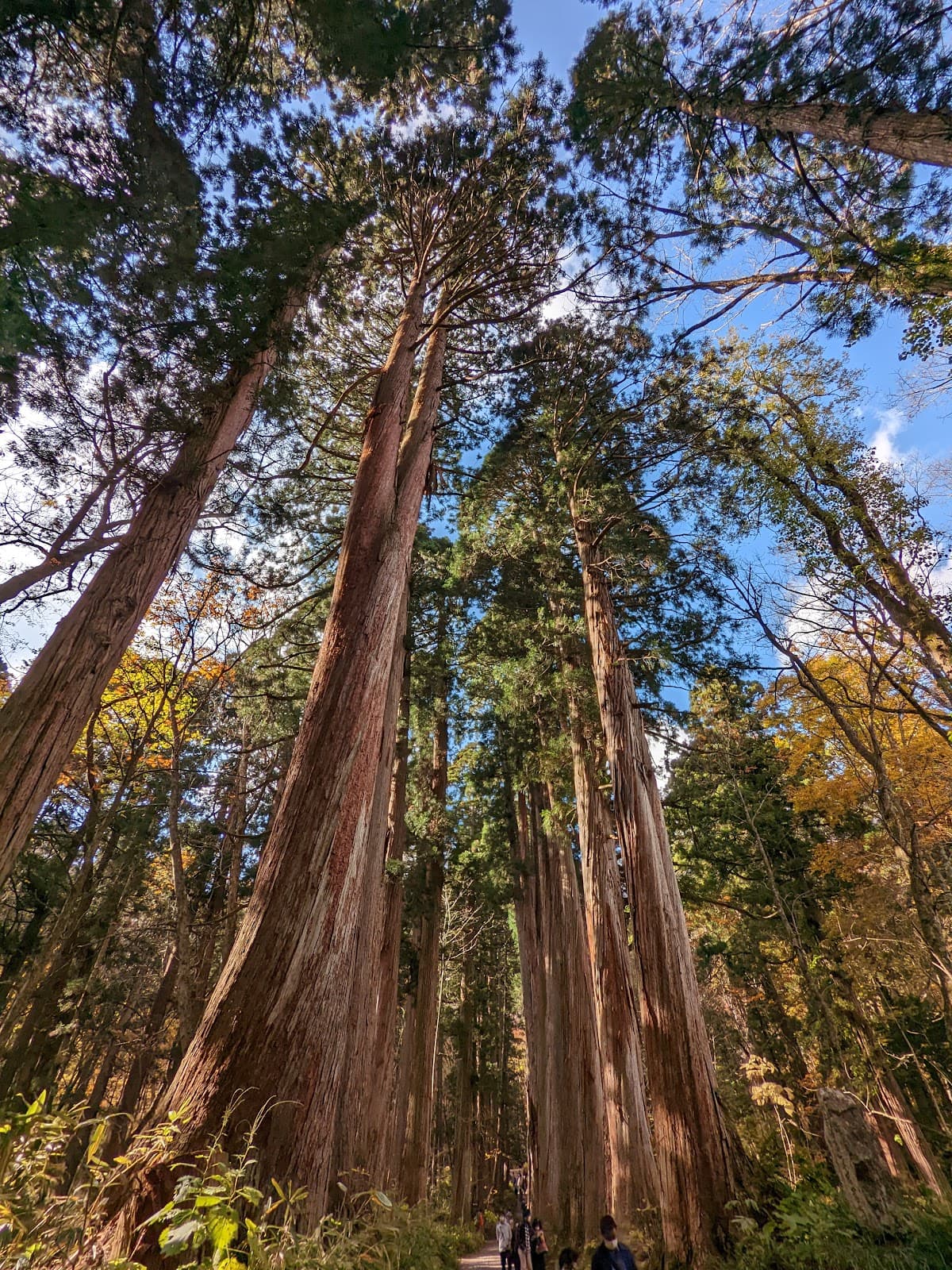
The grounds are beautifully shaded by trees, offering a cool respite, especially on warmer days. :evergreen_tree:
📜 Obtain a Goshuin
You can receive a written goshuin (temple seal) at the worship hall, a unique souvenir. 📜
Tips
from all over the internet
🚶♀️ Easy Access from Station
A short 10-minute walk from Sekiyama Station makes it easily accessible. :train2:
🚗 Spacious Parking Available
Plenty of parking space is available, making it convenient for those arriving by car. 🚗
🌳 Shaded and Cool Grounds
The grounds are beautifully shaded by trees, offering a cool respite, especially on warmer days. :evergreen_tree:
📜 Obtain a Goshuin
You can receive a written goshuin (temple seal) at the worship hall, a unique souvenir. 📜
❄️ Winter Wonderland Views
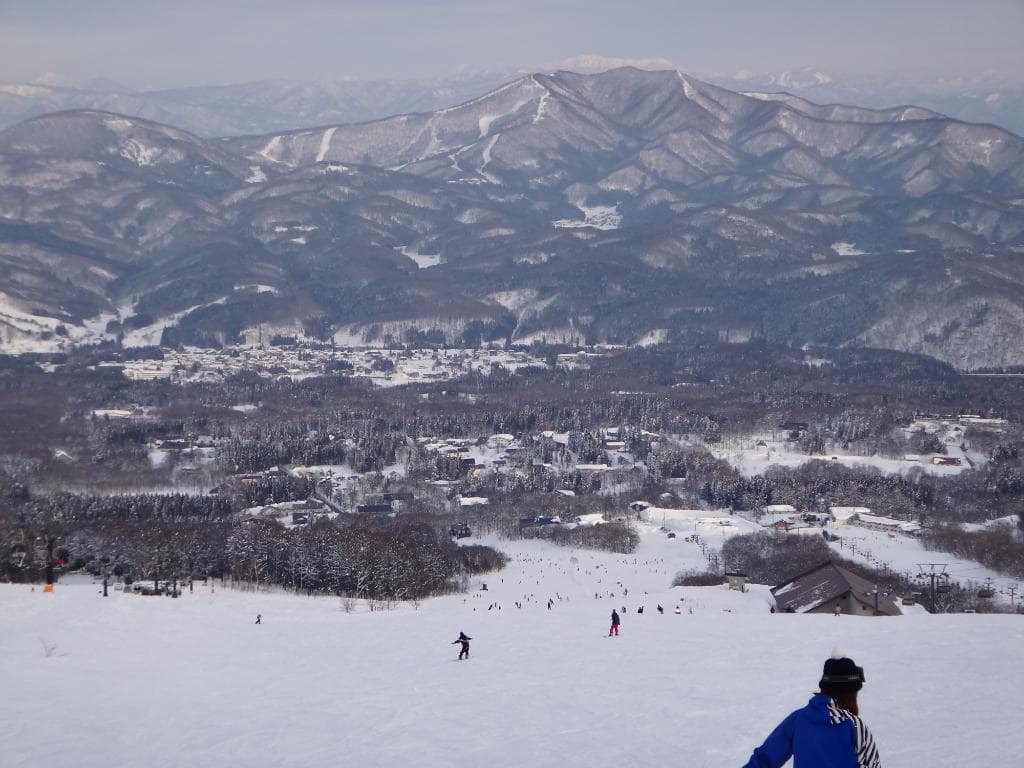
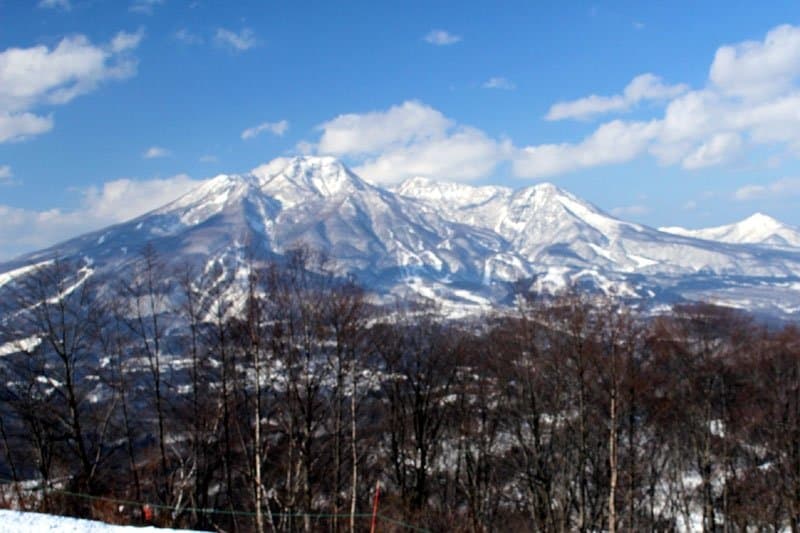
The shrine is stunning in winter, often covered in snow, creating a magical atmosphere.
What Travellers Say
Reviews Summary
Visitors praise Sekiyama Shrine for its magnificent architecture and profound sense of peace, often feeling a spiritual presence even without crowds. The shrine's historical significance as a registered tangible cultural property and its connection to ancient mountain worship traditions are highly appreciated. Some visitors noted a slight confusion regarding the blend of Buddhist and Shinto elements, and a desire to see more of the stored artifacts.
"A magnificent shrine ⛩️
There were no visitors, but the silence and the quiet power of the stately worship hall made me feel like "Gods must be here 🤔" 🙏
I received a written goshuin."
刈部測詠
"Sekiyama Shrine
Shrine and palace: Nationally registered tangible cultural property
[Shrine] Sekiyama Shrine main hall, offering hall, worship hall
[Palace] Sekiyama Shrine palace
From the information board below)
Until the Edo period, Sekiyama Shrine was known as the sanctuary of the Sekiyama Sansha Gonchi, and was highly revered as the guardian deity of Mt. Choko and the surrounding Yamama region.
The history of worship of the mountain is long, and in the Heian period, a training hall for the mountain chief's successor was formed as a place of syncretism with the deity, and in the Middle Ages, Miyazoin appeared as the head priest in charge of the festivals of Sekiyama Gongen, and exerted great power as the lord who governed Mt. Myoko. The prosperity of Sekiyama during this period is described in later documents as "Seven halls of wealth" and "Seventy-two monks' quarters."
Sekiyama Gongen and its head temple, Hozo-in, fell into great decline after being burned down by the forces of Oda Nagatomo in 1582, but in the Edo period, Hozo-in was restored as a branch temple of Toeizan Kan'ei-ji (Tendai sect) and the festival of Sekiyama Gongen was revived. At the Sekiyama Shrine Grand Festival (commonly known as the Fire Festival) which continues to this day, some of the Buddhist rituals from this time are passed down as folk performing arts such as "temporary mountain ascetic stick handling" and "pine pulling."
・The current shrine building of Sekiyama Shrine is a gabled, raftered building made of high-quality zelkova wood. Reconstruction began in 1809 and was completed in 1818. The main hall, sanctuary and worship hall are integrated into one structure, and there are many carvings on each part. The palace, located at the innermost part of the shrine, is a Gokansha Nagare-zukuri (a style of building made of wood with a shingle roof) and was built in 1790, prior to the rebuilding of the shrine. The tips of the eaves are painted in alternating red and white, and the design is gorgeous in the details.
These buildings, built in the late Edo period, were registered as tangible cultural properties of Japan in March 2018.
Myoko City Board of Education"
A Coyaya
"This is a local shrine on Mt. Myoko, said to have been founded by the monk Hadakō in 708 during the Nara period. The Sekiyama Shrine Palace was designated a National Registered Tangible Cultural Property (architecture) on March 27, 2018. The Sekiyama Shrine's dragon flag, said to have been bestowed by Uesugi Kenshin, is 72cm tall and 53cm wide, featuring ascending and descending blue dragons embroidered in gold and silver thread on a red cloth background. The shrine grounds are home to the former Sekiyama Hozō-in Garden, a nationally designated cultural property. Every July, the "Fire Festival," a tradition of Shugendō, is held, and is designated a prefectural intangible cultural property. The atmosphere of the grounds is different when you park your car and exit. Is this a place of mountain worship or Shugendō training? When you enter the worship hall, you'll see a photo of the Bodhisattva Kannon. Huh? For a moment, I'm confused. Is this a temple? It feels strange. A written goshuin (temple seal) was left in the worship hall. Sekiyama Shrine has other attractions too, so if you're in the area, I recommend stopping by to pray.👍️"
杉本海(カイ)
What People Like
What People Dislike
Frequently Asked Questions
🚇 🗺️ Getting There
Sekiyama Shrine is easily accessible by public transport, with a pleasant 10-minute walk from Sekiyama Station on the Echigo Tokimeki Railway. There is also a spacious parking lot available for visitors arriving by car.
Yes, Sekiyama Shrine is located in Myoko City, Niigata Prefecture, and is considered a local shrine for the sacred Mt. Myoko.
In winter, the shrine is often covered in snow, offering a beautiful sight.
🎫 🎫 Tickets & Entry
Sekiyama Shrine is a public place of worship, and there is typically no entrance fee to visit the grounds. Donations are always appreciated.
As a shrine, Sekiyama Shrine is generally open to visitors throughout the day. Specific building access might vary, but the grounds are usually accessible from dawn till dusk.
Yes, visitors can receive a written goshuin (temple seal) at the worship hall, which serves as a unique memento of your visit.
The most notable event is the 'Fire Festival' held every July, a tradition of Shugendo, designated as a prefectural intangible cultural property.
🎫 🧭 Onsite Experience
Key attractions include the integrated Main Hall, Offering Hall, and Worship Hall, as well as the historic Sekiyama Shrine Palace. The grounds also feature Imori Pond.
Absolutely! The shrine's architecture, especially the main hall and palace, along with the natural surroundings and seasonal beauty (like snow in winter
Sekiyama Shrine was historically revered as the guardian deity of Mt. Choko and the surrounding region. Its buildings are nationally registered tangible cultural properties, reflecting its long history.
The shrine is known for its connection to Shugendo practices and the annual Fire Festival. Imori Pond sometimes offers unique activities like dog foot baths.
Visitors often describe the atmosphere as serene, quiet, and powerful, with a sense of spiritual presence. The shaded grounds contribute to a cool and peaceful environment.
📸 📸 Photography
The main hall and worship hall complex, with its detailed carvings, and the elegant Sekiyama Shrine Palace are prime photo locations. The surrounding natural landscape, especially Imori Pond, also offers beautiful shots.
Yes, Sekiyama Shrine is exceptionally beautiful in winter when covered in snow, creating a magical and serene photographic scene.
The shrine's architecture lends itself well to architectural photography, while the natural setting is perfect for landscape and nature photography. The serene atmosphere also suits contemplative or spiritual photography.
Generally, photography is allowed on the shrine grounds. However, it's always respectful to be mindful of ongoing prayers or ceremonies and avoid intrusive photography.
Social
from TikTok, Instagram & Reddit