Miyazu Castle Ruins Park
Explore the historical remnants of Miyazu Castle, a strategic feudal stronghold built by the Hosokawa clan, offering a glimpse into Japan's past.
Highlights
Must-see attractions

Social
From TikTok & Reddit
Best Time
Best for reading signs
Miyazu Castle Ruins Park
Best Time
Best for reading signs
Highlights
Must-see attractions
Explore the historical remnants of Miyazu Castle, a strategic feudal stronghold built by the Hosokawa clan, offering a glimpse into Japan's past.
"It's mostly ruins; you'd be better off looking elsewhere if expecting more."
Manage Expectations
It's mostly ruins; focus on the signs to understand its history.
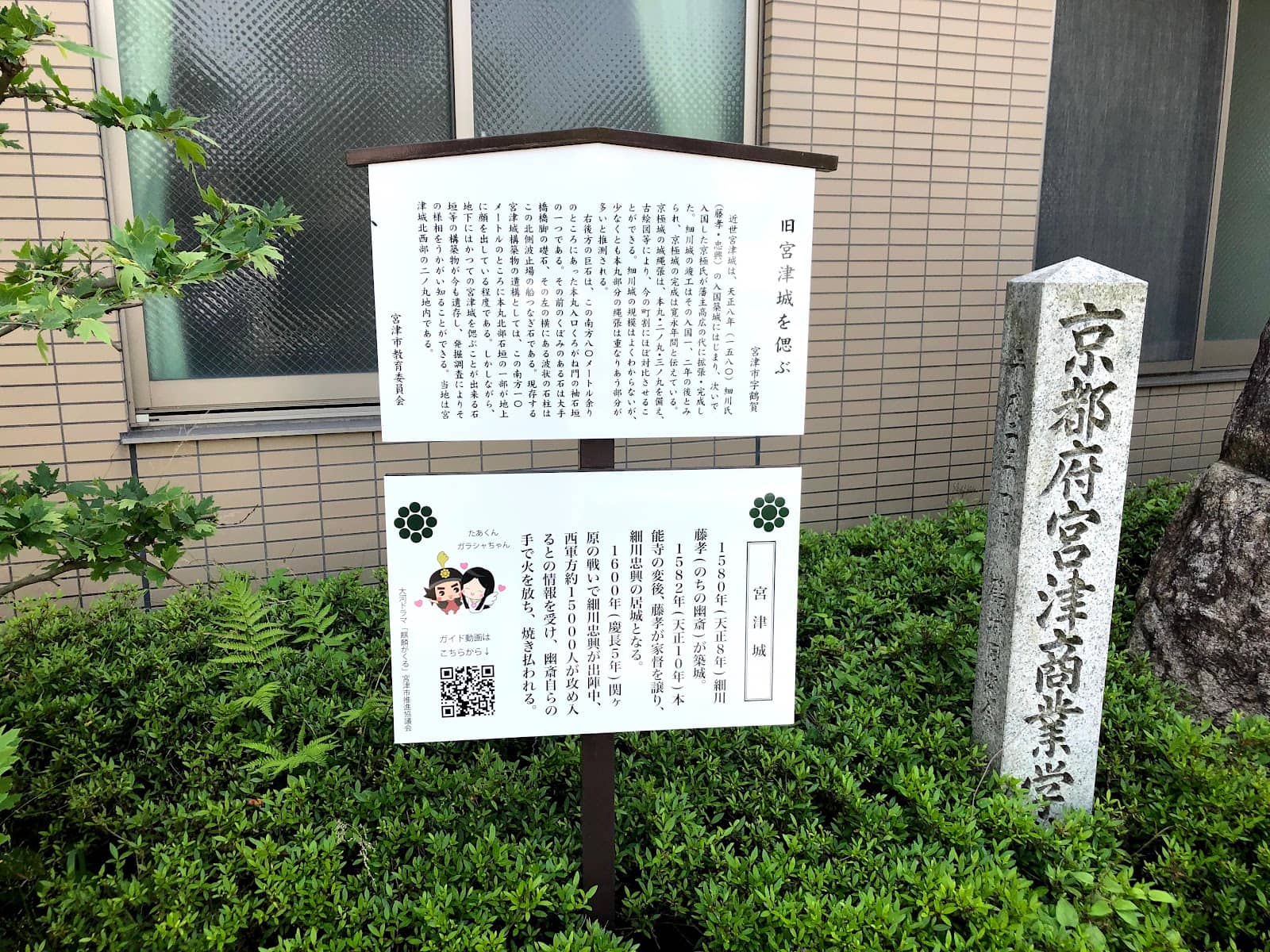
Read the Explanations
The explanatory boards are key to visualizing the castle's layout and significance.
Quick Facts
Rating
3.1 · 18 reviews
Type
Historical Landmark
Highlights
Discover the most iconic attractions and experiences
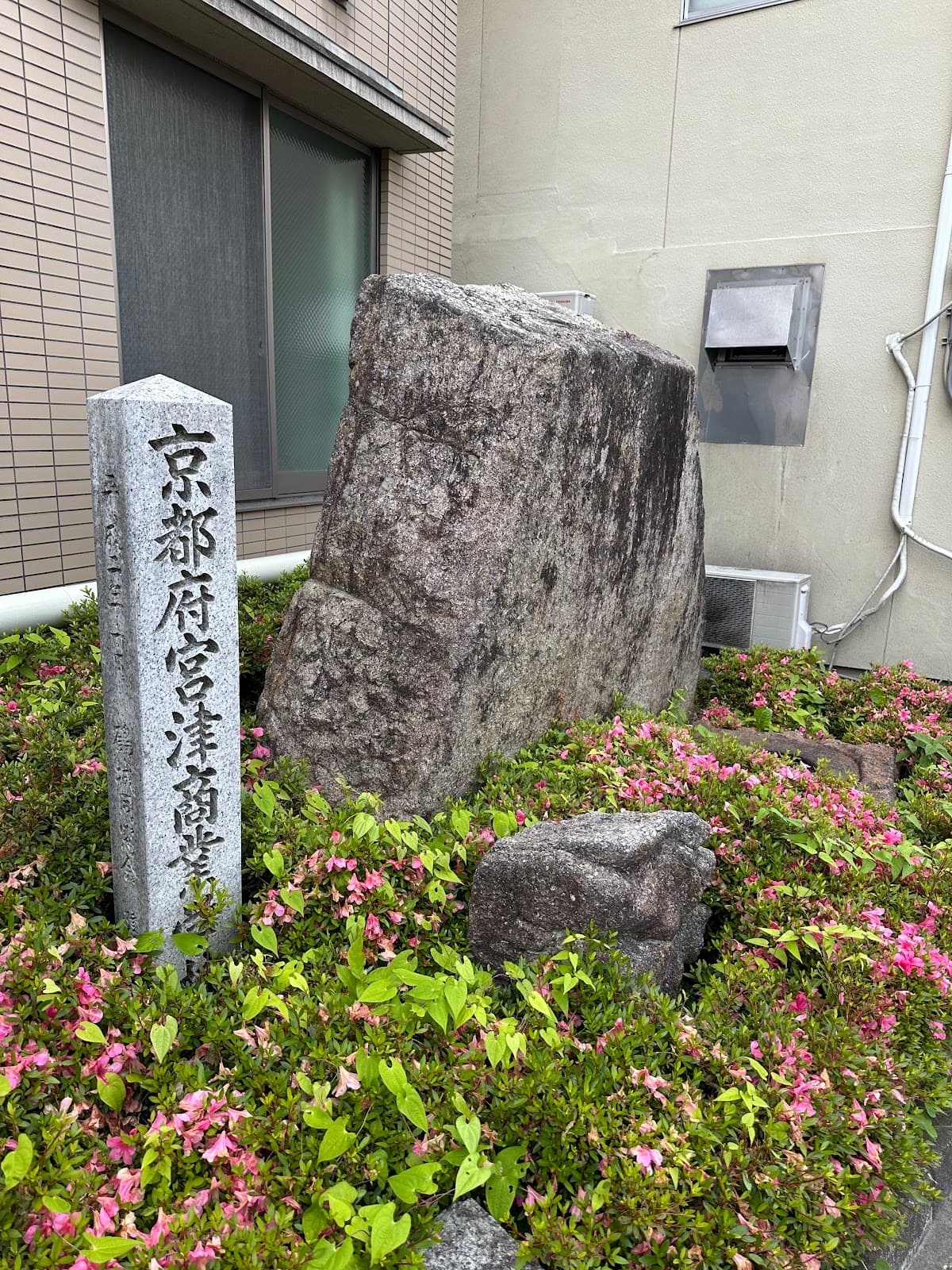
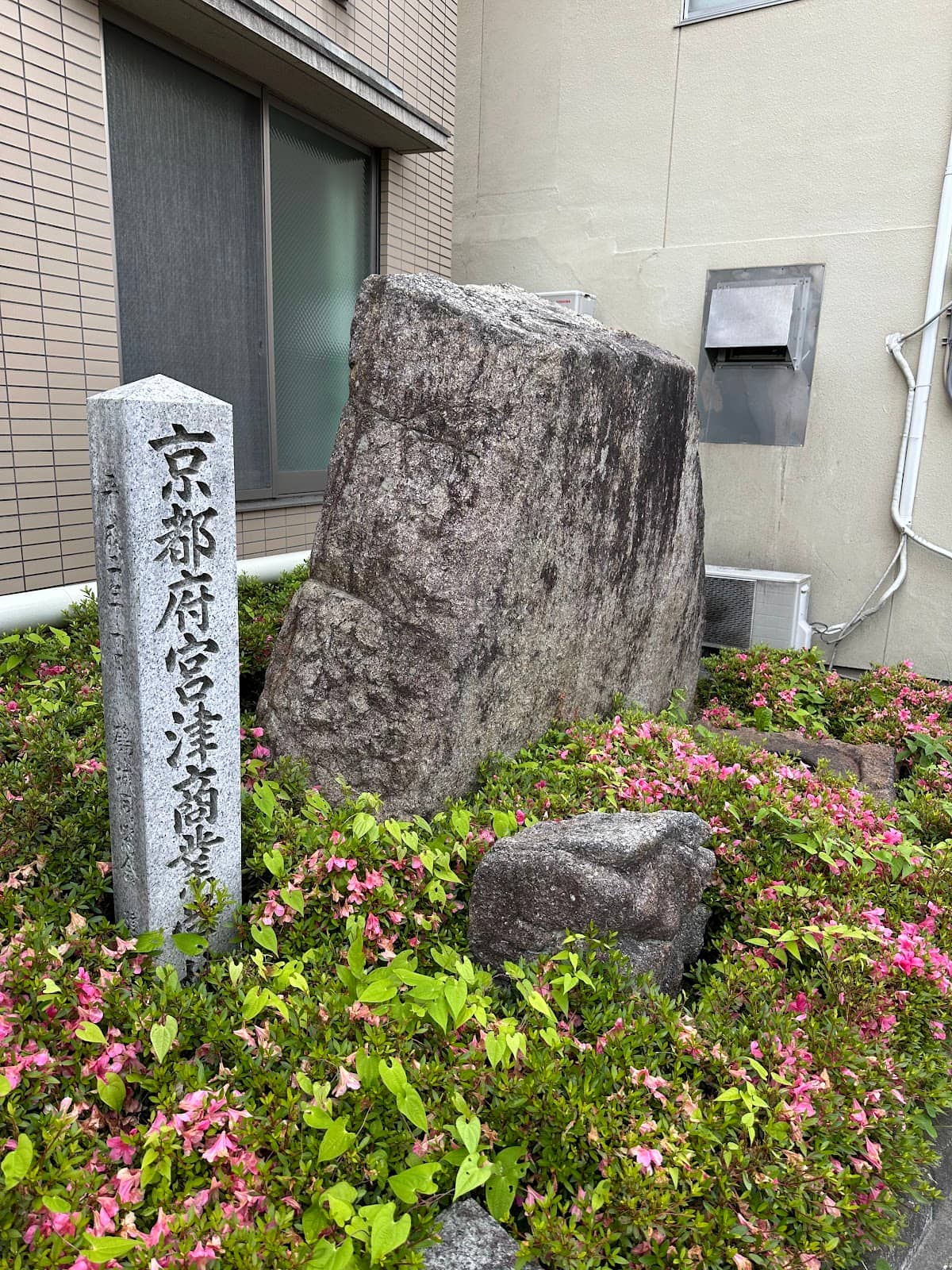
Sleeve Stone Wall Remnants
Entrance to the main enclosure
See a significant stone from the Kurogane Gate, offering a tangible connection to the castle's past defenses.
Foundation Stone of Otebashi Pier
Near the northern wharf
Visualize the bustling activity at the castle's northern wharf with this stone marking the pier's foundation.
Northern Stone Wall of Honmaru
Main citadel
The only visible structural remnant of Miyazu Castle, this stone wall offers a direct link to the citadel's former might.
Plans like a pro.
Thinks like you
Planning Your Visit
What to Expect at Miyazu Castle Ruins
Timing Your Visit for Context
Best Times
Insider Tips
from TikTok, Instagram & Reddit
Manage Expectations
It's mostly ruins; focus on the signs to understand its history. +1
Read the Explanations
The explanatory boards are key to visualizing the castle's layout and significance.
Imagine the Past
Bring your imagination to envision the castle's former glory from the remaining stones.
Tips
from all over the internet
Manage Expectations
It's mostly ruins; focus on the signs to understand its history. +1
Read the Explanations
The explanatory boards are key to visualizing the castle's layout and significance.
Imagine the Past
Bring your imagination to envision the castle's former glory from the remaining stones.
What Travellers Say
Reviews Summary
Visitors find Miyazu Castle Ruins Park to be a site rich in historical context, primarily appreciated through its explanatory signs and stone remnants. While some note the lack of grand structures, others value the tangible connection to the past and the strategic importance of the location. It's a place best suited for those who enjoy imagining history rather than expecting a fully reconstructed experience.
"[Explanatory sign]
Modern Miyazu Castle began construction in 1580 when the Hosokawa clan (Fujitaka and Tadaoki) entered the area, and was expanded and completed during the reign of the feudal lord Takahiro, who entered the area next. Hosokawa Castle is thought to have been completed one or two years after Hosokawa's arrival, and Kyogoku Castle is said to have been completed during the Kan'ei era.
The layout of Kyogoku Castle includes the main enclosure, second enclosure, and third enclosure, and can be roughly compared to the current layout of the town from old drawings. The scale of Hosokawa Castle is unclear, but it is assumed that at least the layout of the main enclosure had many overlapping parts.
The huge stone on the right rear is one of the sleeve stone walls of the Kurogane Gate, the entrance to the main enclosure, which was located about 80 meters south of this one. The stone with a depression in front of it is the foundation stone of the Otebashi pier, and the wavy stone pillar next to it on the left is a mooring stone for boats at the northern wharf. The only remaining remains of Miyazu Castle's structures are a portion of the northern stone wall of the Honmaru citadel, which is visible above ground 10 meters to the south. However, underground, stone walls and other structures that recall the former Miyazu Castle remain, and excavations have allowed us to get a glimpse of what it looked like. The site is within Ninomaru, in the northwest of Miyazu Castle.
Miyazu City Board of Education"
L’s_history
"Built by Hosokawa Fujitaka. Now part of the city."
Daisuke Kikuchi
"There's really nothing there. You'd be better off looking elsewhere."
山本晃司
What People Like
What People Dislike
Frequently Asked Questions
🚇 🗺️ Getting There
Miyazu Castle Ruins Park is located in Miyazu City. Access is typically via local transport within the city. While specific public transport details are scarce, it's generally accessible by bus or a short taxi ride from the nearest train station.
Information on dedicated parking for Miyazu Castle Ruins Park is limited. It's advisable to check for local public parking options in Miyazu City if you are arriving by car.
🎫 🎫 Tickets & Entry
Miyazu Castle Ruins Park is generally considered an open-access historical site. There are no mentions of admission fees, suggesting it's free to explore the ruins and grounds.
As an outdoor park with historical ruins, Miyazu Castle Ruins Park is likely accessible during daylight hours. There are no specific closing times mentioned, making it a flexible visit.
🎫 🧭 Onsite Experience
You can see remnants of stone walls, including a sleeve stone wall from the Kurogane Gate and the foundation stone of the Otebashi pier. The northern stone wall of the Honmaru citadel is also visible. Explanatory signs provide historical context.
While children can visit, the site primarily consists of historical ruins and informational signs. It might be more engaging for older children interested in history rather than young ones seeking active play.
A visit to Miyazu Castle Ruins Park can be quite brief, likely around 30 minutes to an hour, depending on how much time you spend reading the explanatory boards and imagining the historical context.
Specific facility information for Miyazu Castle Ruins Park is not readily available. It's recommended to use facilities in Miyazu City before or after your visit.
Miyazu Castle was built by Hosokawa Fujitaka in 1580 and later expanded. It served as a strategic point where roads intersected, playing a role in the region's feudal history.
📸 📸 Photography
Focus on capturing the texture and scale of the remaining stone walls, like the sleeve stone wall or the Honmaru citadel wall. The surrounding park landscape can also offer scenic backdrops.
Yes, photography is generally allowed in public parks. Be respectful of any signage or local regulations.
Social
from TikTok, Instagram & Reddit