National Astronomical Observatory of Japan Mitaka Campus
Explore historical telescopes and space science exhibits at this free research facility in Mitaka.
Highlights
Must-see attractions

Social
From TikTok & Reddit
Best Time
Fewer crowds, more relaxed exploration
National Astronomical Observatory of Japan Mitaka Campus
Best Time
Fewer crowds, more relaxed exploration
Highlights
Must-see attractions
Explore historical telescopes and space science exhibits at this free research facility in Mitaka.
"A fantastic free visit to see historical telescopes and learn about space science."
🎯 Free Entry & Forms
No tickets needed! Just fill out a form at the main gate for your map and brochure. :admission_tickets:
🚶♀️ Wear Comfortable Shoes
The campus is large and involves walking between buildings. :athletic_shoe:
Highlights
Discover the most iconic attractions and experiences
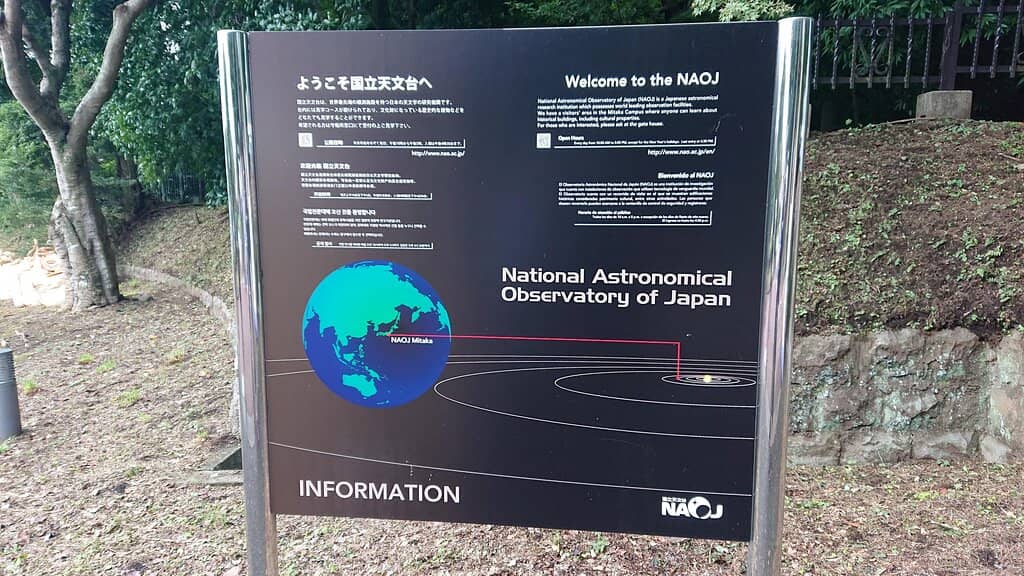
Historic Telescopes
Various exhibition buildings
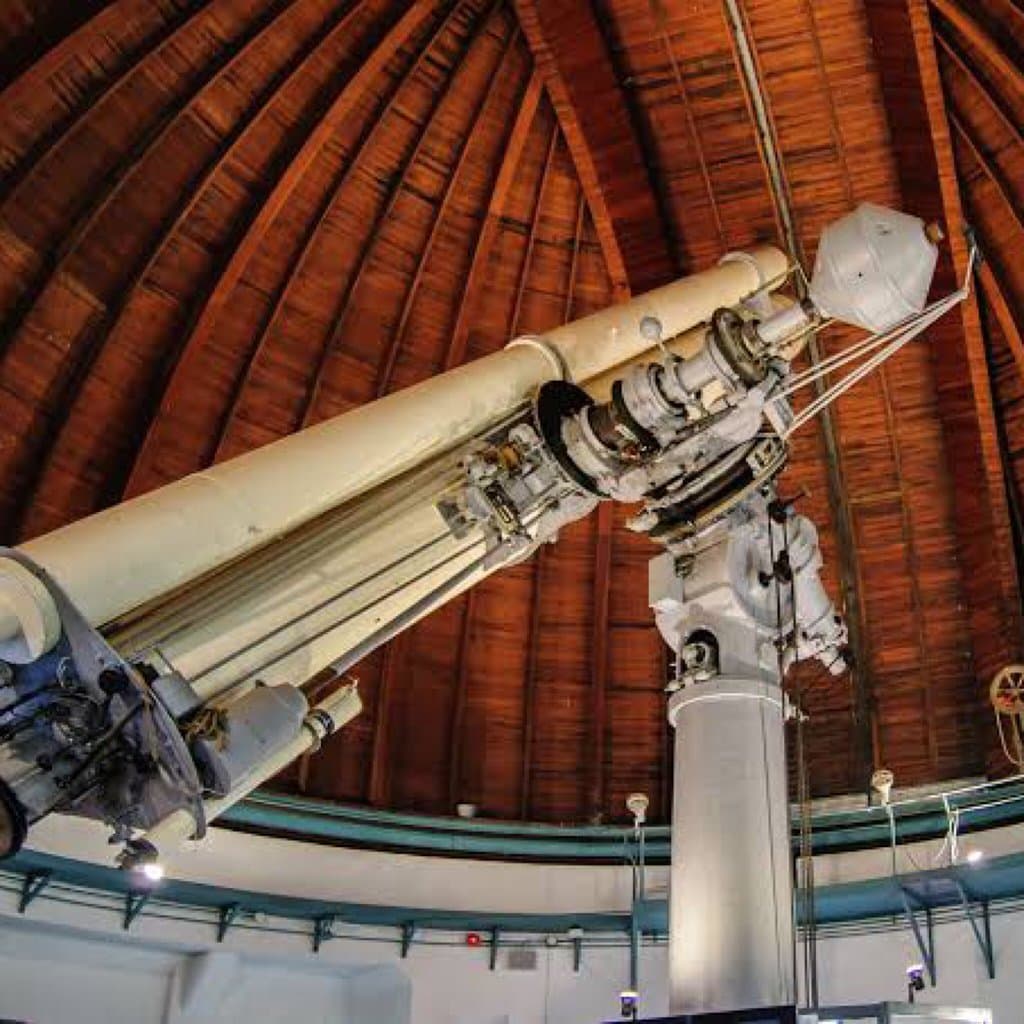
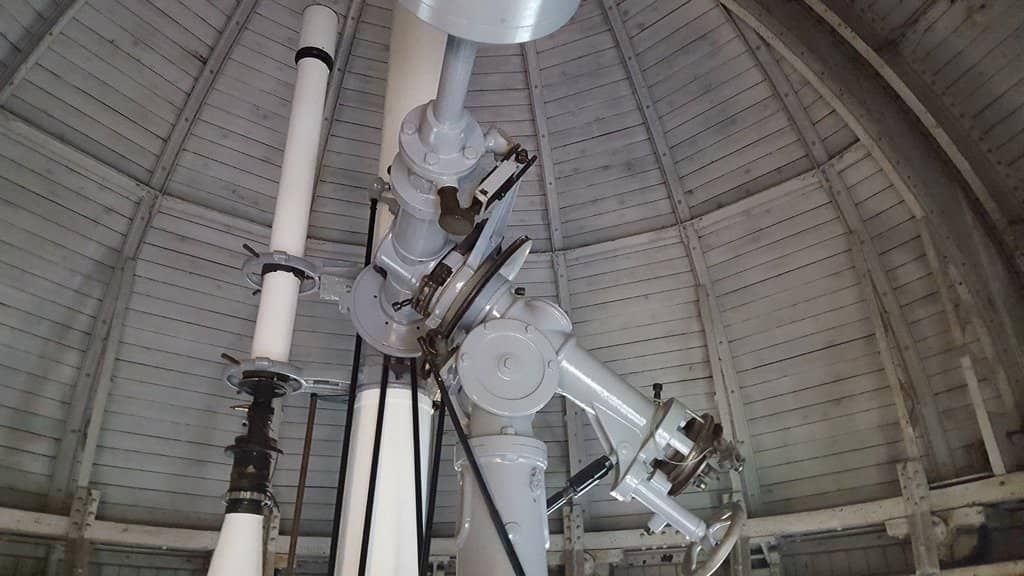
Marvel at impressive, well-preserved telescopes and astronomical equipment from different eras.
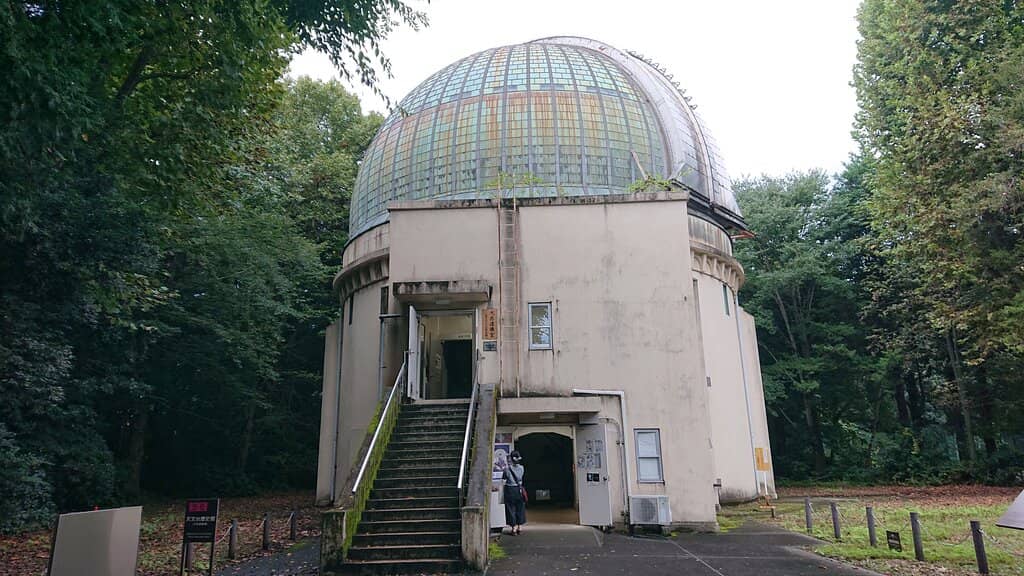
1920s Observatory
Main exhibition area
Experience the charm of a meticulously preserved observatory with passionate guides.
Space Exhibits
Exhibition halls
Explore fascinating displays detailing the history of space science and observation.
Plans like a pro.
Thinks like you
Planning Your Visit
Navigating the Observatory Grounds
Maximizing Your Visit
Best Times
Insider Tips
from TikTok, Instagram & Reddit
🎯 Free Entry & Forms
No tickets needed! Just fill out a form at the main gate for your map and brochure. :admission_tickets:
🚶♀️ Wear Comfortable Shoes
The campus is large and involves walking between buildings. :athletic_shoe:
❓ Ask Staff for Help
If you're unsure about open areas, staff are very kind and helpful. :question:
🗺️ Grab a Map
Essential for navigating the grounds and identifying open exhibition buildings. :world_map:
Tips
from all over the internet
🎯 Free Entry & Forms
No tickets needed! Just fill out a form at the main gate for your map and brochure. :admission_tickets:
🚶♀️ Wear Comfortable Shoes
The campus is large and involves walking between buildings. :athletic_shoe:
❓ Ask Staff for Help
If you're unsure about open areas, staff are very kind and helpful. :question:
🗺️ Grab a Map
Essential for navigating the grounds and identifying open exhibition buildings. :world_map:
🚌 Convenient Bus Access
A bus stop is located right outside the main gate for easy access. :bus:
What Travellers Say
Reviews Summary
Visitors find the National Astronomical Observatory of Japan a worthwhile, free experience, particularly for its impressive collection of historical telescopes and knowledgeable staff. However, some note that certain buildings are off-limits and the cafeteria is often closed, limiting the potential for a full-day visit. The distance from central Tokyo and the walk from the station are also considerations.
"Not very much to see if I'm being honest. Most buildings are off limits and the cafeteria is closed during the weekend so you really can't spend a full day there even though the caretaker tour guide who was in the 1920s observatory was a fantastic teacher with amazing energy for both young and adult. Too bad that there was not more to do even if it cost money for entry to facilitate more services, because it's so far away from Tokyo and it's a long walk from the nearest train station and you have to leave from the main entrance so you can't just walk through to the parks on the other side. I love space science and history so it was still good and I'm glad I went, but I think the 3 stars is warranted for the reasons noted above. Would have paid even 700 yen for entry if it had more of a wow factor"
J B
"No tickets needed, just fill up the form provided at the front desk (Main Gate). They provide a flyer for map, building descriptions, as well as audio guide (English available). The place was lovely, nice for a walk. Not many people come here even though I come here during the weekend. The buildings are old but it serves its purpose well which is surprising. I would love to come here again…"
Katerina Allegracia
"A really nice place to check out some old astronomy equipment! When I went I became a bit lost with another visitor as it is a bit difficult to figure out what areas are open for public viewing (this was on a day they were doing some construction so that may have been why). I did end up asking a staff member I saw next to a building for some help and she was so kind and showed me the area that I wanted to go. Once I found my way to the areas it was interesting to see the domes and equipment. The telescopes are really amazing to see in person. Overall a great experience not only for the buildings but the amazing staff!!!"
Maya
What People Like
What People Dislike
Frequently Asked Questions
🚇 🗺️ Getting There
The observatory is a bit of a walk from the nearest train station. From Mitaka Station (JR Chuo Line), it's about a 20-25 minute walk. Alternatively, you can take a bus from Mitaka Station (e.g., Kichijoji Station South Exit bus stop) to the 'Mitaka Kokusai Observatory' bus stop, which is right outside the main gate.
Yes, Mitaka is generally considered a safe area to walk around at night. Travelers have reported feeling comfortable walking in the evenings.
Unfortunately, you cannot walk through the observatory to reach parks on the other side. Visitors must exit through the main entrance. [^Review]
Take the JR Chuo Line from a major Tokyo station like Shinjuku or Tokyo Station directly to Mitaka Station. From there, you can walk or take a bus.
Information on parking is limited, but it's generally recommended to use public transport due to the observatory's location and potential parking limitations. [^Review]
🎫 🎫 Tickets & Entry
No, admission to the National Astronomical Observatory of Japan is free. You'll just need to fill out a simple form at the main gate upon arrival. [^Review]
Opening hours can vary, and some buildings may have restricted access. It's best to check the official website or inquire at the main gate for the most current information. Weekends might have different operating hours for facilities like the cafeteria. [^Review]
While formal guided tours might not always be available, the caretaker tour guide for the 1920s observatory is noted as fantastic. Inquire at the main gate about any available guided experiences. [^Review]
Generally, the main exhibits and historical telescopes are free to access. However, specific events or temporary exhibitions might have separate charges, though this is not commonly mentioned. [^Review]
At the main gate, you'll be asked to fill out a form. You'll also receive a flyer with a map and descriptions of the buildings. [^Review]
🎫 🔭 Onsite Experience
The main attractions are the historical telescopes and astronomical equipment, along with exhibits on space science history. Some buildings and the cafeteria may be closed, especially on weekends. [^Review]
Yes, English audio guides and brochures are typically available. Staff members are also noted for being fluent in English and helpful to visitors. [^Review]
While there isn't a dedicated children's play area, the historical exhibits and impressive telescopes can be fascinating for older children interested in space and science. [^Review]
Given that some areas might be closed and there's a fair amount of walking, a visit can range from 1-3 hours. It's not typically a full-day destination unless combined with nearby attractions. [^Review]
The map provided at the entrance is crucial. If you get lost or are unsure which areas are open, don't hesitate to ask a staff member for assistance. [^Review]
🍽️ 🍽️ Food & Dining
The cafeteria is often closed, particularly on weekends. It's advisable to eat before or after your visit, or bring your own snacks. [^Review]
There are likely dining options in the nearby Mitaka or Kichijoji areas, which are accessible by train or bus from the observatory.
While not explicitly stated, it's generally acceptable to bring your own snacks and drinks to enjoy in designated areas or during your walk around the campus. [^Review]
📸 📸 Photography
Photography is generally permitted in most public areas, but it's always a good idea to check for any specific signage or ask staff if you're unsure, especially near sensitive equipment. [^Review]
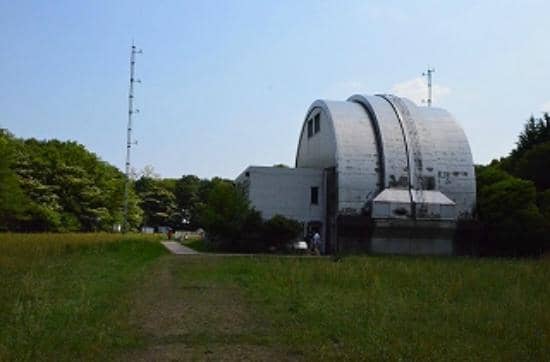
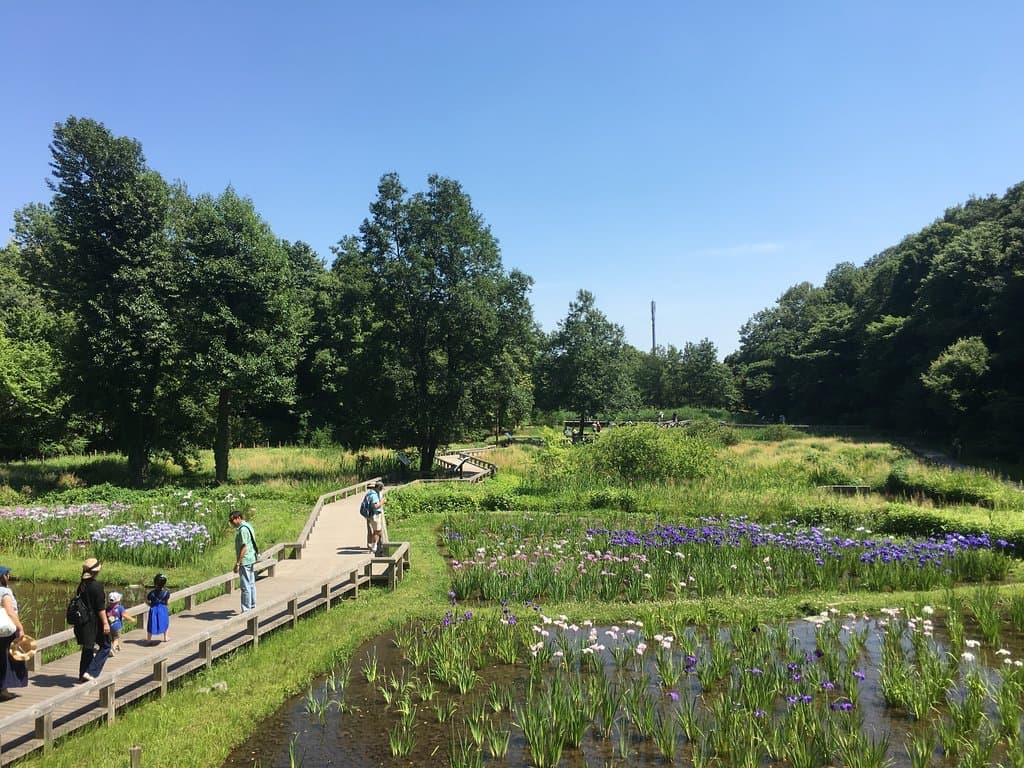
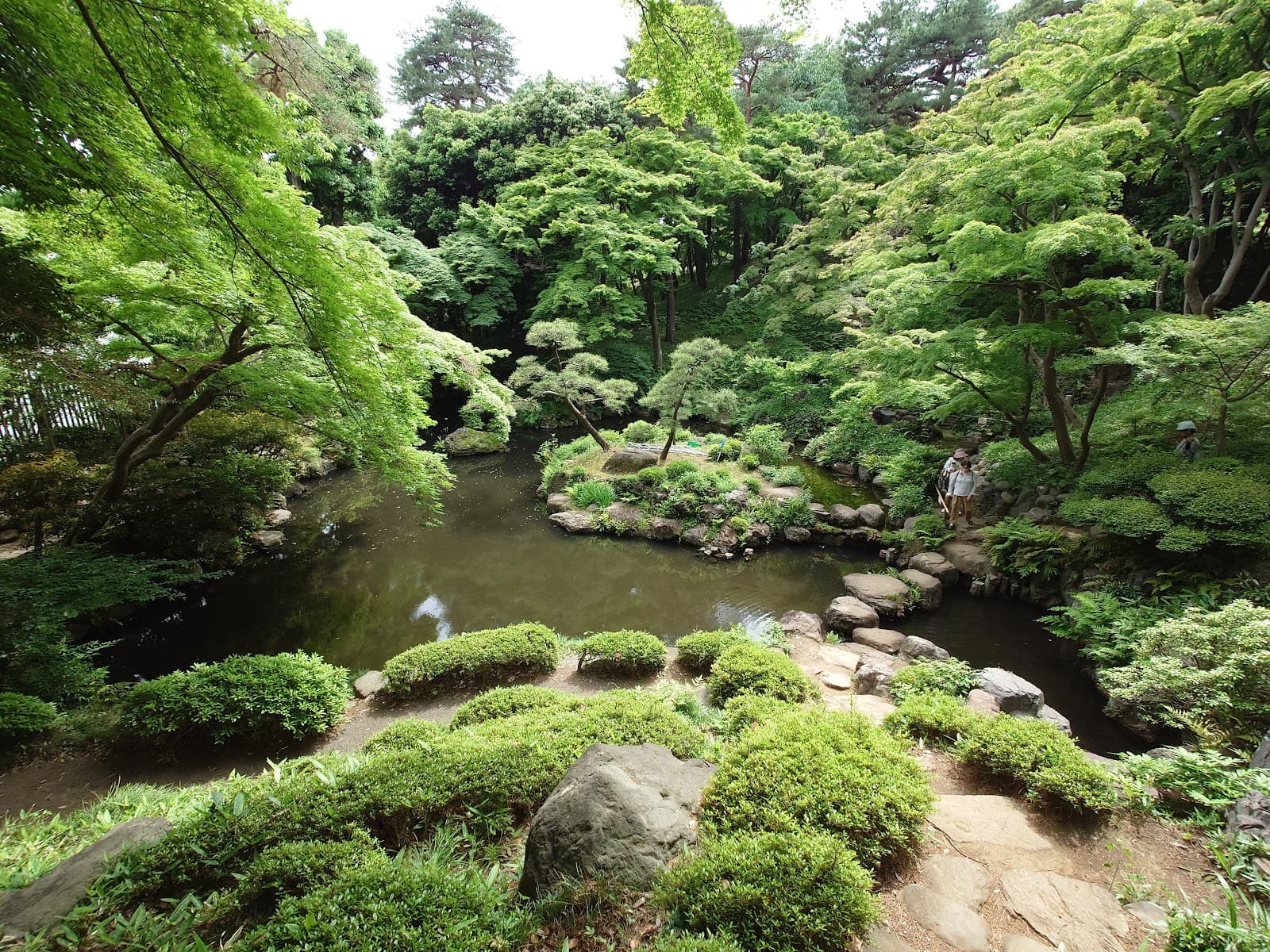
The exterior shots of the domes and historical buildings, along with the impressive telescopes inside, make for great photographic subjects. The grounds themselves offer pleasant scenery. [^Review]
Drone photography is highly unlikely to be permitted within the observatory grounds due to it being a research facility. [^Review]
For Different Travelers
Tailored advice for your travel style
👨👩👧 Families with Kids
Encourage older children to engage with the detailed descriptions of the telescopes and the history of astronomy. The sheer scale of some of the older instruments can be awe-inspiring. It's also a great opportunity to discuss the importance of scientific research and the vastness of the universe. Consider combining the visit with a trip to the nearby Jinda Botanical Garden for a more varied family day out. [^Review]
🧑🏫 Science & History Buffs
Take your time to read the detailed descriptions and appreciate the engineering marvels of the past. The free entry makes it an accessible way to delve into the history of astronomy. Consider visiting on a weekday to avoid potential crowds and enjoy a more contemplative experience. [^Review]
🚶♀️ Budget Travelers
While there are no dining facilities consistently available, you can save money by bringing your own snacks and drinks. The cost-effective way to reach the observatory is via public transport, using the train to Mitaka Station and then either walking or taking a local bus.
Deep Dives
In-depth insights and expert knowledge
A Glimpse into Astronomical History
What makes the experience particularly engaging are the detailed English descriptions accompanying each exhibit. These descriptions provide context about the instruments' origins, their scientific significance, and the astronomers who used them. While some areas might be off-limits due to ongoing research or maintenance, the accessible exhibits are more than enough to provide a comprehensive and educational experience. The staff's passion and knowledge, often highlighted by visitors, further enrich the understanding of these historical artifacts. [^Review]
Beyond the hardware, the observatory also features exhibits on the broader history of space science. These displays often cover significant discoveries, the evolution of observational techniques, and the development of astronomical theories. It’s a place where the past of stargazing comes alive, making it a unique destination for science enthusiasts and history buffs alike. [^Review]
Navigating the Mitaka Campus
Visitors often mention that the campus is quite large and involves a considerable amount of walking between different exhibition areas. Therefore, wearing comfortable footwear is highly recommended. If you find yourself lost or unsure about which areas are accessible, the staff members are known for their exceptional kindness and willingness to help guide visitors. [^Review]
While the campus offers a peaceful environment for exploration, it's worth noting that amenities like the cafeteria may have limited operating hours, especially on weekends. This means it’s a good idea to have a meal before or after your visit, or to pack some snacks. The presence of a bus stop directly outside the main gate makes public transportation a very convenient option for reaching and departing from the observatory. [^Review]


Social
from TikTok, Instagram & Reddit