Motoori Norinaga Memorial Museum
Discover the life of Edo-period scholar Motoori Norinaga amidst the serene Matsusaka Castle ruins. Explore manuscripts, personal items, and his belove...
Highlights
Must-see attractions

Social
From TikTok & Reddit
Best Time
Fewer crowds, more peaceful
Motoori Norinaga Memorial Museum
Best Time
Fewer crowds, more peaceful
Highlights
Must-see attractions
Discover the life of Edo-period scholar Motoori Norinaga amidst the serene Matsusaka Castle ruins. Explore manuscripts, personal items, and his beloved bells.
"A quiet gem offering a unique glimpse into a fascinating scholar's life within historic castle grounds."
Watch the Intro DVD First
Enhance your understanding of Motoori Norinaga before exploring the exhibits. :movie_camera:
Explore Castle Ruins
Combine your museum visit with a walk around the historic Matsusaka Castle grounds. :world_map:
Highlights
Discover the most iconic attractions and experiences
Motoori Norinaga's Manuscripts
Exhibition Room
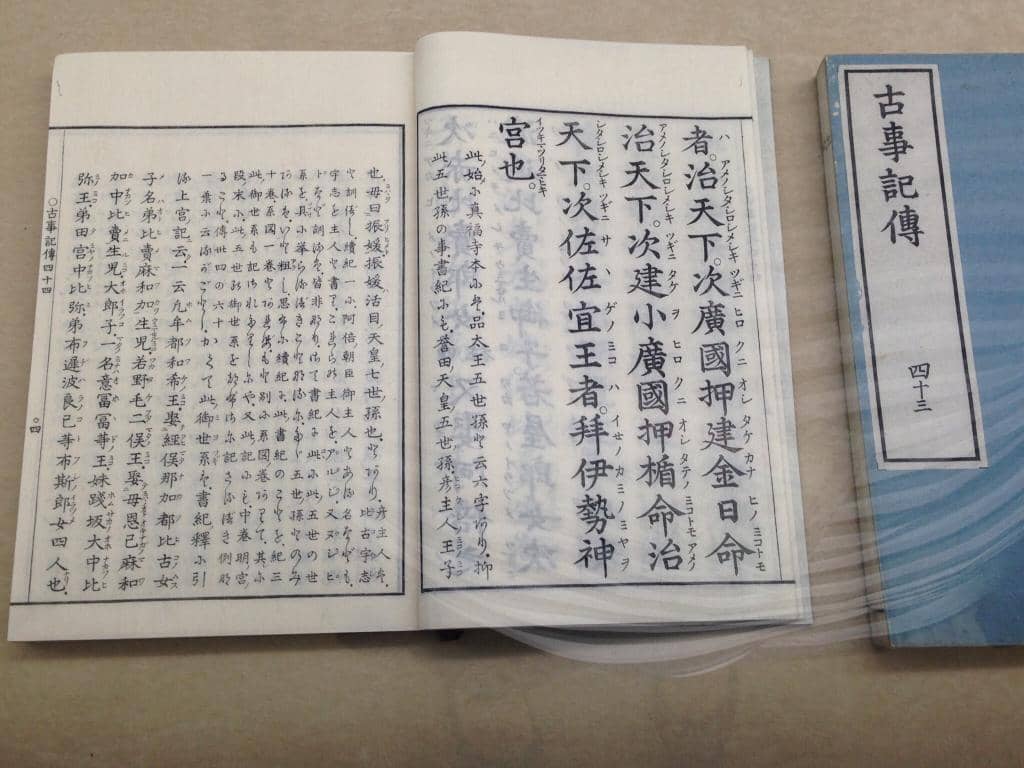
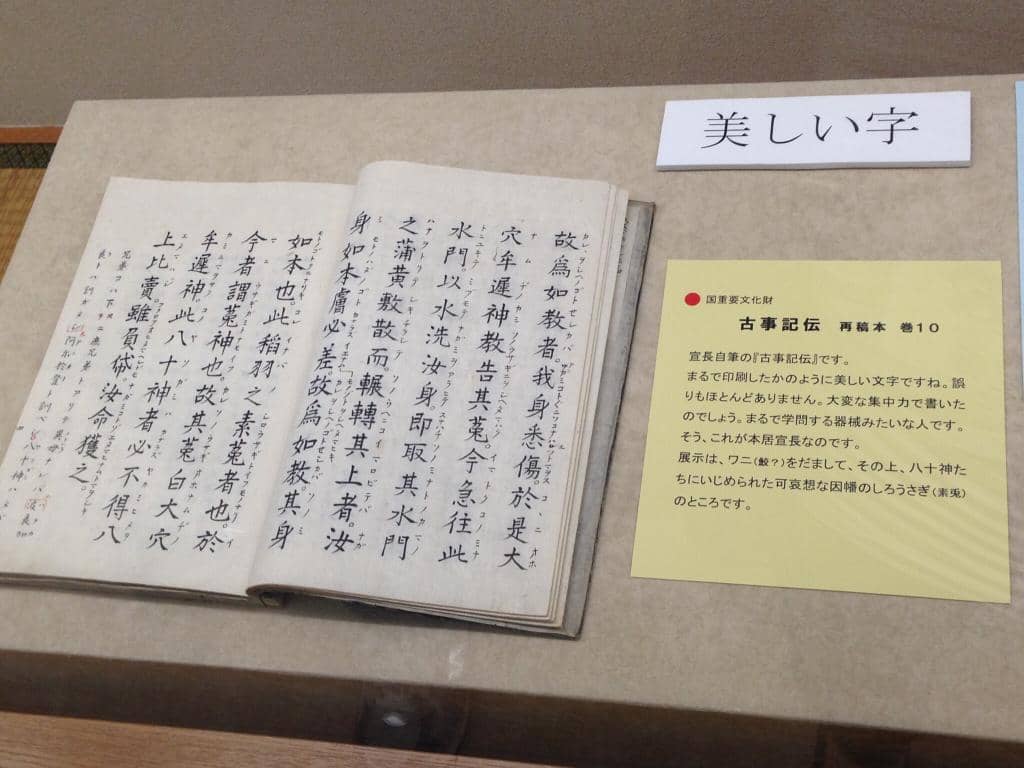
See handwritten works like the Kojikiden, showcasing a genius scholar's dedication over 35 years.
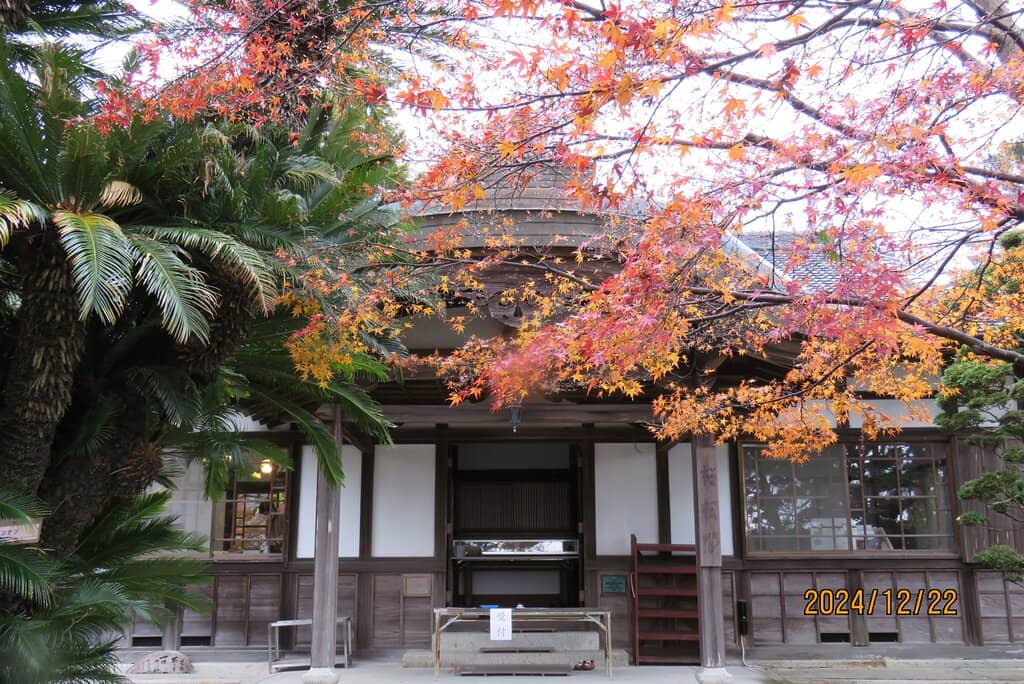
Personal Belongings & Self-Portraits
Exhibition Room
Get a personal feel for the scholar through his possessions and rare self-portraits.
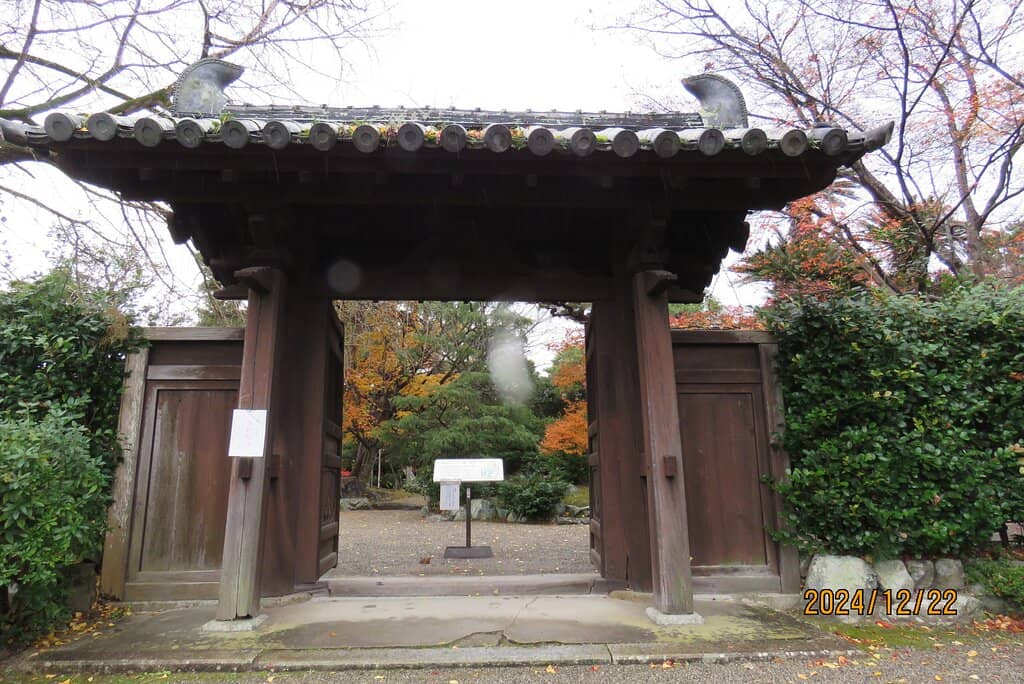
Bell Collection
Exhibition Room
Discover his passion for bells, a symbol of Matsusaka town, and imagine him ringing them while deciphering texts.
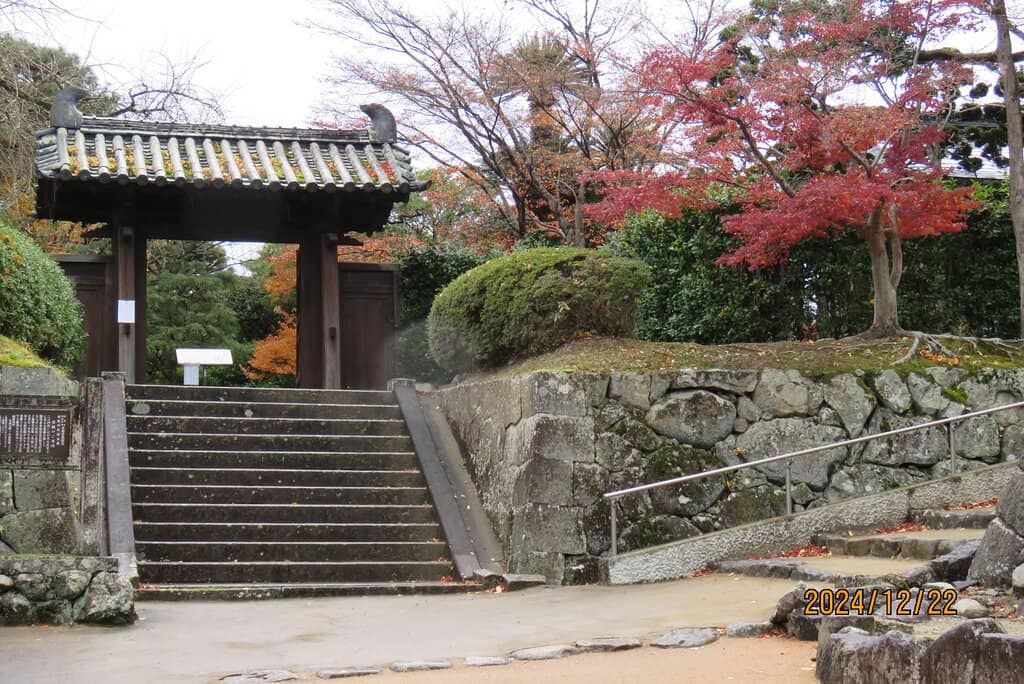
Matsusaka Castle Ruins
Surrounding grounds
Wander through the historic castle ruins, appreciating the stone walls and serene atmosphere.
Plans like a pro.
Thinks like you
Planning Your Visit
Embrace the Quiet Charm
Parking and Access
Best Times
Insider Tips
from TikTok, Instagram & Reddit
Watch the Intro DVD First
Enhance your understanding of Motoori Norinaga before exploring the exhibits. :movie_camera:
Explore Castle Ruins
Combine your museum visit with a walk around the historic Matsusaka Castle grounds. :world_map:
Imagine His Life
Use your imagination to picture Norinaga writing and ringing his bells in his former home. :sparkles:
Consider a Bell Souvenir
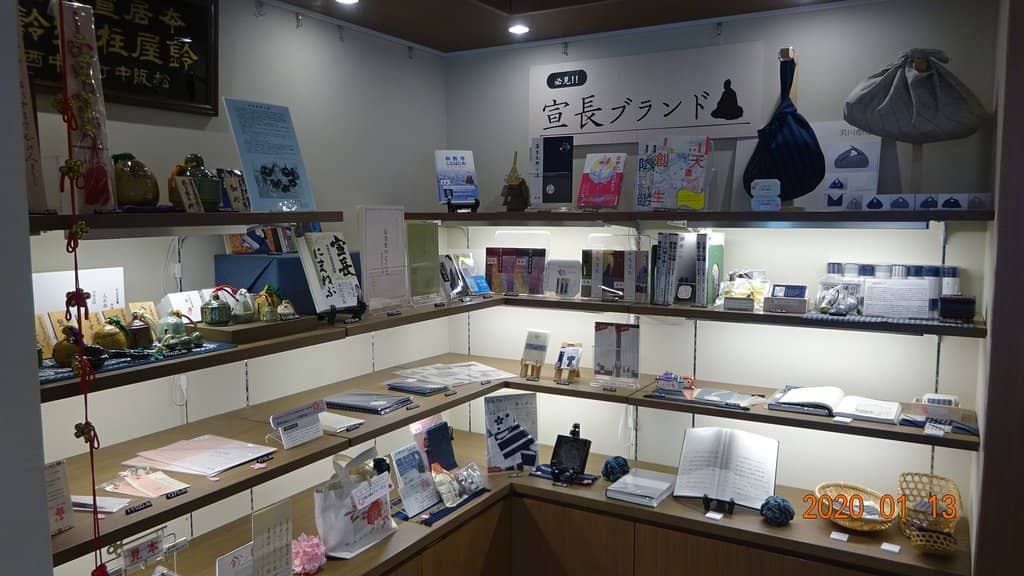
Many visitors are tempted to buy a bell souvenir after learning about his passion. :shopping_cart:
Tips
from all over the internet
Watch the Intro DVD First
Enhance your understanding of Motoori Norinaga before exploring the exhibits. :movie_camera:
Explore Castle Ruins
Combine your museum visit with a walk around the historic Matsusaka Castle grounds. :world_map:
Imagine His Life
Use your imagination to picture Norinaga writing and ringing his bells in his former home. :sparkles:
Consider a Bell Souvenir
Many visitors are tempted to buy a bell souvenir after learning about his passion. :shopping_cart:
What Travellers Say
Reviews Summary
Visitors find the Motoori Norinaga Memorial Museum to be a quiet and thought-provoking destination within the historic Matsusaka Castle ruins. While small, the museum offers a unique glimpse into the life of a fascinating scholar, with many appreciating the personal touch of his manuscripts and belongings. The surrounding castle grounds provide a pleasant atmosphere for exploration.
"Motoori Norinaga Memorial Museum
It's located within the ruins of Matsusaka Castle.
It's a quiet place, but Motoori Norinaga was an interesting person, and I wish more people would visit.
I thought he'd be a strict scholar of the Kojiki, but he's actually a map enthusiast. He made his own maps of Japan (which is still normal), created detailed maps like the most imaginary city I could imagine, and named his children after place names like Hida, Mino, and Noto, even naming his grandchildren after Izu!
What's more, his grandchildren's names became more normal halfway through, giving you a glimpse of his rebellious side (lol).
He was a genius, transcribing the script of a play he'd seen once from memory, and he was also a bell enthusiast, with his collection of station bells becoming a symbol of the town of Matsusaka.
It's a fun place that stimulates the imagination, and I can really feel the love the people of Matsusaka have for Motoori Norinaga. Imagine him as a modern-day Tamori or Yorozu Sensei."
走れ!宗男
"Motoori Norinaga: Matsuzaka Iku, Doctor and Japanese Classical Scholar (One of the Four Great Masters of Japanese Classical Studies: 1. Motoori Norinaga, 2. Kamo Mabuchi, 3. Hirata Atsutane, 4. Kada Harumitsu)
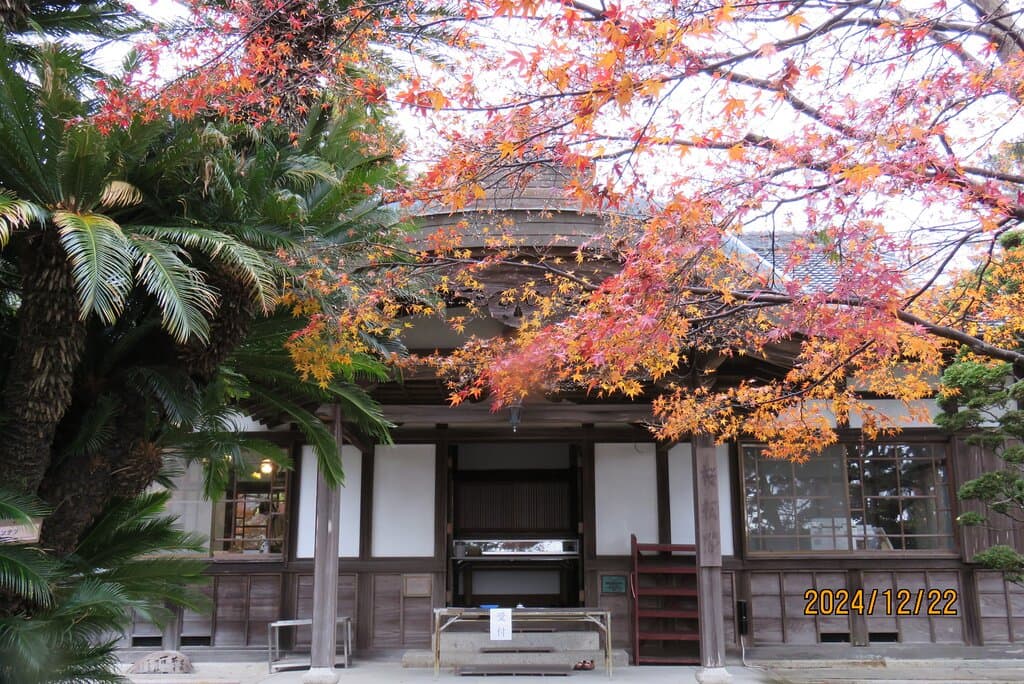
The former home of Edo period Japanese classicist Motoori Norinaga, "Suzuya," is open to the public, and the exhibition room displays his handwritten manuscripts, personal belongings, and self-portraits, including the Kojikiden.
Motoori Norinaga was a bookworm! He read anything and everything! It took him 35 years to complete the 44 volumes of the Kojikiden, which became undecipherable during the Edo period. He even worked full-time as a doctor during the day, and occasionally plucked his bell to decipher books in his leisure time!
It's sad to see the focus on new things and the good old Japan being forgotten.
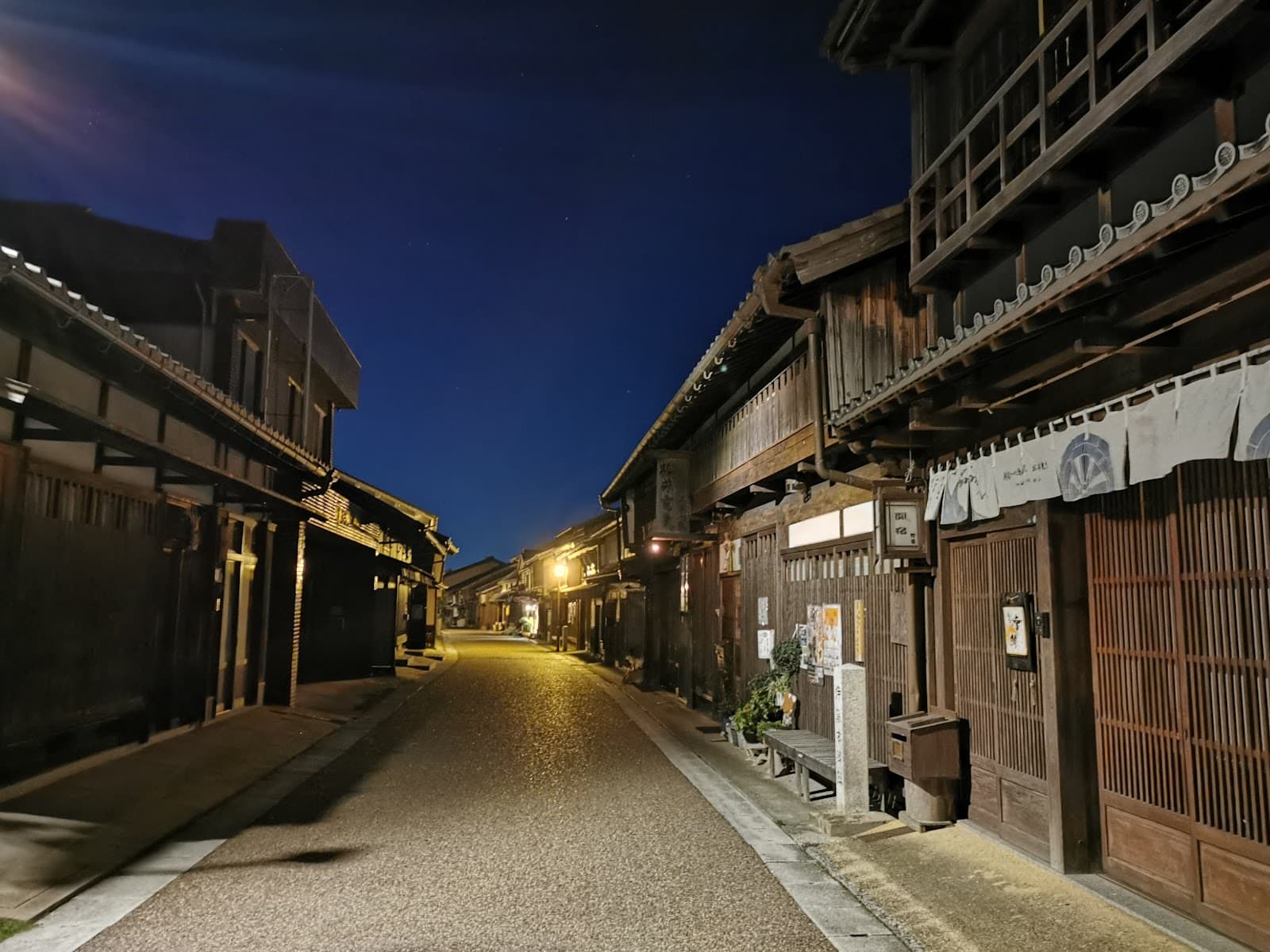
Suzunoya is a small house and the second floor can only be seen from the outside, but if you stretch your imagination a little, it makes you smile to imagine that Motoori Norinaga wrote here and occasionally took a break while ringing the bell!
I bought a bell~ lol"
金ぴか70
"I'm ashamed to say that I haven't read any of Motoori Norinaga's works yet, but this is my second time visiting the museum. I'm drawn to the way he lived his life so freely, even though he studied such strict subjects as the classics.
Perhaps the reason we today are able to freely imagine and say all sorts of things about ancient times is because this person was the starting point for our research."
京都最南端から転勤中
What People Like
What People Dislike
Frequently Asked Questions
🚇 🗺️ Getting There
The museum is located within the ruins of Matsusaka Castle. The closest parking lot is the museum's own, making it convenient for visitors arriving by car. Public transport options would involve local buses to the Matsusaka Castle area.
Yes, the Motoori Norinaga Memorial Museum provides its own parking lot, which is the closest to Matsusaka Castle. This is a significant convenience for those driving to the site.
🎫 🎫 Tickets & Entry
The museum is open daily from 9:00 AM to 5:00 PM. It is closed on Mondays.
Admission fees are ¥400 for adults, ¥300 for university students, and ¥200 for 4th graders to 3rd graders.
Yes, there are discounted rates for university students (¥300) and children in 4th to 3rd grade (¥200).
The Motoori Norinaga Memorial Museum is closed on Mondays.
Tickets can be purchased at the entrance. It's advisable to check for any specific booking requirements, though walk-ins are generally welcome.
🎫 🧭 Onsite Experience
A quick browse of the exhibition room might take about 5 minutes, but to truly appreciate the exhibits and the context, plan for around 30 minutes. The time can vary depending on individual interest.
The museum displays Motoori Norinaga's handwritten manuscripts (including the Kojikiden), personal belongings, self-portraits, and his collection of station bells.
While the museum focuses on classical studies, the stories of Norinaga's map enthusiasm and naming his children after places can be engaging for older children. Watching the introductory DVD might help make it more accessible.
Suzuya was the former home of Motoori Norinaga, and it is open to the public as part of the museum complex. Visitors can imagine him working and living there.
The museum primarily features static displays of manuscripts and personal items. The interactive element comes from imagining Norinaga's life and work within the historical context.
📸 📸 Photography
Photography policies can vary. It's best to check for signage within the museum or ask staff if photography is permitted, especially for personal use. Some exhibits may have restrictions.
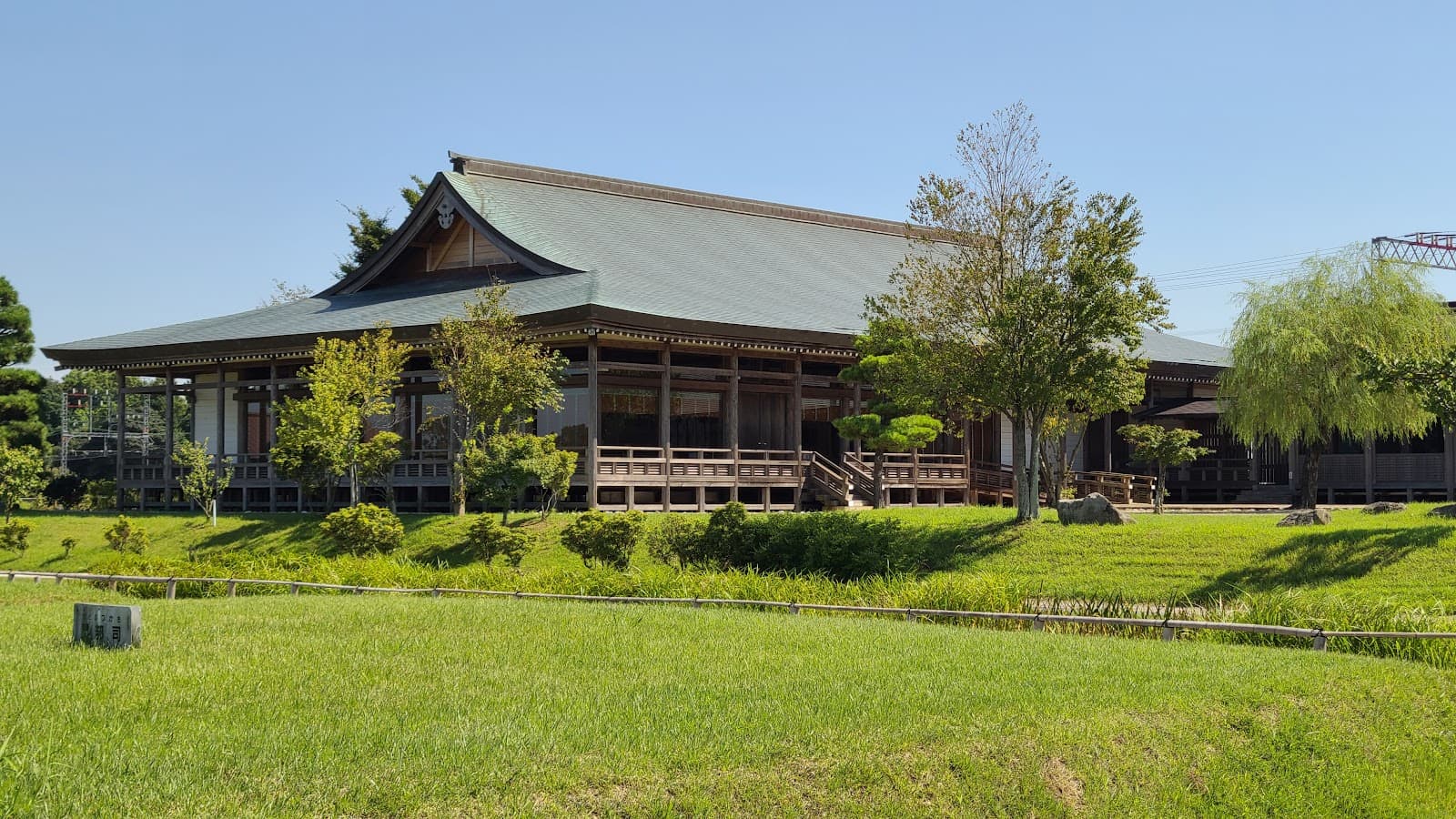
The surrounding Matsusaka Castle ruins offer picturesque views, especially the stone walls and the natural landscape. The museum building itself, set within the ruins, can also make for a nice shot.
For Different Travelers
Tailored advice for your travel style
👨👩👧 Families with Kids
For a more engaging experience, encourage children to imagine Norinaga as a character from history – perhaps a detective deciphering ancient texts or an explorer charting unknown territories. The bell collection might also capture their attention. Visiting during a less crowded time, like a weekday morning, can ensure a more relaxed experience for everyone.
📚 History Buffs & Academics
Beyond the academic significance, the personal artifacts and self-portraits offer a rare glimpse into the life of one of Japan's most influential scholars. The context provided by the surrounding Matsusaka Castle ruins further enriches the historical experience. It's a chance to appreciate not just the texts, but the man and his environment.
Deep Dives
In-depth insights and expert knowledge
Motoori Norinaga: A Scholar of Many Talents
His approach to scholarship was characterized by a deep respect for ancient texts and a desire to understand them in their original context, free from later interpretations. This method, known as Kokugaku (National Learning), sought to revive and appreciate indigenous Japanese culture and thought. Despite the demanding nature of his studies, he also possessed a playful and imaginative side, evident in his naming of his children and grandchildren after geographical locations, and his fondness for station bells.
Visitors to the museum can explore his handwritten manuscripts, personal belongings, and self-portraits, gaining insight into his intellectual world and personal life. The museum also highlights his collection of bells, which became a symbol of Matsusaka. Understanding Norinaga's multifaceted personality—from his meticulous scholarship to his whimsical hobbies—makes a visit to his memorial museum a truly enriching experience.
Exploring Matsusaka Castle Ruins
These ruins serve as a peaceful backdrop to the museum, offering a chance to connect with the broader historical context of the area. The grounds are well-maintained and provide a pleasant environment for a leisurely stroll. It's an ideal place to reflect on the Edo period and the life of Motoori Norinaga, imagining the historical events that unfolded here.
Combining a visit to the museum with a walk through the castle ruins is highly recommended. It offers a more complete picture of the historical significance of the site and provides beautiful scenery. The proximity of the museum's parking lot to the castle ruins makes this a convenient and rewarding experience for history buffs and casual visitors alike.

Social
from TikTok, Instagram & Reddit