Mashiko Pottery Town - Image 1
1 / 3

Mashiko Pottery Town

4.1
·319 reviews·Mashiko, Japan

A charming Japanese town dedicated to pottery, featuring countless studios, traditional kilns, and a renowned museum.
Highlights

Must-see attractions

Social content

Social

From TikTok & Reddit

Best Time

Weekdays, Spring/Autumn

Fewer crowds, vibrant atmosphere

CrowdMedium
Loading map...
Mashiko Pottery Town - Image 1

Mashiko Pottery Town

Best Time

Weekdays, Spring/Autumn

Fewer crowds, vibrant atmosphere

CrowdMedium

Highlights

Must-see attractions

A charming Japanese town dedicated to pottery, featuring countless studios, traditional kilns, and a renowned museum.

4.1
(319 reviews)

"Mashiko is a Japanese Mecca of pottery and is well worth the visit to anyone who loves pottery."
Vertical photo
TIP

🎯 Book Workshops in Advance

Many studios offer English-friendly pottery workshops. Book ahead, especially for popular spots like Fuwari or Kim Pottery . :ticket:

🚗 Consider Car Rental

While doable by train, a car offers more flexibility to explore studios and the scenic countryside . :car:

Third hero image

Highlights

Discover the most iconic attractions and experiences

Jyonaizaka Street

Jyonaizaka Street

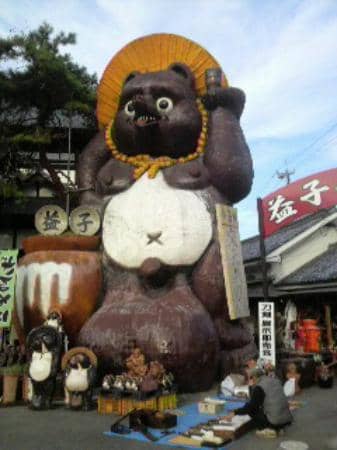
Main street of Mashiko

Wander this charming street lined with numerous pottery shops and studios, showcasing diverse Mashiko-yaki styles.
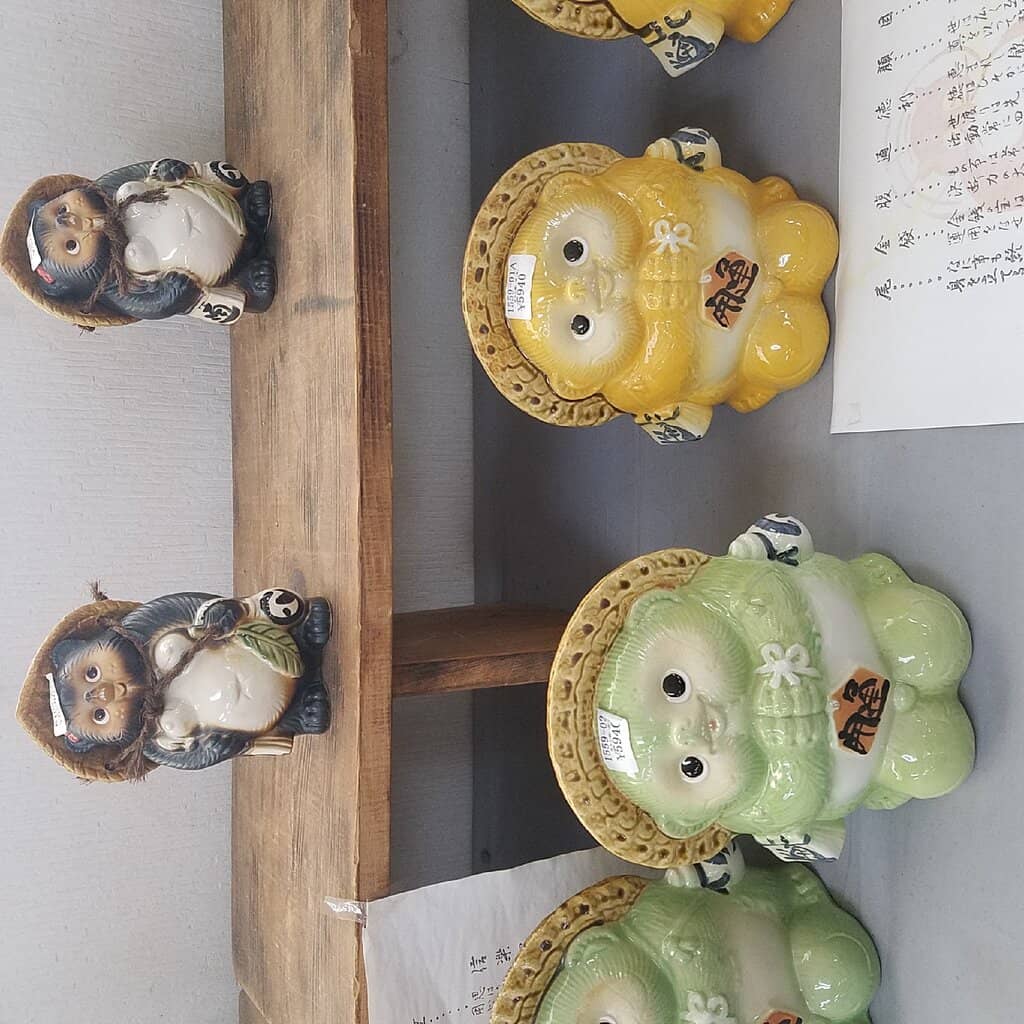
Mashiko Pottery Fair

Mashiko Pottery Fair

Across Mashiko town

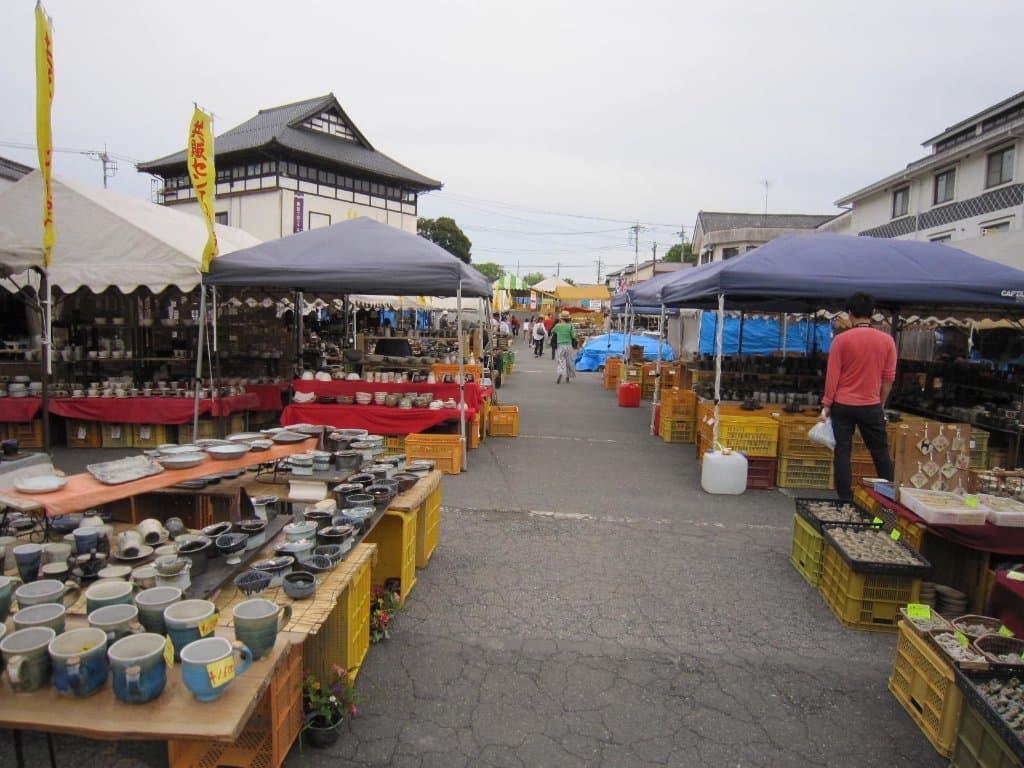
Experience the vibrant twice-yearly fair with hundreds of vendors offering deep discounts on unique ceramics .

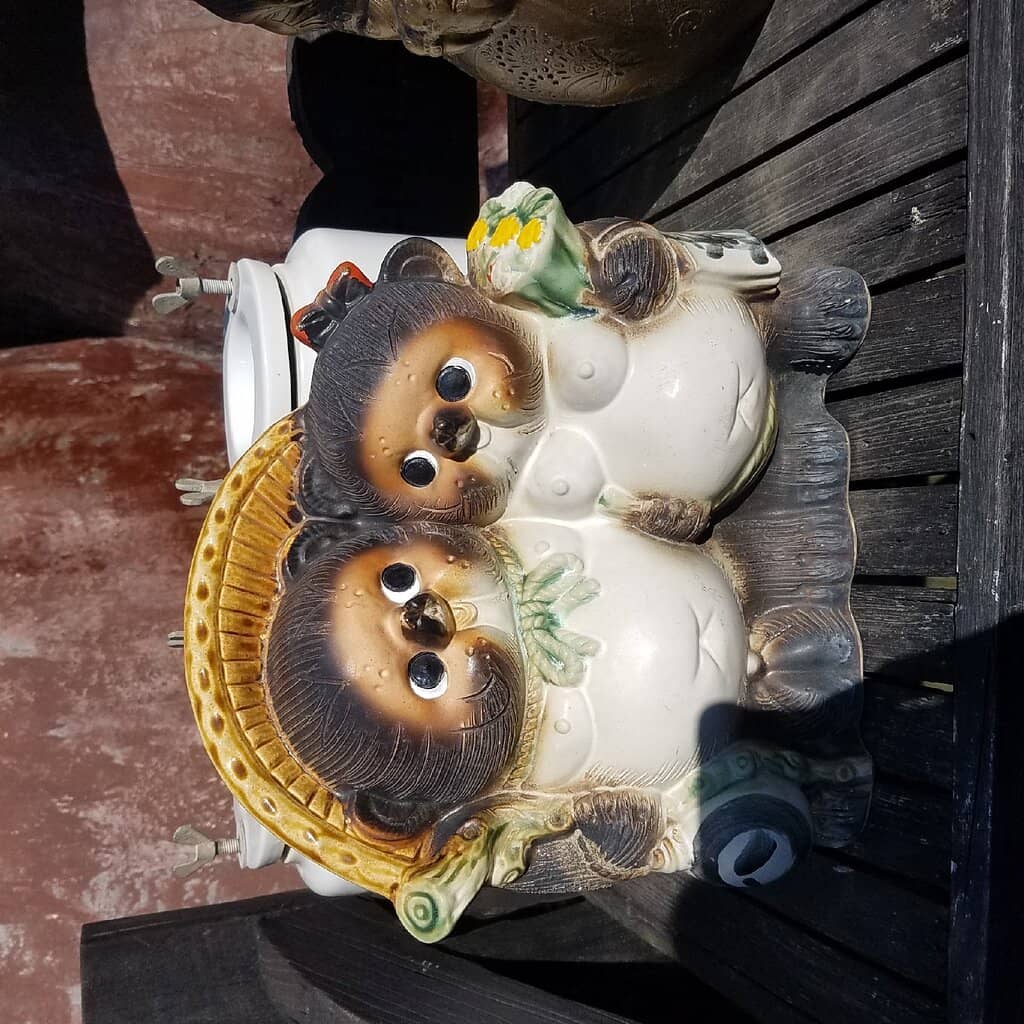
Instagram
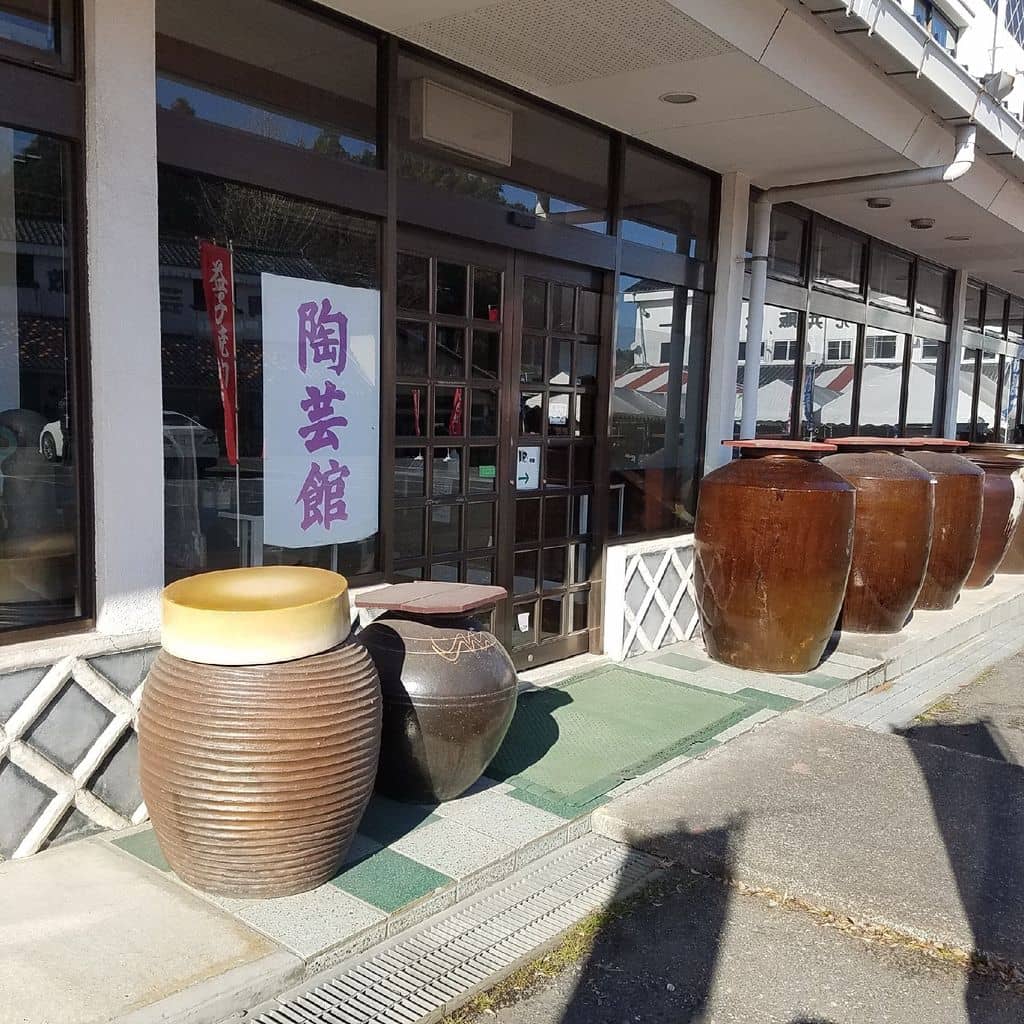
Mashiko Museum of Ceramic Art

Mashiko Museum of Ceramic Art

Near Shoji Hamada's former residence

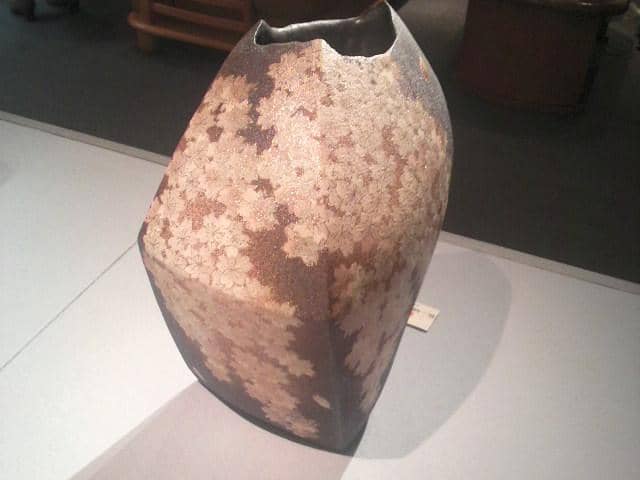
Explore exquisite contemporary and historical ceramics, a testament to Mashiko's rich artistic heritage.
Wood-Fired Kilns

Wood-Fired Kilns

Various studios

Witness the power of traditional firing techniques, including impressive anagama kilns, at select studios .

Reddit
Your AI travel agent

Plans like a pro.
Thinks like you

Start Chatting

Planning Your Visit

Timing Your Pottery Pilgrimage

Mashiko's pottery fairs in spring and autumn draw huge crowds, with over half a million visitors annually.Instagram For a more relaxed experience, consider visiting on weekdays outside of these major events to fully appreciate the studios and shops without the intense bustle.

Getting to Mashiko

Mashiko is about 3 hours from Tokyo.Instagram While accessible by public transport, some travelers find the journey a bit challenging.Instagram Renting a car or joining a guided tour can simplify logistics, especially if you're keen on exploring multiple studios and the surrounding countryside.

Best Times

When
Weekdays, Spring/Autumn
Why
Fewer crowds, vibrant atmosphere
Crowd
Medium
When
Weekends, outside fair
Why
Local charm, relaxed pace
Crowd
Low
When
During Pottery Fairs
Why
Massive selection, discounts
Crowd
High

Insider Tips

from TikTok, Instagram & Reddit

🍶 Mashiko Pottery Fair 🍶 Twice a year, in spring and autumn, the small pottery town of Mashiko hosts a lively fair, with stalls set up across town selling the region’s famous pottery. Over half a million people usually make the trek to Mashiko for the four day event. Deep discounts abound and customers have the chance to chat directly with the artisans. Other handicraft stalls sell jewelry, woo...
uncover_japan
825 likes • 22.5K views

🎯 Book Workshops in Advance

Many studios offer English-friendly pottery workshops. Book ahead, especially for popular spots like Fuwari or Kim Pottery.Instagram :ticket:

🚗 Consider Car Rental

While doable by train, a car offers more flexibility to explore studios and the scenic countryside.Instagram :car:

Some captures from our visit to Mashiko - A pottery town in Tochigi Prefecture, Japan Famous for its distinctive Mashiko-yaki (Mashiko ware) pottery and nowadays a hub for both traditional and modern Japanese pottery. Thanks a lot to @mu_mu_05 for taking your time to explain to us more about the old history of the town & showing us the famous climbing kilns in your workshop. I will share som...
katkatkeramik
40 likes • 1.2K views
If you’re wondering what to do in the pottery town of Mashiko, here are a few ideas 💡 Pottery Workshops with English: 1. Workshop Fuwari - beginners and membership @kobofuwari 2. Kim Pottery studio - non-beginner @workshop_mashiko op 3. LIB Company Studio (Traditional Japanese Kickwheel) - non-beginner @workshop_mashiko Other activities or places to visit: 1. Yoshimura Strawberry Park - straw...
venice_aka
234 likes • 6K views

💰 Bargain at the Fairs

The twice-yearly fairs are prime time for discounts. Don't hesitate to negotiate politely with artisans.Instagram :moneybag:

👟 Wear Comfortable Shoes

You'll be doing a lot of walking between studios and shops. Comfortable footwear is a must! :athletic_shoe:

Mashiko, the Pottery Town in Tochigi 🏺✨ Mashiko is one of Japan’s most famous pottery towns, with history dating back to the late Edo period. It’s where the renowned potter Shoji Hamada helped establish the Mingei (folk craft) movement. It’s a quiet, creative town where tradition meets modern design. Strolling down Jyonaizaka Street, you’ll find pottery shops, galleries, and cozy cafes. Here’s a ...
locallivingjapan
162 likes • 5.3K views

Tips

from all over the internet

🎯 Book Workshops in Advance

Many studios offer English-friendly pottery workshops. Book ahead, especially for popular spots like Fuwari or Kim Pottery.Instagram :ticket:

🚗 Consider Car Rental

While doable by train, a car offers more flexibility to explore studios and the scenic countryside.Instagram :car:

💰 Bargain at the Fairs

The twice-yearly fairs are prime time for discounts. Don't hesitate to negotiate politely with artisans.Instagram :moneybag:

👟 Wear Comfortable Shoes

You'll be doing a lot of walking between studios and shops. Comfortable footwear is a must! :athletic_shoe:

📸 Capture the Craft

Mashiko is incredibly photogenic. Bring your camera or phone to capture the unique pottery and charming streets.Instagram :camerawithflash:

What Travellers Say

4.1
(319 reviews)

Reviews Summary

Visitors consistently praise Mashiko as a 'Mecca of pottery' and a 'clay lover's wet dream'.Reddit The town's vast array of shops, studios, and working kilns, coupled with the beautiful museum, offer an unparalleled experience for ceramic enthusiasts. The twice-yearly fairs are a major draw for their selection and discounts, though they can be crowded.

"An amazing experience. The precinct is huge, has 2 working woodfired kilns, including a massive anagama. Both fire to porcelain temps. There's shops and studios galore with literally tonnes of ceramics from dozens of potters. A clay lovers wet dream! The exhibition hall is a study in exquisite ceramics by Japanese & English masters. Entry fee is minimal, even less if you're an elder."

Lynda Gibbins

"Beautiful museum that showcases contemporary and historical ceramics from Mashiko."

Luis Sanabria

"Visited twice during the month of November.
Mashiko is a Japanese Mecca of pottery and is well worth the visit to anyone who loves pottery.
You can learn a lot by the visit, see many potters, kilns, buy handmade pottery etc.

Highly recommend to everybody. It’s really great."

Blanka Kobayashi

What People Like

Abundant pottery shops & studios
Working wood-fired kilns
Vibrant pottery fairs

What People Dislike

Can be crowded during fairs
Getting there can be tricky

Frequently Asked Questions

🚇 🗺️ Getting There

Mashiko is approximately a 3-hour journey from Tokyo. You can take a train from Shinjuku Station to Utsunomiya, then transfer to a local train or bus to Mashiko. Some travelers find this route a bit complex.Instagram Alternatively, consider a direct bus or renting a car for more convenience.Instagram

The main pottery area, particularly Jyonaizaka Street, is walkable. However, to explore more dispersed studios or the wider countryside, having a car is highly recommended.Instagram Local buses are available but may have limited schedules.

Yes, a day trip from Tokyo is possible, but it will be a long day given the travel time.Instagram To truly immerse yourself, staying overnight is ideal, allowing you to visit more studios and perhaps even participate in a workshop.Instagram

Yes, several organizations offer guided tours to Mashiko, especially during the pottery fairs.Instagram These tours can simplify transportation and provide insights into the local craft scene.

During the Mashiko Pottery Fair, expect large crowds. While trains are an option, they can be very busy. Many visitors opt for organized bus tours or drive, though parking can be challenging.Instagram

🎫 🎫 Tickets & Entry

No, browsing the numerous pottery shops and studios along Jyonaizaka Street is generally free. Entry fees typically apply only to specific museums or special exhibitions, like the Mashiko Museum of Ceramic Art.Reddit

Opening hours can vary significantly between studios and shops. Many are open from around 10 AM to 5 PM, but it's advisable to check individual studio websites or inquire locally, especially if visiting on a Monday or during off-season.

The entry fee for the Mashiko Museum of Ceramic Art is minimal, with further discounts often available for seniors.Reddit It's a small price for a deep dive into the history and artistry of Mashiko pottery.

Generally, there are no entrance fees to attend the Mashiko Pottery Fairs themselves. The cost comes from purchasing the beautiful ceramics you find there.Instagram

Yes, booking pottery workshops in advance is highly recommended, especially if you require English-speaking instruction.Instagram Popular studios like Workshop Fuwari and Kim Pottery Studio fill up quickly.

🎫 🏺 Onsite Experience

Mashiko-yaki is a style of Japanese pottery originating from Mashiko, Tochigi Prefecture. It's known for its rustic charm, rich glazes, and often earthy tones, evolving with influences from masters like Shoji Hamada.Instagram

Don't miss strolling down Jyonaizaka Street, visiting the Mashiko Museum of Ceramic Art, and exploring the various artisan studios. If you're there during the fair, that's a major highlight.Instagram

Absolutely! Mashiko offers numerous pottery workshops for all skill levels, including beginner-friendly options with English instruction.Instagram It's a fantastic way to experience the craft firsthand.

Beyond pottery, Mashiko offers a glimpse into rural Japanese life with rice fields and temples.Instagram You can also find charming cafes and explore the natural beauty of the Tochigi region.

Comfortable walking shoes are essential as you'll be exploring many shops and studios.Reddit Dress in layers, as the weather can change, and consider bringing a small bag for any purchases.

🍽️ 🍽️ Food & Dining

Yes, Mashiko has several charming cafes and restaurants, often featuring local ingredients. Some pottery studios also have attached cafes where you can enjoy a meal or drink amidst the art.Instagram

You'll find typical Japanese fare, including soba noodles, udon, and set meals (teishoku). Many cafes offer light snacks, coffee, and sweets. Look for places that highlight local Tochigi produce.

While not as common as in larger cities, you can often find vegetarian options like vegetable tempura or simple rice dishes. It's best to inquire at the restaurant about specific dietary needs.

Tochigi Prefecture is known for its strawberries and sake. You might find local sweets or dishes incorporating these. Many cafes also serve delicious handmade cakes and pastries.

Dining in Mashiko is generally quite affordable, especially at local eateries and cafes. Expect to pay around ¥1,000-¥2,000 for a satisfying meal.

📸 📸 Photography

Jyonaizaka Street with its rows of pottery shops, the traditional kilns, and the scenic countryside offer fantastic photo opportunities.Instagram The Mashiko Museum of Ceramic Art also has beautifully displayed pieces.

Photography is generally allowed in most shops and studios for personal use, but it's always polite to ask the owner or artist before taking extensive photos, especially of their workspace or unique techniques.

A versatile lens (like a 24-70mm equivalent) is great for capturing both street scenes and detailed shots of pottery. A wide-angle lens can be useful for the expansive kilns or landscapes.Instagram

While most places are welcoming, some artists might prefer their work not be photographed extensively, especially if it's for commercial purposes. Always be respectful of their wishes.

The 'golden hours' around sunrise and sunset offer beautiful light for capturing the charming streets and natural landscapes. Midday can be harsh, but it's perfect for photographing the vibrant colors of the pottery indoors.

For Different Travelers

Tailored advice for your travel style

👨‍👩‍👧 Families with Kids

Mashiko can be a fun and educational outing for families. While the focus is pottery, many studios are welcoming to children, and some offer family-friendly workshops where kids can get their hands dirty and create their own small pieces.Instagram The open spaces and the tactile nature of clay can be very engaging for younger visitors.

Consider visiting during the less crowded weekdays to allow children more freedom to explore. Pack snacks and drinks, as options might be limited between studios. The Mashiko Museum of Ceramic Art can also be a good way to introduce children to different art forms in a calm environment. Remember to wear comfortable shoes, as there will be plenty of walking!

💰 Budget Travelers

Mashiko offers ways to enjoy its charm without breaking the bank. While high-end pieces can be expensive, the Pottery Fairs are excellent for finding affordable ceramics, with many artisans offering discounts.Instagram Browsing the shops and streets is free, and you can enjoy the atmosphere and window-shop to your heart's content.

Look for smaller studios or those selling seconds or slightly imperfect items for great deals. Packing your own lunch or snacks can also save money, though there are affordable cafes available. Visiting on weekdays outside of major events might also mean fewer crowds and potentially more relaxed interactions with vendors.

🎨 Art Enthusiasts & Collectors

Mashiko is a pilgrimage site for serious pottery lovers. The sheer density of studios and the presence of renowned artists mean you can discover both established masters and emerging talents.Reddit The Mashiko Museum of Ceramic Art provides essential context, showcasing the historical development and artistic peaks of the region's pottery.Reddit

Beyond the museum, dedicate time to exploring individual studios. Look for artists specializing in specific techniques like wood-firing or those known for their unique glaze work. The Pottery Fairs are prime hunting grounds for collectors, offering direct access to a vast selection of works. Consider attending workshops to gain a deeper understanding of the craft and potentially connect with artists.

Deep Dives

In-depth insights and expert knowledge

The Art of Mashiko-yaki

Mashiko-yaki, the distinctive pottery of this region, boasts a rich history dating back to the late Edo period.Instagram It gained significant international recognition through the influence of Shoji Hamada, a Living National Treasure and a key figure in the Mingei (folk craft) movement.Instagram+1 Hamada championed the beauty of everyday, functional objects made by anonymous craftspeople, and his philosophy deeply shaped the aesthetic of Mashiko pottery. This movement emphasized natural materials, simple forms, and honest craftsmanship, principles still evident in much of the work produced today.

The characteristic features of Mashiko-yaki often include a rustic, earthy feel, with a focus on natural glazes and robust forms. While traditional styles emphasize these qualities, contemporary artists in Mashiko are constantly innovating, blending traditional techniques with modern design sensibilities. You'll find everything from classic, unpretentious tableware to avant-garde sculptural pieces, all bearing the unique stamp of this creative town.Instagram+1

Visitors can witness this evolution firsthand by exploring the numerous studios and galleries. Many potters are happy to share their process, and some even demonstrate the use of traditional wood-fired kilns, including impressive anagama kilns.Reddit This hands-on connection to the craft provides a deeper appreciation for the skill, time, and passion that goes into each piece of Mashiko pottery.

Experiencing a Pottery Workshop

For an immersive experience, participating in a pottery workshop is highly recommended. Mashiko offers a variety of studios that cater to different skill levels and interests, with some providing English-speaking instruction.Instagram Whether you're a complete beginner or have some experience, you can learn fundamental techniques like wheel throwing or hand-building.

Popular options include Workshop Fuwari, known for its welcoming atmosphere for beginners, and Kim Pottery Studio, which offers a more focused learning environment.Instagram Some studios even provide the unique experience of using a traditional Japanese kickwheel, offering a different tactile connection to the clay.Instagram The duration of workshops can vary from a few hours to several days, allowing you to delve deeper into the craft.

It's crucial to book your workshop in advance, as popular sessions fill up quickly, especially during peak seasons or fair times.Instagram This hands-on activity is not only educational but also incredibly rewarding, allowing you to create your own unique piece of Mashiko-inspired pottery to take home as a special souvenir. Be prepared for a bit of a learning curve and embrace the fun of working with clay!

Navigating the Mashiko Pottery Fairs

Twice a year, Mashiko transforms into a bustling hub for pottery enthusiasts during its famous Pottery Fairs.Instagram These events, held in spring and autumn, attract hundreds of thousands of visitors and feature over 600 vendors showcasing their work.Instagram+1 It's an unparalleled opportunity to discover a vast array of Mashiko-yaki ceramics, from everyday tableware to intricate art pieces, often at discounted prices.

The fairs are an incredible spectacle, with stalls set up throughout the town, creating a lively and festive atmosphere. Visitors have the chance to interact directly with artisans, learn about their craft, and find unique treasures. The sheer volume and variety of pottery available can be overwhelming, so it's wise to have a general idea of what you're looking for, or simply allow yourself to be inspired by the displays.Instagram

Given the immense popularity, expect significant crowds, especially on weekends.Instagram Arriving early is advisable to get the best selection and avoid the peak rush. While the fairs are a fantastic time to shop, they can also be a bit chaotic. For a more serene experience, consider visiting the town on a weekday outside of these major events, where you can explore the studios at a more leisurely pace.Instagram

You may also like

1 of 2