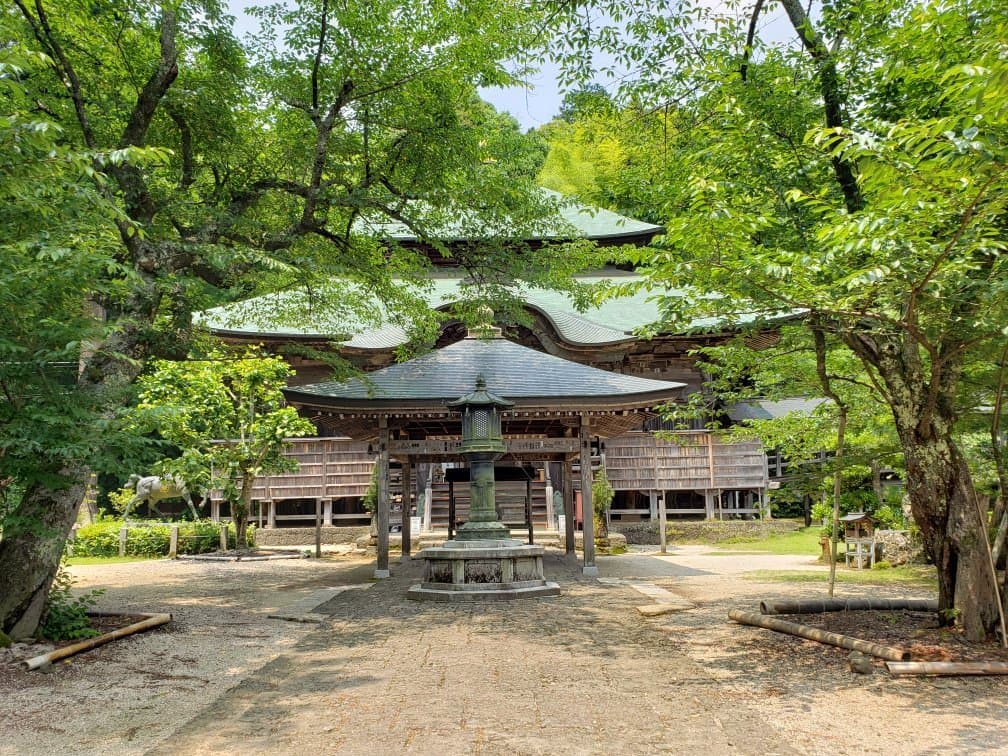
Matsunoo-dera
A serene mountain temple, the 29th stop on the Saigoku pilgrimage, featuring a unique horse-headed Kannon statue.
Highlights
Must-see attractions

Social
From TikTok & Reddit
Best Time
Crisp air, fewer crowds
Matsunoo-dera
Best Time
Crisp air, fewer crowds
Highlights
Must-see attractions
A serene mountain temple, the 29th stop on the Saigoku pilgrimage, featuring a unique horse-headed Kannon statue.
"Rarely crowded, very quiet, and gorgeous -- well worth a visit."
👟 Prepare for the climb
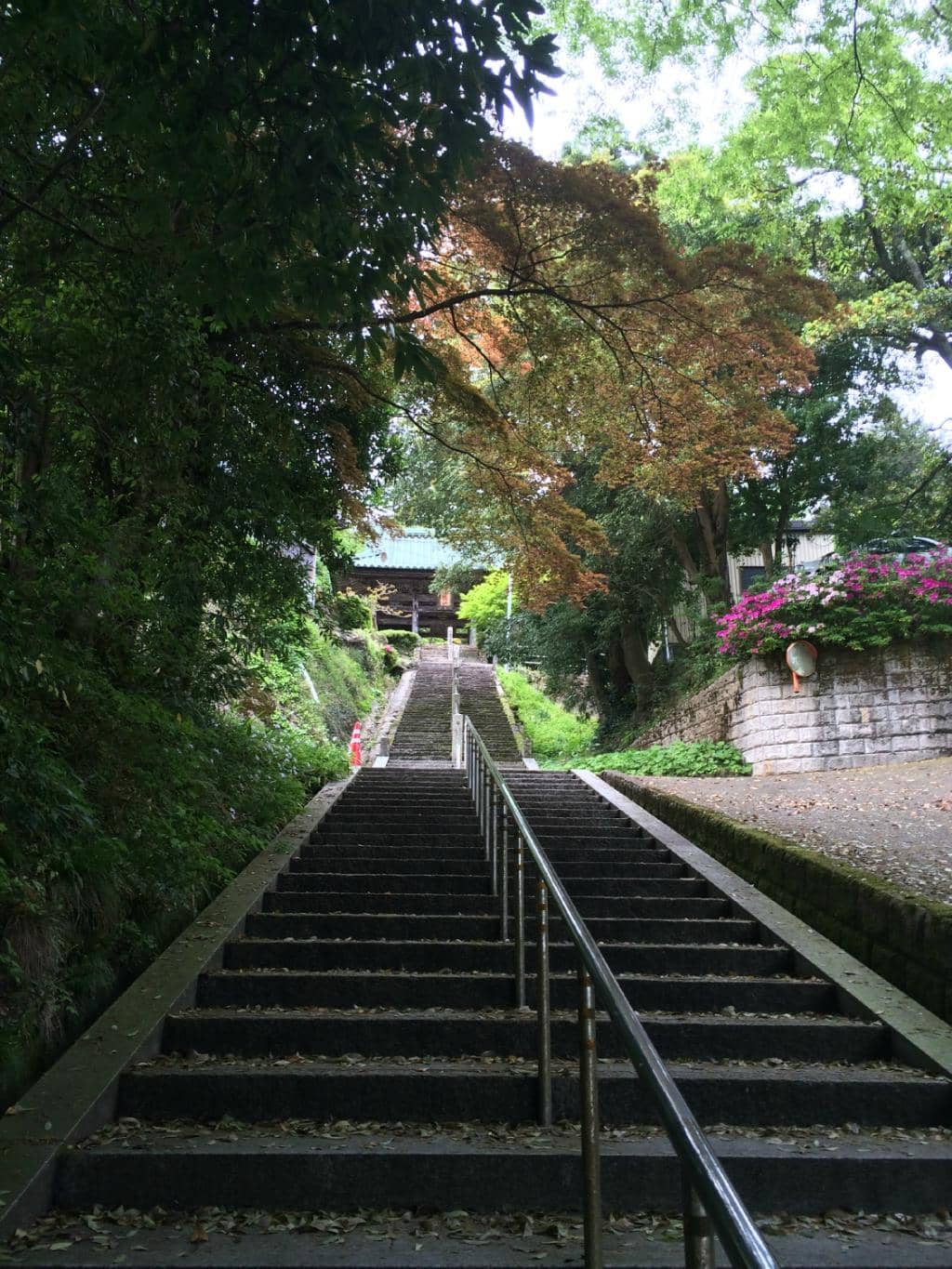
Wear comfortable shoes! The walk up the mountain is steep and can take 40-50 minutes.
🕰️ Check museum hours
The Treasure Museum's opening times can vary. Inquire at the stamp office upon arrival.
Highlights
Discover the most iconic attractions and experiences
Bato Kannon Statue
Main Hall (temporary)
Unique Kannon statue with a horse head, the only one of its kind in Japan. A must-see for its distinct iconography.
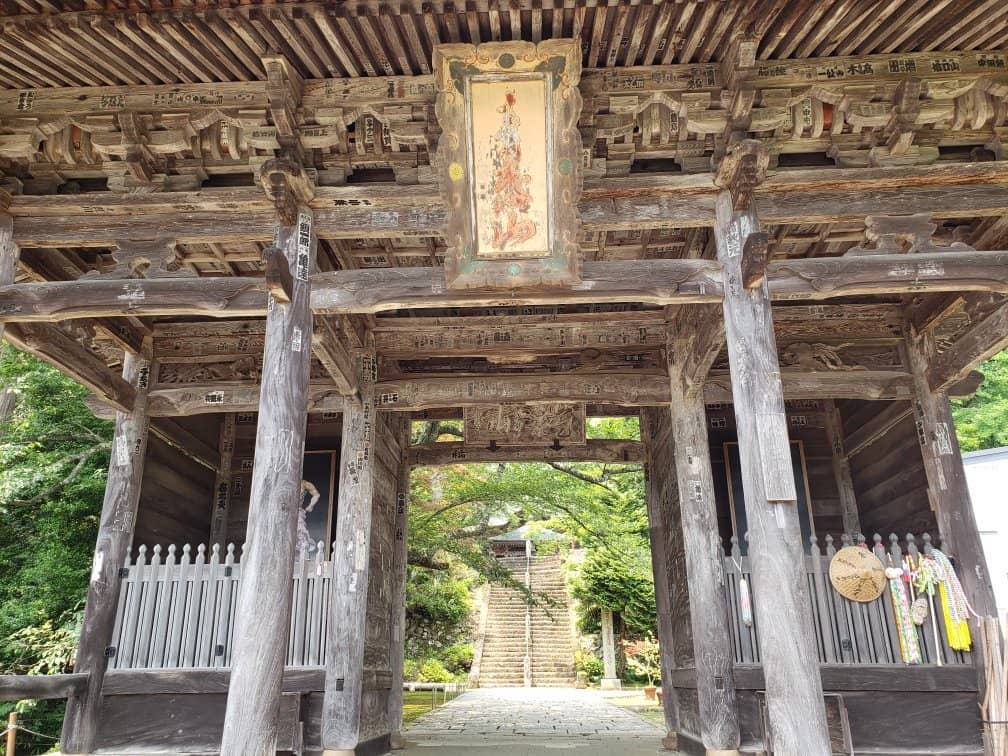
Saigoku Pilgrimage Stop
Temple Grounds
The 29th temple on the revered Saigoku 33 Kannon pilgrimage route. Feel the spiritual significance of this sacred site.
Treasure Museum Exhibits
Treasure Museum
View National Treasures like the Fugen Enmei Statue and Important Cultural Properties. Intricate artistry awaits.
Plans like a pro.
Thinks like you
Planning Your Visit
The Climb to Tranquility
Temple Restoration & Treasures
Best Times
Insider Tips
from TikTok, Instagram & Reddit
👟 Prepare for the climb
Wear comfortable shoes! The walk up the mountain is steep and can take 40-50 minutes.
🕰️ Check museum hours
The Treasure Museum's opening times can vary. Inquire at the stamp office upon arrival.
🐻 Be bear aware
While rare, bear sightings have been reported. Stay alert on the trails.
📜 Get your goshuin
Goshuin stamps are available at a separate reception area. A great souvenir of your visit.
Tips
from all over the internet
👟 Prepare for the climb
Wear comfortable shoes! The walk up the mountain is steep and can take 40-50 minutes.
🕰️ Check museum hours
The Treasure Museum's opening times can vary. Inquire at the stamp office upon arrival.
🐻 Be bear aware
While rare, bear sightings have been reported. Stay alert on the trails.
📜 Get your goshuin
Goshuin stamps are available at a separate reception area. A great souvenir of your visit.
What Travellers Say
Reviews Summary
Matsunoo-dera is praised for its serene, rarely crowded atmosphere and its unique Bato Kannon statue. Visitors appreciate its role as a significant stop on the Saigoku pilgrimage and the historical treasures housed within its museum. However, the steep and lengthy walk from the station can be a deterrent for some, and the ongoing restoration of the main hall means some areas are temporarily inaccessible.
"Founded in the year 708, Matsunoo-dera is a Shingon sect temple that serves as stop #29 on the Saigoku 33 Kannon pilgrimage. The current hondo was rebuilt some time in the 1600's after a fire, as is, unfortunately, so common among temples of this age.
Rarely crowded, very quiet, and gorgeous -- well worth a visit."
John Ebert
"Beautiful temple with an interesting back story. The Kannon statue in the main hall has a horse head on top of its head, the only Kannon in Japan to have this."
Judy OBrien
"This is the 29th temple of the Thirty-three Temples of the Western Provinces.
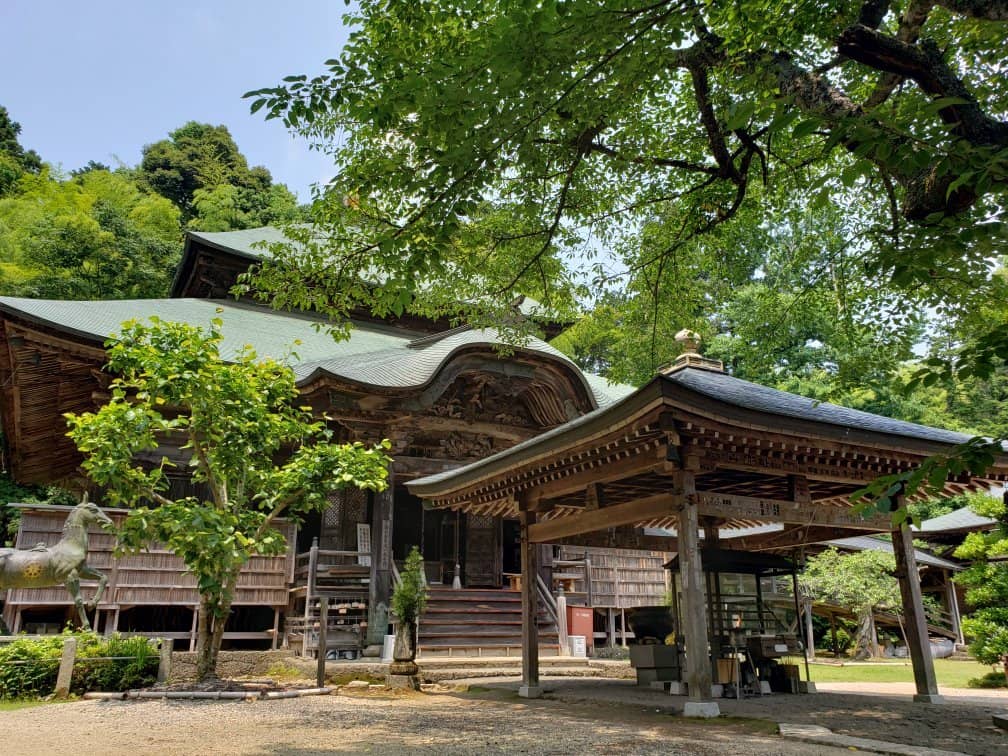
Currently, the main hall is partially dismantled and undergoing repairs, with the Daishi Hall serving as the temporary main hall. The Gohonzon Gozentate is also in the temporary main hall.
Goshuin stamps are available at another reception.
It's said to be a 50-minute walk from Matsuo-dera Station at the foot of the mountain. For those in good condition, it might take about 40 minutes.
It seems that bears don't appear that often, but there have been reports of bear sightings, so be careful.
The Obama Line normally has few trains, but it happened to be suspended during the day due to track maintenance, so I decided to walk the approximately 10km one way from Higashi-Maizuru Station."
哲学する猫
What People Like
What People Dislike
Frequently Asked Questions
🚇 🗺️ Getting There
The closest station is JR Matsuo-dera Station. From there, it's approximately a 40-50 minute walk up a steep mountain path to reach the temple. Some visitors have reported getting rides from fellow pilgrims.
Public transportation options are limited. The Obama Line train service may have suspensions, making walking from Higashi-Maizuru Station a longer alternative if needed.
While not explicitly detailed in reviews, driving is likely possible to a certain point, but the final approach to the temple itself is a walk.
The trail is described as a steep slope, especially near the temple. It's a good workout and offers scenic views as you ascend.
Some visitors have received rides from other temple visitors. Planning for the walk is essential, but keep an eye out for potential assistance.
🎫 🎫 Tickets & Entry
Entry to the temple grounds is generally free, but there may be fees for specific areas like the Treasure Museum.
Specific opening hours are not detailed, but temples are typically open during daylight hours. It's best to visit during the day to explore fully.
No, the main hall is partially dismantled for repairs. The Daishi Hall is serving as the temporary main hall.
Goshuin stamps are available at a separate reception area within the temple complex.
While not explicitly stated, it's common for treasure museums at temples to have an admission fee. Inquire at the stamp office.
🎫 🧭 Onsite Experience
The main hall enshrines a unique Bato Kannon Bodhisattva statue, distinguished by a horse head atop its own head, making it the only one of its kind in Japan.
The museum houses significant artifacts, including the National Treasure Fugen Enmei Statue and the Important Cultural Property Seated Amida Nyorai Statue, along with a Lotus Mandala.
Reviews consistently describe Matsunoo-dera as rarely crowded, offering a quiet and serene atmosphere for visitors.
It is the 29th temple on the Saigoku 33 Kannon pilgrimage, a significant route for Buddhist devotees.
There have been reports of bear sightings in the area, so visitors are advised to be cautious and aware of their surroundings.
📸 📸 Photography
Photography rules can vary at temples. It's generally advisable to refrain from taking photos inside sacred halls or museums unless explicitly permitted.
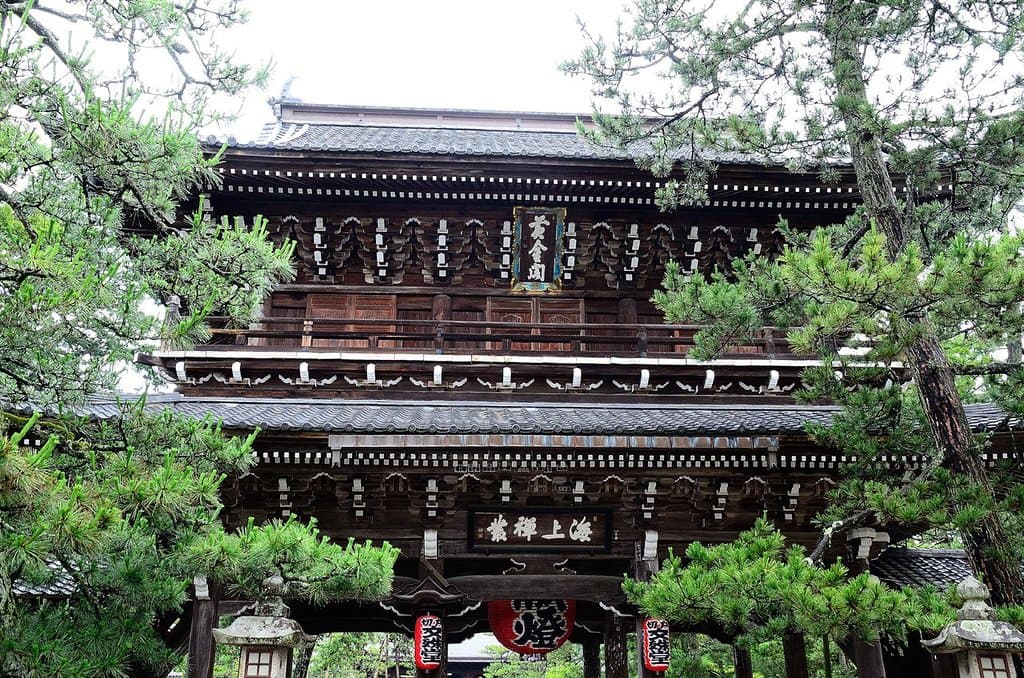
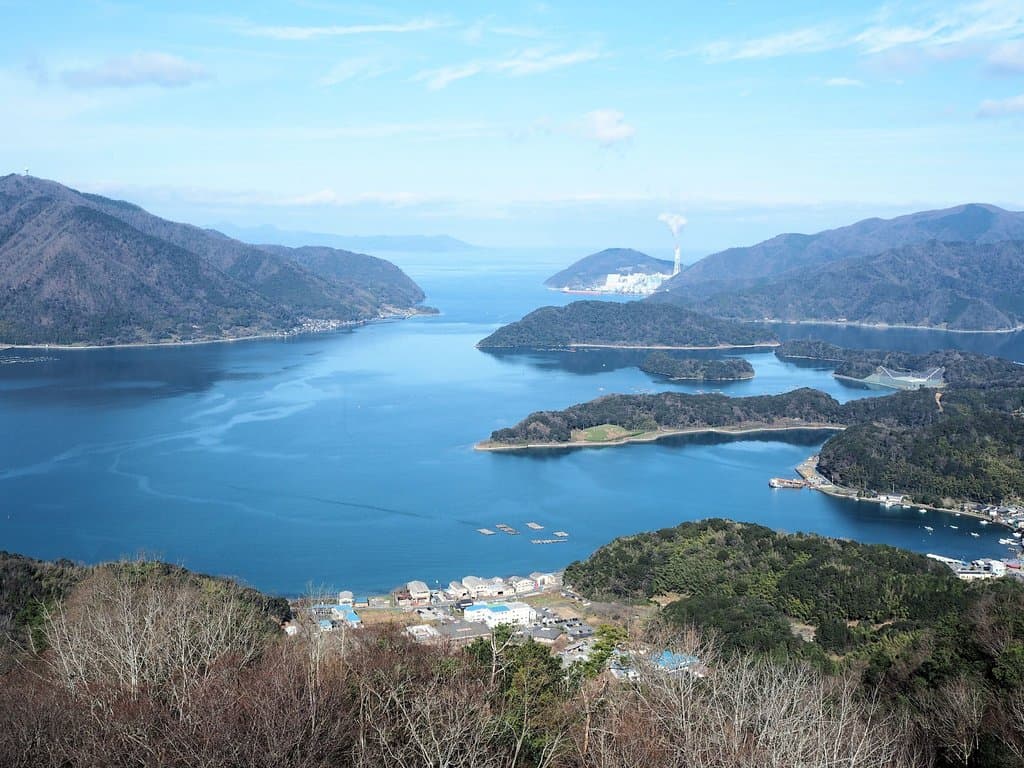
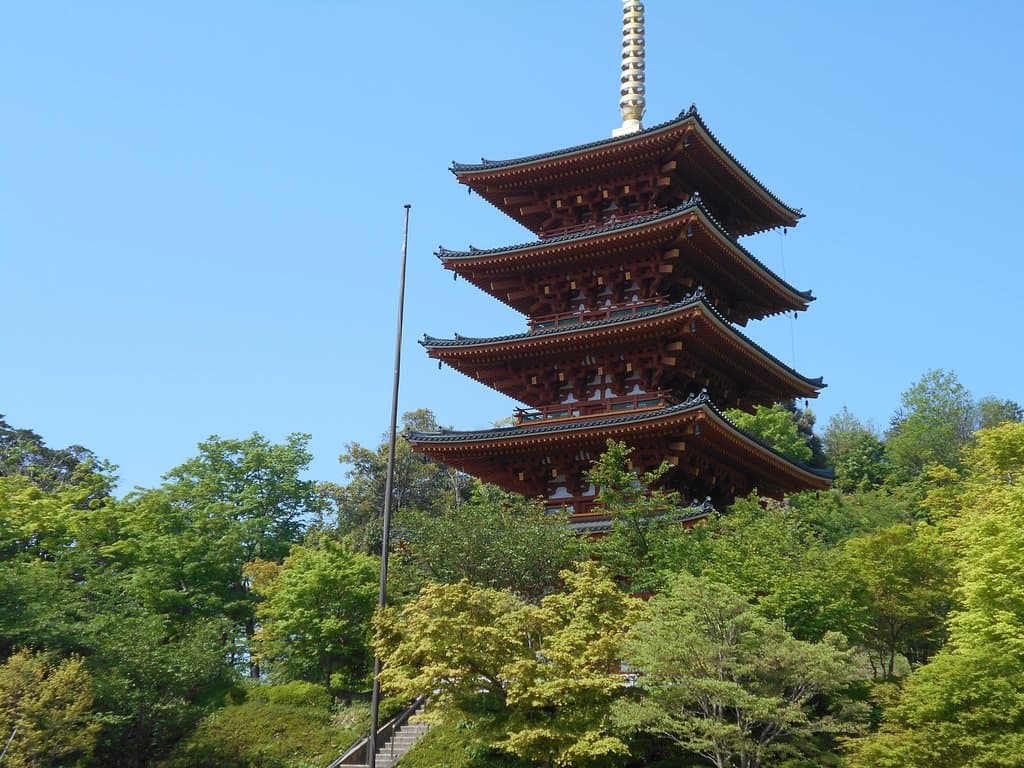
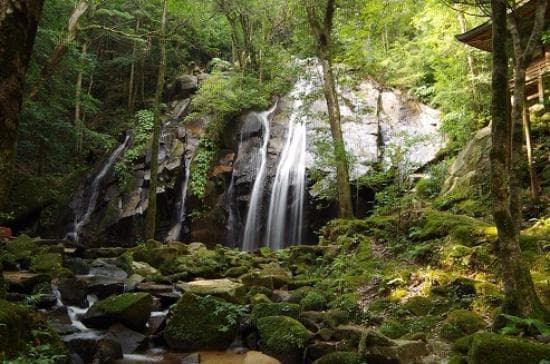
The temple grounds offer scenic views of the surrounding mountains and the temple architecture. The approach to the temple can also provide picturesque shots.
Photography inside the main hall, even the temporary one, is likely restricted. It's best to check for signage or ask temple staff.
Drone usage is typically prohibited at religious sites and national parks. Always check local regulations before flying a drone.
A versatile lens for landscape and detail shots would be beneficial. Given the walk, a lightweight setup is ideal.
For Different Travelers
Tailored advice for your travel style
👨👩👧 Families with Kids
Consider packing plenty of water and snacks for the ascent. The Treasure Museum, if open, could offer an educational element, showcasing historical artifacts. Emphasize the spiritual journey aspect to make the visit more engaging for children.
🚶 Solo Travelers & Pilgrims
Engage with the temple's history and its role in the pilgrimage. The opportunity to receive a goshuin stamp is a significant part of the pilgrimage experience. The serene environment allows for a deep connection with the spiritual significance of the site.
🧘♀️ Spiritual Seekers
The quiet and tranquil atmosphere, largely free from crowds, allows for undisturbed meditation and reflection. The ongoing restoration of the main hall, while a temporary change, underscores the temple's enduring spiritual importance and the community's commitment to its preservation.
Deep Dives
In-depth insights and expert knowledge
The Saigoku 33 Kannon Pilgrimage
For visitors, understanding this context adds a layer of appreciation to Matsunoo-dera. The temple's serene atmosphere and its role in this ancient tradition contribute to its spiritual aura. Even if you're not a pilgrim, you can feel the centuries of devotion that have shaped this sacred site. The unique Bato Kannon statue, with its horse head, is particularly revered by pilgrims seeking protection and guidance.
Architectural Significance and Restoration
Despite the temporary closure of the main hall, visitors can still appreciate the temple's architectural heritage and its spiritual heart. The Treasure Museum offers a glimpse into the temple's rich history, housing important cultural properties and national treasures. The intricate details of these artifacts, such as the Lotus Mandala, showcase the exceptional craftsmanship of past eras.
Visitors planning a trip should be aware of the restoration status. While the main hall is being repaired, the temple's spiritual essence and its valuable collection remain accessible. The temporary arrangements ensure that the temple's sacred functions continue uninterrupted, allowing visitors to still experience its profound atmosphere.
Social
from TikTok, Instagram & Reddit