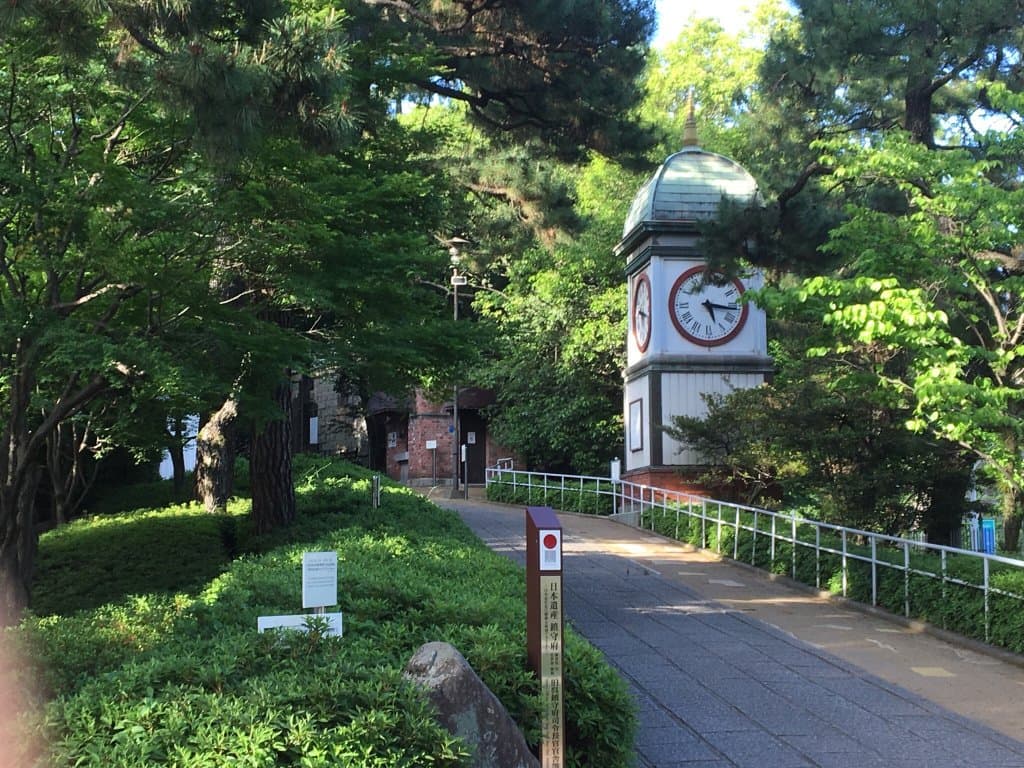
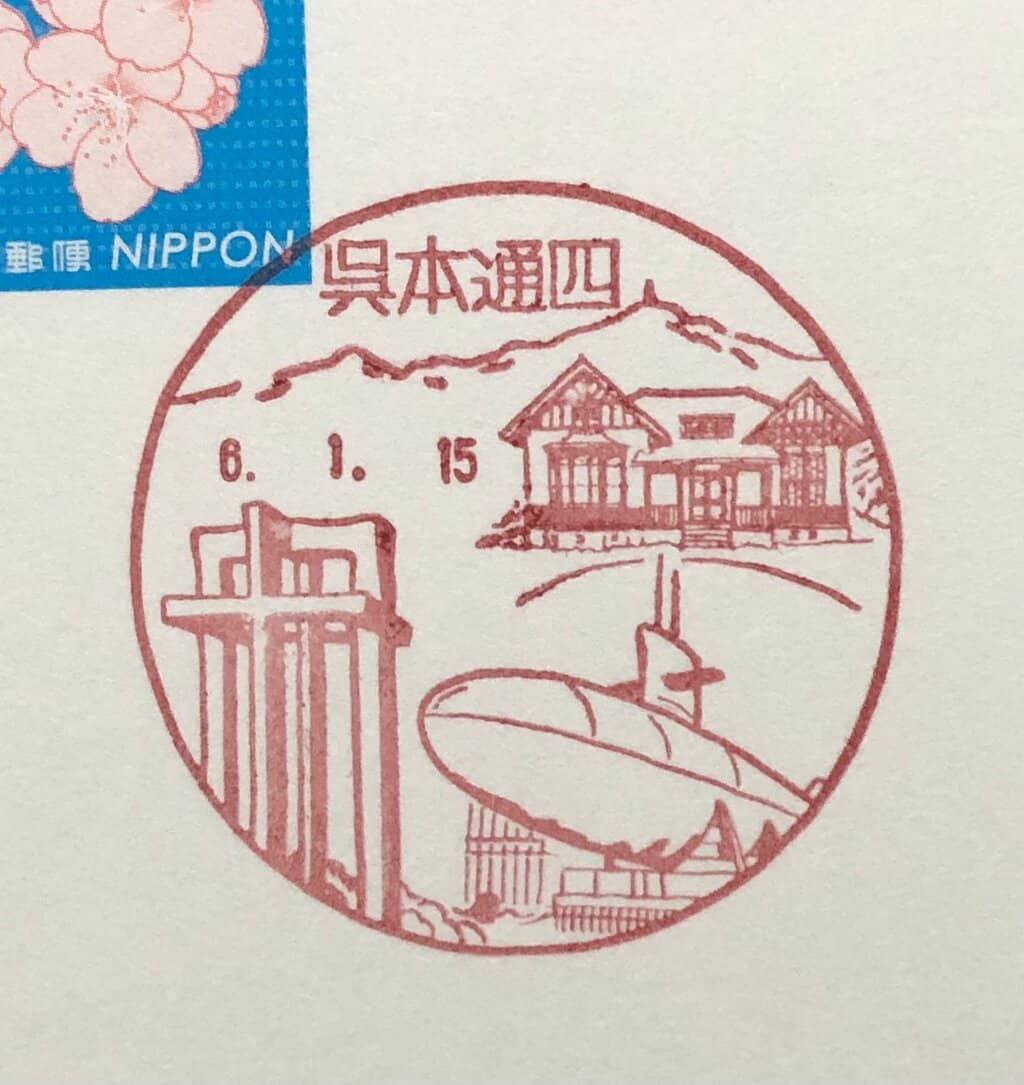
Irifuneyama Memorial Museum
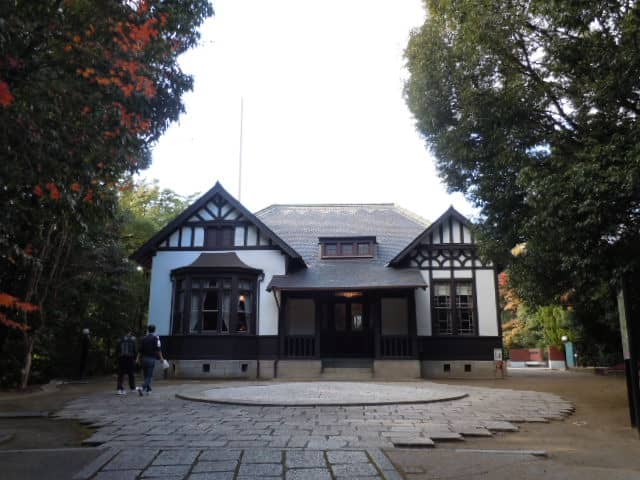
Explore a historic naval admiral's residence, a Japan Heritage site showcasing a unique blend of Western and Japanese architecture.
Highlights
Must-see attractions

Social
From TikTok & Reddit
Best Time
Fewer crowds, peaceful exploration
Irifuneyama Memorial Museum
Best Time
Fewer crowds, peaceful exploration
Highlights
Must-see attractions
Explore a historic naval admiral's residence, a Japan Heritage site showcasing a unique blend of Western and Japanese architecture.
"A fascinating blend of Western and Japanese architecture with beautifully reinstated wallpaper."
🎟️ Discount Alert!
Show your Yamato Museum ticket for a potential discount on admission.
🗺️ Grab a Museum Leaflet
The museum leaflet is described as 'the cutest' and is helpful for exploring all landmarks.
Highlights
Discover the most iconic attractions and experiences
Anglo-Asian & Chinoiserie Design
Throughout the house
Marvel at the unique blend of Western and Japanese architectural styles, featuring beautifully reinstated wallpaper and elegant rooms.
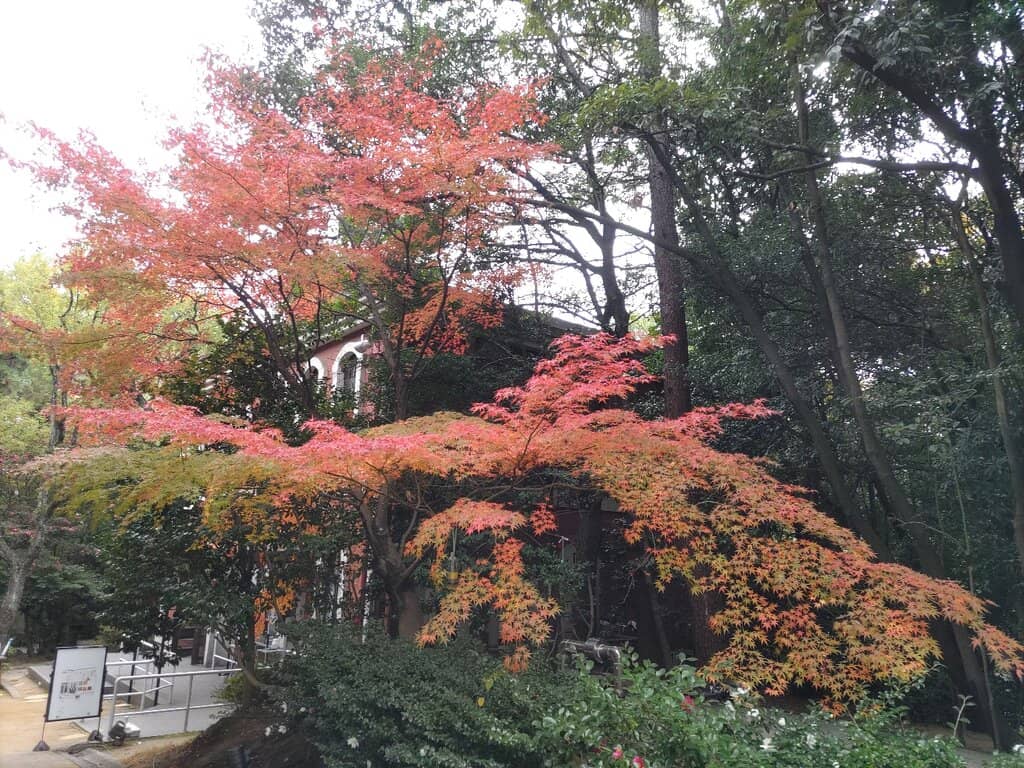
Former Naval Admiral's Residence
Main house
Step back in time in this historic home, once occupied by a naval admiral, offering a glimpse into early 20th-century life.
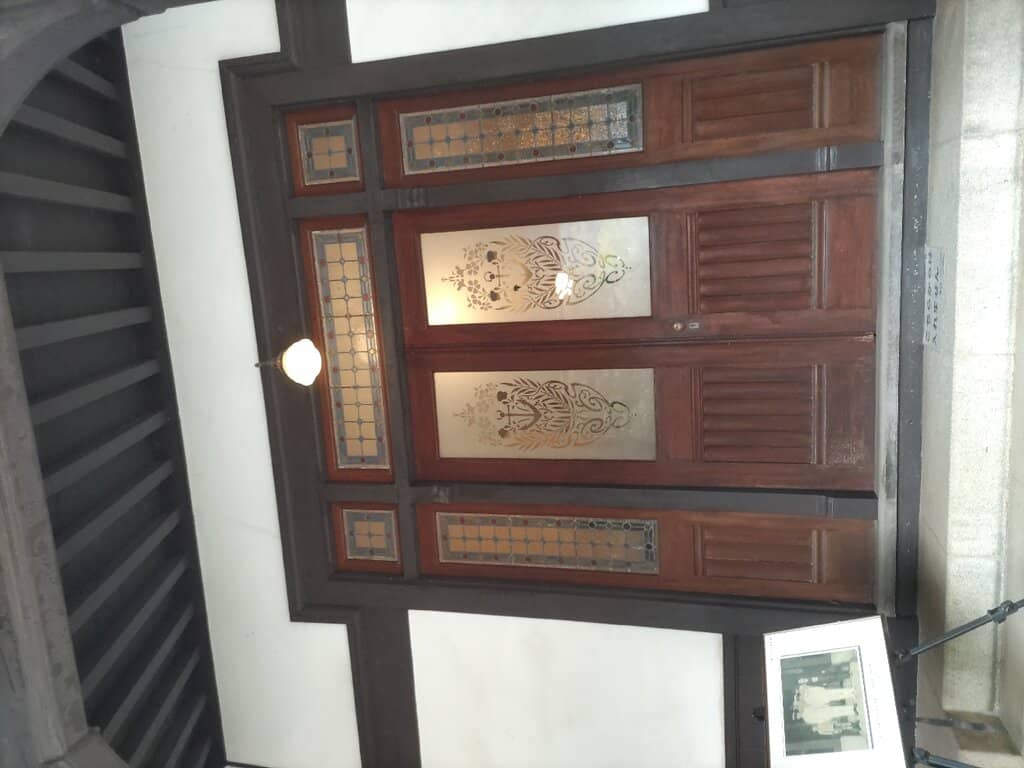
Dilapidated Garden Charm
Garden area
Discover the quiet beauty of the small, atmospheric garden, a perfect spot for reflection amidst historical surroundings.
Plans like a pro.
Thinks like you
Planning Your Visit
Timing is Key for a Peaceful Visit
Combine Your Visit for Value
Best Times
Insider Tips
from TikTok, Instagram & Reddit
🎟️ Discount Alert!
Show your Yamato Museum ticket for a potential discount on admission.
🗺️ Grab a Museum Leaflet
The museum leaflet is described as 'the cutest' and is helpful for exploring all landmarks.
👟 Explore the Grounds
Don't miss the small garden and the history museum adjacent to the main house.
✨ Admire the Wallpaper
The beautifully reinstated wallpaper is a key feature to appreciate.
Tips
from all over the internet
🎟️ Discount Alert!
Show your Yamato Museum ticket for a potential discount on admission.
🗺️ Grab a Museum Leaflet
The museum leaflet is described as 'the cutest' and is helpful for exploring all landmarks.
👟 Explore the Grounds
Don't miss the small garden and the history museum adjacent to the main house.
✨ Admire the Wallpaper
The beautifully reinstated wallpaper is a key feature to appreciate.
What Travellers Say
Reviews Summary
Visitors praise the Irifuneyama Memorial Museum for its unique Anglo-Asian and Chinoiserie design, offering a fascinating blend of Western and Japanese architecture. The beautifully reinstated wallpaper and the opportunity to explore the former naval admiral's residence are highlights. Some visitors enjoy the quiet, solitary experience, while others appreciate the historical context and potential for discounts. The dilapidated garden adds a charming, atmospheric touch.
"Worth a visit if you enjoy AngloAsian and Chinoiserie designs. You get to walk through the whole house and see the beautifully reinstated wallpaper. I got to walk through the house all alone as there were no other visitors. There are actually a few different landmarks beyond the main house; there is a small dilapidated garden too (love it!) so do refer to the museum leaflet (which is the cutest leaflet I have ever seen!). I got a discounted ticket after showing my Yamato Museum ticket."
Stara
"Historical housemate than 100 years ago. This housing had been a house for Naval admiral in Kure district headquarters. So old and traditional house. The style is western house. The condition is great so you can see the house as it was in old days. It is very elegant rooms there. You need to pay for administration but it’s cheap. You can see by yourself. Looks great! Besides you can get in and look in the small history museum by the house! You can have a good study also! Enjoy!"
Erine Taguchi
"This is an interesting house in the way it blends Western (specifically English) and Japanese architecture. The front of the house is an English stately home in miniature, and the back is all tatami mats and sliding doors."
John Hawkins
What People Like
What People Dislike
Frequently Asked Questions
🚇 🗺️ Getting There
The museum is located at 4-6, Saiwai-cho, Kure-city, Hiroshima Prefecture. While specific public transport details aren't widely shared, it's accessible within Kure City. Consider local buses or taxis from Kure Station.
Information on dedicated parking is limited. It's advisable to check with the museum directly or look for public parking options in the vicinity of Saiwai-cho.
The museum is relatively close to other Kure landmarks like the Yamato Museum. Walking is a pleasant option if you enjoy exploring the city on foot.
🎫 🎫 Tickets & Entry
The museum is typically open from 9 AM to 5 PM, with last entry at 4:30 PM. It is closed on Tuesdays and Wednesdays, and on national holidays.
Admission fees are generally low and considered affordable. A combined ticket with the Yamato Museum or showing a Yamato Museum ticket might offer a discount.
Advance ticket purchase information is not readily available. It's usually possible to purchase tickets upon arrival at the museum.
Yes, visitors can often get a discount by showing their ticket from the Yamato Museum. JAF members may also receive a small discount.
A typical visit can last around 90 minutes, including time to explore the house and the adjacent history museum and garden.
🎫 🧭 Onsite Experience
The museum is a fascinating blend of Western (particularly English) and traditional Japanese architecture, creating a unique aesthetic.
You can explore the beautifully reinstated rooms, admire the period furnishings, and see artifacts from the time it served as a naval admiral's residence.
Photography is generally allowed, but it's always best to check for any specific restrictions inside the museum. The unique architecture and design make for great photo opportunities.
While not explicitly mentioned, the museum leaflet provides information to guide your exploration. Self-guided tours are the primary way to experience the museum.
The gold paper, or Kinkara, was used for the exterior of the former Kure Naval Station Commanding Officer's residence. The museum offers a coloring experience using this paper.
📸 📸 Photography
The exterior showcasing the blend of Western and Japanese styles is a great starting point. Inside, focus on the beautifully reinstated wallpaper and elegant room details. The garden also offers picturesque views.
Photography is generally permitted inside the museum, allowing you to capture the historical ambiance and unique design elements. Always check for any posted signs regarding photography rules.
The unique architectural fusion and the detailed wallpaper are highly recommended subjects. The coloring experience with gold paper also provides a unique photographic moment.
For Different Travelers
Tailored advice for your travel style
👨👩👧 Families with Kids
 The distinct architectural styles, from the 'English stately home' front to the Japanese-style rooms, can spark curiosity and make history feel more tangible for younger visitors.
 While the museum is primarily historical, the 'cutest' museum leaflet and the opportunity to explore the grounds, including the garden, can add to the adventure. Consider combining this visit with the nearby Yamato Museum, which often has more overtly child-friendly exhibits, and look for any potential family discounts.
🏛️ History Buffs
The well-preserved Western and Japanese elements provide a rich context for understanding the era's cultural exchanges and the significance of the Kure Naval Station. Pay close attention to the reinstated wallpaper and period furnishings, which offer a direct glimpse into the past. The adjacent history museum and the charming, albeit dilapidated, garden also contribute to a comprehensive historical experience. Don't miss the chance to learn about the Kinkara paper and its historical application.
📸 Photographers
Beyond the architecture, the atmospheric garden provides a more naturalistic setting for photography. The Kinkara coloring experience also presents a unique and colorful subject. Remember to check for any specific photography restrictions inside the building to ensure you can capture the best shots.
Deep Dives
In-depth insights and expert knowledge
Architectural Fusion: East Meets West
In contrast, the rear of the house transitions into traditional Japanese elements, featuring tatami mat rooms and sliding doors (shoji). This duality offers visitors a unique opportunity to experience two distinct cultural aesthetics within a single historical residence. The preservation of these elements allows for an immersive understanding of how these styles coexisted and influenced each other.
This blend is particularly evident in the use of materials and decorative elements. The reinstated wallpaper, often described as beautifully done, showcases the attention to detail in preserving the original aesthetic. The museum's description as a Japan Heritage site underscores its cultural and historical significance in representing this architectural synthesis.
A Glimpse into Naval History
The museum showcases elements that speak to this naval past, including period furnishings and potentially personal effects of the admiral. The very structure of the house, designed for a commanding officer, reflects the importance and prestige associated with the Kure Naval Station. Exploring these rooms offers a tangible connection to the individuals who shaped naval strategy and operations.
Beyond the main residence, the museum often includes smaller exhibits or information panels that further elaborate on the history of the Kure Naval District. This allows visitors to contextualize the admiral's home within the broader narrative of naval development and its impact on the region.
The Kinkara Coloring Experience
Visitors can participate in a coloring experience using this Kinkara paper. This hands-on activity allows you to create your own original Kinkara artwork, offering a creative and memorable takeaway from your visit. It's a chance to connect with traditional Japanese craftsmanship in a fun and engaging way.
This experience adds an extra layer of engagement to the museum visit, moving beyond passive observation to active participation. It's a popular feature that many visitors find enjoyable and a great way to appreciate the materials and techniques used in historical Japanese architecture.

Social
from TikTok, Instagram & Reddit