
Monjusen-ji Temple
A serene Buddhist temple in wooded surroundings, known for its ancient trees, rustic gates, and spiritual tranquility.
Highlights
Must-see attractions

Social
From TikTok & Reddit
Best Time
Experience ultimate peace
Monjusen-ji Temple
Best Time
Experience ultimate peace
Highlights
Must-see attractions
A serene Buddhist temple in wooded surroundings, known for its ancient trees, rustic gates, and spiritual tranquility.
"This area is very quiet and peaceful, offering a refreshing energy and a truly calming experience."

👟 Conquer the Stairs
Wear comfortable shoes! The Omotesando approach has over 200 steps. Other paths also involve climbing.
🗓️ Check Special Dates
The Gohonzon is only viewable every 12 years. Plan your visit around these rare occasions!

Highlights
Discover the most iconic attractions and experiences
Manjusri's Water
Behind the Main Hall
Discover the sacred 'water of Manjusri' behind the main hall, a unique spiritual element of the temple.
The 16 Arhats
Around the Main Hall
Marvel at the ancient stone statues of the 16 Arhats, guardians of Buddhist teachings.

Thousand-Year-Old Zelkova Tree
Main Hall Vicinity
Stand in awe of a majestic, ancient zelkova tree, a testament to nature's enduring power.
Plans like a pro.
Thinks like you
Planning Your Visit
Embrace the Tranquility
Special Occasions & Goshuin
Best Times
Insider Tips
from TikTok, Instagram & Reddit
👟 Conquer the Stairs
Wear comfortable shoes! The Omotesando approach has over 200 steps. Other paths also involve climbing.
🗓️ Check Special Dates
The Gohonzon is only viewable every 12 years. Plan your visit around these rare occasions!
✍️ Get a Goshuin
Unique temple stamps (goshuin) are available. They can even be written with your name!
🧘♀️ Embrace Serenity
This temple is known for its quiet, peaceful energy. Visit on a weekday for maximum tranquility.
Tips
from all over the internet
👟 Conquer the Stairs
Wear comfortable shoes! The Omotesando approach has over 200 steps. Other paths also involve climbing.
🗓️ Check Special Dates
The Gohonzon is only viewable every 12 years. Plan your visit around these rare occasions!
✍️ Get a Goshuin
Unique temple stamps (goshuin) are available. They can even be written with your name!
🧘♀️ Embrace Serenity
This temple is known for its quiet, peaceful energy. Visit on a weekday for maximum tranquility.
What Travellers Say
Reviews Summary
Monjusen-ji Temple is praised for its quiet, peaceful, and refreshing energy, offering a serene escape. Visitors appreciate the ancient zelkova tree, the 16 Arhat statues, and the unique 'water of Manjusri.' However, the significant number of stairs, particularly on the main approach, can be a challenge for some.
"Smaller temple than some of it's neighbors, but still worth a visit as this area is very quite and peaceful."
Owen Jones
"Refreshing energy."
Richard Shahi
"This is one of the main attractions on the Kunisaki Shrine and Temple Tour. It is one of the three Manjusri temples in Japan and is famous for the proverb "Three heads are better than one." The main hall is located at the bottom of the cliff, and at the back of the hall there is the water of Manjusri. There are also 16 arhats and a thousand-year-old zelkova tree around the main hall."
Pくん
What People Like
What People Dislike
Frequently Asked Questions
🚇 🗺️ Getting There
Access to Monjusen-ji Temple often involves navigating rural roads. Many visitors arrive by car, utilizing the available parking. If using public transport, research local bus routes in the Kunisaki region, as they can be infrequent. The Omotesando approach from the parking lot features over 200 stone steps, so be prepared for a climb.
Yes, parking is generally available for visitors. However, it's advisable to confirm the exact location and availability, especially during peak seasons or special events.
The Omotesando approach is the main path leading to the temple, characterized by a significant number of stone steps (over 200). It's a traditional way to enter sacred grounds, offering a sense of pilgrimage.
🎫 🎫 Tickets & Entry
Information regarding entrance fees is not explicitly detailed in the provided reviews. It's recommended to check the temple's official website or inquire locally upon arrival.
Specific opening hours are not mentioned. However, temples in Japan often have general visiting hours, and it's best to confirm these beforehand, especially if you wish to see the Gohonzon during its rare public viewing.
The Gohonzon at Monjusen-ji Temple is a rare sight, only open to the public once every 12 years. This makes it a significant event for those who wish to see it.
Yes, goshuin stamps are available at Monjusen-ji Temple. Visitors can even have them written directly with their name, offering a personalized memento of their visit.
🎫 🧭 Onsite Experience
Key attractions include the main hall, the sacred 'water of Manjusri' behind it, the 16 Arhat stone statues, and a thousand-year-old zelkova tree. The temple grounds themselves offer a solemn and tranquil atmosphere.
The temple involves significant stair climbing, particularly the Omotesando approach with over 200 steps. While there might be alternative, less strenuous paths, it's important to be aware of the terrain.
Visitors consistently describe the atmosphere as quiet, peaceful, solemn, and tranquil. It's a place to experience refreshing energy and a sense of calm, especially on weekdays.
On weekdays, the temple is not crowded, allowing for a more personal and serene experience. During peak seasons or special events, visitor numbers might increase.
It's one of the three Manjusri temples in Japan, famous for the proverb 'Three heads are better than one.' The rare public viewing of its Gohonzon and its ancient natural elements contribute to its uniqueness.
📸 📸 Photography
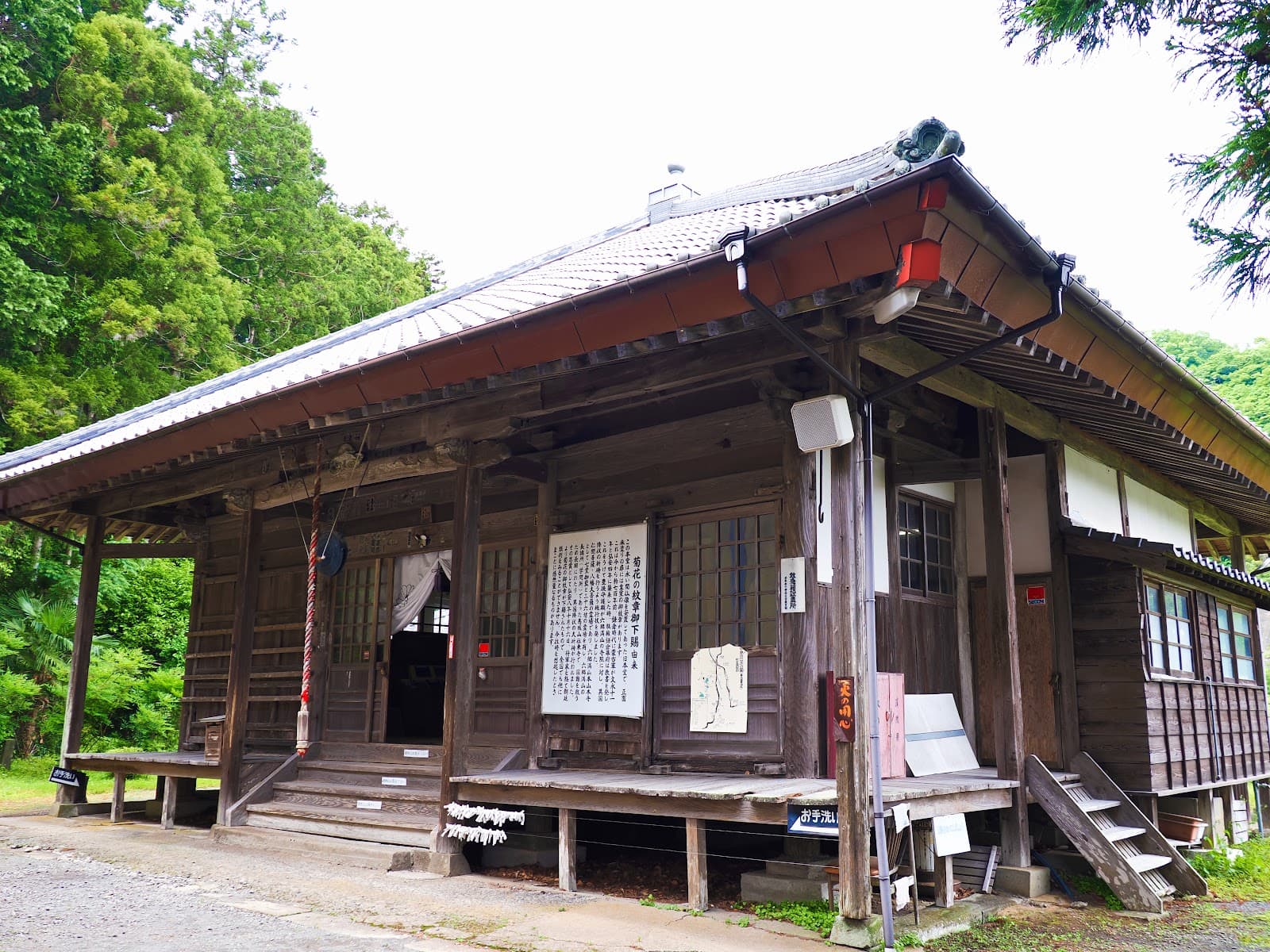
Capture the serene main hall nestled at the cliff's base, the ancient zelkova tree, and the detailed stone statues of the 16 Arhats. The natural surroundings, especially during autumn, also offer beautiful photographic moments.
While not explicitly stated, it's customary to be respectful of sacred spaces. Photography inside the main hall or of religious artifacts might be restricted. Always look for signage or ask temple staff.
For Different Travelers
Tailored advice for your travel style
👨👩👧 Families with Kids
🚶♀️ Solo Travelers & Spiritual Seekers
📸 Photographers
Deep Dives
In-depth insights and expert knowledge
The Significance of Manjusri
The temple's serene environment, surrounded by ancient trees and rustic structures, complements its spiritual significance. Visitors often report a 'refreshing energy' and a 'solemn atmosphere,' which can be attributed to both the natural beauty and the deep spiritual heritage of the site. The presence of the 16 Arhats, disciples of Buddha, also adds to the temple's sacred aura, serving as silent guardians of Buddhist teachings and offering a tangible connection to the past.
Navigating the Temple Grounds
Beyond the main hall, the temple grounds are dotted with ancient natural wonders, including a thousand-year-old zelkova tree and various stone statues, such as the 16 Arhats. These elements, combined with the natural wooded environs, create a picturesque and contemplative setting. Weekdays are particularly recommended for those seeking solitude, as the lack of crowds allows for a deeper immersion in the temple's peaceful ambiance. The autumn season, when the foliage turns vibrant colors, is also highlighted as a particularly spectacular time to visit.


Social
from TikTok, Instagram & Reddit