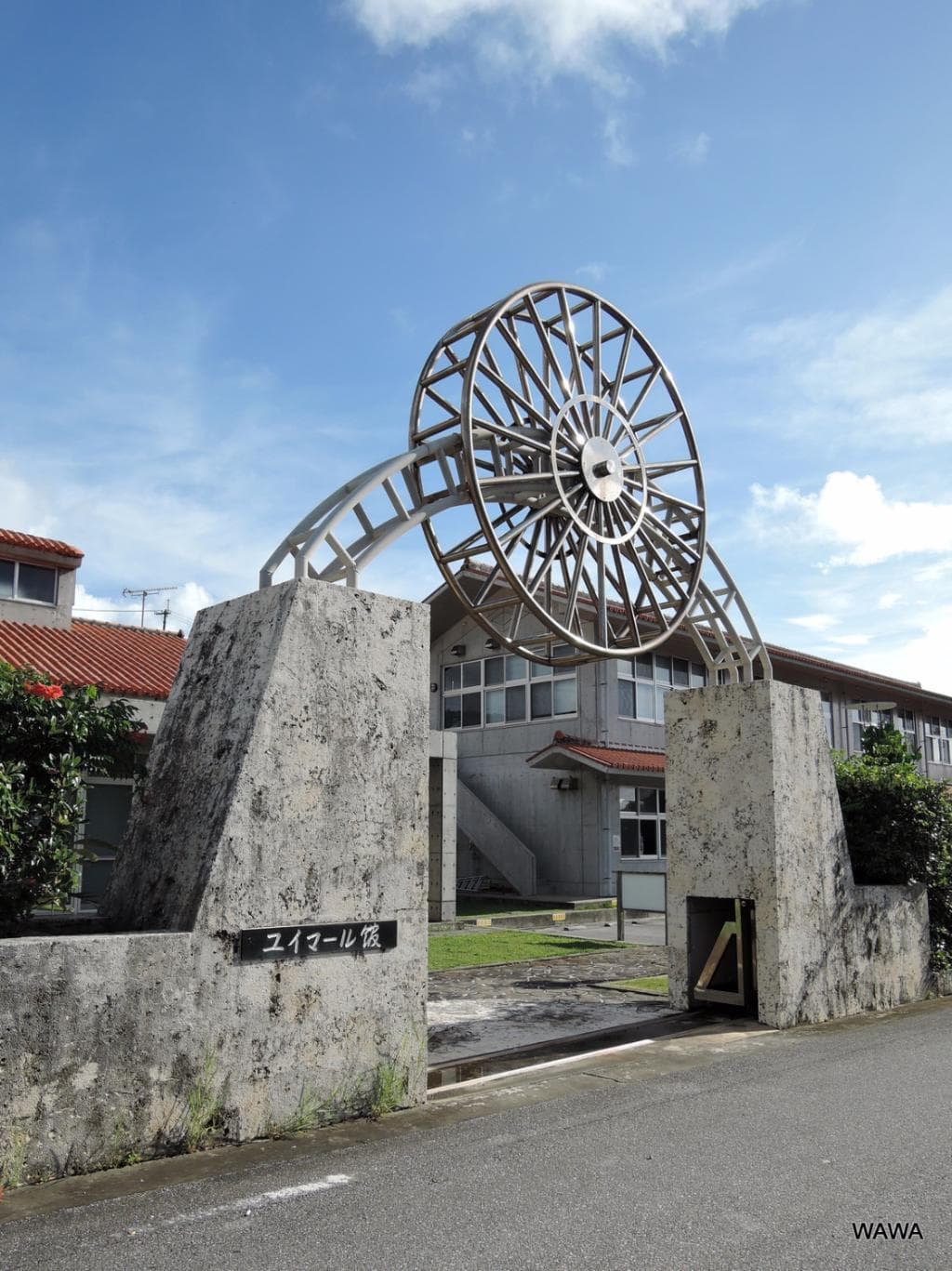
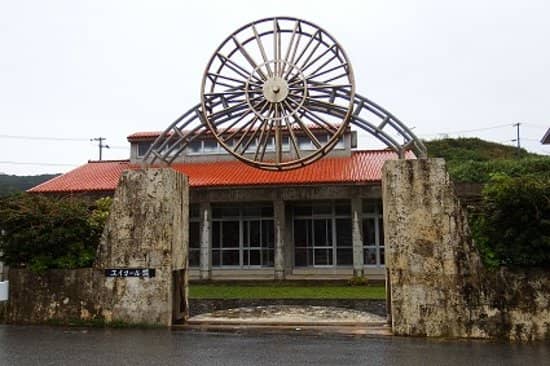
Kumejima Tsumugi Village
Discover Kumejima Tsumugi, a traditional Okinawan textile art form. Explore its history, witness artisans at work, and try hands-on crafting.
Highlights
Must-see attractions

Social
From TikTok & Reddit
Best Time
Fewer crowds, better workshop access
Kumejima Tsumugi Village
Best Time
Fewer crowds, better workshop access
Highlights
Must-see attractions
Discover Kumejima Tsumugi, a traditional Okinawan textile art form. Explore its history, witness artisans at work, and try hands-on crafting.
"Beautiful place. The items are expensive but watch the documentary and you’ll understand the prices."
🎬 Watch the Documentary First
Understand the value & artistry of Tsumugi. English captions available!
💰 Admission Fee Insight
Fee may be reduced if workshop is closed for lunch.
Highlights
Discover the most iconic attractions and experiences
Kumejima Tsumugi Museum
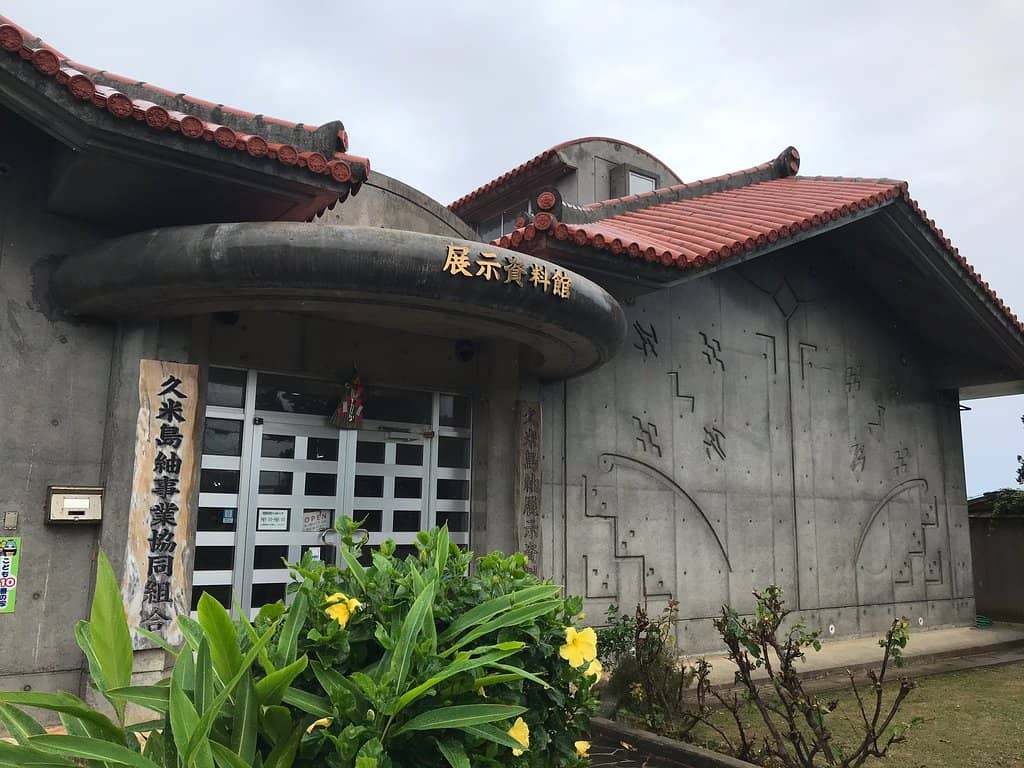
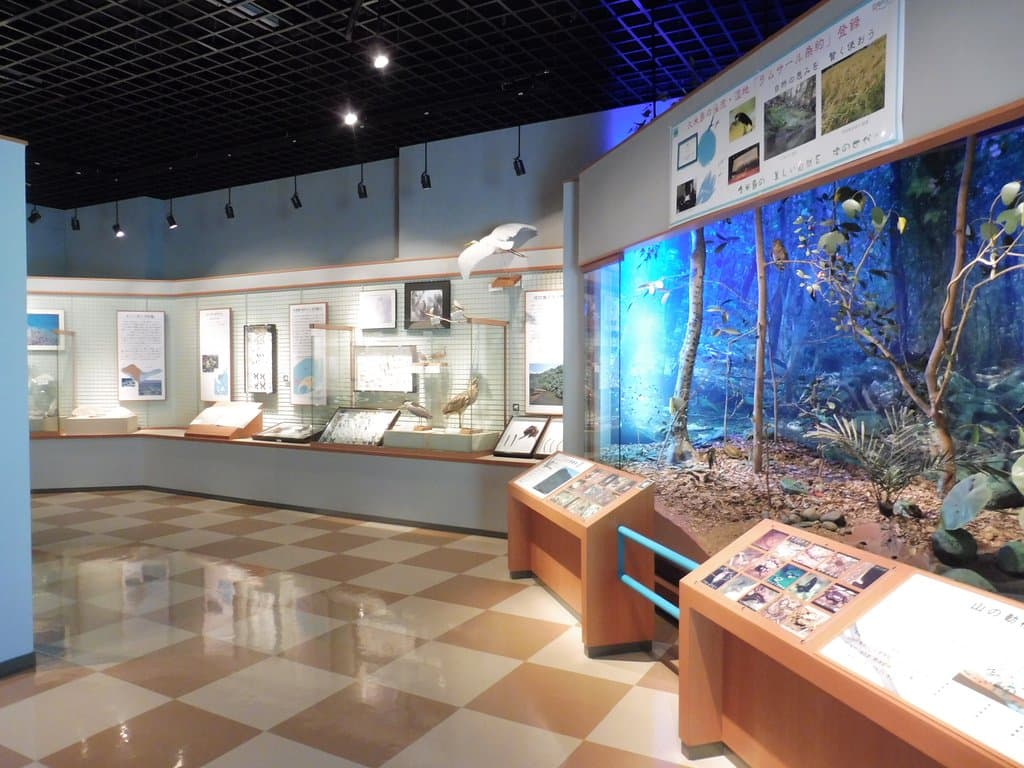
Discover the intricate art of Kumejima Tsumugi through informative displays and a captivating documentary.
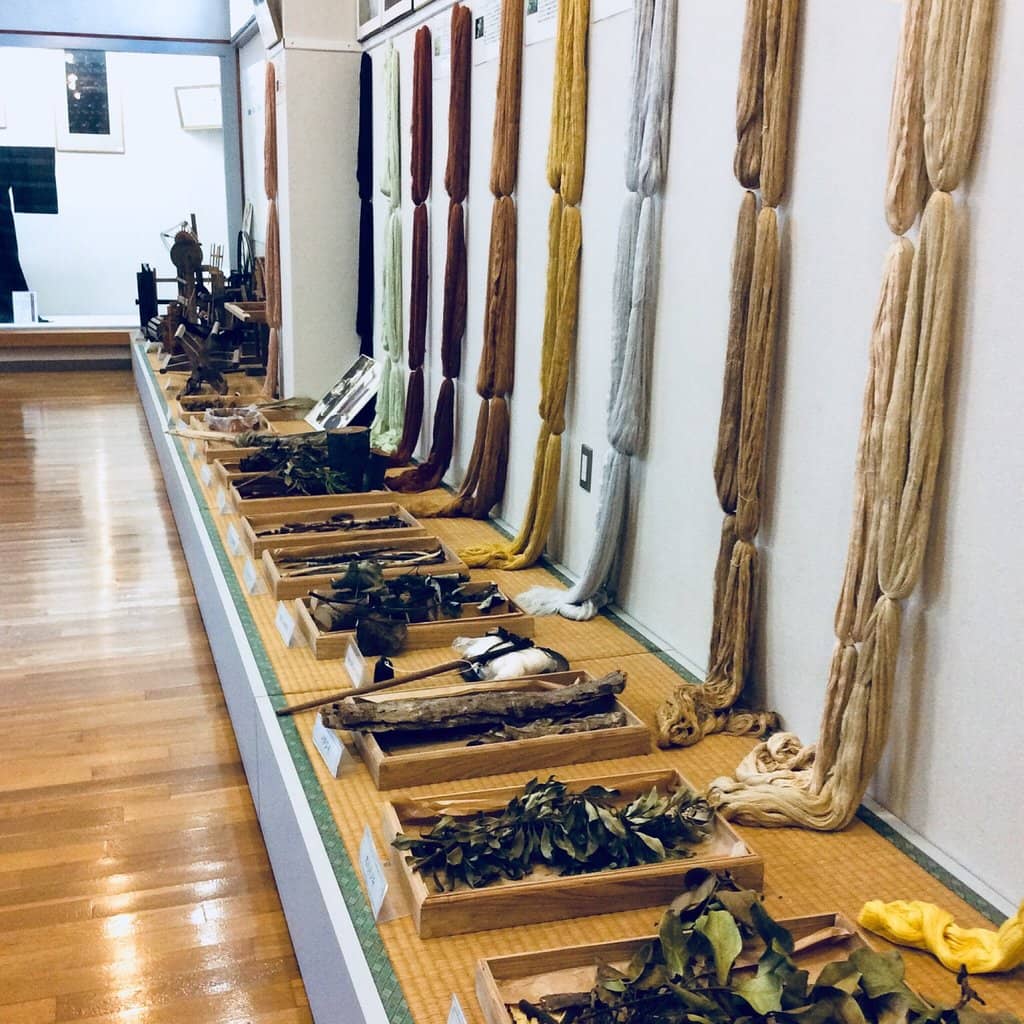
Tsumugi Craftsmanship
Witness firsthand the generations of skill poured into every thread, creating unique textiles.
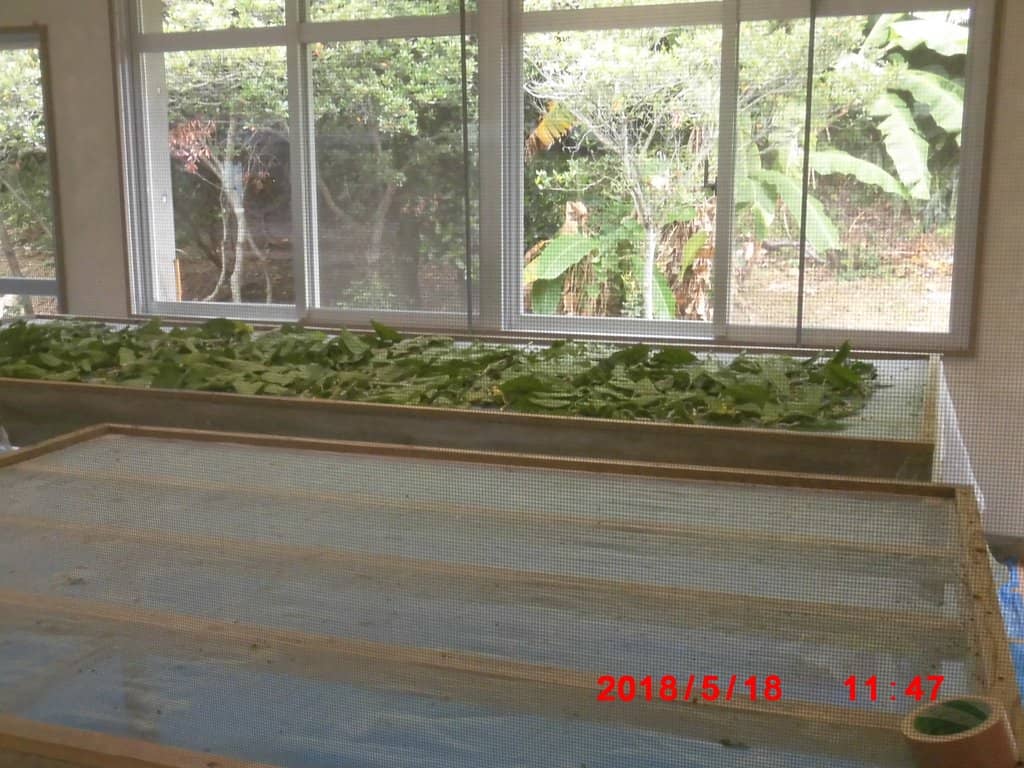
Hands-on Experiences
Engage in fun workshops like coaster weaving or dyeing to create your own Tsumugi-inspired souvenir.
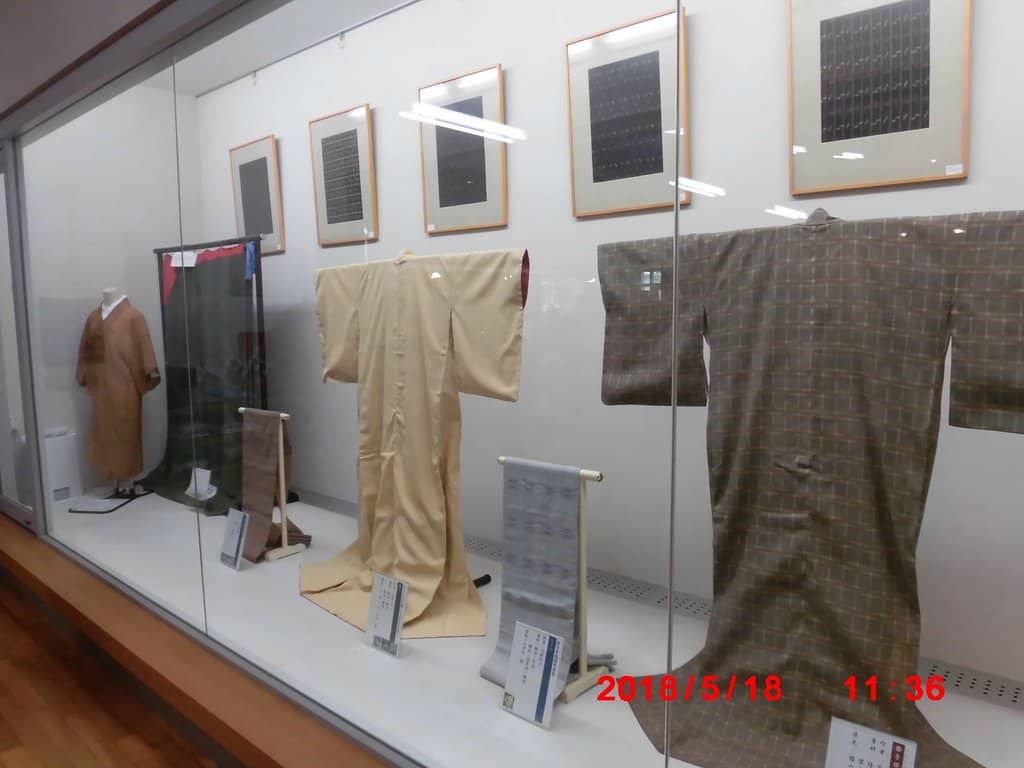
Souvenir Shopping
Browse a charming selection of Tsumugi goods, from masks to accessories, perfect for unique gifts.
Plans like a pro.
Thinks like you
Planning Your Visit
Understand the Value of Tsumugi
Workshop Access & Experiences
Best Times
Insider Tips
from TikTok, Instagram & Reddit
🎬 Watch the Documentary First
Understand the value & artistry of Tsumugi. English captions available!
💰 Admission Fee Insight
Fee may be reduced if workshop is closed for lunch.
🧵 Book Experiences Ahead
Coaster weaving & dyeing are popular. Inquire about availability.
🛍️ Unique Souvenir Finds
Don't miss the shop for masks, bags, and accessories.
Tips
from all over the internet
🎬 Watch the Documentary First
Understand the value & artistry of Tsumugi. English captions available!
💰 Admission Fee Insight
Fee may be reduced if workshop is closed for lunch.
🧵 Book Experiences Ahead
Coaster weaving & dyeing are popular. Inquire about availability.
🛍️ Unique Souvenir Finds
Don't miss the shop for masks, bags, and accessories.
💸 Appreciate the Price
Items are costly due to generational craftsmanship.
What Travellers Say
Reviews Summary
Visitors praise Kumejima Tsumugi Village for its beautiful, intricate textiles and the educational experience offered by the museum and documentary. The opportunity to witness traditional craftsmanship firsthand and participate in hands-on workshops is highly valued. While the items are expensive, the deep appreciation for the generational skill involved helps justify the cost.
"Beautiful place. The items are expensive but watch the documentary (English captions) and you’ll understand the prices. It is a detailed process that has been completed for generations. The items are beautiful!! We were also allowed to visit the ladies who make the pieces. Beautiful work of art."
Kay B.
"Y200 for entrance fee. You can try waving, Y2100 for coaster."
Ree yay
"I watched a video about Kumejima Tsumugi and toured the museum. The video wasn't too long so I wasn't bored. I learned a lot about how Kumejima Tsumugi is made, and they also sold miscellaneous goods such as shirts and bags made from Tsumugi. They were cute so I bought some earrings and a hair accessory.
It seems they were on their lunch break when I went so I couldn't tour the workshop. Therefore, they reduced the admission fee from 200 yen to 100 yen since we were only inside the museum. There weren't many people so it wasn't crowded and I was able to take my time looking around."
MIKI
What People Like
What People Dislike
Frequently Asked Questions
🚇 🗺️ Getting There
Kumejima Tsumugi Village is located on Kume Island in Okinawa. You'll typically need to fly to Kume Island Airport (KMJ) and then take a taxi or local bus to the village. Renting a car on Kume Island is also a popular option for exploring the area at your own pace.
Yes, local buses operate on Kume Island and can take you to the vicinity of the village. However, schedules can be infrequent, so checking bus routes and times in advance is advisable. Taxis are also available.
Many visitors find renting a car offers the most flexibility for exploring Kume Island, including reaching the Tsumugi Village and other attractions. This allows you to set your own schedule and easily access different parts of the island.
Kume Island offers various accommodation options, from hotels to guesthouses. Staying on the island allows for a more immersive experience and easier access to the Tsumugi Village and other natural attractions.
The travel time from Kumejima Airport to Kumejima Tsumugi Village can vary depending on your mode of transport. By car or taxi, it typically takes around 20-30 minutes.
🎫 🎫 Tickets & Entry
The entrance fee for the Kumejima Tsumugi Museum is typically around Y200. However, visitors have reported that the fee might be reduced to Y100 if the workshop is closed for lunch.
For general museum entry, advance booking is usually not required. However, if you plan to participate in specific weaving or dyeing experiences, it's highly recommended to book in advance to secure your spot.
Opening hours can vary, and it's best to check the official website or contact them directly. Be aware that the workshop may close for lunch breaks, potentially affecting access to see artisans at work.
While not widely advertised, one visitor mentioned a reduced admission fee when the workshop was closed for lunch. It's always worth inquiring about any potential discounts upon arrival.
The workshop area is typically part of the Kumejima Tsumugi Village experience, and access is usually included with the museum's entrance fee. However, access might be limited during artisan lunch breaks.
🎫 🧭 Onsite Experience
At Kumejima Tsumugi Village, you can explore the museum to learn about the traditional weaving process, watch a documentary with English captions, and browse the shop for unique Tsumugi products. You can also participate in hands-on experiences like coaster weaving and dyeing.
Yes, you can often see the artisans at work in the workshop. However, they do take lunch breaks, so it's advisable to plan your visit accordingly if seeing them in action is a priority.
Absolutely! Kumejima Tsumugi Village offers popular hands-on experiences such as coaster weaving and dyeing. These are great opportunities to create your own souvenir and learn the craft firsthand.
Yes, the documentary shown at the Kumejima Tsumugi Museum is equipped with English captions, making it accessible and informative for international visitors.
The village shop offers a variety of beautiful Tsumugi items, including masks, bags, hair accessories, and coasters. These make for unique and meaningful souvenirs that showcase the island's traditional craft.
🍽️ 🍽️ Food & Dining
Kumejima Tsumugi Village primarily focuses on the Tsumugi craft and museum experience. While there might not be a full-service restaurant on-site, there are often small shops selling local snacks or drinks. For more substantial meals, you'll find dining options in the nearby towns on Kume Island.
The artisans at the workshop take lunch breaks, which might affect your ability to see them working. While there isn't a dedicated restaurant, you might find small kiosks selling refreshments. It's best to plan your meals before or after your visit to the village.
Kume Island offers delicious Okinawan cuisine. Look for local specialties like Goya Champuru (bitter melon stir-fry), Okinawa Soba, and fresh seafood. Many restaurants are located in the main towns of Kume Island.
While traditional Okinawan cuisine can be meat and fish-heavy, many restaurants are becoming more accommodating. It's advisable to communicate your dietary needs clearly when ordering. Some places may offer vegetable-based dishes.
After your visit, consider heading to the main towns on Kume Island, such as Gushikawa or Tomari, where you'll find a wider selection of local restaurants offering Okinawan specialties.
📸 📸 Photography
Photography is generally allowed in the museum for personal use, but it's always a good idea to check for any specific signage or ask staff if you're unsure. Be mindful of other visitors and avoid using flash if it might disturb the exhibits or artisans.
Photographing the artisans at work can be a highlight, but it's crucial to be respectful. Always ask for permission before taking close-up shots of individuals. Some artisans might prefer not to be photographed, especially during their work.
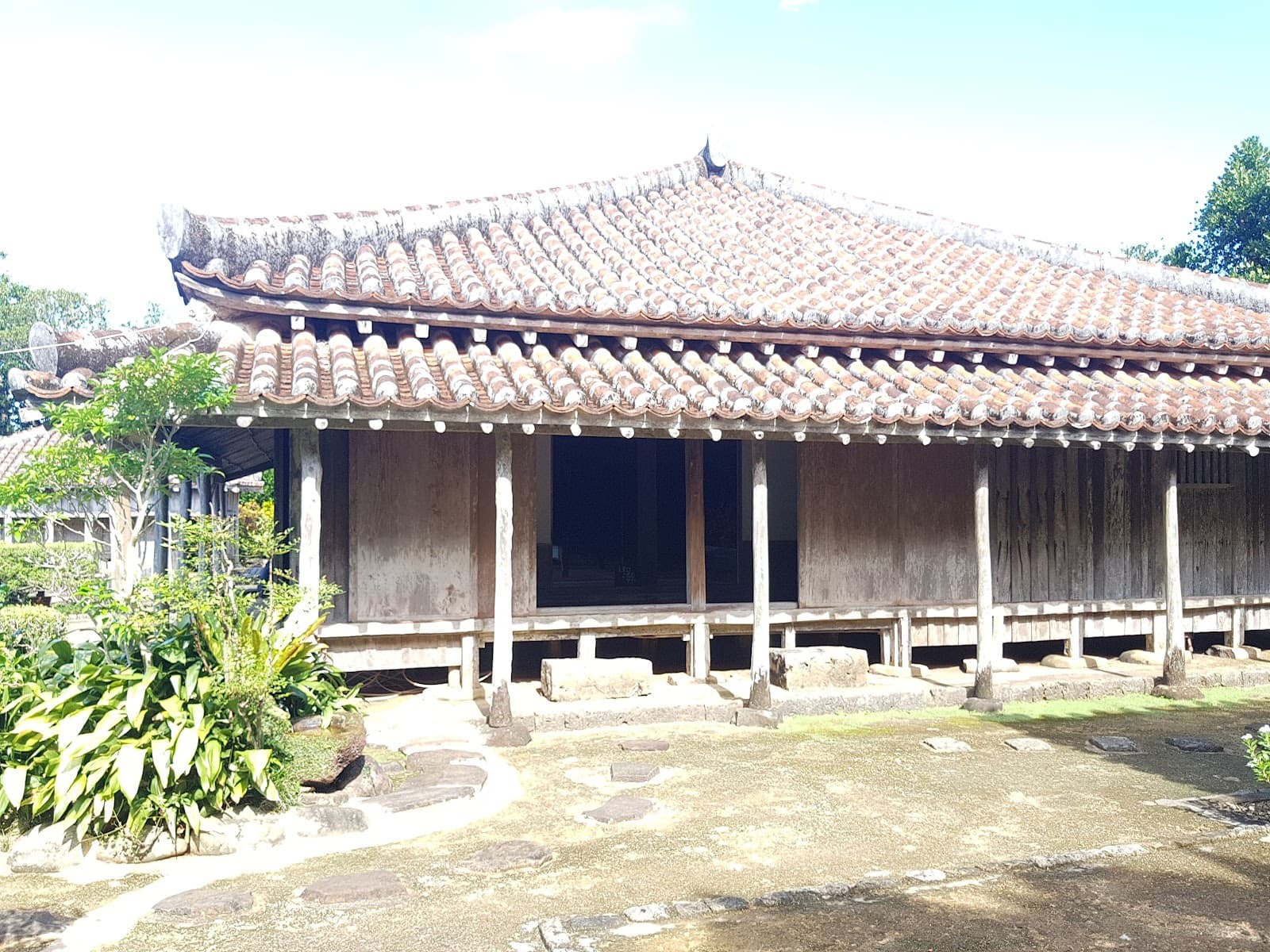
The intricate patterns of the Tsumugi textiles themselves make for beautiful close-up shots. The exterior of the traditional buildings and the surrounding natural scenery of Kume Island also offer picturesque photo opportunities.
Drone regulations can vary by location and are subject to change. It's essential to research and comply with local drone laws before flying near Kumejima Tsumugi Village or any other part of Kume Island to avoid penalties.
A versatile camera with a good macro lens would be ideal for capturing the fine details of the Tsumugi textiles. A standard zoom lens is also useful for wider shots of the village and its surroundings.
For Different Travelers
Tailored advice for your travel style
👨👩👧 Families with Kids
While the high cost of some items might not be a primary concern for families, the souvenir shop offers smaller, more affordable items like hair accessories or small pouches that children might enjoy. It's a good opportunity to teach them about traditional crafts and the value of handmade items. Visiting during a time when the workshop is active can also be visually stimulating for younger visitors.
💰 Budget Travelers
Consider participating in the coaster weaving experience (around Y2100) as a more affordable way to engage with the craft and create a souvenir. Even if you don't purchase any items, the educational aspect of learning about Kumejima Tsumugi is invaluable and costs very little. Keep an eye out for potential admission fee reductions if the workshop is closed for lunch.
🎨 Art & Craft Enthusiasts
Engaging in the dyeing or weaving experiences allows for a hands-on appreciation of the skill involved. The opportunity to purchase authentic Tsumugi items, from accessories to larger pieces, provides a chance to own a piece of wearable art. The dedication to preserving this craft is evident throughout the village, making it an inspiring destination.
Deep Dives
In-depth insights and expert knowledge
The Art of Kumejima Tsumugi
Visitors can gain a profound appreciation for this craft by watching the documentary available at the museum, which often includes English captions. This visual journey explains the labor-intensive steps, from preparing the threads to the final weaving. Understanding this process helps explain why Kumejima Tsumugi items carry a significant price tag, reflecting the immense time and expertise invested.
The village itself serves as a living museum, allowing you to witness the dedication of the artisans. While they do take breaks, seeing them at work offers a tangible connection to this enduring cultural heritage. The resulting textiles are not just fabric; they are stories woven into existence, embodying the spirit and history of Kume Island.
Hands-On Tsumugi Experiences
Participants are guided by skilled instructors who help them navigate the techniques, ensuring even beginners can create a satisfying souvenir. The dyeing experience, for instance, allows you to experiment with natural dyes to color threads, while weaving lets you create a small textile piece. These workshops are often highlighted as a memorable part of the visit, offering a personal connection to the craft.
It's advisable to inquire about booking these experiences in advance, as they can be popular and have limited spots. This is a fantastic opportunity to not only learn but also to create a truly unique memento of your trip to Kumejima.
Shopping for Authentic Tsumugi
Popular souvenir choices include beautifully crafted masks, bags, hair accessories, and coasters. These items showcase the intricate patterns and rich colors of Tsumugi in practical and stylish forms. Each purchase supports the continuation of this valuable cultural heritage and provides a tangible reminder of the artistry you've witnessed.
When browsing, take the time to appreciate the details of each item. The slight variations in color and pattern are a testament to the handmade nature of Tsumugi, making each piece unique. It’s a wonderful way to invest in a piece of Okinawan artistry.

Social
from TikTok, Instagram & Reddit