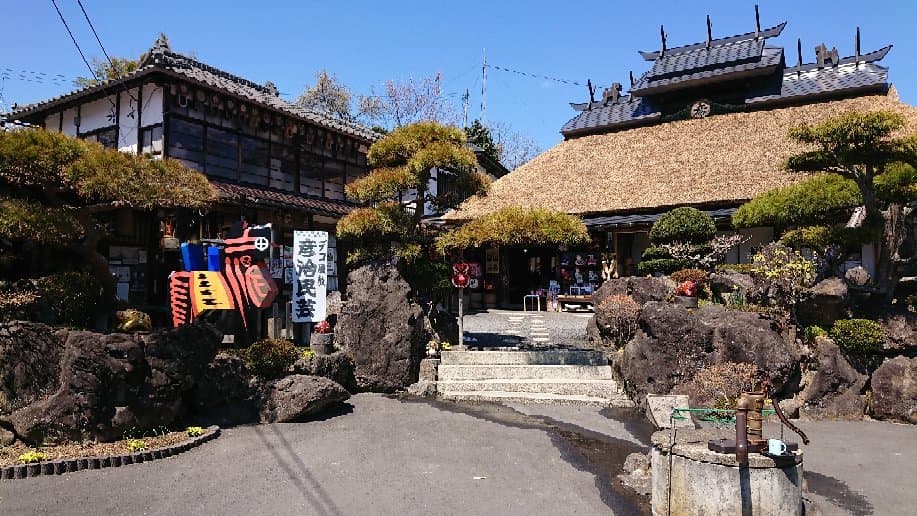
Takashiba Dekoyashiki
Discover the heart of traditional Japanese paper-mâché crafts, especially the iconic Miharu-goma, in this charming village.
Highlights
Must-see attractions

Social
From TikTok & Reddit
Best Time
Fewer crowds, more artisan interaction
Takashiba Dekoyashiki
Best Time
Fewer crowds, more artisan interaction
Highlights
Must-see attractions
Discover the heart of traditional Japanese paper-mâché crafts, especially the iconic Miharu-goma, in this charming village.
"A wonderful place that gave you a sense of history and moving craftsmanship."
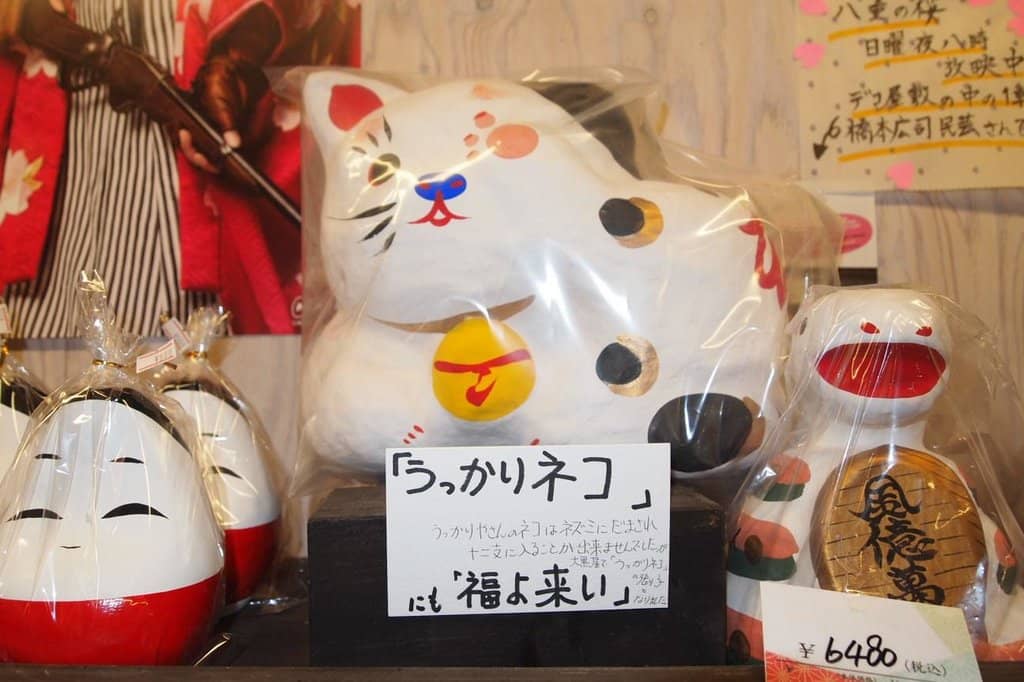
🤝 Chat with the Makers
Artisans are friendly! Use translation apps to learn about their craft. They're happy to share their passion.
🎁 Buy a Unique Souvenir
From Miharu-goma to Daruma dolls, these handcrafted items make meaningful gifts.
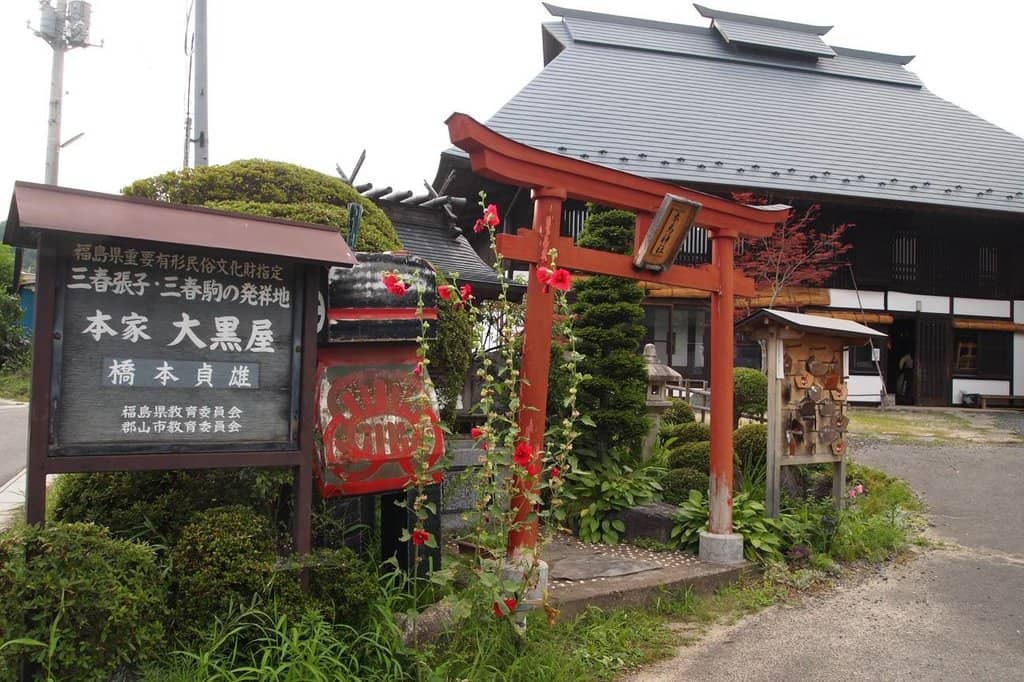
Quick Facts
Hours
Rating
4.1 · 189 reviews
Type
Store
Highlights
Discover the most iconic attractions and experiences
Miharu-goma
Craftsman Shops
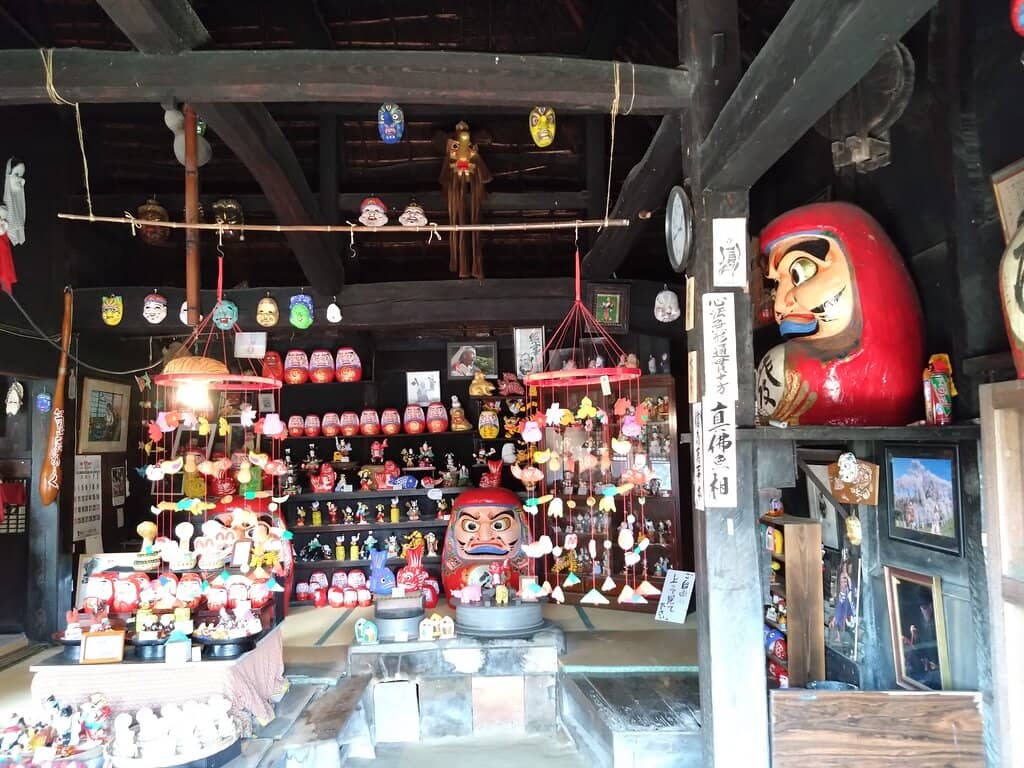
The iconic black horses, a symbol of good fortune and disaster prevention, are a must-see. Witness their creation and take one home.
Hariko Dolls
Craftsman Shops
Discover a variety of charming paper-mâché figures, from zodiac animals to masks, each with a unique, handcrafted warmth.
Artisan Workshops
Various Shops
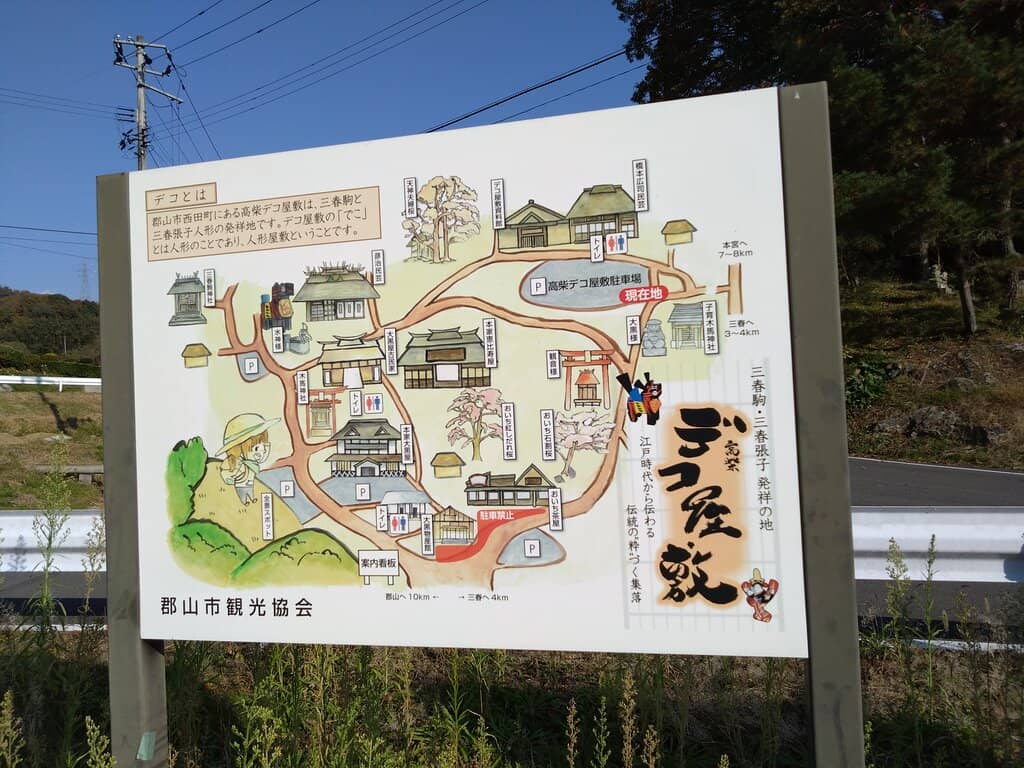
See skilled craftspeople at work, shaping paper and paint into beautiful traditional toys. A truly inspiring sight.
Plans like a pro.
Thinks like you
Planning Your Visit
Embrace Traditional Crafts
Connect with Artisans
Best Times
Insider Tips
from TikTok, Instagram & Reddit
🤝 Chat with the Makers
Artisans are friendly! Use translation apps to learn about their craft. They're happy to share their passion.
🎁 Buy a Unique Souvenir
From Miharu-goma to Daruma dolls, these handcrafted items make meaningful gifts.
🚗 Easy Access by Car
While public transport is possible, driving offers more flexibility to explore the village.
🕰️ Allow ample time
Don't rush. Soak in the atmosphere and appreciate the detailed work of the artisans.
Tips
from all over the internet
🤝 Chat with the Makers
Artisans are friendly! Use translation apps to learn about their craft. They're happy to share their passion.
🎁 Buy a Unique Souvenir
From Miharu-goma to Daruma dolls, these handcrafted items make meaningful gifts.
🚗 Easy Access by Car
While public transport is possible, driving offers more flexibility to explore the village.
🕰️ Allow ample time
Don't rush. Soak in the atmosphere and appreciate the detailed work of the artisans.
What Travellers Say
Reviews Summary
Visitors consistently praise Takashiba Dekoyashiki for its authentic traditional crafts, particularly the Miharu-goma. The opportunity to witness artisans at work and interact with them is a highlight, creating a deeply moving and memorable experience. While the village is small, its cultural richness and the warmth of its people leave a lasting impression.
"Last maker of Miharu-goma, black horses. Tiny village where you can find a small museum, a restaurant and some shops. Takashiba Deko Yashiki is the key part of the village. You can watch the craftman and buy Miharu-goma, daruma, masks and other harico.
Craftman son was very kind, using a translator device to discuss with us. I wanted to buy everything but couldn’t so I have bought a Miharu-goma and a daruma."
Emilie-A G
"It was a wonderful place that gave you a sense of the history of thatched roofs. I went with my little one, but she couldn't quite make out the dimly lit building and said it was the house that appears in the movie "Once upon a time...". They were making the papier-mâché in front of me, and seeing the calluses on the fingers that only a craftsman can have was a whole new kind of moving experience. The Fukushima dialect was also hilarious, with its "zoo zoo" accent. I thought it didn't have to be so boring. At my little one's request, I bought some papier-mâché rabbit and sheep, and a Miharu Koma keychain."
マキコ
"Of the several folk craft stores, this one somehow felt the most natural.
On the other hand, Hyottoko
Apparently, the wait time online is several months.
Luckily, they had just one in stock at the store, so I got it straight away.
Other stores sell it too, but apparently this is the store that was featured on TV."
yoshi utsu
What People Like
What People Dislike
Frequently Asked Questions
🚇 🗺️ Getting There
Takashiba Dekoyashiki is best accessed by car, offering flexibility to explore the village. Public transport options exist but may require more planning. Consider local buses from Koriyama Station if you don't have a vehicle.
Yes, parking is generally available for visitors, making it convenient for those arriving by car.
Yes, it's feasible to visit Takashiba Dekoyashiki as a day trip from Fukushima City, especially if you have a car. The drive is manageable and allows you to experience the traditional crafts.
The village is small and best explored on foot. Wander through the artisan shops and the small museum at your own pace to fully appreciate the atmosphere.
While Takashiba Dekoyashiki is a focused experience, you can combine it with other local sights in the Koriyama area for a fuller day trip.
🎫 🎫 Tickets & Entry
Entry to the village itself is generally free. However, individual shops and the museum may have their own admission policies or require purchases.
Opening hours can vary between the individual artisan shops and the small museum. It's advisable to check in advance or visit during typical daytime business hours.
There is a small museum within the village that showcases the history of the crafts. While specific fees can vary, it's usually very affordable.
Absolutely! Purchasing directly from the craftsmen is encouraged and a great way to support their traditional work. You can find Miharu-goma, Daruma dolls, and more.
While not as widely publicized as larger festivals, keep an eye out for local events or seasonal craft demonstrations that might occur.
📸 📸 Photography
Photography is generally allowed in the village and for many of the crafts. However, always be respectful and ask permission before taking close-up shots of artisans at work.
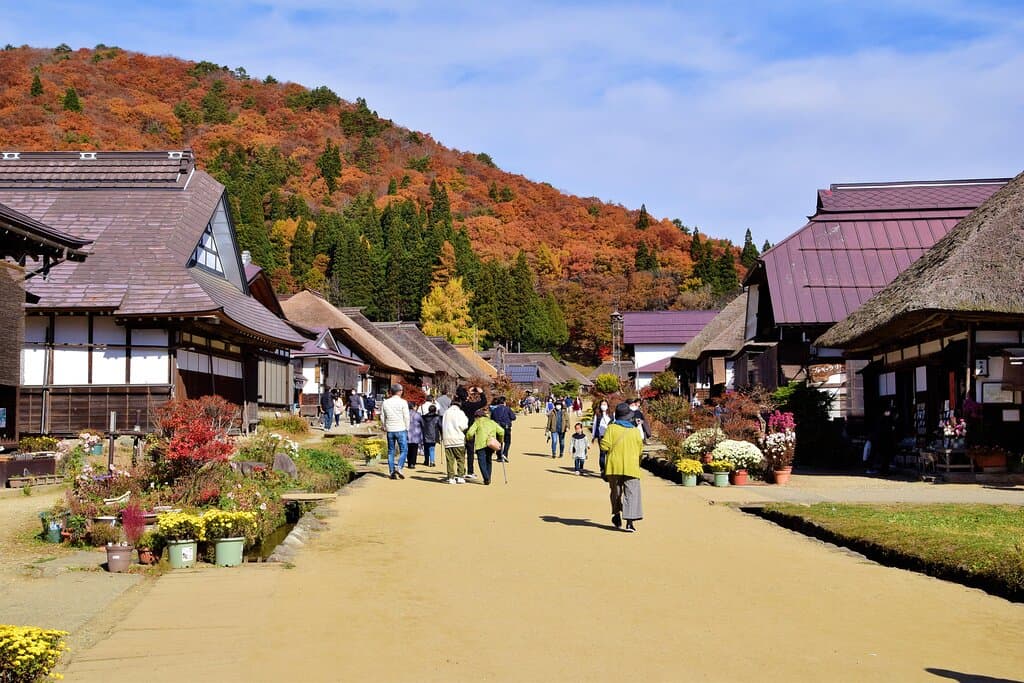
The traditional thatched-roof houses offer a picturesque backdrop. Capturing the artisans in action and the detailed crafts themselves are key photo opportunities.
Most artisans are welcoming of respectful photography within their workshops, especially if you are purchasing something. A polite inquiry is always recommended.
A versatile lens that can handle both wider village shots and close-ups of crafts would be ideal. Good lighting conditions are important, especially inside the dimly lit workshops.
Drone photography is generally not permitted in such traditional and residential areas without explicit permission. It's best to stick to handheld photography.
🍽️ 🍽️ Food & Dining
Yes, the village has a restaurant and a Tartary Soba shop, offering local culinary experiences.
You can find local specialties, including Tartary Soba, and other dishes at the village restaurant.
Options might be limited, so it's best to inquire directly at the restaurant about dietary accommodations. Soba noodles are often a safe bet.
While not explicitly forbidden, it's generally more respectful to patronize the local eateries if you plan to dine in the village.
Yes, there is a cafe within the village where you can relax and enjoy a drink or snack.
Social
from TikTok, Instagram & Reddit