
Miho Museum Kyoto
A mountain sanctuary designed by I.M. Pei, blending ancient art with breathtaking architecture and nature.
Highlights
Must-see attractions

Social
From TikTok & Reddit
Best Time
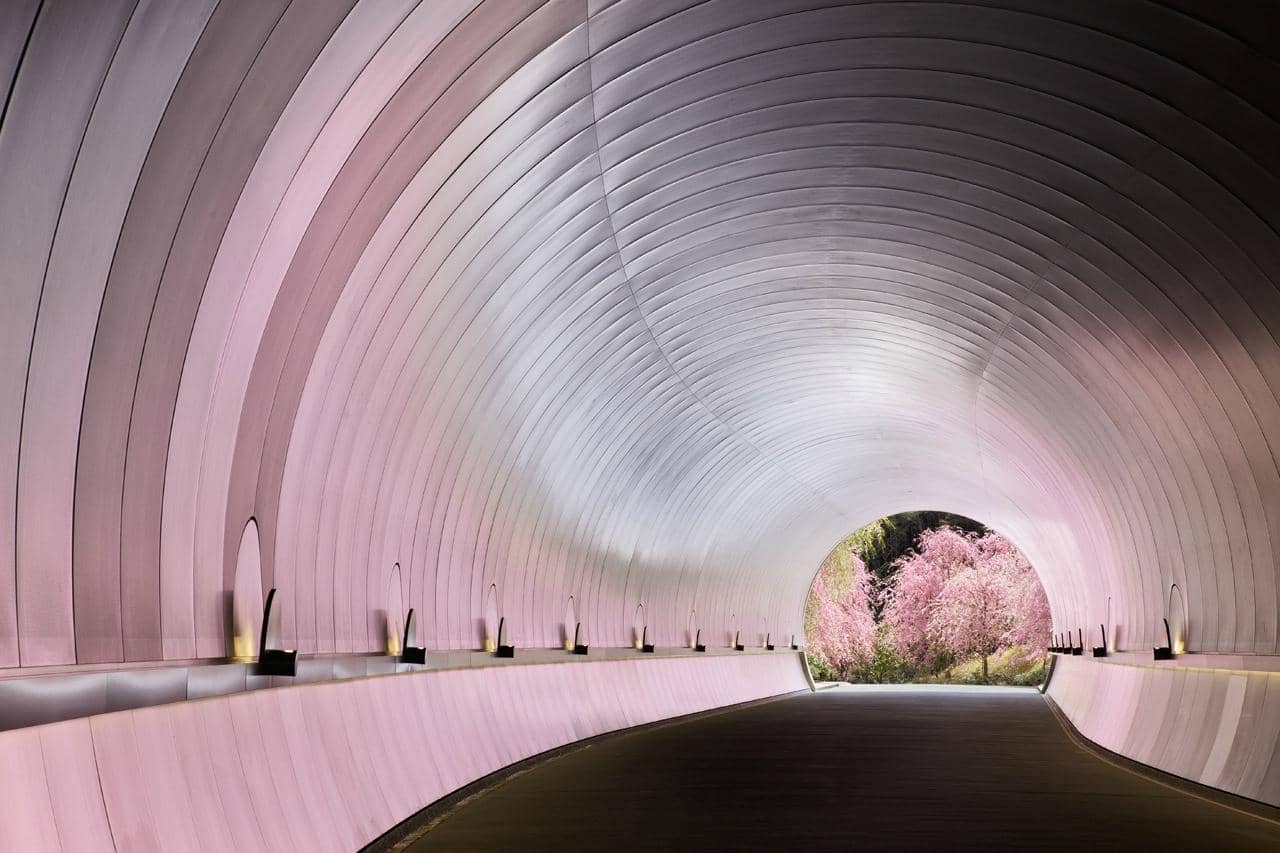
Cherry blossoms bloom near the tunnel
Miho Museum Kyoto
Best Time
Cherry blossoms bloom near the tunnel
Highlights
Must-see attractions
A mountain sanctuary designed by I.M. Pei, blending ancient art with breathtaking architecture and nature.
"The architecture is the main selling point of this museum. It's as impressive as the pictures make it out to be."
🎟️ Buy Tickets Together
Purchase bus and museum admission at the vending machine near bus stop #3 to save time. Cash or IC card accepted.
📸 Photo Opportunities Galore
The architecture and walkway are incredibly photogenic. Allow plenty of time for photos!
Highlights
Discover the most iconic attractions and experiences
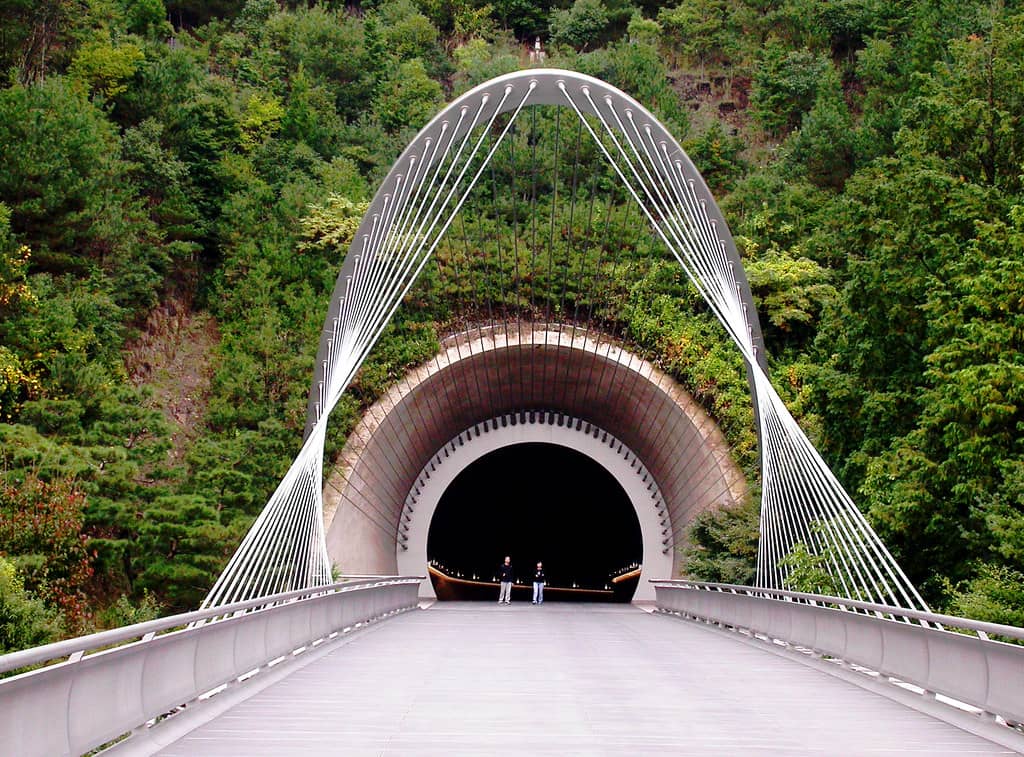
The Iconic Tunnel and Walkway
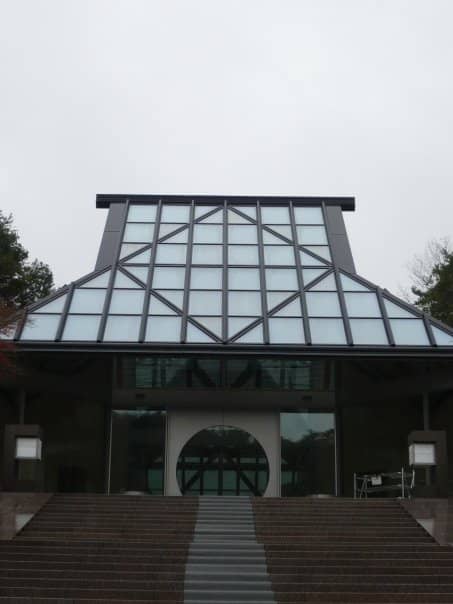
Entrance to the museum
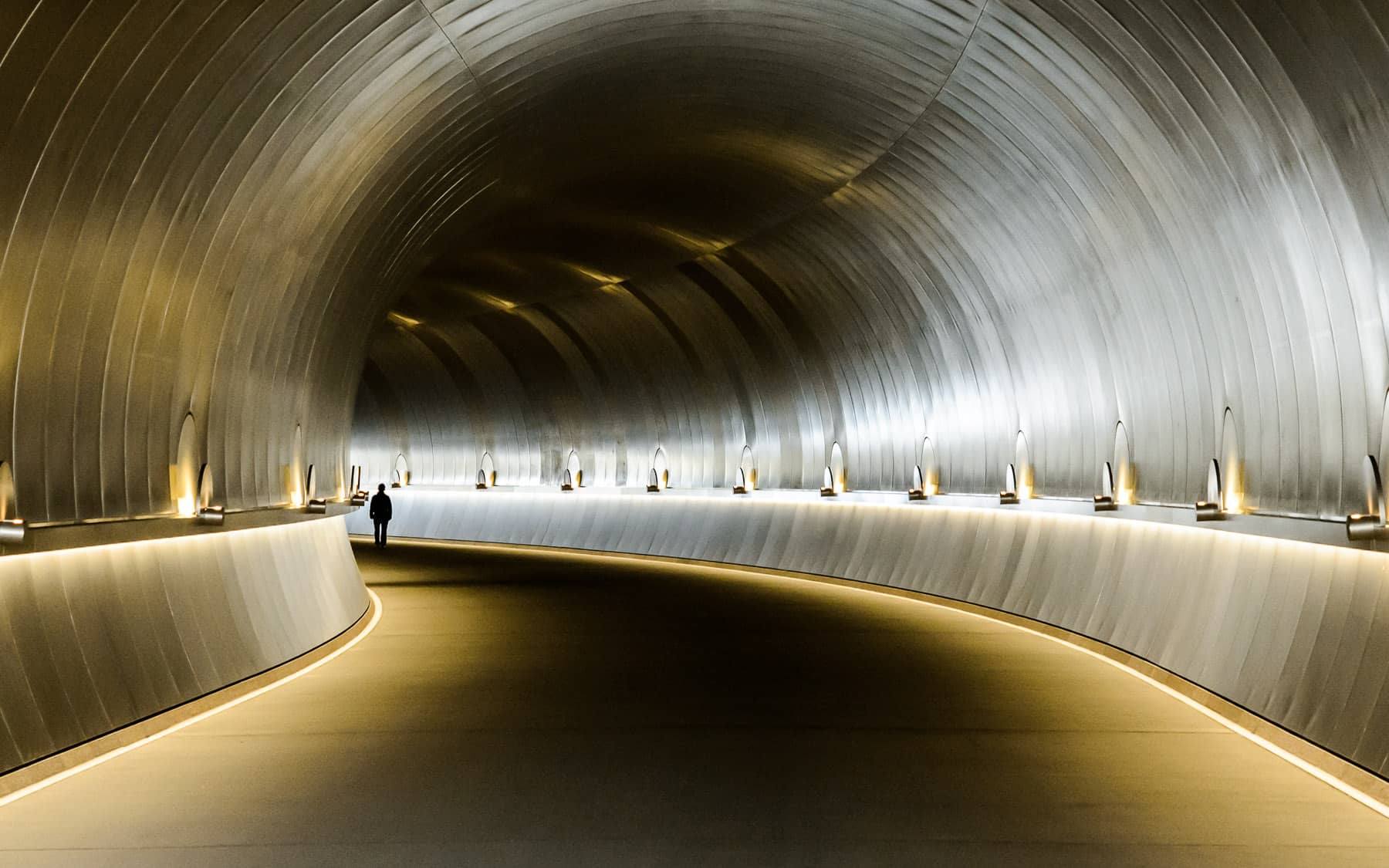
A surreal, tree-lined tunnel leads to a striking bridge, revealing the museum's stunning architecture.
I.M. Pei's Architectural Masterpiece
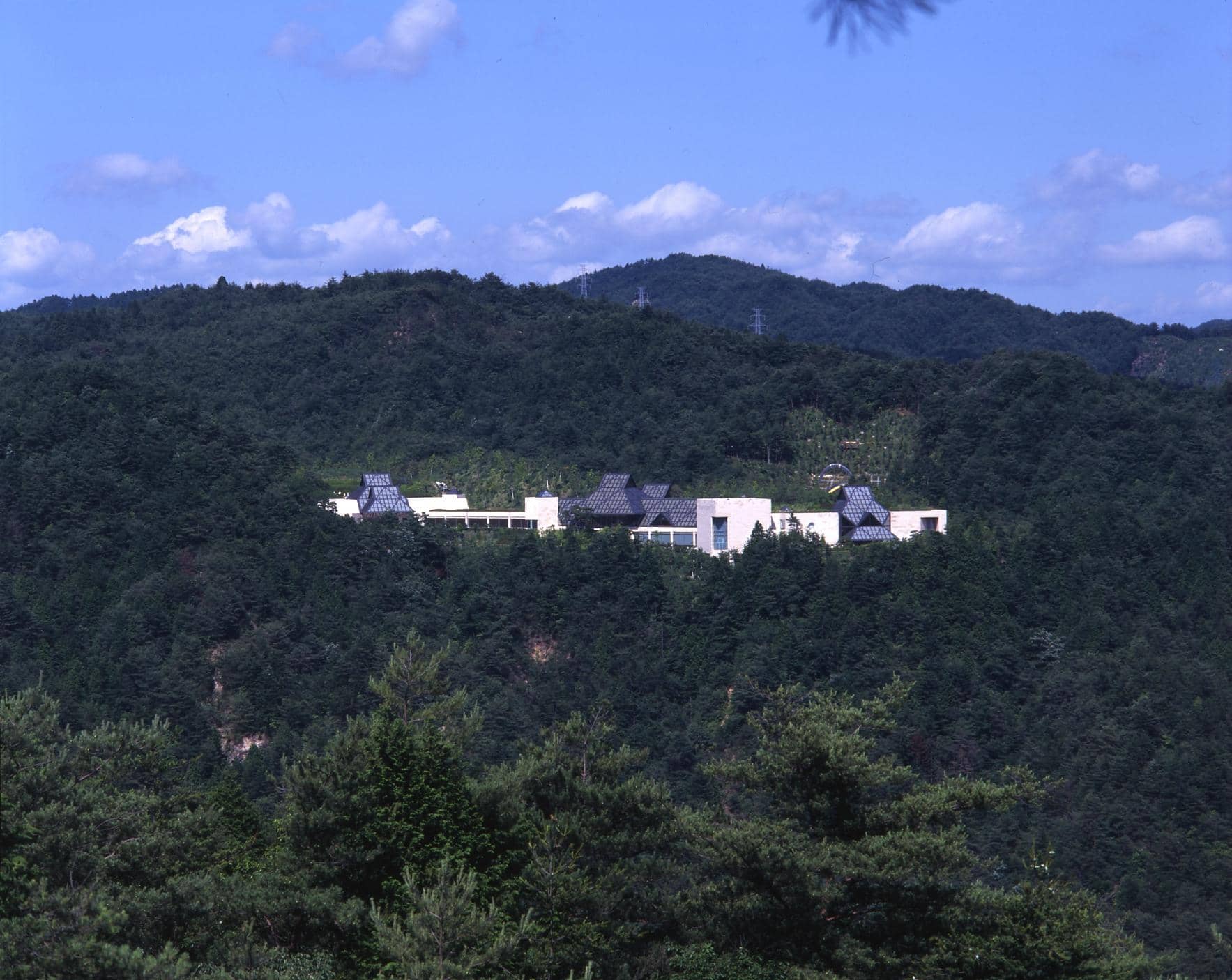
Entire museum complex
Experience the genius of the Louvre Pyramid architect, with seamless integration of stone, steel, and nature.
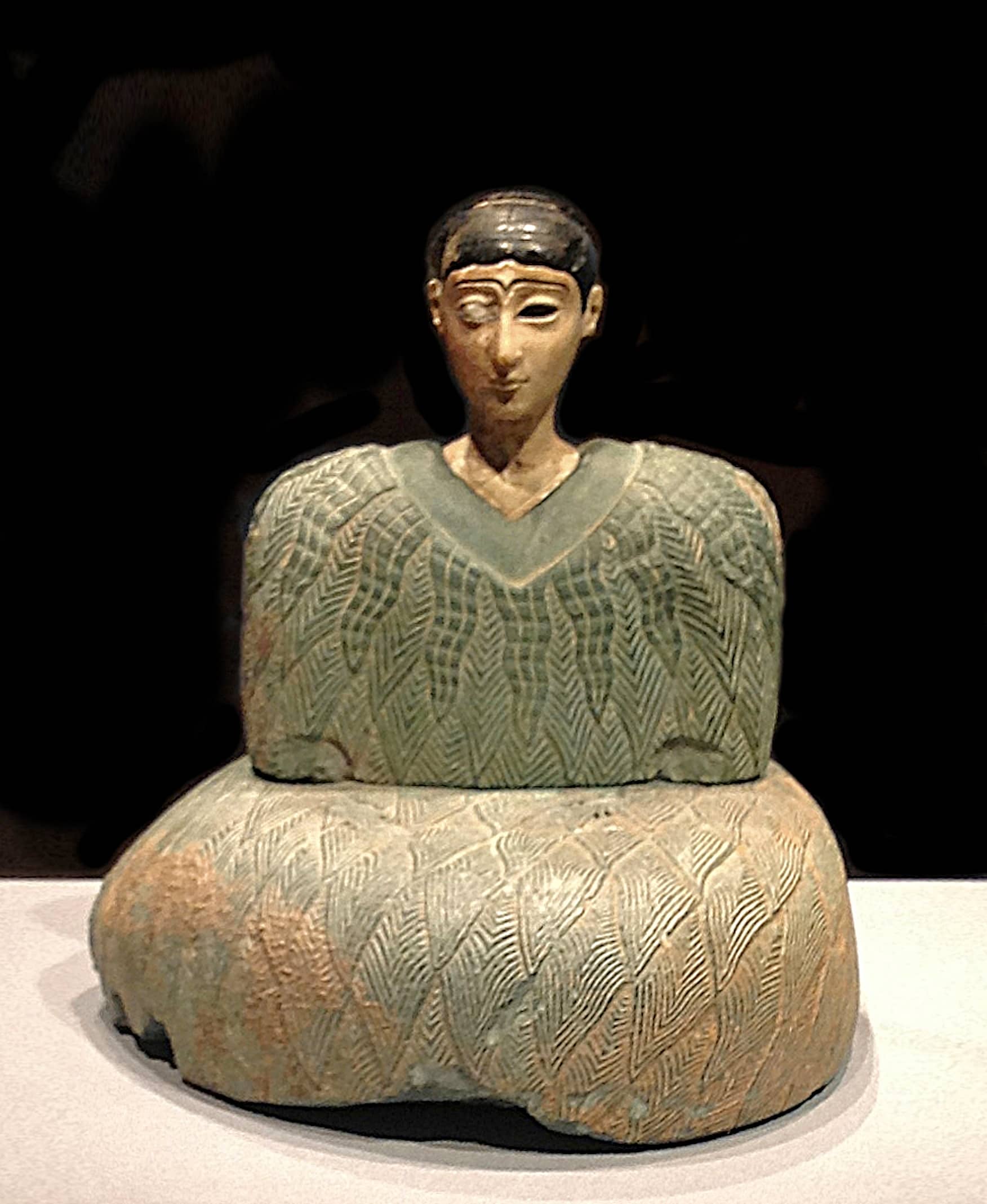
Ancient Art and Rotating Exhibits
Museum galleries
Discover a collection of ancient art and antiques, with special exhibitions that change throughout the year.
Plans like a pro.
Thinks like you
Planning Your Visit
Plan Your Journey to the Mountains
Architecture is the Star
Best Times
Insider Tips
from TikTok, Instagram & Reddit
🎟️ Buy Tickets Together
Purchase bus and museum admission at the vending machine near bus stop #3 to save time. Cash or IC card accepted.
📸 Photo Opportunities Galore
The architecture and walkway are incredibly photogenic. Allow plenty of time for photos!
🚶♀️ Embrace the Walk
The journey through the tunnel and across the bridge is an integral part of the experience.
💰 Audio Guide Rental
Enhance your visit with an audio guide for an additional cost of 600 yen.
Tips
from all over the internet
🎟️ Buy Tickets Together
Purchase bus and museum admission at the vending machine near bus stop #3 to save time. Cash or IC card accepted.
📸 Photo Opportunities Galore
The architecture and walkway are incredibly photogenic. Allow plenty of time for photos!
🚶♀️ Embrace the Walk
The journey through the tunnel and across the bridge is an integral part of the experience.
💰 Audio Guide Rental
Enhance your visit with an audio guide for an additional cost of 600 yen.
🚏 Bus Schedule Awareness
Buses to the museum run approximately every hour, so check the schedule to plan your return trip.
What Travellers Say
Reviews Summary
Visitors consistently praise the Miho Museum's breathtaking architecture and the surreal experience of its iconic walkway and tunnel. The museum's stunning design, by I.M. Pei, and its integration with the natural landscape are frequently highlighted as the main attractions. While the art collection is appreciated, some find it to be secondary to the architectural marvel. The journey to the museum is considered part of the experience, though it requires careful planning.
"We had wanted to visit since 2019 and finally we were able to make it this year. The architecture and design didn't disappoint. Miho Museum was designed by architect IM Pei, best known for the glass pyramid at the Louvre Museum and Bank of China building in HK. I hope we can come back again during the Sakura season."
Annie Tsang
"The museum sits at the top of a hill and is a bit difficult to get to without a car. There are busses but truth be told I can't be bothered to figure them out (there's probably info on the museum website).
The walk up to the museum from the parking lot is beautiful, to the point that I come here every year for the fall colors.
If you don't want to or can't make the walk or if it's raining, there is a shuttle that leads from the parking lot up to the museum proper, but I recommend making the walk and taking in the scenery.
The museum itself is a bit on the small side, but it's quiet, clean and well maintained.
You can buy tickets at the little visitors center by the parking lot, but if you're like me and forget to buy a ticket before walking up to the museum, they have a vending machine inside by the lockers at the front."
Brian Ryskind
"One of the most amazing museums I have visited!
The building architecture is sublime and masterful
It’s incredibly and respectful positioned and constructed
The architect and the family sponsoring the construction and providing the extraordinary historical objects have given us an incredible gift
The vistas are stunning
Being off the tourist trail it’s calm and peaceful
It took two hours of train and bus to arrive for a timeless experience
So glad"
Angel Ioannou
What People Like
What People Dislike
Frequently Asked Questions
🚇 🗺️ Getting There
From Kyoto, take a JR local train to Ishiyama Station. From there, catch a bus (approximately 50 minutes) to the Miho Museum. The bus runs about once an hour.
The commute involves a train and a bus ride, which can take around 1.5 to 2 hours one way from Kyoto. While scenic, it requires planning.
Yes, you can drive to the Miho Museum. It's located in the Shiga mountains and offers parking facilities.
Many visitors find the combination of JR train to Ishiyama Station and then the bus to be a convenient and scenic option.
There are no direct public transport options from Kyoto city center. You'll need to combine train and bus travel.
🎫 🎫 Tickets & Entry
Admission prices vary, with adult tickets typically around 2300 yen. Student and child discounts are available. Check the official website for current pricing.
It's recommended to check the official Miho Museum website for advance ticket purchase options, especially during peak seasons.
Yes, the museum frequently hosts special exhibitions, such as the 'Ancient Glass: Brilliance and Technique' or 'NINAGAWA Mika' exhibitions. 
The museum typically opens at 10:00 AM and closes around 5:00 PM, with last entry usually an hour before closing. It's best to verify current hours on their website.
Yes, you can purchase both bus and museum admission tickets at the vending machine near bus stop #3 at Ishiyama Station to save time. Note that it accepts cash or IC cards.
📸 📸 Photography & Architecture
Photography is generally allowed in most areas of the museum, but it's always best to check for specific restrictions in certain galleries or during special exhibitions.
The striking walkway leading through the tunnel to the museum's entrance is a highly photographed and iconic feature.
The Miho Museum was designed by the renowned architect I. M. Pei, who also designed the Louvre Pyramid in Paris.
The architecture is celebrated for its seamless integration with the natural landscape, its unique approach to circulation, and the meticulous detailing throughout the structure.
Yes, the surrounding natural landscape, the approach to the museum, and the building's exterior offer numerous beautiful photo opportunities.
🎫 🏛️ Onsite Experience
The museum features a collection of ancient art and artifacts from various cultures, including Egyptian, Roman, and Islamic art, as well as Japanese art.
Some visitors find the permanent collection to be relatively small, but the architecture and temporary exhibitions often compensate for this.
Yes, the museum offers amenities such as restrooms, which are noted for their high quality, and likely a cafe or dining area.
Yes, it's a popular day trip destination from Kyoto, but be sure to account for the travel time.
The 'Joy of Angels Bell Tower' is another nearby project designed by I.M. Pei, offering framed views from within the museum.
For Different Travelers
Tailored advice for your travel style
👨👩👧 Families with Kids
📸 Photography Enthusiasts
🏛️ Architecture Buffs
Deep Dives
In-depth insights and expert knowledge
The Architectural Vision of I.M. Pei
+1The approach to the museum is particularly memorable. Visitors first walk through a long, dimly lit tunnel, which then opens up to a dramatic, cantilevered bridge suspended over a valley. This transition from the enclosed tunnel to the open expanse, with the museum seemingly floating amidst the trees, is designed to evoke a sense of wonder and anticipation. The use of natural materials, such as stone and wood, further enhances the connection to the surrounding environment.
Inside, Pei's signature minimalist yet grand style is evident. The soaring ceilings, the precise geometric forms, and the careful framing of views of the distant mountains all contribute to the museum's sublime atmosphere. The level of detail in the construction, from the stone handrails to the uniform gaps in the flooring, is astonishing and reflects an unparalleled commitment to craftsmanship.
Navigating the Journey and Logistics
To streamline your visit, it's highly recommended to purchase both your bus ticket and museum admission ticket at the vending machine located near bus stop #3 at Ishiyama Station. This can save you time upon arrival at the museum. However, be aware that this vending machine typically accepts cash or IC cards (like Suica or Pasmo), so credit cards may not be an option.
Given the travel time, many visitors opt to make the Miho Museum a dedicated day trip from Kyoto or Osaka. It's advisable to check the bus schedules in advance to ensure you have ample time to explore the museum and make your return journey without feeling rushed.
Beyond the Architecture: The Collections
The museum is known for its rotating exhibitions, which often highlight specific themes or artistic traditions. For instance, past exhibitions have featured ancient glasswork, calligraphy, and the vibrant works of contemporary artists like Mika Ninagawa. These temporary exhibitions provide a dynamic element to the museum's offerings, ensuring there's always something new to discover.
+1Although some visitors note that the permanent collection might feel compact compared to the grandeur of the building, the quality and historical significance of the displayed artifacts are undeniable. The thoughtful curation ensures that the art is presented in a way that complements the architectural setting, creating a holistic aesthetic experience.
Social
from TikTok, Instagram & Reddit