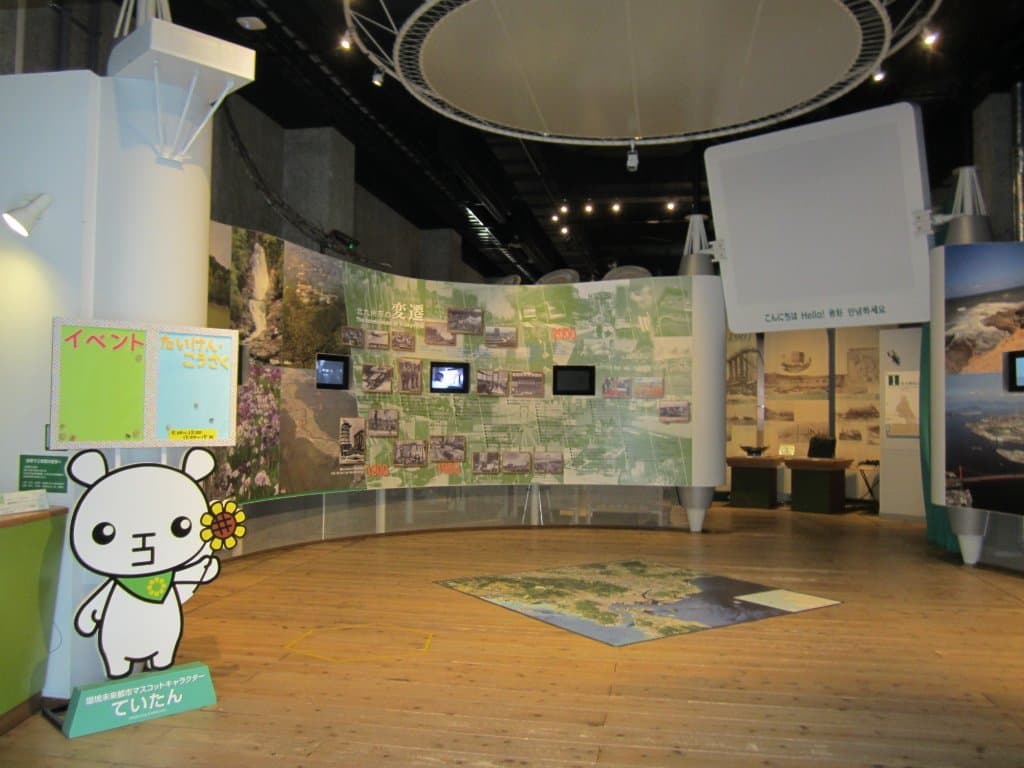
Kitakyushu Environment Museum
Discover Kitakyushu's journey from industrial pollution to a green city through interactive exhibits and inspiring stories of environmental recovery.

Highlights
Must-see attractions

Social
From TikTok & Reddit
Best Time
Fewer crowds, more interaction
Kitakyushu Environment Museum
Best Time
Fewer crowds, more interaction
Highlights
Must-see attractions
Discover Kitakyushu's journey from industrial pollution to a green city through interactive exhibits and inspiring stories of environmental recovery.
"This museum tells the story of this city about how they get their blue sky back."
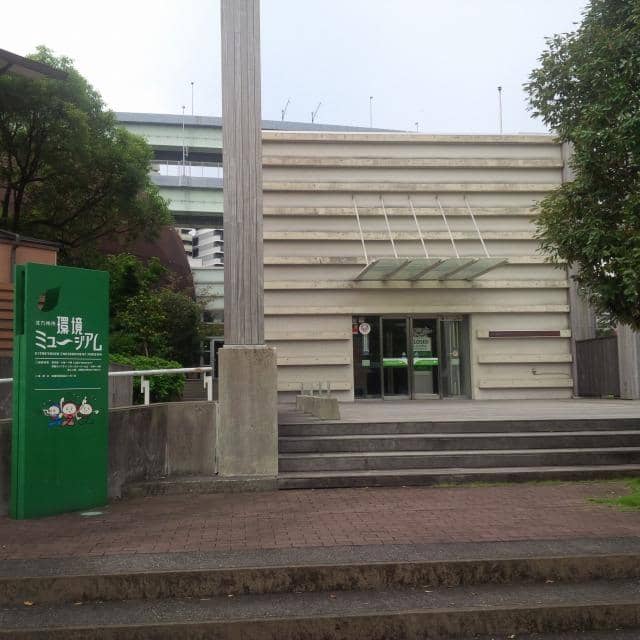
Engage with the Staff
Don't hesitate to ask staff about the exhibits; they're incredibly knowledgeable and friendly! :smiley:
Interactive Fun for All
Experience futuristic tech and hands-on activities that make learning about sustainability exciting. :rocket:
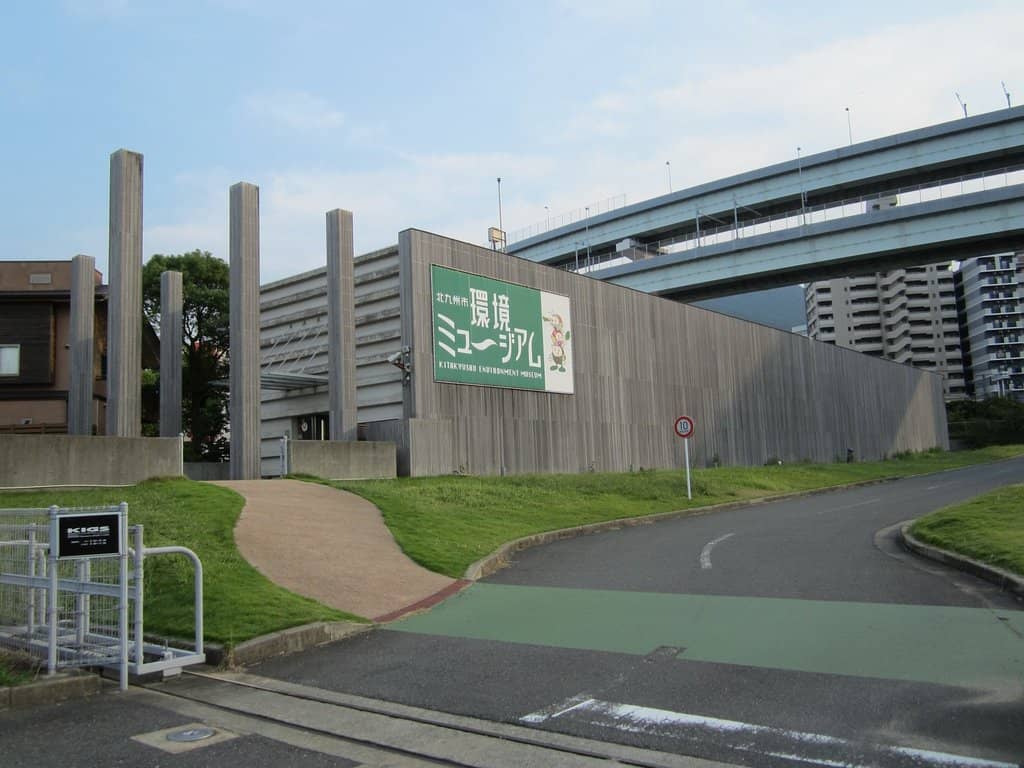
Highlights
Discover the most iconic attractions and experiences
Interactive Sustainability Displays
Engage with futuristic tech for energy saving, future homes, and cars. Learn how the city regained its blue sky.

Kitakyushu's Green Transformation Story
Witness the city's journey from environmental disaster to a leading green metropolis. Inspiring for all ages.

Friendly and Informative Staff
Staff are passionate about the exhibits and eager to share insights, enhancing the learning experience.
Plans like a pro.
Thinks like you
Planning Your Visit
Embrace the Interactive Exhibits
Understand the City's Green Transformation
Best Times
Insider Tips
from TikTok, Instagram & Reddit
Engage with the Staff
Don't hesitate to ask staff about the exhibits; they're incredibly knowledgeable and friendly! :smiley:
Interactive Fun for All
Experience futuristic tech and hands-on activities that make learning about sustainability exciting. :rocket:
Quiet & Underrated Gem
It's a peaceful alternative to larger museums, offering a focused look at environmental efforts. :leaf:
Learn About Blue Sky Recovery
Discover the inspiring story of how Kitakyushu cleaned up its air and skies. :blue_heart:
Tips
from all over the internet
Engage with the Staff
Don't hesitate to ask staff about the exhibits; they're incredibly knowledgeable and friendly! :smiley:
Interactive Fun for All
Experience futuristic tech and hands-on activities that make learning about sustainability exciting. :rocket:
Quiet & Underrated Gem
It's a peaceful alternative to larger museums, offering a focused look at environmental efforts. :leaf:
Learn About Blue Sky Recovery
Discover the inspiring story of how Kitakyushu cleaned up its air and skies. :blue_heart:
What Travellers Say
Reviews Summary
Visitors consistently praise the Kitakyushu Environment Museum for its engaging interactive exhibits and the inspiring story of the city's environmental transformation. The friendly and knowledgeable staff are a highlight, enhancing the learning experience. While some information might be primarily in Japanese, the hands-on nature of the displays and staff assistance make it a worthwhile and educational visit for all.
"Tiny museum (with free-admission) about the environmental struggles of Kitakyushu during Japan’s industrialization and economic boom, the consequences, and what they’re doing now. Run by some very friendly and helpful staff who love to explain the interactive exhibits and let you get involved. It’s just off to the side from the larger Natural History and Science museums, so it is much quieter."
Duncan Butcher
"for student who visits Kitakyushu this place is a must to visit. inside, you can find futuristic technology to save energy, future home, car, etc. Also, there's a story about this city about how they get their blue sky back"
edo novanto
"Soooooo underated! Really worth the visit. There were lots of interactive activities, and also on the day I went, there were locals who were setting booths there, teaching how to do simple reuses and that was very nice. But for people who cannot understand japanese it might be a little hard because not every information has English. Still worth the visit!"
スリヤウェチャウォンプリム
What People Like
What People Dislike
Frequently Asked Questions
🚇 🗺️ Getting There
The museum is located near the Natural History and Science Museums. Public transport options like buses and trains are readily available in Kitakyushu. Check local transit maps for the most convenient route from your accommodation.
While specific parking details for the Environment Museum aren't widely publicized, the area around the larger museum complex often has parking facilities. It's advisable to check local signage or inquire at nearby information centers.
Kitakyushu Station is a central hub, but the museum is a bit of a distance. Taking a local bus or taxi is generally recommended for a quicker and more comfortable journey.
The museum is often grouped with other attractions, so look for stops serving the museum district or the nearby science and natural history museums. Local bus routes are your best bet.
It's located slightly off to the side of the larger Natural History and Science museums, making it quieter. Follow signs for the museum complex, and you should find it easily.
🎫 🎫 Tickets & Entry
No, the Kitakyushu Environment Museum offers free admission, making it an accessible and valuable experience for everyone.
Opening hours can vary, so it's always best to check the official museum website or local listings before your visit. Generally, museums in Japan operate during standard daytime hours.
Since admission is free, advance booking is typically not required. However, for group visits or special events, it's wise to contact the museum beforehand.
The museum sometimes hosts local reuse booths and special educational activities. Keep an eye on their announcements for any upcoming events that might enhance your visit.
Yes, the interactive exhibits and the inspiring story of environmental recovery make it engaging and educational for both children and adults.
🎫 🧭 Onsite Experience
You'll find interactive displays showcasing futuristic technology for energy saving, future homes, and cars, alongside exhibits detailing the city's environmental challenges and recovery.
While not all information may have English translations, the staff are very helpful and can explain exhibits. Some interactive elements might be intuitive regardless of language.
A typical visit can last from 1 to 2 hours, depending on how much you engage with the interactive displays and if you receive a guided explanation from the staff.
The staff are very friendly and often provide informative lectures or explanations, especially for groups. They are a great resource for understanding the exhibits.
Museums in Japan are generally striving for better accessibility. It's recommended to contact the museum directly to inquire about specific facilities for visitors with disabilities.
🍽️ 🍽️ Food & Dining
The museum itself is focused on exhibits and doesn't typically have dining facilities. However, there are likely cafes and restaurants in the vicinity, especially near the larger museum complex.
The area around the museum complex often has dining options. You can also explore nearby shopping centers or commercial districts for a wider variety of choices.
It's generally best to consume outside food and drinks in designated areas or outside the museum premises to maintain the exhibits and cleanliness.
Kitakyushu, like many Japanese cities, offers a range of dining. Exploring local eateries or larger dining complexes will likely provide options for various dietary needs.
Kitakyushu is known for its seafood and local specialties. Trying regional ramen or fresh seafood dishes is highly recommended.
📸 📸 Photography
Photography policies can vary. While many museums allow photos of exhibits, flash photography is often prohibited to protect the displays. It's best to look for signage or ask staff.
The interactive displays and the futuristic elements of the exhibits offer unique photo opportunities. The story of the city's transformation also provides visually compelling narratives.
Drone photography is generally not permitted inside museums or in most public urban areas without special permits. Always adhere to local regulations.
It's polite to ask for permission before taking photos of individuals, including museum staff. They are often happy to pose if asked nicely.
A camera with good low-light performance is beneficial, as some exhibits might be dimly lit for effect. A wide-angle lens can be useful for capturing the scope of some displays.
For Different Travelers
Tailored advice for your travel style
👨👩👧 Families with Kids
Parents will appreciate the educational value and the opportunity for children to learn about important environmental concepts in a hands-on way. The staff's friendly demeanor and willingness to explain exhibits further enhance the family experience. It's a great place to foster an early interest in sustainability and environmental responsibility.
🌱 Eco-Conscious Travelers
You'll gain insights into urban environmental management, renewable energy applications, and the long-term commitment required for ecological restoration. The museum serves as a powerful case study, demonstrating that significant environmental progress is achievable. Engage with the exhibits and the knowledgeable staff to deepen your understanding of sustainable urban development.
📚 Students and Educators
Educators can find inspiration for lesson plans and teaching materials, while students can gain a deeper appreciation for the impact of industrialization and the importance of environmental stewardship. The story of Kitakyushu's recovery is a powerful testament to human ingenuity and collective action in addressing ecological crises.
Deep Dives
In-depth insights and expert knowledge
Kitakyushu's Environmental Renaissance
The exhibits delve into the specific measures taken, such as advanced waste management, pollution control technologies, and the restoration of natural habitats. Visitors can explore interactive displays demonstrating futuristic concepts for energy conservation, sustainable living, and eco-friendly transportation. The narrative is not just about past struggles but also about a forward-looking vision for a greener future. This focus on sustainability and environmental education makes the museum a crucial stop for understanding the city's modern identity.
What truly sets the museum apart is its community-driven approach. The staff are passionate locals who are eager to share their city's story and the importance of environmental stewardship. Their insights, combined with the engaging, hands-on exhibits, create a powerful and memorable learning experience. It's a place that inspires hope and demonstrates that significant environmental recovery is achievable with dedication and innovation.
Interactive Learning and Future Visions
One of the most compelling aspects is the museum's focus on energy-saving technologies. Through hands-on exhibits, visitors can understand the principles behind renewable energy sources and efficient energy consumption. This practical engagement helps demystify concepts like solar power, wind energy, and smart grids. The museum effectively translates scientific and technological information into understandable and relatable experiences, fostering a deeper appreciation for environmental solutions.
Beyond the technology, the museum tells the story of Kitakyushu's blue sky. This narrative highlights the collective effort and policy changes that led to a dramatic improvement in air quality. It's an inspiring account of how a city can overcome severe pollution and reclaim its natural environment. The combination of historical context, future-oriented technology, and a hopeful message makes the museum a unique and valuable destination for anyone interested in environmentalism and urban development.

Social
from TikTok, Instagram & Reddit