Oyama Kaido Furusato-kan
Discover the Edo-period Oyama Kaido, a historic pilgrimage route that shaped modern roads, through engaging exhibits and local history.
Highlights
Must-see attractions

Social
From TikTok & Reddit
Best Time
Fewer crowds, more peaceful exploration.
Oyama Kaido Furusato-kan
Best Time
Fewer crowds, more peaceful exploration.
Highlights
Must-see attractions
Discover the Edo-period Oyama Kaido, a historic pilgrimage route that shaped modern roads, through engaging exhibits and local history.
"It gives a good insight into the history of the Oyama Kaido, Mizonokuchi, and Takatsu. "
🚶♀️ Easy Access from Stations
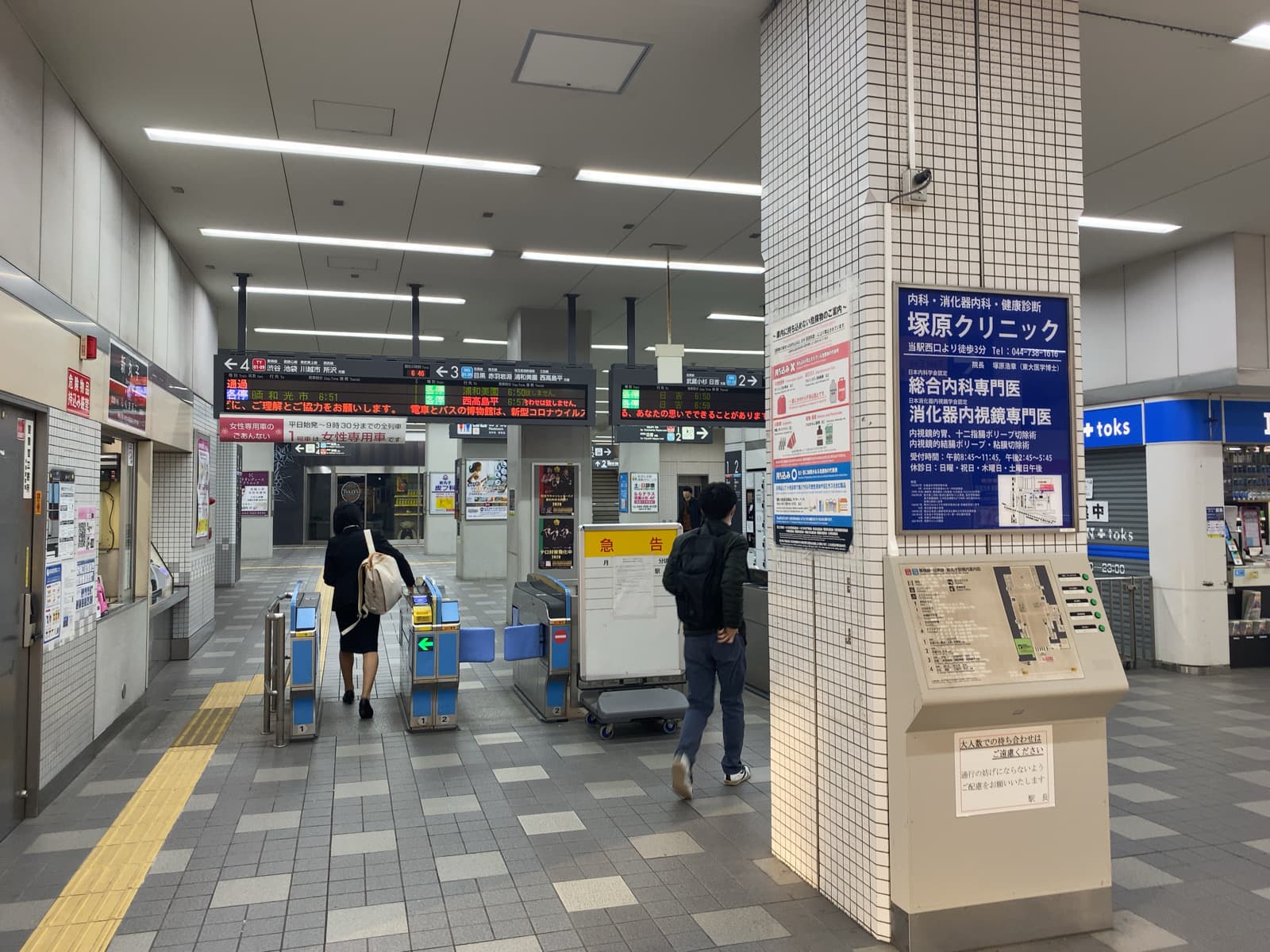
Just a 7-10 minute walk from Mizonokuchi or Takatsu Stations.
🚲 Bicycle Parking Available
Convenient parking for those arriving by bike.
Highlights
Discover the most iconic attractions and experiences
Edo Period Oyama Kaido Exhibits
Main Exhibition Hall
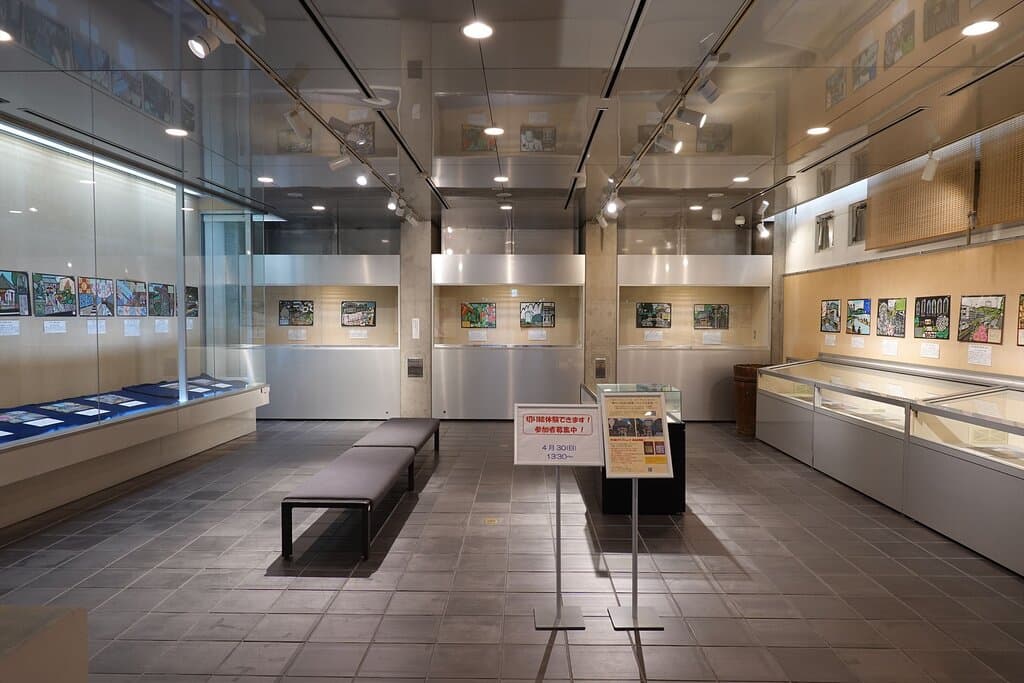
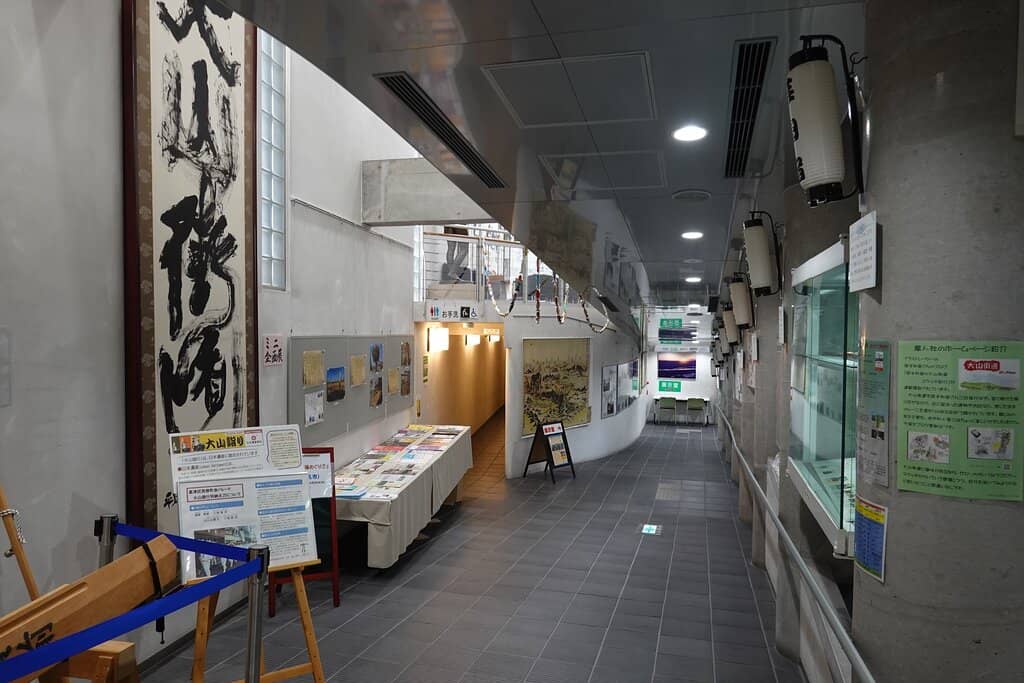
Explore artifacts and sketches detailing the historic Oyama Kaido pilgrimage route and its Edo-period significance.
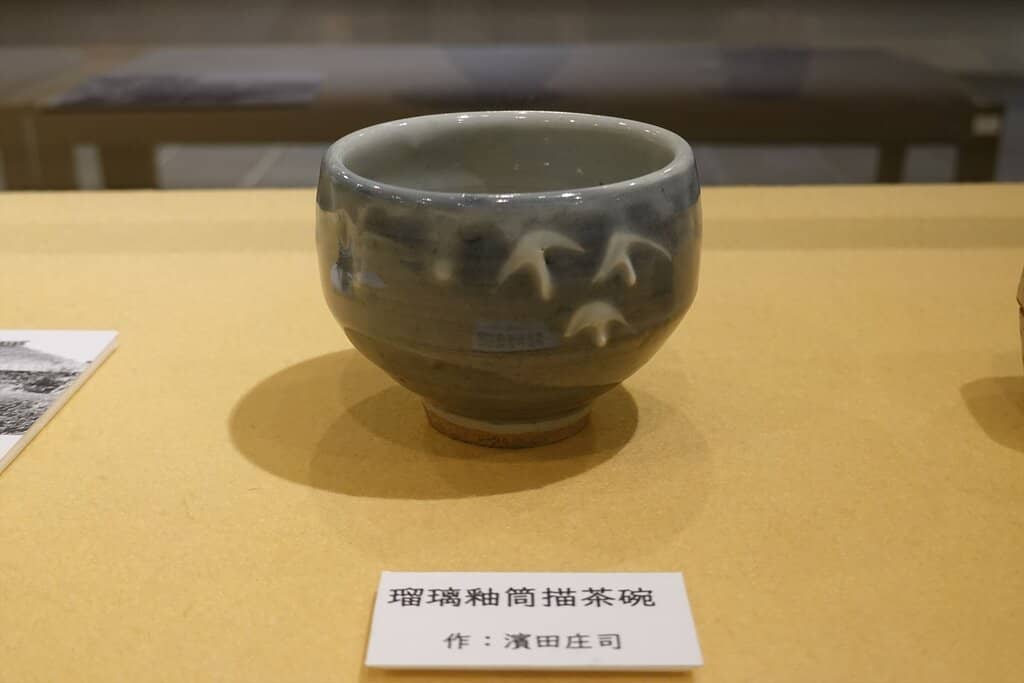
Local History & Cultural Figures
Exhibition Rooms
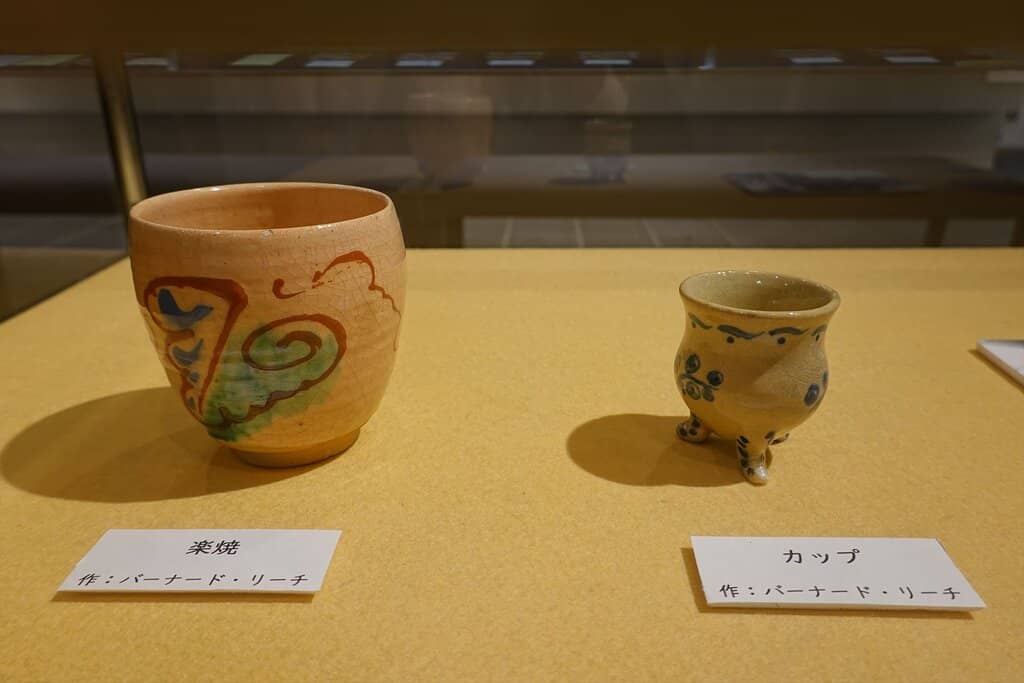
Discover the history of areas like Mizonokuchi and Takatsu, and learn about notable cultural figures associated with the region.
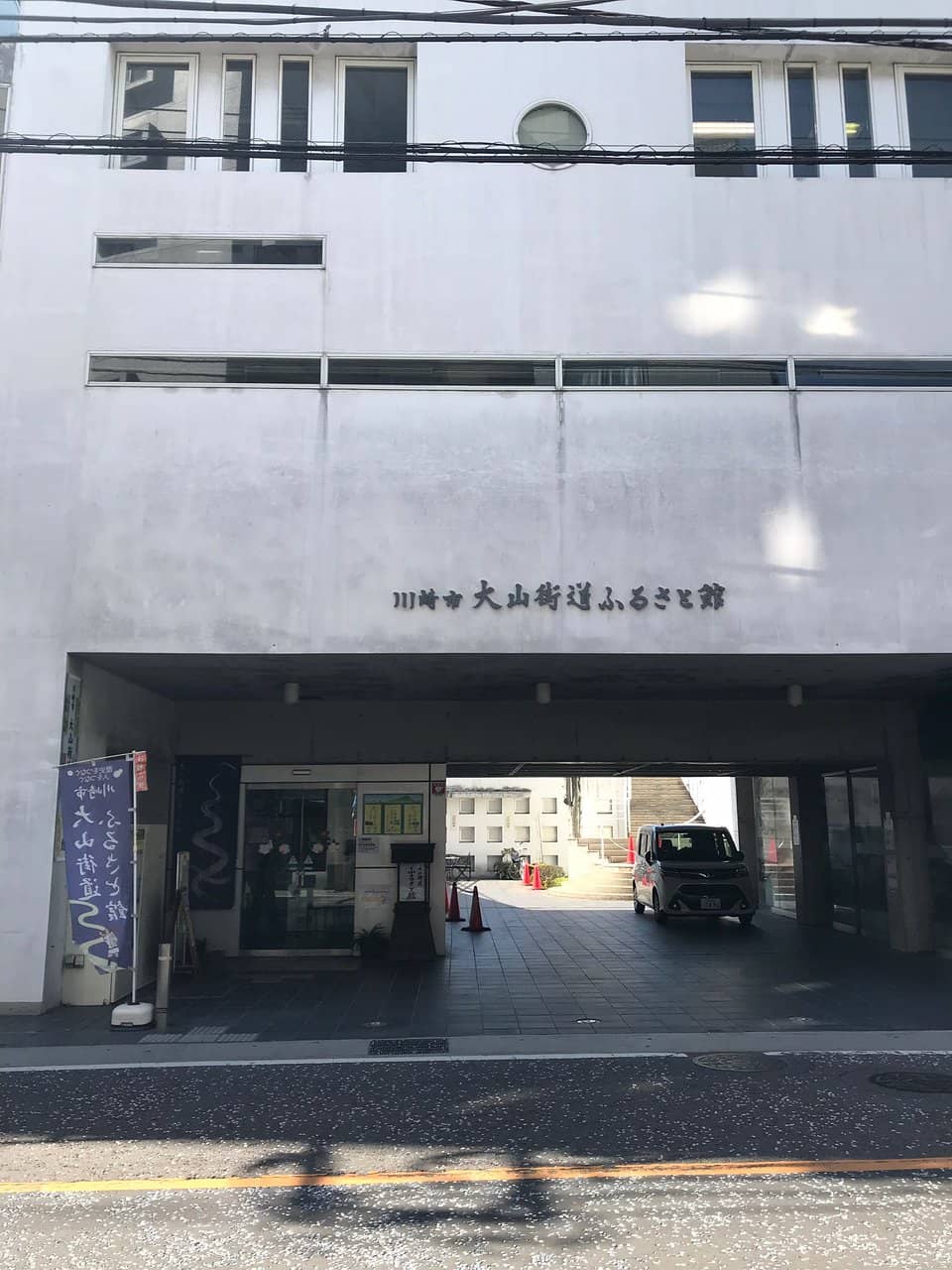
Rotating Special Exhibitions
Special Exhibition Room
Experience unique displays, such as 'Women who lived in Takatsu,' offering deeper dives into local life.
Plans like a pro.
Thinks like you
Planning Your Visit
Understand the Oyama Kaido's Significance
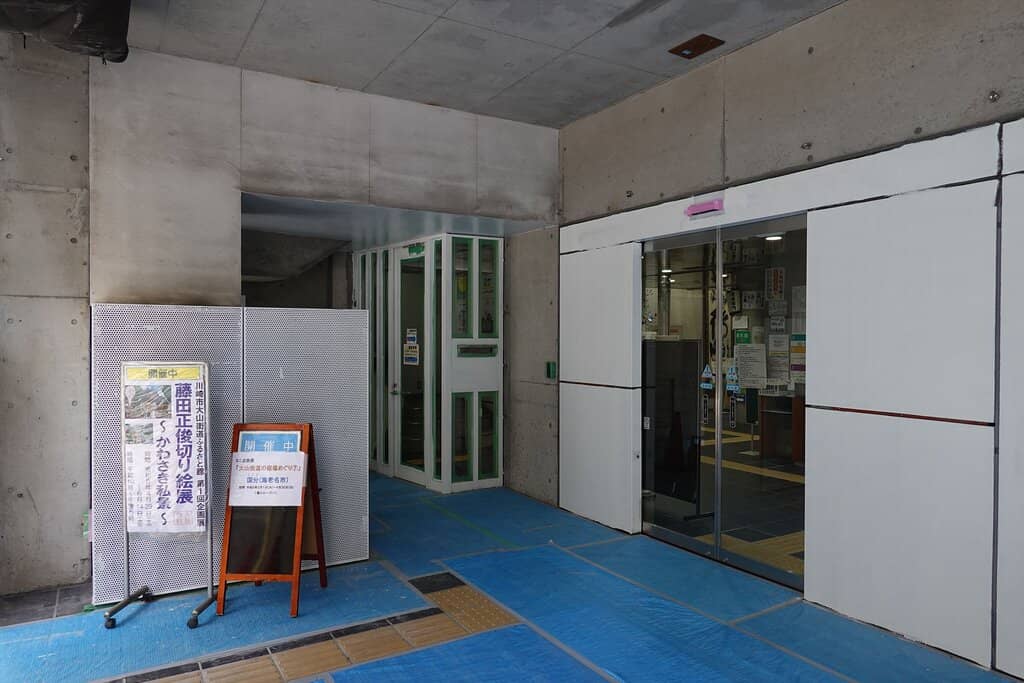
Check for Special Exhibitions & Construction
Best Times
Insider Tips
from TikTok, Instagram & Reddit
🚶♀️ Easy Access from Stations
Just a 7-10 minute walk from Mizonokuchi or Takatsu Stations.
🚲 Bicycle Parking Available
Convenient parking for those arriving by bike.
🆓 Free Admission
Enjoy the exhibits without any entry fee.
🗺️ Trace the Old Road
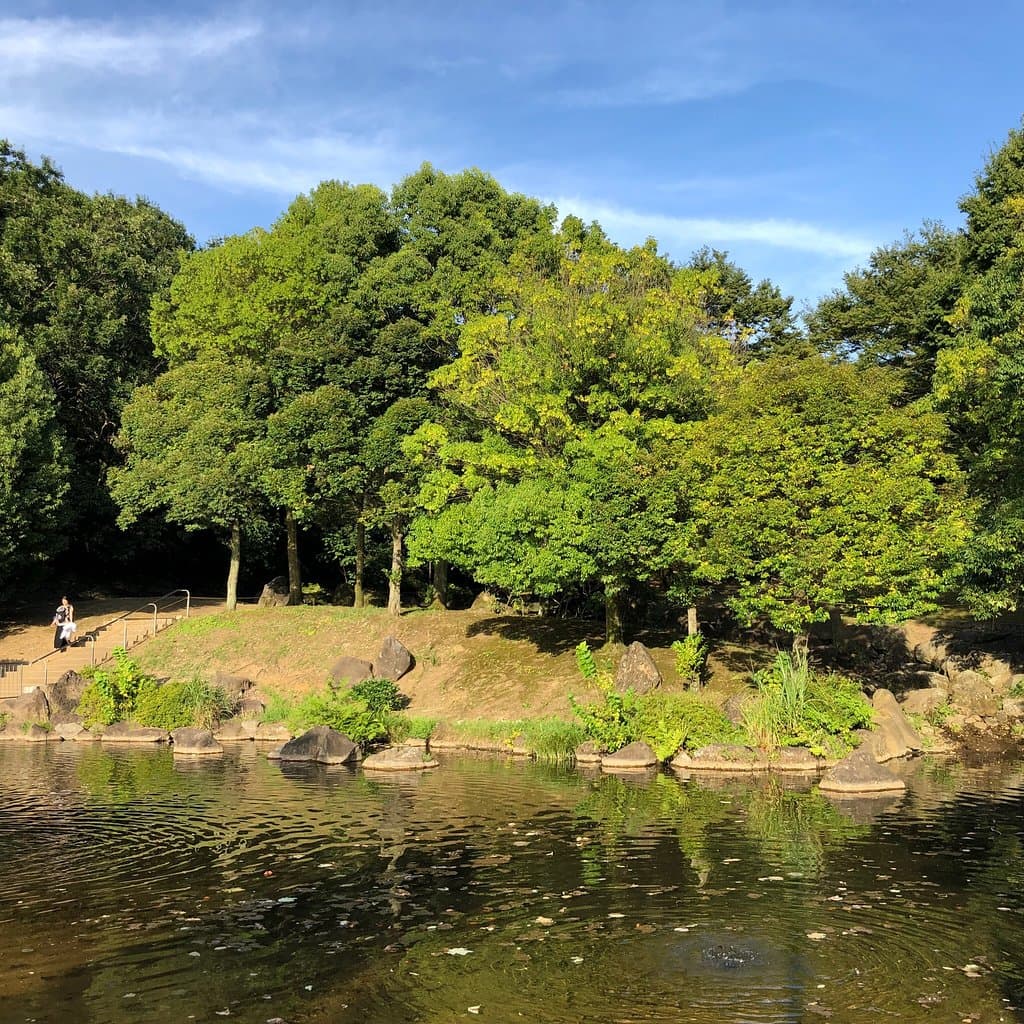
Stroll around the area and find the 'Oyama Kaido' sign, connecting with history.
Tips
from all over the internet
🚶♀️ Easy Access from Stations
Just a 7-10 minute walk from Mizonokuchi or Takatsu Stations.
🚲 Bicycle Parking Available
Convenient parking for those arriving by bike.
🆓 Free Admission
Enjoy the exhibits without any entry fee.
🗺️ Trace the Old Road
Stroll around the area and find the 'Oyama Kaido' sign, connecting with history.
What Travellers Say
Reviews Summary
Visitors find Oyama Kaido Furusato-kan to be a small but informative museum offering a free glimpse into the history of the Edo-period Oyama Kaido pilgrimage route and local areas like Mizonokuchi and Takatsu. Its active engagement through local walks and special exhibitions is highly appreciated, making it a worthwhile stop for those interested in regional history.
"The exhibits focused on the Oyama Kaido, which served as the basis for National Route 246, focusing mainly on its appearance and role during the Edo period. There were also many sketches of famous places on the way to Isehara.
The museum also hosts a number of fieldwork and experiential courses, including local walks, which shows its dedication. It's rare to see a local history museum with so much activity."
oy tr子ちゃん
"It gives a good insight into the history of the Oyama Kaido, Mizonokuchi, and Takatsu. It also provides information on cultural figures associated with the area, making it a very interesting facility!"
tai s
"I went there for the first time because some of my friends were going to have a photo exhibition.
It's about 10 minutes from Mizonokuchi Station
I think it's about 7-8 minutes from Takatsu Station
Currently, there is scaffolding because of exterior wall construction.
The history of the Oyama Kaido is well-known, with exhibits of things and photos from that time, and you can learn about the history of the old Mizonokuchi area.
It's small, but it's just right for a quick stop.
There is a bicycle parking area.
I think it would be nice to take a stroll around the precious buildings that still exist while tracing the history of the Oyama Kaido."
蒼い流れ星
What People Like
What People Dislike
Frequently Asked Questions
🚇 🗺️ Getting There
The museum is easily accessible by public transport. It's about a 10-minute walk from Mizonokuchi Station and approximately 7-8 minutes from Takatsu Station.
Yes, there is a bicycle parking area available for visitors.
The Oyama Kaido was a significant pilgrimage route during the Edo period, connecting various locations to Oyama-ji Temple. It now forms the basis of National Route 246.
Yes, it's a great stop for a day trip, especially if you're exploring the Mizonokuchi or Takatsu areas. It's small enough for a quick visit.
The closest stations are Mizonokuchi Station and Takatsu Station, both within a short walking distance.
🎫 🎫 Tickets & Entry
Admission to the Oyama Kaido Furusato-kan is free.
Opening hours can vary, and it's advisable to check the official website or local listings for the most current information.
As admission is free, advance booking is generally not required. However, for special events or group visits, it's best to inquire.
Since the museum offers free admission, there are no discounts to consider.
Yes, the museum welcomes group visits. It's recommended to contact them in advance to arrange your visit.
🎫 🏛️ Onsite Experience
You can expect exhibits focused on the history of the Oyama Kaido, including its appearance and role during the Edo period, as well as local history of areas like Mizonokuchi and Takatsu.
Yes, the museum frequently hosts special exhibitions, such as those focusing on local cultural figures or historical periods. Check their schedule for current offerings.
Yes, it's described as small but just right for a quick stop, making it ideal if you have limited time.
Photography policies can vary. It's best to check for signage or ask staff upon arrival regarding photo restrictions.
The Oyama Kaido was a vital pilgrimage route in the Edo period, and its historical importance is a central theme of the museum's exhibits.
📸 📸 Photography
While the museum itself might have photography restrictions, the surrounding area, especially where the 'Oyama Kaido' sign is still visible, offers a chance to connect with the historical route.
Look for the remaining signs or historical markers along the path that once was the Oyama Kaido. The area around the museum itself can also offer a glimpse into the past.
Photography policies inside museums can vary. It's recommended to look for signs or ask museum staff for permission before taking pictures of the exhibits.
The historical significance of the Oyama Kaido itself is the main draw. Exploring the streets that follow the old route can provide unique photographic perspectives.
Street photography capturing the blend of modern life with historical remnants of the Oyama Kaido would be ideal.
For Different Travelers
Tailored advice for your travel style
👨👩👧 Families with Kids
Look for any interactive elements or special exhibitions that might appeal to younger visitors. The museum's focus on local life and historical routes can be a good starting point for discussions about the past. Remember to check for any specific family-friendly events they might be hosting.
🚶 Budget Travelers
Combine your visit with a walk along the historical Oyama Kaido route, which is also free. The proximity to Mizonokuchi and Takatsu stations means you can easily access it using public transport, further keeping costs down.
🚶♀️ History Enthusiasts
Pay close attention to the sketches of famous places and the information on local cultural figures. The museum's commitment to experiential learning, like local walks, provides an added dimension for a deeper historical understanding.
Deep Dives
In-depth insights and expert knowledge
The Historical Significance of the Oyama Kaido
Exhibits at the Furusato-kan feature sketches of famous places along the route and artifacts that illustrate its appearance and function during the Edo period. This provides a tangible connection to the past, allowing visitors to visualize the journeys of pilgrims and travelers centuries ago. The museum's focus extends beyond just the road itself, delving into the history of local areas like Mizonokuchi, Takatsu, and Futako-Shinchi, which were integral parts of the Kaido's network.
Understanding the Oyama Kaido is key to appreciating the museum. It wasn't just a road; it was a lifeline that facilitated trade, cultural exchange, and religious devotion. The museum's efforts to educate the public about this often-overlooked historical route are commendable, offering a unique perspective on the region's development.
Experiential Learning and Community Engagement
The museum's dedication is evident in its local walks, which allow participants to retrace the steps of historical travelers. By experiencing the area firsthand, visitors can develop a deeper appreciation for the context and significance of the Oyama Kaido. This hands-on approach is a refreshing departure from traditional museum experiences and resonates well with those seeking authentic cultural immersion.
Furthermore, the museum hosts special exhibitions that often focus on specific aspects of local history or the lives of people who inhabited the region. These rotating displays, such as the one on 'Women who lived in Takatsu,' provide fresh perspectives and encourage repeat visits. This dynamic programming ensures that the museum remains a vibrant hub for historical exploration and community connection.


Social
from TikTok, Instagram & Reddit