Matsurokan
Discover the birthplace of Japan's rice cultivation at Nabatake Ruins and Matsurokan Museum. Explore ancient paddies and artifacts.
Highlights
Must-see attractions

Social
From TikTok & Reddit
Best Time
Fewer crowds, more peaceful
Matsurokan
Best Time
Fewer crowds, more peaceful
Highlights
Must-see attractions
Discover the birthplace of Japan's rice cultivation at Nabatake Ruins and Matsurokan Museum. Explore ancient paddies and artifacts.
"Small but well done, a glimpse into Japan's ancient rice farming history."
📱 Use a Translation App
Most exhibits are in Japanese. A translation app will greatly enhance your understanding of the historical context.
🚶♀️ Wear Comfortable Shoes
You'll be walking around the ruins and the museum, so comfortable footwear is a must for exploring the site.
Quick Facts
Hours
Rating
3.9 · 67 reviews
Type
Museum
Highlights
Discover the most iconic attractions and experiences
Nabatake Ruins
The site of Japan's oldest rice paddies
Walk through the grounds where rice cultivation began in Japan, dating back to the Jomon and Yayoi periods.

Matsurokan Museum
Adjacent to the Nabatake Ruins
Discover artifacts like carbonized rice and ancient farming tools from the Nabatake excavations.

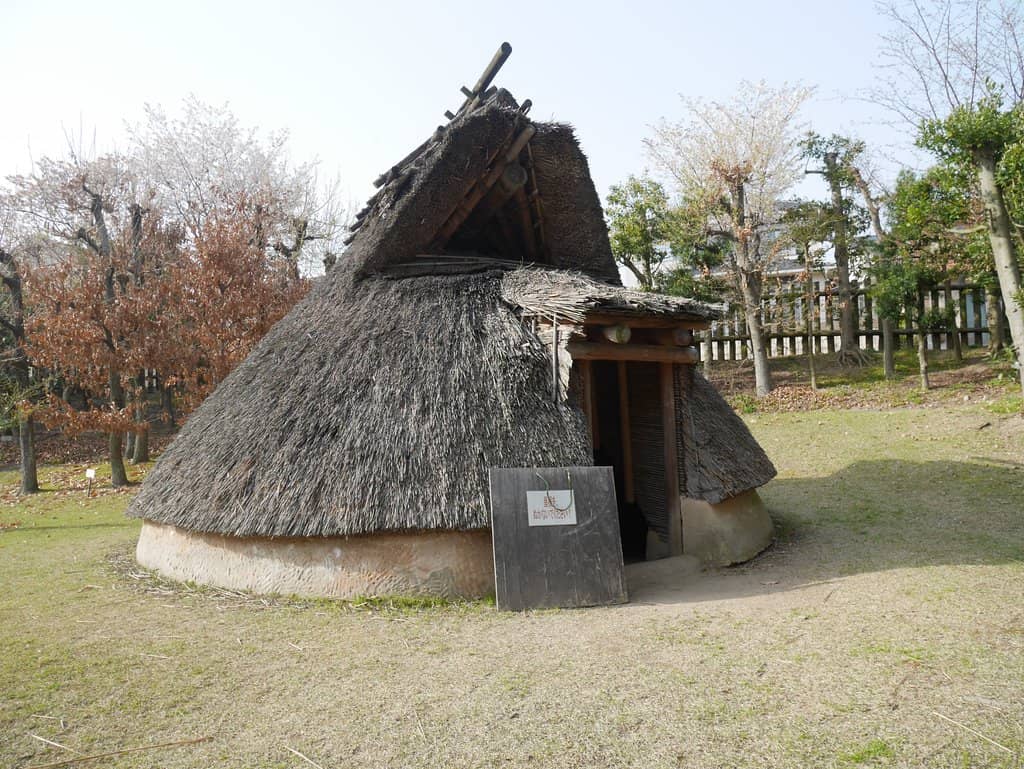
Reconstructed Village Hut
Nabatake Ruins site
Step inside a life-size model of a traditional village hut, offering a glimpse into ancient Japanese dwellings.
Plans like a pro.
Thinks like you
Planning Your Visit
Timing Your Visit to Nabatake Ruins
Understanding the Exhibits
Best Times
Insider Tips
from TikTok, Instagram & Reddit
📱 Use a Translation App
Most exhibits are in Japanese. A translation app will greatly enhance your understanding of the historical context.
🚶♀️ Wear Comfortable Shoes
You'll be walking around the ruins and the museum, so comfortable footwear is a must for exploring the site.
💰 Affordable Admission
The entrance fee is only 210 yen, making it a budget-friendly historical experience.
📅 Check Opening Hours
The museum is open from 9:00 AM to 5:00 PM but is closed on Mondays. Plan your visit accordingly.
Tips
from all over the internet
📱 Use a Translation App
Most exhibits are in Japanese. A translation app will greatly enhance your understanding of the historical context.
🚶♀️ Wear Comfortable Shoes
You'll be walking around the ruins and the museum, so comfortable footwear is a must for exploring the site.
💰 Affordable Admission
The entrance fee is only 210 yen, making it a budget-friendly historical experience.
📅 Check Opening Hours
The museum is open from 9:00 AM to 5:00 PM but is closed on Mondays. Plan your visit accordingly.
What Travellers Say
Reviews Summary
Visitors find Matsurokan and the Nabatake Ruins to be a small but well-done exhibit on Japan's early rice cultivation history. The affordable admission and the reconstructed village hut are highlights, offering a glimpse into ancient life. However, the lack of English explanations for most exhibits is a common drawback, requiring visitors to rely on translation apps.
"The staff are extremely kind. I don’t speak Japanese but while searching where to visit next, a nice lady brought me a little coffee. Thank you so much! This is why people love Japan so much. I am very happy to visit your town and experience your hospitality.
Very small exhibit for the ruin area of an old rice cultivating village. It’s 210 yen entrance. It’s small but well done. There is a nice life size model of a village hut. There is no English of course, but you can Google translate. The hut is worth a visit if you have never seen one."
Caleb Hackett
"I thought this museum, commemorating the history between the Jomon and Yayoi periods, was quite interesting. The site is home to perhaps the first rice paddies in Japan, and were uncovered during excavation to build a house or something. The museum had fascinating displays on how, with the advent of rice cultivation from Korea, people moved from hunter-gatherer life with light horticulture to permanent settlements growing rice and a variety of vegetables still eaten in Japan today. I thought the displays were great, and I learned a lot about this fascinating period. Everything is in Japanese, though."
Susannah Arnhart
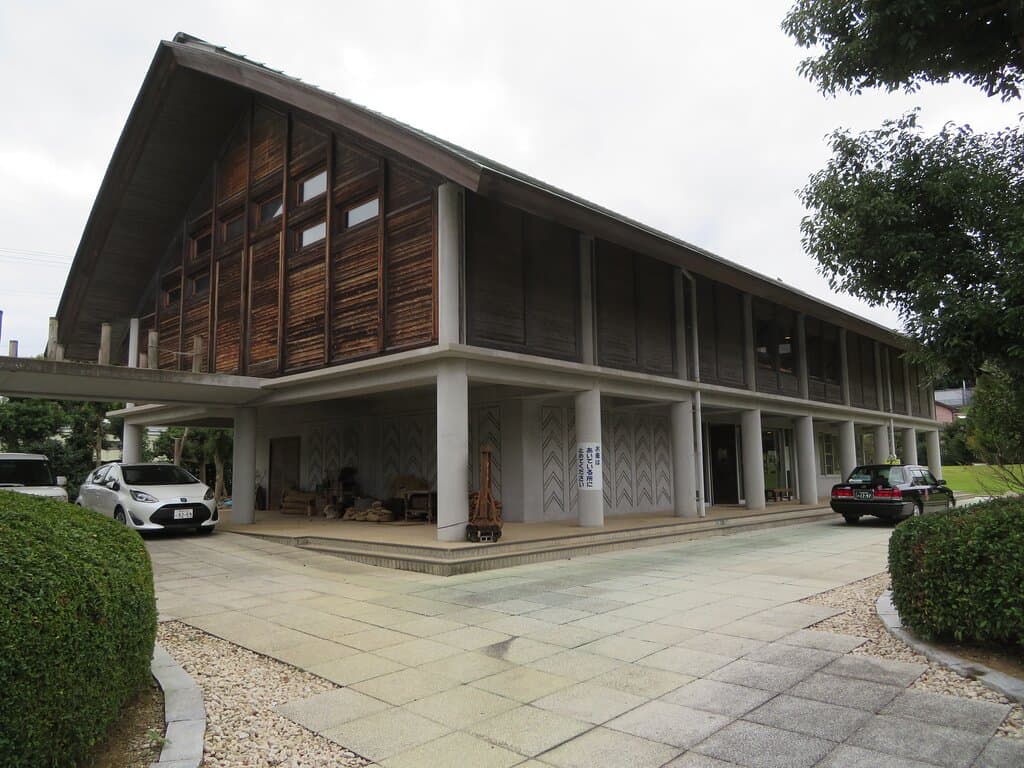
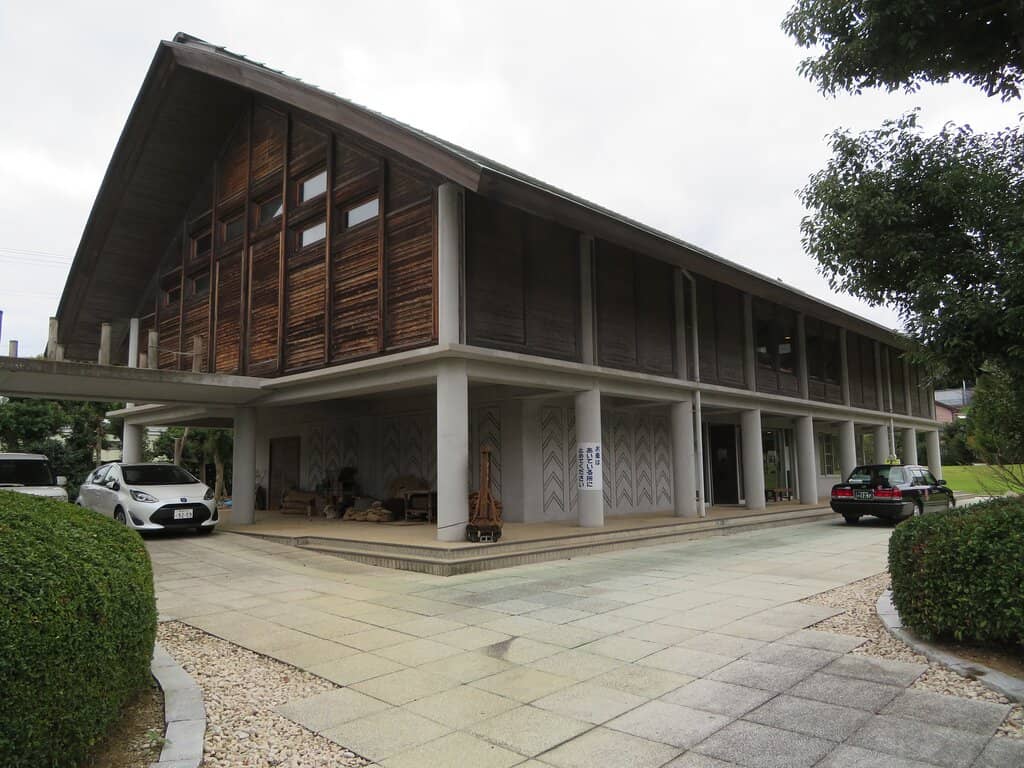
"The Murokan, a historical museum opened in 1990 and requires an entrance fee, displays numerous artifacts from the Nabatake ruins and a reconstructed settlement model.
The two-story building, with its exterior inspired by a Yayoi-period raised-floor warehouse, derives its name from the Murokan Province mentioned in Chen Shou's Wei Zhi Wajin Zhuan (Biography of the Japanese in the Wei Zhi).
The Nabatake ruins have been dated to the late Jomon period to the Yayoi period and are considered the oldest rice-growing sites in Japan.
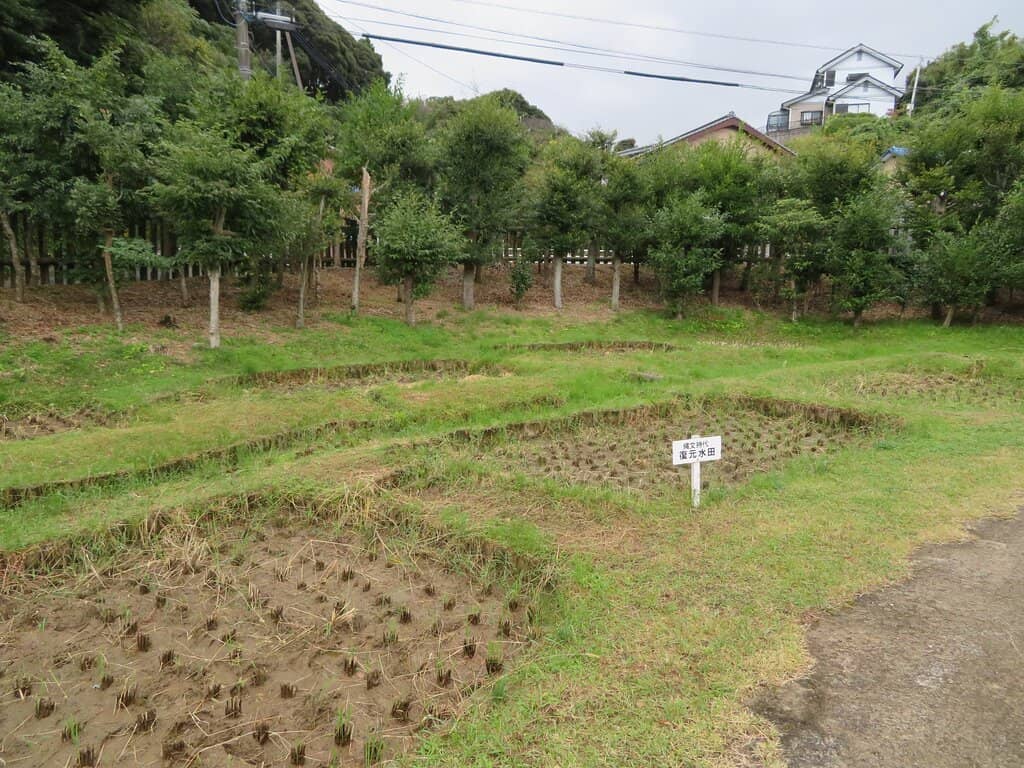
Discovered in 1979 and designated a National Historic Site in 1983, they currently feature restored rice paddies and a pit dwelling.
The building, built in the late Jomon period style, is supported by six pillars and features a hearth in the center."
WEILUN HONG
What People Like
What People Dislike
Frequently Asked Questions
🚇 🗺️ Getting There
Information on public transportation options to reach Matsurokan and the Nabatake Ruins is limited in available sources. It's recommended to check local transport schedules or use navigation apps for the most up-to-date routes.
Details regarding parking facilities at the Nabatake Ruins are not readily available. Visitors may need to research local parking options or rely on public transport.
Given the rural location, driving or using a combination of trains and local buses might be the most efficient ways to reach the site.
🎫 🎫 Tickets & Entry
The admission fee for adults to the Matsurokan Museum is 210 yen. This affordable price makes it an accessible historical site for many visitors.
Information regarding discounts for students or seniors at Matsurokan Museum is not specified in the provided reviews. It's advisable to inquire directly at the ticket counter.
Matsurokan is open daily from 9:00 AM to 5:00 PM. However, it is closed on Mondays.
There is no mention of online ticket purchasing options for Matsurokan. Tickets are likely purchased on-site at the museum.
While the museum has a small admission fee, the Nabatake Ruins site itself, including the restored rice paddies and pit dwelling, is generally accessible.
🎫 🧭 Onsite Experience
At the Nabatake Ruins, you can explore the oldest known rice paddy sites in Japan, dating back to the late Jomon to Yayoi periods. You can also see a restored pit dwelling.
The museum displays numerous artifacts excavated from the Nabatake ruins, including carbonized rice, stone knives, and farming tools, offering insights into early Japanese agriculture.
Unfortunately, most of the exhibits at Matsurokan Museum are in Japanese. Visitors are advised to use translation apps on their phones to understand the displays.
A visit to both the museum and the ruins can take approximately 1-2 hours, depending on your interest level and how much time you spend exploring the site.
The life-size model of a village hut is a well-done reconstruction, providing a tangible representation of ancient dwellings.
🍽️ 🍽️ Food & Dining
There are no dining facilities mentioned at Matsurokan or the Nabatake Ruins. Visitors should plan to eat before or after their visit.
Dining options near the Nabatake Ruins are likely limited due to its rural location. It's recommended to research nearby towns or cities for restaurants.
While not explicitly stated, it's generally acceptable to bring your own food for a picnic in designated areas, but always be mindful of local customs and cleanliness.
📸 📸 Photography
Photography policies inside museums can vary. It's best to look for signage or ask staff if photos are permitted, especially without flash.
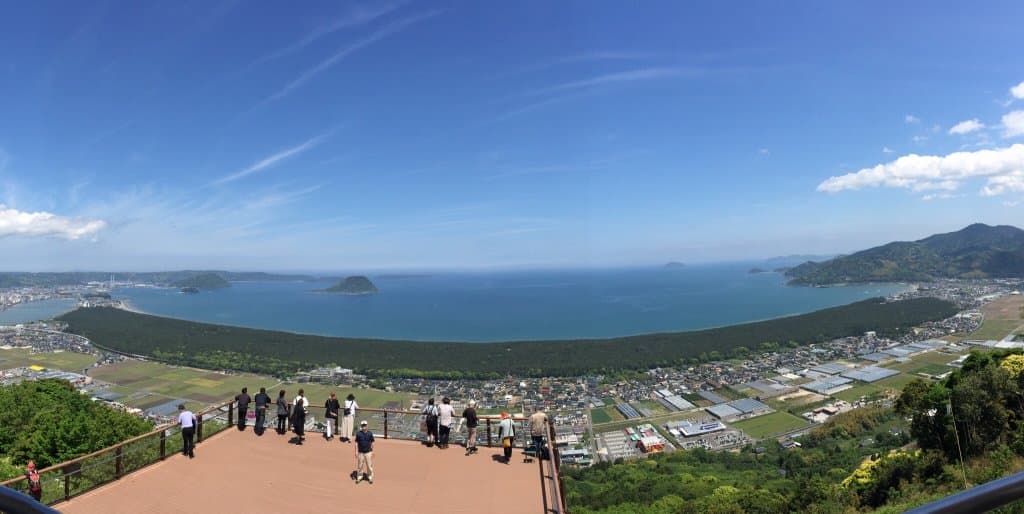
The restored rice paddies and the reconstructed village hut offer picturesque opportunities. The surrounding natural landscape can also be scenic.
Drone usage is typically restricted in historical and cultural sites. It's advisable to check local regulations before flying a drone.


Social
from TikTok, Instagram & Reddit