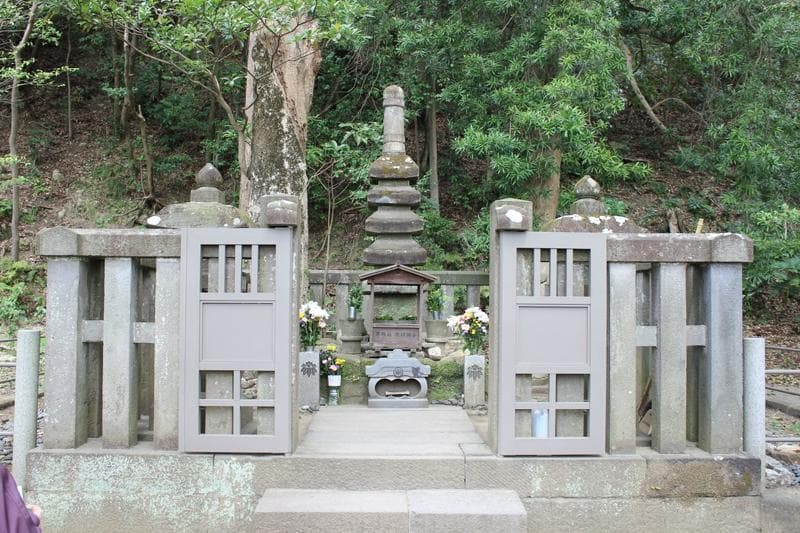
Tomb of Minamoto no Yoritomo
Resting place of Minamoto no Yoritomo, founder of the Kamakura Shogunate. A quiet historical marker in Kamakura.
Highlights
Must-see attractions

Social
From TikTok & Reddit
Best Time
To appreciate the history
Tomb of Minamoto no Yoritomo
Best Time
To appreciate the history
Highlights
Must-see attractions
Resting place of Minamoto no Yoritomo, founder of the Kamakura Shogunate. A quiet historical marker in Kamakura.
"A must for history geeks! The grave of Japan's first Shogun."
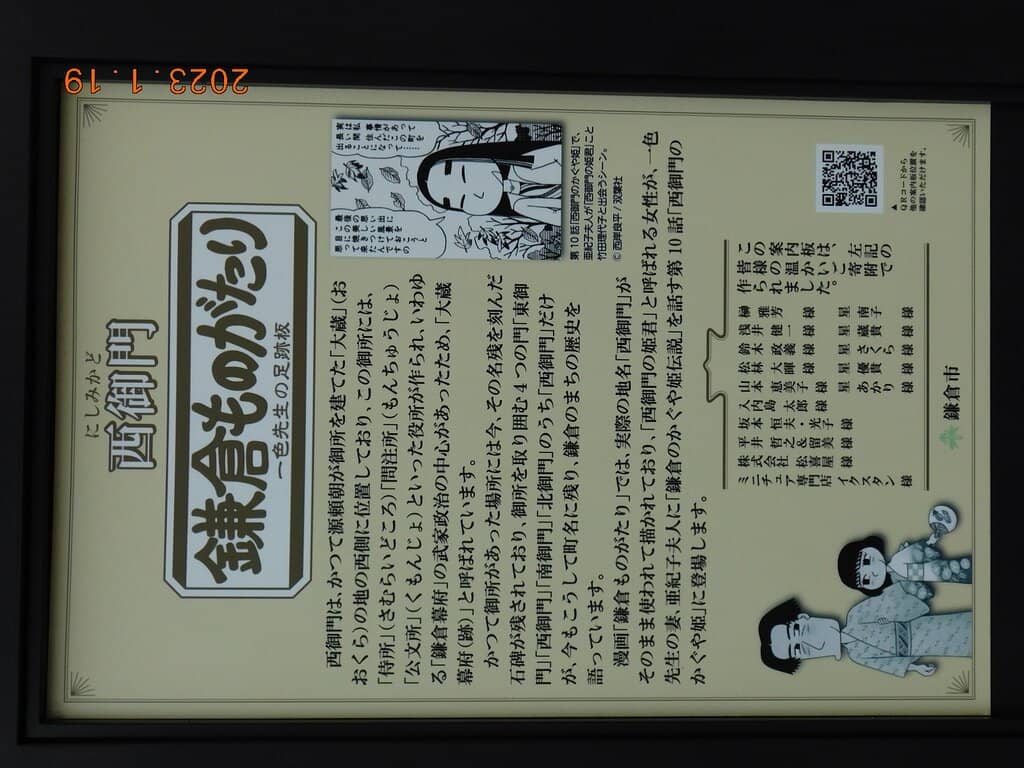
🚶♀️ Easy to Find
A signpost with multi-language explanations guides you to the tomb, often near a playground.
📜 Historical Significance
This is the grave of Japan's first Shogun, a key figure in Japanese history.
Quick Facts
Hours
Rating
3.9 · 900 reviews
Type
Historical Landmark
Highlights
Discover the most iconic attractions and experiences
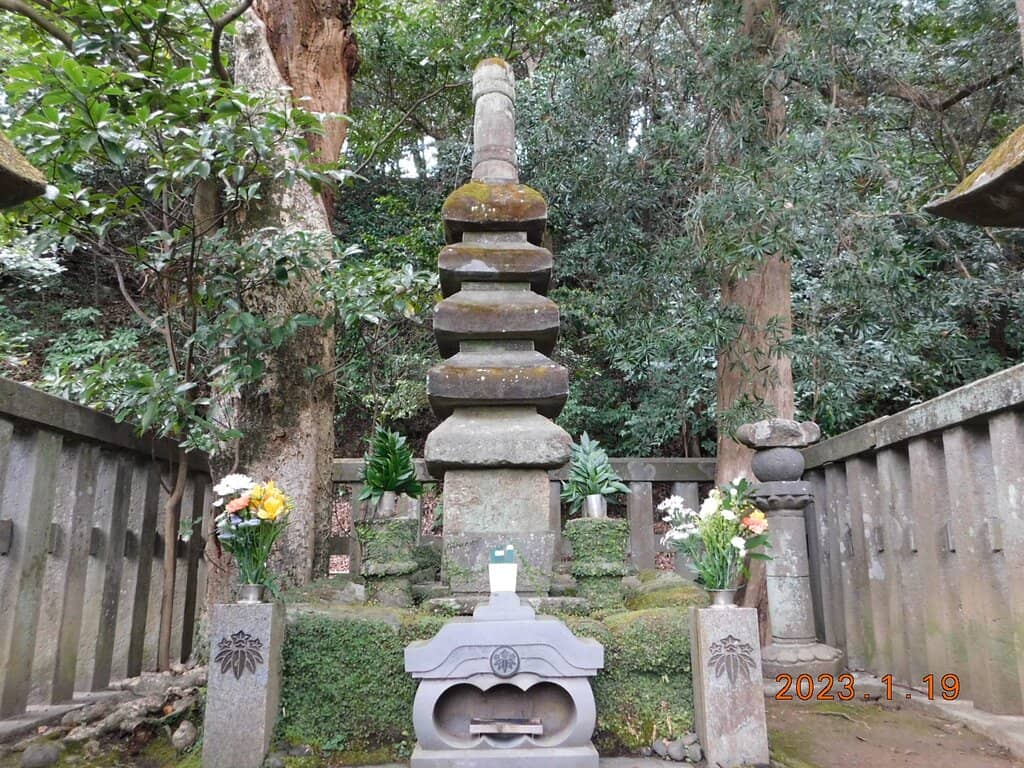
Minamoto no Yoritomo's Tombstone
At the foot of the hill
The Edo Period tombstone marking the burial site of Japan's first shogun. A must-see for history enthusiasts.
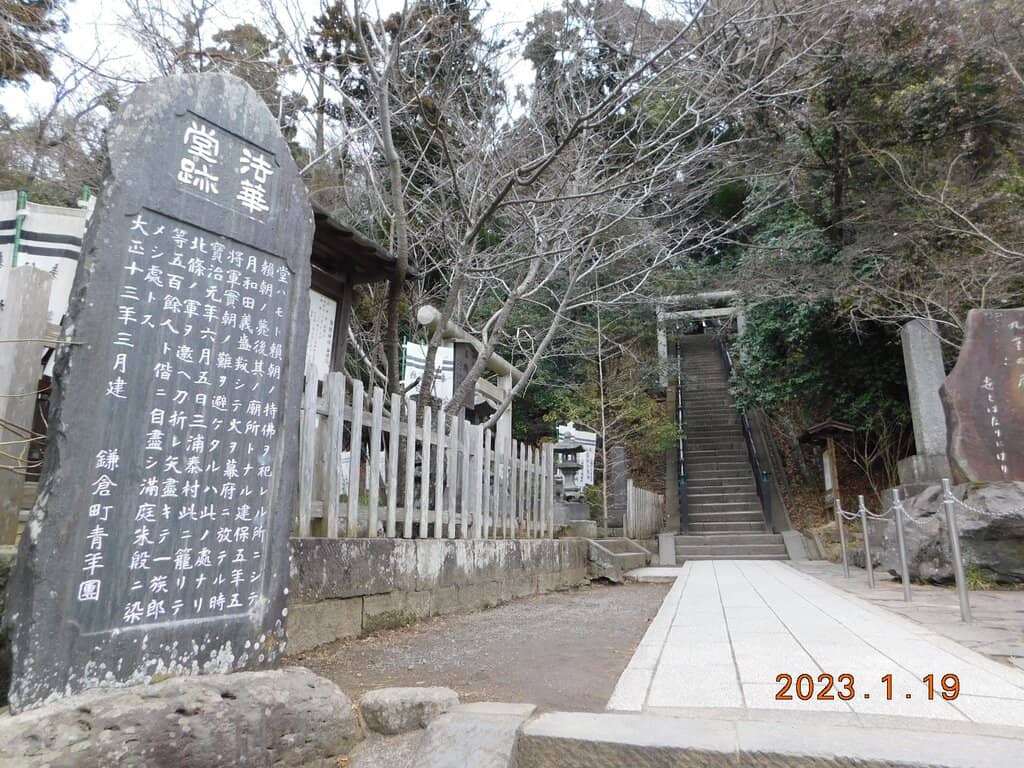
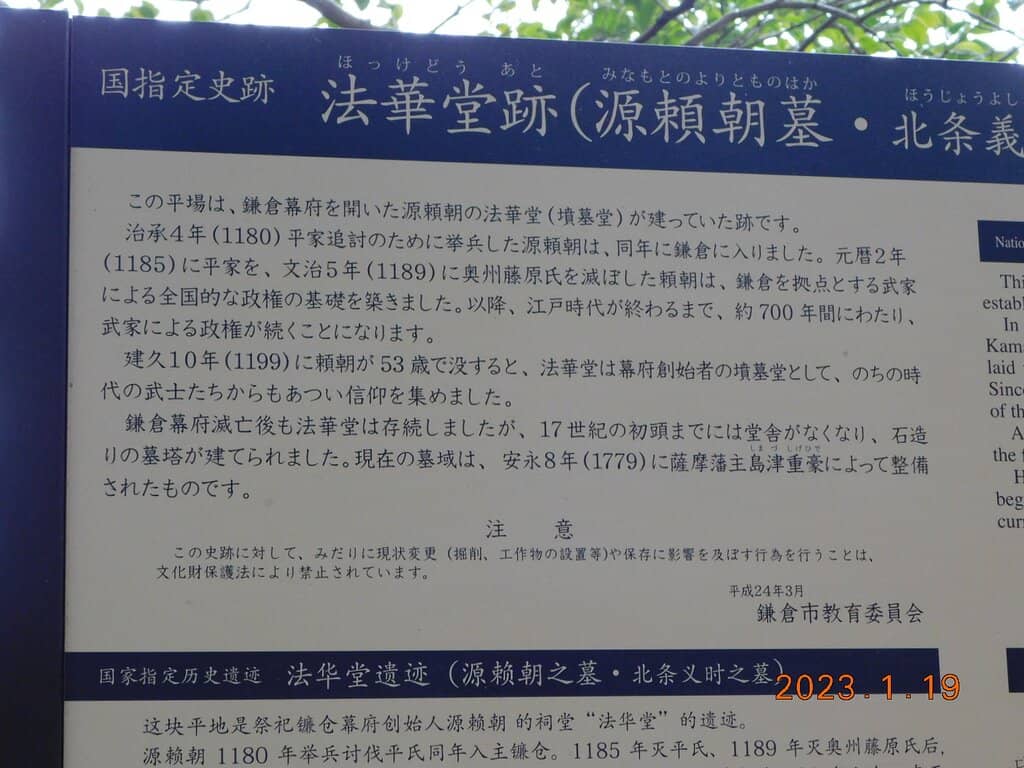
Hokke-do Temple Site
Adjacent to the tomb
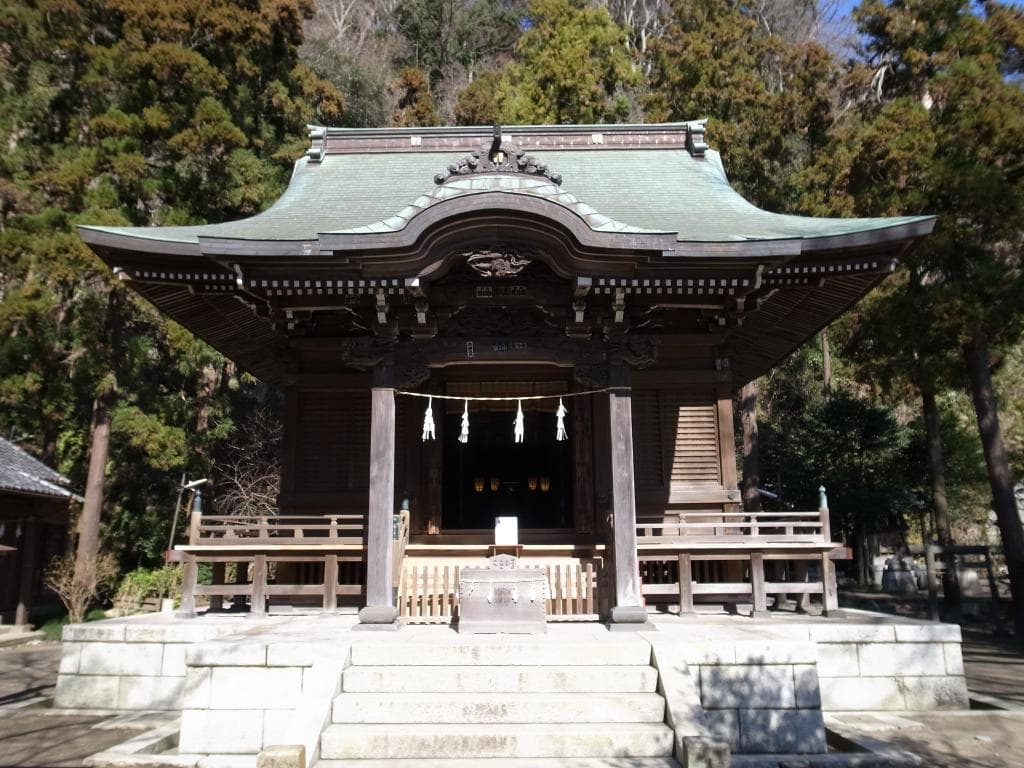
The historical location of Hokke-do Temple, a site of significant events in Kamakura Shogunate history.
Stone Pagoda
Near the tomb
A small stone pagoda stands as a remnant of the past, adding to the site's historical ambiance.
Plans like a pro.
Thinks like you
Planning Your Visit
Timing Your Visit
Historical Context
Best Times
Insider Tips
from TikTok, Instagram & Reddit
🚶♀️ Easy to Find
A signpost with multi-language explanations guides you to the tomb, often near a playground.
📜 Historical Significance
This is the grave of Japan's first Shogun, a key figure in Japanese history.
🌳 Serene Atmosphere
It's a beautiful, quiet place hidden behind a playground, offering a peaceful historical pause.
🏛️ Edo Period Monument
The current tombstone was erected in the Edo Period, adding layers to its history.
Tips
from all over the internet
🚶♀️ Easy to Find
A signpost with multi-language explanations guides you to the tomb, often near a playground.
📜 Historical Significance
This is the grave of Japan's first Shogun, a key figure in Japanese history.
🌳 Serene Atmosphere
It's a beautiful, quiet place hidden behind a playground, offering a peaceful historical pause.
🏛️ Edo Period Monument
The current tombstone was erected in the Edo Period, adding layers to its history.
What Travellers Say
Reviews Summary
Visitors find the Tomb of Minamoto no Yoritomo to be a serene and historically significant site, particularly for those interested in Japan's first shogun. Its quiet atmosphere, often located near a playground, offers a peaceful historical pause. However, some note that there isn't much to see beyond the tombstone and a small pagoda.
"Old Kamakura 33 Kannon Pilgrimage was organized in Kamakura County, Sagami Province, in the Edo Period. Due to the movement to abolish Buddhism early in the Meiji Period, some member temples were abolished and the old pilgrimage declined during the period. In the Taisho Period, New Kamakura 33 Kannon Pilgrimage was organized within Kamakura City.
After paying a courtesy visit to Tsurugaoka-Hachiman-gu Shrine, I walked eastward out of the precincts. A couple of blocks later, I found a signpost to show my way to the grave of Minamoto Yoritomo (1147-1199), at the foot of which there used to be Hokke-do Temple, my essentially first call today. Technically speaking, Yoritomo’s body was supposed to have been buried under the hall of Hokke-do Temple. The tombstone we see today was built in the Edo Period by the Shimazu Shigehide (1745-1833).
Old Kamakura 33 Kannon Pilgrimage #8 Hokke-do Temple
Minamoto Yoritomo (1147-1199), the founder and first shogun of the Kamakura Shogunate, enshrined his guardian Buddhist image, the Amitabha statue, in Hokke-do Temple. After his death on January 13, 1199, his body was buried in the temple, presumably under it. The Buddhist ceremony for the first anniversary of his death was held in the temple.
On May 2nd, 1217, when Wada Yoshimori (1147-1213) attacked the palace of Minamoto Sanetomo (1192-1219), the third Shogun, Sanetomo escaped to Hokke-do Temple. The battle lasted for 2 days, and Yoshimori was finally killed by a subject of Edo Yoshinori at twilight on the 3rd.
On June 5th, 1247, when Miura Yasumura (1184-1247) lost to the Hojo Clan, he and 500 of his family members, relatives, and subjects committed suicide in the temple.
In 1872, the temple was abolished due to the Gods and Buddhas Separation Order issued by the Meiji Restoration Government in 1868. The statue of Cintamanicakra, who usually has 6 arms and holds chintamani (a wish-fulfilling jewel) in one of the six, was moved to Raigo-ji Temple nearby. Whose wishes had the chintamani fulfilled?"
Haruo Kakuta
"It is a beautiful serene place, hidden behind a nice playground. There is a sign post explaining the history in multiple languages."
Jon Beacom
"The grave of Japan's first Shogun. A must for history geeks!"
Stelios Prezerakos
What People Like
What People Dislike
Frequently Asked Questions
🚇 🗺️ Getting There
The tomb is located in Kamakura. From Tsurugaoka-Hachiman-gu Shrine, walk eastward a couple of blocks, and you'll find a signpost directing you to the grave of Minamoto Yoritomo. It's often described as being behind a playground.
Yes, there is a signpost that explains the history in multiple languages, making it relatively easy to locate.
Kamakura is best explored on foot or by bicycle, especially for accessing historical areas like the Tomb of Minamoto no Yoritomo. Local buses are also available for longer distances.
🎫 🎫 Tickets & Entry
The Tomb of Minamoto no Yoritomo is generally considered a historical site accessible without an entrance fee. It's an outdoor monument.
As an outdoor historical site, there are no strict opening hours. However, it's best visited during daylight hours to fully appreciate the surroundings and historical markers.
Yes, the tomb is accessible year-round. However, visiting during pleasant weather seasons like spring or autumn is recommended for a more comfortable experience.
🎫 🧭 Onsite Experience
You can see the tombstone itself, which was built in the Edo Period, and a small stone pagoda. The site is also where Hokke-do Temple once stood, a place of historical significance.
The area is described as a beautiful and serene place, often noted as being behind a playground. While not a grand monument, it's a peaceful historical spot.
A visit to the Tomb of Minamoto no Yoritomo is typically brief, perhaps 15-30 minutes, as it's a single monument. It's often combined with other nearby historical sites in Kamakura.
While the tomb itself is a historical monument, its proximity to a playground might mean some basic facilities are available in that vicinity. It's advisable to use facilities before arriving.
📸 📸 Photography
Capture the tombstone with the stone pagoda in the background for a classic shot. The surrounding greenery and the historical signpost also offer photographic opportunities.
Photography is generally permitted at outdoor historical sites like this. Be respectful of the solemn nature of the location.



Social
from TikTok, Instagram & Reddit