Daishoji Temple Town
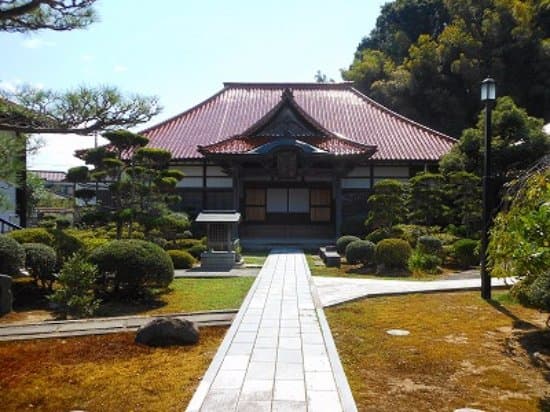
Known as the 'Hagi Temple,' this serene Zen sanctuary captivates with its October white bush clover blooms and rich history tied to the Maeda clan.
Highlights
Must-see attractions

Social
From TikTok & Reddit
Best Time
Peak bush clover bloom
Daishoji Temple Town
Best Time
Peak bush clover bloom
Highlights
Must-see attractions
Known as the 'Hagi Temple,' this serene Zen sanctuary captivates with its October white bush clover blooms and rich history tied to the Maeda clan.
"A beautiful temple, especially in October with its white bush clover flowers, offering a peaceful and historically rich experience."
📸 Photography Rules
Respect designated no-photography zones; signs are clearly posted. :camerawithflash:
📜 Get a Temple Stamp
Collect unique temple seals (goshuin) as a memorable souvenir. :memo:
Highlights
Discover the most iconic attractions and experiences
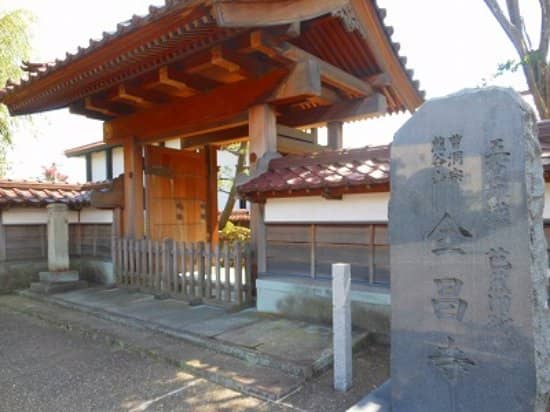
The Hagi Temple's White Blooms
Temple grounds
Witness the breathtaking beauty of white bush clover flowers, a signature sight of this historic Zen temple.
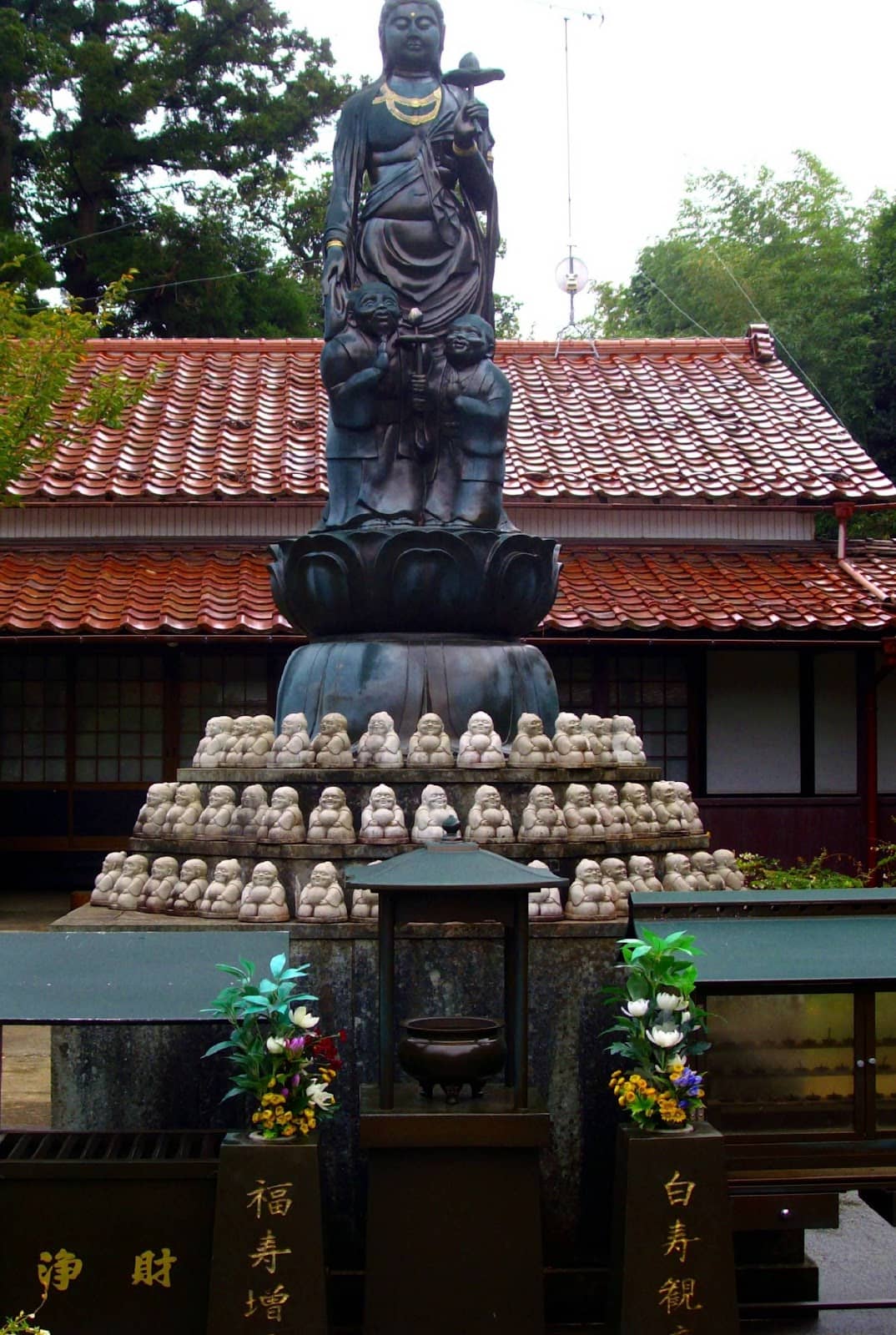
Maeda Family Stupa
Mountain behind the temple
Explore the historical resting place of the successive lords of Daishoji Domain, exuding timeless charm.
Kutani Ware Exhibits
Inside the temple
Discover exquisite examples of Kutani ware, showcasing the region's rich artistic heritage.
Plans like a pro.
Thinks like you
Planning Your Visit
Timing Your Visit for Tranquility
Embrace the Seasonal Blooms
Best Times
Insider Tips
from TikTok, Instagram & Reddit
📸 Photography Rules
Respect designated no-photography zones; signs are clearly posted. :camerawithflash:
📜 Get a Temple Stamp
Collect unique temple seals (goshuin) as a memorable souvenir. :memo:
🌸 Seasonal Beauty
Visit in October for the iconic white bush clover flowers. :hibiscus:
❄️ Winter Access
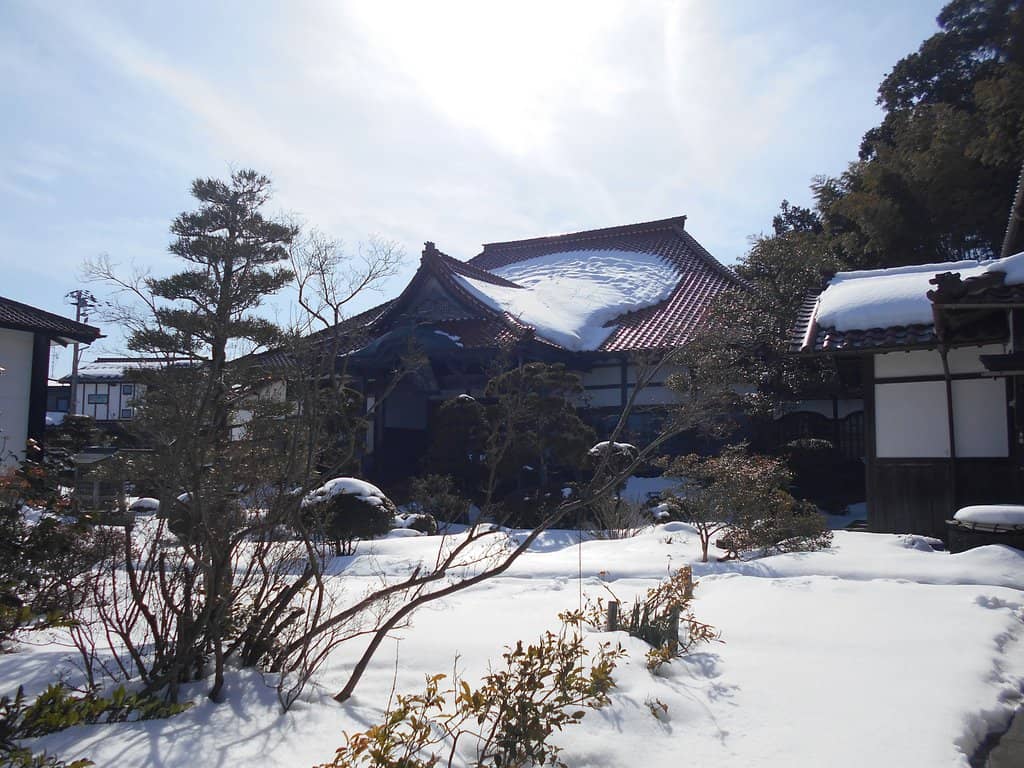
Snow may block access to some areas like the Maeda family gravestone. :snowflake:
Tips
from all over the internet
📸 Photography Rules
Respect designated no-photography zones; signs are clearly posted. :camerawithflash:
📜 Get a Temple Stamp
Collect unique temple seals (goshuin) as a memorable souvenir. :memo:
🌸 Seasonal Beauty
Visit in October for the iconic white bush clover flowers. :hibiscus:
❄️ Winter Access
Snow may block access to some areas like the Maeda family gravestone. :snowflake:
🤝 Friendly Staff
The receptionists are very welcoming and helpful. :people_hugging:
What Travellers Say
Reviews Summary
Visitors consistently praise Daishoji Temple Town for its serene beauty, especially the iconic white bush clover flowers in October. The historical significance, including the Maeda family stupa and Kutani ware exhibits, adds depth to the experience. While some areas may occasionally be closed due to maintenance or weather, the friendly staff and the opportunity to collect temple stamps are frequently highlighted positives.
"I went to the temple on October 12th. It seems that some areas were closed due to the earthquake. However, they were able to provide stamps and other services."
小野孝司
"I kept hearing news about Fukui's bush clover flowers on TV, so I decided to take the opportunity to visit this famous temple, a local landmark.
Most of the flowers in bloom were white, and the crape myrtles planted in the same garden were also carefully chosen to be white, their purity matching well with the Zen temple, which shows its age-old rings.
The stupa of the Maeda family, successive lords of Daishoji Domain, located on the mountain behind the temple, also exudes the charm of the time, making it an unexpectedly great visit."
TETUO “nemariusi”
"The temple's name is Jisshoin, but it is commonly known as the "Hagi Temple."
The white flowers in the photo are bush clovers.
It's a beautiful temple.
There are areas on the temple grounds where photography is prohibited, but there are signs posted that make it easy to understand.
I was also able to receive a temple stamp."
KEITA INAZU STUDIO
What People Like
What People Dislike
Frequently Asked Questions
🚇 🗺️ Getting There
Daishoji Temple Town is accessible by public transport. From major cities, you can take a train to Kagaonsen Station, and then a local bus or taxi to the temple. Many visitors find it a scenic journey, especially when traveling from Kanazawa.
Yes, there is parking available for visitors. However, during peak seasons or special events, it can fill up quickly. It's advisable to arrive early or consider public transportation if possible.
Walking is the best way to explore the temple town and its surroundings. Wear comfortable shoes as you'll be doing a lot of walking between different sites and the temple itself.
Yes, Daishoji Temple Town is part of the larger Kaga Onsen area, which offers hot springs, traditional crafts, and other historical sites. You can easily combine a visit with exploring the local Kutani ware workshops or enjoying a relaxing onsen experience.
Absolutely! Daishoji Temple Town makes for an excellent day trip, especially if you're staying in nearby cities like Kanazawa or Fukui. You can comfortably explore the main temple and its grounds within a few hours.
🎫 🎫 Tickets & Entry
While the temple town itself is generally accessible, there is an admission fee to enter the main temple grounds and specific exhibition areas. This fee helps maintain the historical site.
The opening hours can vary slightly by season, but generally, the temple is open from morning until late afternoon. It's always a good idea to check the official website or inquire locally for the most up-to-date hours before your visit.
Yes, you can definitely get a temple stamp (goshuin) at Daishoji Temple. Visitors often mention receiving multiple types of seals, and the receptionists are usually very friendly and helpful with this process.
Information on discounts for students, seniors, or group rates is not widely publicized. It's best to inquire directly at the ticket counter upon arrival or check the temple's official information channels if available.
Occasionally, certain areas might be closed for maintenance or due to past events like earthquakes. Even if some parts are inaccessible, services like temple stamps are often still available.
📸 📸 Photography
Photography is permitted in most outdoor areas of Daishoji Temple, but there are specific zones where it is prohibited. Look for clear signage indicating these restrictions to ensure you're following the rules.
The gardens, especially during the bush clover bloom in October, offer stunning photographic opportunities. The traditional temple architecture and the Maeda family stupa also make for beautiful shots.
Photography rules for exhibits like the Kutani ware may differ from general temple grounds. It's crucial to check for specific signs within the exhibition areas before taking any pictures.
Drone usage is generally not permitted at historical and religious sites like Daishoji Temple to ensure the peace and safety of visitors and the preservation of the site. Always check local regulations.
A versatile camera that handles both landscape and detail shots well is ideal. A smartphone with good low-light capabilities is also sufficient for capturing the beauty of the temple and its surroundings.
🍽️ 🍽️ Food & Dining
There are typically no full-service restaurants or cafes directly within the main temple grounds. However, you can find dining options in the surrounding temple town area.
The area around Daishoji Temple offers traditional Japanese cuisine. You can find local specialties, including soba noodles, udon, and regional seafood dishes.
While traditional Japanese cuisine can be accommodating, it's best to inquire at individual restaurants about vegetarian or vegan options. Some dishes might be adaptable, but options might be limited.
Bringing your own snacks and drinks for a picnic in designated areas might be permissible, but it's always polite to check the temple's specific rules regarding outside food and to clean up thoroughly afterward.
Exploring the local streets of Daishoji Temple Town will reveal charming eateries. Look for small, traditional restaurants that offer authentic local flavors. Asking locals for recommendations is also a great strategy.
For Different Travelers
Tailored advice for your travel style
👨👩👧 Families with Kids
It's advisable to bring snacks and drinks, as dining options directly within the temple might be limited. Ensure children are aware of and respect the no-photography zones and maintain a quiet demeanor to preserve the serene atmosphere. Comfortable walking shoes are a must for everyone, as exploring the grounds involves a fair amount of walking.
🚶 Solo Travelers & Peace Seekers
Collecting a temple stamp is a rewarding solo activity, providing a tangible memory of your visit. The historical context of the Maeda clan and the beauty of the gardens offer ample opportunities for reflection and personal discovery. Don't hesitate to engage with the friendly staff if you have questions.
📸 Photography Enthusiasts
Consider visiting during the 'golden hours' of early morning or late afternoon for the best natural light. The Maeda family stupa also offers a unique subject with its historical gravitas. While drones are generally not permitted, a good quality camera or smartphone will capture the essence of this beautiful location.
Deep Dives
In-depth insights and expert knowledge
The Significance of the Hagi Flowers
The careful selection of white crape myrtles planted alongside the bush clover further enhances this aesthetic, creating a harmonious and visually striking garden. The presence of these flowers is deeply intertwined with the temple's identity and its appeal as a destination for appreciating natural beauty. Visitors often express their delight at witnessing this unique floral display, making it a highlight of their trip.
While the flowers are a primary attraction, it's worth noting that the temple's beauty is not solely dependent on them. The historical architecture, the meticulously maintained gardens, and the overall peaceful ambiance contribute to its charm throughout the year. However, for those seeking to experience the temple at its most iconic, planning a visit during the hagi bloom is highly recommended.
Historical Roots and the Maeda Clan
The presence of the Maeda family graves underscores the temple's long-standing role in the region's history and its connection to feudal Japan. Visitors often remark on the 'charm of the time' emanating from these historical markers, adding a layer of depth to the temple's spiritual and aesthetic appeal. The stupa itself is a significant landmark, contributing to the overall historical narrative of the site.
Beyond the stupa, the temple grounds may also feature exhibits, such as displays of Kutani ware, further highlighting the cultural and artistic patronage of the Maeda clan and the region. This blend of spiritual significance, historical lineage, and artistic heritage makes Daishoji Temple Town a rich destination for those interested in Japanese history and culture.
Navigating Temple Etiquette and Services
A popular and highly recommended service at Daishoji Temple is obtaining a temple stamp, or 'goshuin.' Visitors often mention receiving multiple types of seals, and the staff at the reception are noted for being friendly and helpful throughout this process. Collecting these stamps serves as a unique and personal memento of your visit.
Be aware that due to natural conditions like snow, certain areas, such as the Maeda family gravestone, might be temporarily inaccessible. Checking local conditions or inquiring upon arrival can help manage expectations. Despite potential closures, the core experience of visiting the temple, appreciating its gardens, and collecting a stamp remains a rewarding endeavor.

Social
from TikTok, Instagram & Reddit