Former Egawa Residence Nirayama Daikansho
Step back in time at the Former Egawa Residence, a beautifully preserved example of classical Japanese architecture and history.
Highlights
Must-see attractions

Social
From TikTok & Reddit
Best Time
Fewer crowds, more personal experience
Former Egawa Residence Nirayama Daikansho
Best Time
Fewer crowds, more personal experience
Highlights
Must-see attractions
Step back in time at the Former Egawa Residence, a beautifully preserved example of classical Japanese architecture and history.
"The volunteers' explanations were very good, and some surprising facts were found."
🎟️ Combo Ticket Savings
Get a combined ticket for the Egawa Residence and Nirayama Reverberatory Furnace to save money. :admission_tickets:
🗣️ Listen to Volunteers
Engage with the volunteers; their explanations are highly praised and add great value to the visit. :microphone2:
Quick Facts
Hours
Rating
4 · 940 reviews
Type
Historical Place
Highlights
Discover the most iconic attractions and experiences
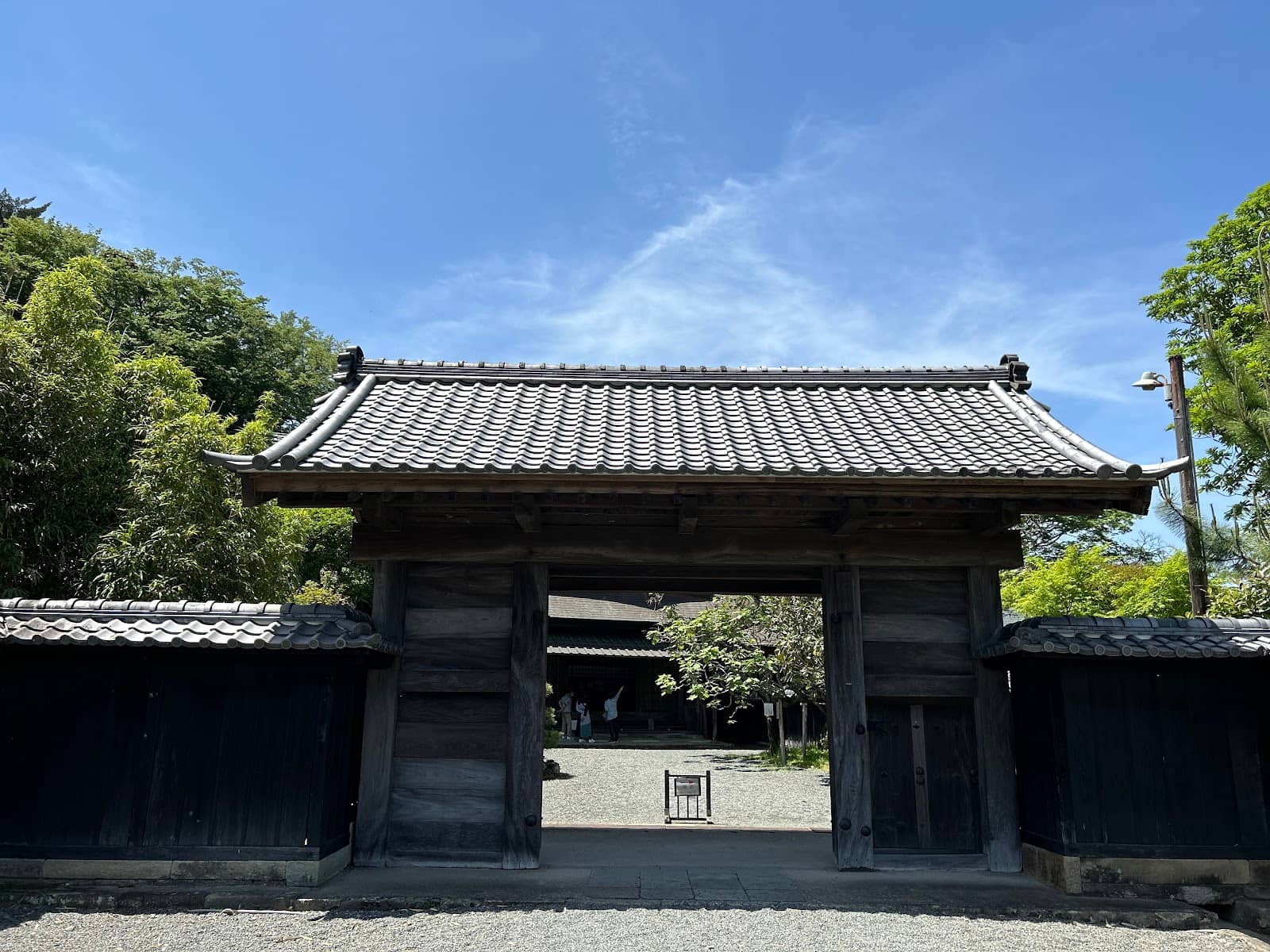
Classical Japanese Architecture
Explore a well-maintained, traditional Japanese house showcasing authentic classical design and construction.
On-site Museum & Artifacts
Discover a small museum within the residence, featuring various historical artifacts and tools from the era.
Volunteer-Led Insights
Benefit from engaging explanations by knowledgeable volunteers, uncovering surprising historical facts.
Plans like a pro.
Thinks like you
Planning Your Visit
Combine Your Visit
Engage with History
Best Times
Insider Tips
from TikTok, Instagram & Reddit
🎟️ Combo Ticket Savings
Get a combined ticket for the Egawa Residence and Nirayama Reverberatory Furnace to save money. :admission_tickets:
🗣️ Listen to Volunteers
Engage with the volunteers; their explanations are highly praised and add great value to the visit. :microphone2:
📚 Limited English Signage
Be prepared for limited English signage; volunteers are key to understanding the exhibits. :informationdeskperson:
🏠 Explore Additional Buildings
Don't miss the tool storage and other supplementary buildings with interesting artifacts. 🧰
Tips
from all over the internet
🎟️ Combo Ticket Savings
Get a combined ticket for the Egawa Residence and Nirayama Reverberatory Furnace to save money. :admission_tickets:
🗣️ Listen to Volunteers
Engage with the volunteers; their explanations are highly praised and add great value to the visit. :microphone2:
📚 Limited English Signage
Be prepared for limited English signage; volunteers are key to understanding the exhibits. :informationdeskperson:
🏠 Explore Additional Buildings
Don't miss the tool storage and other supplementary buildings with interesting artifacts. 🧰
What Travellers Say
Reviews Summary
Visitors praise the Former Egawa Residence for its well-maintained classical Japanese architecture and the insightful explanations provided by knowledgeable volunteers. The opportunity to see historical artifacts and explore additional buildings adds to the experience. Some visitors noted that English signage is limited, which can make understanding the exhibits more challenging without volunteer assistance.
"Here you can see the typical classical architecture around here."
Ren Kurihara
"This is a reasonably small, yet impressively well maintained piece of Japanese history. If you're visiting the reverberatory furnace too, you can get one ticket for both and save."
Lloyd Wakefield
"This as very high in height traditional Japanese house. Inside is a little museum. There are additional buildings like tool storage with various artifacts."
Michal Kubo
What People Like
What People Dislike
Frequently Asked Questions
🚇 🗺️ Getting There
The Former Egawa Residence is located in Nirayama, Izunokuni City, Shizuoka Prefecture. It's often visited in conjunction with the Nirayama Reverberatory Furnace. Public transportation options include taking a train to Izu-Nagaoka Station and then a bus or taxi. Check local transport schedules for the most up-to-date information.
Yes, there is typically parking available for visitors. It's advisable to confirm parking availability and any associated fees upon arrival or by checking the official website if available.
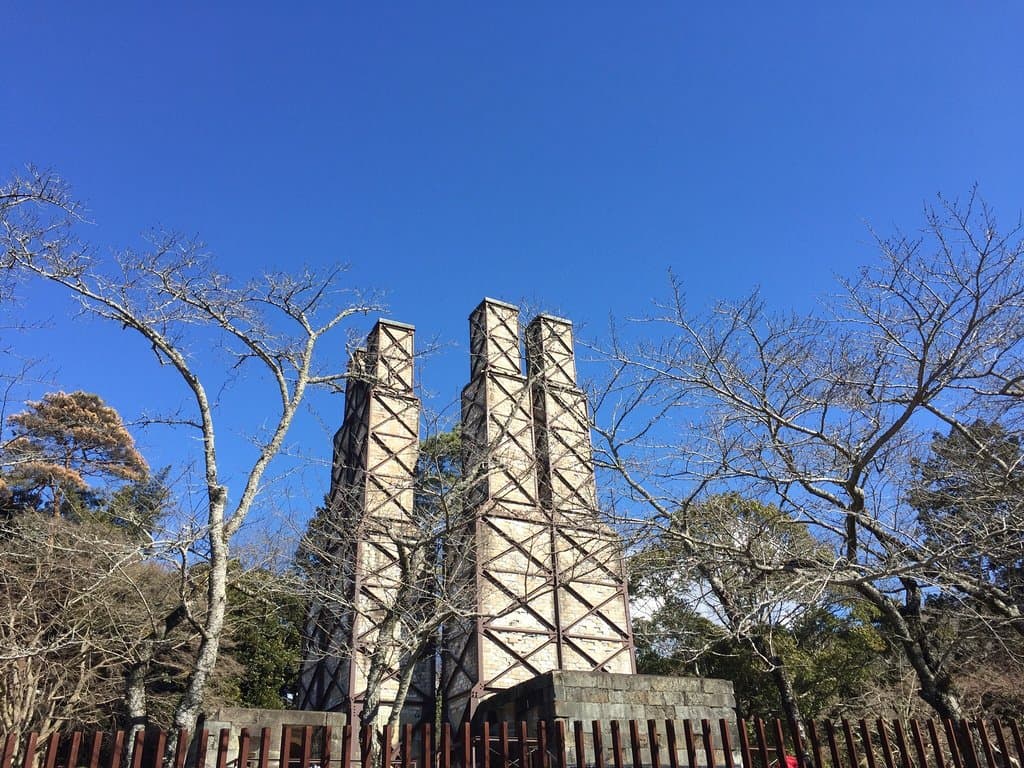
The Former Egawa Residence and the Nirayama Reverberatory Furnace are relatively close to each other, making it possible to walk between them. This allows for a convenient exploration of both historical sites.
🎫 🎫 Tickets & Entry
Opening hours can vary, so it's best to check the official website or local listings before your visit. Generally, historical sites like this operate during daytime hours.
Admission fees are typically modest. Purchasing a combo ticket that includes the Nirayama Reverberatory Furnace is often more economical. Check for current pricing details.
Advance booking is usually not required for this type of historical site, but it's always a good idea to check if there are any special circumstances or group visit policies. Walk-in tickets are generally available.
Discounts may be available for students, seniors, or group visits. The combo ticket for the Egawa Residence and Reverberatory Furnace is itself a form of discount. Inquire at the ticket counter for any applicable offers.
🎫 🧭 Onsite Experience
You can explore the traditional Japanese architecture of the residence, a small museum with historical artifacts, and additional buildings like tool storage. The site offers a glimpse into classical Japanese life and history.
While children can visit, the experience might be more engaging for adults interested in history and architecture. The limited English signage could be a factor for younger visitors.
A visit to the Former Egawa Residence usually takes about 30-60 minutes, depending on your interest level and whether you engage with the volunteer explanations. If combined with the Reverberatory Furnace, allow more time.
While formal guided tours might not be scheduled, the resident volunteers often provide excellent explanations and insights, which serve a similar purpose. Their knowledge greatly enhances the visitor experience.
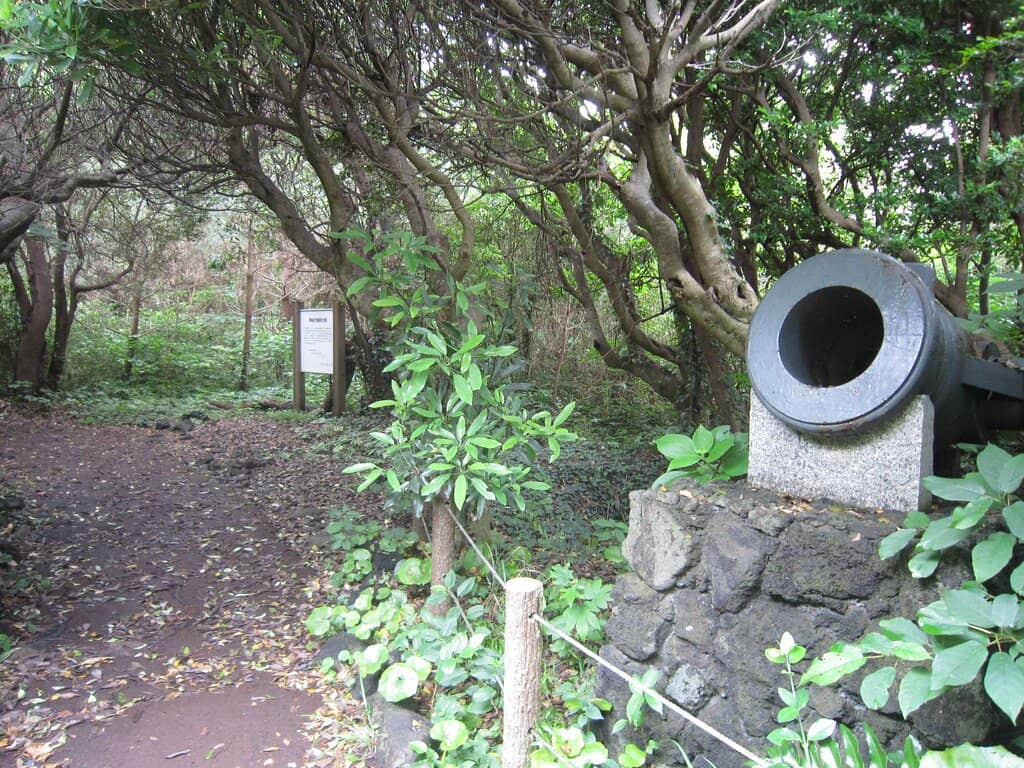
The residence is a significant example of classical Japanese architecture and was home to the Egawa family, who played a role in local history, particularly in relation to the nearby Nirayama Reverberatory Furnace.
📸 📸 Photography
Photography rules can vary within historical buildings. Generally, interior photography might be restricted to preserve the artifacts and atmosphere. Exterior shots are usually permitted. Always look for signage or ask staff.
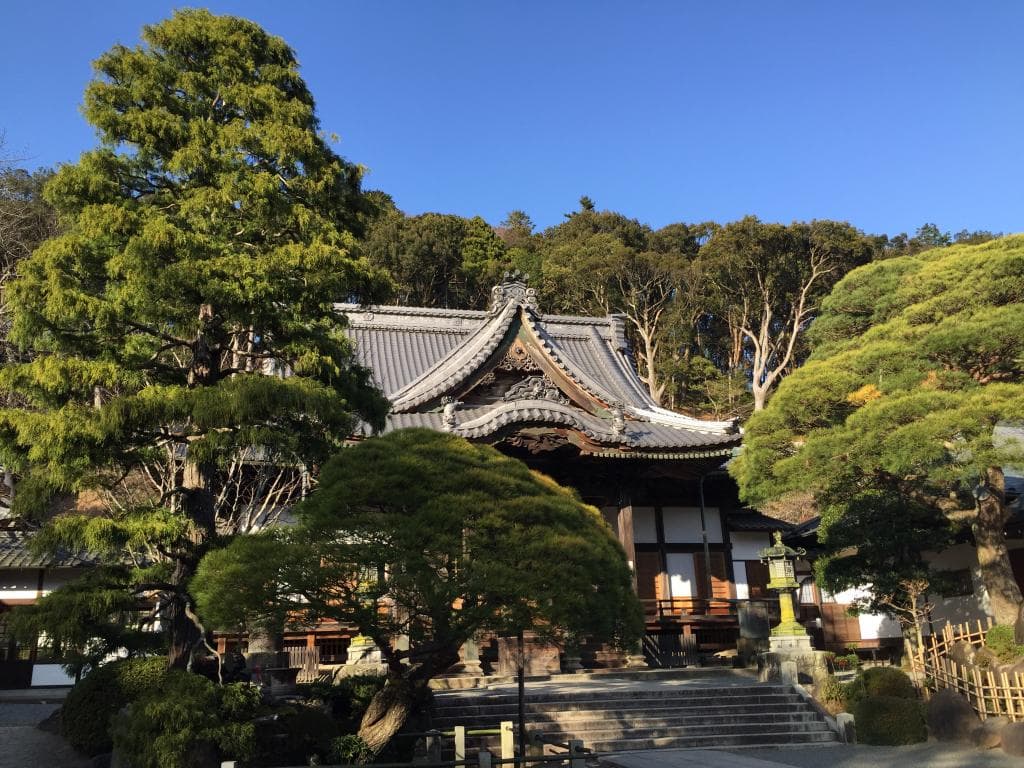
The traditional wooden architecture, the garden areas (if any), and the exterior views of the house offer great photographic opportunities. Capture the authentic classical Japanese style.
Social
from TikTok, Instagram & Reddit