Jigenin Temple Gobo-san
A serene temple housing a National Treasure pagoda and Important Cultural Property, offering a peaceful spiritual retreat with beautiful seasonal bloo...
Highlights
Must-see attractions

Social
From TikTok & Reddit
Best Time
Ubazakura blooms & pagoda open
Jigenin Temple Gobo-san
Best Time
Ubazakura blooms & pagoda open
Highlights
Must-see attractions
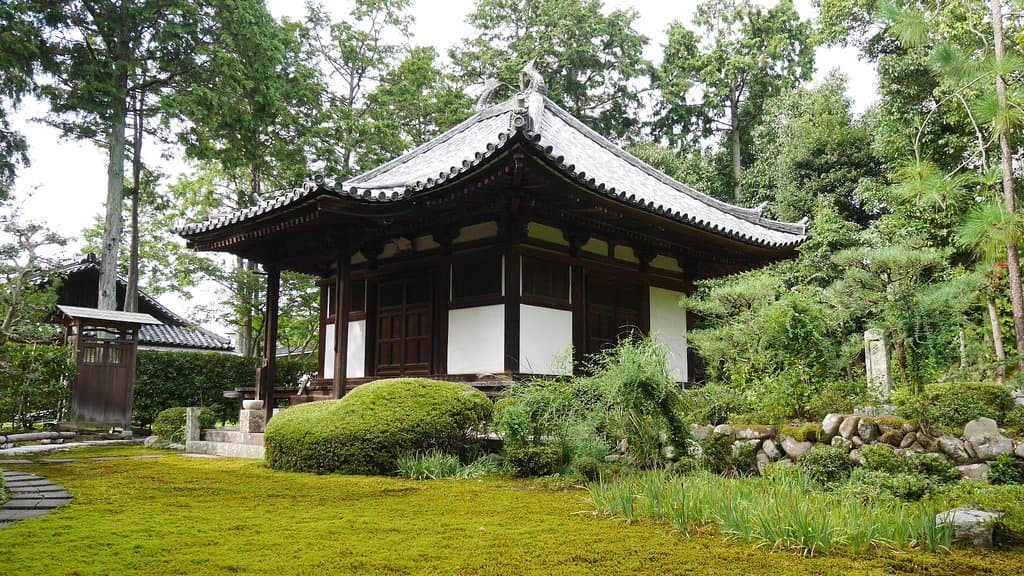
A serene temple housing a National Treasure pagoda and Important Cultural Property, offering a peaceful spiritual retreat with beautiful seasonal blooms.
"A very peaceful place with a cleansing spiritual experience and kind hosts."
📞 Book Ahead for Treasures
Reservations are usually needed for the pagoda & Golden Hall. Call or email ahead!
💰 Cash is King
Admission is cash-only. Have 300-500 yen ready for entry and red seals.
Highlights
Discover the most iconic attractions and experiences
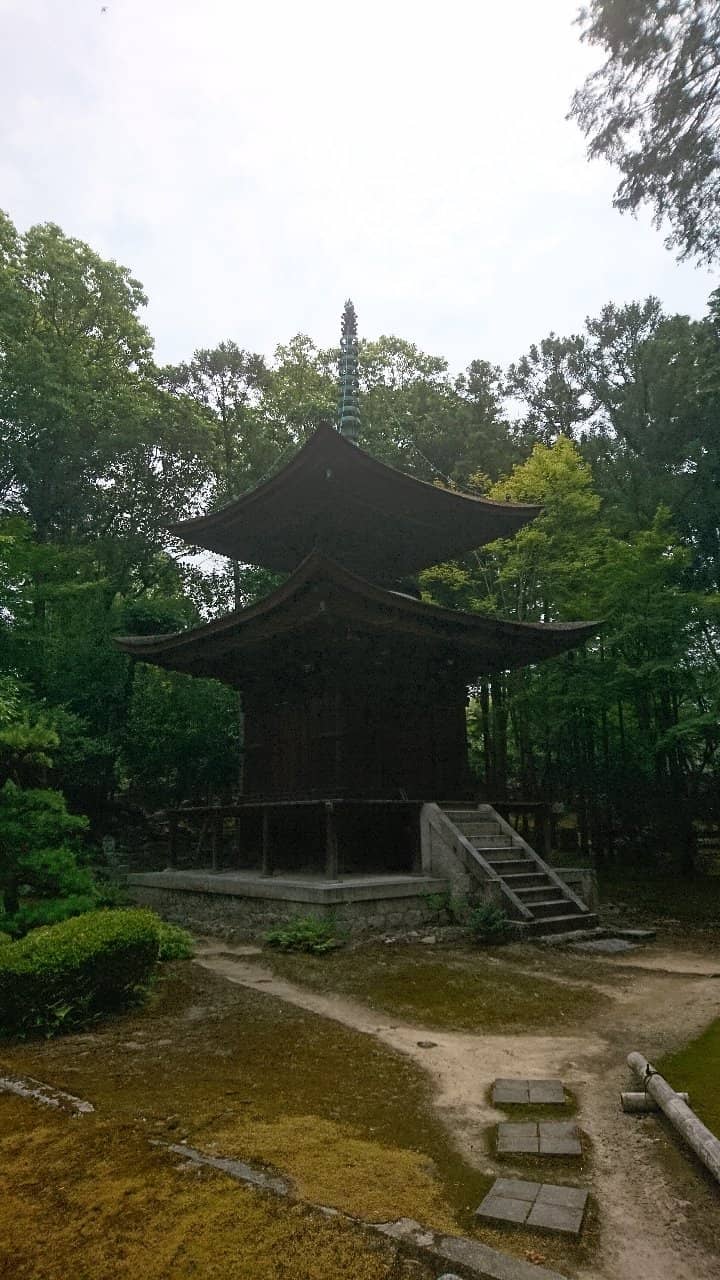
Tahoto Pagoda (National Treasure)
Temple Grounds
A rare, intact 13th-century pagoda, one of Japan's most elegant and famous.
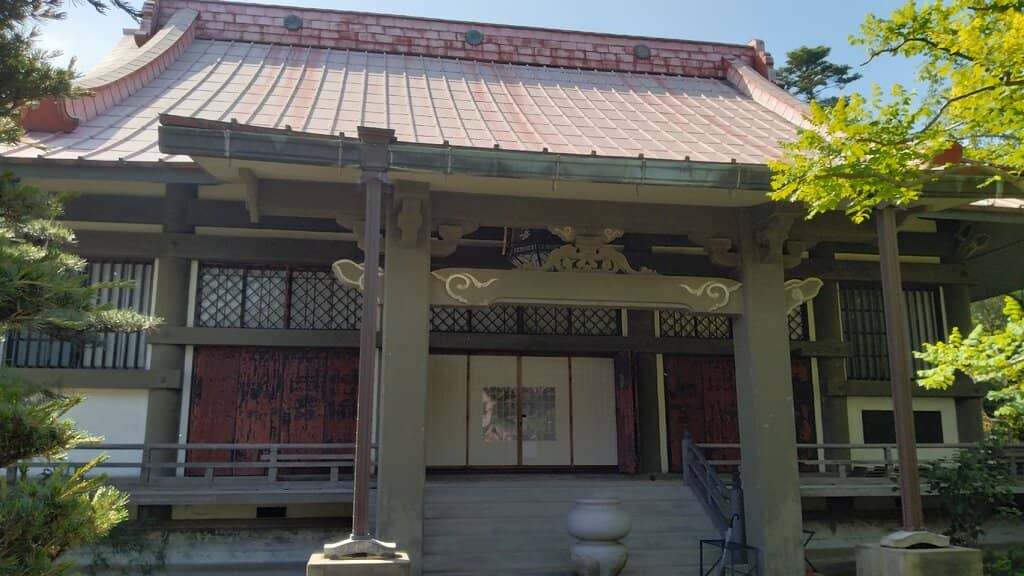
Golden Hall (Important Cultural Property)
Temple Grounds
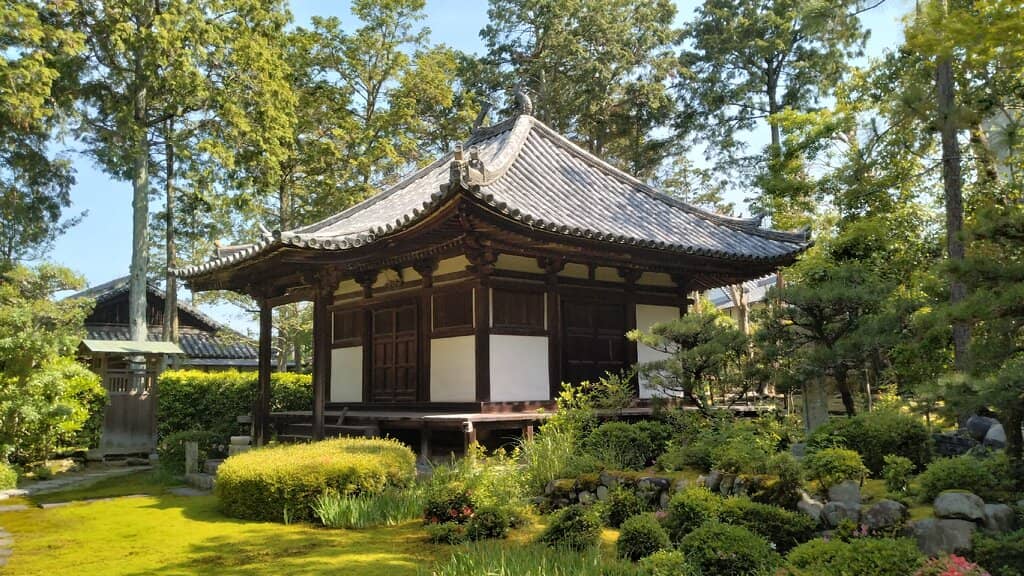
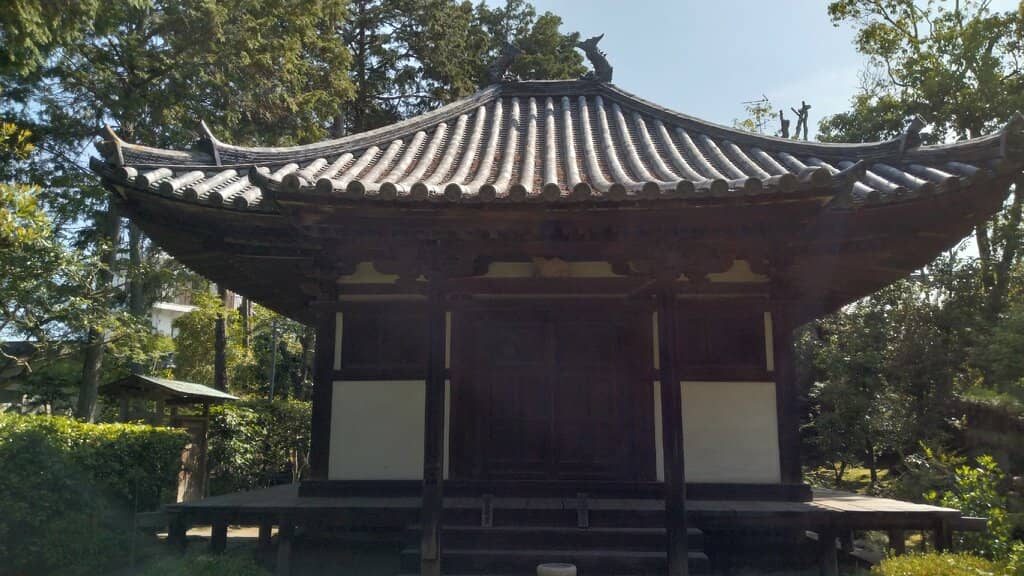
A 13th-century hall housing a statue of Dainichi Nyorai, offering a glimpse into Kamakura period architecture.
Ubazakura Cherry Tree
Temple Grounds
A stunning, large cherry tree that blooms spectacularly in early April.
Plans like a pro.
Thinks like you
Planning Your Visit
Reservations are Key for Treasures
Cash and Seasonal Blooms
Best Times
Insider Tips
from TikTok, Instagram & Reddit
📞 Book Ahead for Treasures
Reservations are usually needed for the pagoda & Golden Hall. Call or email ahead!
💰 Cash is King
Admission is cash-only. Have 300-500 yen ready for entry and red seals.
🌸 Springtime Beauty
Early April is magical with the Ubazakura cherry tree and special pagoda access.
🙏 Soulful Mornings
Attend morning services for a deeply cleansing and spiritual experience.
Tips
from all over the internet
📞 Book Ahead for Treasures
Reservations are usually needed for the pagoda & Golden Hall. Call or email ahead!
💰 Cash is King
Admission is cash-only. Have 300-500 yen ready for entry and red seals.
🌸 Springtime Beauty
Early April is magical with the Ubazakura cherry tree and special pagoda access.
🙏 Soulful Mornings
Attend morning services for a deeply cleansing and spiritual experience.
🚗 Parking Available
Free parking is available north of the main hall, west of the bus route.
What Travellers Say
Reviews Summary
Jigenin Temple is praised for its peaceful atmosphere and the spiritual experience offered by morning services and interactions with the kind head priest. While access to National Treasures like the pagoda can be limited and requires reservations, the historical significance and natural beauty, especially the Ubazakura cherry tree, make it a worthwhile visit for many.
"Very peaceful place there is a bus stop in front of this temple."
XY V Fan
"Reservations are generally required via the website to view the exterior of the Tahoto Pagoda, a National Treasure built in 1271, and the Important Cultural Property Golden Hall. Free parking is available north of the main hall, west of the bus route. Same-day reservations may be accepted via the intercom in the temple kitchen on the left as you face the main hall (depending on the chief priest's availability). Cash-only admission is 300 yen. The doors are open January 1-3 (the Golden Hall and Tahoto Pagoda, although the Heian-period Dainichi Nyorai statue is visible through a lattice door just inside), and likely the first and second Saturdays and Sundays of April (check the website the month before; only the pagoda is open. The inner lattice door has been removed for easier viewing). Seasonal flowers bloom endlessly. The large Ubazakura cherry tree also blooms in early April. The Golden Hall (13th century, Kamakura period, Important Cultural Property), Tahoto Pagoda (National Treasure), 13th century, Kamakura period, 3 bays, 2 stories, over 10 meters tall. The grounds are designated a National Historic Site as part of the Heian-period "Hinesho Ruins." The pagoda, while smallest in scale, is rare and remains intact from the early Kamakura period. Its unparalleled elegance and refinement make it one of Japan's three most famous pagodas, along with those at Ishiyama-dera Temple and Kongo Sammai-in Temple on Mount Koya. Currently, it is one of only six pagodas designated as national treasures in Japan. A statue of Dainichi Nyorai (Vairocana Buddha) is enshrined within the pagoda. A temple of the Omuro school of Shingon Buddhism, it is believed to have played an important role in the management of the Kujo family's Hineno Manor estate. Some say it may be the successor to Muhenko-in, depicted in the "Hinenomura Wilderness Development Map." In 1665, the head priest of Ninna-ji Temple bestowed the posthumous title of "Jigen-in" upon Kujo Masamoto. The head priest showed us around, and we paid 500 yen for a handwritten red seal on a colored picture. The head priest's mother, who answered the intercom, is also an Urasenke teacher and is a very kind and elegant person."
Eri Yamada
"I've been here several times, and the last time I stopped by, I learned about the morning services, so this time I came early in the morning.
The service was a long hour, but it was a very cleansing experience for my soul.
After the service, the head priest talked to me about various things, and I had a wonderful time.
Next time, I'd like to be shown the national treasures as well."
Nokko k
What People Like
What People Dislike
Frequently Asked Questions
🚇 🗺️ Getting There
The temple is accessible by bus, with a stop directly in front. Free parking is also available for those driving, located north of the main hall.
Yes, free parking is available for about 10 cars, situated north of the main hall and west of the bus route.
Absolutely! There is a convenient bus stop located right in front of the temple, making it easily accessible via public transportation.
🎫 🎫 Tickets & Entry
Reservations are generally required to view the exterior of the Tahoto Pagoda and the Golden Hall, typically made via the temple's website. Same-day reservations might be possible via intercom depending on the chief priest's availability.
The admission fee is 300 yen, payable in cash. Some visitors have also paid 500 yen for a handwritten red seal.
The temple has specific opening periods. It's open January 1-3, and potentially the first and second Saturdays and Sundays of April. Always check the website for the most current information.
While reservations are generally required for close viewing, it's best to confirm directly with the temple. Some visitors have noted that access can be limited.
Admission and any purchases, such as red seals, are cash-only. Be sure to have enough Japanese Yen with you.
🎫 🧭 Onsite Experience
The main draws are the Tahoto Pagoda (a National Treasure) and the Golden Hall (an Important Cultural Property), both dating back to the 13th century. The grounds are also a National Historic Site.
Access to walk all the way around the pagoda may be restricted. Some visitors have noted they could only view it from a distance.
It's a temple of the Omuro school of Shingon Buddhism, believed to have managed the Kujo family's Hineno Manor estate. The pagoda is rare and intact from the early Kamakura period.
Yes, the Ubazakura cherry tree blooms in early April, and the temple is open during specific weekends in April. New Year's (Jan 1-3) also offers special access.
Some visitors have had wonderful experiences interacting with the head priest, who has offered tours and shared insights. His mother, who answers the intercom, is also noted for her kindness.
📸 📸 Photography
Photography rules can vary, especially around the National Treasures. It's best to be respectful and check for any posted restrictions.
The Tahoto Pagoda and Golden Hall are prime subjects. The seasonal flowers, especially the Ubazakura cherry tree in spring, also offer beautiful photo opportunities.
Access to get very close to the pagoda for photos might be limited. Some visitors have mentioned viewing it from a distance.
For Different Travelers
Tailored advice for your travel style
👨👩👧 Families with Kids
Practical tips for families include bringing cash for admission and snacks, as facilities might be limited. The peaceful atmosphere is conducive to a more relaxed visit. Consider checking the temple's website for any specific family-friendly events or accessibility information before your visit. The bus stop directly in front makes it accessible even without a car.
🧘 Spiritual Seekers
The temple's designation as a historic site and its connection to Shingon Buddhism provide a rich context for contemplation. The serene environment, away from the crowds of major tourist hubs, allows for a more intimate and reflective spiritual practice. The opportunity to receive a handwritten red seal can also be a meaningful memento of a spiritual visit.
🌸 Nature and History Enthusiasts
Nature lovers will be particularly enchanted by the seasonal blooms, with the Ubazakura cherry tree being a standout attraction in early April. The temple's location and serene atmosphere provide a beautiful backdrop for exploring these historical and natural elements. Visiting during the special opening periods in April allows for the best of both worlds: historical structures and vibrant spring flora.
Deep Dives
In-depth insights and expert knowledge
The National Treasure: Tahoto Pagoda
Access to fully appreciate this treasure often requires advance reservations, highlighting its protected status. While its scale might be smaller than some other famous pagodas, its intact condition and exquisite craftsmanship make it a significant site for understanding Japanese Buddhist architecture. Visitors seeking to view it should meticulously check the temple's website for opening dates and reservation procedures, as access can be limited to specific days, particularly in April.
Understanding the Golden Hall and Historical Context
Jigenin Temple belongs to the Omuro school of Shingon Buddhism and is believed to have played a crucial role in managing the Kujo family's Hineno Manor estate. This connection to powerful families and land management underscores its historical influence beyond its religious function. The temple's name, "Jigen-in," was bestowed posthumously upon Kujo Masamoto in 1665 by the head priest of Ninna-ji Temple, further cementing its ties to prominent historical figures.
Experiencing Jigenin Temple: Beyond the Structures
While the temple boasts significant cultural properties, some visitors have noted that the display of these treasures could be enhanced, with limited access to get very close to structures like the pagoda. However, the beauty of the grounds, particularly the seasonal flowers and the famous Ubazakura cherry tree in early April, adds to the serene ambiance. The temple offers a unique, intimate experience that differs from larger, more crowded temples in cities like Kyoto or Nara.

Social
from TikTok, Instagram & Reddit