Nakoso Park
Explore Nakoso Park, a place where history meets poetry, featuring a samurai statue and ancient barrier remains.
Highlights
Must-see attractions

Social
From TikTok & Reddit
Best Time
Fewer crowds, more peaceful exploration
Nakoso Park
Best Time
Fewer crowds, more peaceful exploration
Highlights
Must-see attractions
Explore Nakoso Park, a place where history meets poetry, featuring a samurai statue and ancient barrier remains.
"A unique historical site where wordplay and ancient tales intertwine, offering a peaceful escape."
🚶♀️ Embrace the Walk
The park involves a bit of a climb, so wear comfortable shoes to fully enjoy the historical sites. :athletic_shoe:
📜 Write a Waka Poem
Participate in the museum's experience and leave your own poetic mark on Nakoso Pass. :pencil2:
Highlights
Discover the most iconic attractions and experiences
Minamoto no Yoshiie Statue
Nakoso Pass Park
A commanding bronze statue of the samurai Minamoto no Yoshiie, marking a significant historical point.
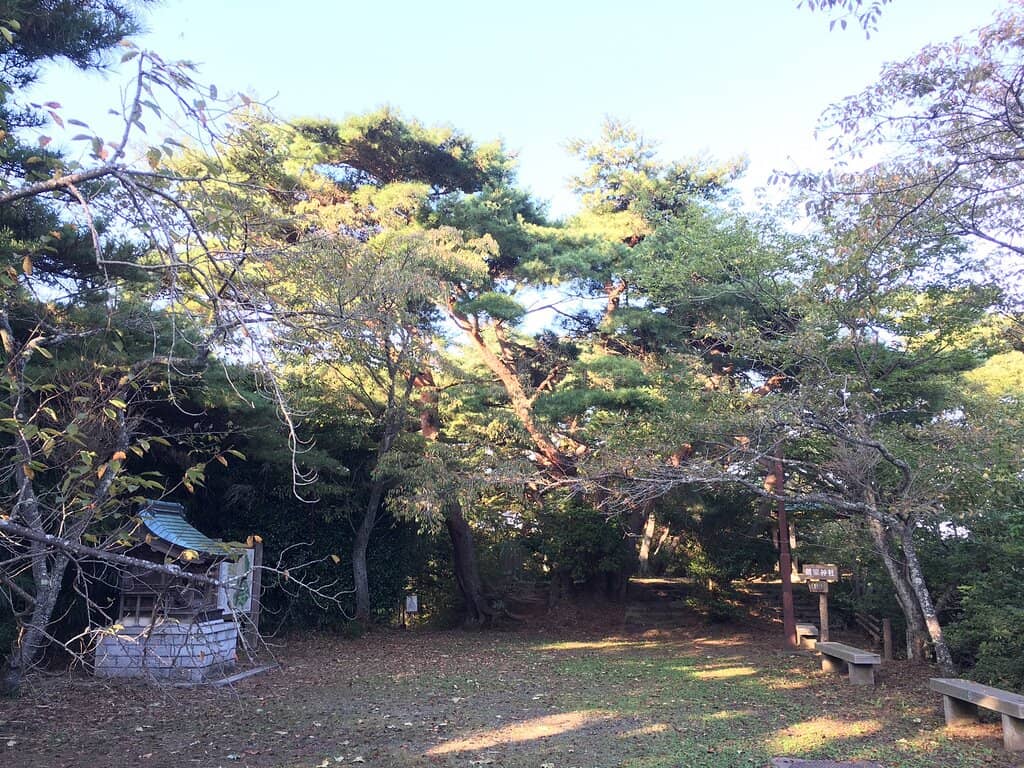
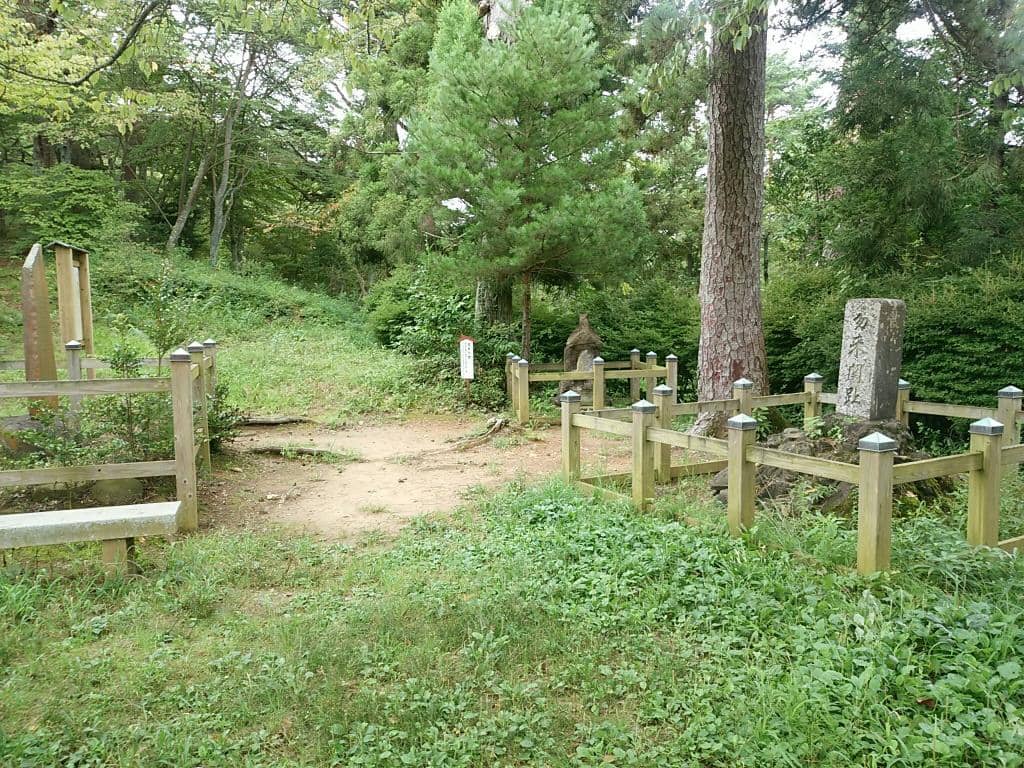
Nakoso Barrier Remains
Nakoso Pass Park
Explore the remnants of the ancient Nakoso Barrier, a place steeped in history and poetic significance.
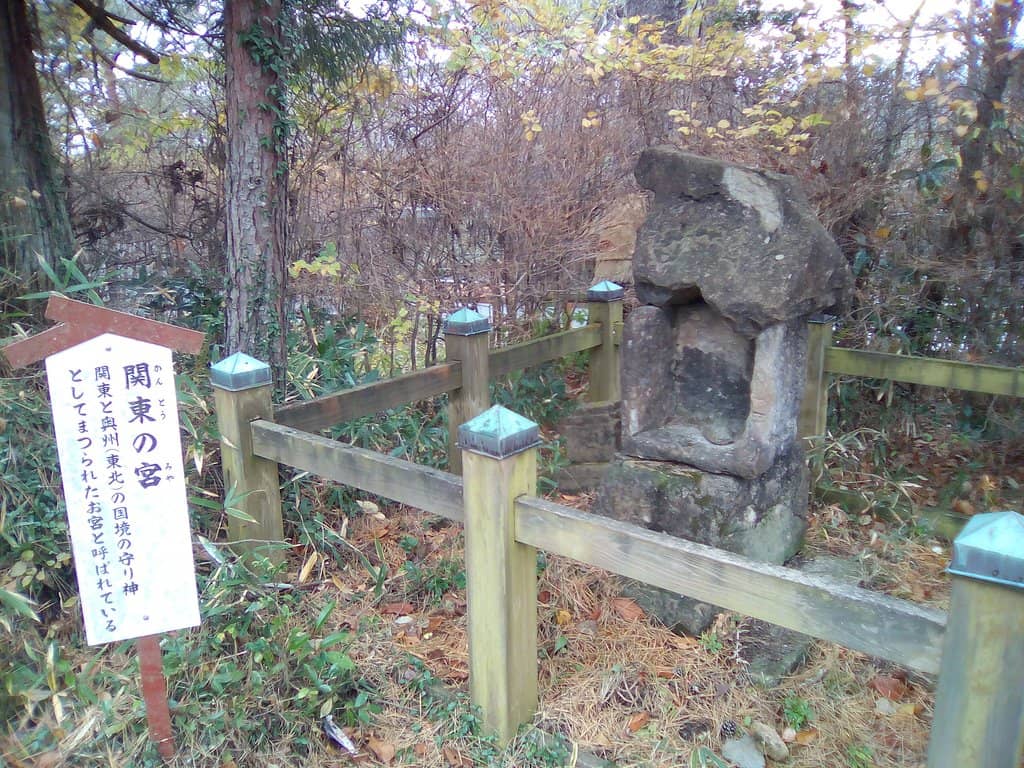
Iwaki City Nakoro-seki Literature and History Museum
Nakoso Pass Park
Immerse yourself in local lore and poetry at this museum, featuring waka poem experiences.
Plans like a pro.
Thinks like you
Planning Your Visit
Understanding the Name 'Nakoso'
Museum Hours & Samurai History
Best Times
Insider Tips
from TikTok, Instagram & Reddit
🚶♀️ Embrace the Walk
The park involves a bit of a climb, so wear comfortable shoes to fully enjoy the historical sites. :athletic_shoe:
📜 Write a Waka Poem
Participate in the museum's experience and leave your own poetic mark on Nakoso Pass. :pencil2:
⏰ Check Museum Hours
The Literature and History Museum has specific closing times, so plan your visit accordingly. :clock1:
🗺️ Follow the Signs
Clear signage guides you to the park's main attractions, including the samurai statue and museum. :round_pushpin:
Tips
from all over the internet
🚶♀️ Embrace the Walk
The park involves a bit of a climb, so wear comfortable shoes to fully enjoy the historical sites. :athletic_shoe:
📜 Write a Waka Poem
Participate in the museum's experience and leave your own poetic mark on Nakoso Pass. :pencil2:
⏰ Check Museum Hours
The Literature and History Museum has specific closing times, so plan your visit accordingly. :clock1:
🗺️ Follow the Signs
Clear signage guides you to the park's main attractions, including the samurai statue and museum. :round_pushpin:
What Travellers Say
Reviews Summary
Nakoso Park is appreciated for its unique historical and poetic significance, particularly the paradox of its name. Visitors enjoy the serene atmosphere, the statue of Minamoto no Yoshiie, and the opportunity to learn at the Literature and History Museum. Some find the climb to be a bit steep, and the lack of on-site dining is a minor drawback.
"Nice place....."
Sadeepa Prasanga
"A bronze statue of Minamoto no Yoshiie stands within Nakoso Pass Park, and a monument to a waka poem also remains.
The place name "Nakoso" in particular has been the subject of many poems since ancient times, as it is related to the archaic meaning of "na rai so (don't come)."
A poem that Minamoto no Yoshiie composed at this pass during his campaign against Oshu is said to have been passed down.
Walking through the quiet park, you can feel the unique atmosphere where wordplay and history intersect.
The park also houses the Fukikaze Hall and the Literature and History Museum, where you can immerse yourself in ancient tales."
ムスカ大佐
"Visit date: 2024/08/27
It seems to be a straight road to Nakoro-seki Park. You won't get lost. Also, I passed quite a few signs saying "X km to Nakoro-seki, walk slowly for XX minutes." It's the exact opposite of the place name that warns you not to come here. At least it seems to be a welcome place for now. I feel a little relieved.
The road becomes steep from halfway up. I must have been climbing the hill for 30 minutes. A statue of a samurai came into view as if to indicate the end of the hill. However, I decided to look at this area later and first visit the Literature and History Museum, which has a closing time.
(Visiting the Iwaki City Nakoro-seki Literature and History Museum)
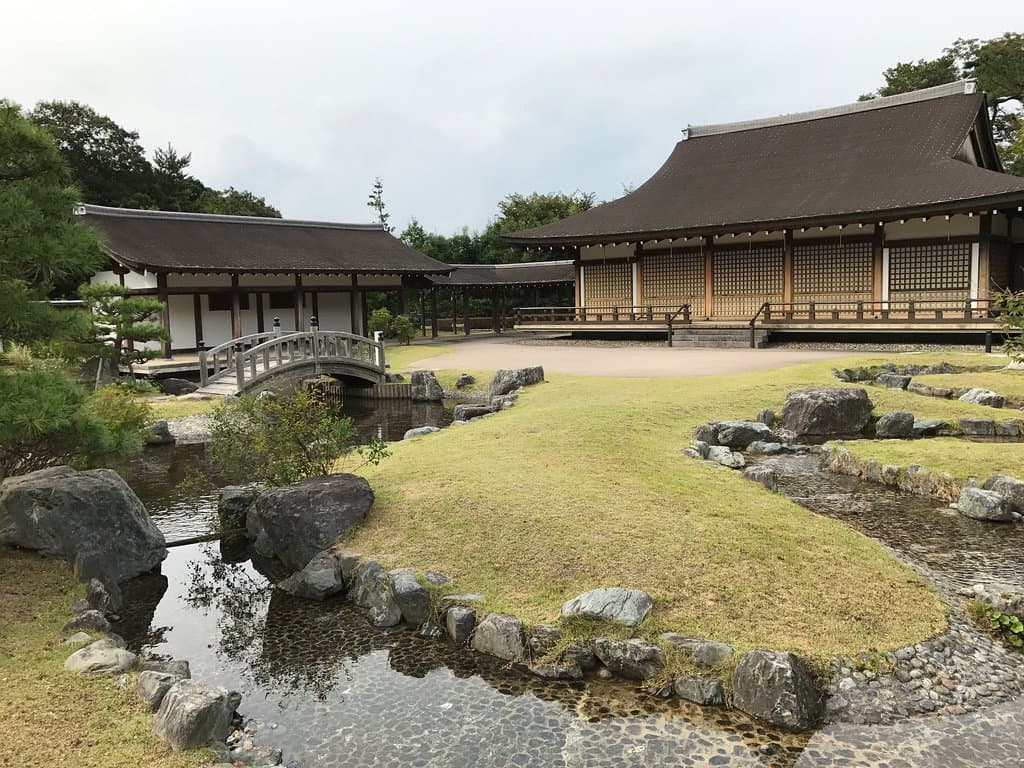
Fukifuden. A building that is reminiscent of the Shinden-zukuri style. There is no final entrance time, and I was able to enter at 4:45 p.m., just before the 5 p.m. closing time.
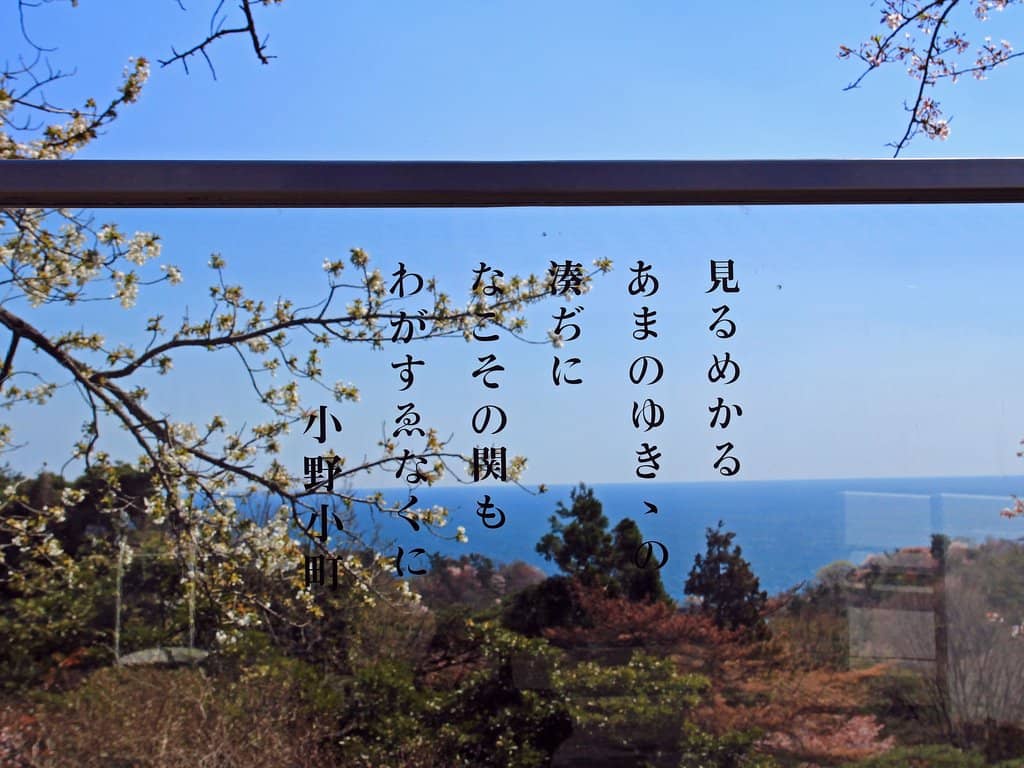
Experience corner. There was a worksheet on which people were asked to submit waka poems about Nakoro-seki. It seems that you can write a waka poem here and drop it in the ballot box provided. I'm out of time so I can't post it, but since I've come all the way to Nakoso Pass, I might as well write a poem.
"The name Nakoso is the reason why people don't come, even those who do come are misled": The place name Nakoso means "don't come", so it has become a place where almost no one walks. Even people who come here like me (not knowing that it is a waka poem's utamakura) have misunderstood that they shouldn't come because of the legend of the old people.
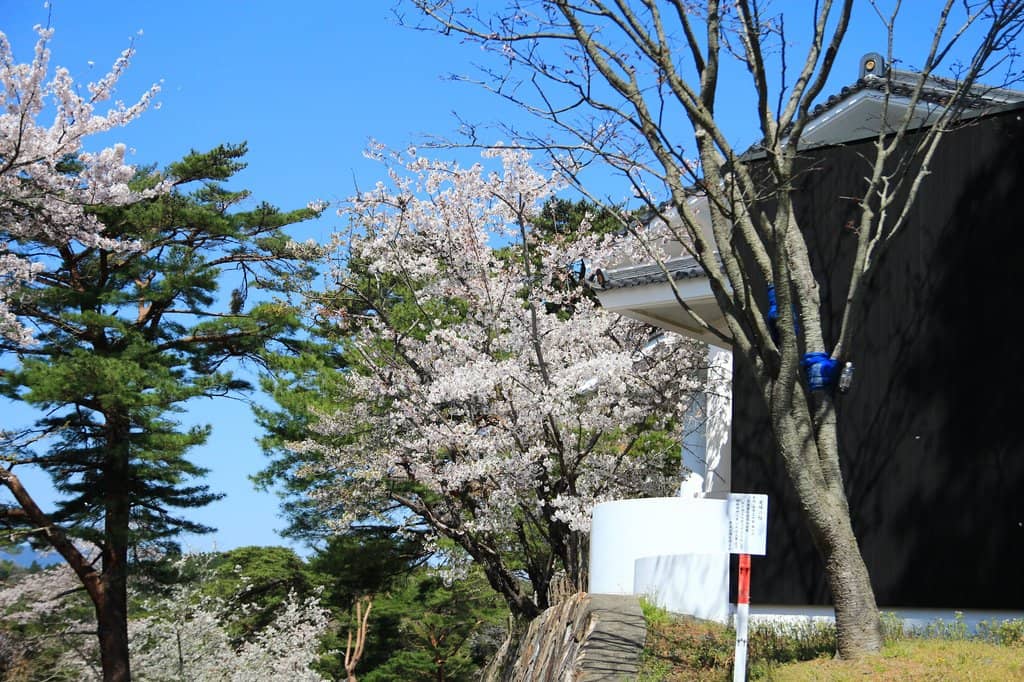
I go back to the statue of the samurai I passed earlier. The samurai's true identity is a man named Minamoto no Yoshiie. I don't know what kind of person Minamoto no Yoshiie is, and I don't understand why there is a statue of him here, pretending to be a representative figure, when there are so many poets who write about "nakoso". (Later, I read the article "What is Nakoso Barrier?" by the Literature and History Museum and somehow understood the reason. It seems that the background is that many famous samurai came from his descendants, and (I will omit the details) he left behind only one poem about Nakoso (cherry blossoms).)
Poems by great people of the past line the side streets nearby. I should record at least one waka.
"I cannot tell you who is the name, but I see the barricade in my heart": No one told you not to come. You just created a barrier in your heart and did not come to see me.
A barrier in your heart...? The character "Zusei" moved around in my head. I couldn't help but feel like I was being criticized for my behavior towards others."
貧乏旅行
What People Like
What People Dislike
Frequently Asked Questions
🚇 🗺️ Getting There
Nakoso Park is accessible by car, with clear signage leading the way. Public transport options might require local bus routes from nearby stations. Travelers mention it's a straightforward drive with signs indicating distance.
Yes, parking is generally available at Nakoso Park, making it convenient for visitors arriving by car.
Most visitors find Nakoso Park easy to locate, with ample signs guiding them to the entrance and attractions.
🎫 🎫 Tickets & Entry
Entry to Nakoso Park itself is generally free. However, there might be admission fees for the Iwaki City Nakoro-seki Literature and History Museum.
The park grounds are typically open during daylight hours. The Iwaki City Nakoro-seki Literature and History Museum has specific operating hours, usually closing around 5 PM.
You can usually enter the museum shortly before closing, but it's best to check the exact last entry time to ensure you have enough time to explore.
🎫 🧭 Onsite Experience
Nakoso Park features a bronze statue of Minamoto no Yoshiie, the remains of the Nakoso Barrier, and the Literature and History Museum. You can also enjoy walking paths and a rest area.
Yes, the park has walking paths, though some sections can be steep. Comfortable footwear is recommended for exploring the grounds.
The name 'Nakoso' historically meant 'don't come,' a poetic concept explored in the park's museum and through waka poems.
Rest areas are available, and it's likely there are restroom facilities, though specific details might vary.
Yes, the museum offers an experience where you can write and submit waka poems about Nakoso-seki.
🍽️ 🍽️ Food & Dining
There are no specific mentions of on-site dining facilities within Nakoso Park itself. It's advisable to bring your own snacks or plan to eat in nearby towns.
While there are rest areas, it's not explicitly stated if picnicking is permitted. It's best to be mindful of park rules and clean up any waste.
📸 📸 Photography
The bronze statue of Minamoto no Yoshiie and the historical barrier remains offer great photographic opportunities. The museum's architecture is also noteworthy.
Photography rules inside museums can vary. It's recommended to check for signage or ask staff before taking pictures within the Iwaki City Nakoro-seki Literature and History Museum.
For Different Travelers
Tailored advice for your travel style
👨👩👧 Families with Kids
While the park is generally peaceful, it's important to note that the historical context might be more appreciated by adults. Ensure children are supervised, especially on the steeper paths. Bringing snacks and water is recommended as on-site dining options are limited. The park offers a quiet escape and a chance to learn about Japanese history and culture in a less crowded setting.
📚 History & Literature Enthusiasts
The Iwaki City Nakoro-seki Literature and History Museum is the heart of the experience for literature lovers. Here, you can delve deeper into the waka poems associated with the location, including those by Minamoto no Yoshiie. The opportunity to write your own poem adds a personal touch to the historical immersion. The park provides a serene environment to contemplate the intersection of history, language, and art.
Deep Dives
In-depth insights and expert knowledge
The Poetic Paradox of 'Nakoso'
This poetic significance is further highlighted by the presence of a monument to a waka poem composed by Minamoto no Yoshiie himself during his campaign against Oshu. Visitors can explore this rich literary heritage at the Iwaki City Nakoro-seki Literature and History Museum, where they can even participate in writing their own waka poems. The museum provides a space to immerse oneself in these ancient tales and the enduring power of poetry.
Minamoto no Yoshiie and the Nakoso Barrier
The Nakoso Barrier itself was a historical checkpoint, and its remains are preserved within the park. Walking through this area allows visitors to connect with the past and imagine the historical events that unfolded here. The combination of the samurai statue, the barrier remnants, and the literary museum creates a layered experience, inviting reflection on history, poetry, and the evolution of place names.




Social
from TikTok, Instagram & Reddit