Inakadate Rice Paddy Art
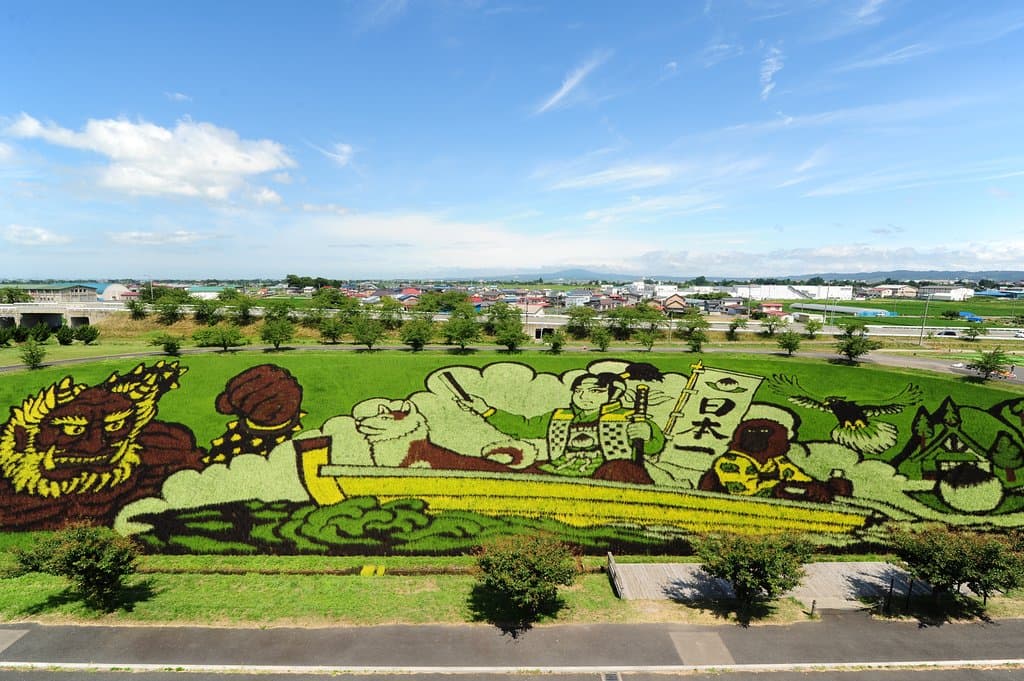
Witness living masterpieces! Inakadate's rice paddies transform into vibrant murals using colorful rice varieties, a unique blend of agriculture and a...
Highlights
Must-see attractions

Social
From TikTok & Reddit
Best Time
Peak vibrancy and detail
Inakadate Rice Paddy Art
Best Time
Peak vibrancy and detail
Highlights
Must-see attractions
Witness living masterpieces! Inakadate's rice paddies transform into vibrant murals using colorful rice varieties, a unique blend of agriculture and art.
"Absolutely gorgeous! It was quite a pleasant surprise."
🎯 Check Closing Dates
Confirm the official closing date before your visit, especially later in the season, as it can vary . :calendar:
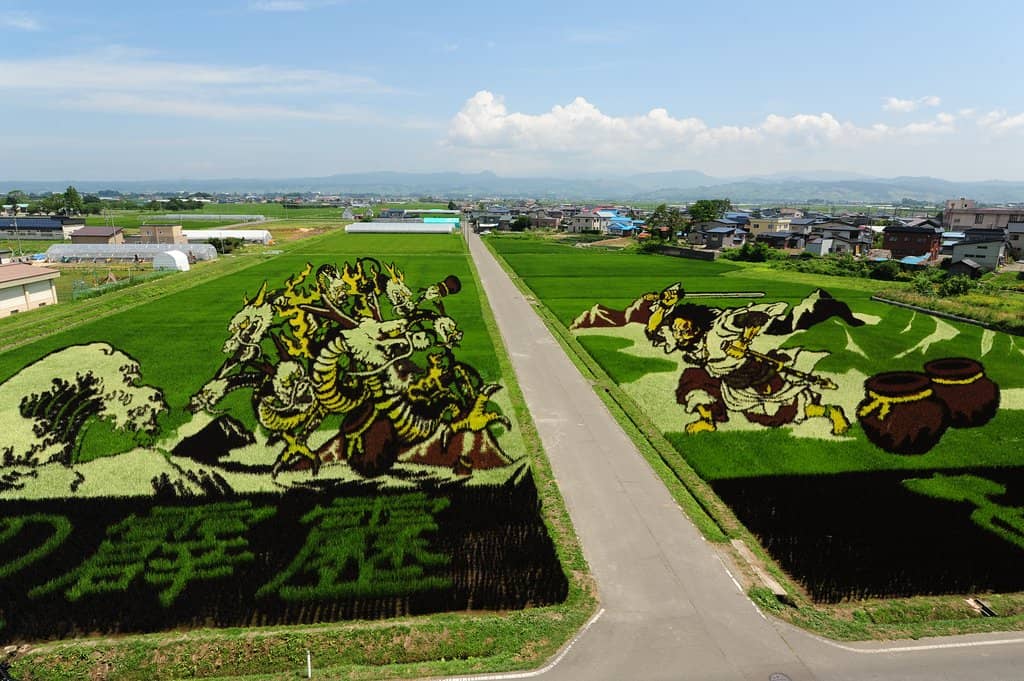
⬆️ View from Above
Ground-level views are limited; elevated viewpoints are essential for appreciating the art. :camerawithflash:
Highlights
Discover the most iconic attractions and experiences
The Grand Murals
Inakadate Village
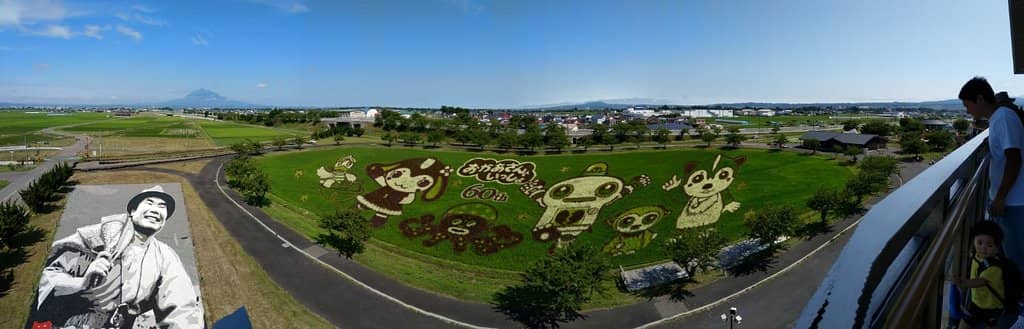
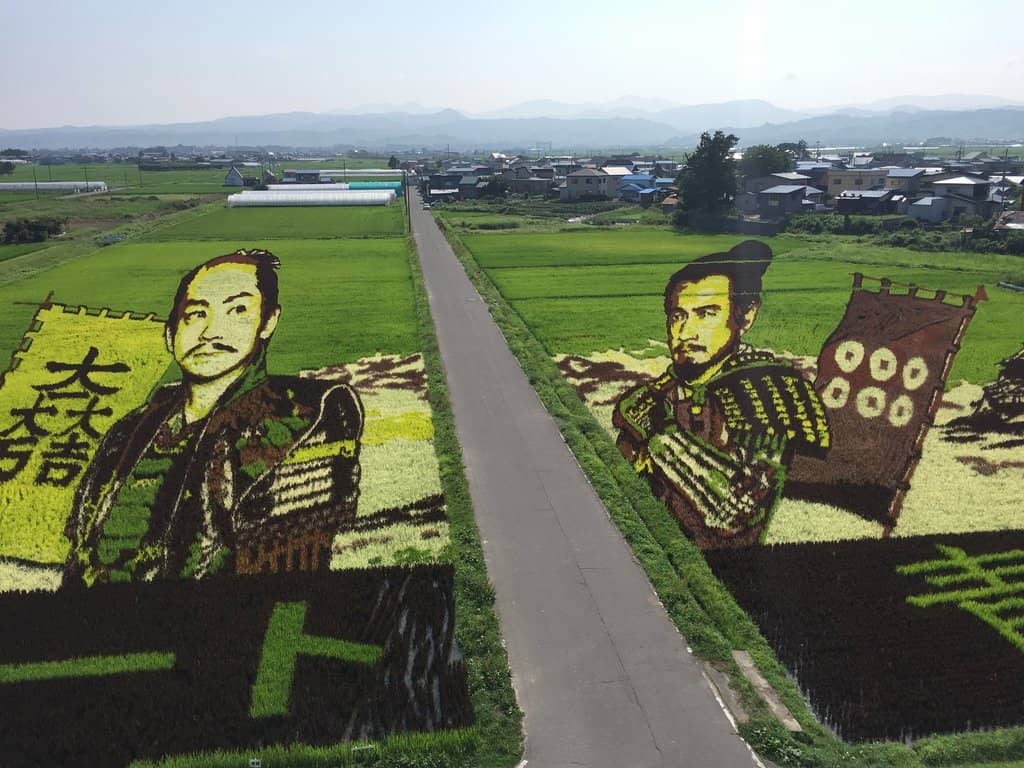
Massive, intricate artworks created by planting different colored rice varieties. Designs change annually, featuring everything from historical figures to anime characters.
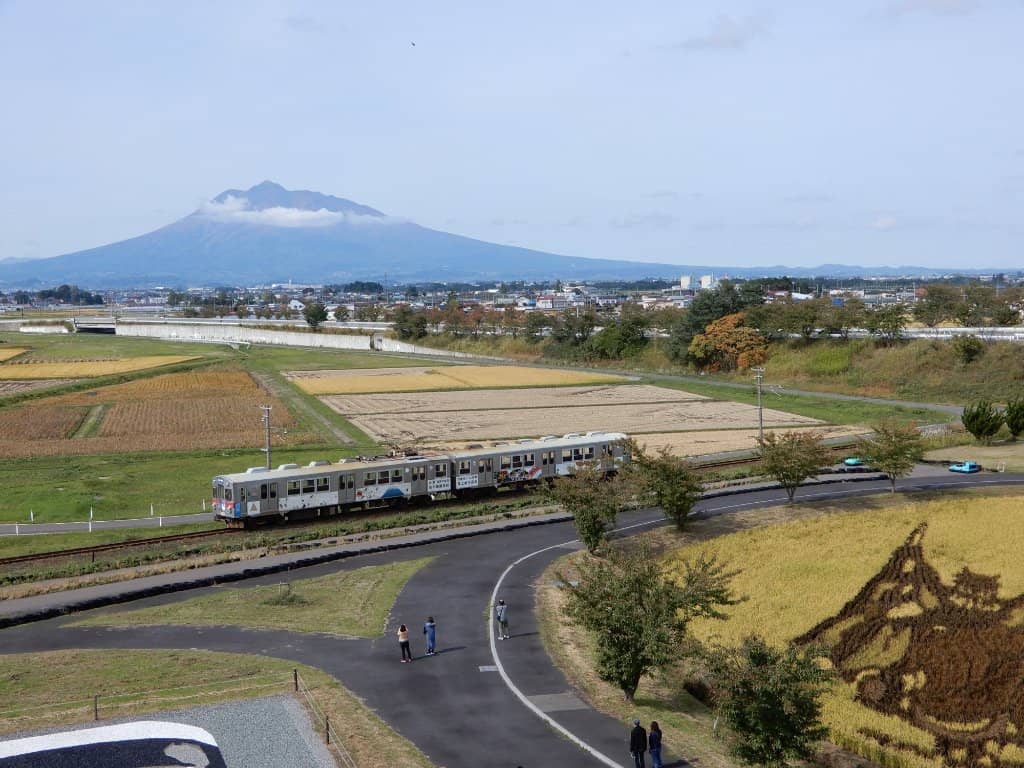
Cultural Center Viewpoint
Inakadate Village Cultural Center
Ascend the tower for a breathtaking panoramic view of the vibrant rice paddy designs. A small fee grants access to this prime viewing spot.
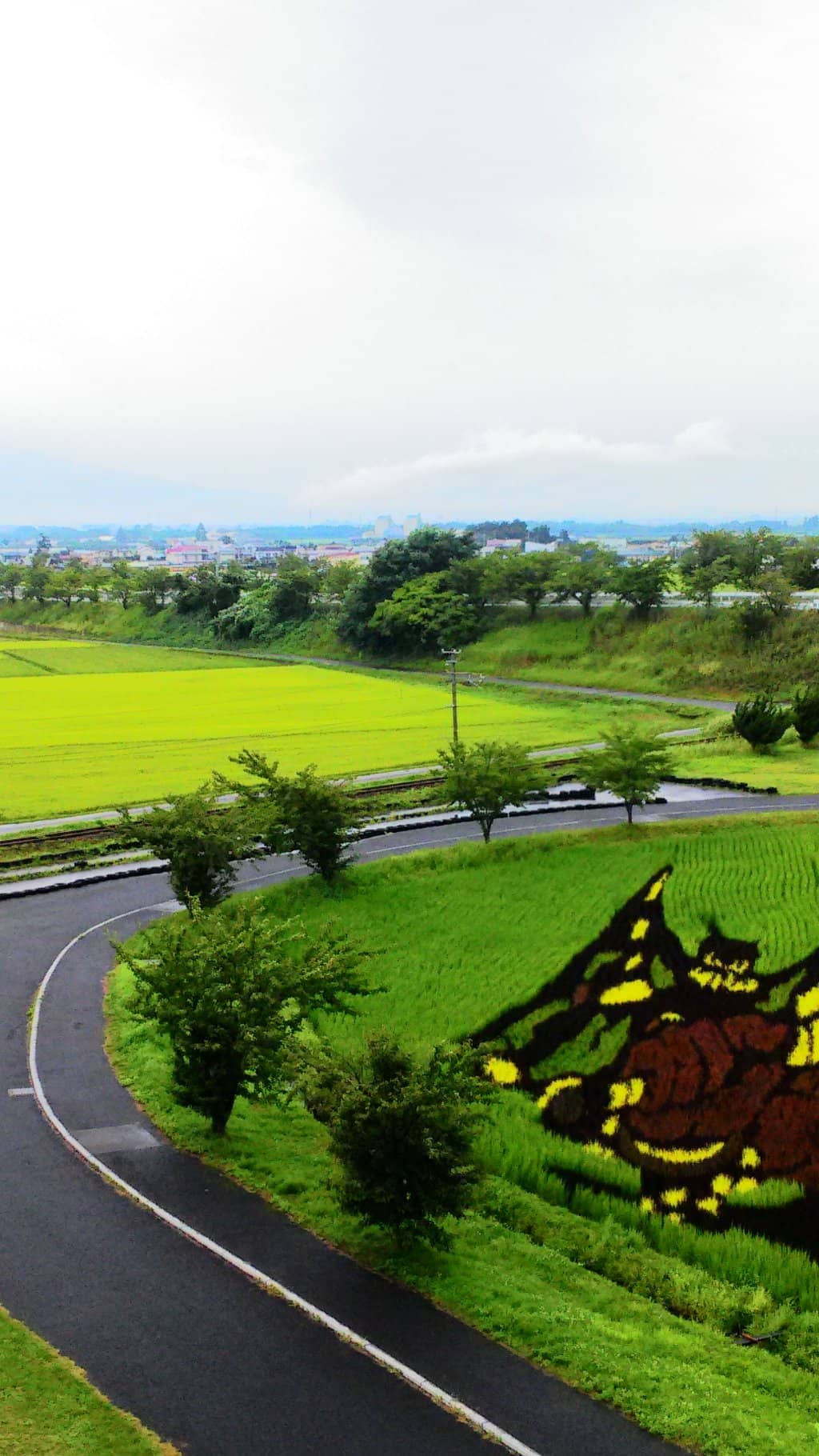
Village Hall Vista
Inakadate Village Hall
Another excellent vantage point offering a different perspective of the stunning rice field art. Often less crowded than the cultural center.
Plans like a pro.
Thinks like you
Planning Your Visit
Timing is Everything for the Art
Viewpoints are Key
Best Times
Insider Tips
from TikTok, Instagram & Reddit
🎯 Check Closing Dates
Confirm the official closing date before your visit, especially later in the season, as it can vary. :calendar:
⬆️ View from Above
Ground-level views are limited; elevated viewpoints are essential for appreciating the art. :camerawithflash:
🚶♀️ Walk Between Venues
Consider walking between the two main viewing areas for a scenic experience, but be prepared for a longer trek. :athletic_shoe:
♿ Wheelchair Friendly
The viewing decks are accessible via elevator and wheelchair friendly, with helpful staff. :wheelchair:
Tips
from all over the internet
🎯 Check Closing Dates
Confirm the official closing date before your visit, especially later in the season, as it can vary. :calendar:
⬆️ View from Above
Ground-level views are limited; elevated viewpoints are essential for appreciating the art. :camerawithflash:
🚶♀️ Walk Between Venues
Consider walking between the two main viewing areas for a scenic experience, but be prepared for a longer trek. :athletic_shoe:
♿ Wheelchair Friendly
The viewing decks are accessible via elevator and wheelchair friendly, with helpful staff. :wheelchair:
🎨 See Past Art
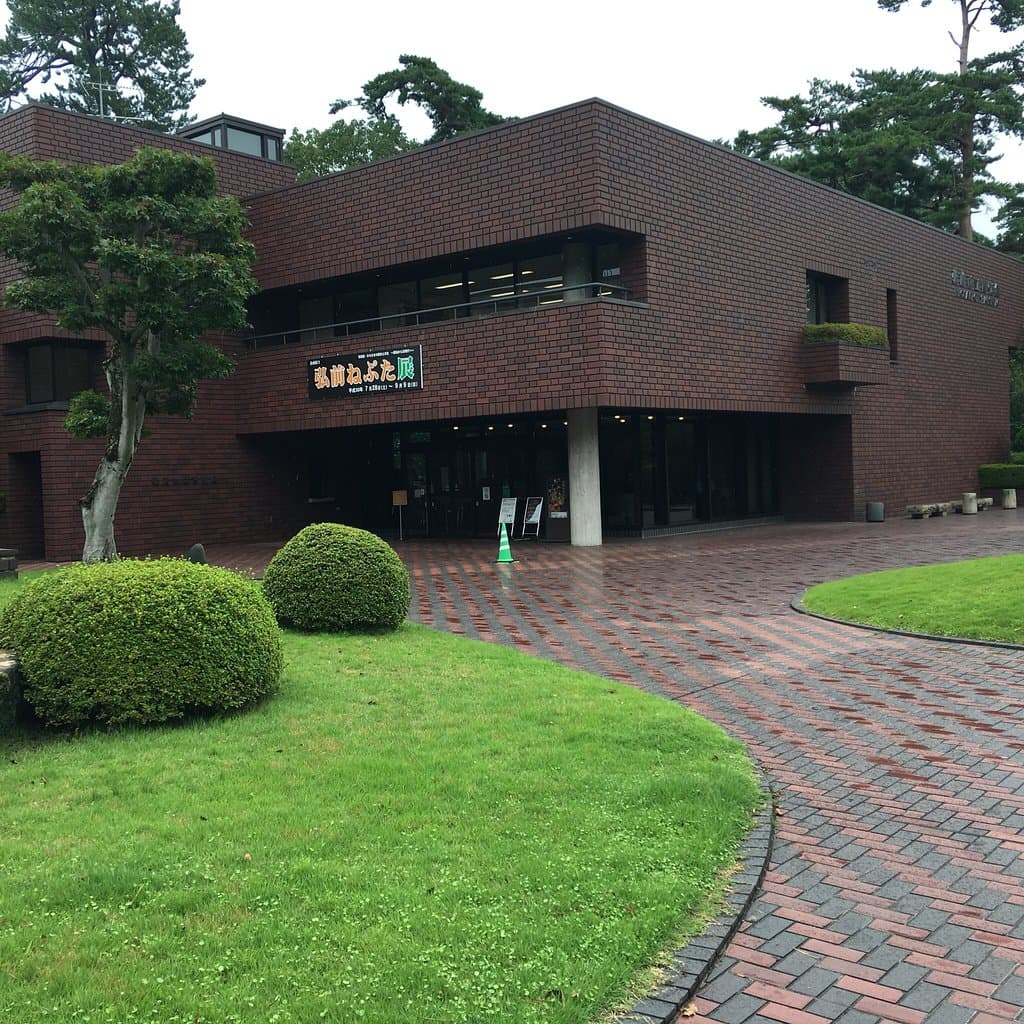
Don't miss the small exhibit showcasing past rice paddy art designs; it's very interesting. :art:
What Travellers Say
Reviews Summary
Visitors are consistently amazed by the ingenuity and beauty of the Inakadate Rice Paddy Art, calling it a 'pleasant surprise' and 'something special.' The free parking and accessible viewing platforms are frequently praised. However, some have been disappointed by unexpected early closures or the need to pay for elevated views, which are essential for appreciating the art.
"Absolutely gorgeous! It was quite a pleasant surprise. You pay 300 yen for the elevator ride to get to the viewpoint, but they offer free parking, which is a nice bonus."
Chatchamon Ing
"Really nice to see. It is something special so I recommend a visit. I went to Plattform 1 and 2. No shuttle bus was available so I walked approx 40 minutes through the field which was also nice. Take care of the month you will visit. Now mid June Plattform 1 the rice field just started to grow. So do not disappointed. More information in the flyer in my uploaded pics 😀"
Cora L.
"You can rent a wheelchair to go up to the deck. Wheelchair/ Stroller friendly . Staff are very helpful."
Miyuki Lynn
What People Like
What People Dislike
Frequently Asked Questions
🚇 🗺️ Getting There
The most common way to reach Inakadate is by train to Inakadate Station. From there, you can walk to the viewing areas or take a local bus. Some visitors opt to drive, and free parking is available, which is a significant plus. If coming from further afield, consider flying into Aomori Airport and then taking a train or rental car.
Yes, free parking is available for visitors, making it a convenient option for those traveling by car. This is often highlighted as a positive aspect by visitors.
Local buses operate in the area, but shuttle services between viewing platforms might not always be available, especially outside peak season. It's advisable to check local transport schedules in advance.
While you can walk between the Inakadate Village Cultural Center and the village hall, it's approximately a 40-minute walk through the fields. Consider this if you enjoy scenic strolls, but be prepared for the distance.
Yes, Inakadate is accessible by train to Inakadate Station. From the station, it's a walk or short local bus ride to the main viewing areas. This makes it a feasible destination for those relying on public transport.
🎫 🎫 Tickets & Entry
Entry to the fields themselves is generally free. However, to access the best viewpoints, there's a fee for the elevator ride to the observation decks, typically around 300-330 yen. This fee is well worth it for the stunning views.
Tickets are usually purchased on-site for the elevator access to the viewing platforms. Advance booking is generally not required, but it's always a good idea to check the official website for any updates or special event ticketing.
The art is visible from June through early October, but specific viewing hours for the platforms can vary. It's crucial to check the official website or call ahead, especially if visiting near the end of the season, as some visitors have found it closed unexpectedly.
While specific discounts aren't widely advertised, the entry fee for the viewing platforms is quite affordable at around 300-330 yen. The free parking is also a significant cost-saver.
The rice paddy art is a seasonal attraction, best viewed when the rice is actively growing and displaying its colors. Outside of the June-October window, the fields will not have the art, though there might be winter events.
📸 📸 Photography
The most effective way to capture the art is from the elevated viewpoints. Use a wide-angle lens to fit the entire design into your frame. Consider visiting during the golden hour (early morning or late afternoon) for beautiful lighting.
While you can take photos from the ground, the intricate designs will not be fully visible or recognizable. The art is specifically designed to be appreciated from above.
Drone usage is typically restricted in areas with public viewing platforms and agricultural fields to ensure safety and respect for the artwork and visitors. Always check local regulations before flying a drone.
A smartphone with a good camera is sufficient for capturing the essence of the art. For more professional shots, a camera with a wide-angle lens and good zoom capabilities would be beneficial. Tripods can be helpful for stable shots from the viewing platforms.
Both the Inakadate Village Cultural Center tower and the village hall offer excellent photo opportunities. Experiment with different angles from these vantage points to get the best shots of the expansive murals.
🎫 💡 Onsite Experience
Tanbo Art, or rice paddy art, is a unique Japanese tradition where farmers plant different colored varieties of rice to create large, intricate images in their fields. Inakadate Village is the birthplace of this art form.
Farmers use at least seven to ten different varieties of rice, each with distinct colors (greens, purples, yellows), to meticulously plant patterns. The contrasting colors of the rice plants form the 'brushstrokes' of the living artwork.
Designs vary annually and can include historical figures, famous characters from manga and anime (like One Piece 
No, the rice paddy art is seasonal. It's best viewed from mid-July to late August when the rice is fully grown and vibrant. The season typically runs from June to early October.
Besides admiring the art from the viewpoints, you can explore the small exhibit showcasing past art, enjoy the surrounding rural scenery, and perhaps visit local shops or eateries. Some visitors enjoy walking through the fields between venues.
For Different Travelers
Tailored advice for your travel style
👨👩👧 Families with Kids
+1 which can be a huge hit with kids who recognize them. The exhibit of past art also adds an extra layer of interest, showing how the designs evolve.🚶 Budget Travelers
📸 Photography Enthusiasts
Deep Dives
In-depth insights and expert knowledge
The Genesis of Tanbo Art
+1 The innovation lies in using different colored rice varieties – typically seven to ten types – to create intricate designs that can only be fully appreciated from an elevated perspective.This unique blend of agriculture and art has since inspired similar projects across Japan and even internationally. The annual unveiling of new designs is a significant event for Inakadate, drawing visitors from across the country and beyond. The themes often reflect popular culture, historical events, or local heritage, ensuring a fresh experience each year.
+1Visitors often remark on the sheer scale and detail of the artwork, marveling at how such complex images are created using only rice plants. The dedication of the local community and farmers is evident in the meticulous planning and execution of these living masterpieces. It's a testament to creativity and community spirit, turning a staple crop into a celebrated art form.
Navigating the Viewing Experience
The Cultural Center offers a tower with an elevator, providing excellent panoramic views for a small fee (around 300-330 yen).Many visitors find the experience highly accessible. The viewing platforms are often wheelchair and stroller friendly, with elevator access making it easy for everyone to reach the best vantage points. Staff are noted for being helpful, further enhancing the visitor experience.
It's important to plan your visit around the peak viewing season, which is generally from mid-July to late August, when the rice plants are most vibrant. While the art is visible from June to early October, the colors and detail are at their best during the summer months. Always confirm the exact closing dates, as they can vary and have caught some visitors off guard.

Social
from TikTok, Instagram & Reddit