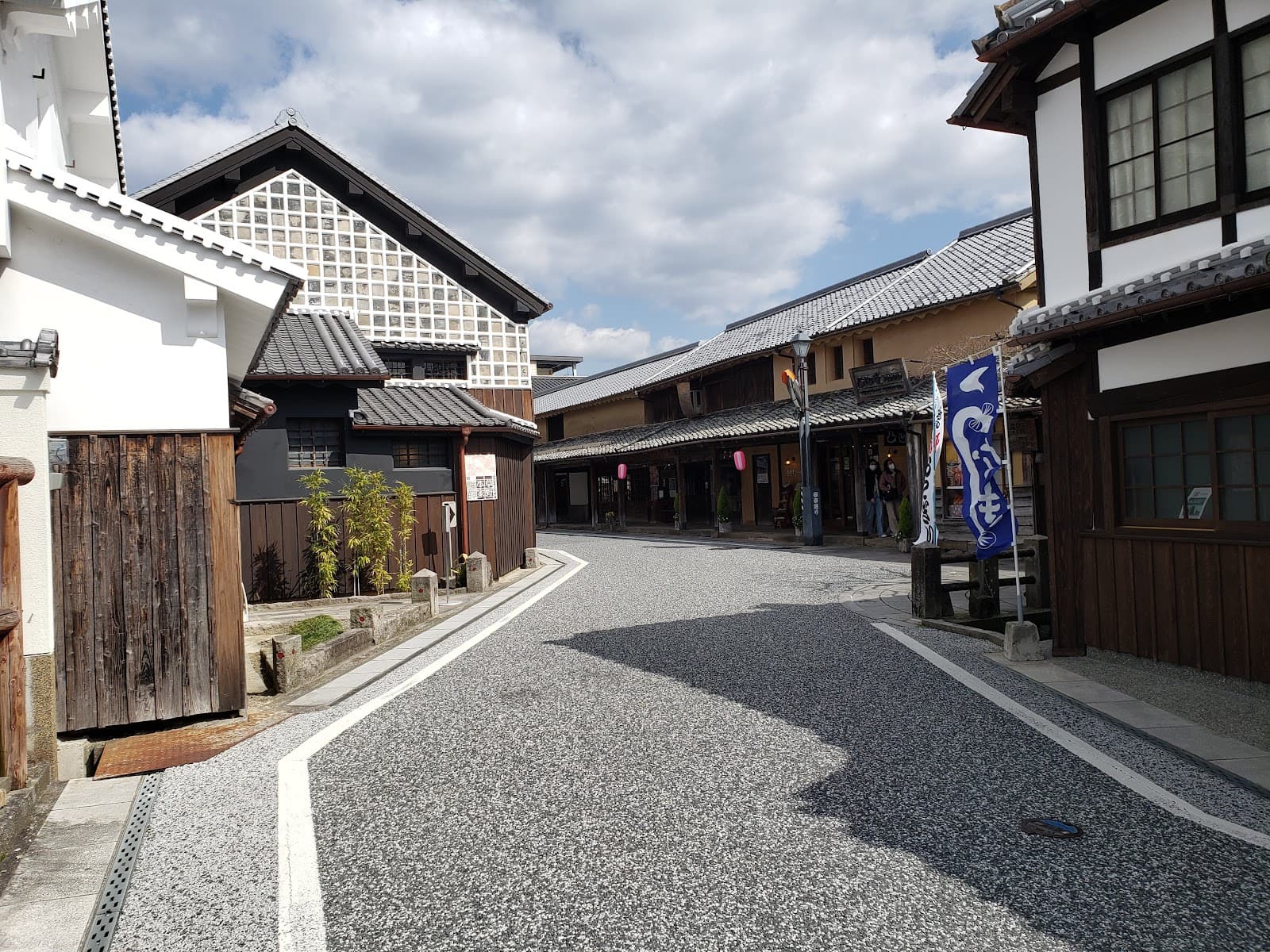
Kusano Honke
Explore Kusano Honke, a 300-year-old merchant residence and National Important Cultural Property, showcasing Edo-era architecture and lifestyle.
Highlights
Must-see attractions

Social
From TikTok & Reddit
Best Time
Pleasant weather for exploring
Kusano Honke
Best Time
Pleasant weather for exploring
Highlights
Must-see attractions
Explore Kusano Honke, a 300-year-old merchant residence and National Important Cultural Property, showcasing Edo-era architecture and lifestyle.
"A preserved glimpse into the life of wealthy merchants, showcasing unique architecture and historical artifacts."
🧥 Dress for the weather
Interiors can be cold, especially in winter. Layers are recommended for a comfortable visit.
⏳ Allow ample time
To truly appreciate the history, dedicate at least an hour to explore the main house and storehouses.

Highlights
Discover the most iconic attractions and experiences
Main House Architecture
Main building
Explore the oldest part, built circa 1725, showcasing Igura-zukuri style and later additions blending with the garden.
Three Storehouses
Adjacent to main house
Admire the fire-resistant Igura-zukuri design, crucial for preserving goods and the building itself.
Kusano Family Documents
Exhibition space
View historically significant letters, including those from Ashikaga Takauji, offering insights into turbulent periods.
Hina Doll Display
Various rooms
See a collection of vintage Hina dolls displayed across 30 rooms, hinting at the roots of Japan's Doll Festival.
Plans like a pro.
Thinks like you
Planning Your Visit
Plan Your Visit to Kusano Honke
Understanding Kusano Honke's Significance
Best Times
Insider Tips
from TikTok, Instagram & Reddit
🧥 Dress for the weather
Interiors can be cold, especially in winter. Layers are recommended for a comfortable visit.
⏳ Allow ample time
To truly appreciate the history, dedicate at least an hour to explore the main house and storehouses.
📸 Respect the property
Photography may be restricted in certain areas. Always check signage and be mindful of the historic nature of the site.
🤝 Engage with staff
The staff are noted for being kind and helpful, offering insights into the history.
Tips
from all over the internet
🧥 Dress for the weather
Interiors can be cold, especially in winter. Layers are recommended for a comfortable visit.
⏳ Allow ample time
To truly appreciate the history, dedicate at least an hour to explore the main house and storehouses.
📸 Respect the property
Photography may be restricted in certain areas. Always check signage and be mindful of the historic nature of the site.
🤝 Engage with staff
The staff are noted for being kind and helpful, offering insights into the history.
What Travellers Say
Reviews Summary
Visitors praise Kusano Honke for its significant historical and architectural value as a National Important Cultural Property. The well-preserved Igura-zukuri architecture and the insights into the lives of wealthy merchants are highlights. While some find the interiors cold, the helpful staff and the unique Hina doll display add to the positive experience.
"Due to time and financial constraints, I will only be showing the exterior this time. I have included the following excerpt.
Nationally Designated Important Cultural Property
Designated as a National Important Cultural Property
On December 8, 2009, the "Kusano Family Residence"—the main house, three storehouses, and garden—was designated as a National Important Cultural Property. The designation letter from the Minister of Education, Culture, Sports, Science and Technology arrived on April 13, 2010.
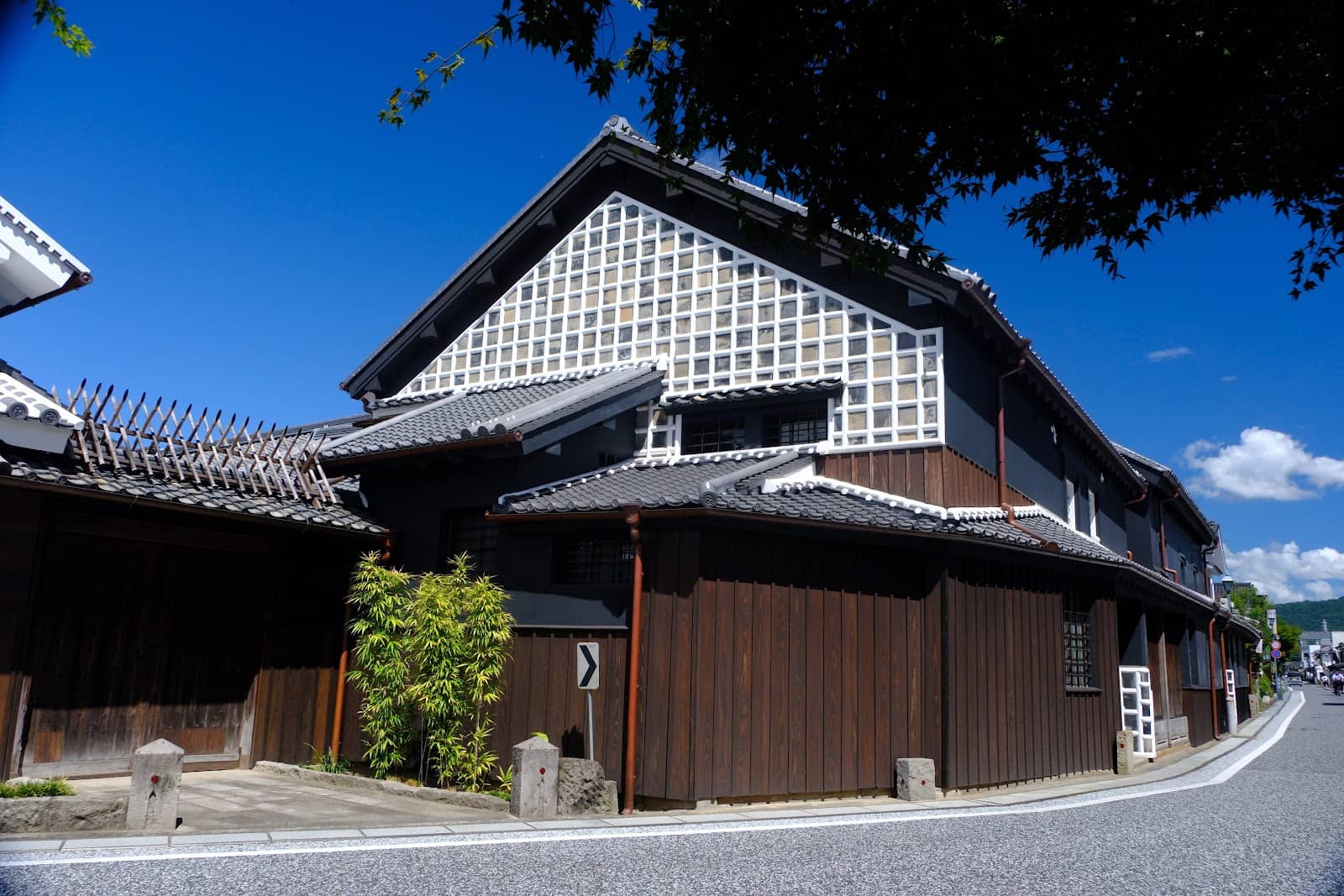
Of the designated buildings (main house and three storehouses), the main house consists of an entrance hall, a storeroom, a guest room, a new sitting room, a retreat, and a Buddhist altar room. The oldest part is the main house and Buddhist altar room, built around 1725, followed by the storehouse, built in 1731. All are in good condition. Additionally, the entrance and store areas facing the street were built shortly after the Great Fire of Mameda-cho in 1772 (Showa 9), and feature large plaster-coated walls in the highly fire-resistant Igura-zukuri style, giving them a stately exterior.
Meanwhile, the guest room and retreat area located at the rear of the main house were added on from the end of the Edo period through the Meiji and Taisho periods, and have a bright, open design that blends in with the garden, providing a stark contrast to the entrance and store areas. This open spatial composition, along with the small sliding doors depicting literati paintings and the gorgeous interior design featuring bamboo, Karaki wood, and unusual wood, all retain the architectural characteristics of the sencha tea ceremonies that were popular in Hita at the time.
As a representative Igura-zukuri townhouse in northern Kyushu, it is highly regarded as a large-scale townhouse building that conveys the transition in urban housing from the early modern to modern era, and the lifestyle and culture of merchants.
Designated December 8, 2009
Hita Board of Education
Oita Prefecture Designated Cultural Property "Kusano Documents"
These ancient documents, handed down through the Kusano family, are historically valuable, including letters from Ashikaga Takauji and a letter from the second shogun, Ashikaga Yoshiakira, regarding the pursuit of Tadayoshi.
These documents were also investigated by the Historiographical Institute of the University of Tokyo.
Takauji's letters are said to be secret letters, and their contents evoke the turbulent period of the Northern and Southern Courts."
N K
"Established in 1725, roughly 300 years ago, Masuya is the oldest building in Oita Prefecture, owned by a wealthy merchant in a territory directly controlled by the shogunate. The roots of Japan's Hinamatsuri (Doll Festival) can be found here. Various limited-edition vintage Hina dolls are on display in 30 rooms. The main building, a historic structure, is a designated Important Cultural Property of Japan. It faithfully conveys the lifestyle and culture of the Igura-zukuri townhouse. Also on display are abacus, balances, and ledger books from the Kusano family (wealthy merchants), who manufactured and sold the raw material for candles (namarou)."
Shinichiro Yamaji
"I was approached outside, and although I wasn't particularly interested in history, I decided to enter because the building is an important cultural property. It was cold inside, but the staff were very kind and helpful."
ライ厶
What People Like
What People Dislike
Frequently Asked Questions
🚇 🗺️ Getting There
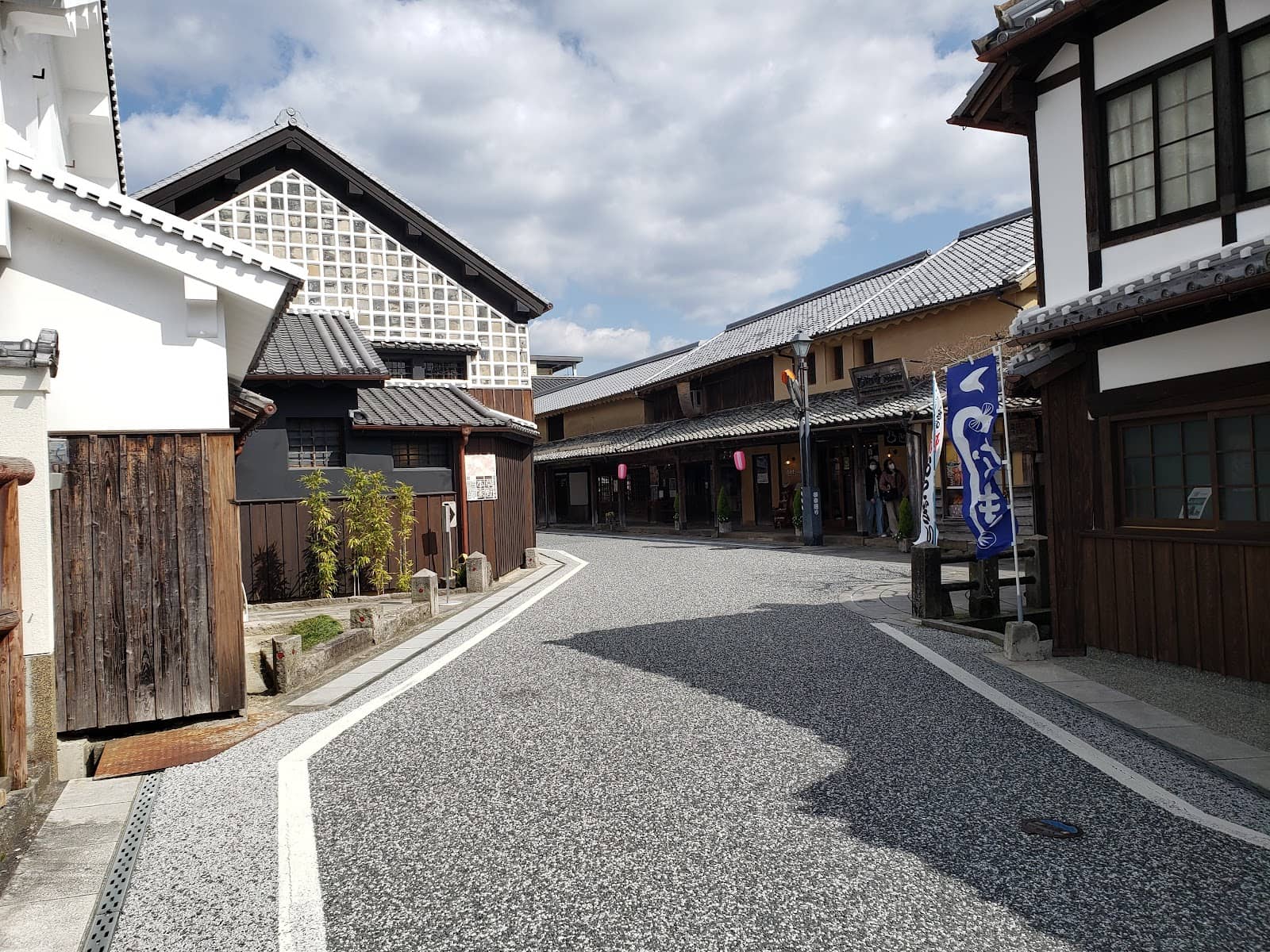
Kusano Honke is located in the Mamedamachi area of Hita city. If arriving by train, the nearest station is Hita Station. From there, you can take a local bus or a taxi to Mamedamachi. Many visitors find it convenient to explore Mamedamachi on foot once they arrive, as Kusano Honke is a central attraction in this historic district.
Yes, there are parking facilities available in the Mamedamachi area, which is a popular tourist spot. Look for signs indicating public parking lots. Parking fees may apply.
Absolutely! Mamedamachi is an old town with many historic buildings, including sake breweries and century-old pharmacies. It's highly recommended to stroll through the area to soak in the atmosphere before or after your visit to Kusano Honke.
🎫 🎫 Tickets & Entry
Opening hours can vary, so it's best to check the official website or local tourist information for the most up-to-date times. Generally, it is open during daytime hours, but specific closing times should be confirmed.
Admission fees apply for entry into Kusano Honke. While specific prices can change, it's generally an affordable entry fee, especially considering its status as a National Important Cultural Property. Check local listings for current pricing.
Advance booking is typically not required for individual visitors. You can usually purchase tickets upon arrival. However, for group tours or special events, it's advisable to inquire about booking procedures.
As a historic building, accessibility can be a challenge. The main house and storehouses may have uneven floors or stairs. It's recommended to contact Kusano Honke directly to inquire about specific accessibility features and any limitations.
While not always advertised, friendly staff are often available to provide information and insights. Inquire upon arrival if any informal guided explanations or tours are offered.
🎫 🧭 Onsite Experience
Igura-zukuri is a traditional Japanese architectural style characterized by thick, plaster-coated walls designed for fire resistance. This style was particularly important for storehouses and merchant houses in areas prone to fires, like Mameda-cho. Kusano Honke prominently features this design, especially in its store areas.
Inside, you'll find the main residence with various rooms like an entrance hall, guest rooms, and a Buddhist altar room. The three storehouses are also accessible. The property also features a garden and displays of historical artifacts, including merchant tools and Hina dolls.
Photography rules can vary. While exterior shots are generally fine, interior photography might be restricted in certain areas to protect the artifacts and the historic structure. Always look for signage or ask staff for permission.
The Kusano family documents are historically invaluable, containing letters from prominent figures like Ashikaga Takauji and Yoshiakira. These documents shed light on the political and social landscape of Japan during the Northern and Southern Courts period.
Kusano Honke displays a collection of vintage Hina dolls across 30 rooms, suggesting a historical connection to the traditions surrounding the Doll Festival (Hinamatsuri). This adds a unique cultural dimension to the visit.
🍽️ 🍽️ Food & Dining
Kusano Honke itself is primarily a historical site and does not typically have on-site dining facilities. However, the surrounding Mamedamachi area offers several cafes and restaurants where you can enjoy local cuisine.
In Mamedamachi, you can find traditional Japanese dishes, local specialties, and cafes. Given its history as a merchant town, you might find places offering regional delicacies.
While some tourist spots can be pricier, exploring the side streets of Mamedamachi might reveal more affordable local eateries. It's worth wandering a bit to find options that suit your budget.
📸 📸 Photography
The exterior of the Igura-zukuri storehouses and the main house offer striking architectural shots. The garden area, especially during spring or autumn, provides beautiful natural backdrops. Capture the contrast between the fire-resistant store areas and the more open, garden-facing rooms.
Photography of the Hina dolls may be restricted to protect their delicate nature and historical value. Always check for signage or ask permission from the staff before taking pictures of the displays.
Look for details like the old abacus, balances, and ledger books displayed, which offer a tangible connection to the Kusano family's merchant past. The overall atmosphere of the preserved town also makes for great street photography.
For Different Travelers
Tailored advice for your travel style
👨👩👧 Families with Kids
To make the visit more enjoyable for children, consider focusing on the visual aspects: the large storehouses, the contrast between indoor and outdoor spaces, and the intricate details of the dolls. Engaging staff can often provide simplified explanations. Pack snacks and drinks, as dining options might be limited directly at the site, though the surrounding Mamedamachi area has cafes.
🏛️ History Buffs & Architecture Enthusiasts
Don't miss the opportunity to examine the Kusano family documents, which offer direct evidence of the region's historical context and the family's influence. The blend of functional merchant architecture with spaces designed for cultural pursuits like sencha tea ceremonies provides a holistic view of the merchant class's life. This site offers a deep dive into the transition from early modern to modern Japanese urban housing and merchant culture.
🚶♀️ Solo Travelers & Culture Seekers
Take your time to wander through the different sections, absorbing the details of the architecture and the stories embedded within the artifacts. The surrounding Mamedamachi area also offers a charming atmosphere for further exploration, with traditional shops and cafes, perfect for a solo traveler looking to immerse themselves in local culture.
Deep Dives
In-depth insights and expert knowledge
The Architecture of Kusano Honke: Igura-zukuri and Beyond
The architectural narrative of Kusano Honke doesn't end with its fire-resistant core. Later additions, constructed from the late Edo period through the Meiji and Taisho eras, reveal a fascinating contrast. These rear sections, including the guest room and retreat areas, are designed with a bright, open aesthetic that harmonizes with the garden. This shift in design reflects evolving lifestyles and the increasing importance of aesthetics and comfort, moving away from purely functional, defensive structures. The blend of these distinct architectural phases offers a unique insight into the transition of Japanese housing from the early modern to the modern era.
Beyond the structural elements, the interior design of the open areas is noteworthy. Featuring small sliding doors adorned with literati paintings and opulent interiors using materials like bamboo and Karaki wood, these spaces were designed to complement the sencha tea ceremonies popular in Hita. This integration of art, nature, and refined social practices highlights the cultural sophistication of the wealthy merchants who resided here, making Kusano Honke not just a building, but a living testament to their lifestyle and culture.
The Kusano Family: Merchants, Culture, and Legacy
The historical documents preserved by the Kusano family are of immense national importance. These include letters from Ashikaga Takauji and his son Yoshiakira, offering direct insights into the turbulent political climate of the Northern and Southern Courts period. The investigation of these documents by the Historiographical Institute of the University of Tokyo further validates their historical significance. These 'secret letters' provide a rare glimpse into the strategic communications and power dynamics of feudal Japan.
Kusano Honke itself serves as a tangible representation of the Kusano family's lifestyle and culture. The preservation of their residence, a designated National Important Cultural Property, allows visitors to step back in time and understand the daily lives, business practices, and cultural pursuits of a successful merchant family. The display of their business tools, such as abacus and ledger books, alongside artifacts related to their cultural interests like the Hina dolls, paints a comprehensive picture of their legacy.
Social
from TikTok, Instagram & Reddit