Omi Merchant Museum
Explore the legacy of Japan's legendary Omi merchants and admire local art and Buddhist statues.
Highlights
Must-see attractions

Social
From TikTok & Reddit
Best Time
Fewer crowds, more peaceful viewing
Omi Merchant Museum
Best Time
Fewer crowds, more peaceful viewing
Highlights
Must-see attractions
Explore the legacy of Japan's legendary Omi merchants and admire local art and Buddhist statues.
"Exhibits delve deep into the story of Omi merchants who rose from a single balance pole to become wealthy merchants."
🎟️ Combo Ticket Value
Save money with the Omi combo ticket if visiting multiple sites.
🗣️ Language Support
An informative pamphlet is available, but exhibits are mainly in Japanese.
Highlights
Discover the most iconic attractions and experiences
Omi Merchant History
Third Floor
Discover the innovative spirit and business acumen of Omi merchants who traveled across Japan.
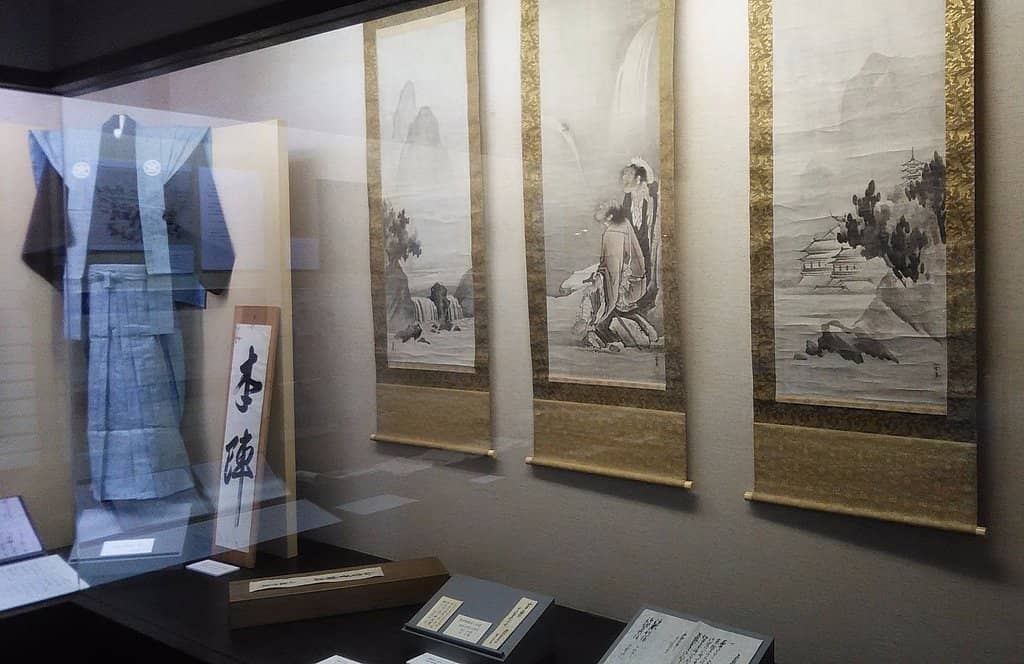
Nakaji Yuto Memorial Museum
Second Floor
Admire the vibrant paintings of Lake Country by artist Nakaji Yuto, inspired by local scenery.

Buddhas of Higashiomi Exhibition
Third Floor (Special Exhibition Room)
View important Buddhist statues, including the unique 'Shokannon' and 'Half-Leg Maitreya Bodhisattva'.
Plans like a pro.
Thinks like you
Planning Your Visit
Combo Ticket Savvy
Language & Exhibits
Best Times
Insider Tips
from TikTok, Instagram & Reddit
🎟️ Combo Ticket Value
Save money with the Omi combo ticket if visiting multiple sites.
🗣️ Language Support
An informative pamphlet is available, but exhibits are mainly in Japanese.
📸 Photography Rules
Photography is allowed for some statues, but social media posting is prohibited.
🚶♀️ Pre-Kondo District Visit
Visit before exploring Kondo district for context.
Tips
from all over the internet
🎟️ Combo Ticket Value
Save money with the Omi combo ticket if visiting multiple sites.
🗣️ Language Support
An informative pamphlet is available, but exhibits are mainly in Japanese.
📸 Photography Rules
Photography is allowed for some statues, but social media posting is prohibited.
🚶♀️ Pre-Kondo District Visit
Visit before exploring Kondo district for context.
⚖️ Interactive Displays
Try carrying a balance pole or furoshiki for a hands-on experience.
What Travellers Say
Reviews Summary
Visitors find the Omi Merchant Museum offers a valuable glimpse into the history and practices of Omi merchants, with interactive elements and a dedicated art exhibition. While some exhibits may be primarily in Japanese, the combo ticket provides good value for exploring the region's culture.
"Many of the exhibits seemed to be being changed when visited. One large room in Japanese on the second floor was open but they did give an informative pamphlet. Costs 300 yen or part of 1000 yen Omi combo ticket. Best skipped if you don't speak English and don't have the combo ticket."
Mathew Fedley
"Exuberantly soaked in Omi spirit"
Jimmy R
"I went to see the "Buddhas of Higashiomi," an exhibition currently being held to commemorate the 20th anniversary of Higashiomi City's incorporation.
The exhibition is on the third floor.
The catalog is on sale at the reception for 1,500 yen, and you will receive a ticket for both the Buddhist statue exhibition and the Nakaji Yuto Memorial Museum.
The Buddhist statue exhibition is being held in a special exhibition room on the third floor, and after showing your admission ticket at the reception at the entrance, you can enter to see the "Shokannon" statue from Jigenji Temple, an Important Cultural Property, and the "Half-Leg Maitreya Bodhisattva" from Baekje Temple, a city-designated cultural property, displayed in glass cases so you can worship the Buddha in 360 degrees.
The statue from Jigenji Temple is in very good condition, and is unique in that its left hand is clutching a yoraku ornament.
While the statues at Jigenji and Baekje Temple can be viewed in 360 degrees, unfortunately, the other Buddhas can only be viewed from the front. While I was able to see the Taishakuten statue at Hounji Temple, an Important Cultural Property, and the Jizo Bodhisattva (city-designated cultural property) that serves as the principal image at Ishiba Temple, I wanted to see them in their entirety.
The other exhibit at Baekje Temple, the half-seated Nyoirin Kannon statue, will be on display from December 2nd.
Photography is allowed on several statues, including the one at Baekje Temple, but posting them to social media is prohibited. (Be careful of reflections on the glass.)
The permanent exhibition is in the next room, and it contains detailed information about the Omi merchants.
The Nakaji Yuhito Memorial Museum on the second floor displays paintings and sketches."
井野口KEIGENN
What People Like
What People Dislike
Frequently Asked Questions
🚇 🗺️ Getting There
The museum is a 20-minute walk west from Gokasho Station on the Omi Railway.
Information on parking is not widely available, but public transport is recommended.
While specific bus routes aren't detailed, the proximity to Gokasho Station suggests local bus services might be an option.
The Omi Railway is a convenient option from surrounding areas, with a short walk from Gokasho Station.
Details on accessibility are limited, but it's advisable to check with the museum directly for specific facilities.
🎫 🎫 Tickets & Entry
The admission fee is 300 yen. It's also often included in the 1000 yen Omi combo ticket.
The Omi combo ticket offers a discounted rate if you plan to visit multiple attractions.
Specific opening hours are not consistently detailed, but it's best to check locally or on their official website if available.
Information on online ticket purchasing is not readily available; purchasing on-site is the typical method.
No, there is a 300 yen admission fee, though it can be part of a combo ticket.
🎫 🧭 Onsite Experience
You'll find exhibits on the history, business practices, and lifestyles of Omi merchants, as well as art by Nakaji Yuto and special Buddhist statue exhibitions.
Audio guides are not explicitly mentioned, but an informative pamphlet is provided.
Photography is permitted for some exhibits, but social media posting is prohibited. Always check signage.
A visit can take anywhere from 1 to 2 hours, depending on your interest in the exhibits.
Yes, you can try carrying a balance pole or furoshiki wrapping cloth, mimicking Omi merchants.
🍽️ 🍽️ Food & Dining
There are no specific mentions of dining facilities within the museum itself.
You'll likely find local eateries in Gokasho Town, especially if you visit before or after exploring the Kondo district.
It's generally advisable not to consume food or drinks inside museums; check for specific policies.
Exploring local restaurants in Gokasho Town will offer opportunities to try regional specialties.
While not inside the museum, nearby cafes or shops in Gokasho Town might offer resting spots.
📸 📸 Photography
Photography is allowed for certain exhibits, but posting images on social media is prohibited.
Some Buddhist statues may allow photography, but always look for signage and respect restrictions.
As photography is restricted, focus on respecting the rules rather than optimal lighting conditions.
Flash photography is typically prohibited in museums to protect artifacts; adhere to all posted signs.
The art by Nakaji Yuto and some of the Buddhist statues might be visually appealing, within the allowed photography areas.
For Different Travelers
Tailored advice for your travel style
👨👩👧 Families with Kids
While the historical context might be complex, the visual elements and interactive components can make it an educational outing. Consider visiting during less crowded times to allow children more space to explore and engage with the exhibits. The Nakaji Yuto art exhibition also offers a visual treat that might appeal to younger visitors.
💰 Budget Travelers
This ticket strategy allows you to experience more of the region's cultural offerings without breaking the bank. Prioritize visiting the museum in conjunction with other sites covered by the combo ticket to maximize your savings.
🏛️ History Buffs
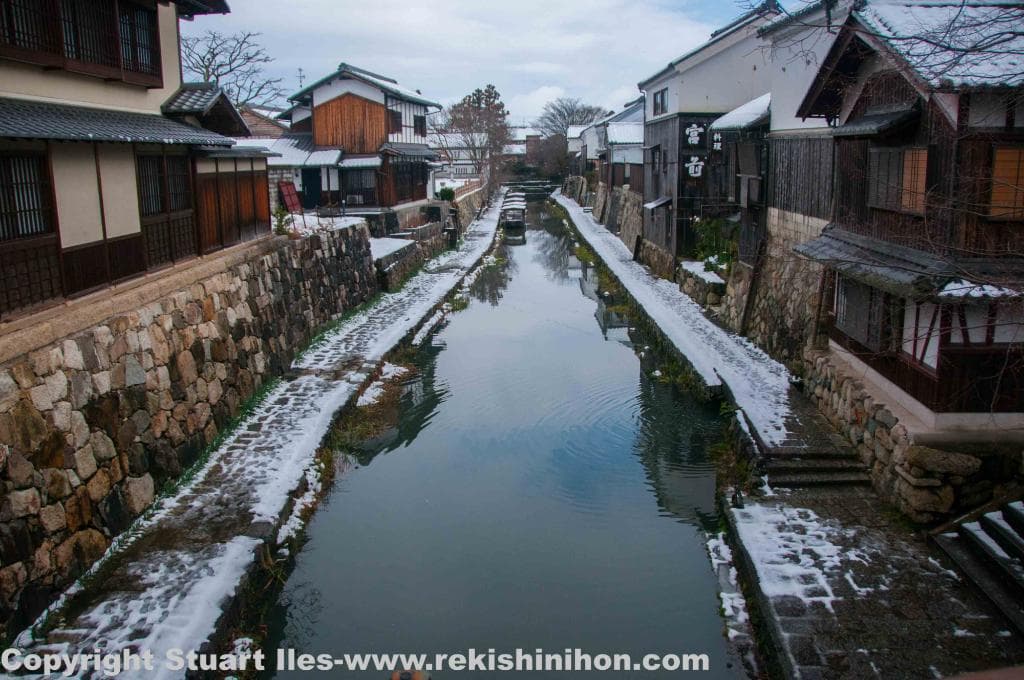
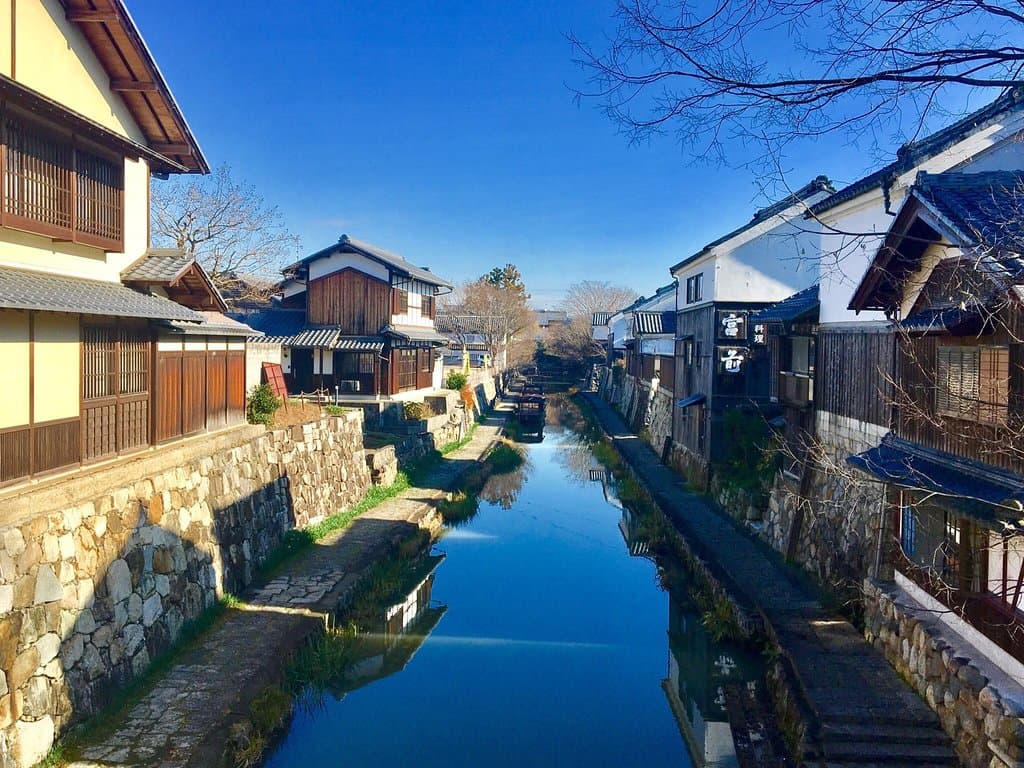
Combine your visit with an exploration of the nearby Kondo district of Gokasho Town to see the historical townscape that was shaped by these merchants. The special exhibitions, like the 'Buddhas of Higashiomi,' also provide opportunities to delve into different facets of regional history and culture.
Deep Dives
In-depth insights and expert knowledge
The Legacy of Omi Merchants
Visitors can learn about their unique business precepts, family traditions, and educational philosophies. The museum also highlights how these merchants adapted to changing economic landscapes and how their affiliated businesses continue to thrive today. Experiencing the interactive elements, such as trying to carry a balance pole or a chest of 1000 ryo, provides a tangible connection to the past and a deeper appreciation for their entrepreneurial spirit.
Understanding the Omi merchants enriches the experience of visiting historical districts like Gokasho Town, as it provides context for the prosperity and architectural styles of the era. The museum serves as an excellent starting point for appreciating the economic and cultural impact of these remarkable traders on Japanese history.
Artistic Inspiration: Nakaji Yuto
The collection features numerous masterpieces donated to Higashiomi City, showcasing Yuto's skill in depicting rural vistas and the subtle nuances of light and color. His art offers a visual journey through the pristine scenery that captivated him, providing a peaceful and aesthetically pleasing counterpoint to the historical exhibits on the merchant floor.
Visiting the Nakaji Yuto Memorial Museum offers a moment of artistic reflection, allowing visitors to appreciate the natural heritage of the Omi region through the eyes of a dedicated artist. It complements the broader cultural experience of the museum complex by adding a layer of artistic appreciation.
Special Exhibitions: Buddhas of Higashiomi
Exhibits like the 'Shokannon' statue from Jigenji Temple and the 'Half-Leg Maitreya Bodhisattva' from Baekje Temple have been displayed, allowing visitors to admire them in detail, sometimes even in 360-degree views. These statues are often designated as Important Cultural Properties or city-designated cultural assets, highlighting their historical and artistic value.
While photography might be permitted for some of these sacred objects, it's crucial to adhere to the museum's specific rules regarding social media sharing. These special exhibitions add a dynamic and diverse element to the museum's offerings, appealing to those interested in both history and religious art.
Social
from TikTok, Instagram & Reddit