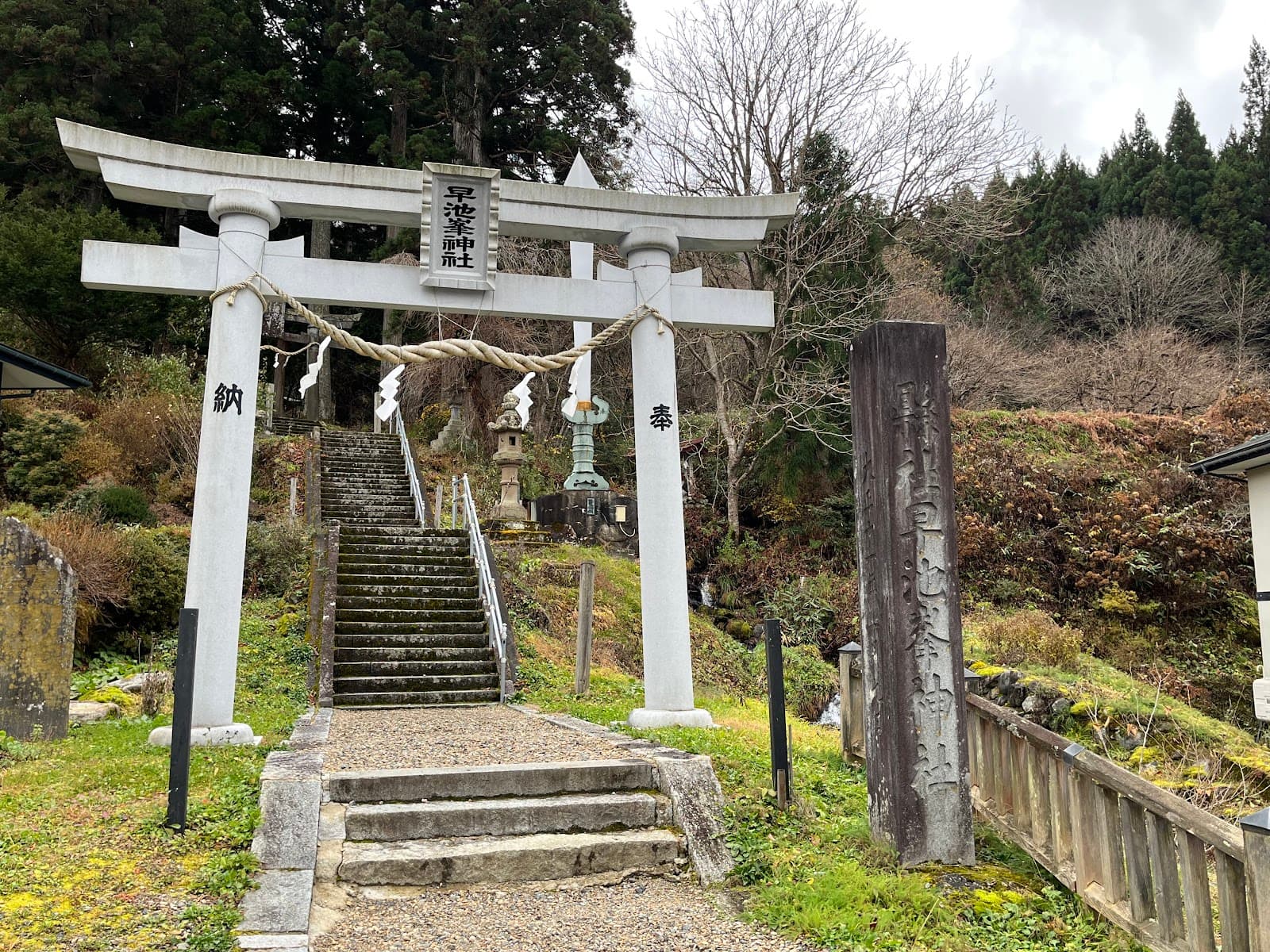
Hayachine Shrine
Discover Hayachine Shrine, a sacred mountain sanctuary in Iwate, home to UNESCO-recognized Kagura performances and ancient folklore.
Highlights
Must-see attractions

Social
From TikTok & Reddit
Best Time
Peaceful, uncrowded visits
Hayachine Shrine
Best Time
Peaceful, uncrowded visits
Highlights
Must-see attractions
Discover Hayachine Shrine, a sacred mountain sanctuary in Iwate, home to UNESCO-recognized Kagura performances and ancient folklore.
"A hidden gem for cultural immersion, though car access is essential for this remote mountain treasure."
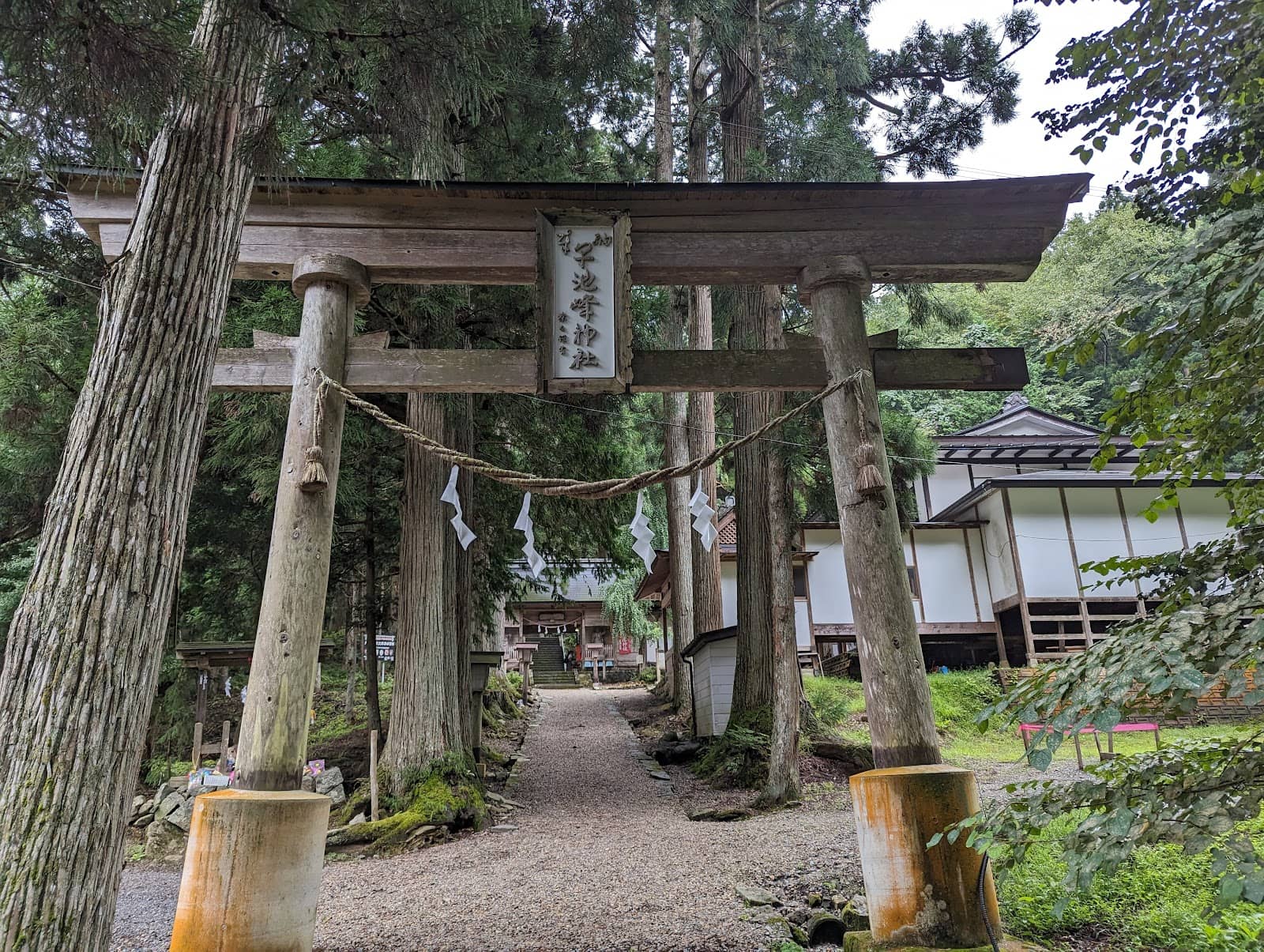
🚗 Car is essential
Public transport is very limited. Renting a car is highly recommended for easy access.
📅 Book Kagura tickets early
Hayachine Kagura performances are popular; secure your tickets and accommodation in advance.

Highlights
Discover the most iconic attractions and experiences
Hayachine Kagura Performances
Witness ancient UNESCO-recognized folk performing arts passed down through generations in this mountain village. A truly unique cultural experience.
Hayachine Shrine Grounds
Main shrine area
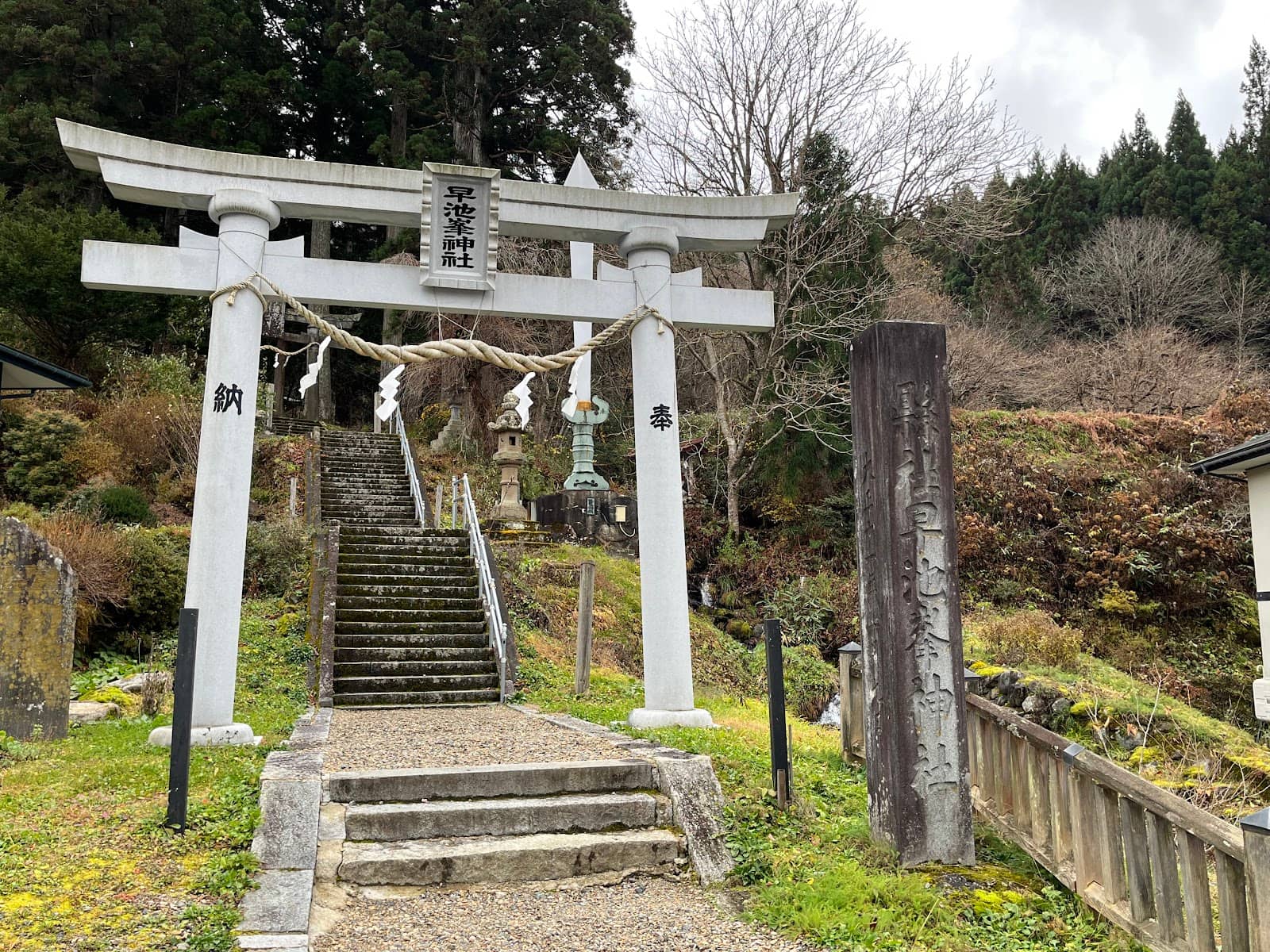
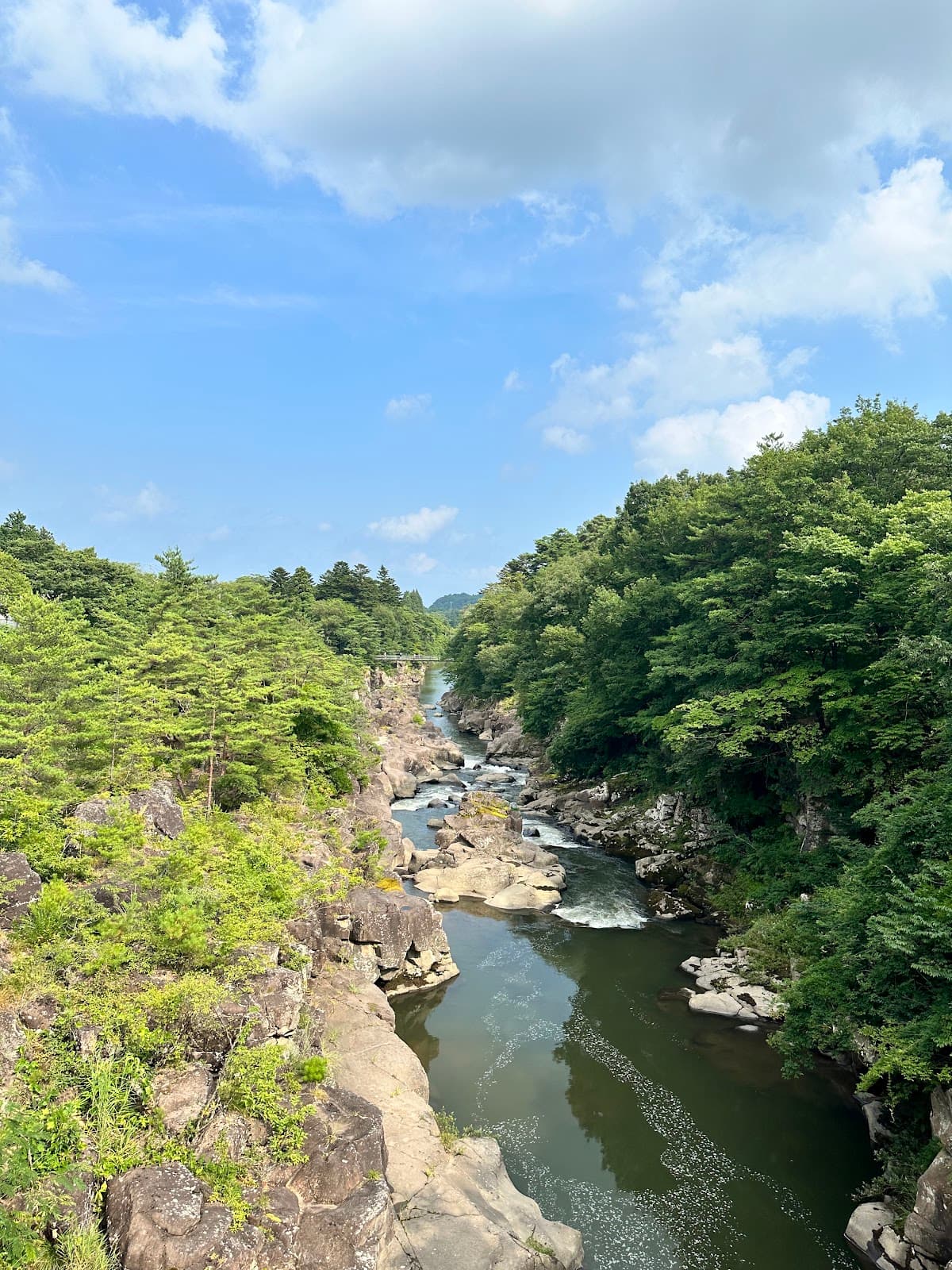
Explore a serene and beautifully maintained shrine complex, dedicated to the water goddess Seoritsuhime, with a clear stream flowing nearby.
Zashiki-warashi Shrine
To the left of the main hall
Pay respects to the 'mountain god' shrine, believed to be home to a zashiki-warashi, a spirit of the dead, with offerings of toys.
Hakuryusha and Money Washing
To the right of the main hall
Visit the Hakuryusha shrine and the popular money-washing spot (zeniarai) for good fortune.
Plans like a pro.
Thinks like you
Planning Your Visit
Accessing Hayachine Shrine
Experiencing Hayachine Kagura
Best Times
Insider Tips
from TikTok, Instagram & Reddit
🚗 Car is essential
Public transport is very limited. Renting a car is highly recommended for easy access.
📅 Book Kagura tickets early
Hayachine Kagura performances are popular; secure your tickets and accommodation in advance.
🙏 Goshuin stamps available
Get your goshuin stamp at Yamatoya guesthouse at the mountain's foot.
🏞️ Enjoy the serene grounds
Visit early morning for a tranquil experience with no crowds.
Tips
from all over the internet
🚗 Car is essential
Public transport is very limited. Renting a car is highly recommended for easy access.
📅 Book Kagura tickets early
Hayachine Kagura performances are popular; secure your tickets and accommodation in advance.
🙏 Goshuin stamps available
Get your goshuin stamp at Yamatoya guesthouse at the mountain's foot.
🏞️ Enjoy the serene grounds
Visit early morning for a tranquil experience with no crowds.
💧 Visit the money washing spot
Cleanse your money at Hakuryusha for good fortune.
What Travellers Say
Reviews Summary
Visitors praise Hayachine Shrine for its serene atmosphere, beautifully maintained grounds, and the profound cultural significance of the Hayachine Kagura performances. The unique folklore associated with the zashiki-warashi and the opportunity to obtain goshuin stamps are also highly appreciated. However, the shrine's remote location and limited public transport are frequently cited as major drawbacks, necessitating car travel for most visitors.
"I went to see the Hayachine Kagura performances on July 31st and August 1st.
It's incredible that such a form of Kagura has been passed down and preserved in this mountain village.
Hayachine Kagura is a form of folk performing art passed down in Oasako Town, Hanamaki City, Iwate Prefecture. It is the collective name for two Kagura performances, "Omasa Kagura" and "Take Kagura," and was registered as an Intangible Cultural Heritage of Humanity by UNESCO in 2009.
The site of Hayachine Shrine is close to Tono, and Miyazawa Kenji also visited there many times.
I got the impression that this is the place where a so-called "story" begins.
I pitched a tent at a campsite near the shrine the day before and stayed the night.
It's a very inconvenient location without a car, so be careful.
I wish they would run a shuttle bus at least when the Kagura performances were being held."
samaru sakiiwa
"Hayachine Shrine is located in Oosakocho, Hanamaki City.
It is located further behind Hayachine Dam.
It appears to have been founded quite a long time ago.
The plaque reads "Hayachineyama Daigongen" and "Hayachineyama"."
大八洲凡太郎
"This is the Hayachine Shrine, which enshrines Seoritsuhime, and is called Gongen-sama.
Although we ended up visiting at around 4pm, Yamatoya at the foot of the mountain was happy to assist us with obtaining a goshuin stamp.
The shrine grounds were equally pleasant.
We also paid our respects to the shrines within the grounds and their branch shrines, and each and every one is cherished. That's the kind of shrine it is.
This is Hayachine Shrine in Hanamaki.
There are also Hayachine Shrines in Tono and Okusha, and I would like to visit again."
あいあむ1077
What People Like
What People Dislike
Frequently Asked Questions
🚇 🗺️ Getting There
Hayachine Shrine is located in Oosakocho, Hanamaki City, Iwate Prefecture. The most convenient way to reach it is by car, as public transportation options are very limited. If you are relying on public transport, be prepared for long waits or consider arranging a taxi from Hanamaki Station.
Yes, there are parking spaces available below and above the shrine. There's also an entrance from the middle, but it's not recommended.
While possible, visiting without a car is inconvenient. Travelers have noted the lack of shuttle buses, especially during Kagura performances, making a car highly advisable for a smoother experience.
Yes, Hayachine Shrine is located close to Tono City, making it possible to combine visits to both locations. This area is rich in local folklore and culture.
For exploring areas like Hayachine Shrine and other attractions in Hanamaki, renting a car offers the most flexibility and convenience.
🎫 🎫 Tickets & Entry
There are no admission tickets required to visit Hayachine Shrine itself. However, if you plan to attend the Hayachine Kagura performances, you will need to purchase tickets for those events.
The shrine grounds are generally accessible during daylight hours. The shrine office may have specific operating hours, but visitors can explore the grounds at their leisure.
Goshuin stamps are available at the shrine office or, if closed, at a nearby guesthouse like Yamatoya at the foot of the mountain. Inquire locally for the most up-to-date information.
The Hayachine Kagura performances are typically held on July 31st and August 1st each year. It's crucial to check the official schedule for exact dates and times.
No, there is no entrance fee to visit Hayachine Shrine. The grounds are open for visitors to explore freely.
🎫 🏞️ Onsite Experience
Hayachine Shrine enshrines Seoritsuhime, who is known as the water goddess. The shrine is also referred to as Hayachineyama Daigongen.
The grounds are known for being beautifully maintained, featuring a clear stream flowing alongside the approach. Visitors often describe the atmosphere as serene and cherished by locals.
A zashiki-warashi is a type of spirit believed to inhabit houses in Japanese folklore, often bringing good fortune. There is a shrine dedicated to the 'mountain god' to the left of the main hall, believed to be home to a zashiki-warashi.
Yes, to the right of the main hall, there is a place called Hakuryusha where you can wash your money (zeniarai) for good luck.
The Morioka Nanbu family worshipped Mount Hayachine, and their family crest, a crane facing the grounds, is featured on the shrine's goshuin stamps and amulets.
🎫 🎭 Cultural Significance
Hayachine Kagura is a form of folk performing art passed down in Oasako Town, Hanamaki City, Iwate Prefecture. It comprises two performances, 'Omasa Kagura' and 'Take Kagura,' and is recognized as a UNESCO Intangible Cultural Heritage.
The shrine's location and historical context, visited by figures like Miyazawa Kenji, lend it an aura of being a starting point for narratives and cultural exploration.
The Somin Festival (also referred to as Sumin Festival) is an event held at Hayachine Shrine, typically around March 17th. It's a significant local festival.
The shrine grounds contain the ruins of Myosen-ji Temple, a vestige of the Shinbu Bunri period, which aimed to separate Shinto and Buddhist practices.
Hayachine Kagura has been meticulously passed down and preserved in the mountain village, ensuring its continuation as a vital part of local heritage.
For Different Travelers
Tailored advice for your travel style
👨👩👧 Families with Kids
Key recommendations for families:
* Plan transportation meticulously: A rental car is almost a necessity. Ensure you have child-friendly car seats if needed.
* Pack snacks and drinks: Amenities are limited, so bring provisions for the day.
* Engage with the folklore: Share stories about zashiki-warashi to make the visit more magical.
* Consider visiting during off-peak hours: Early mornings offer a peaceful environment for children to explore without crowds.
⛩️ Cultural Enthusiasts
Tips for cultural immersion:
* Research Hayachine Kagura: Understand the history and significance of the performances before attending.
* Explore the shrine's history: Learn about Seoritsuhime, the Morioka Nanbu family, and the Shinbu Bunri period.
* Seek out local stories: The area around Hayachine Shrine is steeped in folklore, which can enhance your understanding of the place.
🚗 Road Trip Adventurers
Road trip essentials:
* Reliable vehicle: Ensure your car is in good condition for mountain driving.
* Navigation: Download offline maps as cell service can be spotty.
* Flexibility: Be prepared for potential detours or unexpected stops to enjoy the scenery.
* Combine with Tono: Hayachine Shrine is conveniently located near Tono City, famous for its folklore, making it a perfect addition to a regional road trip.
Deep Dives
In-depth insights and expert knowledge
The Mystique of Hayachine Kagura
Attending a Kagura performance is often described as an immersive experience, deeply rooted in the local landscape and history. The performances are not just entertainment but a spiritual and cultural expression that resonates with the essence of the region. Planning your visit around these specific dates is crucial for those seeking to witness this unique spectacle.
While the performances are the main draw for many, understanding their significance adds another layer to the visit. The intricate choreography, traditional music, and spiritual undertones all contribute to the captivating nature of Hayachine Kagura, making it a highlight for cultural enthusiasts.
Navigating Access and Amenities
Once you arrive, parking is available at different levels of the shrine. While the main approach is from the west, alternative paths exist. For those seeking a tangible memento, goshuin stamps are available. While the shrine office might be closed, visitors have found success in obtaining these stamps at nearby guesthouses, such as Yamatoya located at the foot of the mountain. This local hospitality ensures that even outside official hours, visitors can still engage with the shrine's traditions.
The shrine grounds themselves are a testament to careful maintenance. A clear stream flows alongside the approach, adding to the tranquil ambiance. Visitors often remark on the peacefulness of the grounds, especially when visited in the early morning, allowing for a solitary and reflective experience. The presence of amenities like the money-washing spot (zeniarai) at Hakuryusha adds a touch of local custom and charm to the visit.
Exploring the Sacred Grounds
To the right of the main hall lies the Hakuryusha shrine and the popular money-washing spot (zeniarai). This is a place where visitors can cleanse their coins and bills, a ritual believed to bring financial prosperity. The practice is a charming blend of spiritual belief and practical aspiration, making it a memorable part of the shrine visit.
The historical layers of Hayachine Shrine are also evident. The grounds bear remnants of Myosen-ji Temple, a former Buddhist establishment, reflecting the historical intertwining and subsequent separation of Shinto and Buddhist practices in Japan. The Morioka Nanbu family crest, a crane, is prominently featured on goshuin stamps and amulets, signifying the historical patronage and reverence for Mount Hayachine by this influential clan.


Social
from TikTok, Instagram & Reddit