
Mount Hakusan Hiking Trails
Explore Japan's sacred peaks, ancient forests, and charming villages in Hakusan National Park, a UNESCO Biosphere Reserve.
Highlights
Must-see attractions

Social
From TikTok & Reddit
Best Time
Clearer skies, fewer crowds
Mount Hakusan Hiking Trails
Best Time
Clearer skies, fewer crowds
Highlights
Must-see attractions
Explore Japan's sacred peaks, ancient forests, and charming villages in Hakusan National Park, a UNESCO Biosphere Reserve.
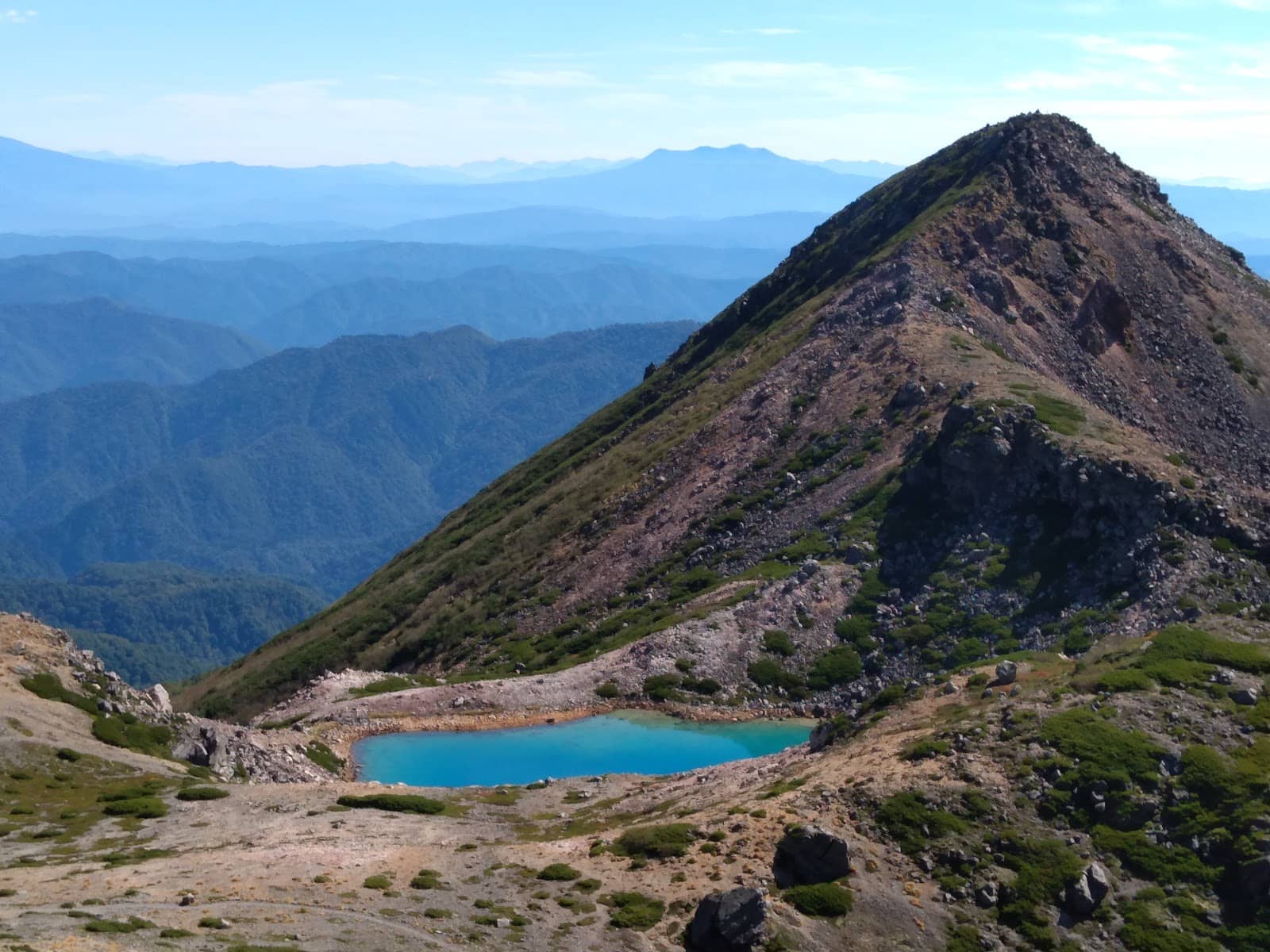
"Simply breathtaking scenery, a jewel of nature offering a different experience from major cities."

📞 Call Ahead for Road Status
Roads can close due to landslides. Always call the park office the day before to confirm access to Mount Hakusan trails .
🥾 Sturdy Footwear is Key
Trails can be steep and rocky. Invest in good hiking shoes and consider trekking poles for stability .

Highlights
Discover the most iconic attractions and experiences
Mount Hakusan Summit
Mount Hakusan
Experience breathtaking panoramic views from the peak of one of Japan's three holy mountains.
Traditional Mountain Villages
Base of Mount Hakusan
Step back in time exploring charming villages with unique architecture and local culture.

Old-Growth Forests
Lower slopes of Mount Hakusan
Wander through ancient forests of fir, pine, and Japanese cedar, a truly serene natural escape.
Hot Springs
Various locations in Hakusan National Park
Relax and rejuvenate in natural hot springs after a day of hiking amidst stunning scenery.
Plans like a pro.
Thinks like you
Planning Your Visit
Trail Conditions & Closures
Essential Gear for Hiking
Best Times
Insider Tips
from TikTok, Instagram & Reddit
📞 Call Ahead for Road Status
Roads can close due to landslides. Always call the park office the day before to confirm access to Mount Hakusan trails.
🥾 Sturdy Footwear is Key
Trails can be steep and rocky. Invest in good hiking shoes and consider trekking poles for stability.
🏕️ Camping Reservations
If planning to camp, book your spot in advance, especially for the campsite with cabins.
🎒 Pack for All Weather
Mountain weather is unpredictable. Bring layers, rain gear, and sun protection for your Mount Hakusan hike.
Tips
from all over the internet
📞 Call Ahead for Road Status
Roads can close due to landslides. Always call the park office the day before to confirm access to Mount Hakusan trails.
🥾 Sturdy Footwear is Key
Trails can be steep and rocky. Invest in good hiking shoes and consider trekking poles for stability.
🏕️ Camping Reservations
If planning to camp, book your spot in advance, especially for the campsite with cabins.
🎒 Pack for All Weather
Mountain weather is unpredictable. Bring layers, rain gear, and sun protection for your Mount Hakusan hike.
🗺️ Explore Alternative Routes
If your primary route is closed, consider exploring nearby mountains like Red Rabbit Mountain for beautiful scenery.
What Travellers Say
Reviews Summary
Visitors praise Hakusan National Park for its breathtaking natural beauty, diverse landscapes ranging from ancient forests to alpine peaks, and the serene experience of exploring traditional mountain villages. The opportunity to relax in hot springs after a hike is a significant draw. However, potential visitors should be aware of the possibility of trail closures due to landslides and the need for careful planning regarding access and gear.
"This is the Red Rabbit Mountain (Akausagiyama / 赤兎山). We were headed for Hakusan, but because of a heavy rains few days before, the road was closed because of the land slide, and we had to wait in a A long queue of cars only to find out that the road is not gonna open until noon. (That’s why, I suggest you to make a call one day before you go there).
Then we decided to explore around and luckily we found another route to Akausagiyama. It’s much lower mountain than Hakusan. The climbing takes only 2.5 hours, but the scenery is beautiful. (With low vegetation, and many red dragonflies, it’s like entering a different world).
Compares to Hakusan, the climbing trail is a little bit steeper, with a huge rocks, and water, so you better have a good shoes and hiking sticks.
So if you ever find yourself in the same situation as us - explore around ^_^"
zlatko divjakovski
"Hakusan National Park (白山国立公園 Hakusan Kokuritsu Kōen) is a national park in the Chūbu region of Honshū, Japan. Established in 1962, it spans the borders of Fukui, Gifu, Ishikawa, and Toyamaprefectures. Its main geographical feature is Mount Haku. In 1980 an area of 480 km² corresponding to the national park was designated a UNESCO Man and the Biosphere Reserve.
The vegetation of the park ranges from warm temperate to alpine zones. The base of the mountains is covered by coniferous forests, dominated by firs, pines (Pinus aristata) and Japanese cedar. Deciduous forests and woodlands, dominated by Mongolian oak and Japanese beech are present. At higher elevations there are open landscapes.
Hakusan is home to the golden eagle, the mountain hawk-eagle and several larger mammal species typical for the Japanese islands, like Japanese macaque, Asiatic black bear, Japanese serow and Sika deer."
Blue Marlin
"Very different scenery u can see from major city in Japan.. Simply breathe taking..."
Humble & Kind
What People Like
What People Dislike
Frequently Asked Questions
🚇 🗺️ Getting There
Access to Mount Hakusan typically involves driving to trailheads. Public transportation options may be limited, so renting a car or arranging private transport is often recommended. Be aware that roads can be subject to closures due to weather conditions.
While not as common as for Mount Fuji, some local operators may offer guided tours for Mount Hakusan, especially during peak season. It's advisable to research and book these in advance.
The main access points are typically from trailheads located in the surrounding prefectures, such as Ishikawa and Gifu. The specific trailhead will depend on the route you plan to take.
Reaching Mount Hakusan solely by public transport can be challenging and time-consuming. Buses may operate to certain base towns, but further travel to trailheads often requires local buses or taxis.
If the main road is closed due to landslides or other issues, consider exploring alternative, lower-elevation mountains in the area, such as Red Rabbit Mountain, which offers beautiful scenery and a shorter hike.
🎫 🎫 Tickets & Entry
Hakusan National Park itself does not typically have an entrance fee. However, there might be fees associated with specific facilities like campgrounds or mountain huts.
Generally, a permit is not required for day hiking on Mount Hakusan. However, if you plan to stay overnight in mountain huts or camp, reservations are usually necessary and should be made well in advance.
The hiking trails on Mount Hakusan are generally accessible year-round during daylight hours. However, access can be restricted during winter months due to heavy snowfall and avalanche risks.
It's highly recommended to book accommodation, including mountain huts and campsites, as early as possible, especially if you plan to visit during the peak summer hiking season. Spots can fill up quickly.
Camping is usually permitted only in designated campgrounds. It's essential to check the park's regulations regarding camping, including any required permits or fees, before your visit.
🎫 🧭 Onsite Experience
The difficulty varies depending on the chosen route. Some trails are challenging with steep ascents and rocky terrain, while others might be more moderate. Proper preparation and gear are essential.
The park is home to various wildlife, including golden eagles, mountain hawk-eagles, Japanese macaques, Asiatic black bears, Japanese serows, and Sika deer. Always maintain a safe distance and do not feed the animals.
Facilities can be limited on the trails. Restrooms are more common at trailheads and near mountain huts. Water sources might be available, but it's advisable to carry enough water or a purification method.
Mountain weather can change rapidly. Expect a wide range of temperatures, from cool at the base to potentially cold at the summit, with possibilities of rain, fog, and strong winds, even in summer.
Some routes are suitable for a challenging day hike, but many visitors opt for an overnight stay to fully experience the mountain and reach the summit comfortably. This also allows for enjoying the sunrise or sunset.
🍽️ 🍽️ Food & Dining
Food options are very limited on the mountain itself. You'll find basic provisions at some mountain huts, but it's best to pack your own snacks and meals for the hike. Restaurants are available in the towns at the base of the mountain.
Mountain huts typically offer simple meals, often including rice, miso soup, and local dishes. These are usually hearty and designed to refuel hikers. Reservations are often required for meals.
Yes, bringing your own food and snacks is highly encouraged. Ensure you pack out all your trash to help preserve the natural environment of Hakusan National Park.
Options can be limited, especially at mountain huts. It's advisable to inquire in advance if you have specific dietary needs or to pack your own suitable food.
The towns and villages surrounding Hakusan National Park offer local Japanese cuisine. Look for restaurants serving regional specialties for an authentic dining experience.
📸 📸 Photography
The summit offers incredible panoramic views, especially at sunrise and sunset. The diverse landscapes, including old-growth forests, alpine meadows, and traditional villages, also provide numerous photographic opportunities.
A versatile lens (e.g., wide-angle for landscapes and a telephoto for wildlife) is recommended. Consider a sturdy tripod for low-light conditions and a rain cover for your camera.
Yes, the park is home to various wildlife. However, patience and a good telephoto lens are necessary. Always maintain a safe distance and avoid disturbing the animals.
The 'golden hours' around sunrise and sunset offer the most dramatic lighting for landscape photography. Midday can be harsh, but it's good for capturing details in forests.
Generally, photography is allowed for personal use. However, be mindful of any specific regulations regarding drone usage or photography in sensitive ecological areas.
For Different Travelers
Tailored advice for your travel style
👨👩👧 Families with Kids
Packing plenty of snacks and water is essential, as facilities can be sparse. The traditional mountain villages offer a glimpse into local life and can be a more relaxed experience for families. If road closures prevent access to higher trails, exploring accessible areas or nearby, less challenging mountains like Red Rabbit Mountain can provide a rewarding outdoor adventure without the extreme demands of a full summit climb.
🏕️ Budget Travelers
Packing your own food and snacks is also a key strategy for saving money. While mountain huts offer meals, they come at a premium. By preparing your own meals, you can significantly reduce your expenses. Utilizing public transport as much as possible, though potentially time-consuming, can also help cut down on travel costs compared to private car rentals.
🚶♀️ Solo Adventurers
Deep Dives
In-depth insights and expert knowledge
Navigating Mount Hakusan Trails
When planning your hike, it's crucial to check trail conditions beforehand. Heavy rainfall can lead to landslides, causing road and trail closures, as seen with the Red Rabbit Mountain detour.
For those seeking a more immersive experience, overnight stays are possible via mountain huts or designated campsites. Booking these in advance is highly recommended, especially during the peak summer season. Remember to pack appropriately for variable mountain weather, including layers, rain gear, and sun protection, to ensure you are prepared for whatever conditions you encounter on Mount Hakusan.
Wildlife and Biodiversity of Hakusan National Park
The park's biodiversity extends to its flora, with ancient forests dominated by firs, pines, and Japanese cedar at lower elevations. As you ascend, you'll encounter Mongolian oak and Japanese beech woodlands, eventually giving way to open alpine landscapes. This varied vegetation supports a healthy ecosystem, making the park a vital conservation area and a fascinating destination for nature enthusiasts.
Visitors are reminded to observe wildlife from a safe distance and to avoid feeding animals to maintain their natural behaviors and ensure the safety of both humans and animals. Respecting the park's natural inhabitants is key to preserving the delicate balance of this UNESCO Man and the Biosphere Reserve.
Exploring Beyond the Summit: Alternative Hikes
These alternative hikes often feature their own distinct charm. Red Rabbit Mountain, though less demanding than Hakusan, presents a steeper, rockier trail that requires good footwear and hiking sticks.
Embracing these alternative routes not only showcases the diverse topography of the region but also offers a chance to discover hidden gems and enjoy a less crowded hiking experience. It's a testament to the adventurous spirit that even unexpected detours can lead to memorable discoveries.
Social
from TikTok, Instagram & Reddit