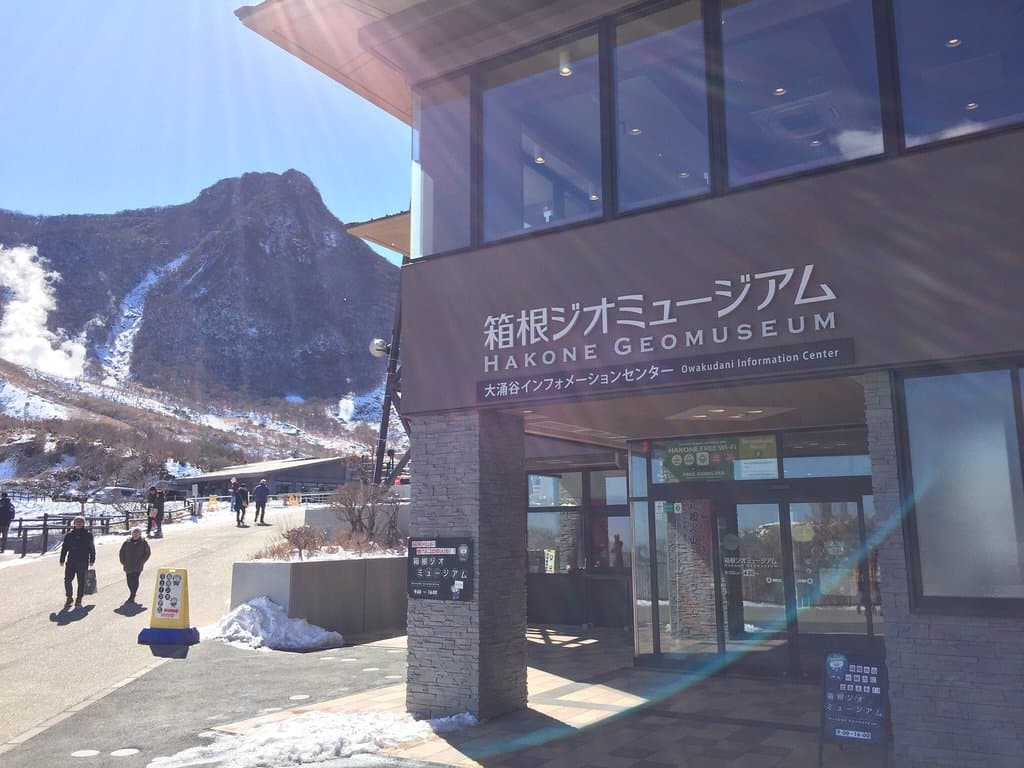
Hakone GeoMuseum
Discover Hakone's volcanic heart! This small museum offers interactive exhibits on caldera formation, geothermal activity, and the famous black eggs.
Highlights
Must-see attractions
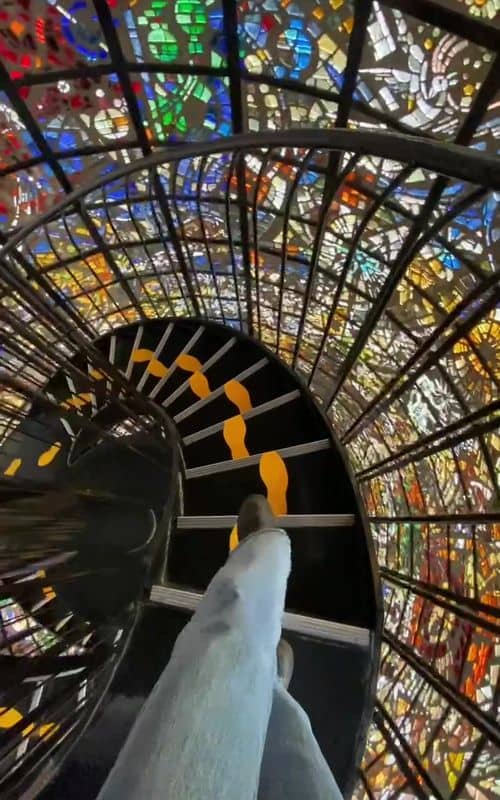
Social
From TikTok & Reddit
Best Time
Fewer crowds, more interaction
Hakone GeoMuseum
Best Time
Fewer crowds, more interaction
Highlights
Must-see attractions
Discover Hakone's volcanic heart! This small museum offers interactive exhibits on caldera formation, geothermal activity, and the famous black eggs.
"A hidden gem offering fun, interactive learning about Hakone's geology for just 100 yen!"
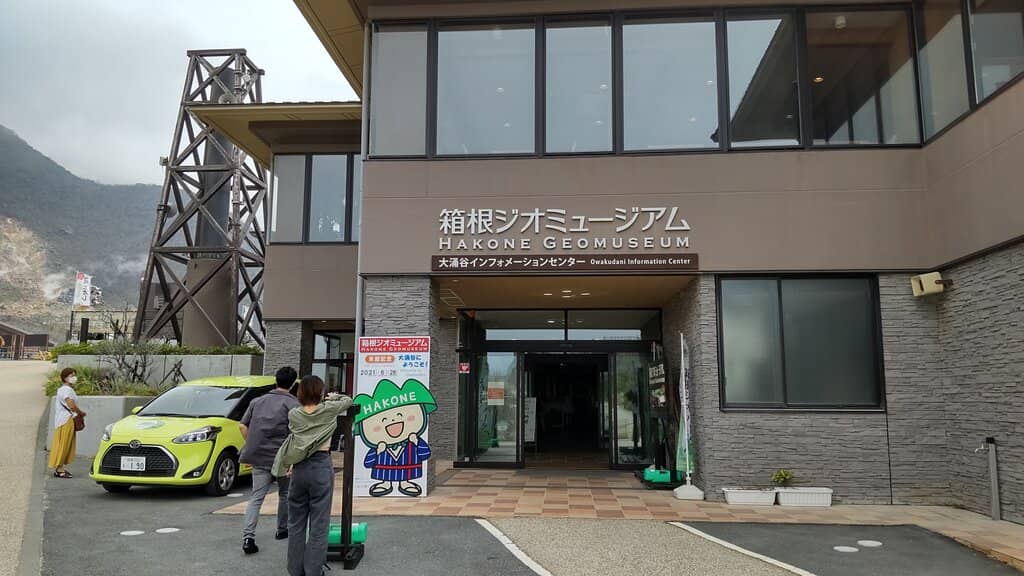
🎯 Low Entry Fee!
Incredibly affordable at just 100 yen, making it a fantastic value for the educational experience.
🤝 Friendly & Helpful Staff
Visitors often praise the staff for their warmth and willingness to assist, enhancing the visit.
Highlights
Discover the most iconic attractions and experiences
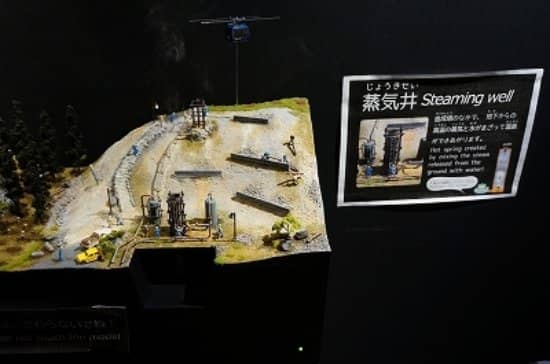
Interactive Geological Displays
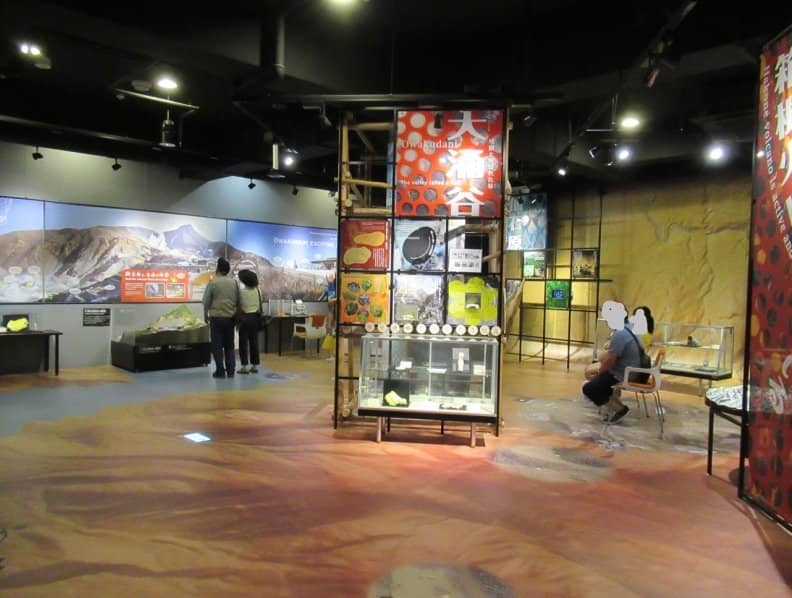
Main Exhibition Hall
Engage with hands-on exhibits, topographic models, and real-time seismic data to understand Hakone's volcanic past and present.
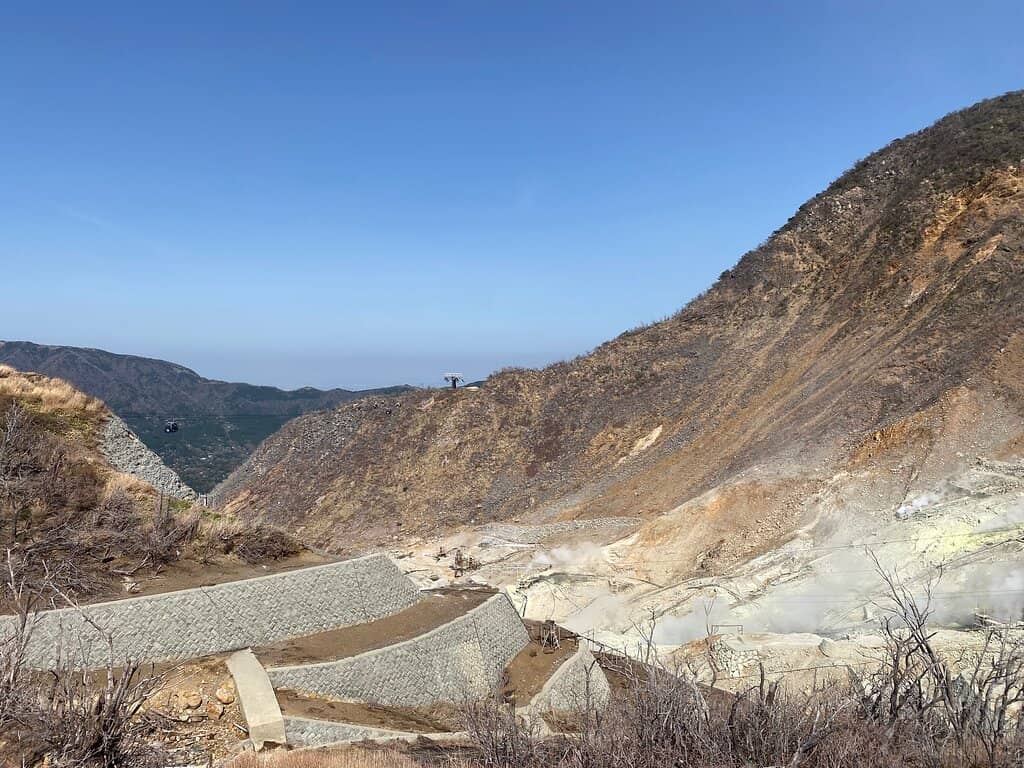
Owakudani Black Egg Connection
Exhibits and Gift Shop
Discover the science behind the famous sulfur-boiled black eggs and their cultural significance.

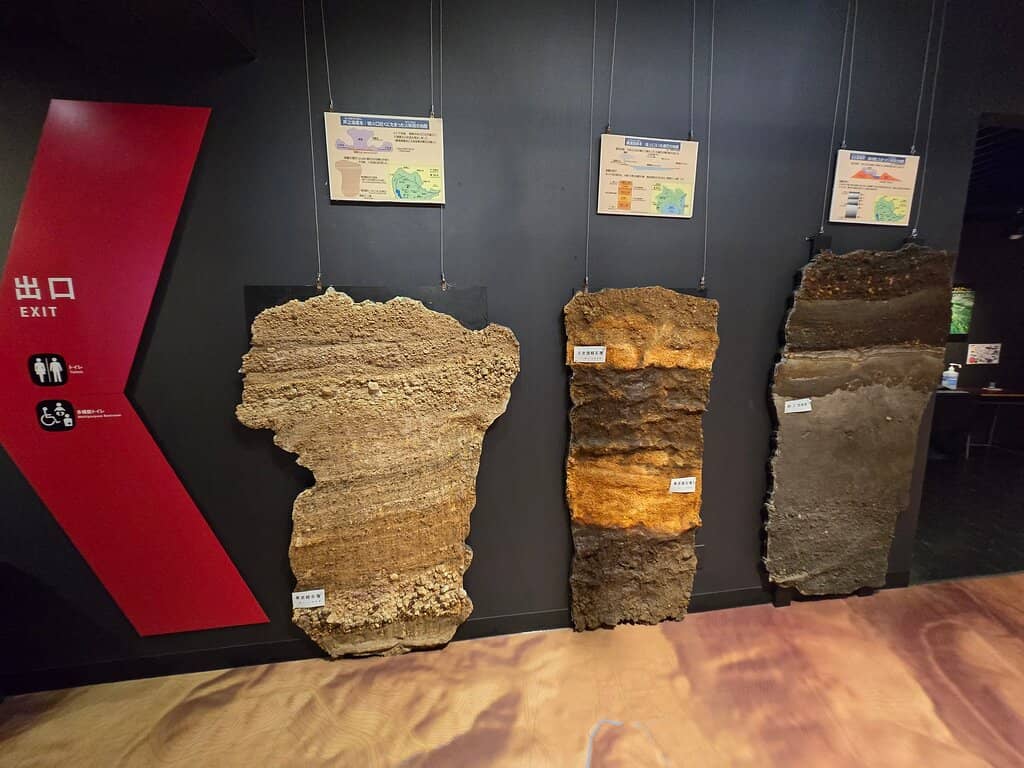
Caldera Formation Insights
Topographic Models
Visualize how the Hakone caldera was formed through ancient eruptions and tectonic activity.
Plans like a pro.
Thinks like you
Planning Your Visit
Understand Hakone's Volcanic Heart
Combine with Owakudani Exploration
Best Times
Insider Tips
from TikTok, Instagram & Reddit
🎯 Low Entry Fee!
Incredibly affordable at just 100 yen, making it a fantastic value for the educational experience.
🤝 Friendly & Helpful Staff
Visitors often praise the staff for their warmth and willingness to assist, enhancing the visit.
🧒 Kid-Friendly Activities
Features like stamp trails, coloring stations, and microscopes make it engaging for younger visitors.
🗺️ Stamp Trail Fun
Complete the stamp trail for a fun, interactive way to learn and receive a small souvenir.
Tips
from all over the internet
🎯 Low Entry Fee!
Incredibly affordable at just 100 yen, making it a fantastic value for the educational experience.
🤝 Friendly & Helpful Staff
Visitors often praise the staff for their warmth and willingness to assist, enhancing the visit.
🧒 Kid-Friendly Activities
Features like stamp trails, coloring stations, and microscopes make it engaging for younger visitors.
🗺️ Stamp Trail Fun
Complete the stamp trail for a fun, interactive way to learn and receive a small souvenir.
💡 Educational Context
Provides crucial background on Hakone's geology, enriching your understanding of the surrounding natural wonders.
What Travellers Say
Reviews Summary
Visitors praise the Hakone GeoMuseum as a delightful and highly affordable educational stop, particularly for its interactive exhibits and family-friendly atmosphere. While small, it effectively explains the region's volcanic geology and the science behind the famous black eggs, making it a valuable complement to exploring Owakudani. The low entry fee and friendly staff further enhance its appeal.
"Located near the dramatic landscape of Owakudani, the Hakone Geo Museum offers a concise yet informative look into the region’s rich geological history. It’s a perfect stop for travelers who want to understand the forces that shaped Hakone’s iconic terrain—from ancient eruptions to modern geothermal activity. While the museum is relatively small, it’s thoughtfully curated, making it easy to absorb key insights without feeling overwhelmed.
Inside, you’ll find interactive displays, topographic models, and multilingual panels that explain the formation of the Hakone caldera, the role of tectonic plates, and the ongoing volcanic monitoring efforts. One highlight is the real-time seismic data feed, which shows current activity in the area—an eye-opening reminder that Hakone is very much alive beneath the surface.
The museum also covers the cultural and ecological impact of volcanic activity, including how local communities have adapted to the environment. Exhibits on hot springs, sulfur mining, and the famous black eggs of Owakudani help connect the science to everyday experiences.
Staff are friendly, and the space is clean and well-maintained. It’s a great educational complement to the sensory experience of walking through Owakudani itself. Whether you're a geology buff or just curious, the Hakone Geo Museum adds depth and context to your Hakone adventure."
Kiet Ly
"Really cute little museum- colouring which you could add to their gallery, a stamp trail and some interesting exhibits. Kids loved looking through microscope too and they got given a little bookmark for completing the trail. Very sweet staff!"
Sarah Thomas
"The Hakone Geomuseum is honestly such a hidden gem! I wasn’t expecting it to be this fun, but it’s super interactive, and I learned a ton about the local rock formations and the crazy volcanic history around Hakone. There are hands-on exhibits, which make it way more interesting than your typical museum. And get this—it's only 100 yen to get in! Totally worth it for what you get. If you're in the area, it’s definitely worth checking out."
Raya Fares
What People Like
What People Dislike
Frequently Asked Questions
🚇 🗺️ Getting There
The Hakone GeoMuseum is conveniently located near Owakudani. You can reach it as part of the Hakone Ropeway journey, which is a popular way to explore the area. Many visitors combine it with a trip to Owakudani itself.
Yes, the museum is situated along the route of the Hakone Ropeway, making it a natural stop during your exploration of the Owakudani volcanic valley.
Absolutely! Hakone is a popular day trip destination from Tokyo, and the GeoMuseum can easily be incorporated into your itinerary, often alongside other attractions like Hakone Shrine or Lake Ashi. +2
Many travelers recommend the Hakone Free Pass, which covers various modes of transport including the Hakone Ropeway, buses, and boats, making it easy to get to the GeoMuseum and other sites.
While specific parking details for the museum itself might be limited, there are parking facilities available in the Owakudani area, though it's often more convenient to use public transport like the Hakone Ropeway.
🎫 🎫 Tickets & Entry
The admission fee is remarkably low, typically around 100 yen, making it an extremely affordable and worthwhile stop for educational insights.
Opening hours can vary, so it's always best to check the official museum website or local listings before your visit. Generally, it's open during typical daytime hours.
Given the low entry fee and the nature of the museum, advance booking is usually not required. You can typically purchase tickets upon arrival.
While the base price is already very low, keep an eye out for potential package deals if you're using transport passes like the Hakone Free Pass, though specific discounts are not widely advertised.
The Hakone Free Pass covers transportation to the area, but admission to the GeoMuseum itself is a separate, very small fee. It's not typically included in transport-only passes.
🎫 🧭 Onsite Experience
You can explore interactive exhibits on geology, see topographic models of the Hakone caldera, learn about volcanic activity, and discover the science behind the Owakudani black eggs. There are also kid-friendly activities like stamp trails.
Yes, it's very family-friendly! Kids often enjoy the interactive displays, stamp trails, coloring stations, and looking through microscopes.
Most visitors spend around 30-60 minutes at the museum, depending on their level of interest and engagement with the exhibits. It's a concise yet informative visit.
The museum provides multilingual panels, including English, to help international visitors understand the exhibits on geology and volcanic activity.
Photography is generally permitted inside the museum for personal use, but it's always a good idea to check for any specific signage or ask staff if you're unsure.
🍽️ 🍳 Food & Dining
The museum itself is quite small and doesn't typically have a full restaurant. However, there are usually vending machines or small snack options available.
The Owakudani area offers some food stalls where you can try the famous black eggs. For more substantial meals, you'll find restaurants and cafes at various stops along the Hakone Ropeway or in nearby towns like Gora.
Yes, the black eggs are a specialty of the Owakudani area, and you can often purchase and try them from vendors located near the volcanic valley, which is close to the GeoMuseum.
Hakone offers a range of Japanese cuisine, from traditional ryokan meals to riverside dining experiences. Many visitors also enjoy local specialties and fresh seafood. +1
While traditional Japanese cuisine can be meat and fish-heavy, many restaurants in tourist areas like Hakone are becoming more accommodating. It's advisable to check menus or inquire about vegetarian/vegan options in advance.
📸 📸 Photography
While the interior exhibits offer interesting subjects, the real photographic draw is the proximity to Owakudani's steaming vents and volcanic landscape, which you can see from the museum's vicinity.
Generally, yes, for personal use. However, always look for signs indicating 'no photography' areas, especially for any sensitive displays.
Daylight hours are best for capturing the volcanic landscape of Owakudani. Early morning or late afternoon can offer softer light and fewer crowds.
The museum's theme is geology. While not a 'photo spot' in the traditional sense, understanding the volcanic formations can lead to more insightful photos of the surrounding natural environment.
A versatile lens (like a 24-70mm equivalent) is useful for landscapes and exhibits. A wide-angle lens can be great for capturing the vastness of Owakudani. Consider a polarizing filter for reducing glare on volcanic rocks and water.
For Different Travelers
Tailored advice for your travel style
👨👩👧 Families with Kids
Parents will appreciate that the museum offers a clear and simple explanation of the volcanic activity in the area, which can enhance the experience of visiting nearby Owakudani. The friendly staff and the opportunity to look through microscopes add to the overall positive family experience. It’s a compact museum that packs a lot of educational punch for younger visitors.
💡 Budget Travelers
It's a perfect stop to gain context about Hakone's unique geology before or after exploring more expensive attractions. The museum provides a wealth of information about the volcanic landscape, the famous black eggs, and the region's natural history, making it a highly rewarding experience for minimal cost.
🔬 Science & Nature Enthusiasts
The museum effectively bridges the gap between the raw, natural spectacle of Owakudani and a deeper scientific understanding. It’s an ideal place to contextualize the dramatic landscapes you encounter, providing insights into the powerful forces that have shaped and continue to shape this unique region of Japan.
Deep Dives
In-depth insights and expert knowledge
Understanding Hakone's Volcanic Activity
One of the most fascinating aspects covered is the sulfur mining and the unique black eggs (Kuro-Tamago) of Owakudani. The museum explains how the mineral-rich hot springs, containing sulfur and iron, give the eggshells their distinctive black color. It also touches upon the cultural belief that eating these eggs can add years to your life, connecting the scientific phenomenon to local folklore and traditions. This makes the experience of visiting Owakudani much richer, as you understand the 'why' behind what you're seeing and tasting.
Furthermore, the museum emphasizes the importance of volcanic monitoring efforts. With real-time seismic data feeds, visitors get a tangible sense of the area's dynamic nature. This educational component is crucial for appreciating Hakone not just as a tourist destination, but as a living, breathing geological marvel. It’s a reminder that the stunning scenery is a product of powerful natural processes that continue to shape the land.
Family Fun at the GeoMuseum
Beyond the stamp trail, the museum includes interactive stations that allow children to get hands-on with scientific concepts. Looking through microscopes to examine rock samples or engaging with diorama displays provides a tactile learning experience. These elements are designed to spark curiosity and make complex geological ideas accessible and enjoyable for children, turning a potentially dry subject into an exciting adventure.
The overall atmosphere is welcoming and sweet, with staff often noted for their friendliness. This, combined with the low entry fee, makes it an ideal stop for families looking for an educational yet entertaining activity that doesn't break the bank. It’s a great way to add a layer of understanding to the dramatic natural landscapes of Hakone.



Social
from TikTok, Instagram & Reddit