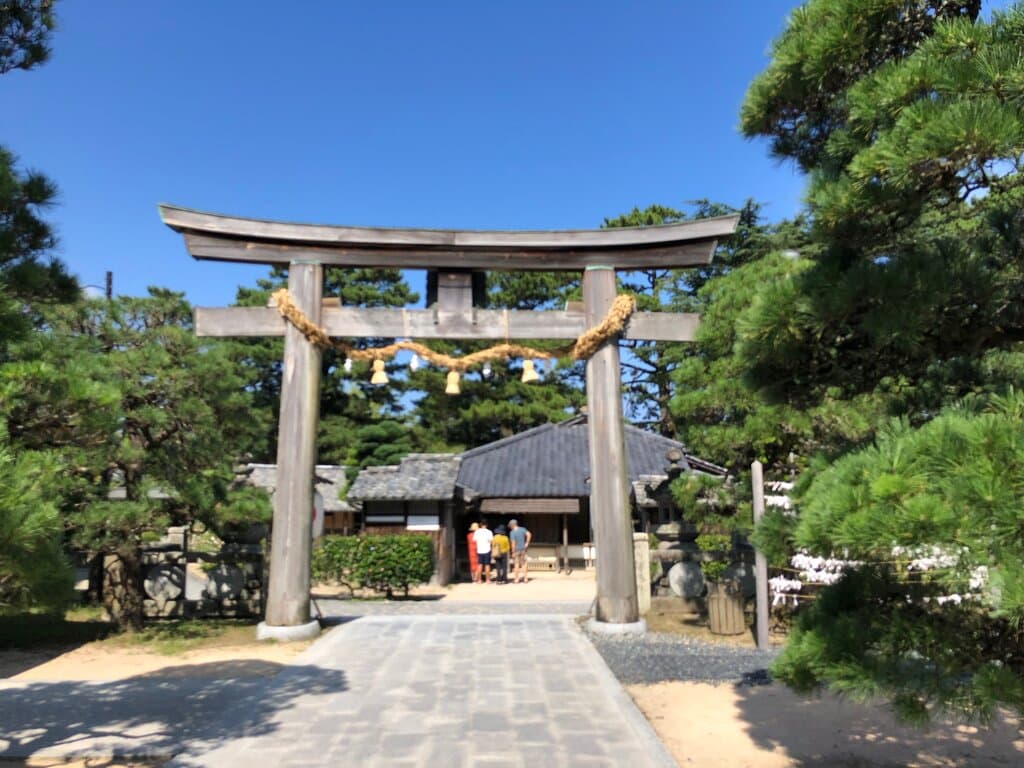
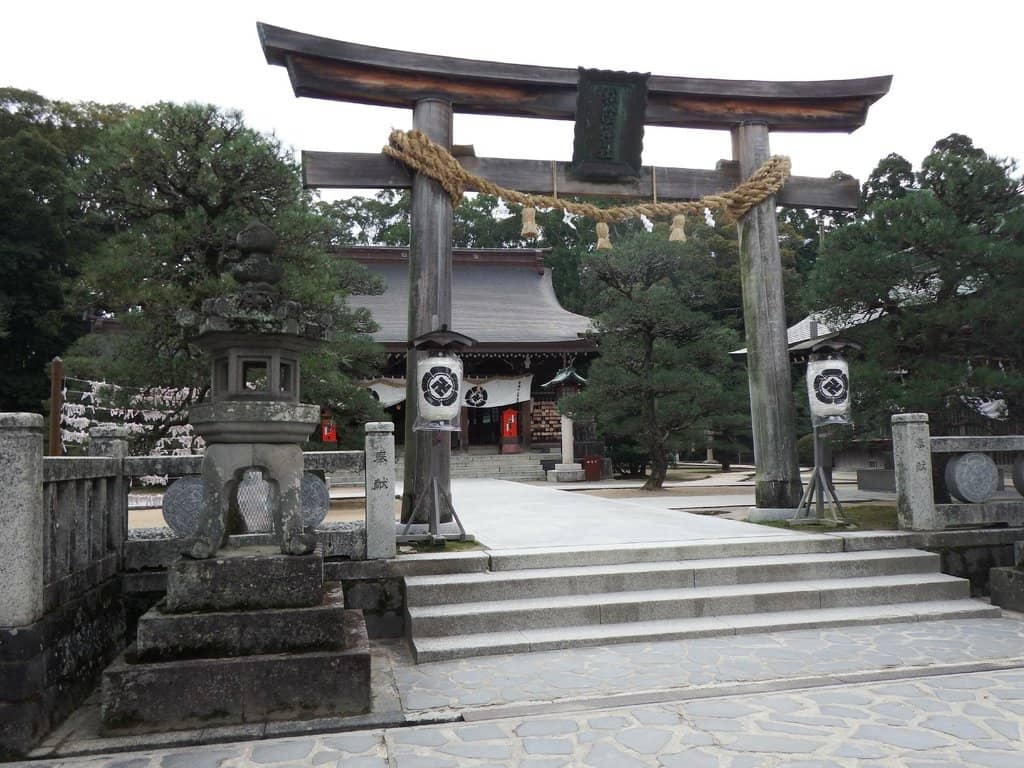
Shoin Shrine
A serene shrine honoring Yoshida Shoin, a pivotal educator whose ideas fueled Japan's Meiji Restoration.
Highlights
Must-see attractions

Social
From TikTok & Reddit
Best Time
Peaceful and uncrowded
Shoin Shrine
Best Time
Peaceful and uncrowded
Highlights
Must-see attractions
A serene shrine honoring Yoshida Shoin, a pivotal educator whose ideas fueled Japan's Meiji Restoration.
"Modern shrine but interesting old buildings and displays about a significant historical figure."
🎯 Embrace the History
Learn about Yoshida Shoin to truly appreciate the shrine's significance .
☀️ Summer Wind Chime Magic
Visit in summer to hear the soothing sounds of furin .

Highlights
Discover the most iconic attractions and experiences
Yoshida Shoin's Legacy
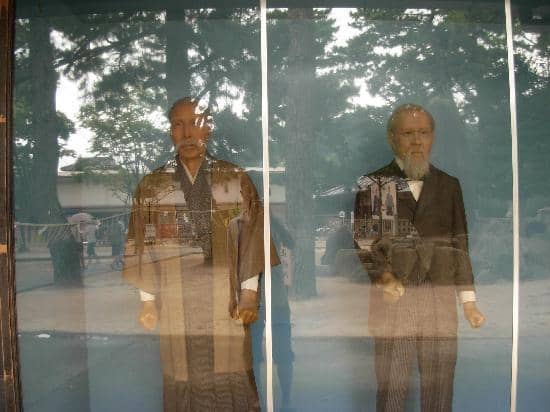
Explore exhibits detailing the life and teachings of Yoshida Shoin, a key educator and patriot.
Matsushita Village School
Within shrine precincts
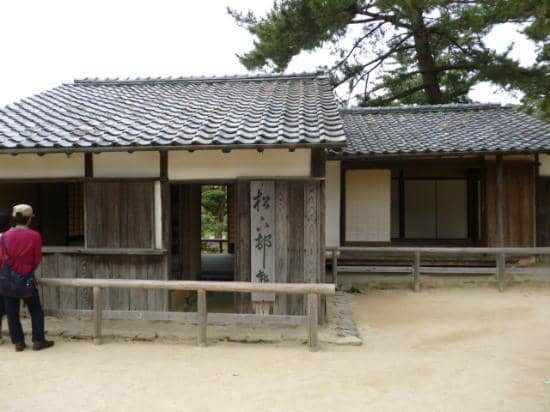
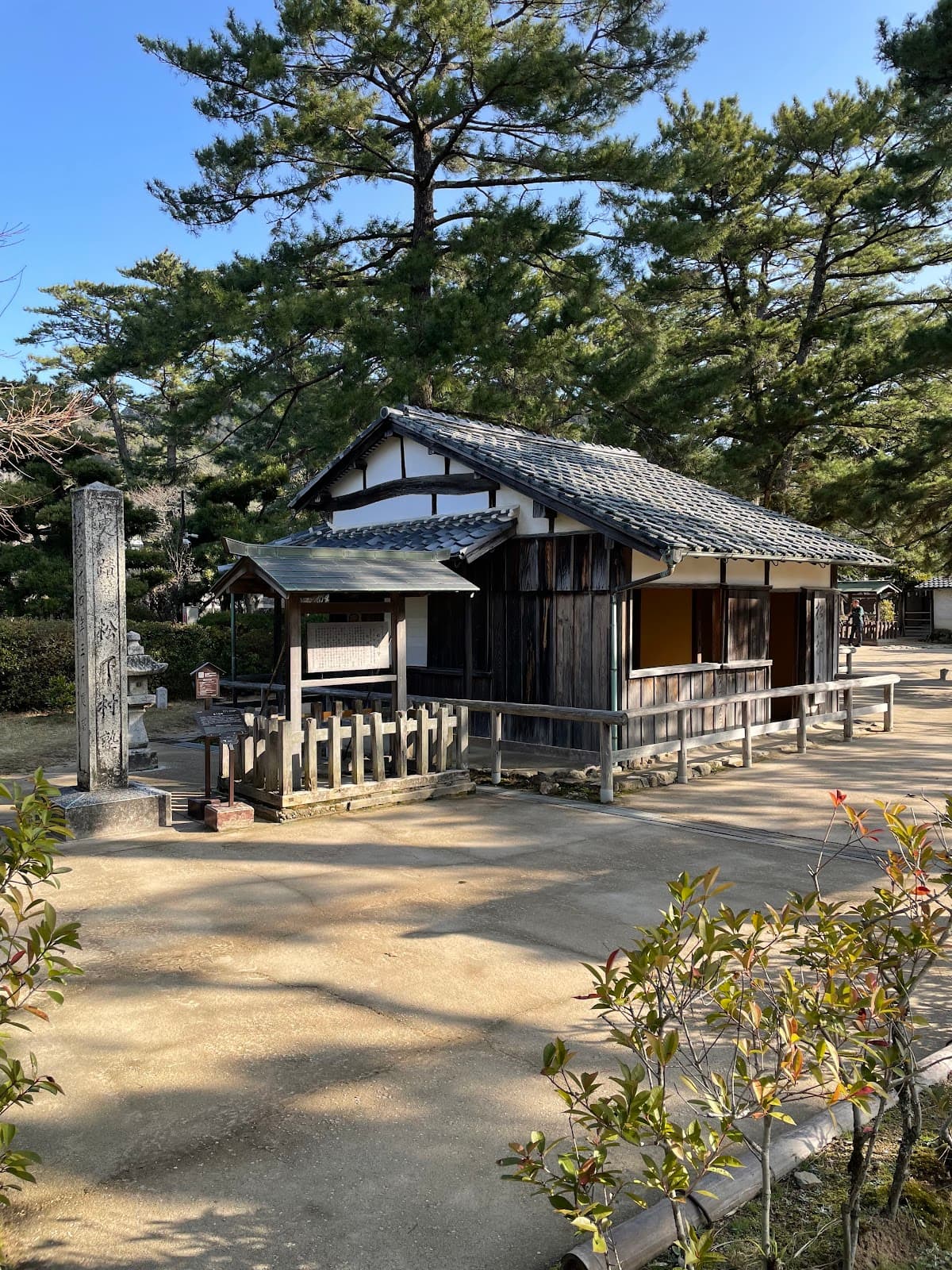
Visit the reconstructed private school where Shoin taught many influential figures.
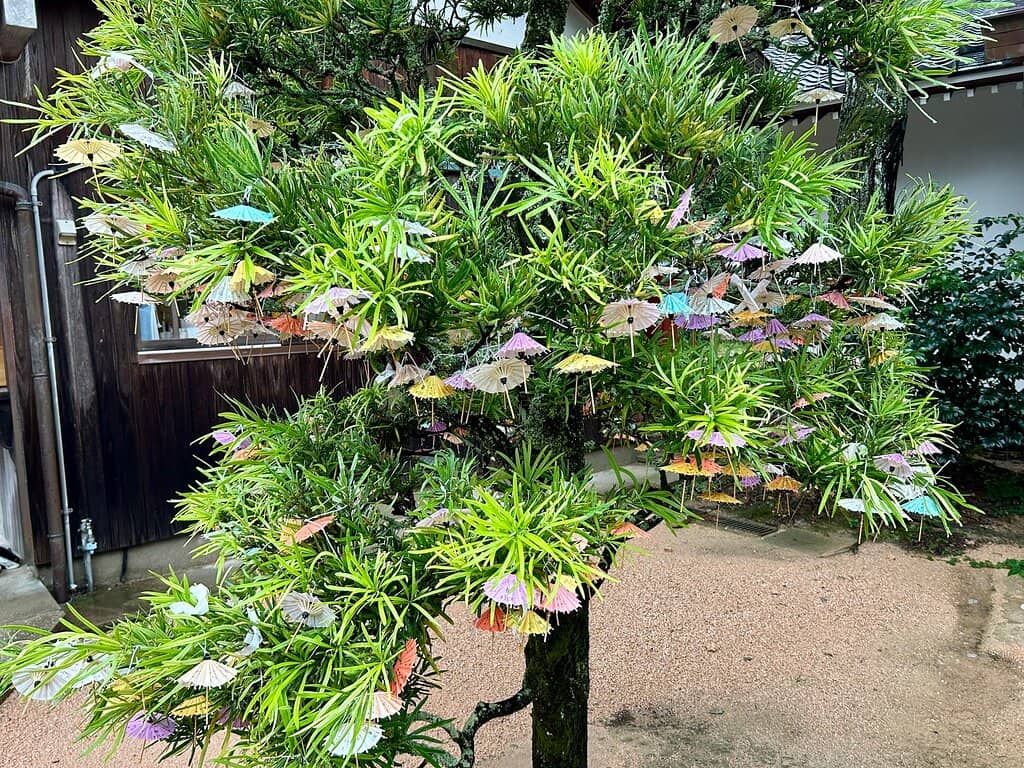
Summer Wind Chimes
Main hall
Experience the serene soundscape of dozens of furin (wind chimes) during summer.
Plans like a pro.
Thinks like you
Planning Your Visit
Timing Your Visit for Tranquility
Understanding Shoin's Historical Significance

Best Times
Insider Tips
from TikTok, Instagram & Reddit
🎯 Embrace the History
Learn about Yoshida Shoin to truly appreciate the shrine's significance.
☀️ Summer Wind Chime Magic
Visit in summer to hear the soothing sounds of furin.
🚶♀️ Peaceful Morning Strolls
Go early on weekdays for a quiet, reflective experience.
📸 Capture the Serenity
The grounds offer beautiful, tranquil photo opportunities.
Tips
from all over the internet
🎯 Embrace the History
Learn about Yoshida Shoin to truly appreciate the shrine's significance.
☀️ Summer Wind Chime Magic
Visit in summer to hear the soothing sounds of furin.
🚶♀️ Peaceful Morning Strolls
Go early on weekdays for a quiet, reflective experience.
📸 Capture the Serenity
The grounds offer beautiful, tranquil photo opportunities.
What Travellers Say
Reviews Summary
Visitors appreciate Shoin Shrine for its historical significance and peaceful atmosphere, particularly noting the connection to Yoshida Shoin and the tranquil grounds. However, some feel the shrine could better reflect Shoin's value beyond just tourism, suggesting more in-depth historical representation.
"Modern shrine but interesting old buildings and displays about a significant historical figure."
Team Flames
"Nice tempo. I went there in the morning and there was no one there."
Kenny Hsiao
"Like any kind of shrine."
Tieu Ky Luu
What People Like
What People Dislike
Frequently Asked Questions
🚇 🗺️ Getting There
Shoin Shrine in Tokyo is accessible via public transport. From Shibuya Station, you can take the Tokyu Den-en-toshi Line to Sangenjaya Station, then transfer to a bus or walk. Alternatively, it's a pleasant walk through Komazawa Park from Sangenjaya.
The Shoin Shrine in Hagi City, Yamaguchi Prefecture, is part of the Hagi Castle Town area and is accessible by local bus or taxi from Hagi Station. It's often visited in conjunction with other historical sites in the region.
The Tokyo Shoin Shrine is well-connected by the Tokyu Den-en-toshi Line, making it easy to combine with visits to areas like Shibuya or explore nearby parks like Komazawa Park.
Information on parking at Shoin Shrine can vary. It's advisable to check local listings or consider public transport, especially for the Tokyo location, to avoid parking hassles.
Yes, depending on your starting point, walking to Shoin Shrine is possible. For the Tokyo location, it's a scenic walk from Sangenjaya Station, potentially passing through Komazawa Park.
🎫 🎫 Tickets & Entry
Shoin Shrine is generally free to enter, allowing visitors to explore the grounds and main hall without a ticket. However, any special exhibitions or museum sections within the shrine complex might have separate admission fees.
The opening hours for Shoin Shrine typically align with daylight hours, allowing visitors to explore the grounds. It's best to check the specific hours for the Tokyo or Hagi location you plan to visit, as they can vary seasonally.
No advance booking is usually required for Shoin Shrine, as it's a public shrine. You can typically visit spontaneously during its operating hours.
Shoin Shrine may host special events, particularly during traditional Japanese holidays or anniversaries related to Yoshida Shoin. Checking their official website or local event listings is recommended.
Yes, the Matsushita Village School, a reconstruction of Yoshida Shoin's private school, is located within the precincts of Shoin Shrine and is accessible to visitors.
🎫 🧭 Onsite Experience
At Shoin Shrine, you can learn about the life of Yoshida Shoin, visit the Matsushita Village School, and enjoy the peaceful shrine grounds. In summer, the wind chimes add a unique sensory experience.
Yes, Shoin Shrine offers serene and historically significant backdrops for photography, with its traditional architecture and tranquil gardens.
Shoin Shrine honors Yoshida Shoin, a pivotal educator and thinker whose ideas greatly influenced the Meiji Restoration, making it a site of national historical importance.
Basic facilities like restrooms are usually available. Information centers or gift shops may also be present, especially at the more prominent Hagi location.
Yes, especially if you visit on a weekday morning, Shoin Shrine offers a tranquil atmosphere for reflection and learning about Japanese history.
🍽️ 🍽️ Food & Dining
The area around Shoin Shrine in Tokyo, particularly near Sangenjaya, offers a variety of dining options, from trendy cafes to traditional eateries.
Hagi City has many local restaurants and cafes, especially around the Hagi Castle Town area, where Shoin Shrine is located, offering regional specialties.
Typically, shrines do not have full-service restaurants. However, there might be small tea houses or vending machines for refreshments, especially at larger shrine complexes.
You can expect a range of Japanese cuisine, from casual ramen and udon shops to more refined local dishes, depending on the specific location of the shrine.
While not strictly necessary, bringing snacks can be convenient, especially if you plan to spend a significant amount of time exploring the grounds or if visiting during off-peak hours for dining.
📸 📸 Photography
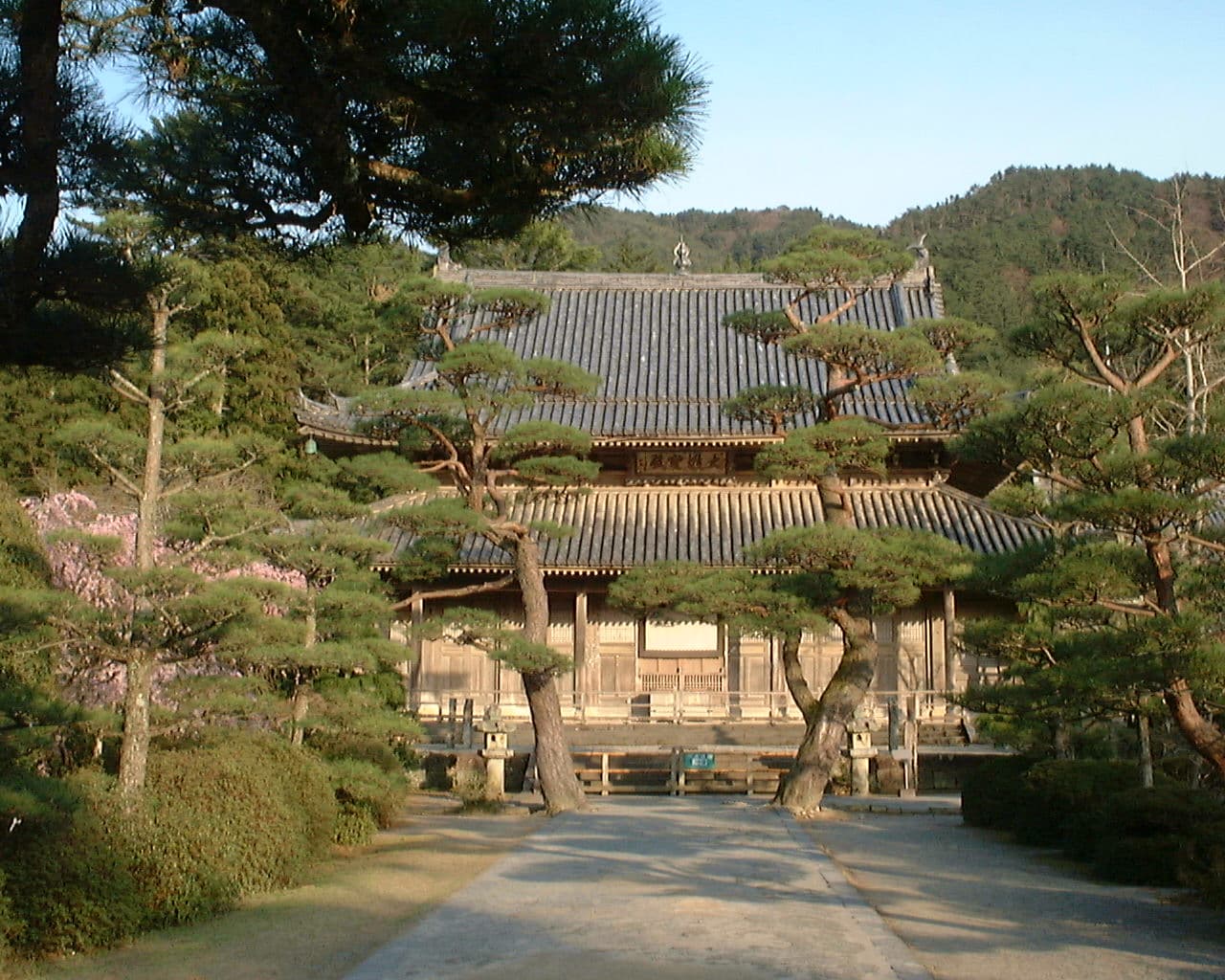
The main hall, the reconstructed Matsushita Village School, and the serene garden areas offer excellent photo opportunities. The summer wind chimes also create a unique visual.
Photography rules can vary. Generally, photography is permitted in outdoor areas and on the shrine grounds, but it's wise to check for signs indicating restrictions inside specific buildings or exhibit areas.
Morning light is often soft and ideal for capturing the tranquil atmosphere. Midday can be harsher, but shaded areas offer good opportunities. Consider golden hour for a warm glow.
While generally welcoming to visitors, be mindful of respectful photography, especially during prayer times or ceremonies. Avoid intrusive flash photography in enclosed spaces.
Drone usage is typically prohibited at shrines and historical sites to maintain peace and prevent disturbance. Always check local regulations before flying a drone.
For Different Travelers
Tailored advice for your travel style
👨👩👧 Families with Kids
While not a playground, the shrine grounds are generally safe for children to explore, especially during quieter times. Consider visiting on a weekday morning to avoid crowds and allow children to wander more freely.🏛️ History Buffs & Students
Take your time to read the exhibits and understand the context of Shoin's teachings and their impact on Japan's modernization.+1🚶♀️ Solo Travelers Seeking Peace
Deep Dives
In-depth insights and expert knowledge
The Enduring Influence of Yoshida Shoin
+2His most famous educational endeavor was the Matsushita Village School (Shokasonjuku), a private academy he established in Hagi City. This school, now a UNESCO World Heritage site and reconstructed within the Shoin Shrine precincts in Hagi, was a crucible for revolutionary thought. Shoin's teachings went beyond traditional samurai education, encouraging critical thinking and a deep understanding of Japan's place in the world. His legacy is honored at Shoin Shrine, serving as a reminder of the intellectual currents that propelled Japan into a new era.
+1Visitors to Shoin Shrine can gain a deeper appreciation for this historical context by exploring the exhibits and the reconstructed school. It's not just a place of worship, but a site that commemorates a crucial period of intellectual and political transformation in Japanese history. The shrine serves as a testament to Shoin's enduring impact on the nation's development.
+1Experiencing Shoin Shrine: Tokyo vs. Hagi
+1 It's a place for quiet contemplation amidst city life.The Shoin Shrine in Hagi City holds a more direct connection to Shoin's life and teachings, as it is located in the town where he established his famous Matsushita Village School. This shrine is often visited as part of a broader exploration of Hagi's historical sites, including the castle town and other remnants of the Edo period. The Hagi shrine offers a deeper dive into the historical context, with the presence of the World Heritage-listed Matsushita Village School within its grounds.
+2When planning your visit, consider which aspect of Shoin's legacy you wish to explore. The Tokyo shrine offers a serene urban escape, while the Hagi shrine provides a more immersive historical journey. Both locations, however, aim to preserve and share the spirit and teachings of this influential Japanese figure.
+2Seasonal Beauty at Shoin Shrine
Beyond the summer highlights, the shrine's natural surroundings provide a pleasant backdrop in other seasons as well. The lush greenery in warmer months and the potential for autumn foliage in the fall offer picturesque views. While not as overtly celebrated as the summer wind chimes, these seasonal changes contribute to the overall serene atmosphere of the shrine grounds, making it a worthwhile visit any time of year for those appreciating quiet, historical sites.

Social
from TikTok, Instagram & Reddit