Sanuki Castle Ruins
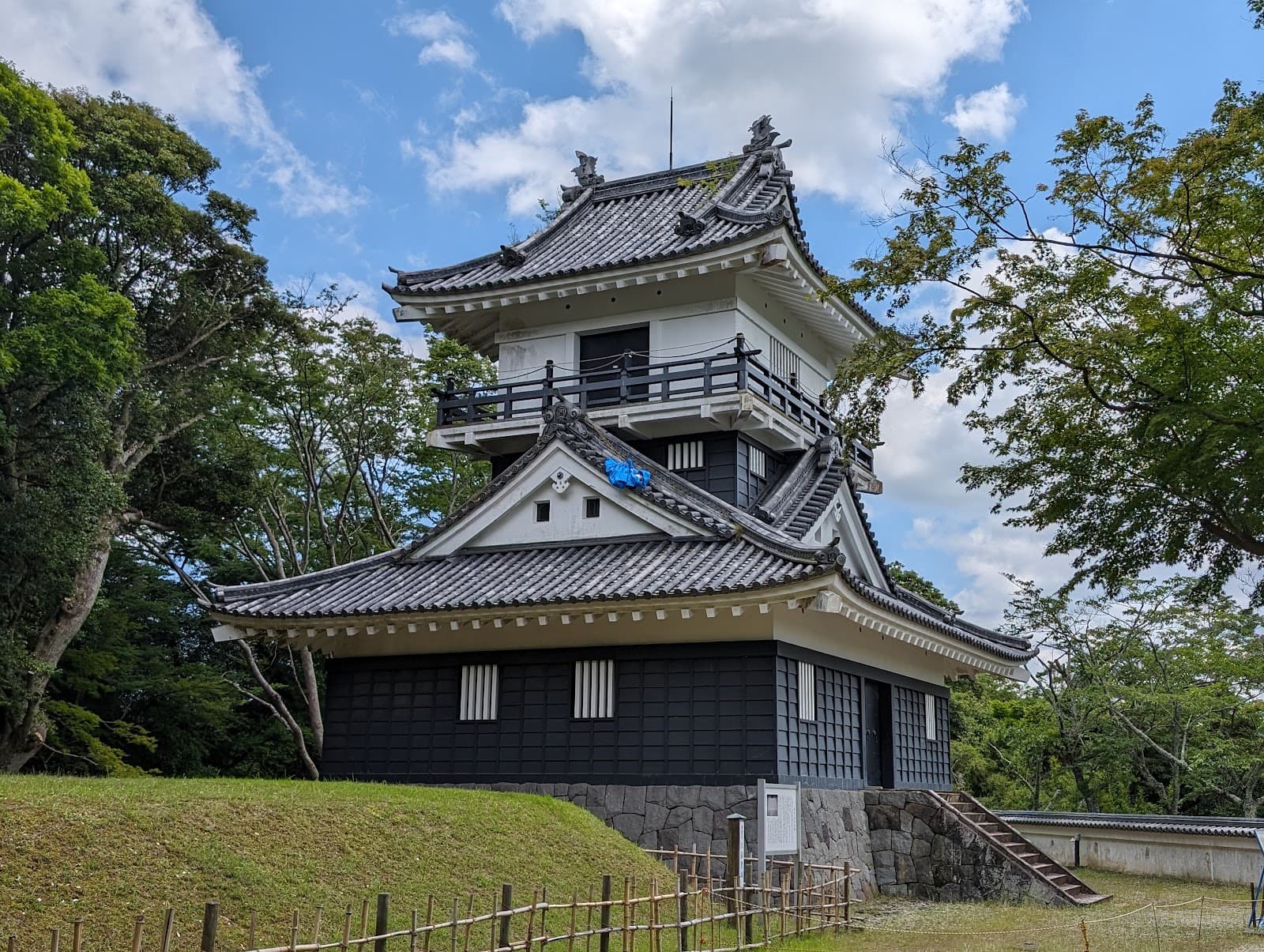
Explore the well-preserved dry moats, earthen ramparts, and stone walls of Sanuki Castle, a historic stronghold from the Sengoku to Meiji eras.
Highlights
Must-see attractions

Social
From TikTok & Reddit
Best Time
Clearer views, fewer bugs
Sanuki Castle Ruins
Best Time
Clearer views, fewer bugs
Highlights
Must-see attractions
Explore the well-preserved dry moats, earthen ramparts, and stone walls of Sanuki Castle, a historic stronghold from the Sengoku to Meiji eras.
"Impressive dry moats and earthen structures offer a glimpse into feudal Japan's defensive architecture."
🚗 Parking Availability
A parking lot is available at the Sannomaru site, making car access convenient.
👟 Comfortable Walking Shoes
Wear sturdy shoes for exploring the varied terrain, including dry moats and ramparts.
Quick Facts
Hours
Rating
3.7 · 57 reviews
Type
Historical Place
Highlights
Discover the most iconic attractions and experiences
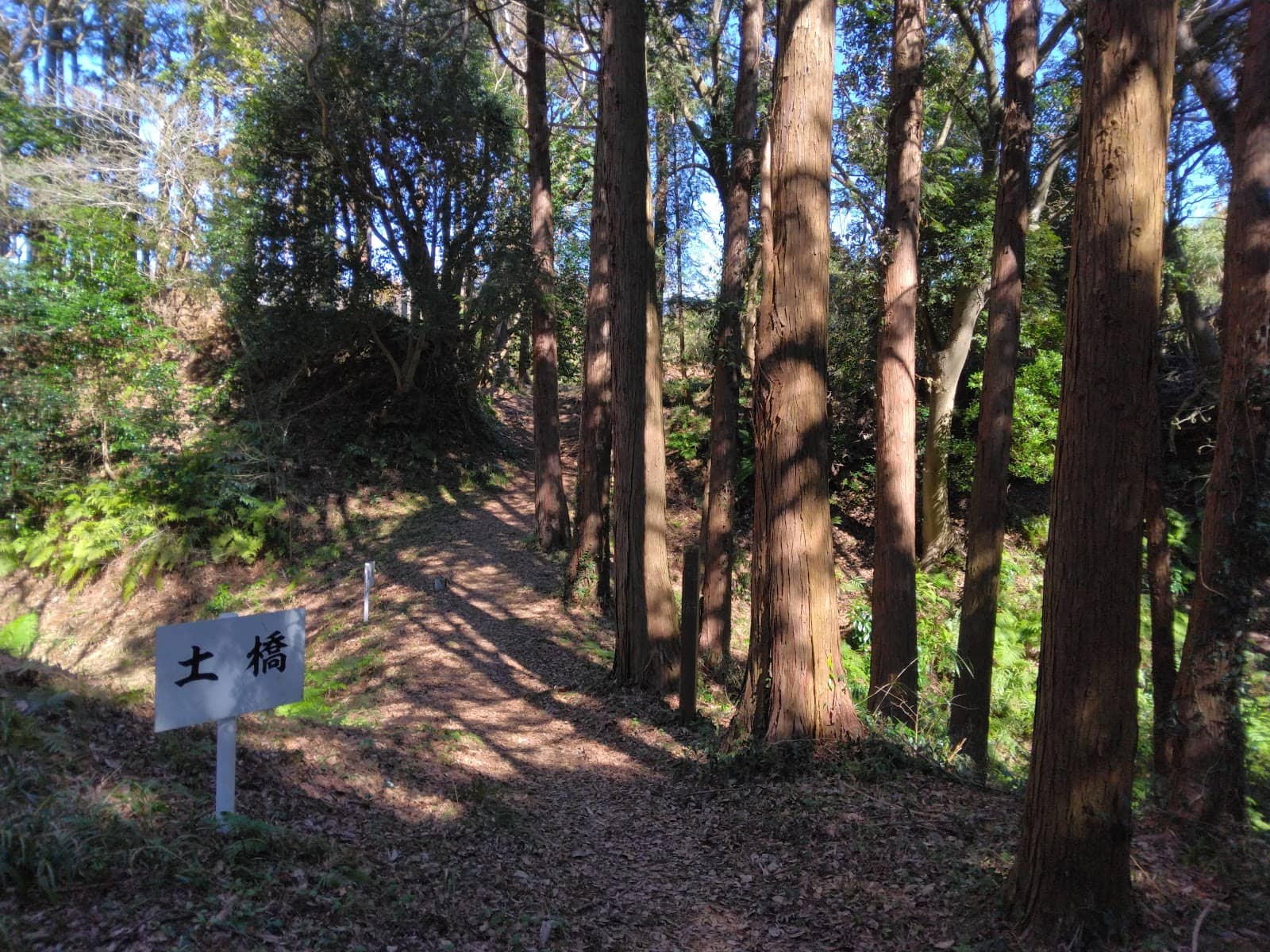
Dry Moats and Earthen Bridges
Between Ninomaru and Honmaru
Impressive dry moats carved into bedrock and steep embankments showcase the Satomi school of castle building.
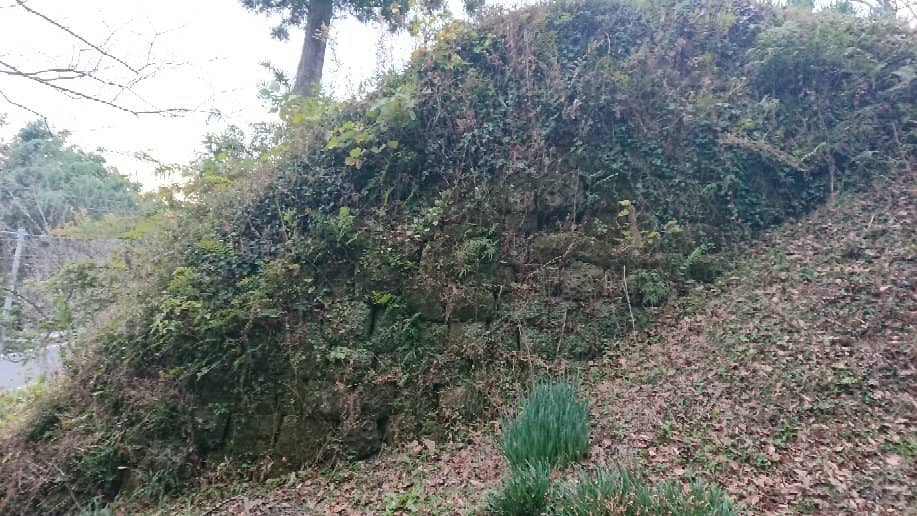
Stone Walls at Ote-yaguramon
Site of the Ote-yaguramon gate
Rarely seen stone walls in the Boso region, offering a glimpse into the castle's defensive architecture.
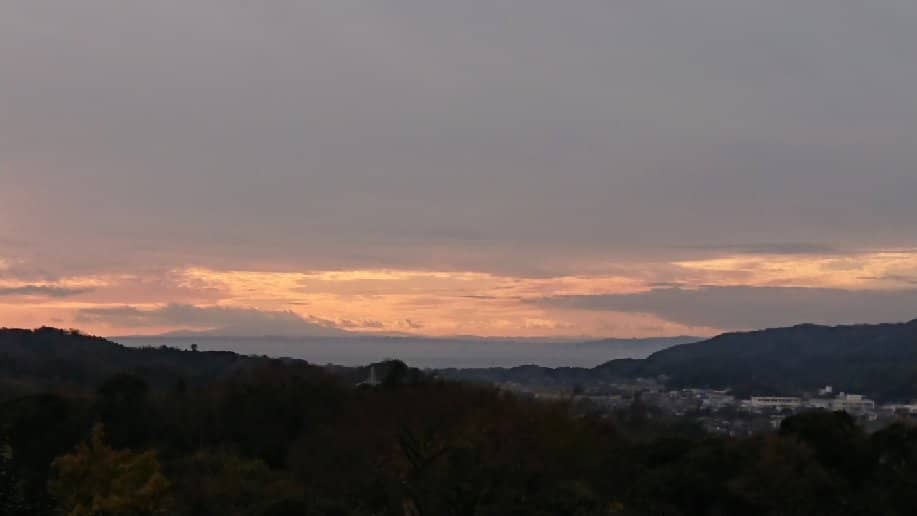
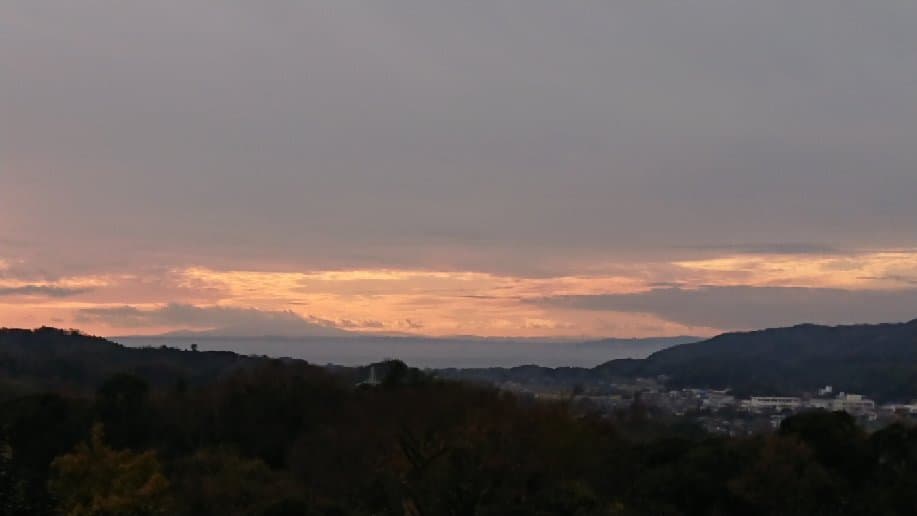
Panoramic Views from Honmaru
Honmaru (main keep)
Steep cliffs on the northwest and northeast sides offer lookout points, though views may vary by season.
Plans like a pro.
Thinks like you
Planning Your Visit
Finding the Entrance
Best Time for Exploration
Best Times
Insider Tips
from TikTok, Instagram & Reddit
🚗 Parking Availability
A parking lot is available at the Sannomaru site, making car access convenient.
👟 Comfortable Walking Shoes
Wear sturdy shoes for exploring the varied terrain, including dry moats and ramparts.
🦟 Mosquito Repellent (Summer)
If visiting in warmer months, bring repellent as bush mosquitoes can be prevalent.
⏳ Allow 30-40 Minutes
The loop from Sannomaru to Honmaru and the observation deck takes about 30-40 minutes.
Tips
from all over the internet
🚗 Parking Availability
A parking lot is available at the Sannomaru site, making car access convenient.
👟 Comfortable Walking Shoes
Wear sturdy shoes for exploring the varied terrain, including dry moats and ramparts.
🦟 Mosquito Repellent (Summer)
If visiting in warmer months, bring repellent as bush mosquitoes can be prevalent.
⏳ Allow 30-40 Minutes
The loop from Sannomaru to Honmaru and the observation deck takes about 30-40 minutes.
What Travellers Say
Reviews Summary
Visitors find Sanuki Castle Ruins to be a well-maintained historical site with impressive dry moats and earthen structures. The convenient parking and manageable walking loop are appreciated, offering a pleasant stroll through remnants of feudal Japan. Some note that while the views are decent, the primary draw is the historical architecture itself.
"The entrance is a little hard to find, so you might miss it if you're driving.
There is a parking lot at the castle entrance just before Sannomaru. There are many remains, including dry moats, shoji moats, stone walls, earthen ramparts, and earthen bridges. The round trip from Sannomaru → Ninomaru → Honmaru → Observation Deck takes about 30 to 40 minutes.
The dry moats and earthen bridges between Ninomaru and Honmaru were quite impressive.
Although the original lord of Sanuki Castle is unknown, it is a historic castle that survived through many changes of lord from the mid-Muromachi period until the abolition of feudal domains and the establishment of prefectures in the Meiji period."
Taka Shigeru
"This is the site of a castle that began with the Takeda clan at Mariya, and continued to be occupied by families such as the Satomi, Naito, Matsudaira, and Abe clans until the abolition of feudal domains and the establishment of prefectures in the Meiji era.
It is notable for its dry moats carved into the bedrock and steep embankments, which are characteristic of the Satomi school of castle building.
It is a rare castle in the Boso region, with stone walls still remaining at the site of the Ote-yaguramon gate, and recent maintenance has made it very easy to explore, making it a great place for a stroll.
As an important base where highways converged, it was from here that Satomi Yoshihiro launched his attack on Mifuneyama, a battle between Satomi and Hojo, forcing the Hojo forces to retreat with a stunning surprise attack.
There is a parking lot at the site of the Sannomaru, so you can also come by car."
おやじ三等兵
"Sanuki Castle survived through the late Muromachi period and the early Meiji period, with different lords throughout its existence.
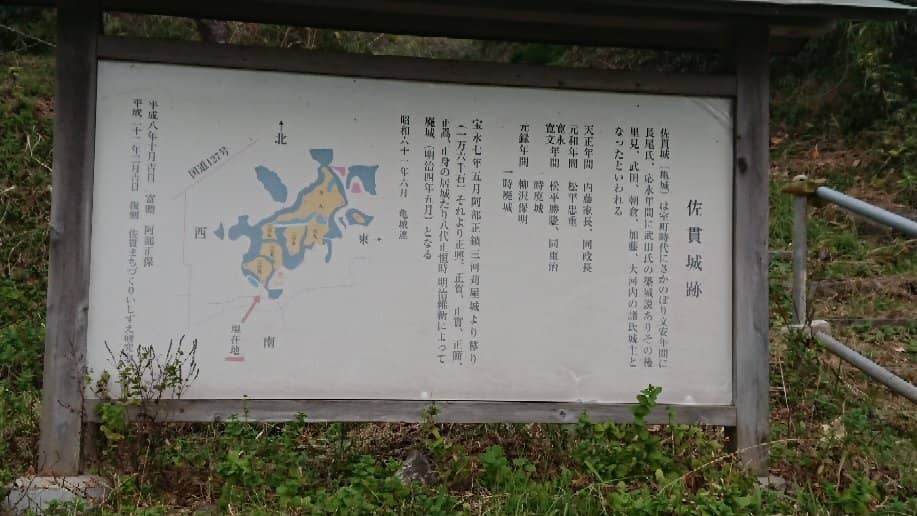
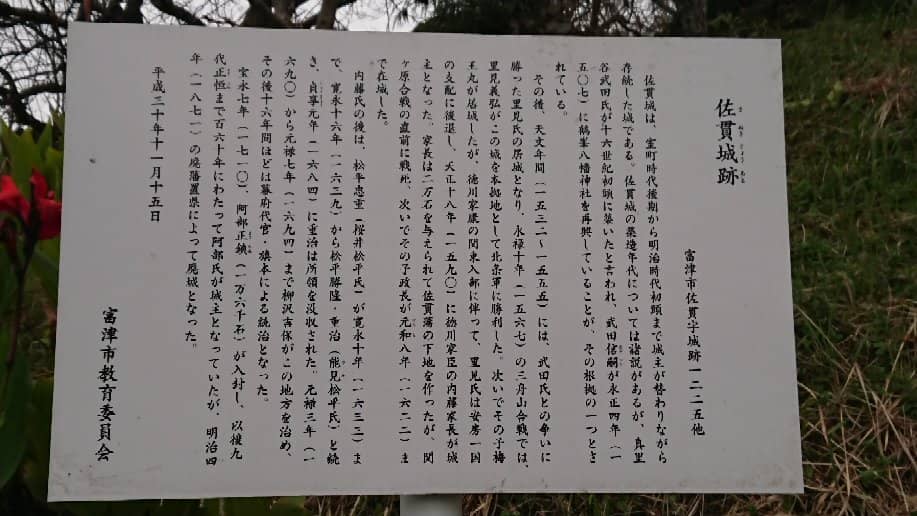
There are various theories about the date of Sanuki Castle's construction, but it is said to have been built by the Mariya Takeda clan in the early 16th century. One of the pieces of evidence is that Takeda Nobutsugu rebuilt Tsurumine Hachiman Shrine in 1507 (Eisho 4).
Later, during the Tenbun era (1532-1555), it became the castle of the Satomi clan, who defeated the Takeda clan. In 1567 (Eiroku 10), Satomi Yoshihiro used the castle as his base and defeated the Hojo army in the Battle of Mifuneyama.
His son, Umeomaru, subsequently occupied the castle, but with Tokugawa Ieyasu's entry into Kanto, the Satomi clan was reduced to control of the entire Awa province.
In 1590 (Tensho 18), Tokugawa vassal Naito Ienaga became the castle's lord.
Ienaga was granted 20,000 koku and laid the groundwork for the Sanuki domain, but was killed in battle just before the Battle of Sekigahara. His son, Masanaga, then resided in the castle until 1622 (Genwa 8).
After the Naito clan, Matsudaira Tadashige (of the Sakurai Matsudaira clan) ruled until 1633 (Kan'ei 10), and then Matsudaira Katsutaka and Shigeharu (of the Nomi Matsudaira clan) from 1639 (Kan'ei 16), until Shigeharu's territory was confiscated in 1684 (Jokyo 1).
Yanagisawa Yoshiyasu ruled the region from 1690 (Genroku 3) to 1694 (Genroku 7), and for the next 16 years or so it was ruled by shogunate magistrates and hatamoto (samurai retainers).
In 1710, Abe Masachika (16,000 koku) was appointed to the castle. The Abe clan ruled the castle for 160 years, from then until the ninth generation, Masatsune. However, in 1871, the castle was abandoned with the abolition of feudal domains and the establishment of prefectures.
[Excerpt from on-site information board]
This historic castle ruins continued from the Sengoku period to the Meiji era.
Remains from each era remain, including stone walls and a magnificent earthen bridge set from the dry moat.
The undergrowth is well-trimmed, allowing you to enjoy a leisurely stroll and soak up the castle town atmosphere."
中山家範
What People Like
What People Dislike
Frequently Asked Questions
🚇 🗺️ Getting There
The entrance can be a bit hidden when driving. Look for the parking lot located at the Sannomaru site, just before you reach the main castle grounds.
Yes, there is a parking lot available at the Sannomaru ruins, making it convenient for visitors arriving by car.
Information on public transport accessibility is limited, but driving is recommended due to the parking availability. It's best to check local transit schedules if relying on public transport.
The ruins are well-maintained with clear paths. A loop from Sannomaru to Ninomaru, Honmaru, and the observation deck takes about 30-40 minutes.
Keep an eye out for the Sannomaru area, which is where the parking lot is located and marks the beginning of the explored castle remains.
🎫 🎫 Tickets & Entry
Sanuki Castle Ruins are generally accessible without an entrance fee, as they are historical ruins. It's always a good idea to check for any local advisories.
As an outdoor historical site, Sanuki Castle Ruins are typically open from dawn till dusk. There are no set operating hours.
There is no admission fee mentioned for Sanuki Castle Ruins, making it a free historical exploration site.
Yes, the ruins are accessible year-round. However, visiting in winter offers clearer views, while summer can be buggy.
Information on guided tours is not readily available. Exploring independently is the common approach, with on-site information boards providing historical context.
🎫 🧭 Onsite Experience
You can see dry moats, shoji moats, stone walls, earthen ramparts, and earthen bridges, reflecting its history from the Muromachi to Meiji periods.
A full exploration of the main areas, including the loop from Sannomaru to Honmaru and the observation deck, typically takes about 30 to 40 minutes.
Expect varied terrain including dry moats, steep embankments, and some uneven paths. Comfortable walking shoes are recommended.
Specific facilities like restrooms or cafes are not mentioned. It's advisable to come prepared with water and any personal necessities.
Sanuki Castle has a long history, occupied by various clans from the Takeda to the Abe, and played a role in regional conflicts like the Battle of Mifuneyama.
📸 📸 Photography
The dry moats and earthen bridges offer dramatic perspectives. The stone walls at the Ote-yaguramon gate and the ramparts also make for compelling shots.
The natural setting with lush greenery in spring and summer, or the starker beauty in winter, can provide good landscape photography opportunities, especially from the Honmaru lookout points.
Early morning or late afternoon light can enhance the textures of the earthworks and stone walls, creating dramatic shadows and highlights.
No specific restrictions on photography have been mentioned, allowing visitors to capture the historical remains freely.
Drone usage regulations can vary by location. It's recommended to check local drone laws and any posted signage at the site before flying.


Social
from TikTok, Instagram & Reddit